"I am not one who was born in the custody of wisdom. I am one who is fond of olden times and intense in quest of the sacred knowing of the ancients." Gustave Courbet

10 August 2016

Alone.

Curtis, Crying to the Spirits, 1908


THE PRAIRIES

These are the gardens of the Desert, these
The unshorn fields, boundless and beautiful,
For which the speech of England has no name—
The Prairies. I behold them for the first,
And my heart swells, while the dilated sight
Takes in the encircling vastness. Lo! they stretch,
In airy undulations, far away,
As if the ocean, in his gentlest swell,
Stood still, with all his rounded billows fixed,
And motionless forever. —Motionless?—
No—they are all unchained again. The clouds
Sweep over with their shadows, and, beneath,
The surface rolls and fluctuates to the eye;
Dark hollows seem to glide along and chase
The sunny ridges. Breezes of the South!
Who toss the golden and the flame-like flowers,
And pass the prairie-hawk that, poised on high,
Flaps his broad wings, yet moves not—ye have played
Among the palms of Mexico and vines
Of Texas, and have crisped the limpid brooks
That from the fountains of Sonora glide
Into the calm Pacific—have ye fanned
A nobler or a lovelier scene than this?
Man hath no power in all this glorious work:
The hand that built the firmament hath heaved
And smoothed these verdant swells, and sown their slopes
With herbage, planted them with island groves,
And hedged them round with forests. Fitting floor
For this magnificent temple of the sky—
With flowers whose glory and whose multitude
Rival the constellations! The great heavens
Seem to stoop down upon the scene in love,— 
A nearer vault, and of a tenderer blue,
Than that which bends above our eastern hills.

  As o’er the verdant waste I guide my steed,
Among the high rank grass that sweeps his sides
The hollow beating of his footsteps seems
A sacrilegious sound. I think of those
Upon whose rest he tramples. Are they here—
The dead of other days?—and did the dust
Of these fair solitudes once stir with life
And burn with passion? Let the mighty mounds
That overlook the rivers, or that rise
In the dim forest crowded with old oaks,
Answer. A race, that long has passed away,
Built them;—a disciplined and populous race
Heaped, with long toil, the earth, while yet the Greek
Was hewing the Pentelicus to forms
Of symmetry, and rearing on its rock
The glittering Parthenon. These ample fields
Nourished their harvest, here their herds were fed,
When haply by their stalls the bison lowed,
And bowed his maned shoulder to the yoke.
All day this desert murmured with their toils,
Till twilight blushed, and lovers walked, and wooed
In a forgotten language, and old tunes,
From instruments of unremembered form,
Gave the soft winds a voice. The red man came—
The roaming hunter tribes, warlike and fierce,
And the mound-builders vanished from the earth.
The solitude of centuries untold
Has settled where they dwelt. The prairie-wolf
Hunts in their meadows, and his fresh-dug den
Yawns by my path. The gopher mines the ground
Where stood their swarming cities. All is gone;
All—save the piles of earth that hold their bones,
The platforms where they worshipped unknown gods,
The barriers which they builded from the soil
To keep the foe at bay—till o’er the walls
The wild beleaguerers broke, and, one by one,
The strongholds of the plain were forced, and heaped
With corpses. The brown vultures of the wood
Flocked to those vast uncovered sepulchres,
And sat unscared and silent at their feast.
Haply some solitary fugitive,
Lurking in marsh and forest, till the sense
Of desolation and of fear became
Bitterer than death, yielded himself to die.
Man’s better nature triumphed then. Kind words
Welcomed and soothed him; the rude conquerors
Seated the captive with their chiefs; he chose
A bride among their maidens, and at length
Seemed to forget—yet ne’er forgot—the wife
Of his first love, and her sweet little ones,
Butchered, amid their shrieks, with all his race.

  Thus change the forms of being. Thus arise
Races of living things, glorious in strength,
And perish, as the quickening breath of God
Fills them, or is withdrawn. The red man, too,
Has left the blooming wilds he ranged so long,
And, nearer to the Rocky Mountains, sought
A wilder hunting-ground. The beaver builds
No longer by these streams, but far away,
On waters whose blue surface ne’er gave back
The white man’s face—among Missouri’s springs,
And pools whose issues swell the Oregon—
He rears his little Venice. In these plains
The bison feeds no more. Twice twenty leagues
Beyond remotest smoke of hunter’s camp,
Roams the majestic brute, in herds that shake
The earth with thundering steps—yet here I meet
His ancient footprints stamped beside the pool.

  Still this great solitude is quick with life.
Myriads of insects, gaudy as the flowers
They flutter over, gentle quadrupeds,
And birds, that scarce have learned the fear of man,
Are here, and sliding reptiles of the ground,
Startlingly beautiful. The graceful deer
Bounds to the wood at my approach. The bee,
A more adventurous colonist than man,
With whom he came across the eastern deep,
Fills the savannas with his murmurings,
And hides his sweets, as in the golden age,
Within the hollow oak. I listen long
To his domestic hum, and think I hear
The sound of that advancing multitude
Which soon shall fill these deserts. From the ground
Comes up the laugh of children, the soft voice
Of maidens, and the sweet and solemn hymn
Of Sabbath worshippers. The low of herds
Blends with the rustling of the heavy grain
Over the dark brown furrows. All at once
A fresher winds sweeps by, and breaks my dream,
And I am in the wilderness alone.

William Cullen Bryant

Connection.


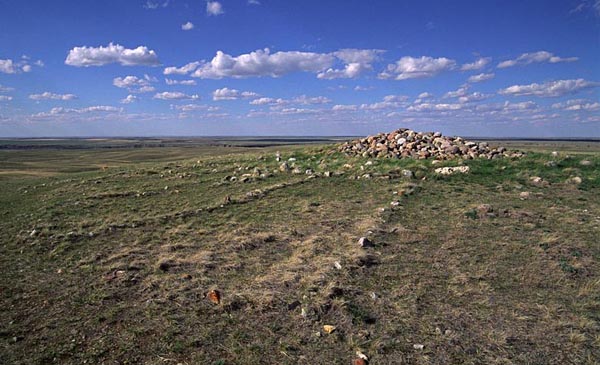
Nearly every ancient civilization has studied the night sky, whether for navigation, measuring time, or spiritual purposes. The Plains Indians of North America were no exception. Dotting the high hills of the northern plains are hundreds of Native American stone constructions, called medicine wheels. Many of these are precisely aligned with the sun and stars. The name Medicine Wheel may seem strange, considering how modern society thinks of medicine. To the Native Americans, medicine means “spiritual and mysterious.” These wheels are an intricate part of their spirituality and connection to the Earth and sky.

How.

Relation.


The DELIGHT SONG of TSOAI-TALEE

I am a feather on the bright sky
I am the blue horse that runs in the plain
I am the fish that rolls, shining, in the water
I am the shadow that follows a child
I am the evening light, the lustre of meadows
I am an eagle playing with the wind
I am a cluster of bright beads
I am the farthest star
I am the cold of dawn
I am the roaring of the rain
I am the glitter on the crust of the snow
I am the long track of the moon in a lake
I am a flame of four colors
I am a deer standing away in the dusk
I am a field of sumac and the pomme blanche
I am an angle of geese in the winter sky
I am the hunger of a young wolf
I am the whole dream of these things

You see, I am alive, I am alive
I stand in good relation to the earth
I stand in good relation to the gods
I stand in good relation to all that is beautiful
I stand in good relation to the daughter of Tsen-tainte
You see, I am alive, I am alive

N. Scott Momaday

Archaeoastronomy.


Nearly every ancient civilization has studied the night sky, whether it was for navigation, measuring time, or spiritual purposes.  The Plains Indians of North America were no exception.  Dotting the high hills of the northern plains are hundreds of Native American stone constructions, called medicine wheels, that some scientists and historians believe to be aligned with the stars. In the past few decades, the field of archaeoastronomy, which aims to uncover how past civilizations understood celestial phenomena, has turned to medicine wheels to demonstrate the Native Americans' grasp of the heavens.

Psychological.


The Native American medicine wheel has been a rich source of ideas regarding human psychology and health. Although interpretations of the significance of the medicine wheel are diverse and speculative, they can nonetheless provide an interesting and personally meaningful template for thinking about how balance and harmony contribute to psychological health. This article describes the origins of the medicine wheel, related images with a similar function such as the mandala, and C. G. Jung's ideas on how such symbols can be used to promote psychological development.

CONNECT

Medicine.


The Medicine Wheel and the Four Directions
The Medicine Wheel, sometimes known as the Sacred Hoop, has been used by generations of various Native American tribes for health and healing. It embodies the Four Directions, as well as Father Sky, Mother Earth, and Spirit Tree—all of which symbolize dimensions of health and the cycles of life.

The Medicine Wheel can take many different forms. It can be an artwork such as artifact or painting, or it can be a physical construction on the land. Hundreds or even thousands of Medicine Wheels have been built on Native lands in North America over the last several centuries.

Movement in the Medicine Wheel and in Native American ceremonies is circular, and typically in a clockwise, or “sun-wise” direction. This helps to align with the forces of Nature, such as gravity and the rising and setting of the Sun.

Meanings of the Four Directions
Different tribes interpret the Medicine Wheel differently. Each of the Four Directions (East, South, West, and North) is typically represented by a distinctive color, such as black, red, yellow, and white, which for some stands for the human races. 

The Directions can also represent:
Stages of life: birth, youth, adult (or elder), death
Seasons of the year: spring, summer, winter, fall
Aspects of life: spiritual, emotional, intellectual, physical
Elements of nature: fire (or sun), air, water, and earth
Animals: Eagle, Bear, Wolf, Buffalo and many others
Ceremonial plants: tobacco, sweet grass, sage, cedar

Surprise.


Expect nothing. Live frugally
On surprise.
Become a stranger
To need of pity
Or, if compassion be freely
Given out
Take only enough
Stop short of urge to plead
Then purge away the need.

Wish for nothing larger
Than your own small heart
Or greater than a star;
Tame wild disappointment
With caress unmoved and cold
Make of it a parka
For your soul.

Discover the reason why
So tiny a human midget
Exists at all
So scared unwise
But expect nothing. Live frugally
On surprise.

Alice Walker

Voice.

Happy birthday, Anderson.


Ian Anderson was born on this day in 1947.

"Fat Man"


CONNECT

Golden.

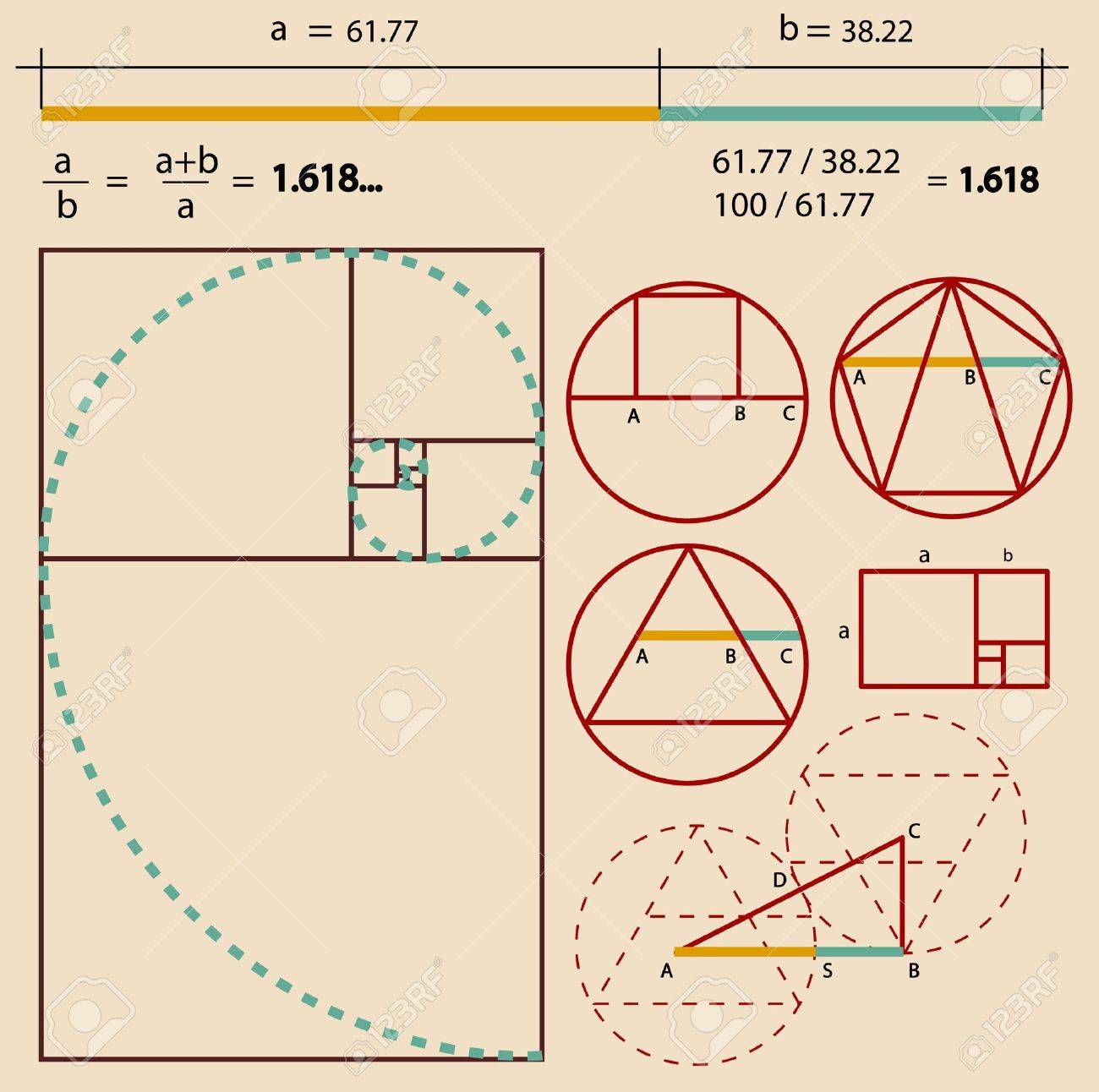
The Golden Ratio ...

09 August 2016

Greatest.

The greatest military movie ever.

Paul Weller, "I'm Where I Should Be"

Typography.


Thanks, Kurt.

Lente.


If the Renaissance had a trademark, it would be the dolphin-and-anchor device of Aldus Manutius. The famed Venetian printer and humanist scholar produced a series of elegant and convenient editions of the classics in the late-fifteenth and early-sixteenth centuries, and the Aldine press was so successful and renowned that the device was imitated by printers throughout Europe. By using an anchor device, printers could capitalize on the existing authority and prestige of the Aldine press -- an act of appropriation and allusion that would be reenacted by numerous publishing firms over the following centuries.

The emblem of the dolphin and anchor was used to illustrate the proverb festina lente, or "make haste slowly." Erasmus composed a lengthy essay on this proverb in his Adagiorum collectanea, a collection of  "adages," or classical proverbs, which he kept revising throughout his career.

Erasmus seems to have this image in mind, explaining the proverb by recourse to "ancient texts relating to hieroglyphics": "the circle as having neither beginning nor end represents eternity. The anchor, which holds back and ties down the ship and binds it fast, indicates slowness. The dolphin, as the fastest and in its motions most agile of living creatures, expresses speed. If then you skilfully connect these three, they will make up some such principle as 'Ever hasten slowly.'"

CONNECT

More ... here.

Above.


Some notes ...

Clarity of Purpose: Think hard, be as specific as possible. Ask yourself: “Exactly what is it that I am after every day?”

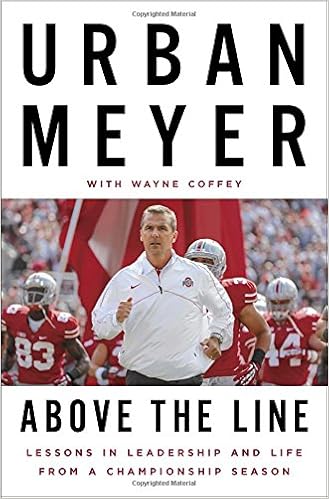
ABOVE THE LINE  [Intentional, On Purpose, Skillful]
-------------------------------------------------------------------
BELOW THE LINE [Impulsive, On Autopilot, Resistant]

The performance of a team rises or falls on behavior. Winning behavior is intentional, on purpose and skillful. It is Above the Line. But it’s easier to be impulsive, on autopilot and resistant. This is Below the Line. Below the Line is dangerous, because it is comfortable and convenient. It is the path of least resistance.

Above the Line behavior is conscious and thoughtful – a choice made in alignment with your larger vision or where you want to go. Below the Line behavior is directed by impulse or the gravitational pull of old habits; you just react without thinking. Below the Line is your default response.

It isn’t hard to find people who are caught up in Below the Line behavior. All you need to do is look for those whose first reaction is to blame (others), complain (about circumstances), and defend (yourself) or BCD.

E + R = O (Event + Response = Outcome)

We don’t control the events in life and we don’t directly control the outcomes. But we always have control over how we choose to respond.

Simply stated, Big Es and Big Os require Big Rs. How you respond: Calls it the “R Factor.”

Six R Factor Disciplines they teach to players:
1. Press Pause – gives you time to think, gets you off autopilot, avoid doing something foolish or harmful, focus on acting with purpose

2. Get Your Mind Right – What you focus on, how you talk to yourself, productive vs. negative mindset, Irritated Mindset or Survival Mindset (both below the line) vs. Purpose mindset (above the line)

3. Step Up – Understand the situation, understand what is required of you and respond above the line

4. Adjust & Adapt – Consider current path of your R Factor habits. Where are they taking you? Where do you want to go? Adjust.

5. Make a Difference – take complete ownership of the experience you give others and your contribution to the team’s culture

6. Build Skill – Elite performers build skill above their talents. Talent is a gift, greatness is a choice. Under pressure, we do not rise to the occasion. We rise or fall to the level of our training.

Thank you, Ryan.

Beppe Gambetta, "Wandering Aengus"

Our truest life is when we are in dreams awake.

Henry David Thoreau

The SONG of WANDERING AENGUS

I went out to the hazel wood,
Because a fire was in my head,
And cut and peeled a hazel wand,
And hooked a berry to a thread;
And when white moths were on the wing,
And moth-like stars were flickering out,
I dropped the berry in a stream
And caught a little silver trout.

When I had laid it on the floor
I went to blow the fire a-flame,
But something rustled on the floor,
And someone called me by my name:
It had become a glimmering girl
With apple blossom in her hair
Who called me by my name and ran
And faded through the brightening air.

Though I am old with wandering
Through hollow lands and hilly lands,
I will find out where she has gone,
And kiss her lips and take her hands;
And walk among long dappled grass,
And pluck till time and times are done,
The silver apples of the moon,
The golden apples of the sun.

W.B. Yeats

Happy birthday, Walton.

Huysmans, Walton, 1672


Izaak Walton was born on this day in 1593.

Be grateful for the simple things in life. Don't take them for granted. After all, what would a blind man give to see the pleasant rivers and meadows and flowers and fountains; this and many other like blessings we enjoy daily.  Rivers and the inhabitants of the watery elements are made for wise men to contemplate and for fools to pass by without consideration.

Izaak Walton

The Complete Angler documents James Prosek's travels as he walks in the footsteps of the 17th century English writer, Izaak Walton — "research" for his senior thesis at Yale.

08 August 2016

'Twill.

Turner, Fishermen at Sea (detail), 1796


THE REQUEST

Now the sun his blinking beam
Behind yon mountain loses,
And each eye, that might evil deem,
In blinded slumber closes:
Now the field's a desert grown,
Now the hedger's fled the grove;
Put thou on thy russet gown,
Shielded from the dews, my love,
And wander out with me.

We have met at early day,
Slander rises early,
Slander's tongues had much to say,
And still I love thee dearly:
Slander now to rest has gone,
Only wakes the courting dove;
Slily steal thy bonnet on,
Leave thy father's cot, my love,
And wander out with me.

Clowns have pass'd our noon-day screen,
'Neath the hawthorn's blossom,
Seldom there the chance has been
To press thee to my bosom:
Ploughmen now no more appear,
Night-winds but the thorn-bough move;
Squander not a minute here,
Lift the door-latch gently, love,
And wander out with me.

Oh the hour so sweet as this,
With friendly night surrounded,
Left free to talk, embrace, and kiss,
By virtue only bounded--
Lose it not, make no delay,
Put on thy doublet, hat, and glove,
Sly ope the door and steal away;
And sweet 'twill be, my only love,
To wander out with thee.

John Clare

Bach, Fiddle Tunes

The music of Johann Sebastian Bach is essential, like air and water, for many classical musicians. Pianist András Schiff starts every day with Bach — sometimes before breakfast. "It's like taking care of your inner hygiene. There's something very pure about it," he says. Cellist Matt Haimovitz notes that he's been playing and thinking about the Bach Cello Suites for more than 30 years. He even plays them in bars.

Violinist Rachel Barton Pine began playing Bach in church at age 4. Ever since, she's been mastering and re-mastering Bach's set of six Sonatas and Partitas—more than two hours of solo violin music that looms like a proverbial Mount Everest for any serious fiddler. The trick is getting the details down. Bach left us with the notes but not much else. Pine recently analyzed every measure of these works, and prepared a new edition of the music with her own dynamic markings, phrasing indications, bowings and fingerings.

For this performance, Pine chose three contrasting movements from the set and plays them on her Guarneri del Gesu violin, which was built in 1742 — eight years before Bach died. She highlights the spirit of the dance in the "Tempo di Borea" (a Bourée from the First Partita). She unfolds a serene melody, just lightly accompanied, in the "Largo" (from the Third Sonata), and she closes with the intertwining "Fuga" (from the First Sonata), which sounds like three violinists in deep discussion.


Thank You, Jess!

Questions.

John Prine, "Hello In There"

Ya' know that old trees just grow stronger
And old rivers grow wilder every day
Old people just grow lonesome
Waiting for someone to say, "Hello in there, hello"

So if you're walking down the street sometime
And spot some hollow ancient eyes
Please don't just pass 'em by and stare
As if you didn't care, say, "Hello in there, hello"

Building.


Imagine for a moment a good innovation is like a full grown tree that bears fruit for many people to enjoy. To get a good tree to grow we need to provide the right conditions-we need the right soil, water, sun and care. In a similar way to providing the right conditions for a good fruit tree to grow, we need to provide the right creative culture for innovations to grow and bear fruit. And just like when we get the right field we can grow multiple fruit trees at the same time, if we develop a healthy culture we can grow multiple innovations. From a healthy culture of innovation, great ideas and innovations can keep arising, working for a while, falling and being recycled into the next thing. Most organizations fail at producing relevant innovations because they don’t want to take the time to do the harder culture building work.

Recreate.

“Today, there are only 30 people, including me, who are making a living as a sword maker,” says the Hokkaido-based Watanabe. “When I was younger I was making swords just because I loved it, but as I got older I started to think that I need to pass along the aesthetics and soul of the Japanese people through my swords.” This he seems to have accomplished against long odds, and in defiance of his practical-minded family’s wishes. “There are basically no instructions left to make Koto,” swords from the Heian and Kamakura periods which lasted from the year 794 to 1333. “It’s impossible to recreate the sword. However, that’s the kind that attracts me, and I’ve been trying to recreate it for 40 years.”


XTC, "Blue Beret"

Life is sometimes shorter than you think
So take yourself a hike from the kitchen sink
Me, I like to roam
Wasn't built in a day
And night throws the stars in our way
Meanwhile on Planet Earth

Some people are dying for the right to say
Some people are dying 'cause the other people busy blowing them away
Well, we're all dying so we better have a ton of fun along the way
I say hats off, get your hats off, take your hats off, get your hats off
For the blue beret
Blue beret, blue beret

The wind has blown it off his head
And sent it spinning straight to nowhere
Nowhere to get ahead in this life

Life is sometimes longer than you need
Especially if it's thrown away on hate and greed
Well, me I like to think while the other fish swim
But sharks made a meal out of him
Meanwhile on bone dry land

Some people are dying for the right to say
Some people just want the right to say
Some people are dying 'cause the other people busy blowing them away
Some people are merely blown away
Well, we're all dying so we better have a ton of fun along the way
I say hats off, take your hats off, get your hats off, take your hats off
To the blue beret
Blue beret, blue beret

The wind has blown it off his head
And sent it spinning straight to nowhere
Nowhere to get ahead in this life
So just love your dog and don't kick your wife
Put down that knife, watch out the windows,
And blow your hat away

Inspire.


I’ve always loved the visitor maps you get when you visit a national park. I’ve got little stashes of them tucked into the seat back pockets of my car and hidden away in closets. I can never bring myself to toss the maps when I get home from a trip. With their combination of photos, maps and text they bring back memories of where I’ve been and inspire me to think of adventures still waiting to be had.

Tom Patterson is one of the people who makes those maps. He’s visited more than 100 national parks, including some of the most far-flung and least visited. As a senior cartographer for the National Park Service, it’s Patterson’s job to make sure the maps visitors see at U.S. national parks, monuments, battlefields, and other sites are up to date and easy to use, even for people who aren’t cartographically inclined.

Packed.


I think of the latest high-tech maps—like Google’s maps for automated cars and the new brain map from the Allen Institute—as maps for machines. They’re so packed with information that they’re nearly impossible to comprehend just by looking. 

CONNECT

Bruce Molsky, "Candy Girl/Shelving Rack"

Manifesto.

Discover.

As to when I shall visit civilization, it will not be soon, I think.  I have not tired of the wilderness; rather, I enjoy its beauty and the vagrant life I lead, more keenly all the time.


I prefer the saddle to the streetcar and the star-sprinkled sky to a roof, the obscure and difficult trail, leading into the unknown, to any paved highway, and the deep peace of the wild to the discontent bred by cities.


Do you blame me then for staying here, where I feel that I belong and am one with the world around me?


It is enough that I am surrounded by beauty.  I know that I could not bear the routine and humdrum of the life that you are forced to lead.


I don't think I could ever settle down.  I have known too much of the depths of life already, and I would prefer anything to an anticlimax.


I have always been unsatisfied with life as most people live it. 


 Always I want to live more intensely and richly.


Why muck and conceal one's true longings and loves, when by speaking of them one might find someone to understand them, and by acting on them one might discover oneself?

Everett Ruess

Thank You, Jessica!  What an adventure!

Boccherini, Cello Concerto No. 6 in D major, G 479

Mstislav Rostropovich performs with the Mito Chamber Orchestra, Seiji Ozawa conducting ...

Out.

07 August 2016

Guy Clark, "My Favorite Picture of You"

Internalize.


NOTES ON THE SACRED ART OF LOG SITTING

Approach the log cautiously with proper reverence as if you were entering a French cathedral or the bedroom of your lover.

If it’s over 60 degrees, inspect the lower sides of the log for Mohave rattlesnakes.
Now examine the log closely for the most comfortable place to sit, usually away from the sun.

Sit down.

Empty your mind of everything except what is in front of you—the natural landscape of the canyon.

Dismiss or allow to slide away any aspect of your grand or pathetic life.

Breathe softly.

Avoid a doze.

Internalize what you see in the canyon: the oaks and mesquites, the rumpled and grassy earth, hawks flying by, a few songbirds.

Stay put for forty-five minutes to an hour.

When you get up bow nine times to the log.

Three logs a day is generally my maximum.

Jim Harrison

Appetite.


Sir Ken on the future of education ...

It’s usual to think of education in terms of what people need to know, understand and be able to do. For me, the purpose of education is to help young people understand the world around them and engage in the world within them. A lot of the education system is focused on the external world, but all children have their own talents and abilities, sense of possibilities, biographies, anxieties, hopes and aspirations. Among the reasons why kids get disengaged from school is that schools don’t speak well enough to their inner world, and so they don’t feel that school is anything to do with them, or they have been made to feel stupid by it. Or they find it pointless or just boring.

On that basis there are four big purposes of education: economic, social, cultural and personal. But rather than defining education through a group of subjects, I think it is better to think of the competencies people need to make their way in the world now and to engage with the world the way it seems to be evolving. I would include things like curiosity, because in the end education depends on an appetite to learn. If that gets stultified then learning starts to slow down and eventually become frustrating.

Danger.


The danger of civilization, of course, is that you will piss away your life on nonsense.

Jim Harrison

Blossoming.

Lucy Worsley traces the forgotten and fascinating story of the young Mozart's adventures in Georgian London. Arriving in 1764 as an eight-year-old boy, London held the promise of unrivalled musical opportunity. But in telling the telling the tale of Mozart's strange and unexpected encounters, Lucy reveals how life wasn't easy for the little boy in a big bustling city.

With the demands of a royal performance, the humiliation of playing keyboard tricks in a London pub, a near fatal illness and finding himself heckled on the streets, it was a lot for a child to take. But London would prove pivotal, for it was here that the young Mozart made his musical breakthrough, blossoming from a precocious performer into a powerful new composer.

Lucy reveals that it was on British soil that Mozart composed his first ever symphony and, with the help of a bespoke performance, she explores how Mozart's experiences in London inspired his colossal achievement. But what should have earned him rapturous applause and the highest acclaim ended in suspicion, intrigue and accusations of fraud.

The BBC's presentation, Mozart's London Odyssey ...

Story.


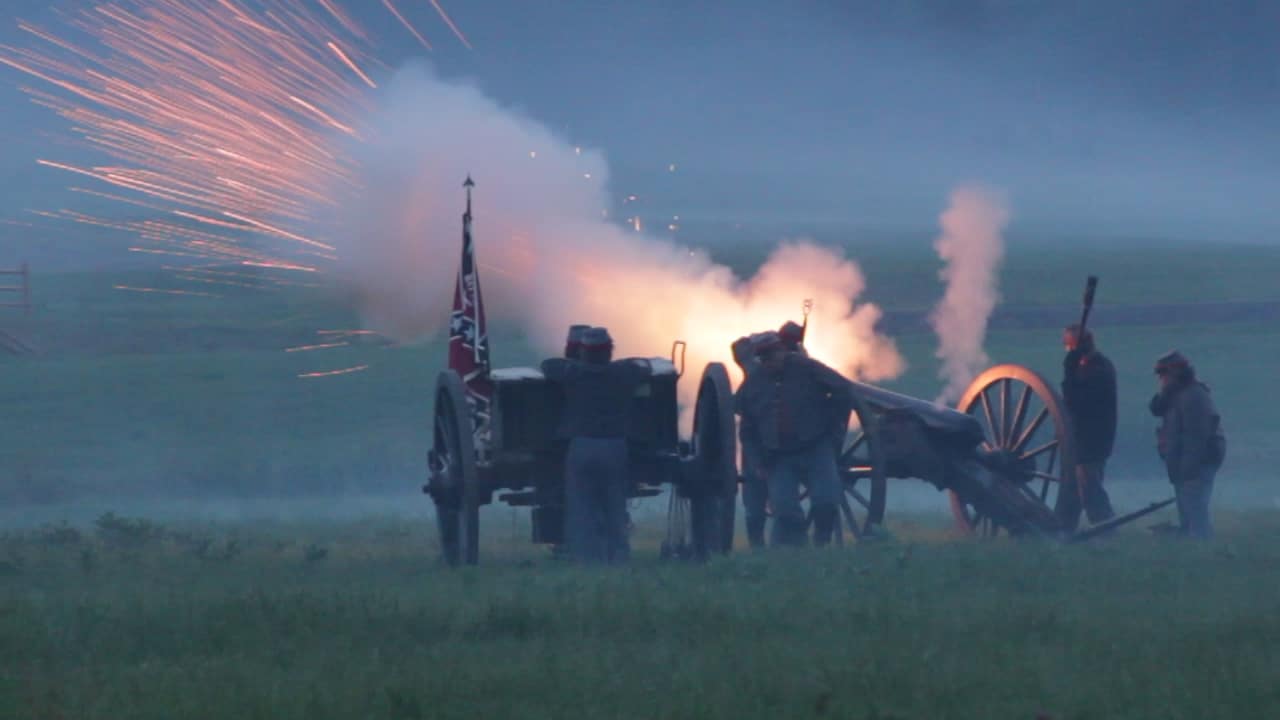
There's a mutual simmering resentment between historians and re-enactors. It's not a war or a battle - the hackneyed terms used for any controversy in Gettysburg - but it is a tension over who should tell the story of the war and how.

Call it the eggheads versus the interlopers.

Like any good American feud, it includes perceived differences in class, propriety, work ethic and honor.

The professional historians are clearly the establishment, and the re-enactors the literally unwashed masses.

But it's not a black and white, blue and gray kind of spat. It gets complicated.

06 August 2016

Here.


Now as even's warning bell
Rings the day's departing knell,
Leaving me from labour free,
Solitude, I'll walk with thee:
Whether 'side the woods we rove,
Or sweep beneath the willow grove;
Whether sauntering we proceed
Cross the green, or down the mead;
Whether, sitting down, we look
On the bubbles of the brook;
Whether, curious, waste an hour,
Pausing o'er each tasty flower;
Or, expounding nature's spells,
From the sand pick out the shells;
Or, while lingering by the streams,
Where more sweet the music seems,
Listen to the soft'ning swells
Of some distant chiming bells
Mellowing sweetly on the breeze,
Rising, falling by degrees,
Dying now, then wak'd again
In full many a 'witching strain,
Sounding, as the gale flits by,
Flats and sharps of melody.

Sweet it is to wind the rill,
Sweet with thee to climb the hill,
On whose lap the bullock free
Chews his cud most placidly;
Or o'er fallows bare and brown
Beaten sheep-tracks wander down,
Where the mole unwearied still
Roots up many a crumbling hill,
And the little chumbling mouse
Gnarls the dead weed for her house,
While the plough's unfeeling share
Lays full many a dwelling bare;--
Where the lark with russet breast
'Hind the big clod hides her nest,
And the black snail's founder'd pace
Finds from noon a hiding-place,
Breaking off the scorching sun
Where the matted twitches run.

Solitude ! I love thee well,
Brushing through the wilder'd dell,
Picking from the ramping grass
Nameless blossoms as I pass,
Which the dews of eve bedeck,
Fair a pearls on woman's neck;
Marking shepherds rous'd from sleep
Blundering off to fold their sheep;
And the swain, with toils distrest,
Hide his tools to seek his rest:
While the cows, with hobbling strides,
Twitching slow their fly-bit hides,
Rub the pasture's creaking gate,
Milking maids and boys to wait.
Or as sunshine leaves the sky,
As the daylight shuts her eye,
Sweet it is to meet the breeze
'Neath the shade of hawthorn trees,
By the pasture's wilder'd round,
Where the pismire hills abound,
Where the blushing fin-weed's flower
Closes up at even's hour:
Leaving then the green behind,
Narrow hoof-plod lanes to wind,
Oak and ash embower'd beneath,
Leading to the lonely heath,
Where the unmolested furze
And the burdock's clinging burs,
And the briars, by freedom sown,
Claim the wilder'd spots their own.

There while we the scene survey
Deck'd in nature's wild array,
Swell'd with ling-clad hillocks green
Suiting the disorder'd scene,
Haply we may rest us then
In the banish'd herdsman's den;
Where the wattled hulk is fixt,
Propt some double oak betwixt,
Where the swain the branches lops,
And o'er head with rushes tops;
Where, with woodbine's sweet perfume,
And the rose's blushing bloom,
Loveliest cieling of the bower,
Arching in, peeps many a flower;
While a hill of thyme so sweet,
Or a moss'd stone, forms a seat.
There, as 'tween-light hangs the eve,
I will watch thy bosom heave;
Marking then the darksome flows
Night's gloom o'er thy mantle throws;
Fondly gazing on thine eye
As it rolls its extasy,
When thy solemn musings caught
Tell thy soul's absorb'd in thought;
When thy finely folded arm
O'er thy bosom beating warm
Wraps thee melancholy round;
And thy ringlets wild unbound
On thy lily shoulders lie,
Like dark streaks in morning's sky.
Peace and silence sit with thee,
And peace alone is heaven to me:
While the moonlight's infant hour
Faint 'gins creep to gild the bower,
And the wattled hedge gleams round
Its diamond shadows on the ground.
- O thou soothing Solitude,
From the vain and from the rude,
When this silent hour is come,
And I meet thy welcome home,
What balm is thine to troubles deep,
As on thy breast I sink to sleep;
What bliss on even's silence flows,
When thy wish'd opiate bring repose.

And I have found thee wondrous sweet,
Sheltering from the noon-day heat,
As 'neath hazels I have stood
In the gloomy hanging wood,
Where the sunbeams, filtering small,
Freckling through the branches fall;
And the flapping leaf the ground
Shadows, flitting round and round:
Where the glimmering streamlets wreathe
Many a crooked root beneath,
Unseen gliding day by day
O'er their solitary way,
Smooth or rough, as onward led
Where the wild-weed dip its head,
Murmuring,--dribbling drop by drop
When dead leaves their progress stop,--
Or winding sweet their restless way
While the frothy bubbles play.
And I love thy presence drear
In such wildernesses, where
Ne'er an axe was heard to sound,
Or a tree fall gulsh'd the ground,
Where (as if that spot could be)
First foot-mark'd the ground by me,
All is still, and wild, and gay,
Left as at creation's day.
Pleasant too it is to look
For thy step in shady nook,
Where, by hedge-side coolly led,
Brooks curl o'er their sandy bed;
On whose tide the clouds reflect,
In whose margin flags are freckt;
Where the waters, winding blue,
Single-arch'd brig flutter through,
While the willow-branches grey
Damp the sultry eye of day,
And in whispers mildly sooth
Chafe the mossy keystone smooth;
Where the banks, beneath them spread,
Level in an easy bed;
While the wild-thyme's pinky bells
Circulate reviving smells;
And as the breeze, with feather-feet,
Crimping o'er the waters sweet,
Trembling fans the sun-tann'd cheek,
And gives the comfort one would seek.
Stretching there in soft repose,
Far from peace and freedom's foes,
In a spot, so wild, so rude,
Dear to me is solitude!
Soothing then to watch the ground,--
Every insect flitting round,
Such as painted summer brings;--
Lady-fly with freckled wings,
Watch her up the tall bent climb;
And from knotted flowers of thyme,
Where the woodland banks are deckt,
See the bee his load collect;
Mark him turn the petals by,
Gold dust gathering on his thigh,
As full many a hum he heaves,
While he pats th'intruding leaves
Lost in many a heedless spring,
Then wearing home on heavy wing.

But when sorrows more oppress,
When the world brings more distress,
Wishing to despise as then
Brunts of fate, and scorn of men;
When fate's demons thus intrude,
Then I seek thee, Solitude,
Where the abbey's height appears
Hoary 'neath a weight of years;
Where the mouldering walls are seen
Hung with pellitory green;
Where the steeple's taper stretch
Tires the eye its length to reach,
Dizzy, nauntling high and proud,
Top-stone losing in a cloud;
Where the cross, to time resign'd,
Creaking harshly in the wind,
Crowning high the rifted dome,
Points the pilgrim's wish'd-for home;
While the look fear turns away,
Shuddering at its dread decay.
There let me my peace pursue
'Neath the shade of gloomy yew,
Doleful hung with mourning green,
Suiting well the solemn scene;
There, that I may learn to scan
Mites illustrious, called man,
Turn with thee the nettles by
Where the grave-stone meets the eye,
Soon, full soon to read and see
That all below is vanity;
And man, to me a galling thing,
Own'd creation's lord and king,
A minute's length, a zephyr's breath,
Sport of fate, and prey of death;
Tyrant to-day, to-morrow gone;
Distinguish'd only by a stone,
That fain would have the eye to know
Pride's better dust is lodg'd below,--
While worm like me are mouldering laid,
With nothing set to say "they're dead;"--
All the difference, trifling thing,
That notes at last the slave and king.
As wither'd leaves, life's bloom when stopt,
That drop in autumn, so they dropt:
As snails, which in their painted shell
So snugly once were known to dwell,
When in the school-boy's care we view
The pleasing toys of varied hue.--
By age or accident are flown,
The shell left empty,--tenant gone;--
So pass we from the world's affairs,
And careless vanish from its cares;
So leave, with silent, long farewel,
Vain life--as left the snail his shell.

All this when there my eyes behold
On every stone and heap of mould,
Solitude, though thou art sweet,
Solemn art thou then to meet;
When with list'ning pause I look
Round the pillar's ruin'd nook,
Glooms revealing, dim descried,
Ghosts, companion'd by thy side;
Where in old deformity
Ancient arches sweep on high;
And the aisles, to light unknown,
Create a darkness all their own:
Save the moon, as on we pass,
Splinters through the broken glass,
Or the torn roof, patch'd with cloud,
Or the crack'd wall, bulg'd and bow'd;--
Glimmering faint along the ground,
Shooting solemn and profound,
Lighting up the silent gloom
Just to read an ancient tomb:
'Neath where, as it gilding creeps,
We may see some abbot sleeps;
And as on we mete the aisle,
Daring scarce to breathe the while,
Soft as creeping feet can fall,
While the damp green-stained wall
Swift the startled ghost flits by,
Mocking murmurs faintly sigh;
Reminding our intruding fear
Such visits are unwelcome here.
Seemly then, from hollow urn,
Gentle steps our step return:
E'er so soft and e'er so still,
Check our breath or how we will,
List'ning spirits still reply
Step for step, and sigh for sigh.
Murmuring o'er one's weary woe,
Such as once 'twas theirs to know,
They whisper to such slaves as me,
A buried tale of misery:--
"We once had life, ere life's decline,
Flesh, blood, and bone, the same as thine;
We knew its pains, and shar'd its grief,
Till death, long wish'd-for, brought relief;
We had our hopes, and like to thee,
Hop'd morrow's better day to see,
But like to thine, our hope the same,
To-morrow's kindness never came:
We had our tyrants, e'en as thou;
Our wants met many a scornful brow;
But death laid low their wealthy powers,
Their harmless ashes mix with ours:
And this vain world, its pride, its form,
That treads on thee as on a worm,
Its mighty heirs--the time shall be
When they as quiet sleep by thee!"

O here's thy comfort, Solitude,
When overpowering woes intrude!
Then thy sad, thy solemn dress
Owns the balm my soul to bless:
Here I judge the world aright;
Here see vain man in his true light;
Learn patience, in this trying hour,
To gild life's brambles with a flower;
Take pattern from the hints thou'st given,
And follow in thy steps to heaven.

John Clare 

Shinyribs, "Take Me Lake Charles"

If you don't know the artistry of Kevin Russell, his work with The Gourds, and Shinyribs, there's no better place and time to begin than here and now.

Take me Lake Charles, I can win a hundred dollars,
Buy some milk and mashed potatoes,
Maybe buy you some flowers ...

Plug it in, TURN IT UP, an' learn some moves!


Today.

Haydn, Piano Sonata in C Major, Hob. XVI/50, L.60

Lang Lang performs ...

I. Allegro


II. Adagio (in F major) and III. Allegro molto

05 August 2016

Thoreau.

Building.


Your doubt can become a good quality if you train it. It must become knowing, it must become criticism. Ask it, whenever it wants to spoil something for you, why something is ugly, demand proofs from it, test it, and you will find it perhaps bewildered and embarrassed; perhaps also protesting. But don't give in, insist on arguments, and act in this way, attentive and persistent, every single time, and the day will come when, instead of being a destroyer, it will become one of your best workers -- perhaps the most intelligent of all the ones that are building your life.

Rainer Maria Rilke

Sammy Hagar, "Rock Candy"

Happy Friday!

Invisible.


We are like flies crawling across the ceiling of the Sistine Chapel: We cannot see what angels and gods lie underneath the threshold of our perceptions. We do not live in reality; we live in our paradigms, our habituated perceptions, our illusions; the illusions we share through culture we call reality, but the true historical reality of our condition is invisible to us.

William Irvin Thompson

Thank you, Hopeleslie.