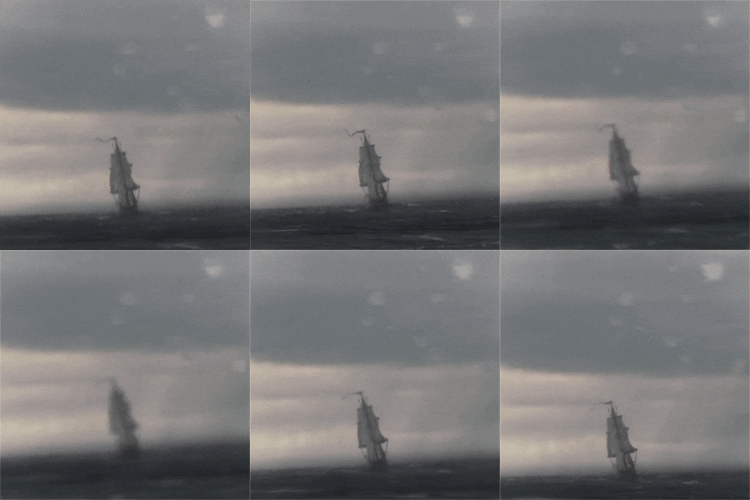
"I am not one who was born in the custody of wisdom. I am one who is fond of olden times and intense in quest of the sacred knowing of the ancients." Gustave Courbet
Showing posts with label traditions. Show all posts

05 December 2020

Before.


Here we stand before your door,
As we stood the year before;
Give us whisky, give us gin,
Open the door and let us in.

24 October 2018

Early.


But one strange wild dark long year, Hallowe'en came early. 

One year Hallowe'en came on October 24, three hours after midnight.

Ray Bradbury, From Something Wicked This Way Comes

31 October 2016

Sports.

Wyeth, Bonfire, 1992


HALLOWEEN

Upon that night, when fairies light
On Cassilis Downans dance,
Or owre the lays, in splendid blaze,
On sprightly coursers prance;
Or for Colean the route is ta'en,
Beneath the moon's pale beams;
There, up the cove, to stray and rove,
Among the rocks and streams
To sport that night.


Among the bonny winding banks,
Where Doon rins, wimplin' clear,
Where Bruce ance ruled the martial ranks,
And shook his Carrick spear,
Some merry, friendly, country-folks,
Together did convene,
To burn their nits, and pou their stocks,
And haud their Halloween
Fu' blithe that night.


The lasses feat, and cleanly neat,
Mair braw than when they're fine;
Their faces blithe, fu' sweetly kythe,
Hearts leal, and warm, and kin';
The lads sae trig, wi' wooer-babs,
Weel knotted on their garten,
Some unco blate, and some wi' gabs,
Gar lasses' hearts gang startin'
Whiles fast at night.


Then, first and foremost, through the kail,
Their stocks maun a' be sought ance;
They steek their een, and graip and wale,
For muckle anes and straught anes.
Poor hav'rel Will fell aff the drift,
And wander'd through the bow-kail,
And pou't, for want o' better shift,
A runt was like a sow-tail,
Sae bow't that night.


Then, staught or crooked, yird or nane,
They roar and cry a' throu'ther;
The very wee things, todlin', rin,
Wi' stocks out owre their shouther;
And gif the custoc's sweet or sour.
Wi' joctelegs they taste them;
Syne cozily, aboon the door,
Wi cannie care, they've placed them
To lie that night.


The lasses staw frae 'mang them a'
To pou their stalks of corn:
But Rab slips out, and jinks about,
Behint the muckle thorn:
He grippet Nelly hard and fast;
Loud skirl'd a' the lasses;
But her tap-pickle maist was lost,
When kitlin' in the fause-house
Wi' him that night.


The auld guidwife's well-hoordit nits,
Are round and round divided,
And monie lads' and lasses' fates
Are there that night decided:
Some kindle coothie, side by side,
And burn thegither trimly;
Some start awa, wi' saucy pride,
And jump out-owre the chimlie
Fu' high that night.


Jean slips in twa wi' tentie ee;
Wha 'twas she wadna tell;
But this is Jock, and this is me,
She says in to hersel:
He bleezed owre her, and she owre him,
As they wad never mair part;
Till, fuff! he started up the lum,
And Jean had e'en a sair heart
To see't that night.


Poor Willie, wi' his bow-kail runt,
Was brunt wi' primsie Mallie;
And Mallie, nae doubt, took the drunt,
To be compared to Willie;
Mall's nit lap out wi' pridefu' fling,
And her ain fit it brunt it;
While Willie lap, and swore by jing,
'Twas just the way he wanted
To be that night.


Nell had the fause-house in her min',
She pits hersel and Rob in;
In loving bleeze they sweetly join,
Till white in ase they're sobbin';
Nell's heart was dancin' at the view,
She whisper'd Rob to leuk for't:
Rob, stowlins, prie'd her bonny mou',
Fu' cozie in the neuk for't,
Unseen that night.


But Merran sat behint their backs,
Her thoughts on Andrew Bell;
She lea'es them gashin' at their cracks,
And slips out by hersel:
She through the yard the nearest taks,
And to the kiln goes then,
And darklins graipit for the bauks,
And in the blue-clue throws then,
Right fear't that night.


And aye she win't, and aye she swat,
I wat she made nae jaukin',
Till something held within the pat,
Guid Lord! but she was quakin'!
But whether 'was the deil himsel,
Or whether 'twas a bauk-en',
Or whether it was Andrew Bell,
She didna wait on talkin'
To spier that night.


Wee Jennie to her grannie says,
"Will ye go wi' me, grannie?
I'll eat the apple at the glass
I gat frae Uncle Johnnie:"
She fuff't her pipe wi' sic a lunt,
In wrath she was sae vap'rin',
She notice't na, an aizle brunt
Her braw new worset apron
Out through that night.


"Ye little skelpie-limmer's face!
I daur you try sic sportin',
As seek the foul thief ony place,
For him to spae your fortune.
Nae doubt but ye may get a sight!
Great cause ye hae to fear it;
For mony a ane has gotten a fright,
And lived and died deleeret
On sic a night.


"Ae hairst afore the Sherramoor, --
I mind't as weel's yestreen,
I was a gilpey then, I'm sure
I wasna past fifteen;
The simmer had been cauld and wat,
And stuff was unco green;
And aye a rantin' kirn we gat,
And just on Halloween
It fell that night.


"Our stibble-rig was Rab M'Graen,
A clever sturdy fallow:
His son gat Eppie Sim wi' wean,
That lived in Achmacalla:
He gat hemp-seed, I mind it weel,
And he made unco light o't;
But mony a day was by himsel,
He was sae sairly frighted
That very night."


Then up gat fechtin' Jamie Fleck,
And he swore by his conscience,
That he could saw hemp-seed a peck;
For it was a' but nonsense.
The auld guidman raught down the pock,
And out a hanfu' gied him;
Syne bade him slip frae 'mang the folk,
Some time when nae ane see'd him,
And try't that night.


He marches through amang the stacks,
Though he was something sturtin;
The graip he for a harrow taks.
And haurls it at his curpin;
And every now and then he says,
"Hemp-seed, I saw thee,
And her that is to be my lass,
Come after me, and draw thee
As fast this night."


He whistled up Lord Lennox' march
To keep his courage cheery;
Although his hair began to arch,
He was say fley'd and eerie:
Till presently he hears a squeak,
And then a grane and gruntle;
He by his shouther gae a keek,
And tumbled wi' a wintle
Out-owre that night.


He roar'd a horrid murder-shout,
In dreadfu' desperation!
And young and auld came runnin' out
To hear the sad narration;
He swore 'twas hilchin Jean M'Craw,
Or crouchie Merran Humphie,
Till, stop! she trotted through them
And wha was it but grumphie
Asteer that night!


Meg fain wad to the barn hae gaen,
To win three wechts o' naething;
But for to meet the deil her lane,
She pat but little faith in:
She gies the herd a pickle nits,
And two red-cheekit apples,
To watch, while for the barn she sets,
In hopes to see Tam Kipples
That very nicht.


She turns the key wi cannie thraw,
And owre the threshold ventures;
But first on Sawnie gies a ca'
Syne bauldly in she enters:
A ratton rattled up the wa',
And she cried, Lord, preserve her!
And ran through midden-hole and a',
And pray'd wi' zeal and fervour,
Fu' fast that night;


They hoy't out Will wi' sair advice;
They hecht him some fine braw ane;
It chanced the stack he faddom'd thrice
Was timmer-propt for thrawin';
He taks a swirlie, auld moss-oak,
For some black grousome carlin;
And loot a winze, and drew a stroke, 

Till skin in blypes cam haurlin'
Aff's nieves that night.


A wanton widow Leezie was,
As canty as a kittlin;
But, och! that night amang the shaws,
She got a fearfu' settlin'!
She through the whins, and by the cairn,
And owre the hill gaed scrievin,
Whare three lairds' lands met at a burn
To dip her left sark-sleeve in,
Was bent that night.


Whyles owre a linn the burnie plays,
As through the glen it wimpl't;
Whyles round a rocky scaur it strays;
Whyles in a wiel it dimpl't;
Whyles glitter'd to the nightly rays,
Wi' bickering, dancing dazzle;
Whyles cookit underneath the braes,
Below the spreading hazel,
Unseen that night.


Among the brackens, on the brae,
Between her and the moon,
The deil, or else an outler quey,
Gat up and gae a croon:
Poor Leezie's heart maist lap the hool!
Near lav'rock-height she jumpit;
but mist a fit, and in the pool
Out-owre the lugs she plumpit,
Wi' a plunge that night.


In order, on the clean hearth-stane,
The luggies three are ranged,
And every time great care is ta'en',
To see them duly changed:
Auld Uncle John, wha wedlock joys
Sin' Mar's year did desire,
Because he gat the toom dish thrice,
He heaved them on the fire
In wrath that night.


Wi' merry sangs, and friendly cracks,
I wat they didna weary;
And unco tales, and funny jokes,
Their sports were cheap and cheery;
Till butter'd so'ns, wi' fragrant lunt,
Set a' their gabs a-steerin';
Syne, wi' a social glass o' strunt,
They parted aff careerin'
Fu' blythe that night.

Robert Burns

10 August 2016

Connection.


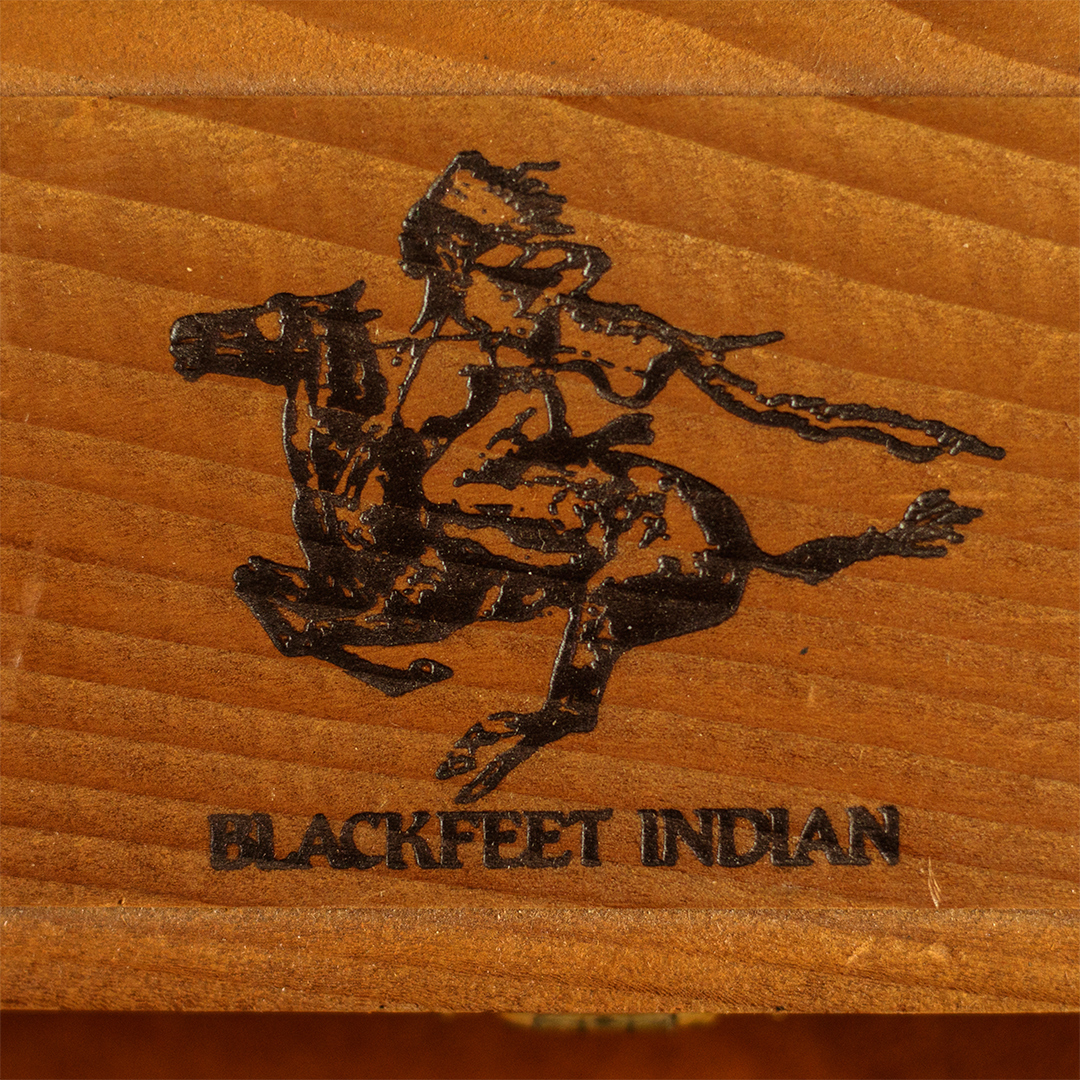
Nearly every ancient civilization has studied the night sky, whether for navigation, measuring time, or spiritual purposes. The Plains Indians of North America were no exception. Dotting the high hills of the northern plains are hundreds of Native American stone constructions, called medicine wheels. Many of these are precisely aligned with the sun and stars. The name Medicine Wheel may seem strange, considering how modern society thinks of medicine. To the Native Americans, medicine means “spiritual and mysterious.” These wheels are an intricate part of their spirituality and connection to the Earth and sky.

Archaeoastronomy.


Nearly every ancient civilization has studied the night sky, whether it was for navigation, measuring time, or spiritual purposes.  The Plains Indians of North America were no exception.  Dotting the high hills of the northern plains are hundreds of Native American stone constructions, called medicine wheels, that some scientists and historians believe to be aligned with the stars. In the past few decades, the field of archaeoastronomy, which aims to uncover how past civilizations understood celestial phenomena, has turned to medicine wheels to demonstrate the Native Americans' grasp of the heavens.

21 December 2015

Saturnalia.


Winter solstice celebrations predate Christmas, and trace back into antiquity. Saturnalia was one of these ancient traditions, and it was very different from the celebration we recognize as Christmas today.

Jethro Tull, "Ring Out Solstice Bells"

03 November 2015

Lumps.

Constable, The Church Porch, East Bergholt, 1810


The churchyard was, with few exceptions, a lumpy, untidy place. Gravediggers have always instinctively known this; they dug in ground that had been turned over for centuries. From very near the beginning they intercut, hacked through, turned over, tossed out earlier tenants to make room for new ones, and every few hundred years or so apparently leveled the ground and started again. In centuries-long cycles, the fact that there were dead bodies in the ground was made evident on its surface. The dead are really there. The lumps we can still see today in a few churchyards escaped one last round of recycling when the bodies stopped coming or when a local landscaper decided to leave them be.

CONNECT

08 December 2013

Preserve.


We had now come in full view of the old family mansion, partly thrown in deep shadow, and partly lit up by the cold moonshine. It was an irregular building of some magnitude, and seemed to be of the architecture of different periods. One wing was evidently very ancient, with heavy stone-shafted bow windows jutting out and overrun with ivy, from among the foliage of which the small diamond-shaped panes of glass glittered with the moonbeams. The rest of the house was in the French taste of Charles the Second's time, having been repaired and altered, as my friend told me, by one of his ancestors, who returned with that monarch at the Restoration. The grounds about the house were laid out in the old formal manner of artificial flower-beds, clipped shrubberies, raised terraces, and heavy stone balustrades, ornamented with urns, a leaden statue or two, and a jet of water. The old gentleman, I was told, was extremely careful to preserve this obsolete finery in all its original state. He admired this fashion in gardening; it had an air of magnificence, was courtly and noble, and befitting good old family style. The boasted imitation of nature in modern gardening had sprung up with modern republican notions, but did not suit a monarchical government; it smacked of the levelling system.—I could not help smiling at this introduction of politics into gardening, though I expressed some apprehension that I should find the old gentleman rather intolerant in his creed.—Frank assured me, however, that it was almost the only instance in which he had ever heard his father meddle with politics; and he believed that he had got this notion from a member of parliament who once passed a few weeks with him. The Squire was glad of any argument to defend his clipped yew-trees and formal terraces, which had been occasionally attacked by modern landscape-gardeners.

As we approached the house, we heard the sound of music, and now and then a burst of laughter from one end of the building. This, Bracebridge said, must proceed from the servants' hall, where a great deal of revelry was permitted, and even encouraged, by the Squire throughout the twelve days of Christmas, provided everything was done conformably to ancient usage. Here were kept up the old games of hoodman blind, shoe the wild mare, hot cockles, steal the white loaf, bob apple, and snapdragon: the Yule log and Christmas candle were regularly burnt, and the mistletoe, with its white berries, hung up, to the imminent peril of all the pretty housemaids.

Washington Irving, from Old Christmas

07 September 2013

Beer.

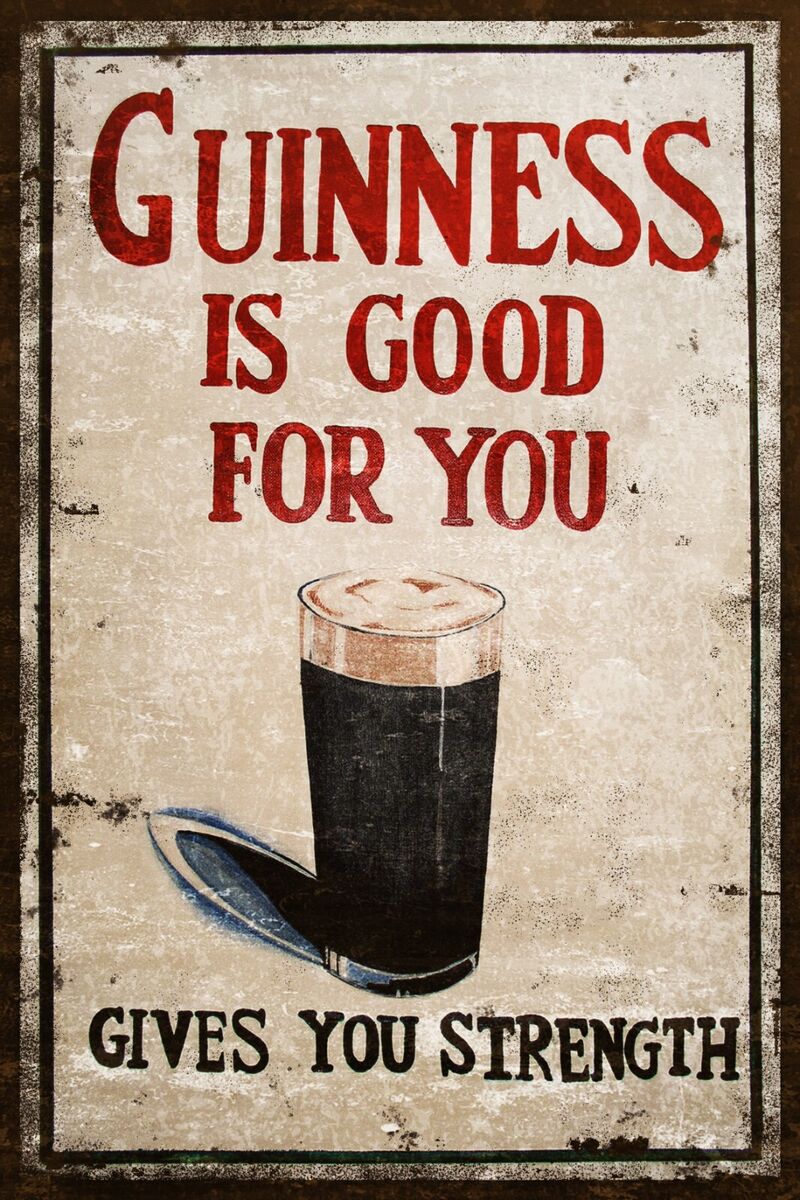
In this glass of beer, you look down into that golden, rich bubbling ice cool depth, you see the echos of lost battles, you hear the echos of ancient victories, a million ball games, ten million football games, and thousands and thousands of family moments, fights, victories, love-makings, the back seat of the Pontiac, the long trip on the way to the zoo in Dowagiac, the beer can in the weeds ... when you look at that glass of beer, you’re looking at life itself, the Mother of us all ... Beer.


CONNECT

08 December 2012

Stage-coach.


"Stage-coach," the second essay from Washington Irving's, Old Christmas...

Omne bene 
Sine poena
Tempest est ludenti. 
Venit hora 
Absque mora
Libros deponendi.

- Old Holiday song

In the preceding paper I have made some general observations on the Christmas festivities of England, and am tempted to illustrate them by some anecdotes of a Christmas passed in the country; in perusing which, I would most courteously invite my reader to lay aside the austerity of wisdom, and to put on that genuine holiday spirit which is tolerant of folly, and anxious only for amusement.
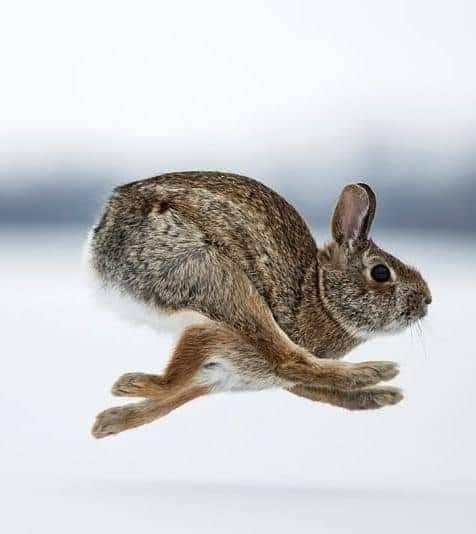
In the course of a December tour in Yorkshire, I rode for a long distance in one of the public coaches, on the day preceding Christmas. The coach was crowded, both inside and out, with passengers, who, by their talk, seemed principally bound to the mansions of relations or friends to eat the Christmas dinner. It was loaded also with hampers of game, and baskets and boxes of delicacies; and hares hung dangling their long ears about the coachman's box,—presents from distant friends for the impending feast. I had three fine rosy-cheeked schoolboys for my fellow passengers inside, full of the buxom health and manly spirit which I have observed in the children of this country. They were returning home for the holidays in high glee, and promising themselves a world of enjoyment. It was delightful to hear the gigantic plans of pleasure of the little rogues, and the impracticable feats they were to perform during their six weeks' emancipation from the abhorred thraldom of book, birch, and pedagogue. They were full of anticipations of the meeting with the family and household, down to the very cat and dog; and of the joy they were to give their little sisters by the presents with which their pockets were crammed; but the meeting to which they seemed to look forward with the greatest impatience was with Bantam, which I found to be a pony, and, according to their talk, possessed of more virtues than any steed since the days of Bucephalus. How he could trot! how he could run! and then such leaps as he would take—there was not a hedge in the whole country that he could not clear.
They were under the particular guardianship of the coachman, to whom, whenever an opportunity presented, they addressed a host of questions, and pronounced him one of the best fellows in the whole world. Indeed, I could not but notice the more than ordinary air of bustle and importance of the coachman, who wore his hat a little on one side, and had a large bunch of Christmas greens stuck in the button-hole of his coat. He is always a personage full of mighty care and business, but he is particularly so during this season, having so many commissions to execute in consequence of the great interchange of presents.
And here, perhaps, it may not be unacceptable to my untravelled readers to have a sketch that may serve as a general representation of this very numerous and important class of functionaries who have a dress, a manner, a language, an air, peculiar to themselves, and prevalent throughout the fraternity; so that, wherever an English stage-coachman may be seen, he cannot be mistaken for one of any other craft or mystery.
He has commonly a broad, full face, curiously mottled with red, as if the blood had been forced by hard feeding into every vessel of the skin; he is swelled into jolly dimensions by frequent potations of malt liquors, and his bulk is still further increased by a multiplicity of coats, in which he is buried like a cauliflower, the upper one reaching to his heels. He wears a broad-brimmed, low-crowned hat; a huge roll of coloured handkerchief about his neck, knowingly knotted and tucked in at the bosom; and has in summer-time a large bouquet of flowers in his buttonhole; the present, most probably, of some enamoured country lass. His waistcoat is commonly of some bright colour, striped; and his small-clothes extend far below the knees, to meet a pair of jockey boots which reach about half-way up his legs.
All this costume is maintained with much precision; he has a pride in having his clothes of excellent materials; and, notwithstanding the seeming grossness of his appearance, there is still discernible that neatness and propriety of person which is almost inherent in an Englishman. He enjoys great consequence and consideration along the road; has frequent conferences with the village housewives, who look upon him as a man of great trust and dependence; and he seems to have a good understanding with every bright-eyed country lass. The moment he arrives where the horses are to be changed, he throws down the reins with something of an air, and abandons the cattle to the care of the hostler; his duty being merely to drive from one stage to another.
When off the box, his hands are thrust in the pockets of his greatcoat, and he rolls about the inn-yard with an air of the most absolute lordliness. Here he is generally surrounded by an admiring throng of hostlers, stable-boys, shoe-blacks, and those nameless hangers-on that infest inns and taverns, and run errands, and do all kinds of odd jobs, for the privilege of battening on the drippings of the kitchen and the leakage of the tap-room. These all look up to him as to an oracle; treasure up his cant phrases; echo his opinions about horses and other topics of jockey lore; and, above all, endeavour to imitate his air and carriage. Every ragamuffin that has a coat to his back thrusts his hands in the pockets, rolls in his gait, talks slang, and is an embryo Coachey.
Perhaps it might be owing to the pleasing serenity that reigned in my own mind, that I fancied I saw cheerfulness in every countenance throughout the journey. A stage-coach, however, carries animation always with it, and puts the world in motion as it whirls along. The horn, sounded at the entrance of a village, produces a general bustle. Some hasten forth to meet friends; some with bundles and bandboxes to secure places, and in the hurry of the moment can hardly take leave of the group that accompanies them. In the meantime, the coachman has a world of small commissions to execute. Sometimes he delivers a hare or pheasant; sometimes jerks a small parcel or newspaper to the door of a public-house; and sometimes, with knowing leer and words of sly import, hands to some half-blushing, half-laughing housemaid an odd-shaped billet-doux from some rustic admirer. As the coach rattles through the village, every one runs to the window, and you have glances on every side of fresh country faces, and blooming, giggling girls. At the corners are assembled juntas of village idlers and wise men, who take their stations there for the important purpose of seeing company pass; but the sagest knot is generally at the blacksmith's, to whom the passing of the coach is an event fruitful of much speculation. The smith, with the horse's heel in his lap, pauses as the vehicle whirls by; the Cyclops round the anvil suspend their ringing hammers, and suffer the iron to grow cool; and the sooty spectre in brown paper cap, labouring at the bellows, leans on the handle for a moment, and permits the asthmatic engine to heave a long-drawn sigh, while he glares through the murky smoke and sulphureous gleams of the smithy.
Perhaps the impending holiday might have given a more than usual animation to the country, for it seemed to me as if everybody was in good looks and good spirits. Game, poultry, and other luxuries of the table, were in brisk circulation in the villages; the grocers', butchers', and fruiterers' shops were thronged with customers. The housewives were stirring briskly about, putting their dwellings in order; and the glossy branches of holly, with their bright red berries, began to appear at the windows. The scene brought to mind an old writer's account of Christmas preparations:—"Now capons and hens, besides turkeys, geese, and ducks, with beef and mutton—must all die; for in twelve days a multitude of people will not be fed with a little. Now plums and spice, sugar and honey, square it among pies and broth. Now or never must music be in tune, for the youth must dance and sing to get them a heat, while the aged sit by the fire. The country maid leaves half her market, and must be sent again, if she forgets a pack of cards on Christmas eve. Great is the contention of Holly and Ivy, whether master or dame wears the breeches. Dice and cards benefit the butler; and if the cook do not lack wit, he will sweetly lick his fingers."
I was roused from this fit of luxurious meditation by a shout from my little travelling companions. They had been looking out of the coach-windows for the last few miles, recognising every tree and cottage as they approached home, and now there was a general burst of joy—"There's John! and there's old Carlo! and there's Bantam!" cried the happy little rogues, clapping their hands.
At the end of a lane there was an old sober-looking servant in livery waiting for them: he was accompanied by a superannuated pointer, and by the redoubtable Bantam, a little old rat of a pony, with a shaggy mane and long, rusty tail, who stood dozing quietly by the roadside, little dreaming of the bustling times that awaited him.
I was pleased to see the fondness with which the little fellows leaped about the steady old footman, and hugged the pointer, who wriggled his whole body for joy. But Bantam was the great object of interest; all wanted to mount at once; and it was with some difficulty that John arranged that they should ride by turns, and the eldest should ride first.
Off they set at last; one on the pony, with the dog bounding and barking before him, and the others holding John's hands; both talking at once, and overpowering him by questions about home, and with school anecdotes. I looked after them with a feeling in which I do not know whether pleasure or melancholy predominated: for I was reminded of those days when, like them, I had neither known care nor sorrow, and a holiday was the summit of earthly felicity. We stopped a few moments afterward to water the horses, and on resuming our route, a turn of the road brought us in sight of a neat country seat. I could just distinguish the forms of a lady and two young girls in the portico, and I saw my little comrades, with Bantam, Carlo, and old John, trooping along the carriage road. I leaned out of the coach-window, in hopes of witnessing the happy meeting, but a grove of trees shut it from my sight.
In the evening we reached a village where I had determined to pass the night. As we drove into the great gateway of the inn, I saw on one side the light of a rousing kitchen fire beaming through a window. I entered, and admired, for the hundredth time, that picture of convenience, neatness, and broad, honest enjoyment, the kitchen of an English inn. It was of spacious dimensions, hung round with copper and tin vessels, highly polished, and decorated here and there with a Christmas green. Hams, tongues, and flitches of bacon were suspended from the ceiling; a smoke-jack made its ceaseless clanking beside the fireplace, and a clock ticked in one corner. A well scoured deal table extended along one side of the kitchen, with a cold round of beef and other hearty viands upon it, over which two foaming tankards of ale seemed mounting guard.
Travellers of inferior order were preparing to attack this stout repast, while others sat smoking and gossiping over their ale on two high-backed oaken seats beside the fire. Trim house-maids were hurrying backwards and forwards under the directions of a fresh, bustling landlady; but still seizing an occasional moment to exchange a flippant word, and have a rallying laugh, with the group round the fire. The scene completely realised Poor Robin's humble idea of the comforts of midwinter.
     "Now trees their leafy hats do bare,
     To reverence Winter's silver hair;
     A handsome hostess, merry host,
     A pot of ale now and a toast,
     Tobacco and a good coal fire,
     Are things this season doth require."*
     * Poor Robin's Almanack, 1684.
I had not been long at the inn when a postchaise drove up to the door. A young gentleman stepped out, and by the light of the lamps I caught a glimpse of a countenance which I thought I knew. I moved forward to get a nearer view, when his eye caught mine. I was not mistaken; it was Frank Bracebridge, a sprightly, good-humoured young fellow, with whom I had once travelled on the Continent. Our meeting was extremely cordial; for the countenance of an old fellow traveller always brings up the recollection of a thousand pleasant scenes, odd adventures, and excellent jokes. To discuss all these in a transient interview at an inn was impossible; and finding that I was not pressed for time, and was merely making a tour of observation, he insisted that I should give him a day or two at his father's country-seat, to which he was going to pass the holidays, and which lay at a few miles' distance. "It is better than eating a solitary Christmas dinner at an inn," said he; "and I can assure you of a hearty welcome in something of the old-fashion style." His reasoning was cogent; and I must confess the preparation I had seen for universal festivity and social enjoyment had made me feel a little impatient of my loneliness. I closed, therefore, at once with his invitation: the chaise drove up to the door; and in a few moments I was on my way to the family mansion of the Bracebridges.

Project Gutenberg has a version with Caldecott's illustrations, here.

28 July 2012

Pregame.


In Donald Hall’s wonderful book, Fathers Playing Catch With Sons, the nationally renowned writer and poet offered this description of watching pregame practice at Tiger Stadium when he was a professor at the University of Michigan over thirty five years ago:

It’s the old world, Tiger Stadium, as baseball is. It’s Hygrade Ball-Park Franks, the smell of fat and mustard, popcorn and spilled beer…….Balls arch softly from the fungoes, and the fly-shaggers arch them back toward home plate. Batting practice. Infield practice. Pepper. The pitchers loosening up between the dugout and the bullpen. We always get there early….

For me, it was a thrill to watch batting practice at Tiger Stadium and to hear the constant crack of the bat from the batting cage echoing behind home plate since many of those seats were empty two hours before game time. (At Comerica that wonderful sound can barely be heard because it is drowned out by extremely loud music.)


Read the rest at The Detroit Athletic Co.

14 June 2011

Freedom.

USS ENTERPRISE, 1890


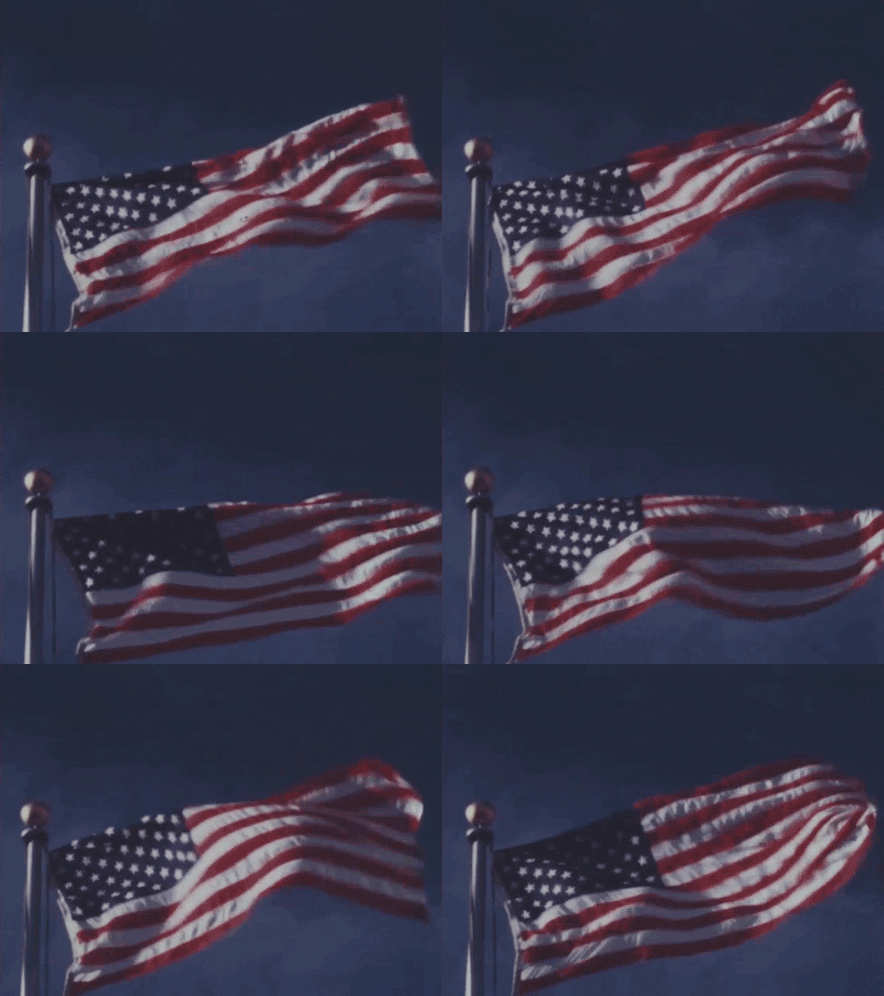
THE AMERICAN FLAG

When Freedom, from her mountain height,
Unfurled her standard to the air,
She tore the azure robe of night,
And set the stars of glory there;
She mingled with its gorgeous dyes
The milky baldric of the skies,
And striped its pure, celestial white
With streakings of the morning light;
Then, from his mansion in the sun,
She called her eagle bearer down,
And gave into his mighty hand,
The symbol of her chosen land.


USS KENTUCKY, 2010


II

Majestic monarch of the cloud!
Who rear'st aloft thy regal form,
To hear the tempest-trumpings loud,
And see the lightning-lances driven
When strive the warriors of the storm,
And rolls the thunder-drum of heaven--
Child of the sun! to thee 't is given
To guard the banner of the free,
To hover in the sulphur smoke,
To ward away the battle-stroke,
And bid its blendings shine afar,
Like rainbows on the cloud of war,
The harbingers of victory!


USS AUGUSTA, 1945


III

Flag of the brave! thy folds shall fly,
The sign of hope and triumph high,
When speaks the signal-trumpet tone,
And the long line comes gleaming on:
Ere yet the life-blood, warm and wet,
Has dimmed the glistening bayonet,
Each soldier eye shall brightly turn
Where the sky-born glories burn,
And, as his springing steps advance,
Catch war and vengeance from the glance;
And when the cannon-mouthings loud
Heave in wild wreaths the battle-shroud,
And gory sabres rise and fall,
Like shoots of flame on midnight's pall;
Then shall thy meteor-glances glow,
And cowering foes shall shrink beneath
Each gallant arm that strikes below
That lovely messenger of death.


USS HOPPER, 2009


IV

Flag of the seas! on ocean wave
Thy stars shall glitter o'er the brave;
When death, careering on the gale,
Sweeps darkly round the bellied sail,
And frighted waves rush wildly back
Before the broadside's reeling rack,
Each dying wanderer of the sea
Shall look at once to heaven and thee,
And smile to see thy splendors fly
In triumph o'er his closing eye.


USS ENTERPRISE, 2009


V

Flag of the free heart's hope and home,
By angel hands to valor given;
Thy stars have lit the welkin dome,
And all thy hues were born in heaven.
Forever float that standard sheet!
Where breathes the foe but falls before us,
With Freedom's soil beneath our feet,
And Freedom's banner streaming o'er us?

- Joseph Rodman Drake

USS JASON DUNHAM, 2011

24 December 2010

Mistletoe.

Norman Rockwell from 1917 ...


The Druids started it. Mistletoe, a hemi-parasitic plant that grows on trees, has long been considered a cure-all with special properties: In the Aeneid, the hero brings a bough thought to be mistletoe—a symbol of vitality that remains green even in winter—to the underworld. But the earliest mention of mistletoe's romantic powers was by Roman natural historian Pliny the Elder, who scoffed at the Druids of the 1st Century A.D. for believing that "mistletoe, taken in drink, will impart fecundity to all animals that are barren." That romantic association was later expanded by the Norse myth about Baldur and his mother, Frigga, the goddess of love and marriage. According to legend, Frigga got all the plants and animals of the Earth to promise not to harm her son—except mistletoe. Loki, the god of mischief, took that opportunity to kill Baldur with a spear made of mistletoe. In some versions of the tale, Frigga's tears then turned into mistletoe berries, which brought Baldur back to life, prompting Frigga to declare mistletoe a symbol of love.

Read the rest here.

In his essay on Christmas Eve, Washington Irving vividly describes the proper setting ...

As we approached the house we heard the sound of music, and now and then a burst of laughter from one end of the building. This, Bracebridge said, must proceed from the servants' hall, where a great deal of revelry was permitted, and even encouraged, by the squire throughout the twelve days of Christmas, provided everything was done conformably to ancient usage. Here were kept up the old games of hoodman blind, shoe the wild mare, hot cockles, steal the white loaf, bob apple, and snap dragon; the Yule-clog and Christmas candle were regularly burnt, and the mistletoe with its white berries hung up, to the imminent peril of all the pretty housemaids.*

*The mistletoe is still hung up in farm-houses and kitchens at Christmas, and the young men have the privilege of kissing the girls under it, plucking each time a berry from the bush. When the berries are all plucked the privilege ceases.


Go on an' getchasum.

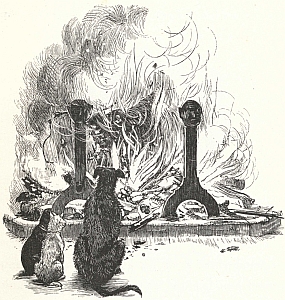
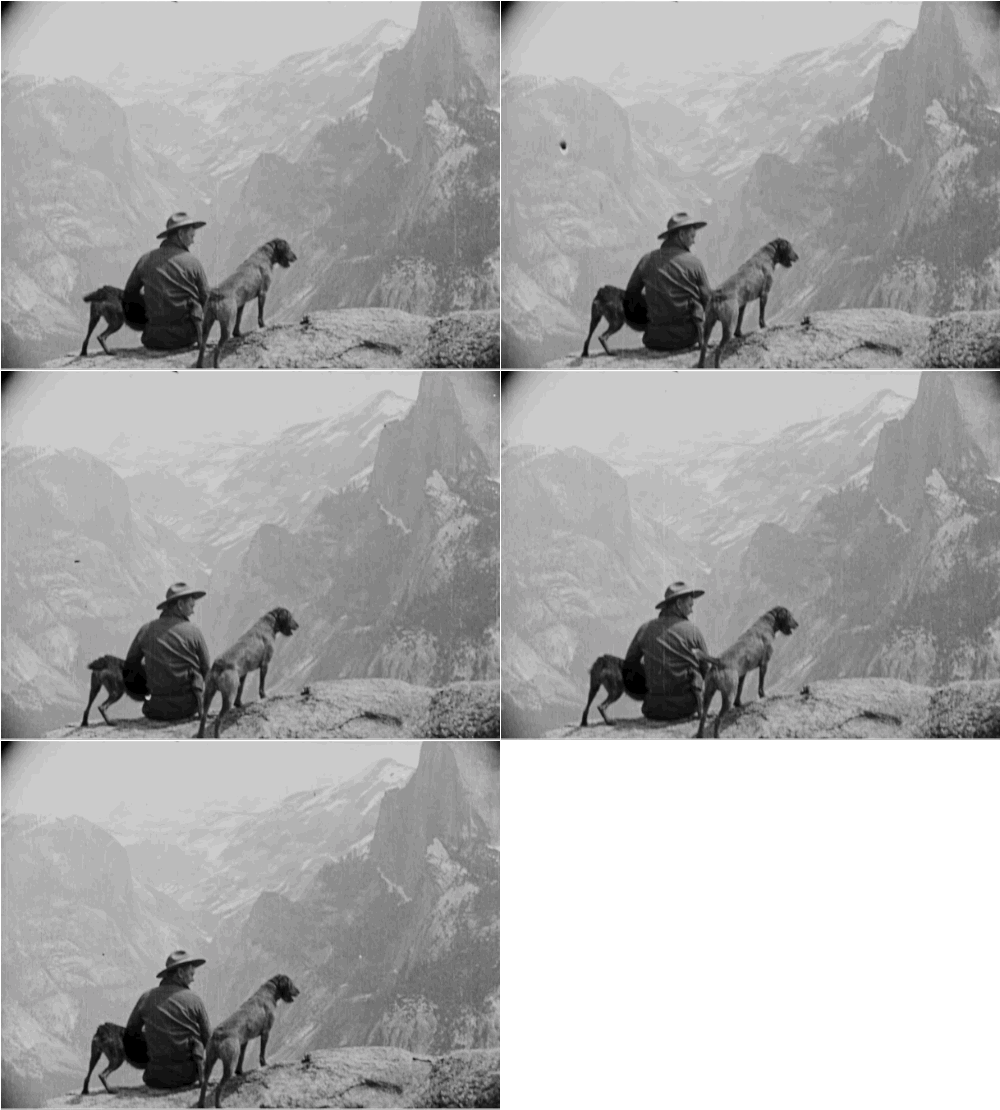
The Yule Log.


There were many regional variations on the ritual, but the English version—the one we know best—was probably the simplest. On Christmas Eve, members of the household ventured into the woods to find and cut a great tree, preferably an oak. Size was important, because the Yule log had to burn throughout the twelve days of Christmas. Once cut, the log was dragged home with much celebration. As many people as possible grabbed onto the ropes to help pull, because doing so was believed to bring good luck in the new year. Even passersby raised their hats in tribute.

The Yule log was dragged to the hearth of the great open fireplace—a common household feature in old England. The log was lit with a scrap of burned log carefully preserved from the previous year, a practice that ensured the continuity of good fortune not only from year to year, but also from generation to generation.

More here.