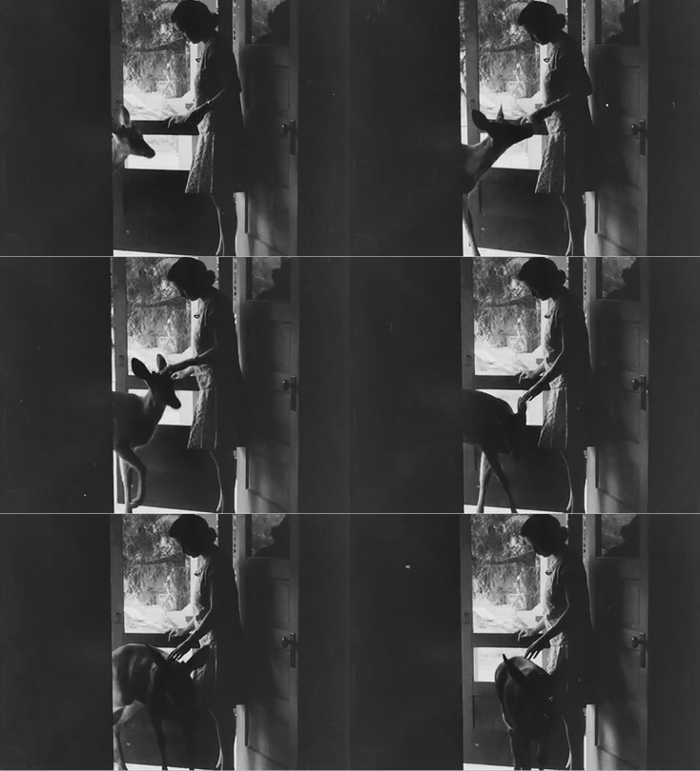
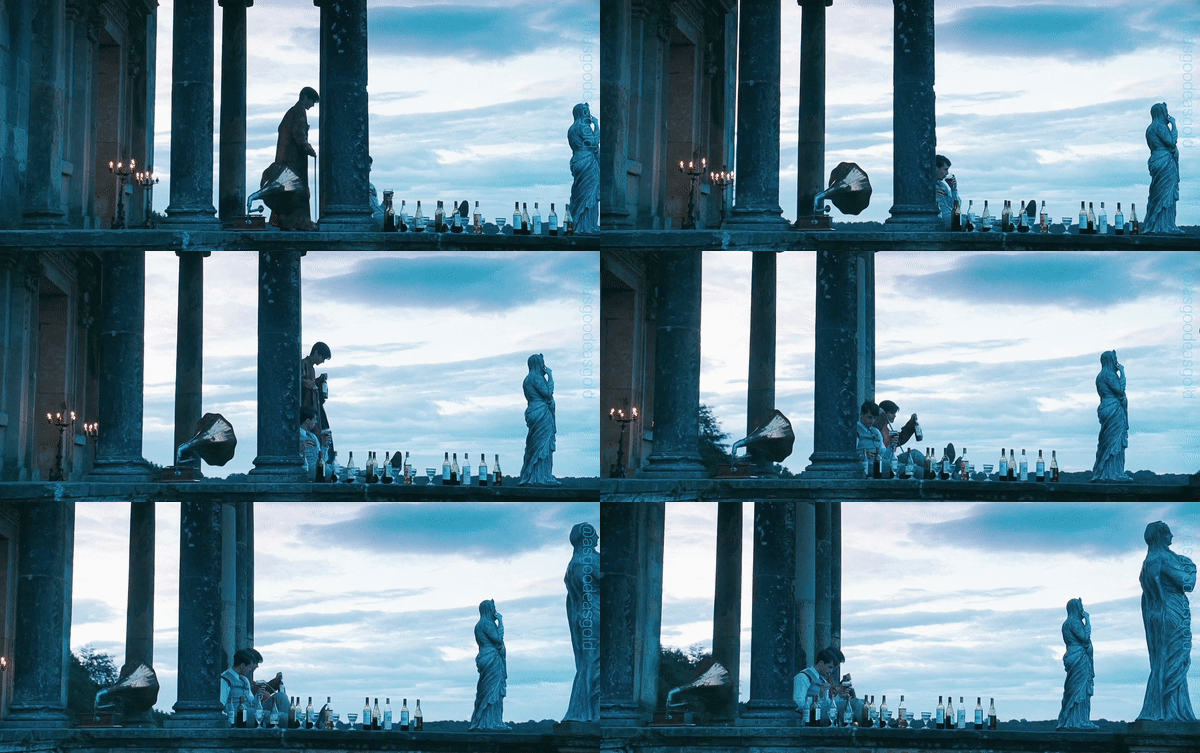
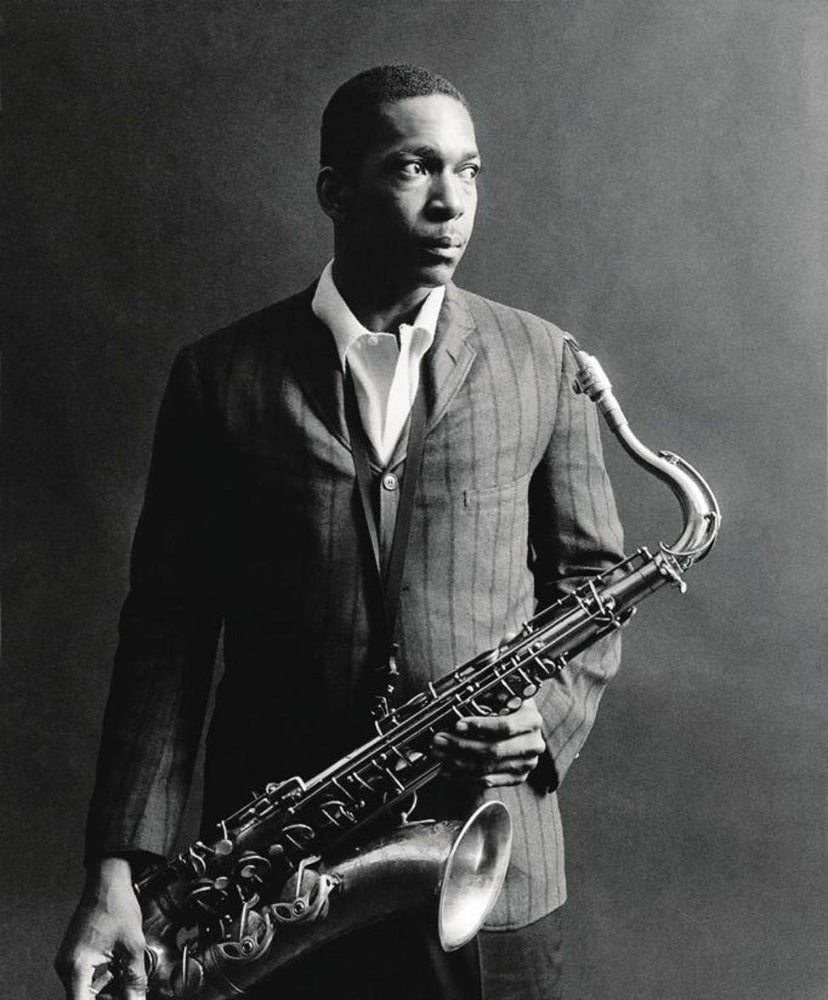
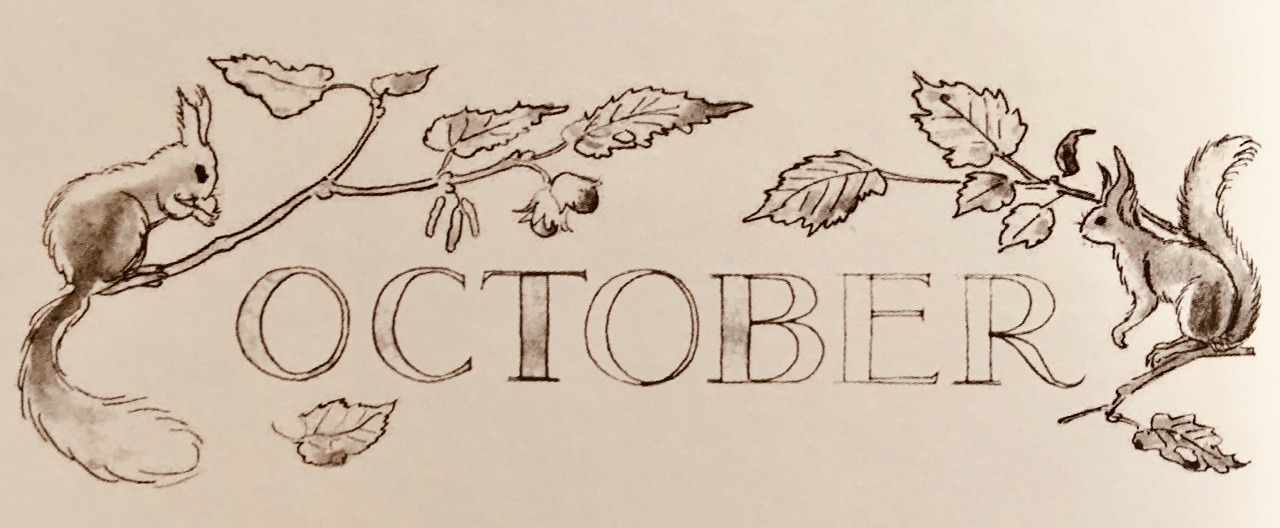
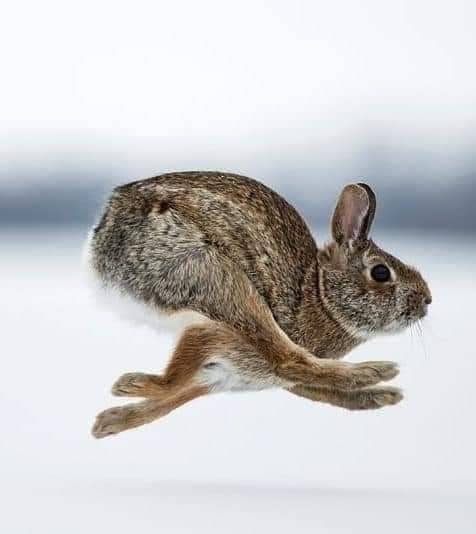
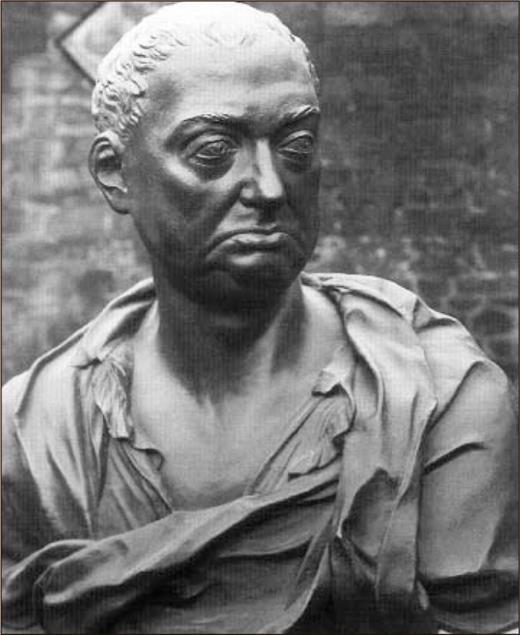
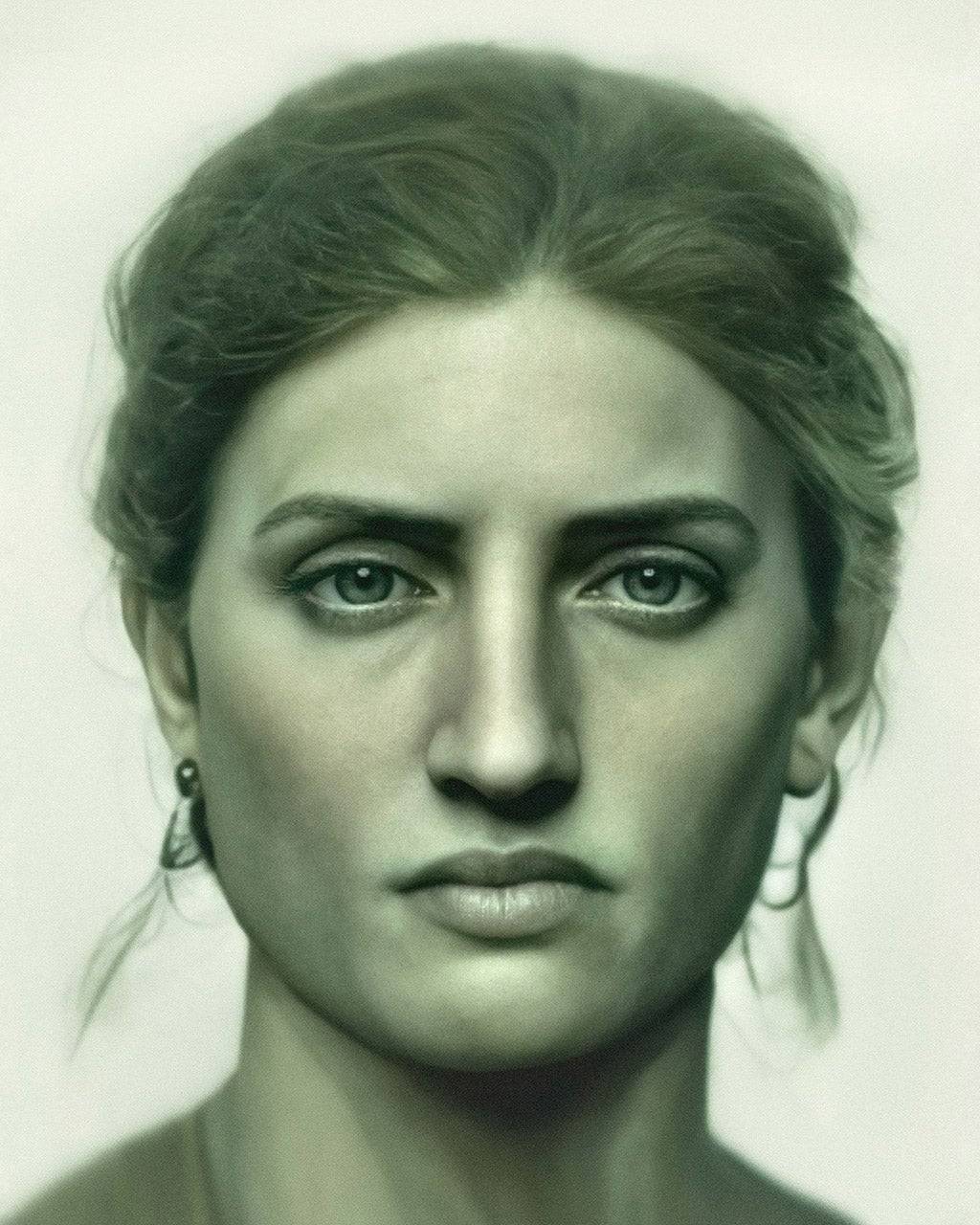
[A]ll living things – including humans – could literally glow with health, until we don't.
Showing posts with label science. Show all posts
Showing posts with label science. Show all posts
11 January 2026


28 December 2025
Immensity.
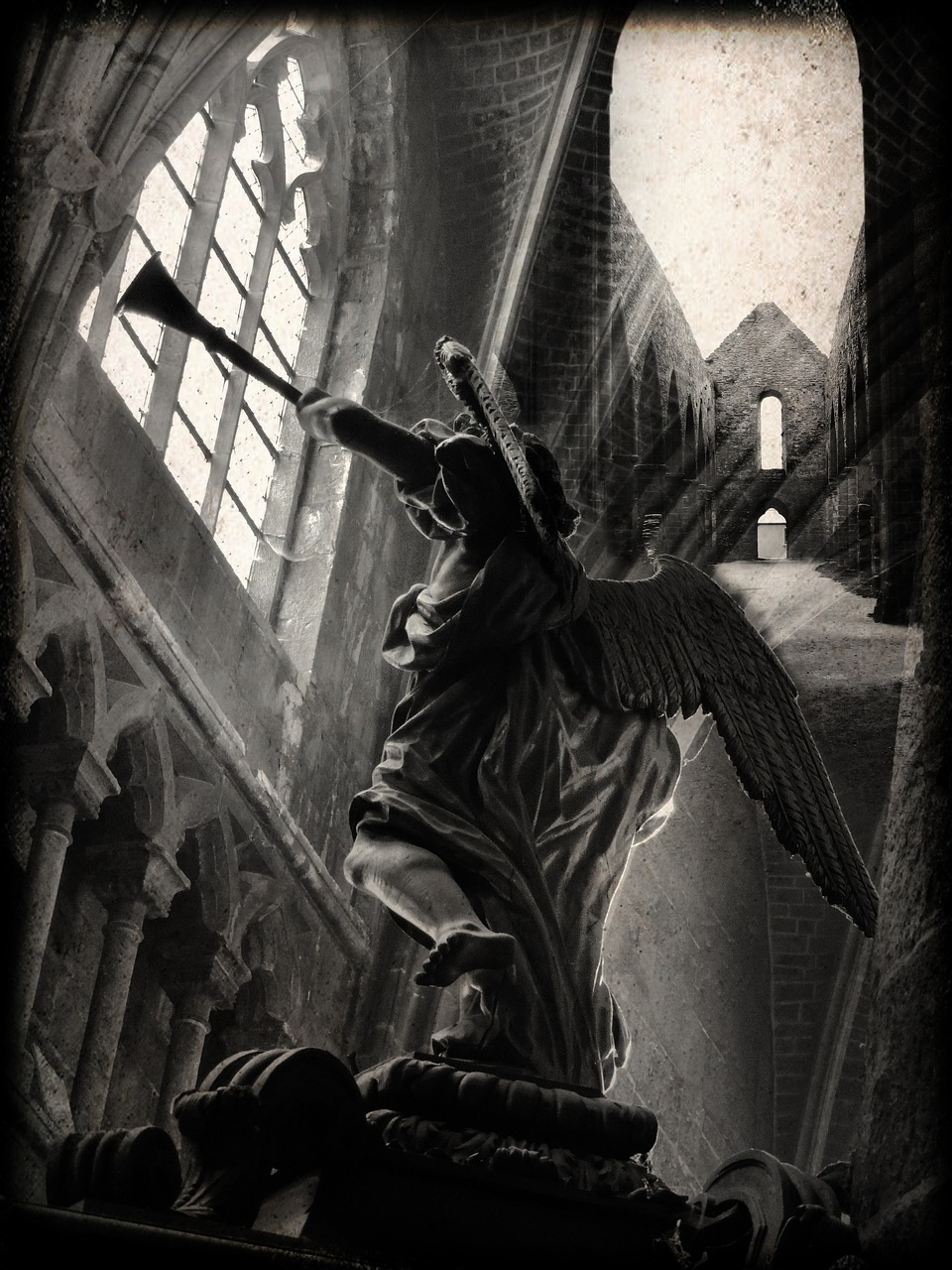
When we recognize our place in an immensity of light‐years and in the passage of ages, when we grasp the intricacy, beauty, and subtlety of life, then that soaring feeling, that sense of elation and humility combined, is surely spiritual -- so are our emotions in the presence of great art or music or literature.
Carl Sagan, from The Demon-Haunted World: Science as a Candle in the Dark
03 November 2025
Noticed.

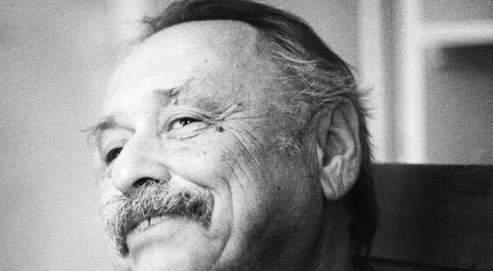
Kurt's got it ...
The midnight interval was not dead time; it was noticed time, which shapes how long nights are experienced.
05 July 2025
See.
Poets say science takes away from the beauty of the stars—mere globs of gas atoms. I, too, can see the stars on a desert night, and feel them. But do I see less or more?”
Richard Feyman, from The Pleasure of Finding Things Out
01 July 2025
Physics.

Newton's third law of motion states that for every action, there is an equal and opposite reaction. This means forces always come in pairs, and these action-reaction pairs act on different objects:
- KA
- BOOM
Something like that.
Besides Newton's Laws, when we launch fireworks, many other elements of physics are at work also, principles such as trajectories, explosions, color (caused by quantum mechanics), light, and, my favorite, shock waves.

I learned all of this from my good buddy Casey, who teaches sixth grade science. Casey's camera-shy so here's the closest thing to being in his classroom ...
Please rise for The Pyro Alma Mater ...
11 June 2025
Happy Birthday, John Constable
Constable, Dedham Vale: Evening, 1802
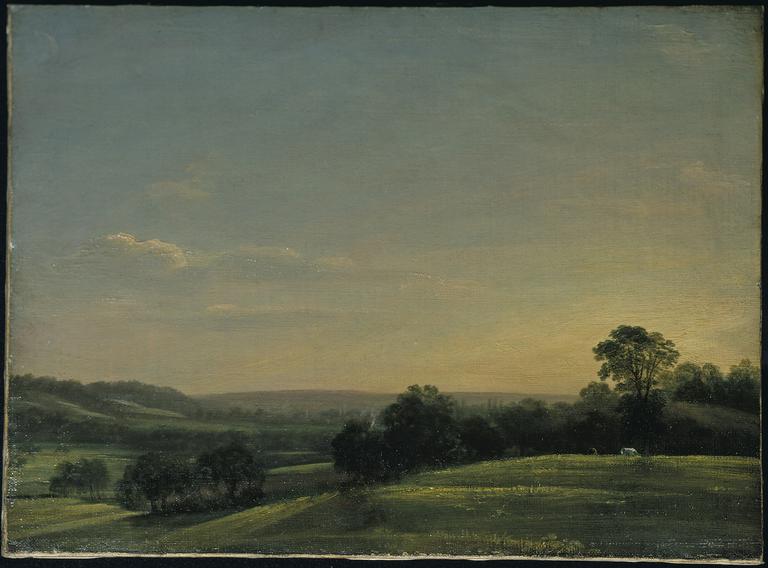
John Constable was born on this day in 1776.
Painting is a science and should be pursued as an inquiry into the laws of nature. Why, then, may not a landscape be considered as a branch of natural philosophy, of which pictures are but experiments?
John Constable
Constable: A Country Rebel ...
13 February 2025
Napping.

Scientific American has Edison's napping technique ...
Thomas Edison was famously opposed to sleeping. In an 1889 interview published in Scientific American, the ever energetic inventor of the lightbulb claimed he never slept more than four hours a night. Sleep was, he thought, a waste of time.Yet Edison might have relied on slumber to spur his creativity. The inventor is said to have napped while holding a ball in each hand, presuming that, as he fell asleep, the orbs would fall to the floor and wake him. This way he could remember the sorts of thoughts that come to us as we are nodding off, which we often do not recall.
28 September 2024
Happy Birthday, Maupertuis
Tinney, Peter Louis Moreau de Maupertuis, 1743
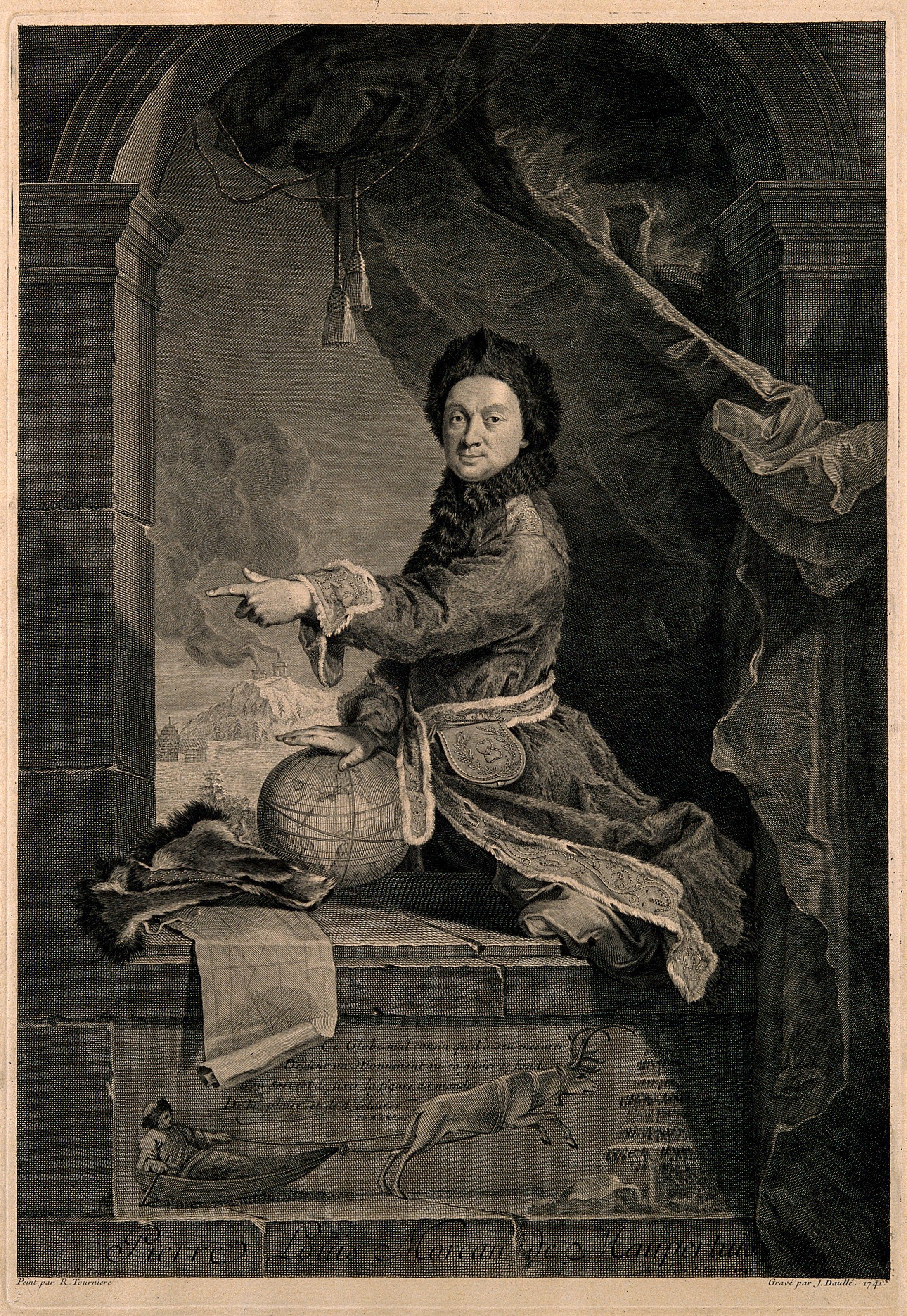
However dangerous might be the shock of a comet, it might be so slight, that it would only do damage at the part of the Earth where it actually struck; perhaps even we might cry quits if while one kingdom were devastated, the rest of the Earth were to enjoy the rarities which a body which came from so far might bring it. Perhaps we should be very surprised to find that the debris of these masses that we despised were formed of gold and diamonds; but who would be the most astonished, we, or the comet-dwellers, who would be cast on our Earth? What strange being each would find the other!
Pierre-Louis Moreau de Maupertuis, from Lettre sur la Comète
26 March 2023
Dr. Richard Feynman, Take the World from Another Point of View
At 23:14, Feynman and Sir Fred Hoyle begin discussing ideas for arriving at what is versus what could be ...
I know what the condition is -- that he did whatever he did as far as he can go.
24 September 2022
Challenge.
Ramishvili, C.S. Lewis at Magdalene College, 1950

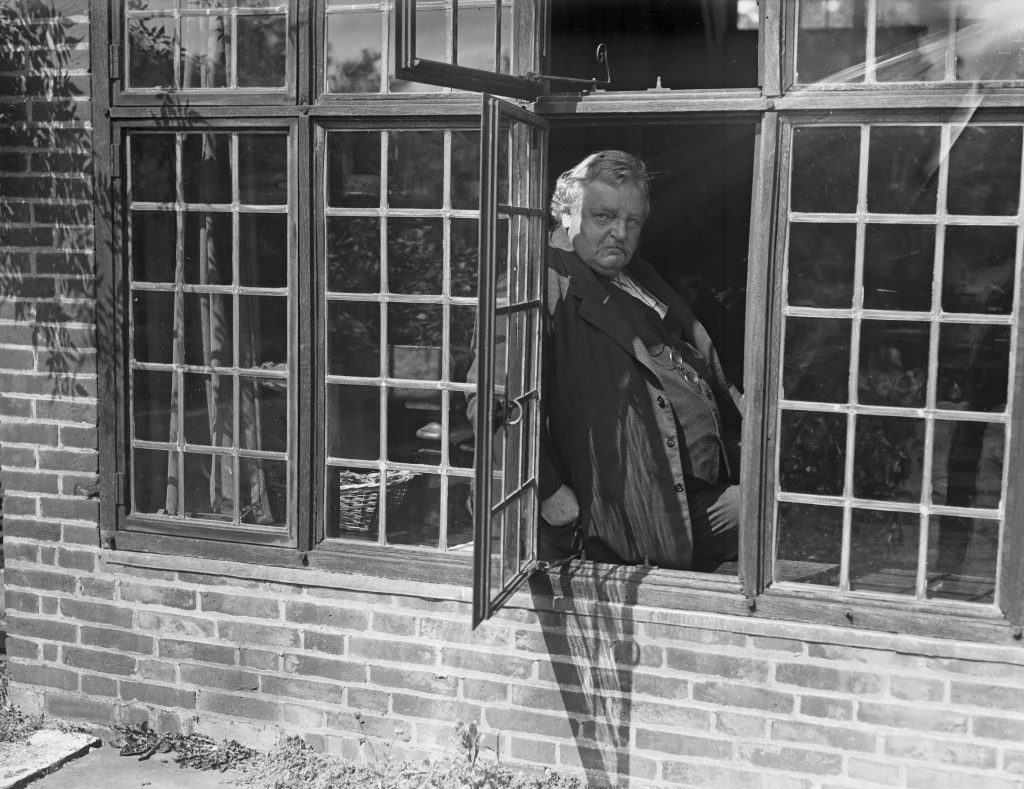
C.S. Lewis, from "Christian Apologetics"
13 July 2022
Deepest.

NASA’s Webb Delivers Deepest Infrared Image of Universe Yet ...
NASA’s James Webb Space Telescope has delivered the deepest and sharpest infrared image of the distant universe so far. Webb’s First Deep Field is galaxy cluster SMACS 0723, and it is teeming with thousands of galaxies – including the faintest objects ever observed in the infrared.Webb’s image is approximately the size of a grain of sand held at arm’s length, a tiny sliver of the vast universe. The combined mass of this galaxy cluster acts as a gravitational lens, magnifying more distant galaxies, including some seen when the universe was less than a billion years old. This deep field, taken by Webb’s Near-Infrared Camera (NIRCam), is a composite made from images at different wavelengths, totaling 12.5 hours – achieving depths at infrared wavelengths beyond the Hubble Space Telescope’s deepest fields, which took weeks. And this is only the beginning. Researchers will continue to use Webb to take longer exposures, revealing more of our vast universe.
Thanks, Jess.
03 January 2022
Twilight.
Chatham, Twilight in The Badlands, 1999
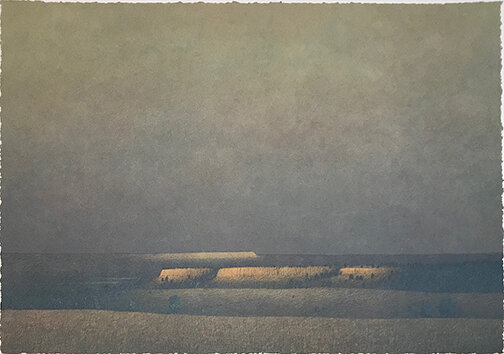
From the BBC series Words and Music ...
Twilight can gift us some of the most spectacular atmospheric displays, a riot of shifting colours that punctuate the end of a day, or announce the arrival of a new morning.The palate and quality of shadowless light has inspired artists, composers and authors from time immemorial and can induce feelings of awe, but also serenity.These dazzling displays are brought to us thanks to the conjunction of the Earth's orbital and atmospheric characteristics.Twilight is the time, at the end of a day, between the sun setting below the local horizon and before the beginning of the night.It is also the time between the end of the night and the sun rising above the local horizon, that marks the beginning of a new day.From a meteorological perspective, twilight is further subdivided into three categories: Civil twilight, Nautical twilight and Astronomical twilight. These are based on how far the sun is beneath the horizon, with light and colour draining from the skies as night approaches.
06 October 2021
Moment.

Jude Stewart explains the art of smelling ...
In the Indian city of Kannauj, perfumers have been making a scent called mitti attar for centuries. From April through May, workers pry blocks of parched clay from the ground. The blocks are baked into disks in ovens, which are then warmed over water distillers. When the clay reaches the right temperature, steam slowly releases the earth’s smell. That steam is captured and distilled into vats of sandalwood oil, the perfume’s base. The smell that’s released is petrichor, the scent of dry earth after rain, a bright mineral tang edged with a hint of sourness. In Kannauj, this is the scent of the precise day when months of dry heat give way to monsoons.The Greek word petrichor, meaning “blood of stones,” was coined in 1964 by two Australian scientists, Isabel “Joy” Bear and Richard Thomas, who were researching this substance and its purpose. As part of their work, the scientists extracted a golden oil from a variety of soil types: sand, dirt, clay. They learned that plants secrete these fatty acids, mostly palmitic and stearic acids, into the soil, and that those secretions become concentrated between rainfalls. After a drought ends, plants often have a surge of growth, and so Bear and Thomas suspected that petrichor was a fertilizer. It turns out, however, that it’s a defense. Plants secrete the fatty acids to slow the growth of nearby plants, reducing competition when water is scarce.Petrichor emanates from millions of raindrops falling all at once, giving this smell a stereoscopic quality. In 2015, a team of MIT scientists determined how petrichor reaches our noses. Using high-speed cameras, they observed that when a raindrop hits a porous surface, it traps tiny air bubbles at the point of contact. In a slow-motion video, you can see a raindrop hitting a surface. The drop briefly assumes a doughnut shape, then flattens into a disk. Infinitesimal droplets rise from the disk like fireflies buzzing over a lake. Those droplets lift petrichor from the soil, infusing the air.Petrichor reminds you of the idea that smell is what happens when a substance becomes airborne. In the case of petrichor, that substance is a golden oil, secreted into the soil by rivalrous plants. Smells ride on air and impart personality to it.Petrichor also reminds us that air is three-dimensional. The air’s stillness after a rain shower is monumental, pungent, and temporary. (Picture petrichor as a golden cube of air above the ground, trembling like amber-scented Jell-O.) As you smell, you’re observing a change happening here and now. With petrichor, it’s particularly noticeable. Each smell pins a moment in space and time, with you, the smeller, as its witness.
14 September 2021
Limit.
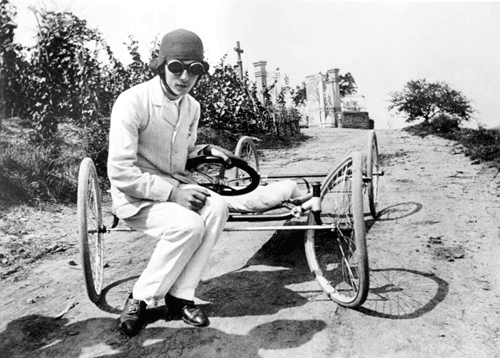
The aim of science is not to open the door to infinite
wisdom, but to set a limit to infinite error.
Bertolt Brecht
05 September 2021
Hum.

What do the bells of Notre Dame "hear"?
To record the cathedral’s voice, Fontana installed an accelerometer on Emmanuel to measure the low-level vibrations the bell emits in response to its environment, which can then be adjusted to levels the human ear can pick up. “You can hear the city sounds in that bell,” the artist says, and in an early test recording sent to The Art Newspaper, which he also shared on our podcast The Week in Art, the whine of sirens and the din of motors can be heard in the ambient hum.Emmanuel is the oldest of the cathedral’s ten bells, recast on the orders of King Louis XIV in 1681, and considered one of the most harmonically beautiful in Europe, ringing in a clear F sharp. It was the only bell to survive the French Revolution—the rest were melted down to create cannon balls—and it was the first bell to ring out when Paris was liberated from Nazi rule.
26 July 2021
Adventure.

The article begins on page 42 of THIS link.
The Aquarium of the Pacific's "Florida Coral Rescue: A Great Adventure Story", a panel discussion my sister was a part of last year ...
Thanks, Mum.
22 July 2021
Different.
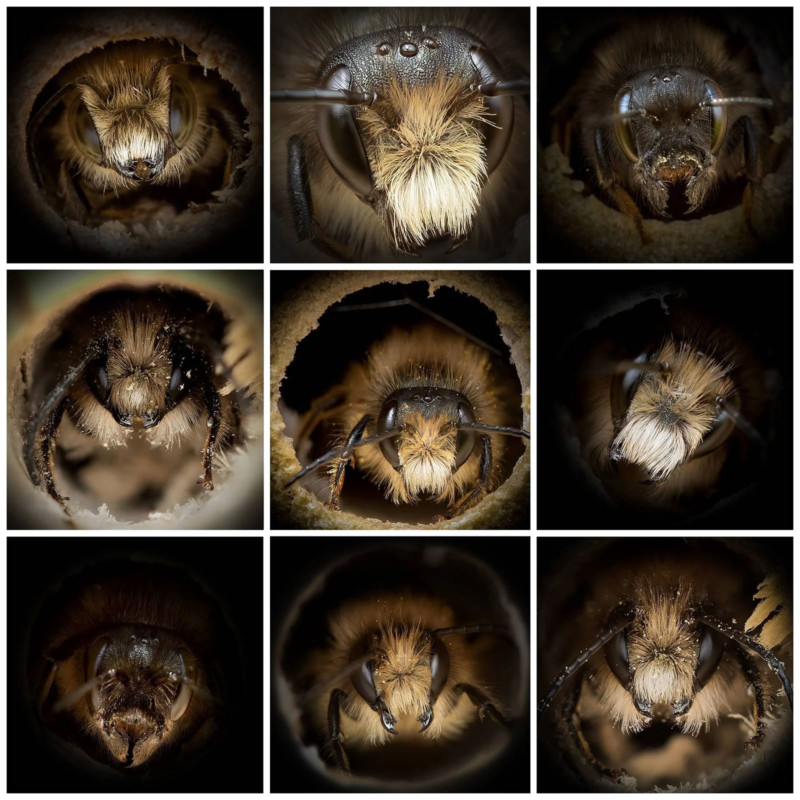
There are over 20,000 known species of bees in the world, but what most people may not know is that bees largely don’t live in hives and colonies — it’s estimated that 90% of bees are solitary.
“Only 10% live in hives but that’s what we associate them with because most people’s primary segue into bees is through honey,” Forwood says.
And while many bees may look the same when they’re zipping around, looking at them from very up close reveals how different their faces can be.
Thank you, Jessica.
22 May 2021
19 May 2021
Richard Feynman: Fun to Imagine
From the BBC ...
Gifted physicist Richard Feynman (1918-88) was known as the 'great explainer' due to his ability to help non-scientists imagine something of the beauty and order of the universe as he saw it. In this series, Feynman looks at the mysterious forces that make ordinary things happen and, in doing so, answers questions about why rubber bands are stretchy, why tennis balls can't bounce for ever and what you're really seeing when you look in the mirror.
25 February 2021
Dualism.

The idea that scientific method is the only method of discovering the truth has a lot to be said for it, if you mean by truth how the world ultimately is as a system of organized matter, but I defend cognitive dualism: that world can be understood completely in another way which also has its truths which are not translatable into the truths of science. So we have to look at the different ways we organize this material that science explains for us.
The assault on the human world in the name of science is more pseudo-science than science, and rejoices in its bald, unmoralized image of "what we really are". What we really are from the scientific point of view is precisely what we really aren't. The identification of any object in the first-person case is ruled out by the enterprise of scientific explanation. So science cannot tell me who I am, let alone where, when, or how.
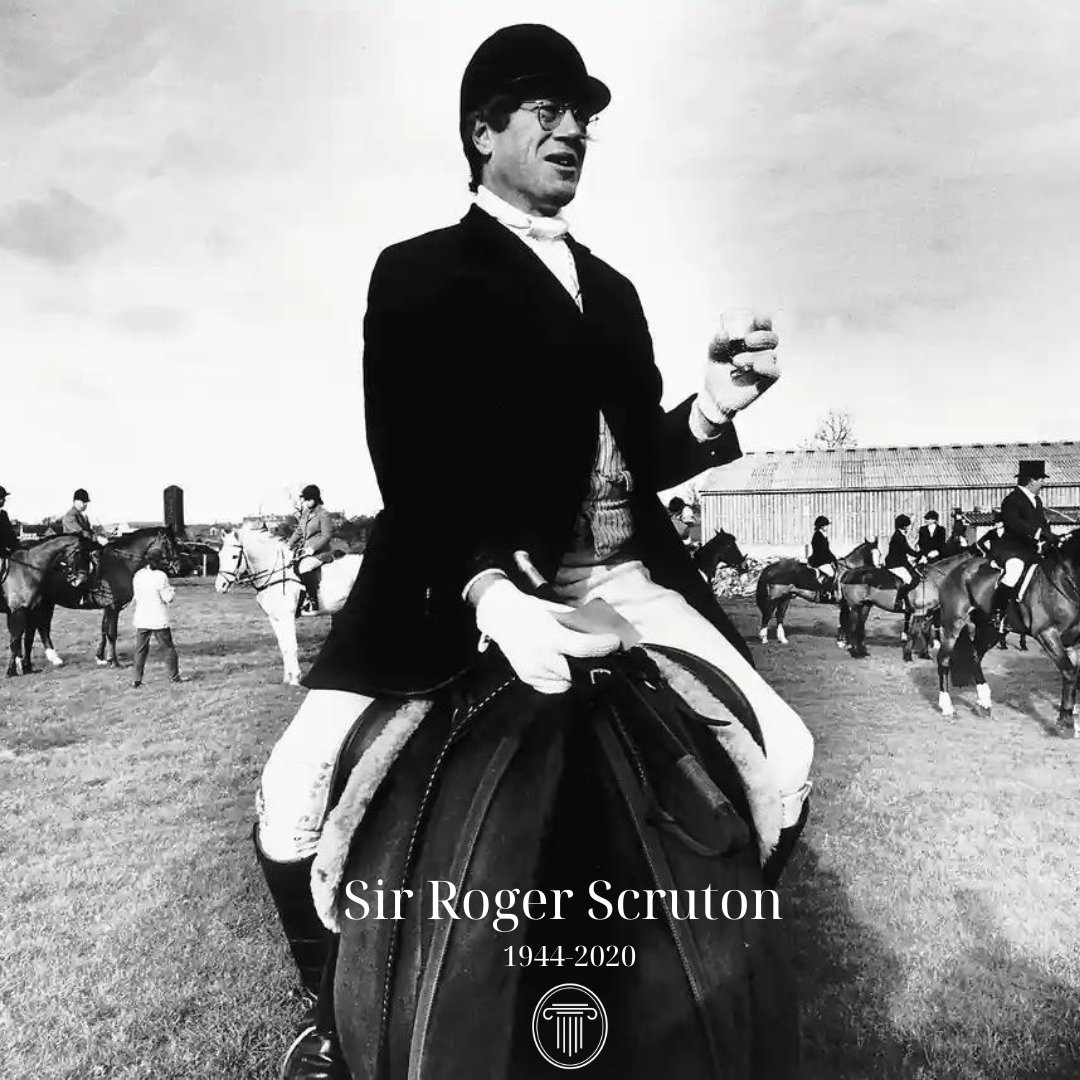
Sir Roger Scruton, from The Soul of the World
Subscribe to:
Posts (Atom)