"I am not one who was born in the custody of wisdom. I am one who is fond of olden times and intense in quest of the sacred knowing of the ancients." Gustave Courbet
Showing posts with label outdoors. Show all posts

05 May 2026

Something.


Away he ran, and for a moment he left the wind behind; but the wind blew a little faster, and overtook him, and they raced along together, like two wild things, till Bevis began to pant. Then down he sat on the turf and kicked up his heels and shouted, and the wind fanned his cheek and cooled him, and kissed his lips and stroked his hair, and caressed him and played with him, till up he jumped again and danced along, the wind always pushing him gently.

"You are a jolly old Wind," said Bevis, "I like you very much; but you must tell me a story, else we shall quarrel. I'm sure we shall."

"I will try," said the wind; "but I have forgotten all my stories, because the people never come to listen to me now."

"Why don't they come?" said Bevis.

"They are too busy," said the wind, sighing; "they are so very, very busy, just like you were with Kapchack and his treasure and the war, and all the rest of the business; they have so much to do, they have quite forsaken me."

"I will come to you," said Bevis; "do not be sorry. I will come and play with you."

"Yes, do," said the wind; "and drink me, dear, as much as ever you can. I shall make you strong. Now drink me."

Bevis stood still and drew in a long, long breath, drinking the wind till his chest was full and his heart beat quicker. Then he jumped and danced and shouted.

"There," said the wind, "see, how jolly I have made you. It was I who made you dance and sing, and run along the hill just now. Come up here, my darling Sir Bevis, and drink me as often as ever you can, and the more you drink of me the happier you will be, and the longer you will live. And people will look at you and say: 'How jolly he looks! Is he not nice? I wish I was like him.' And presently they will say: 'Where does he learn all these things?'

"For you must know, Bevis, my dear, that although I have forgotten my stories, yet they are all still there in my mind, and by-and-by, if you keep on drinking me I shall tell you all of them, and nobody will know how you learn it all. For I know more than the brook, because, you see, I travel about everywhere: and I know more than the trees; indeed, all they know I taught them myself. The sun is always telling me everything, and the stars whisper to me at night: the ocean roars at me: the earth whispers to me: just you lie down, Bevis love, upon the ground and listen."

So Bevis lay down on the grass, and heard the wind whispering in the tufts and bunches, and the earth under him answered, and asked the wind to stay and talk. But the wind said: "I have got Bevis to-day: come on, Bevis," and Bevis stood up and walked along.

"Besides all these things," said the wind, "I can remember everything that ever was. There never was anything that I cannot remember, and my mind is so clear that if you will but come up here and drink me, you will understand everything."

"Well then," said Bevis, "I will drink you—there, I have just had such a lot of you: now tell me this instant why the sun is up there, and is he very hot if you touch him, and which way does he go when he sinks beyond the wood, and who lives up there, and are they nice people, and who painted the sky?"

The wind laughed aloud, and said: "Bevis, my darling, you have not drunk half enough of me yet, else you would never ask such silly questions as that. Why, those are like the silly questions the people ask who live in the houses of the cities, and never feel me or taste me, or speak to me. And I have seen them looking through long tubes——"

"I know," said Bevis; "they are telescopes, and you look at the sun and the stars, and they tell you all about them."

"Pooh!" said the wind, "don't you believe such stuff and rubbish, my pet. How can they know anything about the sun who are never out in the sunshine, and never come up on the hills, or go into the wood? How can they know anything about the stars who never stopped on the hills, or on the sea all night? How can they know anything of such things who are shut up in houses, dear, where I cannot come in?

"Bevis, my love, if you want to know all about the sun, and the stars, and everything, make haste and come to me, and I will tell you, dear. In the morning, dear, get up as quick as you can, and drink me as I come down from the hill. In the day go up on the hill, dear, and drink me again, and stay there if you can till the stars shine out, and drink still more of me.

"And by-and-by you will understand all about the sun, and the moon, and the stars, and the earth which is so beautiful, Bevis. It is so beautiful, you can hardly believe how beautiful it is. Do not listen, dear, not for one moment, to the stuff and rubbish they tell you down there in the houses where they will not let me come. If they say the earth is not beautiful, tell them they do not speak the truth. But it is not their fault, for they have never seen it, and as they have never drank me their eyes are closed, and their ears shut up tight. But every evening, dear, before you get into bed, do you go to your window—the same as you did the evening the owl went by—and lift the curtain and look up at the sky, and I shall be somewhere about, or else I shall be quiet in order that there may be no clouds, so that you may see the stars. In the morning, as I said before, rush out and drink me up.

"The more you drink of me, the more you will want, and the more I shall love you. Come up to me upon the hills, and your heart will never be heavy, but your eyes will be bright, and your step quick, and you will sing and shout——"

"So I will," said Bevis, "I will shout. Holloa!" and he ran up on to the top of the little round hill, to which they had now returned, and danced about on it as wild as could be.

"Dance away, dear," said the wind, much delighted. "Everybody dances who drinks me. The man in the hill there——"

"What man?" said Bevis, "and how did he get in the hill? just tell him I want to speak to him."

"Darling," said the wind, very quiet and softly, "he is dead, and he is in the little hill you are standing on, under your feet. At least, he was there once, but there is nothing of him there now. Still it is his place, and as he loved me, and I loved him, I come very often and sing here."

"When did he die?" said Bevis. "Did I ever see him?"

"He died about a minute ago, dear; just before you came up the hill. If you were to ask the people who live in the houses, where they will not let me in (they carefully shut out the sun too), they would tell you he died thousands of years ago; but they are foolish, very foolish. It was hardly so long ago as yesterday. Did not the brook tell you all about that?

"Now this man, and all his people, used to love me and drink me, as much as ever they could all day long and a great part of the night, and when they died they still wanted to be with me, and so they were all buried on the tops of the hills, and you will find these curious little mounds everywhere on the ridges, dear, where I blow along. There I come to them still, and sing through the long dry grass, and rush over the turf, and I bring the scent of the clover from the plain, and the bees come humming along upon me. The sun comes too, and the rain. But I am here most; the sun only shines by day, and the rain only comes now and then.

"But I am always here, day and night, winter and summer. Drink me as much as you will, you cannot drink me away; there is always just as much of me left. As I told you, the people who were buried in these little mounds used to drink me, and oh! how they raced along the turf, dear; there is nobody can run so fast now; and they leaped and danced, and sang and shouted. I loved them as I love you, my darling; there, sit down and rest on the thyme, dear, and I will stroke your hair and sing to you."

So Bevis sat down on the thyme, and the wind began to sing, so low and sweet and so strange an old song, that he closed his eyes and leaned on his arm on the turf. There were no words to the song, but Bevis understood it all, and it made him feel so happy. The great sun smiled upon him, the great earth bore him in her arms gently, the wind caressed him, singing all the while. Now Bevis knew what the wind meant; he felt with his soul out to the far-distant sun just as easily as he could feel with his hand to the bunch of grass beside him; he felt with his soul down through into the earth just as easily as he could touch the sward with his fingers. Something seemed to come to him out of the sunshine and the grass.

Richard Jefferies, from Wood Magic: A Fable

24 February 2026

Happy Birthday, Winslow Homer

Homer, Adirondack Lake, 1892


A painter who begins and finishes indoors, that which is outdoors, misses a hundred little facts, a hundred little accidental effects of sunshine and shadow that can be reproduced only in the immediate presence of Nature. This making of studies and then taking them home is only half right. You get composition, but you lose freshness; you miss the subtle and, to the artist, the finer characteristics of the scene itself.

Winslow Homer, born on this day in 1836

10 November 2025

Faith.


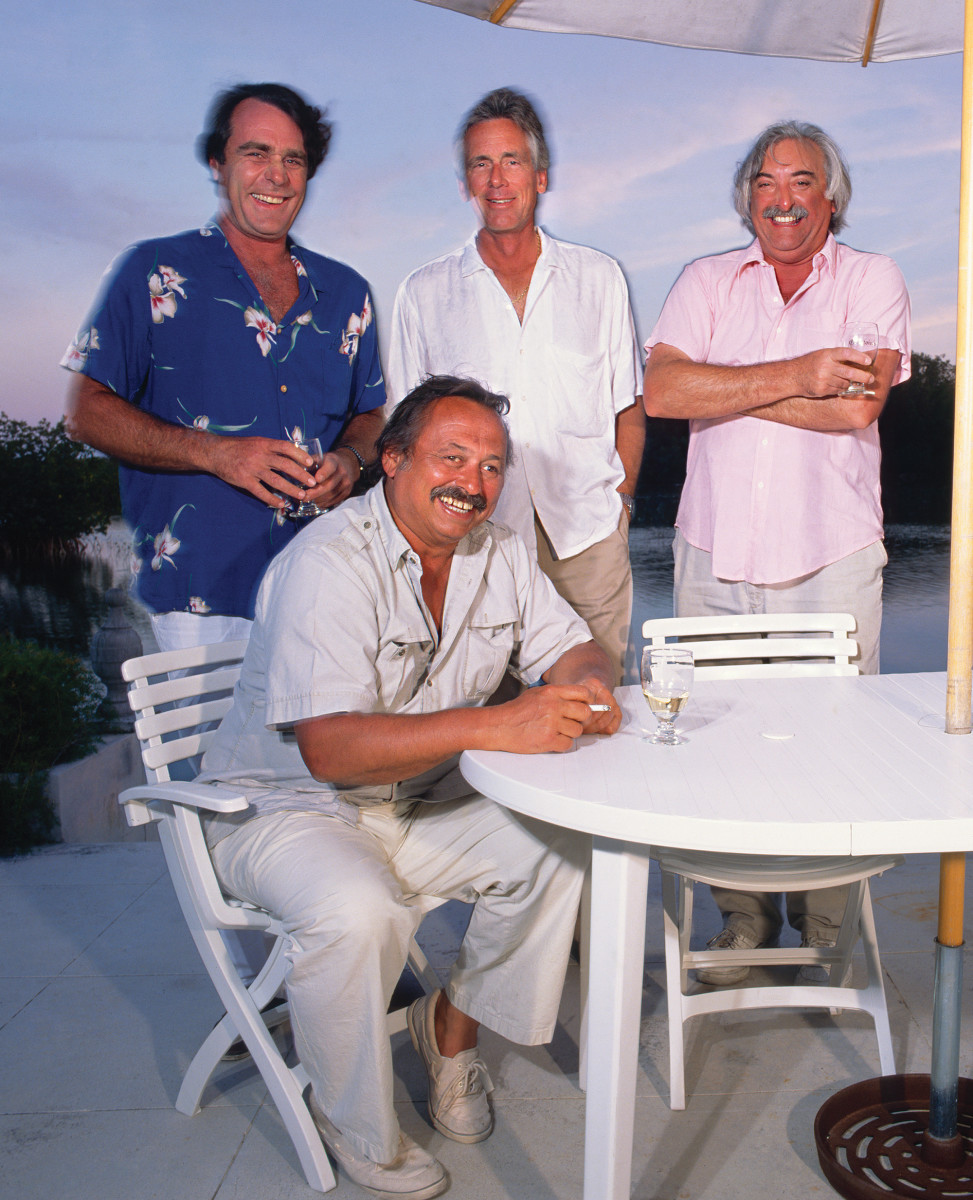
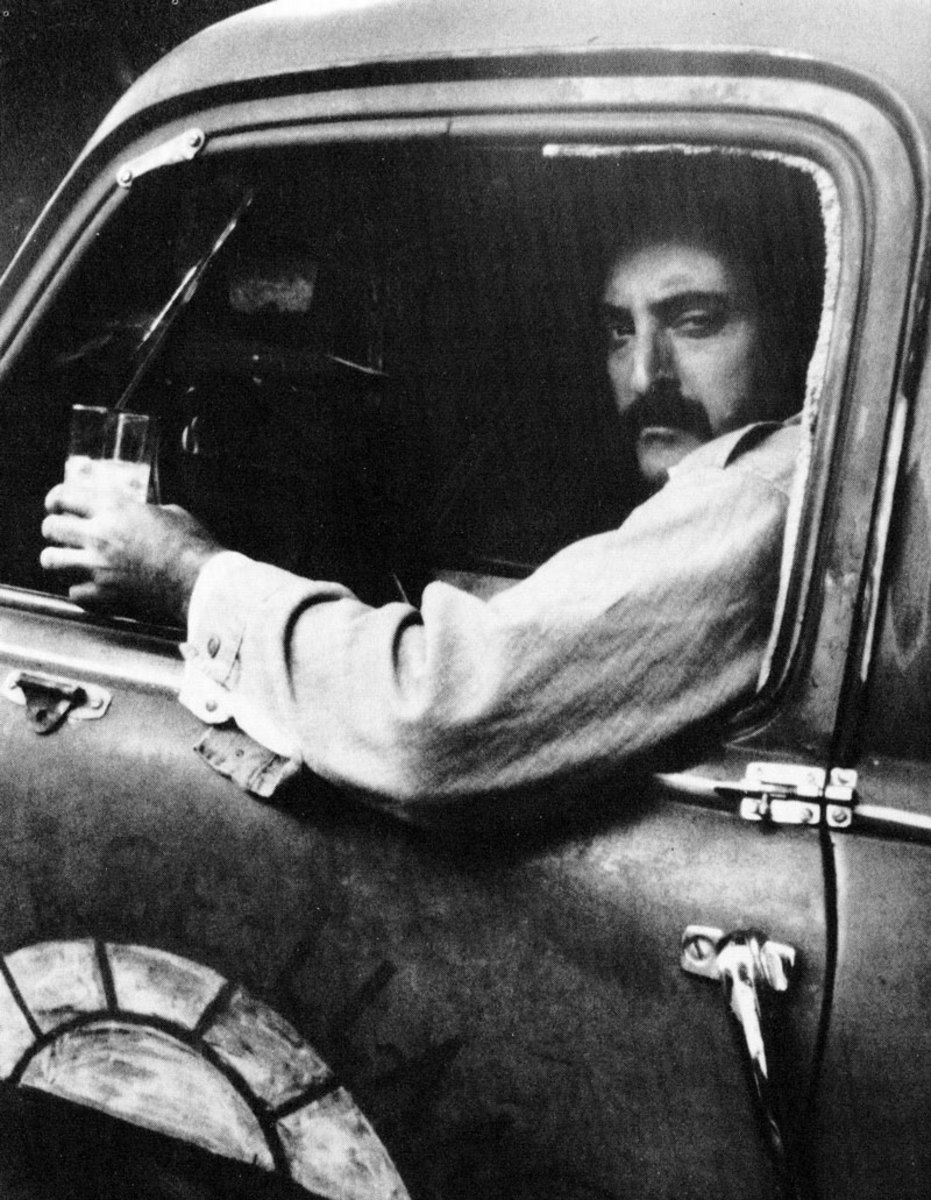
Russell Worth Parker remembers Guy de la Valdène ...
If religion is meant to save, to awe, to cleanse, to fortify, then my faith is found at the tops of mountains and in the secrecy of woods, in the cradle of rivers and at the bottom of the sea.

12 January 2025

Affirm.


Arriving at the creek, I entered yet another dimension, one of quiet intimacy.  

The water gurgled softly over shallow riffles, but more often glided silently past watercress-lined banks.  Cottonwoods grew here, but the ground was protected and quieted by dense stands of willow and wild roses, home to many cottontail rabbits which were always silently appearing and disappearing.  

The fishing itself was slow and deliberate, but best of all, it was solitary. While I was kneeling by the creek, half in it, half out of it, the rest of the world ceased to exist.  It was a salve that mended the soul’s tears and abrasions.

As the years passed by, my familiarity with the creek itself grew, along with a more general appreciation of the landscape of the Northern Rockies. At some point in time, perhaps seven or eight years into it, I felt an easy familiarity with the creek, and my paintings were reflecting the spirit of their motifs with an increasing accuracy.

Some have argued that fishing is merely an escape from reality. My father used to tell me I had to get used to doing things I didn’t like because that was the definition of work. I didn’t believe it when he told it to me 35 years ago, and nothing since has caused me to change my mind.  The dark, silent water flowing past waving tendrils of moss, sometimes revealing the olive-colored forms of trout, is haunting. We reach out to it with our fishing rods, and by connecting ourselves to living things, we affirm that we ourselves are alive, not just in our clumsy bodies, but in our hearts and souls.  

Russell Chatham, from "The Center of Things"

31 July 2024

Respected.


As a little kid growing up in Michigan, I was taught to take care of myself by taking care of where I lived and played.

My parents took my sister and me camping regularly. Camping meant woods and water, camping meant fishing. Most of what I remember about camping trips involves reading, fishing, and fires ... oh, and the smell of bacon cooking on the Coleman stove (I think Coleman is responsible for the fact that my favorite color is green.  Diffie's got "John Deere Green," I may write a song called "Coleman Green")

Sense memory has taught me that cookies smell like my Mum's kitchen, the sweet smell of freshwater fish remind me of my Dad.

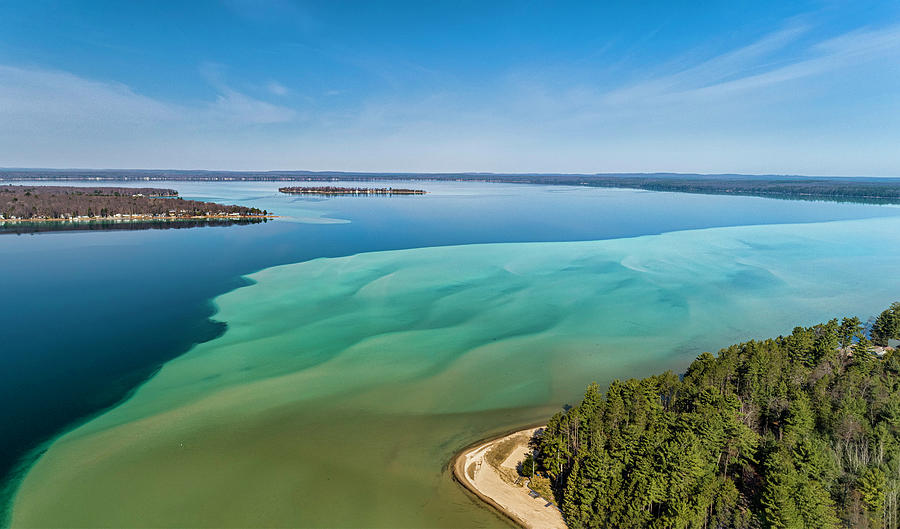
I remember fishing the drop-off of Higgins Lake on a quick-to-warm summer morning. I had been out on the water with my sis, Uncle Fred, and Dad since well before sunrise. The air was periodically scented with coffee, pipe smoke, and two-cycle outboard exhaust and bluegill. The morning's fishing was successful, but the thing that sticks in my mind about that day was the beauty of the place.

Warmth sent the fish deeper, but even as they sank to cooler water, I could see them and the shadow of the boat on the bottom of the lake's sandy bottom.  The water was gin-clear, uncommonly clear and it left a lasting impression on me.

The fish were brightly colored.

Clean.

Because it was appreciated.

And respected.

I was taught that first.


28 July 2024

Happy Birthday, Potter

Potter, Down the Garden Path, 1903


I remember I used to half believe and wholly play with fairies when I was a child. What heaven can be more real than to retain the spirit-world of childhood, tempered and balanced by knowledge and common-sense.

Beatrix Potter, born on this day in 1866

26 June 2024

Shape.

Chatham, Headwaters of the Colorado River, 2000


The rivers of my life:
moving looms of light,
anchored beneath the log
at night I can see the moon
up through the water
as shattered milk, the nudge
of fishes, belly and back
in turn grating against log
and bottom; and letting go, the current
lifts me up and out
into the dark, gathering motion,
drifting into an eddy
with a sideways swirl,
the sandbar cooler than the air:
go speak it clearly,
how the water goes
is how the earth is shaped.

It is not so much that I got
there from here, which is everyone's
story: but the shape
of the voyage, how it is pushed
outward in every direction
until it stopped:
roots of plants and trees,
certain coral heads,
photos of splintered lightning,
blood vessels,
the shape of creeks and rivers.


Jim Harrison, from "The Theory & Practice of Rivers"

05 May 2024

Alone.

Firchau, The Rockhouse Trail, 2024


The PRAIRIES

  These are the gardens of the Desert, these
The unshorn fields, boundless and beautiful,
For which the speech of England has no name—
The Prairies. I behold them for the first,
And my heart swells, while the dilated sight
Takes in the encircling vastness. Lo! they stretch,
In airy undulations, far away,
As if the ocean, in his gentlest swell,
Stood still, with all his rounded billows fixed,
And motionless forever. —Motionless?—
No—they are all unchained again. The clouds
Sweep over with their shadows, and, beneath,
The surface rolls and fluctuates to the eye;
Dark hollows seem to glide along and chase
The sunny ridges. Breezes of the South!
Who toss the golden and the flame-like flowers,
And pass the prairie-hawk that, poised on high,
Flaps his broad wings, yet moves not—ye have played
Among the palms of Mexico and vines
Of Texas, and have crisped the limpid brooks
That from the fountains of Sonora glide
Into the calm Pacific—have ye fanned
A nobler or a lovelier scene than this?
Man hath no power in all this glorious work:
The hand that built the firmament hath heaved
And smoothed these verdant swells, and sown their slopes
With herbage, planted them with island groves,
And hedged them round with forests. Fitting floor
For this magnificent temple of the sky—
With flowers whose glory and whose multitude
Rival the constellations! The great heavens
Seem to stoop down upon the scene in love,—
A nearer vault, and of a tenderer blue,
Than that which bends above our eastern hills.
 
  As o’er the verdant waste I guide my steed,
Among the high rank grass that sweeps his sides
The hollow beating of his footsteps seems
A sacrilegious sound. I think of those
Upon whose rest he tramples. Are they here—
The dead of other days?—and did the dust
Of these fair solitudes once stir with life
And burn with passion? Let the mighty mounds
That overlook the rivers, or that rise
In the dim forest crowded with old oaks,
Answer. A race, that long has passed away,
Built them;—a disciplined and populous race
Heaped, with long toil, the earth, while yet the Greek
Was hewing the Pentelicus to forms
Of symmetry, and rearing on its rock
The glittering Parthenon. These ample fields
Nourished their harvest, here their herds were fed,
When haply by their stalls the bison lowed,
And bowed his maned shoulder to the yoke.
All day this desert murmured with their toils,
Till twilight blushed, and lovers walked, and wooed
In a forgotten language, and old tunes,
From instruments of unremembered form,
Gave the soft winds a voice. The red man came—
The roaming hunter tribes, warlike and fierce,
And the mound-builders vanished from the earth.
The solitude of centuries untold
Has settled where they dwelt. The prairie-wolf
Hunts in their meadows, and his fresh-dug den
Yawns by my path. The gopher mines the ground
Where stood their swarming cities. All is gone;
All—save the piles of earth that hold their bones,
The platforms where they worshipped unknown gods,
The barriers which they builded from the soil
To keep the foe at bay—till o’er the walls
The wild beleaguerers broke, and, one by one,
The strongholds of the plain were forced, and heaped
With corpses. The brown vultures of the wood
Flocked to those vast uncovered sepulchres,
And sat unscared and silent at their feast.
Haply some solitary fugitive,
Lurking in marsh and forest, till the sense
Of desolation and of fear became
Bitterer than death, yielded himself to die.
Man’s better nature triumphed then. Kind words
Welcomed and soothed him; the rude conquerors
Seated the captive with their chiefs; he chose
A bride among their maidens, and at length
Seemed to forget—yet ne’er forgot—the wife
Of his first love, and her sweet little ones,
Butchered, amid their shrieks, with all his race.
 
  Thus change the forms of being. Thus arise
Races of living things, glorious in strength,
And perish, as the quickening breath of God
Fills them, or is withdrawn. The red man, too,
Has left the blooming wilds he ranged so long,
And, nearer to the Rocky Mountains, sought
A wilder hunting-ground. The beaver builds
No longer by these streams, but far away,
On waters whose blue surface ne’er gave back
The white man’s face—among Missouri’s springs,
And pools whose issues swell the Oregon—
He rears his little Venice. In these plains
The bison feeds no more. Twice twenty leagues
Beyond remotest smoke of hunter’s camp,
Roams the majestic brute, in herds that shake
The earth with thundering steps—yet here I meet
His ancient footprints stamped beside the pool.
 
  Still this great solitude is quick with life.
Myriads of insects, gaudy as the flowers
They flutter over, gentle quadrupeds,
And birds, that scarce have learned the fear of man,
Are here, and sliding reptiles of the ground,
Startlingly beautiful. The graceful deer
Bounds to the wood at my approach. The bee,
A more adventurous colonist than man,
With whom he came across the eastern deep,
Fills the savannas with his murmurings,
And hides his sweets, as in the golden age,
Within the hollow oak. I listen long
To his domestic hum, and think I hear
The sound of that advancing multitude
Which soon shall fill these deserts. From the ground
Comes up the laugh of children, the soft voice
Of maidens, and the sweet and solemn hymn
Of Sabbath worshippers. The low of herds
Blends with the rustling of the heavy grain
Over the dark brown furrows. All at once
A fresher winds sweeps by, and breaks my dream,
And I am in the wilderness alone.

William Cullen Bryant

11 June 2023

Work.

ParkeHarrison, Book of Life, n/d


The world´s otherness is an antidote to confusion ... standing within this otherness  -- the beauty and the mystery of the world, out in the fields or deep inside books -- can re-dignify the worst-stung heart.

I learned to build bookshelves and brought books to my room, gathering them around me thickly. I read by day and into the night. I thought about perfectibility, and deism, and adjectives, and clouds, and the foxes. I locked my door, from the inside, and leaped from the roof and went to the woods, by day or darkness.


You must not ever stop being whimsical.

And you must not, ever, give anyone else the responsibility for your life.

I don’t mean it’s easy or assured; there are the stubborn stumps of shame, grief that remains unsolvable after all the years, a bag of stones that goes with one wherever one goes and however the hour may call for dancing and for light feet. But there is, also, the summoning world, the admirable energies of the world, better than anger, better than bitterness and, because more interesting, more alleviating. And there is the thing that one does, the needle one plies, the work, and within that work a chance to take thoughts that are hot and formless and to place them slowly and with meticulous effort into some shapely heat-retaining form, even as the gods, or nature, or the soundless wheels of time have made forms all across the soft, curved universe — that is to say, having chosen to claim my life, I have made for myself, out of work and love, a handsome life.

Mary Oliver, excerpts from ¨Staying Alive¨

12 November 2022

Deliciousness.


To enjoy bodily warmth, some small part of you must be cold, for there is no quality in this world that is not what it is merely by contrast. Nothing exists in itself. If you flatter yourself that you are all over comfortable, and have been so a long time, then you cannot be said to be comfortable any more. For this reason a sleeping apartment should never be furnished with a fire, which is one of the luxurious discomforts of the rich. For the height of this sort of deliciousness is to have nothing but the blanket between you and your snugness and the cold of the outer air. Then there you lie like the one warm spark in the heart of an arctic crystal.

Herman Melville, from Moby-Dick or, the Whale

28 July 2022

Happy Birthday, Potter

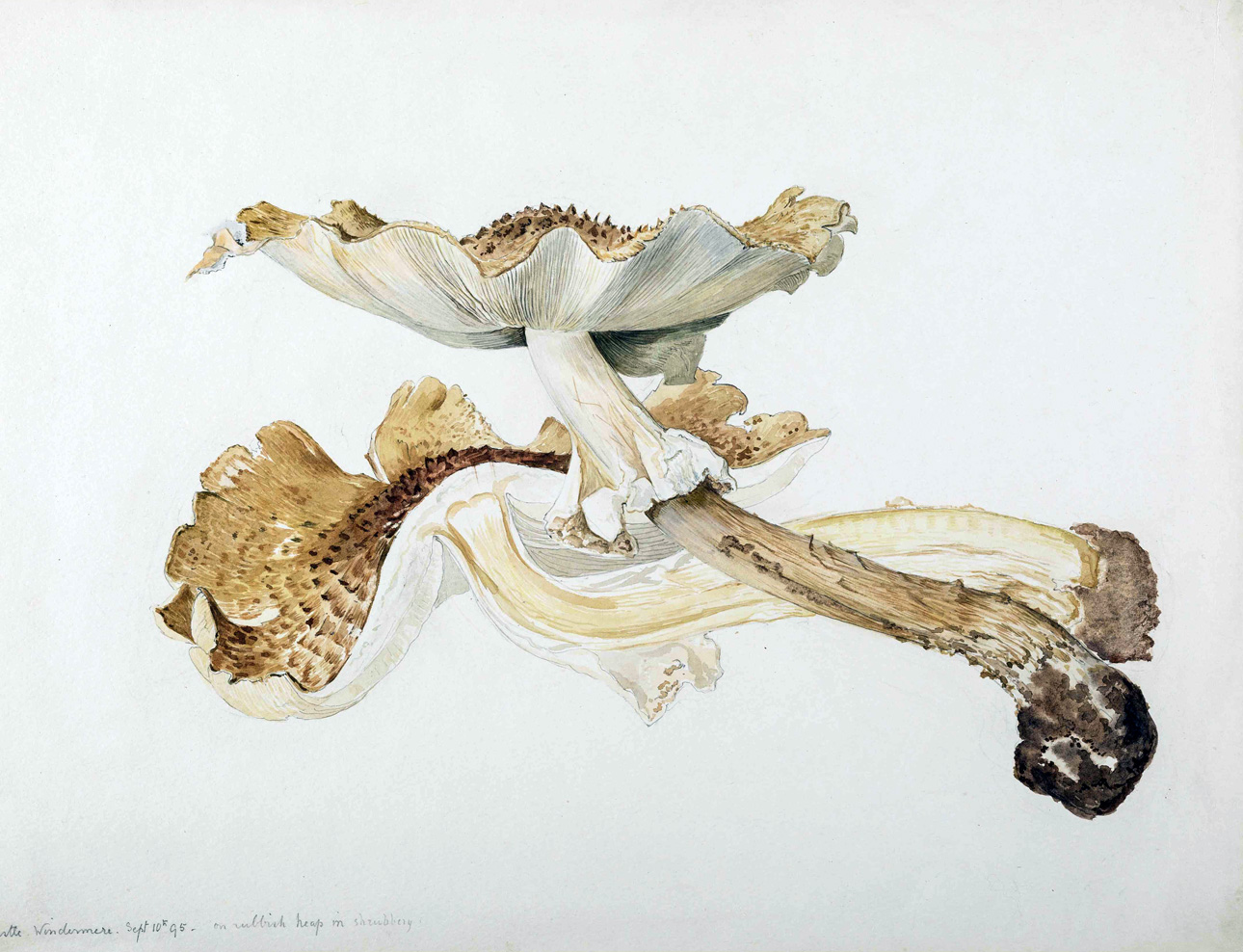
Potter, Lepiota Friesii, 1896


The place is changed now, and many familiar faces are gone, but the greatest change is myself. I was a child then, I had no idea what the world would be like. I wished to trust myself on the waters and the sea. Everything was romantic in my imagination. The woods were peopled by the mysterious good folk. The Lords and Ladies of the last century walked with me along the overgrown paths, and picked the old fashioned flowers among the box and rose hedges of the garden.

Beatrix Potter, born on this day in 1866

21 July 2022

Excellent.

Excellent books ...


I have decided to sleep under the stars.  Tonight heaven is my roof, and the hedges my walls.  The field folds me in soft wings.

John Lewis-Stempel, from Meadowland: The Private Life of an English Field

Thanks, Mum.

06 June 2022

Enjoyment.


Yes, there are plenty of heroes and heroines everywhere you look.

They are not famous people. They are generally obscure and modest people doing useful work, keeping their families together and taking an active part in the health of their communities, opposing what is evil (in one way or another) and defending what is good. 

Heroes do not want power over others.  Devoted though we must be to the conservation cause, I do not believe that any of us should give it all of our time or effort or heart.  Give what you can, but do not burn yourselves out -- or break your hearts.  Let us save at least half of our lives for the enjoyment of this wonderful world which still exists. Leave your dens, abandon your cars and walk out into the great mountains, the deserts, the forests, the seashores. 

Those treasures still belong to all of us. 

Enjoy them to the full, stretch your legs, expand your lungs, enliven your hearts -- long live the weeds and the wilderness yet!
 
Edward Abbey

30 April 2022

Rushing.


Spring has come to the northern forest. 
The evening wind blows cold 
As the breath of the frost giants. 
Just overhead there is a sound like the rushing of crows' wings. 
Can it be a coven of witches has flown over these woods?

On any other night, 
You would probably swear 
That there was no such thing as a witch―
At least, not the kind that streaks through the sky 
On a broomstick with guttering taper and billowing cloak. 
But this is no ordinary night; 
It is the thirtieth of April, 
The very eve of May. 
Walpurgis Night.

27 March 2022

Excellent.

An excellent book ...


To our indigenous ancestors, and to the many aboriginal peoples who still hold fast to their oral traditions, language is less a human possession than it is a property of the animate earth itself, an expressive, telluric power in which we, along with the coyotes and the crickets, all participate. Each creature enacts this expressive magic in its own manner, the honeybee with its waggle dance no less than a bellicose, harrumphing sea lion.

Nor is this power restricted solely to animals. The whispered hush of the uncut grasses at dawn, the plaintive moan of trunks rubbing against one another in the deep woods, or the laughter of birch leaves as the wind gusts through their branches all bear a thicket of many-layered meanings for those who listen carefully. In the Pacific Northwest I met a man who had schooled himself in the speech of needled evergreens; on a breezy day you could drive him, blindfolded, to any patch of coastal forest and place him, still blind, beneath a particular tree -- after a few moments he would tell you, by listening, just what species of pine or spruce or fir stood above him (whether he stood beneath a Douglas fir or a grand fir, a Sitka spruce or a western red cedar). His ears were attuned, he said, to the different dialects of the trees.

David Abram, from Becoming Animal: An Earthly Cosmology

08 March 2022

Solace.


The best remedy for those who are afraid, lonely or unhappy is to go outside, somewhere where they can be quite alone with the heavens, nature and God. Because only then does one feel that all is as it should be and that God wishes to see people happy, amidst the simple beauty of nature. As longs as this exists, and it certainly always will, I know that then there will always be comfort for every sorrow, whatever the circumstances may be. And I firmly believe that nature brings solace in all troubles.

Anne Frank