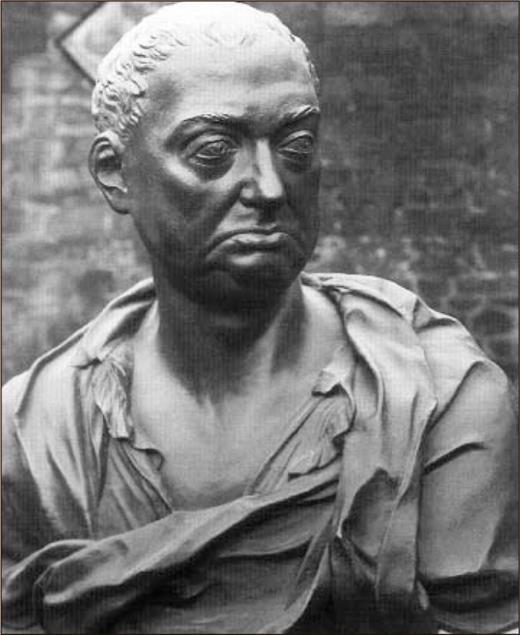
Jean Piaget
There was a period of my career where I really went through some serious burnout. I mean, world class burnout. It was only after I pulled out that I figured out what it was and that I started just trying to crank work out and it was about money. I was just trying to make money and I knew I could get away with not my best work and people couldn't tell.And so I started taking shortcuts and that kind of got to the point where I just got really depressed. I didn't like working and I don't know somehow I realized, oh! I stopped learning! I stopped pushing myself to that. That's what happened. So, I was able to regain momentum.Everything I do, I'm trying to push it a little bit harder because it makes it interesting. It's fun.


JUST THIS SIDE OF BYZANTIUM: an introduction
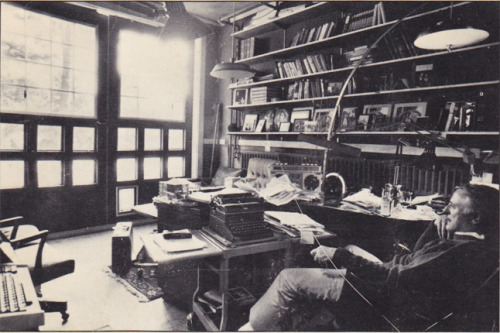
This book, like most of my books and stories, was a surprise. I began to learn the nature of such surprises, thank God, when I was fairly young as a writer. Before that, like every beginner, I thought you could beat, pummel, and thrash an idea into existence. Under such treatment, of course, any decent idea folds up its paws, turns on its back, fixes its eyes on eternity, and dies.
It was with great relief, then, that in my early twenties I floundered into a word-association process in which I simply got out of bed each morning, walked to my desk, and put down any word or series of words that happened along in my head.
I would then take arms against the word, or for it, and bring on an assortment of characters to weigh the word and show me its meaning in my own life. An hour or two hours later, to my amazement, a new story would be finished and done. The surprise was total and lovely. I soon found that I would have to work this way for the rest of my life.
First I rummaged my mind for words that could describe my personal nightmares, fears of night and time from my childhood, and shaped stories from these.
Then I took a long look at the green apple trees and the old house I was born in and the house next door where lived my grandparents, and all the lawns of the summers I grew up in, and I began to try words for all that.
What you have here in this book then is a gathering of dandelions from all those years. The wine metaphor which appears again and again in these pages is wonderfully apt. I was gathering images all of my life, storing them away, and forgetting them. Somehow I had to send myself back, with words as catalysts, to open the memories out and see what they had to offer.
So from the age of twenty-four to thirty-six hardly a day passed when I didn’t stroll myself across a recollection of my grandparents’ northern Illinois grass, hoping to come across some old half-burnt firecracker, a rusted toy, or a fragment of letter written to myself in some young year hoping to contact the older person I became to remind him of his past, his life, his people, his joys, and his drenching sorrows.
It became a game that I took to with immense gusto: to see how much I could remember about dandelions themselves, or picking wild grapes with my father and brother, rediscovering the mosquito-breeding ground rain barrel by the side bay window, or searching out the smell of the gold-fuzzed bees that hung around our back porch grape arbor. Bees do have a smell, you know, and if they don’t they should, for their feet are dusted with spices from a million flowers.
An then I wanted to call back what the ravine was like, especially on those nights when walking home late across town, after seeing Lon Chaney’s delicious fright The Phantom of the Opera, my brother Skip would run ahead and hide under the ravine-creek bridge like the Lonely One and leap out and grab me, shrieking, so I ran, fell, and ran again, gibbering all the way home. That was great stuff.Along the way I came upon and collided, through word-association, with old and true friendships. I borrowed my friend John Huff from my childhood in Arizona and shipped him East to Green Town so that I could say good-bye to him properly.
Along the way I sat me down to breakfasts, lunches, and dinners with the long dead and much loved. For I was a boy who did indeed love his parents and grandparents and his brother, even when that brother “ditched” him.
Along the way, I found myself in the basement working the wine-press for my father, or on the front porch Independence night helping my Uncle Bion load and fire his home-made brass cannon.
Thus I fell into surprise. No one told me to surprise myself, I might add. I came on the old and best ways of writing through ignorance and experiment and was startled when truths leaped out of bushes like quail before gunshot. I blunwas somehow true.
So I turned myself into a boy running to bring a dipper of clear rainwater out of that barrel by the side of the house. And, of course, the more water you dip out the more flows in. The flow has never ceased. Once I learned to keep going back and back again to those times, I had plenty of memories and sense impressions to play with, not work with, no, play with. Dandelion Wine is nothing if it is not the boy-hid-in-the-man playing in the fields of the Lord on the green grass of other Augusts in the midst of starting to grow up, grow old, and sense darkness waiting under the trees to seed the blood.
I was amused and somewhat astonished at a critic a few years back who wrote an article analyzing Dandelion Wine plus the more realistic work of Sinclair Lewis, wondering how I could have been born and raised in Waukegan, which I renamed Green Town for my novel, and not noticed how ugly the harbor was and how depressing the coal docks and railyards down below the town.
But, of course, I had noticed them and, genetic enchanter that I was, was fascinated by their beauty. Trains and boxcars and the smell of coal and fire are not ugly to children. Ugliness is a concept that we happen on later and become self-conscious about. Counting boxcars is a prime activity of boys. Their elders fret and fume and jeer at the train that holds them up, but boys happily count and cry the names of the cars as they pass from far places.
And again, that supposedly ugly railyard was where carnivals and circuses arrived with elephants who washed the brick pavements with mighty streaming acid waters at five in the dark morning.
As for the coal from the docks, I went down in my basement every autumn to await the arrival of the truck and its metal chute, which clanged down and released a ton of beauteous meteors that fell out of far space into my cellar and threatened to bury me beneath dark treasures.
In other words, if your boy is a poet, horse manure can only mean flowers to him; which is, of course, what horse manure has always been about.
Perhaps a new poem of mine will explain more than this introduction about the germination of all the summers of my life into one book.
Here’s the start of the poem:Byzantium, I come not from,Waukegan/ Green Town/ Byzantium.
But from another time and place
Whose race was simple, tried and true;
As boy
I dropped me forth in Illinois.
A name with neither love nor grace
Was Waukegan, there I came from
And not, good friends, Byzantium.
The poem continues, describing my lifelong relationship to my birthplace:
And yet in looking back I see
From topmost part of farthest tree
A land as bright, beloved and blue
As any Yeats found to be true.
Waukegan, visited by me often since, is neither homelier nor more beautiful than any other small Midwestern town. Much of it is green. The trees do touch in the middle of streets. The street in front of my old home is still paved with red bricks. In what way then was the town special? Why, I was born there. It was my life. I had to write of it as I saw fit:
So we grew up with mythic dead
To spoon upon midwestern bread
And spread old gods’ bright marmalade
To slake in peanut-butter shade,
Pretending there beneath our sky
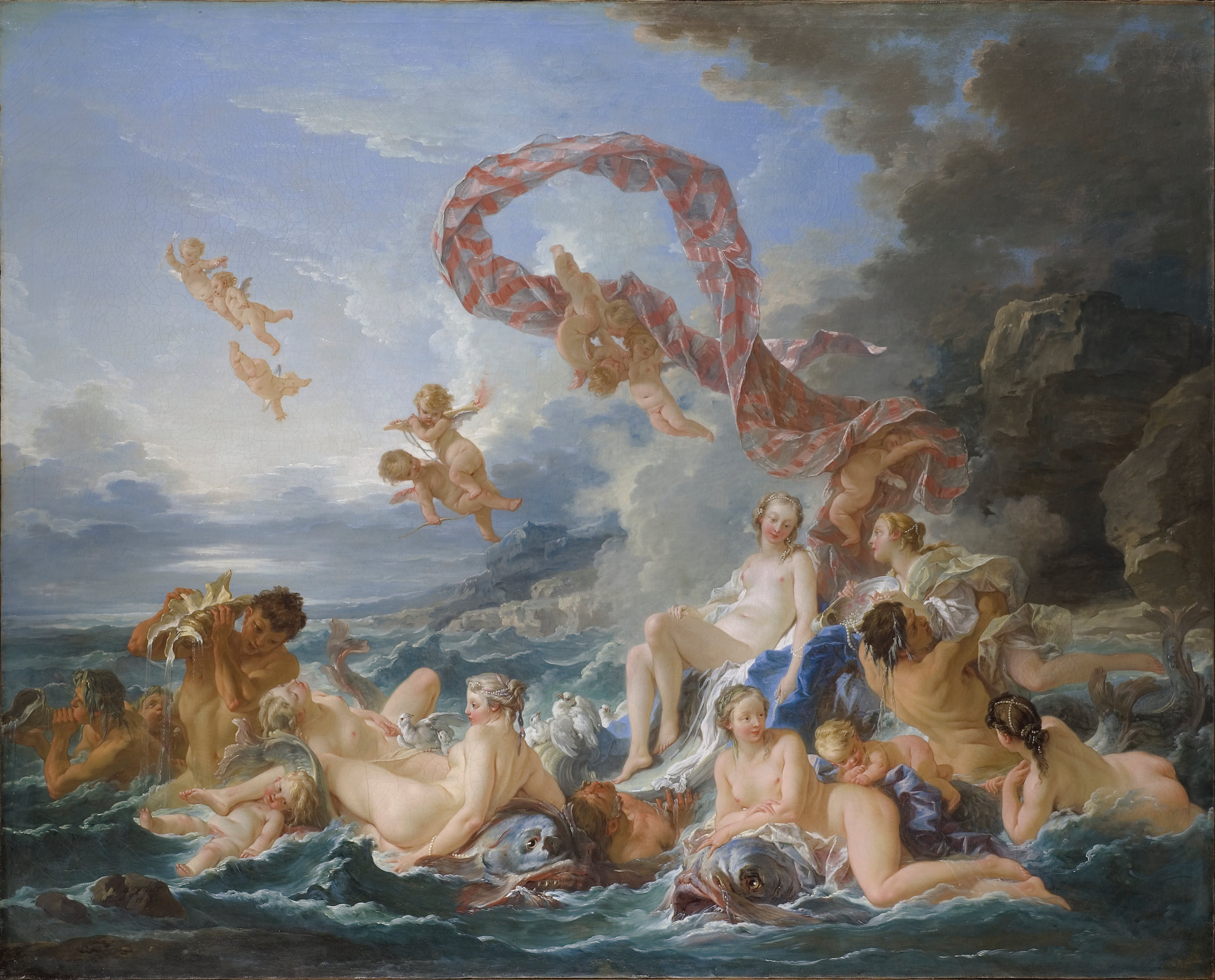
That it was Aphrodite’s thigh…
While by the porch-rail calm and bold
His words pure wisdom, stare pure gold
My grandfather, a myth indeed,
Did all of Plato supercede
While Grandmama in rockingchair
Sewed up the raveled sleeve of care
Crocheted cool snowflakes rare and bright
To winter us on summer night.
And uncles, gathered with their smokes
Emitted wisdoms masked as jokes,
And aunts as wise as Delphic maids
Dispensed prophetic lemonades
To boys knelt there as acolytes
To Grecian porch on summer nights;
Then went to bed, there to repent
The evils of the innocent;
The gnat-sins sizzling in their ears
Said, through the nights and through the years
Not Illinois nor Waukegan
But blither sky and blither sun.
Though mediocre all our Fates
And Mayor not as bright as Yeats
Yet still we knew ourselves. The sum?
Byzantium.
Byzantuim.
Green Town did exist, then?
Yes, and again, yes.
Was there a real boy named John Huff? There was. And that was truly his name. But he didn’t go away from me, I went away from him. But, happy ending, he is still alive, forty-two years later, and remembers our love.
Was there a Lonely One? There was, and that was his name. And he moved around at night in my home town when I was six years old and he frightened everyone and was never captured.
Most importantly, did the big house itself, with Grandpa and Grandma and the boarders and uncles and aunts in it exist? I have answered that.
Is the ravine real and deep and dark at night? It was, it is. I took my daughters there a few years back, fearful that the ravine might have gone shallow with time. I am relieved and happy to report that the ravine is deeper, darker, and more mysterious than ever. I would not, even now, go home through there after seeing The Phantom of the Opera.
So there you have it. Waukegan was Green Town was Byzantium, with all the happiness that that means, with all the sadness that these names imply. The people there were gods and midgets and knew themselves mortal and so the midgets walked tall so as not to embarrass the gods and the gods crouched so as to make the small ones feel at home. And, after all, isn’t that what life is all about, the ability to go around back and come up inside other people’s heads to look out at the damned fool miracle and say: oh, so that’s how you see it!? Well, now, I must remember that.
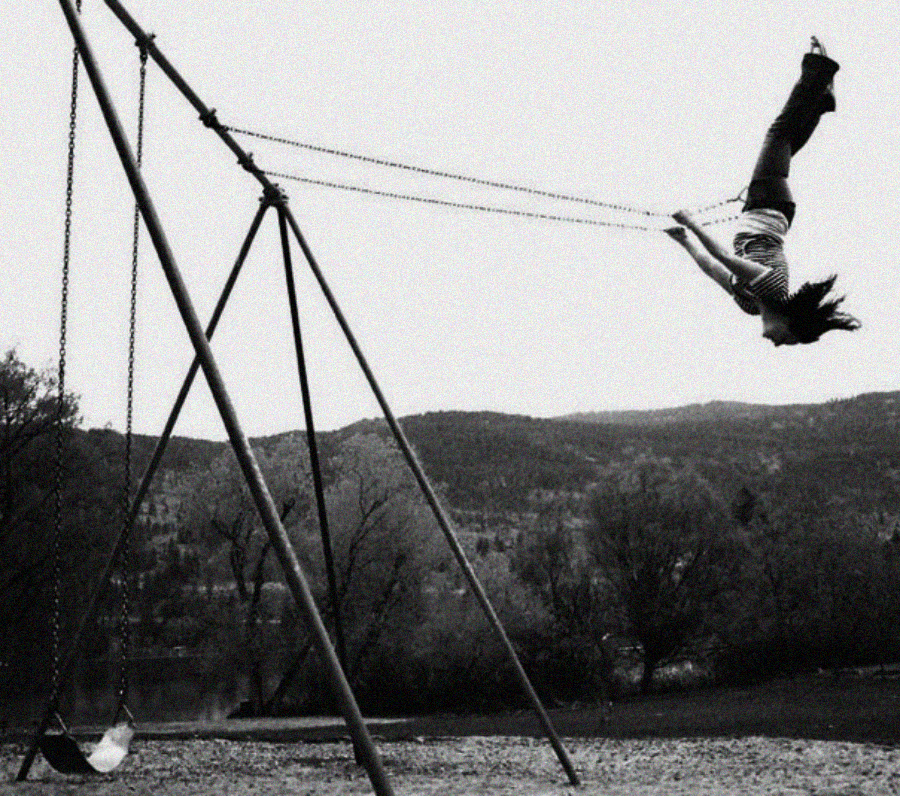
Here is my celebration, then, of death as well as life, dark as well as light, old as well as young, smart and dumb combined, sheer joy as well as complete terror written by a boy who once hung upside down in trees, dressed in his bat costume with candy fangs in his mouth, who finally fell out of the trees when he was twelve and went and found a toy-dial typewriter and wrote his first “novel.”
A final memory.
Fire balloons.
You rarely see them these days, though in some countries, I hear, they are still filled with warm breath from a small straw fire hung beneath.
But in 1925 Illinois, we still had them, and one of the last memories I have of my grandfather is the last hour of a Fourth of July night forty-eight years ago when Grandpa and I walked out on the lawn and lit a small fire and filled the pear-shaped red-white-and-blue-striped paper balloon with hot air, and held the flickering bright-angel presence in our hands a final moment in front of a porch lined with uncles and aunts and cousins and mothers and fathers, and then, very softly, let the thing that was life and light and mystery go out of our fingers up on the summer night air and away over the beginning-to-sleep houses, among the stars, as fragile, as wondrous, as vulnerable, as lovely as life itself.
I see my grandfather there looking up at that strange drifting light, thinking his own still thoughts. I see me, my eyes filled with tears, because it was all over, the night was done, I knew there would never be another night like this.
No one said anything. We all just looked up at the sky and we breathed out and in and we all thought the same things, but nobody said. Someone finally had to say, though, didn’t they? And that one is me.
The wine still waits in the cellars below.
My beloved family still sits on the porch in the dark.
The fire balloon still drifts and burns in the night sky of an as yet unburied summer.
Why and how?
Because I say it is so.
Ray Bradbury
Summer, 1974

It is now preventing young people from acquiring the abilities they need to learn. He agrees with others who have looked into this problem that “attention must be curriculum.”
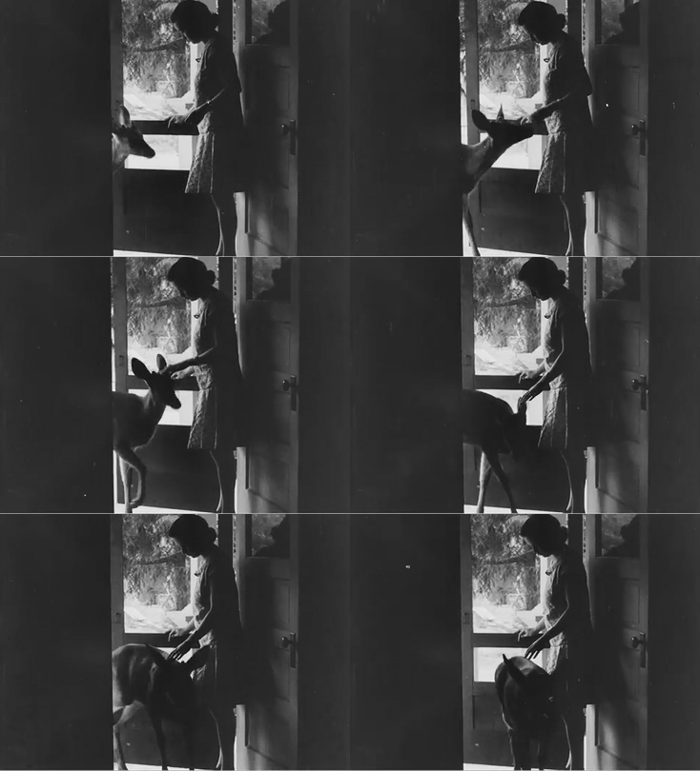
THE SUMMER DAYWho made the world?Who made the swan, and the black bear?Who made the grasshopper?This grasshopper, I mean—the one who has flung herself out of the grass,the one who is eating sugar out of my hand,who is moving her jaws back and forth instead of up and down—who is gazing around with her enormous and complicated eyes.Now she lifts her pale forearms and thoroughly washes her face.Now she snaps her wings open, and floats away.I don't know exactly what a prayer is.I do know how to pay attention, how to fall downinto the grass, how to kneel down in the grass,how to be idle and blessed, how to stroll through the fields,which is what I have been doing all day.Tell me, what else should I have done?Doesn't everything die at last, and too soon?Tell me, what is it you plan to dowith your one wild and precious life?
Mary Oliver

_-_(MeisterDrucke-1064987).jpg)

Chop that woodTrust.
Carry water
What's the sound of one hand clapping
Enlightenment, don't know what it is
Every second, every minute
It keeps changing to something different
Enlightenment, don't know what it is
Enlightenment, don't know what it is
It says it's non attachment
Non attachment. non attachment
I'm in the here and now, and I'm meditating
And still I'm suffering but that's my problem
Enlightenment, don't know what it is
Wake up
Enlightenment says the world is nothing
Nothing but a dream, everything's an illusion
And nothing is real
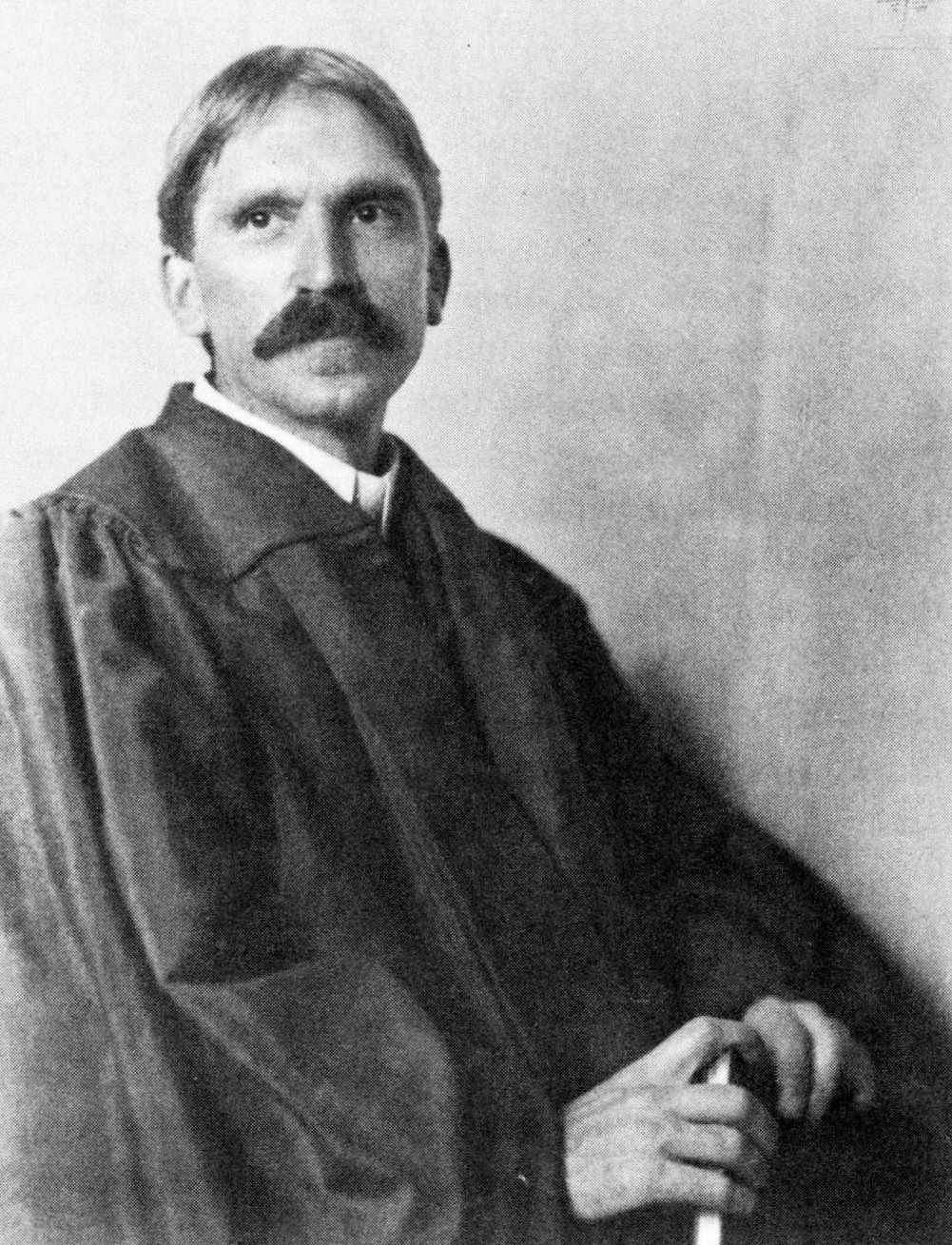
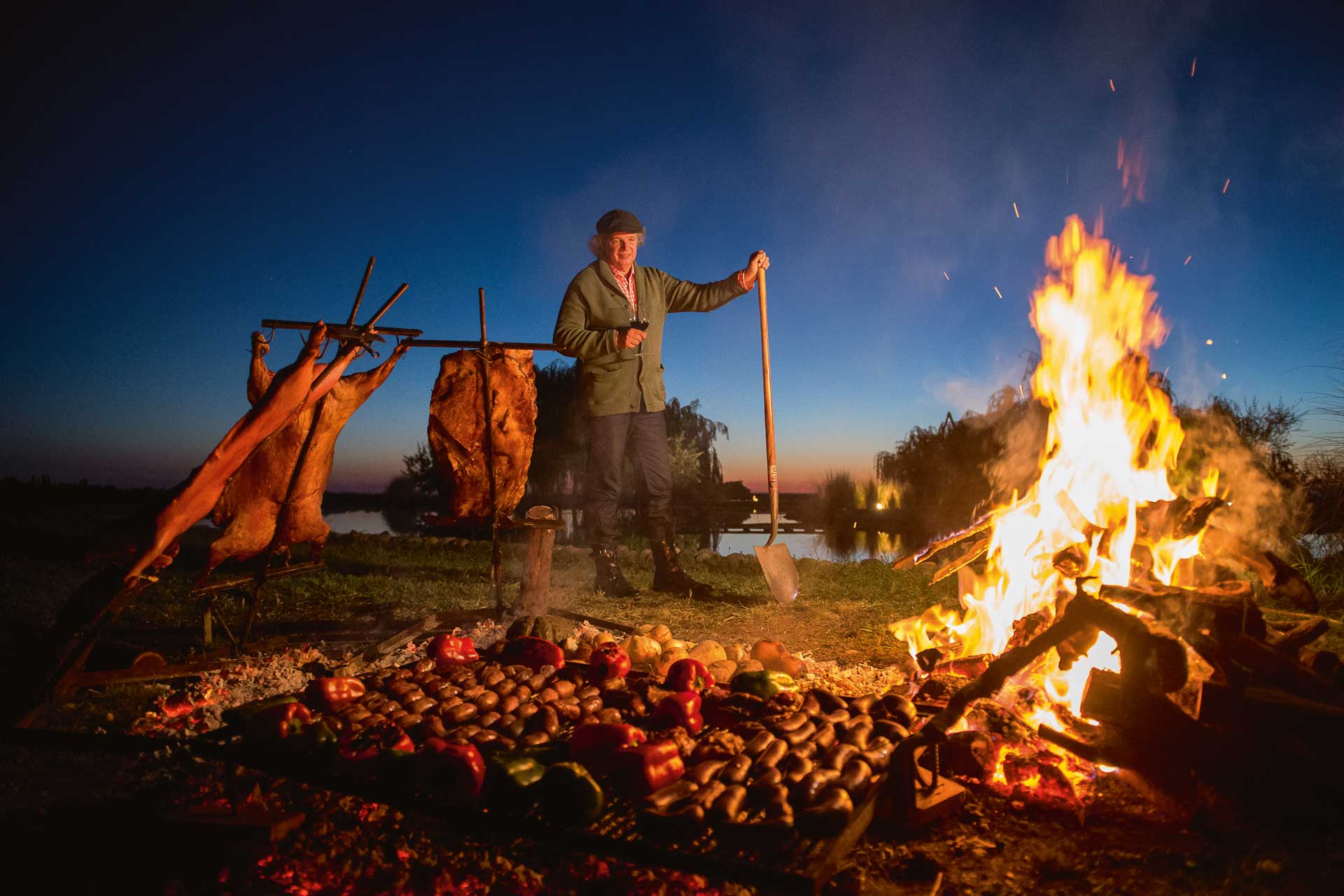

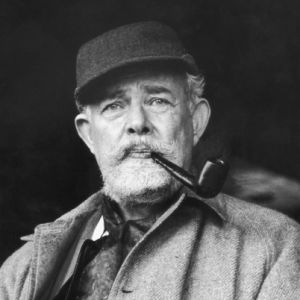
Is he a schoolmaster gone native?
_-_(cropped).jpg)
It’s a bit of a Catch-22. How can we expect them to make good choices, about their studies or anything else, if they have not yet been given the tools to think critically? How can we expect them to grasp what education means when we, as educators, haven’t begun to undo the years of cognitive and spiritual damage inflicted by a society that treats schooling as a means to a high-paying job, maybe some social status, but nothing more? Or, worse, to see it as bearing no value at all, as if it were a kind of confidence trick, an elaborate sham?My life, like anyone’s, could have gone in a lot of different directions. As it happens, I was lucky enough to end up majoring in a subject—philosophy—that I love, and whose pursuit has allowed me to enjoy the benefits of genuine learning. So I am in a position to know and appreciate what a difference education makes to the quality of your life. The vastness of the world it opens up to you while simultaneously instilling in you the curiosity to explore it. The sense of perspective it offers, enabling you to view the events of your life, and the events of whatever historical moment it is yours to live through, in a much larger context, rather than being resigned to viewing them from a standpoint of uncomprehending ignorance, as if they were all happening for the first time and for no discernible reason.

_-_Google_Art_Project.jpg)
In the thousands of years of human history that predated our current moment of instantaneous communication, the very fabric of human understanding was woven to some extent out of delay, belatedness, waiting. All objects were made of slow time in the way that Copley’s painting concretizes its own situation of delay. I think that if we want to teach history responsibly, we need to give students an opportunity to understand the formative values of time and delay. The teaching of history has long been understood as teaching students to imagine other times; now, it also requires that they understand different temporalities. So time is not just a negative space, a passive intermission to be overcome. It is a productive or formative force in itself.