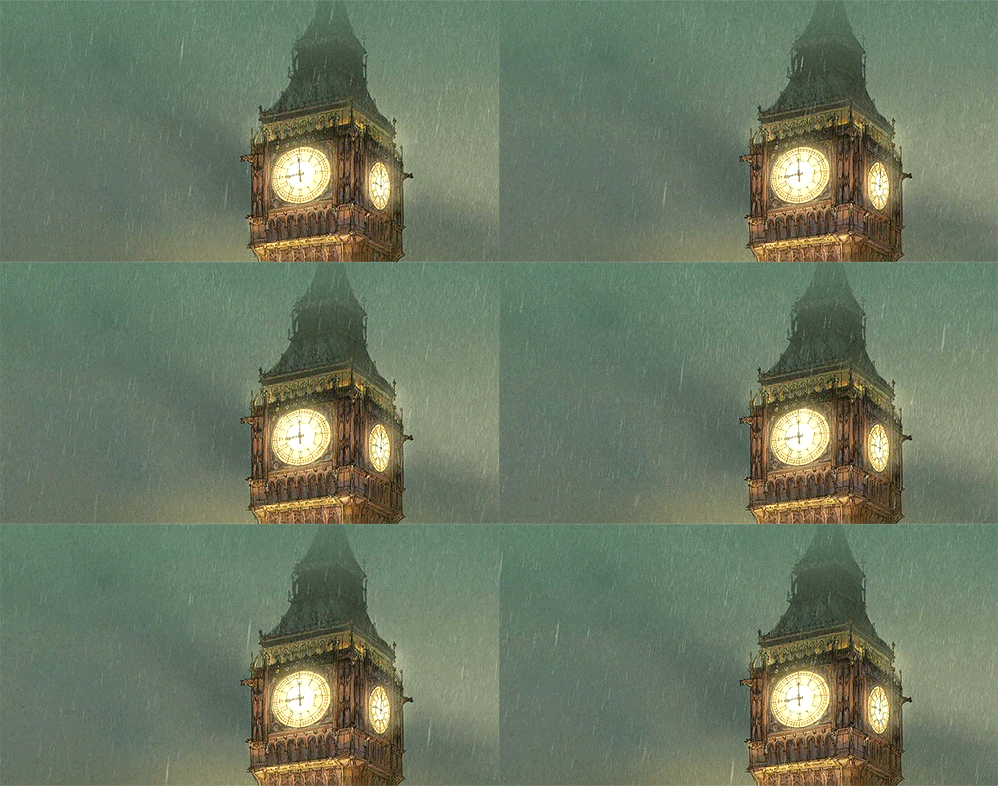
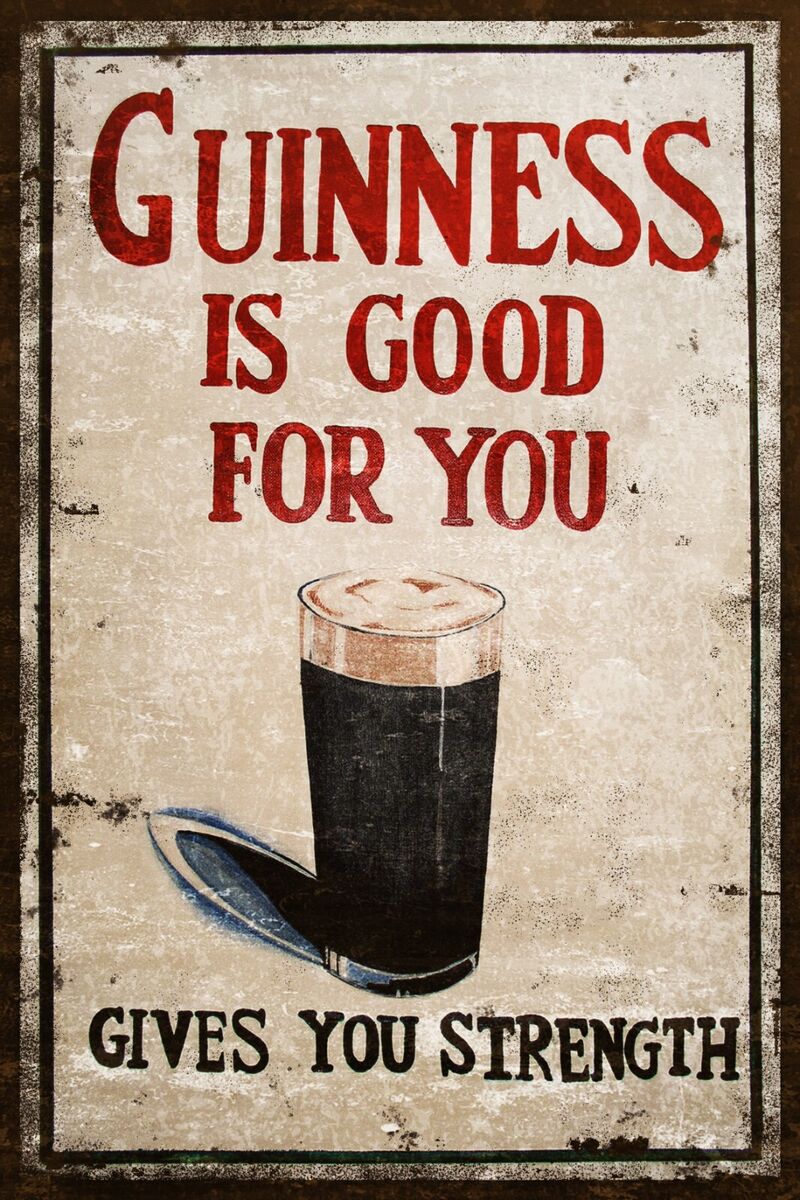
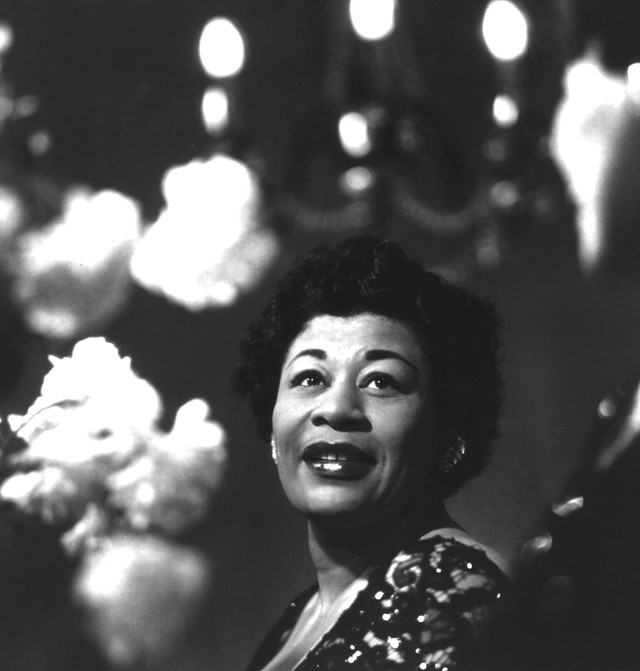
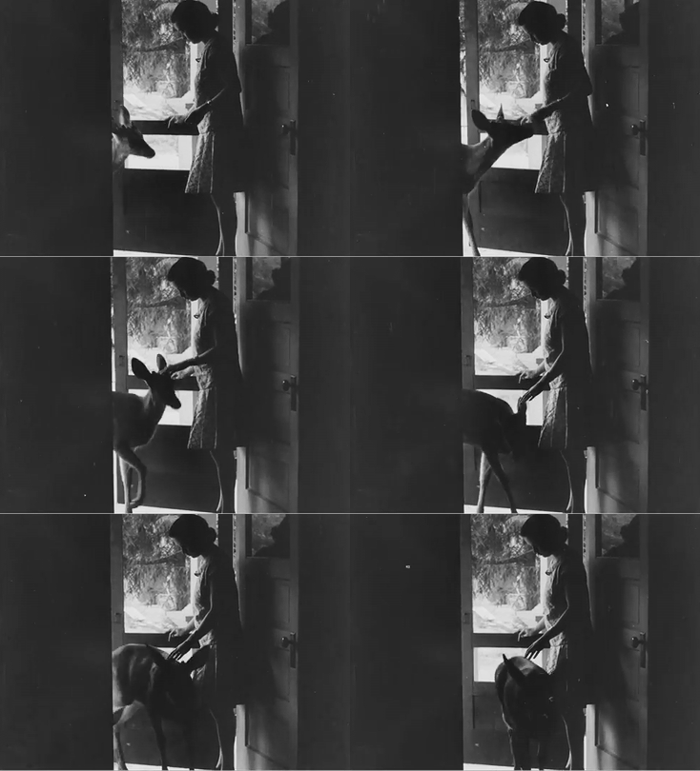
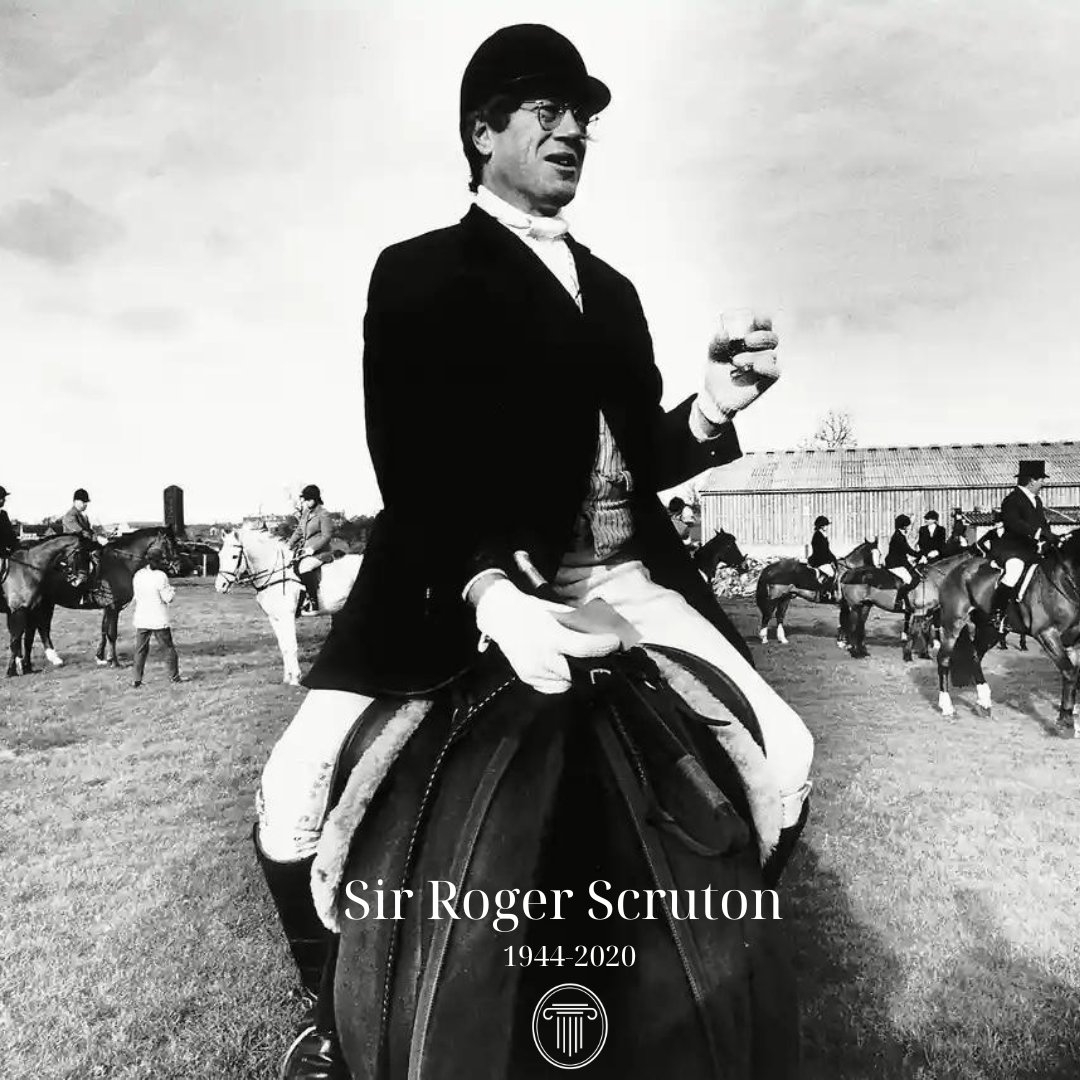
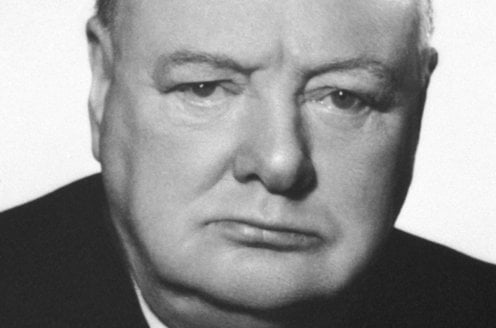
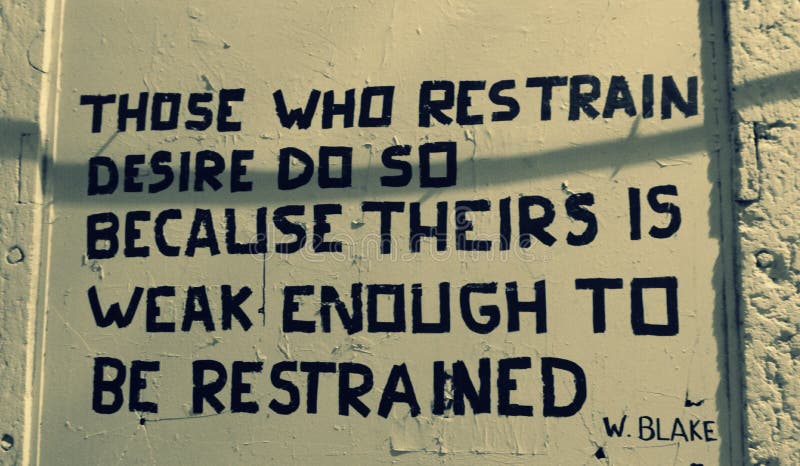
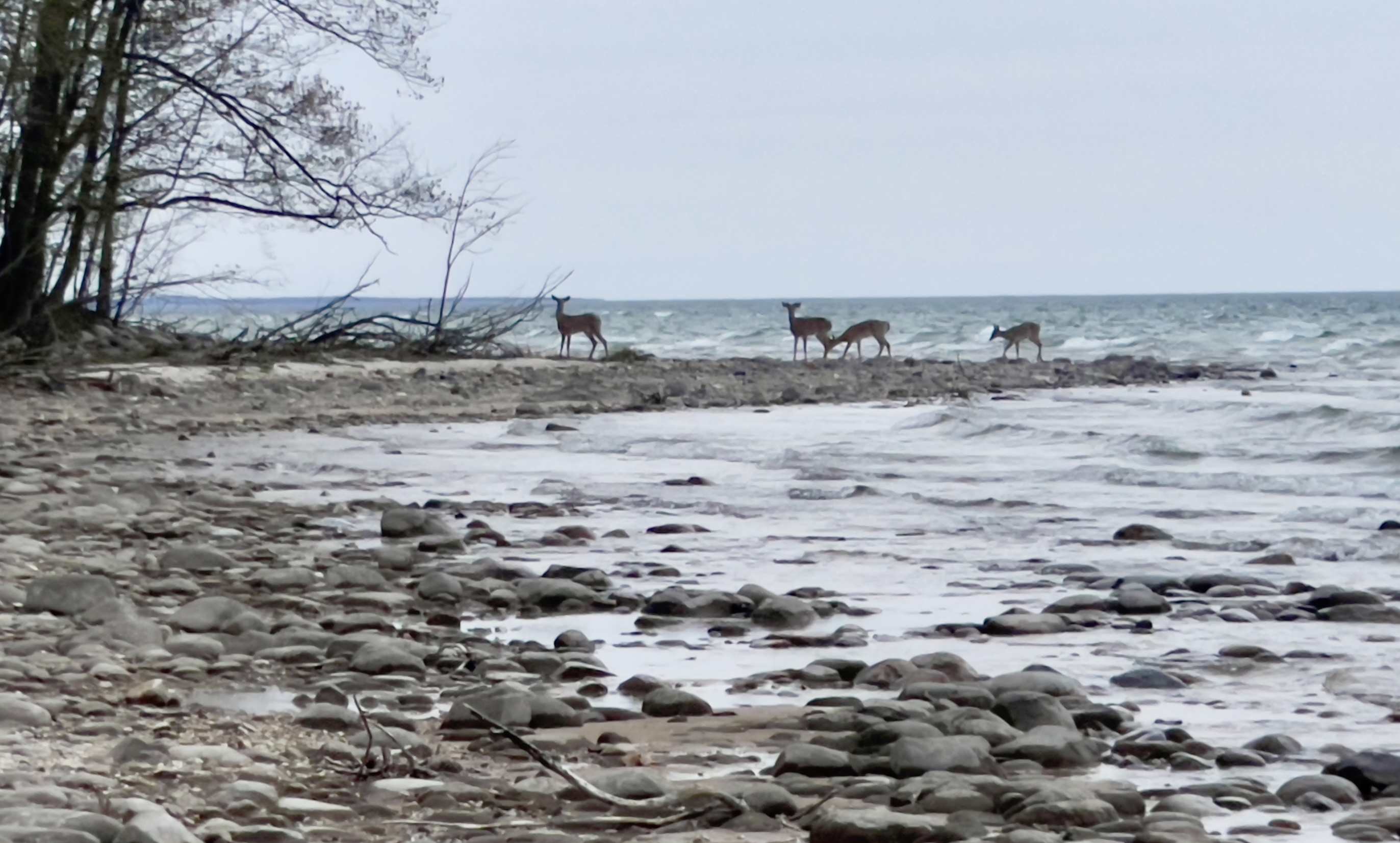
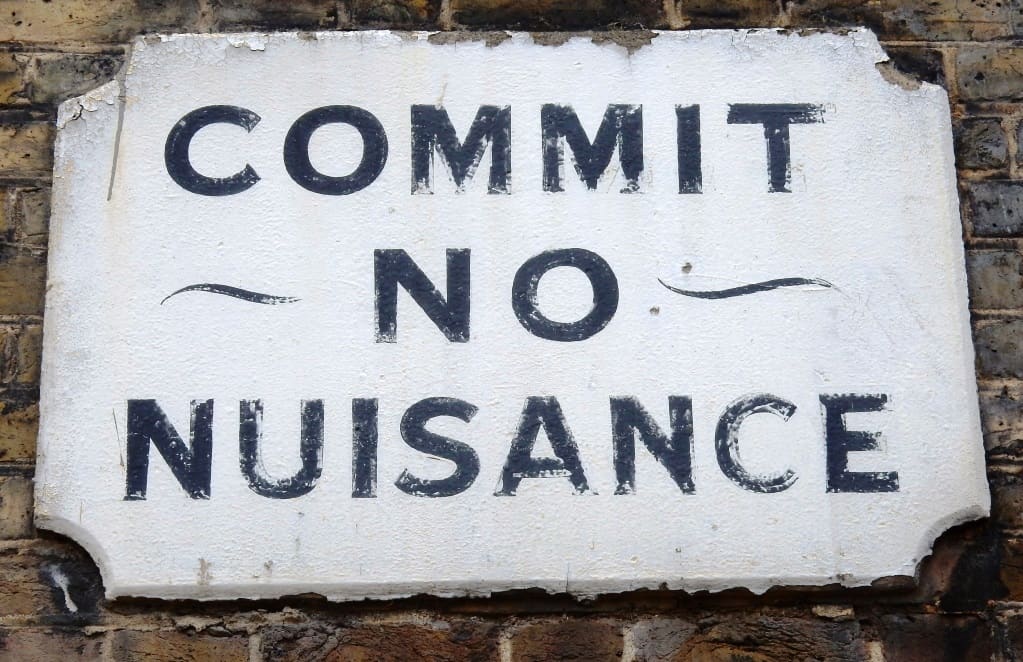
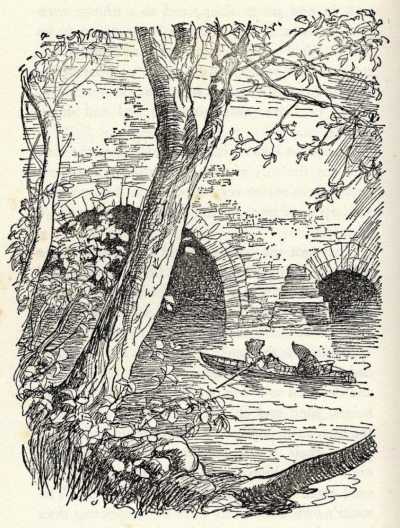
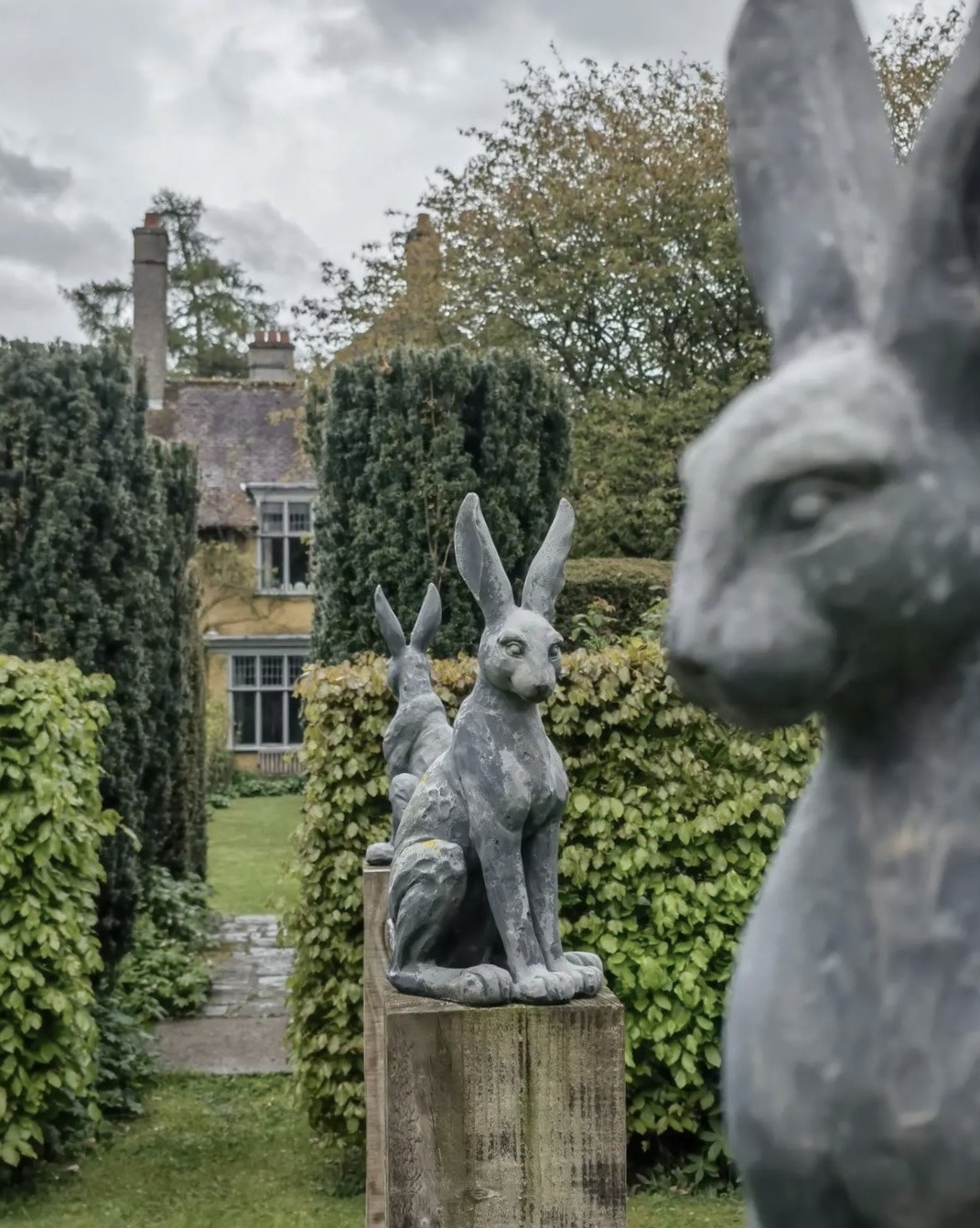
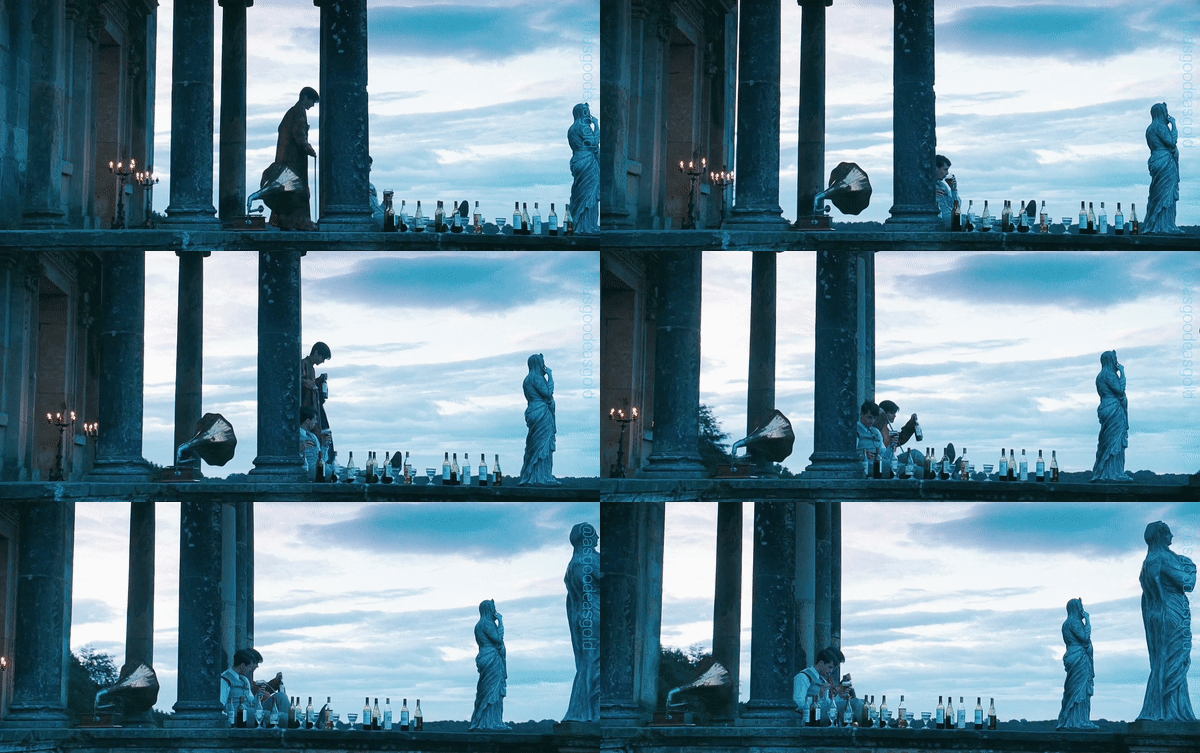
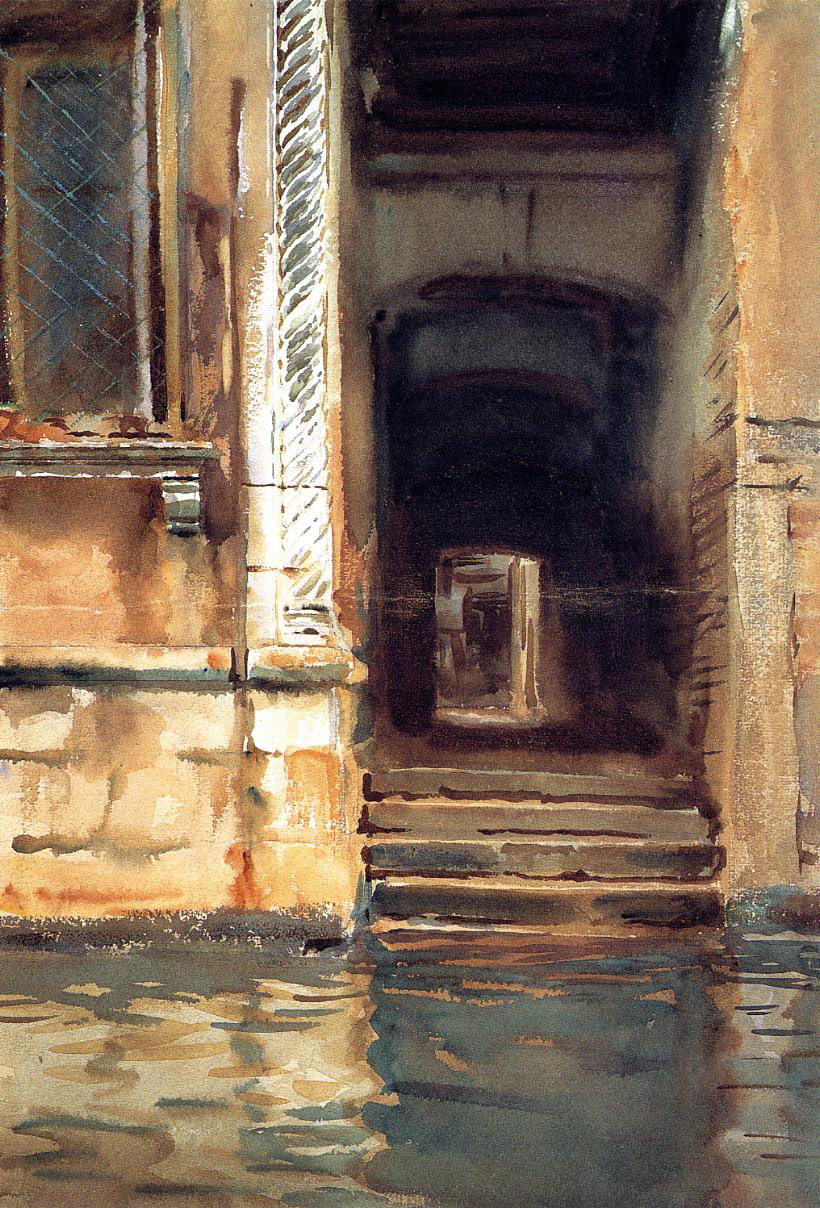
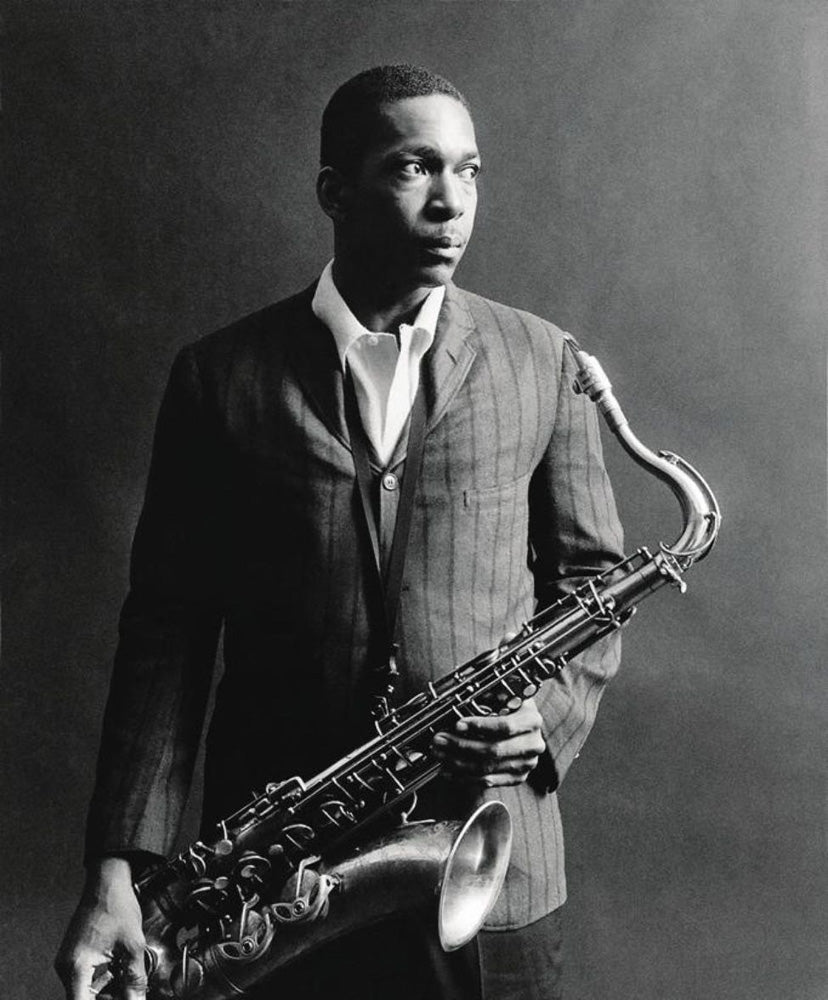
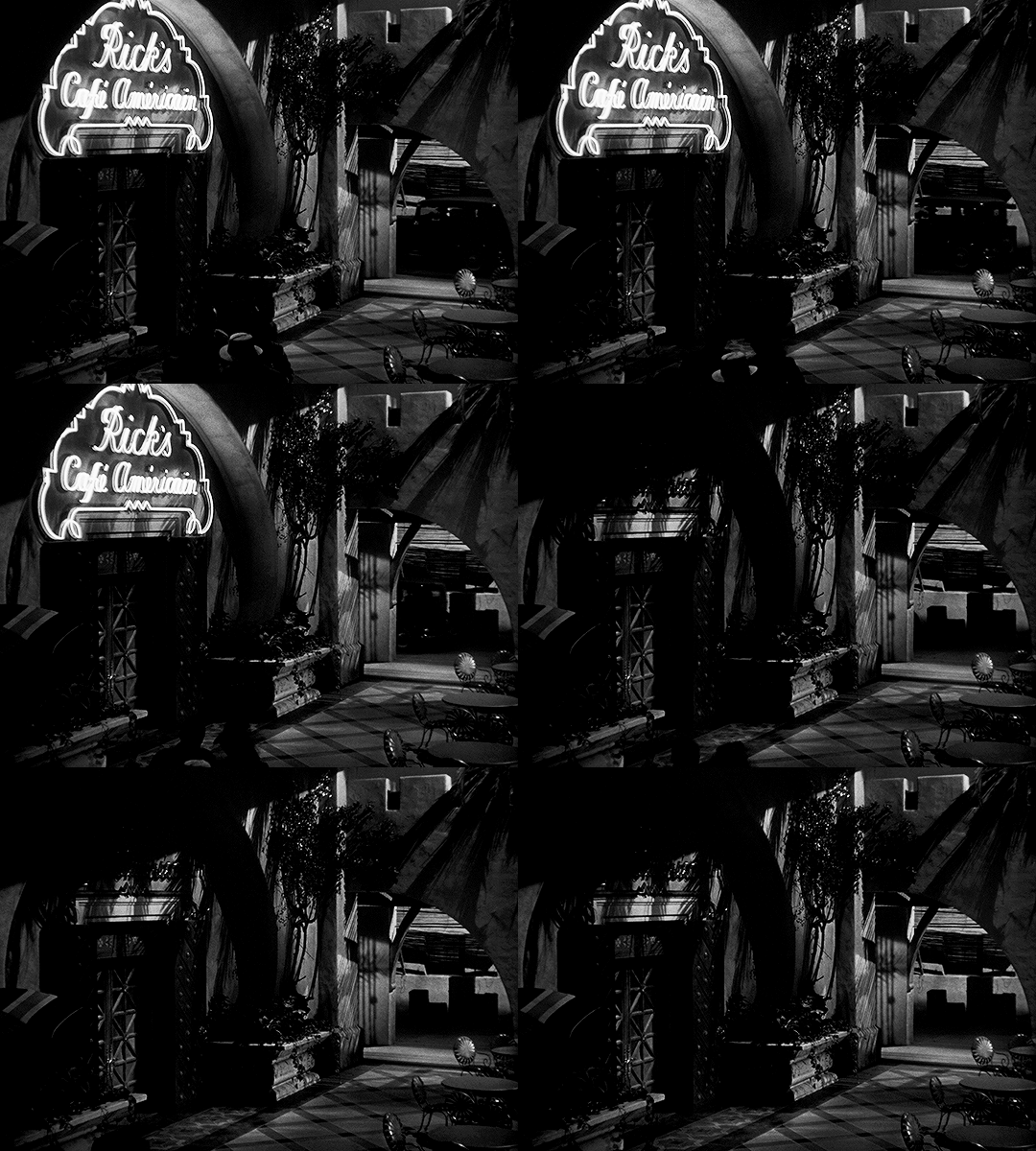
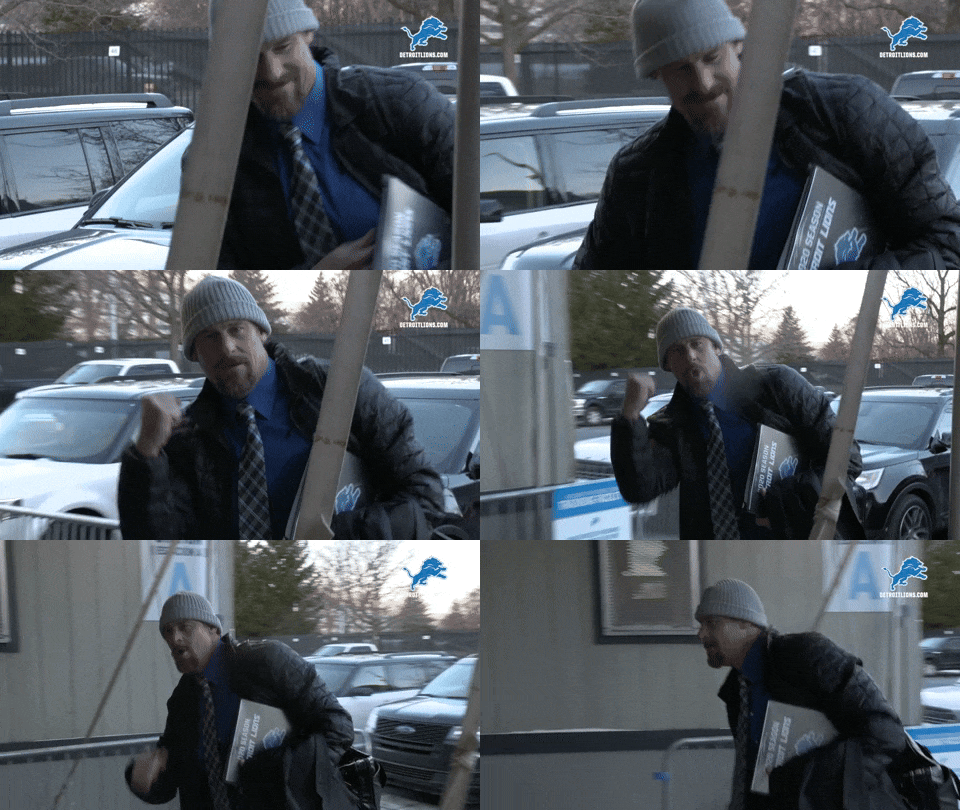
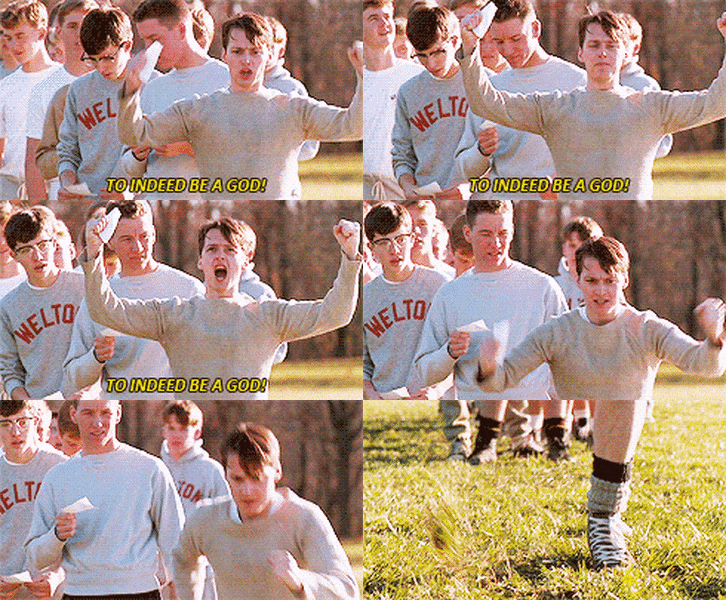
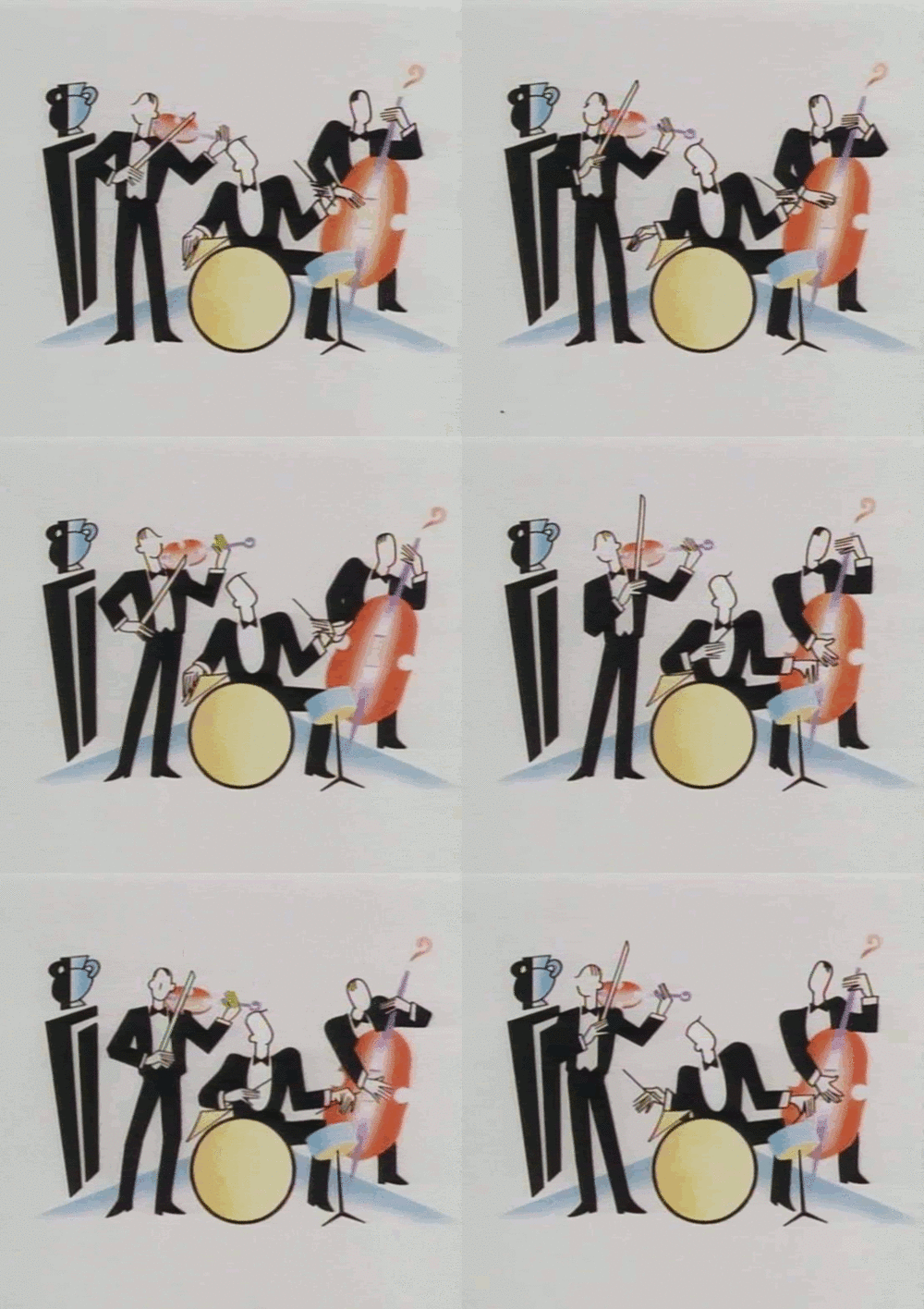
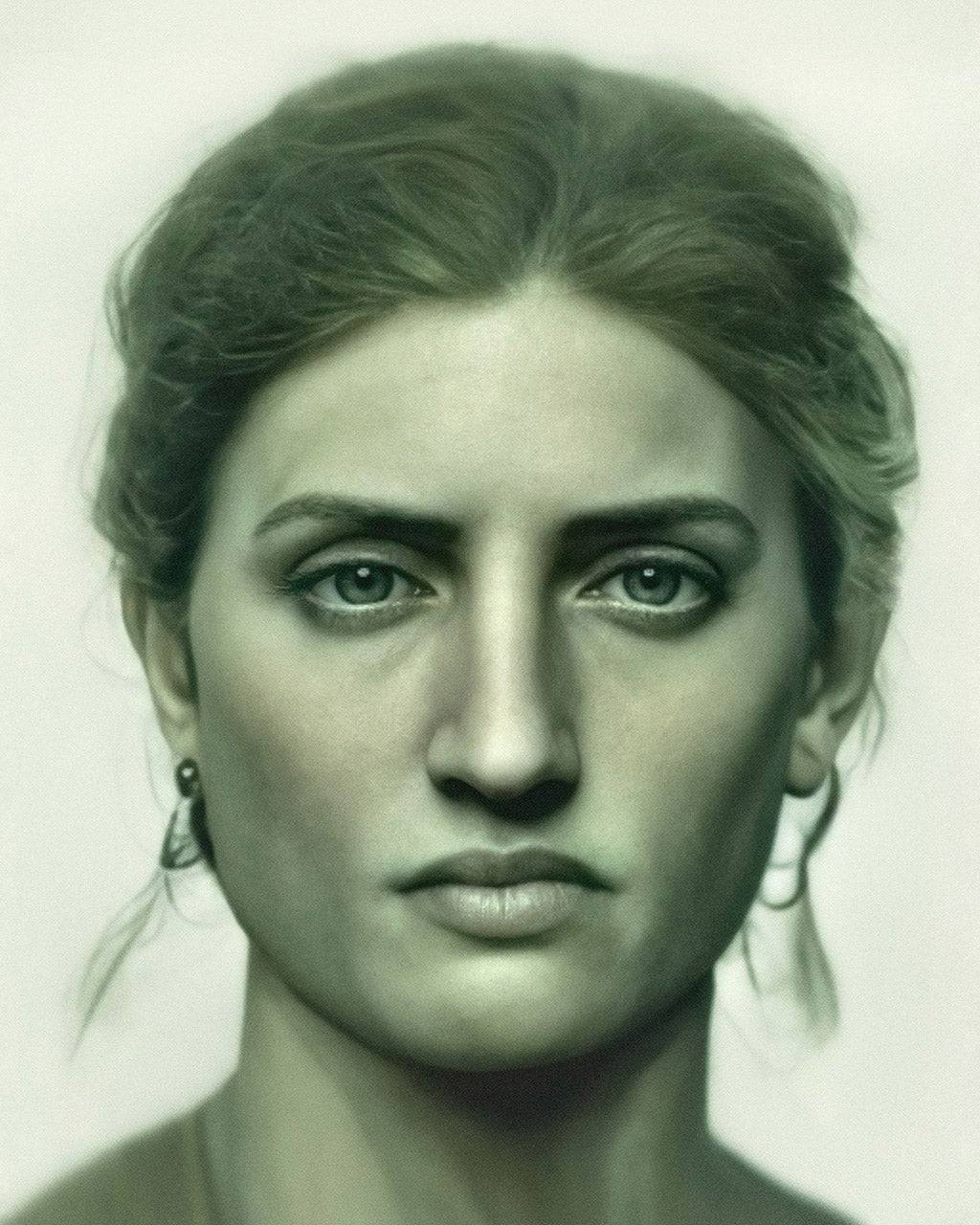
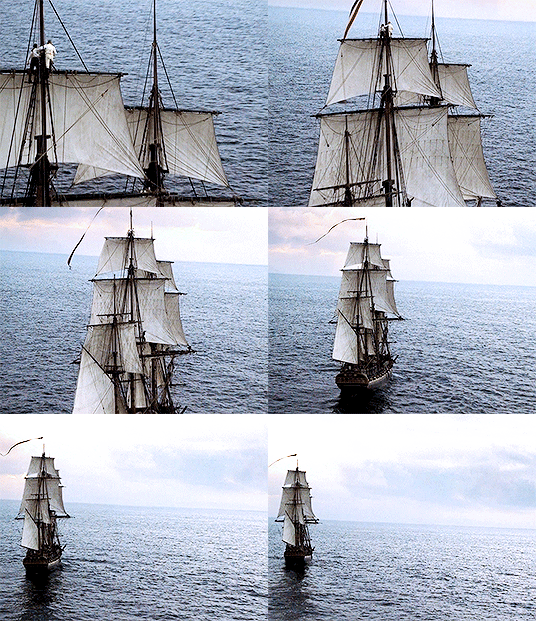
That attention to details leads you somewhere truer than generalizing ...
Showing posts with label noticing. Show all posts
Showing posts with label noticing. Show all posts
10 October 2026
Truer.


05 October 2026
Noticing.

When existence reveals itself as existentially intolerable, thinking collapses in on itself. In such situations—in the depths—it's noticing, not thinking, that does the trick.
Jordan B. Peterson, from 12 Rules for Life: An Antidote to Chaos
I would add that appreciation is required, as well.
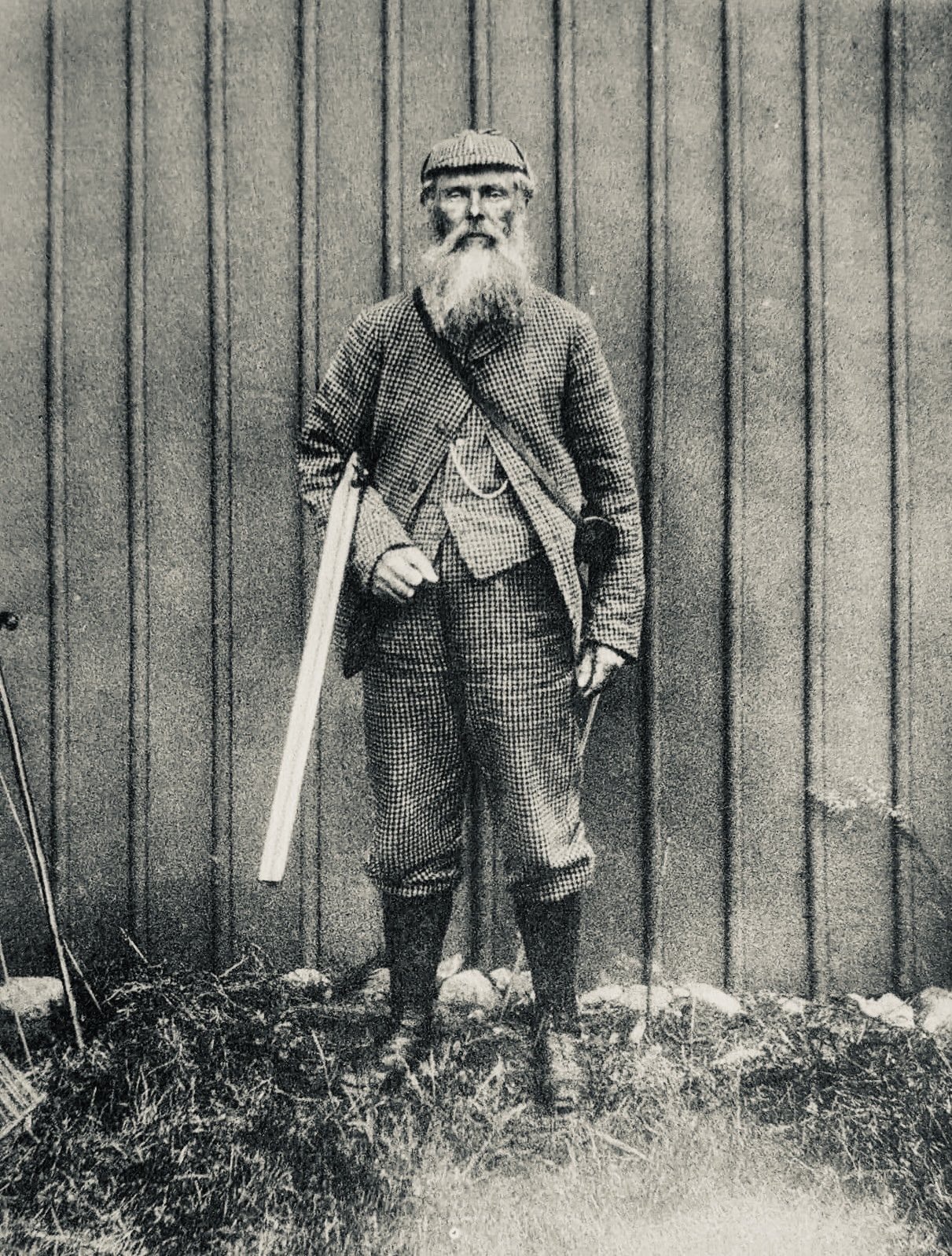
That being said, thanks to Walker's Arms for the image and the respite.
05 September 2026
Know.

CHAPTER 3, BEING ALIVE
The search which we make for this quality, in our own lives, is the central search of any person, and the crux of any individual person’s story. It is the search for those moments and situations when we are most alive.
We know now what the quality without a name is like, in feeling and in character. But so far, concretely, we have not seen this quality in any system larger than a tree, a pond, a bench. Yet it can be in anything – in buildings, animals, plants, cities, streets, the wilderness – and in ourselves. We shall begin to understand it concretely, in all these larger pieces of the world, only when we first understand it in ourselves.
It is, for instance, the wild smile of the gypsies dancing in the road.
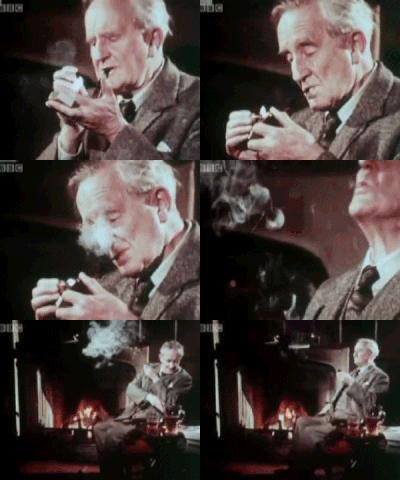
The broad brim of the big hat, like arms spread wide, open to the world, confident, huge, … the embrace of the child’s arms about the grass … it is the solid and entrenched repose of the old man lighting a cigarette: hands on his knees, solid, resting, waiting, listening.
In our lives, this quality without a name is the most precious thing we ever have.
And I am free to the extent I have this quality in me.
One man is free at that one instant when you see in him a certain smile and you know he is himself, and perfectly at home within himself. Imagine him especially, perhaps and for one instant utterly oblivious to everything but what is in him and around him at that second.
This wild freedom, this passion comes into our lives in the instant we let go.
It is when all our forces can move freely in us. In nature, this quality is almost automatic, because there are no images to interfere with natural processes of making things. But in all of our creations, the possibility occurs that images can interfere with the natural necessary order of a thing. And, most of all, this way that images distort the things we make, is familiar in ourselves. For we ourselves are, like our works, the products of our own creation. And we are only free, and have the quality without a name in us, when we give up the images which guide our lives.
Yet each of us faces the fear of letting go. The fear of being exactly what one is, of letting the forces flow freely; of letting the configuration of one’s person adjust truly to these forces.
Our letting go is stifled, all the time, so long as we have ideas and opinions of ourselves, which make us hug too tightly to our images of how to live, and bottle up these forces.
So long as we are still bottled up, like this, there is a tightness about the mouth, a nervous tension in the eyes, and stiffness and a brittleness in the way we walk, the way we move.
And yet, until one does let go, in is impossible to be alive. The stereotypes are restricted; there are very different configurations. The infinite variety of actual people, with their vastly and utterly different, require a huge creation, to find the resolution of the person; and in finding this resolution truly, one must above all be free of the stereotypes.
The great film, Ikiru – “to live” – describes it in the life of an old man.
“He has sat for thirty years behind a counter, preventing things from happening. And he finds out that he is to die of cancer of the stomach, in six months. He tries to live; he seeks enjoyment; it doesn’t amount to much. And finally, against all obstacles, he helps to make a park in a dirty slum of Tokyo. He has lost his fear, because he knows that he is going to die; he works and works and works, there is no stopping him, because he is no longer afraid of anyone, or anything. He has no longer anything to lose, and so in this short time gains everything; and then dies, in the snow, swinging on a child’s swing in the park which he has made, and singing.”
Each of us lives most fully “on the wire,” in the face of death, daring to do the very thing which fear prevents us from.
A few years ago a family of hire wire artists had a terrible fall from the high wire, in the middle of the performance. All of them were killed or maimed, except the father, who escaped with broken legs. But even after losing all his children in the fall, a few months later he was back to work, in the circus, on the wire again.
Someone asked him in an interview, how could he bring himself to do it, after such a terrible accident. He answered: “On the wire, that’s living … all the rest is waiting.”
Of course for most of us it is not quite so literal.
The fear which prevents us from being ourselves, from being that one person unique in all the world, from coming to life -- that may mean nothing greater than the fear of giving up the image of a certain job, an image of a certain kind of family life.
One man can be as free in lighting up a cigarette, as that old man dancing on the wire. Another travelling with the gypsies. A handkerchief around your head; a horsedrawn yellow caravan, pulled up in a field; a rabbit stew simmering and bubbling outside the caravan, licking and sucking your fingers as you eat spoonfuls of the stew.
It has above all to do with the elements.
The wind, the soft rain; sitting on the back of an old truck moving clothes and baskets of old possessions while the gentle rain is falling, laughing, crouching, under a shawl to keep from getting wet. Eating a loaf of bread, torn in pieces, hunks of cheese cut crudely with a hatchet which is lying in the corner; red flowers glistening in the rain alongside the road; banging on the window of the truck to shout some joke.
Nothing to keep. Nothing to lose. No possessions, no security, no concern about possessions, an no concern about security; in this mood it is possible to do exactly what makes sense, and nothing else: there are no hidden fears, no morals, no rules, no undercurrent of constraint, no subtle sense of concern for the form of what the people around you are doing, and above all no concern for what you are yourself, no subtle fear of other people’s ridicule, no subtle train of fears which can connect the smallest triviality with bankruptcy and loss of love and loss of friends and death, no ties, no suits, no outward elements of majesty at all. Only the laughter and the rain.
And it happens when our inner forces are resolved.
And when a person’s forces are resolved, it makers us feel at home, because we know by some sixth sense, that there are no other unexpected forces lurking underground. He acts according to the nature of the situations he is in, without distorting them. There are no guiding images in his behavior, no hidden forces; he is simply free. And so, we feel relaxed and peaceful in his company. Of course, in practice we often don’t know what our inner forces might be.
We live, for months, for years, acting in a certain way, not knowing whether we are free or not, doubting, not even sure when we are successfully resolved, and when we aren’t.
Yet still there are those special secret moments in our lives, when we smile unexpectedly – when all over forces are resolved.
A woman can often see these moments in us, better than a man, better than we ourselves even.
When we know these moments, when we smile, when we let go, when we are not on guard at all – these are the moments when our most important forces show themselves; whatever you are doing at such a moment, hold on to it, repeat it – for that certain smile is the best knowledge that we ever have of what our hidden forces are, and where they lie; and how they can be loosed.
We cannot be aware of these most precious moments when they are actually happening.
In fact, the conscious effort to attain this quality, or to be free, or to be anything, the glance which this creates, will always spoil it.
It is, instead, when we forget ourselves completely, playing the fool perhaps among a group of friends, our swimming out to sea, or walking simply, or trying to finish something later at night over a table with a group of friends, cigarette stuck in the lower lip, eyes tired, earnest concentration.
All these moments in my own life – I only know them now, in retrospect.
Yet each of us knows from experience the feeling which this quality creates in us.
It is the time when we are most right, most just, most sad, most hilarious.
Christopher Alexander, The Timeless Way of Building
More here.
27 August 2026
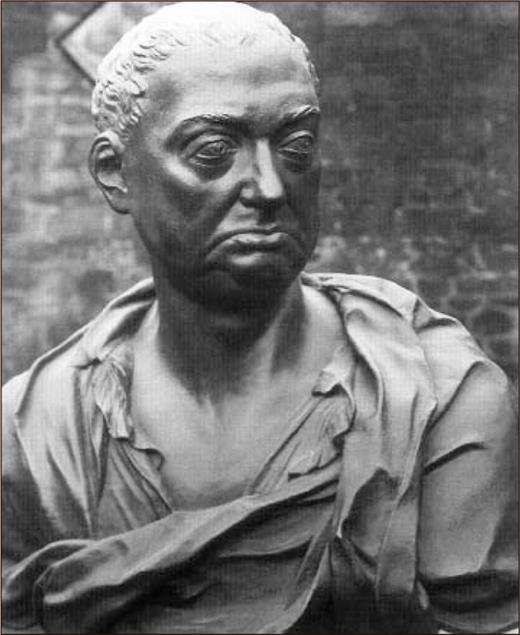
Happy Birthday, Georg Wilhelm Friedrich Hegel
Schlesinger, Georg Wilhelm Friedrich Hegel, 1831

The familiar, precisely because it is familiar, remains unknown.
Georg Wilhelm Friedrich Hegel, born on this day 1770
04 August 2026
Stutter.
If you desire only to possess a graceful accomplishment, to be able to converse in a fluent manner about drawing, or to amuse yourself listlessly in listless hours, I cannot help you: but if you wish to learn drawing that you may be able to set down clearly, and usefully, records of such things as cannot be described in words, either to assist your own memory of them, or to convey distinct ideas of them to other people; if you wish to obtain quicker perceptions of the beauty of the natural world, and to preserve something like a true image of beautiful things that pass away, or which you must yourself leave; if, also, you wish to understand the minds of great painters, and to be able to appreciate their work sincerely, seeing it for yourself, and loving it, not merely taking up the thoughts of other people about it; then I can help you, or, which is better, show you how to help yourself.
John Ruskin, from The Elements of Drawing, Letter One, "On First Practice"
It's all just these flickering bleeding shadows with seemingly no outer form, so maybe I can try and get the essence of how the branches stutter in the wind.
27 July 2026
Contribute.
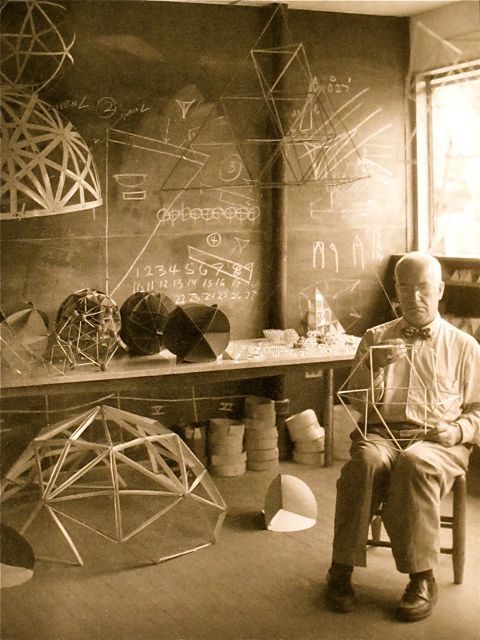
Amanda Stern at The How to Live Newsletter has Buckminster Fuller's sixty-six-year experiment to document his existence ...
On one of those walks, in the autumn of 1927, he stopped at the edge of Lake Michigan. He calculated how long it would take to for him to grow hypothermic and drown. His life insurance would pay out, and his wife and daughters would be provided for.Standing on that shore at age 32, feeling like an absolute failure, suicide felt like the only responsible decision.But as he stood there, on the precipice of ending his life, he felt briefly suspended above the ground, and he heard a voice in his head that said:“From now on you need never await temporal attestation to your thought. You think the truth. You do not have the right to eliminate yourself. You do not belong to you. You belong to the Universe. Your significance will remain forever obscure to you, but you may assume that you are fulfilling your role if you apply yourself to converting your experiences to the highest advantage of others.”The conviction he felt from that thought marked the beginning of a life dedicated to replicating this sense of certainty by documenting the certainty of his existence.He went home and told Anne that he was done making decisions based on how he felt. He called it committing egocide. Not suicide, the death of the body. Egocide, the death of the part of him that ran on feeling.He said that he had to think, and would not utter a word until he knew what he truly thought. For two full years (or so he claimed) Fuller was silent. He filled five thousand pages with notes, in pursuit of the secret to success for the entire human race.Fuller decided to make his life an experiment “to find what a single individual can contribute to changing the world and benefiting all humanity.”
Off.
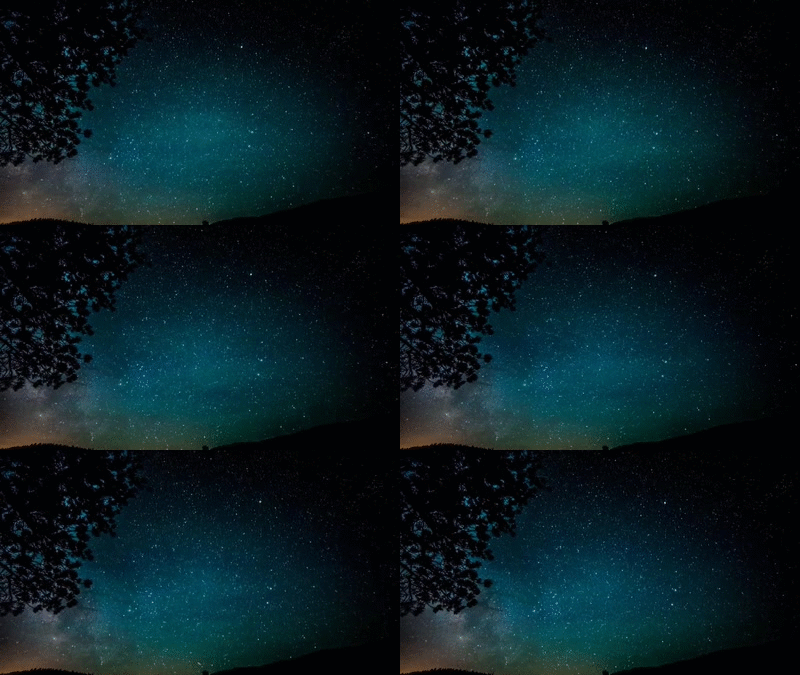
When I heard the learn’d astronomer,
When the proofs, the figures, were ranged in columns before me,
When I was shown the charts and diagrams, to add, divide, and measure them,
When I sitting heard the astronomer where he lectured with much applause in the lecture-room,
How soon unaccountable I became tired and sick,
Till rising and gliding out I wander’d off by myself,
In the mystical moist night-air, and from time to time,
Look’d up in perfect silence at the stars.
Walt Whitman
23 July 2026
Perception.
You won't understand anything about the imagination until you realise that it's not about making things up, it's about perception.
Sir Philip Pullman, from The Secret Commonwealth
01 July 2026
Vision-Place.

The Battle of Gettysburg began on this date in 1863 ...
There is a way of losing that is finding. When soul over-masters sense. When the noble and divine self overcomes the lower self. When duty and honor and love immortal things bid the mortal perish. It is only when a man supremely gives that he supremely finds. In great deeds, something abides. On great fields, something stays. Forms change and pass; bodies disappear; but spirits linger, to consecrate ground for the vision-place of soul. Generations that know us not and that we know not of, heart-drawn to see where and by whom great things were suffered and done for them, shall come to this deathless field, to ponder and dream; and lo! The shadow of a mighty presence shall wrap them in its bosom, and the power of the vision pass into their souls.Joshua Lawrence Chamberlain, from his address to the 16th Maine Volunteers in Gardiner, Maine 1898
30 June 2026
If.

When I was a boy in the midwest I used to go out and look at the stars at night and wonder about them.
I guess every boy does that.
When I wasn't looking at the stars, I was running in the my old or my brand-new tennis shoes, on my way to swing in a tree, swim in a lake, or delve in the town library to read about dinosaurs or time machines.
I guess every boy has done that, too.
This is a book about those stars and those tennis shoes. Mainly about the stars, beacuse that is the way I grew up, getting more and more involved with rockets and space as I moved toward my twelfth, thirteenth, and fourteenth years.
Not that I have forgotten the tennis shoes and their powerful magic, as you will see in the last story here, which I have included not because it concerns the future, but because it gives you some sort of idea of the kind of boy I was when I was looking at the stars and thinking of the years ahead.
Nor have I forgetten the dinosaurs that all boys love; they are here, too, along with a machine that travels back in time to step on a butterfly.
This is a book then by a boy who grew up in a small illinois town and lived to see the space age arrive, as he hoped and dreamt it would.
I dedicate these stories to all boys who wonder about the past, run swiftly in the present, and have high hopes for our future.
The stars are yours, if you have the head, the hands, and the heart for them.
Ray Bradbury, from R is for Rocket
21 June 2026
Summer.

JUST THIS SIDE OF BYZANTIUM: an introduction
This book, like most of my books and stories, was a surprise. I began to learn the nature of such surprises, thank God, when I was fairly young as a writer. Before that, like every beginner, I thought you could beat, pummel, and thrash an idea into existence. Under such treatment, of course, any decent idea folds up its paws, turns on its back, fixes its eyes on eternity, and dies.
It was with great relief, then, that in my early twenties I floundered into a word-association process in which I simply got out of bed each morning, walked to my desk, and put down any word or series of words that happened along in my head.
I would then take arms against the word, or for it, and bring on an assortment of characters to weigh the word and show me its meaning in my own life. An hour or two hours later, to my amazement, a new story would be finished and done. The surprise was total and lovely. I soon found that I would have to work this way for the rest of my life.
First I rummaged my mind for words that could describe my personal nightmares, fears of night and time from my childhood, and shaped stories from these.
Then I took a long look at the green apple trees and the old house I was born in and the house next door where lived my grandparents, and all the lawns of the summers I grew up in, and I began to try words for all that.
What you have here in this book then is a gathering of dandelions from all those years. The wine metaphor which appears again and again in these pages is wonderfully apt. I was gathering images all of my life, storing them away, and forgetting them. Somehow I had to send myself back, with words as catalysts, to open the memories out and see what they had to offer.
So from the age of twenty-four to thirty-six hardly a day passed when I didn’t stroll myself across a recollection of my grandparents’ northern Illinois grass, hoping to come across some old half-burnt firecracker, a rusted toy, or a fragment of letter written to myself in some young year hoping to contact the older person I became to remind him of his past, his life, his people, his joys, and his drenching sorrows.
It became a game that I took to with immense gusto: to see how much I could remember about dandelions themselves, or picking wild grapes with my father and brother, rediscovering the mosquito-breeding ground rain barrel by the side bay window, or searching out the smell of the gold-fuzzed bees that hung around our back porch grape arbor. Bees do have a smell, you know, and if they don’t they should, for their feet are dusted with spices from a million flowers.
An then I wanted to call back what the ravine was like, especially on those nights when walking home late across town, after seeing Lon Chaney’s delicious fright The Phantom of the Opera, my brother Skip would run ahead and hide under the ravine-creek bridge like the Lonely One and leap out and grab me, shrieking, so I ran, fell, and ran again, gibbering all the way home. That was great stuff.Along the way I came upon and collided, through word-association, with old and true friendships. I borrowed my friend John Huff from my childhood in Arizona and shipped him East to Green Town so that I could say good-bye to him properly.
Along the way I sat me down to breakfasts, lunches, and dinners with the long dead and much loved. For I was a boy who did indeed love his parents and grandparents and his brother, even when that brother “ditched” him.
Along the way, I found myself in the basement working the wine-press for my father, or on the front porch Independence night helping my Uncle Bion load and fire his home-made brass cannon.
Thus I fell into surprise. No one told me to surprise myself, I might add. I came on the old and best ways of writing through ignorance and experiment and was startled when truths leaped out of bushes like quail before gunshot. I blunwas somehow true.
So I turned myself into a boy running to bring a dipper of clear rainwater out of that barrel by the side of the house. And, of course, the more water you dip out the more flows in. The flow has never ceased. Once I learned to keep going back and back again to those times, I had plenty of memories and sense impressions to play with, not work with, no, play with. Dandelion Wine is nothing if it is not the boy-hid-in-the-man playing in the fields of the Lord on the green grass of other Augusts in the midst of starting to grow up, grow old, and sense darkness waiting under the trees to seed the blood.
I was amused and somewhat astonished at a critic a few years back who wrote an article analyzing Dandelion Wine plus the more realistic work of Sinclair Lewis, wondering how I could have been born and raised in Waukegan, which I renamed Green Town for my novel, and not noticed how ugly the harbor was and how depressing the coal docks and railyards down below the town.
But, of course, I had noticed them and, genetic enchanter that I was, was fascinated by their beauty. Trains and boxcars and the smell of coal and fire are not ugly to children. Ugliness is a concept that we happen on later and become self-conscious about. Counting boxcars is a prime activity of boys. Their elders fret and fume and jeer at the train that holds them up, but boys happily count and cry the names of the cars as they pass from far places.
And again, that supposedly ugly railyard was where carnivals and circuses arrived with elephants who washed the brick pavements with mighty streaming acid waters at five in the dark morning.
As for the coal from the docks, I went down in my basement every autumn to await the arrival of the truck and its metal chute, which clanged down and released a ton of beauteous meteors that fell out of far space into my cellar and threatened to bury me beneath dark treasures.
In other words, if your boy is a poet, horse manure can only mean flowers to him; which is, of course, what horse manure has always been about.
Perhaps a new poem of mine will explain more than this introduction about the germination of all the summers of my life into one book.
Here’s the start of the poem:Byzantium, I come not from,Waukegan/ Green Town/ Byzantium.
But from another time and place
Whose race was simple, tried and true;
As boy
I dropped me forth in Illinois.
A name with neither love nor grace
Was Waukegan, there I came from
And not, good friends, Byzantium.
The poem continues, describing my lifelong relationship to my birthplace:
And yet in looking back I see
From topmost part of farthest tree
A land as bright, beloved and blue
As any Yeats found to be true.
Waukegan, visited by me often since, is neither homelier nor more beautiful than any other small Midwestern town. Much of it is green. The trees do touch in the middle of streets. The street in front of my old home is still paved with red bricks. In what way then was the town special? Why, I was born there. It was my life. I had to write of it as I saw fit:
So we grew up with mythic dead
To spoon upon midwestern bread
And spread old gods’ bright marmalade
To slake in peanut-butter shade,
Pretending there beneath our sky
That it was Aphrodite’s thigh…
While by the porch-rail calm and bold
His words pure wisdom, stare pure gold
My grandfather, a myth indeed,
Did all of Plato supercede
While Grandmama in rockingchair
Sewed up the raveled sleeve of care
Crocheted cool snowflakes rare and bright
To winter us on summer night.
And uncles, gathered with their smokes
Emitted wisdoms masked as jokes,
And aunts as wise as Delphic maids
Dispensed prophetic lemonades
To boys knelt there as acolytes
To Grecian porch on summer nights;
Then went to bed, there to repent
The evils of the innocent;
The gnat-sins sizzling in their ears
Said, through the nights and through the years
Not Illinois nor Waukegan
But blither sky and blither sun.
Though mediocre all our Fates
And Mayor not as bright as Yeats
Yet still we knew ourselves. The sum?
Byzantium.
Byzantuim.
Green Town did exist, then?
Yes, and again, yes.
Was there a real boy named John Huff? There was. And that was truly his name. But he didn’t go away from me, I went away from him. But, happy ending, he is still alive, forty-two years later, and remembers our love.
Was there a Lonely One? There was, and that was his name. And he moved around at night in my home town when I was six years old and he frightened everyone and was never captured.
Most importantly, did the big house itself, with Grandpa and Grandma and the boarders and uncles and aunts in it exist? I have answered that.
Is the ravine real and deep and dark at night? It was, it is. I took my daughters there a few years back, fearful that the ravine might have gone shallow with time. I am relieved and happy to report that the ravine is deeper, darker, and more mysterious than ever. I would not, even now, go home through there after seeing The Phantom of the Opera.
So there you have it. Waukegan was Green Town was Byzantium, with all the happiness that that means, with all the sadness that these names imply. The people there were gods and midgets and knew themselves mortal and so the midgets walked tall so as not to embarrass the gods and the gods crouched so as to make the small ones feel at home. And, after all, isn’t that what life is all about, the ability to go around back and come up inside other people’s heads to look out at the damned fool miracle and say: oh, so that’s how you see it!? Well, now, I must remember that.
Here is my celebration, then, of death as well as life, dark as well as light, old as well as young, smart and dumb combined, sheer joy as well as complete terror written by a boy who once hung upside down in trees, dressed in his bat costume with candy fangs in his mouth, who finally fell out of the trees when he was twelve and went and found a toy-dial typewriter and wrote his first “novel.”
A final memory.
Fire balloons.
You rarely see them these days, though in some countries, I hear, they are still filled with warm breath from a small straw fire hung beneath.
But in 1925 Illinois, we still had them, and one of the last memories I have of my grandfather is the last hour of a Fourth of July night forty-eight years ago when Grandpa and I walked out on the lawn and lit a small fire and filled the pear-shaped red-white-and-blue-striped paper balloon with hot air, and held the flickering bright-angel presence in our hands a final moment in front of a porch lined with uncles and aunts and cousins and mothers and fathers, and then, very softly, let the thing that was life and light and mystery go out of our fingers up on the summer night air and away over the beginning-to-sleep houses, among the stars, as fragile, as wondrous, as vulnerable, as lovely as life itself.
I see my grandfather there looking up at that strange drifting light, thinking his own still thoughts. I see me, my eyes filled with tears, because it was all over, the night was done, I knew there would never be another night like this.
No one said anything. We all just looked up at the sky and we breathed out and in and we all thought the same things, but nobody said. Someone finally had to say, though, didn’t they? And that one is me.
The wine still waits in the cellars below.
My beloved family still sits on the porch in the dark.
The fire balloon still drifts and burns in the night sky of an as yet unburied summer.
Why and how?
Because I say it is so.
Ray Bradbury
Summer, 1974
15 June 2026
Miracle.

“What are we?” he asked.
“Why, we are the miracle of force and matter making itself over into imagination and will. Incredible. The Life Force experimenting with forms. You for one. Me for another. The Universe has shouted itself alive. We are one of the shouts. Creation turns in its abyss. We have bothered it, dreaming ourselves to shapes. The void is filled with slumbers; ten billion on a billion on a billion bombardments of light and material that know not themselves, that sleep moving and move but finally to make an eye and waken on themselves. Among so much that is flight and ignorance, we are the blind force that gropes like Lazarus from a billion-light-year tomb. We summon ourselves. We say, O Lazarus Life Force, truly come ye forth. So the Universe, a motion of deaths, fumbles to reach across Time to feel its own flesh and know it to be ours.”
Ray Bradbury, from The Halloween Tree
24 April 2026
Happy Birthday, Robert Penn Warren

TELL ME a STORY
[ A ]
Long ago, in Kentucky, I, a boy, stood
By a dirt road, in first dark, and heard
The great geese hoot northward.
I could not see them, there being no moon
And the stars sparse. I heard them.
I did not know what was happening in my heart.
It was the season before the elderberry blooms,
Therefore they were going north.
The sound was passing northward.
[ B ]
Tell me a story.
In this century, and moment, of mania,
Tell me a story.
Make it a story of great distances, and starlight.
The name of the story will be Time,
But you must not pronounce its name.
Tell me a story of deep delight.
Robert Penn Warren, born on this day in 1905
09 March 2026
Conscious.
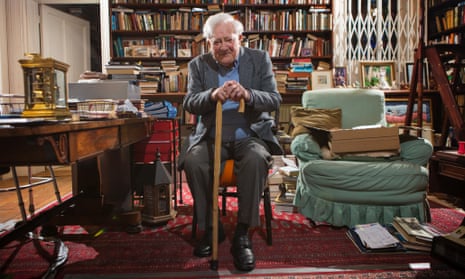
The full moon, well risen in a cloudless eastern sky, covered the high solitude with its light. We are not conscious of daylight as that which displaces darkness. Daylight, even when the sun is clear of clouds, seems to us simply the natural condition of the earth and air. When we think of the downs, we think of the downs in daylight, as with think of a rabbit with its fur on. Stubbs may have envisaged the skeleton inside the horse, but most of us do not: and we do not usually envisage the downs without daylight, even though the light is not a part of the down itself as the hide is part of the horse itself. We take daylight for granted. But moonlight is another matter. It is inconstant. The full moon wanes and returns again. Clouds may obscure it to an extent to which they cannot obscure daylight. Water is necessary to us, but a waterfall is not. Where it is to be found it is something extra, a beautiful ornament. We need daylight and to that extent it us utilitarian, but moonlight we do not need. When it comes, it serves no necessity. It transforms. It falls upon the banks and the grass, separating one long blade from another; turning a drift of brown, frosted leaves from a single heap to innumerable flashing fragments; or glimmering lengthways along wet twigs as though light itself were ductile. Its long beams pour, white and sharp, between the trunks of trees, their clarity fading as they recede into the powdery, misty distance of beech woods at night. In moonlight, two acres of coarse bent grass, undulant and ankle deep, tumbled and rough as a horse's mane, appear like a bay of waves, all shadowy troughs and hollows. The growth is so thick and matted that even the wind does not move it, but it is the moonlight that seems to confer stillness upon it. We do not take moonlight for granted. It is like snow, or like the dew on a July morning. It does not reveal but changes what it covers. And its low intensity---so much lower than that of daylight---makes us conscious that it is something added to the down, to give it, for only a little time, a singular and marvelous quality that we should admire while we can, for soon it will be gone again.
Richard Adams, from Watership Down
08 March 2026
Aware.
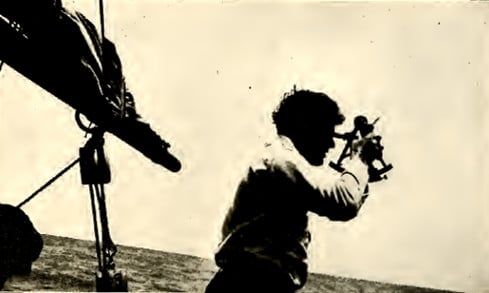
All my life I have had an awareness of other times and places. I have been aware of other persons in me. Oh, and trust me, so have you, my reader that is to be. Read back into your childhood, and this sense of awareness I speak of will be remembered as an experience of childhood. You were then not fixed, not crystallized. You were plastic, a soul in flux, a consciousness and an identity in the process of forming--ay, of forming and forgetting.
Jack London, from The Star Rover
21 February 2026
Marvel.
Wyeth, Crescent Moon, 1979

MOON SONG
A child saw in the morning skies
The dissipated-looking moon,
And opened wide her big blue eyes,
And cried: "Look, look, my lost balloon!"
And clapped her rosy hands with glee:
"Quick, mother! Bring it back to me."
A poet in a lilied pond
Espied the moon's reflected charms,
And ravished by that beauty blonde,
Leapt out to clasp her in his arms.
And as he'd never learnt to swim,
Poor fool! that was the end of him.
A rustic glimpsed amid the trees
The bluff moon caught as in a snare.
"They say it do be made of cheese,"
Said Giles, "and that a chap bides there. . . .
That Blue Boar ale be strong, I vow --
The lad's a-winkin' at me now."
Two lovers watched the new moon hold
The old moon in her bright embrace.
Said she: "There's mother, pale and old,
And drawing near her resting place."
Said he: "Be mine, and with me wed,"
Moon-high she stared . . . she shook her head.
A soldier saw with dying eyes
The bleared moon like a ball of blood,
And thought of how in other skies,
So pearly bright on leaf and bud
Like peace its soft white beams had lain;
Like Peace! . . . He closed his eyes again.
Child, lover, poet, soldier, clown,
Ah yes, old Moon, what things you've seen!
I marvel now, as you look down,
How can your face be so serene?
And tranquil still you'll make your round,
Old Moon, when we are underground.
Robert Service
17 January 2026
Different.

The best thing, though, in that museum was that everything always stayed right where it was. Nobody'd move. You could go there a hundred thousand times, and that Eskimo would still be just finished catching those two fish, the birds would still be on their way south, the deers would still be drinking out of that water hole, with their pretty antlers and they're pretty, skinny legs, and that squaw with the naked bosom would still be weaving that same blanket. Nobody'd be different. The only thing that would be different would be you. Not that you'd be so much older or anything. It wouldn't be that, exactly. You'd just be different, that's all. You'd have an overcoat this time. Or the kid that was your partner in line the last time had got scarlet fever and you'd have a new partner. Or you'd have a substitute taking the class, instead of Miss Aigletinger. Or you'd heard your mother and father having a terrific fight in the bathroom. Or you'd just passed by one of those puddles in the street with gasoline rainbows in them. I mean you'd be different in some way—I can't explain what I mean. And even if I could, I'm not sure I'd feel like it.
J.D. Salinger, from The Catcher in the Rye
Exist.

Ari Weinzweig on being aware of the invisible ...
Last week, I was fortunate enough to see a photocopy of a letter a local 10-year-old boy wrote to his cousin. This was not just an ordinary message from one young cousin to another who’s a year or two older and struggling, as so many are in the world today. This wonderful kid told his cousin how much she matters and how much he loves her in such a lovely way. I had tears in my eyes the whole time I was reading his letter. When 10-year-olds can write letters like that, then I know for sure that, regardless of what you might find in the financial pages of the Wall Street Journal, magic really does exist in the world. The problem is that most people miss it.
10 January 2026
Meaning.
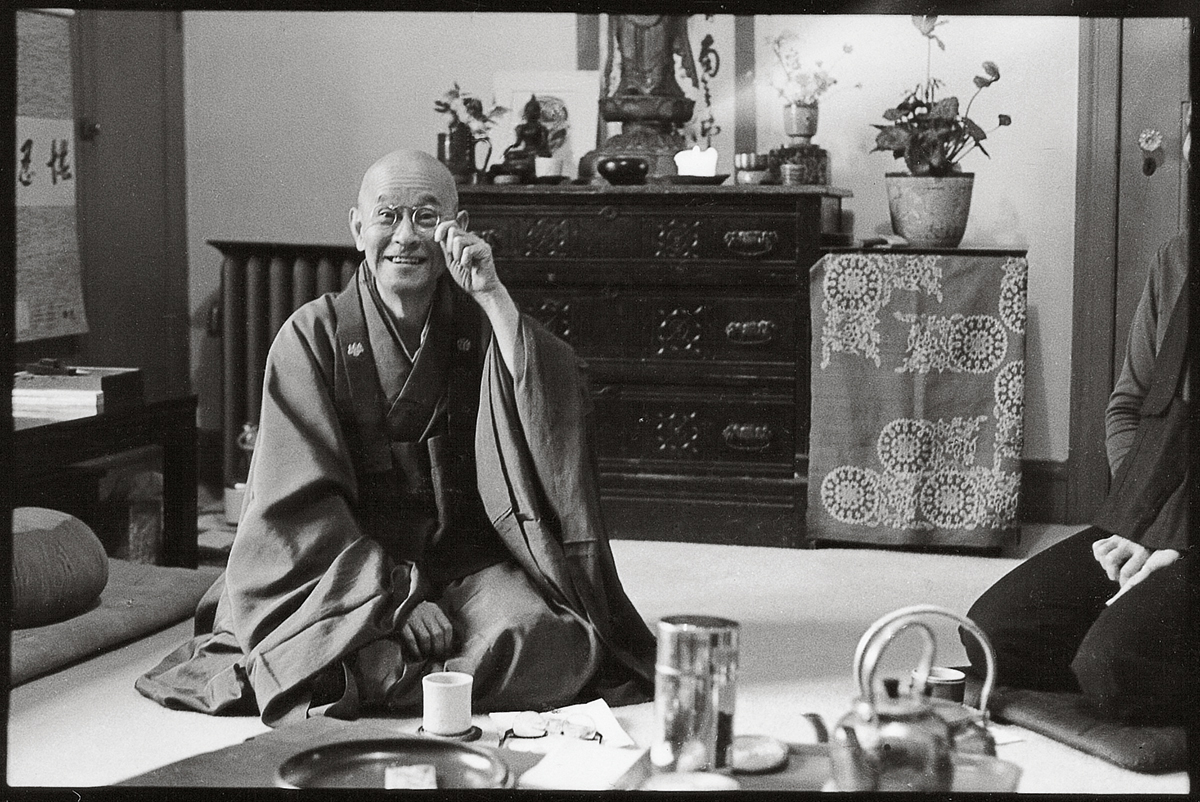
It is said that there are four kinds of horses: excellent ones, good ones, poor ones, and bad ones. The best horse will run slow and fast, right and left, at the driver’s will, before it sees the shadow of the whip; the second best will run as well as the first one does, just before the whip reaches its skin; the third one will run when it feels pain on its body; the fourth will run after the pain penetrates to the marrow of its bones. You can imagine how difficult it is for the fourth one to learn how to run!
When we hear this story, almost all of us want to be the best horse. If it is impossible to be the best one, we want to be the second best. That is, I think, the usual understanding of this story, and of Zen. You may think that when you sit in zazen you will find out whether you are one of the best horses or one of the worst ones. Here, however, there is a misunderstanding of Zen. If you think the aim of Zen practice is to train you to become one of the best horses, you will have a big problem. This is not the right understanding. If you practice Zen in the right way it does not matter whether you are the best horse or the worst one. When you consider the mercy of Buddha, how do you think Buddha will feel about the four kinds of horses? He will have more sympathy for the worst one than for the best one.
When you are determined to practice zazen with the great mind of Buddha, you will find the worst horse is the most valuable one. In your very imperfections you will find the basis for your firm, way-seeking mind. Those who can sit perfectly physically usually take more time to obtain the true way of Zen, the actual feeling of Zen, the marrow of Zen. But those who find great difficulties in practicing Zen will find more meaning in it. So I think that sometimes the best horse may be the worst horse, and the worst horse can be the best one.
Shunryu Suzuki
09 January 2026

Subscribe to:
Posts (Atom)