... to prioritize victory over rather than coexistence with the communist threat.
31 July 2026


Dissection.
Sgt. Fuzz' dissection of "Killing Moon"...
Exploring sounds
The hymn
Ravel, Daphnis et Chloé, Suite No. 2, M. 57b
This is "Daybreak," performed by the Orchestra of Paris, under the direction of Paavo Järvi ...
Good.
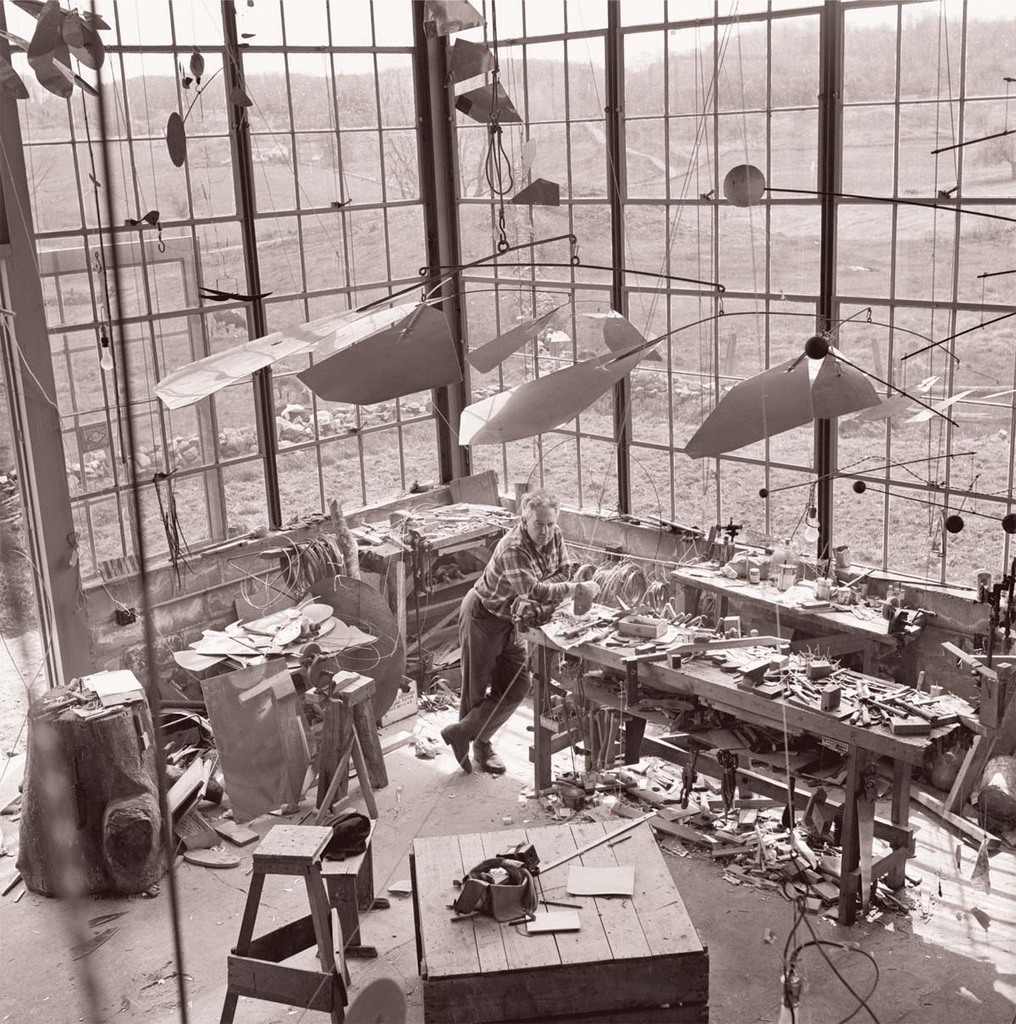
Alexander Calder

30 July 2026
The Jam, "Going Underground"
What you see is what you get
You've made your bed, you better lie in it
You choose your leaders and place your trust
As their lies wash you down and their promises rust ...
Just as terror, even in its pre-total, merely tyrannical form ruins all relationships between men, so the self-compulsion of ideological thinking ruins all relationships with reality. The preparation has succeeded when people have lost contact with their fellow men as well as the reality around them; for together with these contacts, men lose the capacity of both experience and thought. The ideal subject of totalitarian rule is not the convinced Nazi or the convinced Communist, but people for whom the distinction between fact and fiction, the reality of experience, and the distinction between true and false, the standards of thought, no longer exist.
Himself.

It is easy to establish a society upon the foundation of rigid rules. It is easy to shape the kind of man who submits blindly and without protest to a master. The real task is to succeed in setting man free by making him master of himself.
In place of affirming the rights of Man through individuals, we have begun to speak of the rights of the collectivity. This morality will explain clearly why the individual should sacrifice himself for the community. It will no longer explain, without verbal tricks, why a community should sacrifice itself for a single man.
Antoine de Saint-Exupéry, from Flight to Arras
Curiosities.
Osbourne, Robert Louis Stevenson, 1885

Steve's pointing to Stevenson wisdom ...
Life is only a very dull and ill-directed theatre unless we have some interests in the piece; and to those who have neither art nor science, the world is a mere arrangement of colours, or a rough footway where they may very well break their shins. It is in virtue of his own desires and curiosities that any man continues to exist with even patience, that he is charmed by the look of things and people, and that he wakens every morning with a renewed appetite for work and pleasure.
Refinement.
Maestro, indeed. Wisdom every minute ...
Question, question, question. Taste, taste, taste. Think, think, think. That's what cooking is all about. Is that where you can take it? Because I'm a classicist. I'm not a fantasist. I believe in those great classic marriages. Basel and tomato, madeira and mushroom, red wine and shallots. Keep it simple. We live in a world of refinement, not invention. It's as simple as that. And never forget. If you want to stray and do bizarre and peculiar combinations, then good luck.
Think about why you do things.
Commendable.
Wren, Sheldonian Theatre, Oxford, 1668

In things to be seen at once, much variety makes confusion, another vice of beauty. In things that are not seen at once, and have no respect one to another, great variety is commendable, provided this variety transgress not the rules of optics and geometry.
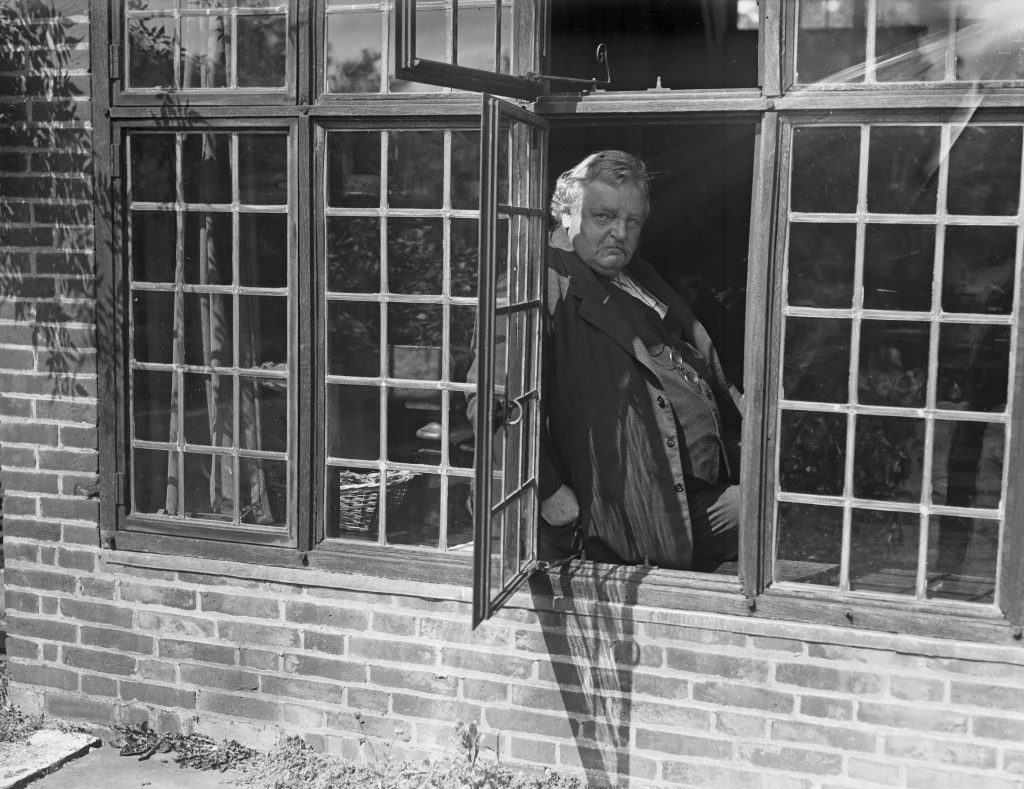
Christopher Wren
Christopher Wren

Conform.

A FOREST HYMN
The groves were God's first temples. Ere man learned
To hew the shaft, and lay the architrave,
And spread the roof above them,—-ere he framed
The lofty vault, to gather and roll back
The sound of anthems; in the darkling wood,
Amidst the cool and silence, he knelt down,
And offered to the Mightiest solemn thanks
And supplication. For his simple heart
Might not resist the sacred influences,
Which, from the stilly twilight of the place,
And from the gray old trunks that high in heaven
Mingled their mossy boughs, and from the sound
Of the invisible breath that swayed at once
All their green tops, stole over him, and bowed
His spirit with the thought of boundless power
And inaccessible majesty. Ah, why
Should we, in the world's riper years, neglect
God's ancient sanctuaries, and adore
Only among the crowd, and under roofs,
That our frail hands have raised? Let me, at least,
Here, in the shadow of this aged wood,
Offer one hymn—-thrice happy, if it find
Acceptance in His ear.
Father, thy hand
Hath reared these venerable columns, thou
Didst weave this verdant roof. Thou didst look down
Upon the naked earth, and, forthwith, rose
All these fair ranks of trees. They, in thy sun,
Budded, and shook their green leaves in the breeze,
And shot towards heaven. The century-living crow,
Whose birth was in their tops, grew old and died
Among their branches, till, at last, they stood,
As now they stand, massy, and tall, and dark,
Fit shrine for humble worshipper to hold
Communion with his Maker. These dim vaults,
These winding aisles, of human pomp and pride
Report not. No fantastic carvings show
The boast of our vain race to change the form
Of thy fair works. But thou art here—-thou fill'st
The solitude. Thou art in the soft winds
That run along the summit of these trees
In music; thou art in the cooler breath
That from the inmost darkness of the place
Comes, scarcely felt; the barky trunks, the ground,
The fresh moist ground, are all instinct with thee.
Here is continual worship;—-Nature, here,
In the tranquility that thou dost love,
Enjoys thy presence. Noiselessly, around,
From perch to perch, the solitary bird
Passes; and yon clear spring, that, midst its herbs,
Wells softly forth and wandering steeps the roots
Of half the mighty forest, tells no tale
Of all the good it does. Thou hast not left
Thyself without a witness, in these shades,
Of thy perfections. Grandeur, strength, and grace
Are here to speak of thee. This mighty oak—-
By whose immovable stem I stand and seem
Almost annihilated—-not a prince,
In all that proud old world beyond the deep,
E'er wore his crown as lofty as he
Wears the green coronal of leaves with which
Thy hand has graced him. Nestled at his root
Is beauty, such as blooms not in the glare
Of the broad sun. That delicate forest flower
With scented breath, and look so like a smile,
Seems, as it issues from the shapeless mould,
An emanation of the indwelling Life,
A visible token of the upholding Love,
That are the soul of this wide universe.
My heart is awed within me when I think
Of the great miracle that still goes on,
In silence, round me—-the perpetual work
Of thy creation, finished, yet renewed
Forever. Written on thy works I read
The lesson of thy own eternity.
Lo! all grow old and die—-but see again,
How on the faltering footsteps of decay
Youth presses——ever gay and beautiful youth
In all its beautiful forms. These lofty trees
Wave not less proudly that their ancestors
Moulder beneath them. Oh, there is not lost
One of earth's charms: upon her bosom yet,
After the flight of untold centuries,
The freshness of her far beginning lies
And yet shall lie. Life mocks the idle hate
Of his arch enemy Death—-yea, seats himself
Upon the tyrant's throne—-the sepulchre,
And of the triumphs of his ghastly foe
Makes his own nourishment. For he came forth
From thine own bosom, and shall have no end.
There have been holy men who hid themselves
Deep in the woody wilderness, and gave
Their lives to thought and prayer, till they outlived
The generation born with them, nor seemed
Less aged than the hoary trees and rocks
Around them;—-and there have been holy men
Who deemed it were not well to pass life thus.
But let me often to these solitudes
Retire, and in thy presence reassure
My feeble virtue. Here its enemies,
The passions, at thy plainer footsteps shrink
And tremble and are still. Oh, God! when thou
Dost scare the world with falling thunderbolts, or fill,
With all the waters of the firmament,
The swift dark whirlwind that uproots the woods
And drowns the village; when, at thy call,
Uprises the great deep and throws himself
Upon the continent, and overwhelms
Its cities—-who forgets not, at the sight
Of these tremendous tokens of thy power,
His pride, and lays his strifes and follies by?
Oh, from these sterner aspects of thy face
Spare me and mine, nor let us need the wrath
Of the mad unchained elements to teach
Who rules them. Be it ours to meditate,
In these calm shades, thy milder majesty,
And to the beautiful order of the works
Learn to conform the order of our lives.
William Cullen Bryant
Opportunity.
The LANTERN and the WILDFLOWER
If only I could give you
the gift of Adventure.
If only I could box her up
for you,
That big red bow on top,
glimmering.
But this cannot be.
Adventure is not
given or earned.
She is a breath that is prayed,
a force that is found,
found in the soul of everyone
and everything
But maybe, just maybe,
if I cannot box her up for you,
I can at least point you
in her direction.
Maybe, at least,
I can tell you where I saw her last,
what I prayed when I was alone,
waiting in a forest under the pine trees,
waiting for her to appear.
Maybe that will be
your Beginning.
You see, I didn’t learn for a long time.
For years, as soon as I began
searching,
hid behind fear,
all the while,
Adventure waiting for me
with a lantern and a wildflower.
All that time, I only wanted
pictures of her,
without knowing her presence,
her warmth,
her smell.
But when I met her,
I found myself.
When I prayed,
I found God.
If only I could teach you
not to be afraid.
If only I could tell you
that it’s okay if you don’t
have words left
to pray.
If only I could point you
towards that lantern
and that wildflower.
If only I could show you
the way to God.
But God cannot be given or earned.
No, God is found.
So, in that soul of yours,
there is the greatest opportunity.
You.
The world.
Breath and prayer embodied.
Everything sacred.
These things would never fit
into a box
with a big red bow on top,
glimmering.
Kaitlin Curtice
Schubert, Piano Quintet in A-Major, D. 667, "The Trout"
Members of the Vienna Philharmonic Chamber Orchestra perform the Variations movement ...
Happy Birthday, Giorgio Vasari
Vasari, Self-Portrait, 1566
.jpg)
No one ever became excellent in any exercise whatsoever without beginning from his childhood to endure heat, cold, hunger, thirst, and other discomforts; wherefore those men are entirely deceived who think to be able, at their ease and with all the comforts of the world, to attain an honorable rank. It is not by sleeping but by waking and studying continually that progress is made. It is greater vanity to pursue things more for their reputation than for what they really are, but these kinds of men can be found in any age, men who pay more attention to appearances than realities
Giorgio Vasari, born on this day in 1511, from Lives of the Artists
29 July 2026
Dinnertime.

INTERVIEWER: I made the remark, and I don't think it's unfair to say, that in a sense, what Einstein gave to science, in the dimension of time, you've given to art, in the dimension of motion.
CALDER: I don't know about that, but what would Einstein say?
INTERVIEWER: Well, that's a very interesting point. Well, now, how do you know when you're finished?
CALDER: Uh, when it's dinnertime.
Enormity.
Chatham, July, 1987
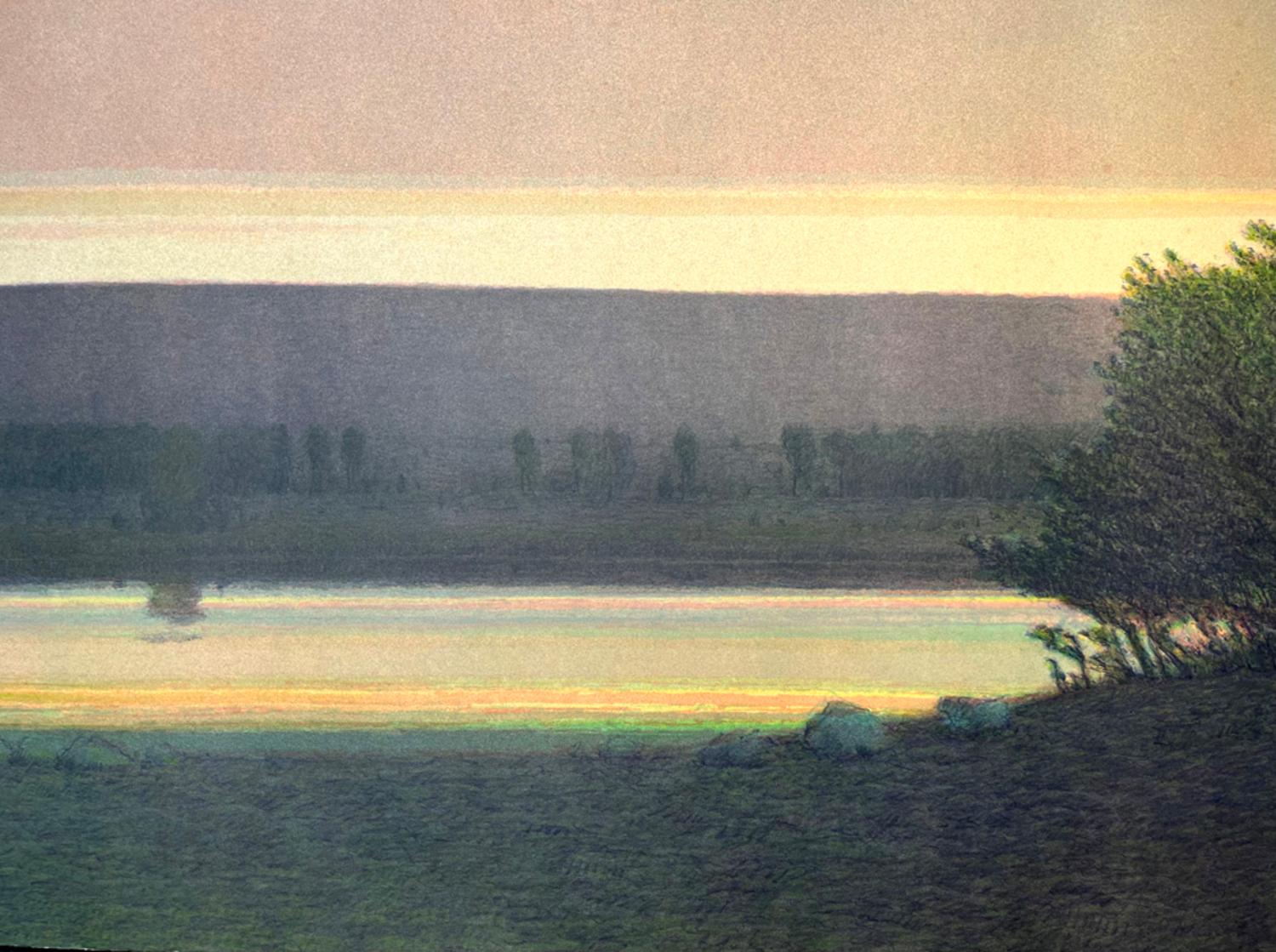
Choose your heroes carefully, identifying those who were truly great and whose sensibilities you can relate to. Be contemptuous of notions like the one which holds that a drunk who routinely peed his pants while splashing paint all over the floor 50 years ago is an old master. Go back as far as you can in your discipline, remembering that very nearly 100 percent of everything produced in the arts in your time is pure shit. Never compare yourself to your contemporaries, but do mercilessly critique them, if only to yourself. Beware of all labels and -isms, tonalism, for example. There are no great paintings done in bright colors in the conventional sense of that term. As Camille Pissarro noted, “All painting is a matter of grays.” If you doubt this, study Goya, Rembrandt, da Vinci, and Titian, to mention only four. To see the exception, study Vermeer, and even he practices restraint to the point of pathos.
Be a seeker of truth and beauty. Never be impressed by the price of anything. There are a few rich people who are smart and nice, but generally speaking, associate with the wealthy at your own risk. Read as much good, classic literature and poetry as you can. You need to be fluent in the world of verbal ideas and concepts to enhance and balance the essentially nonverbal ones you use in your work. Most writers, by the way, do not really believe in the specificity of the nonverbal language. You must. Along with literature, read biographies and autobiographies and don’t stick just to the visual arts. Include them all. This is to learn how others handled their journey, bearing in mind you can’t emulate someone else’s. Travel serves to inform us of the enormity of the world, and lets us see and experience things we might never have known existed. This helps us have a sense of humility, which I believe is very important.
Russell Chatham, from "Motive Is Everything: A Conversation With Artist, Writer, Publisher, Sportsman, Gourmet Chef & Restaurateur," an interview with John A. Murray


Shared.

WELCOME JOY
There is joy
in all:
in the hair I brush each morning,
in the Cannon towel, newly washed,
that I rub my body with each morning,
in the chapel of eggs I cook
each morning,
in the outcry from the kettle
that heats my coffee
each morning,
in the spoon and the chair
that cry "hello there, Anne"
each morning,
in the godhead of the table
that I set my silver, plate, cup upon
each morning.
All this is God,
right here in my pea-green house
each morning
and I mean,
though often forget,
to give thanks,
to faint down by the kitchen table
in a prayer of rejoicing
as the holy birds at the kitchen window
peck into their marriage of seeds.
So while I think of it,
let me paint a thank-you on my palm
for this God, this laughter of the morning,
lest it go unspoken.
The Joy that isn't shared, I've heard,
dies young.
Anne Sexton
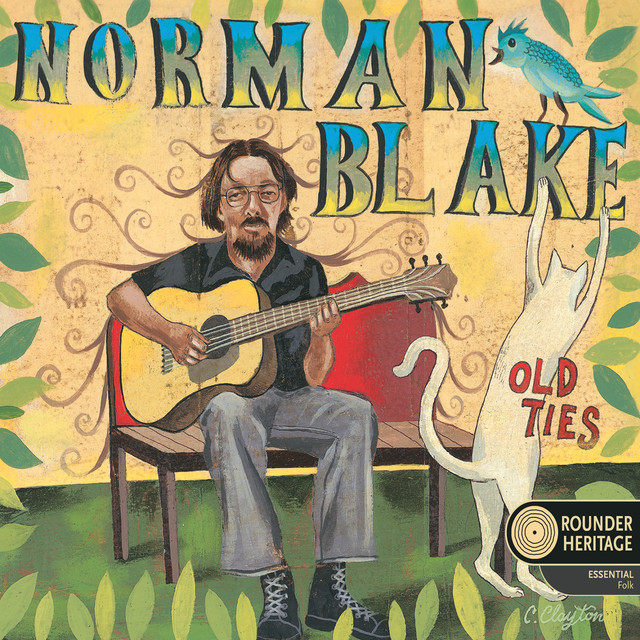
Excellent.
An excellent book ...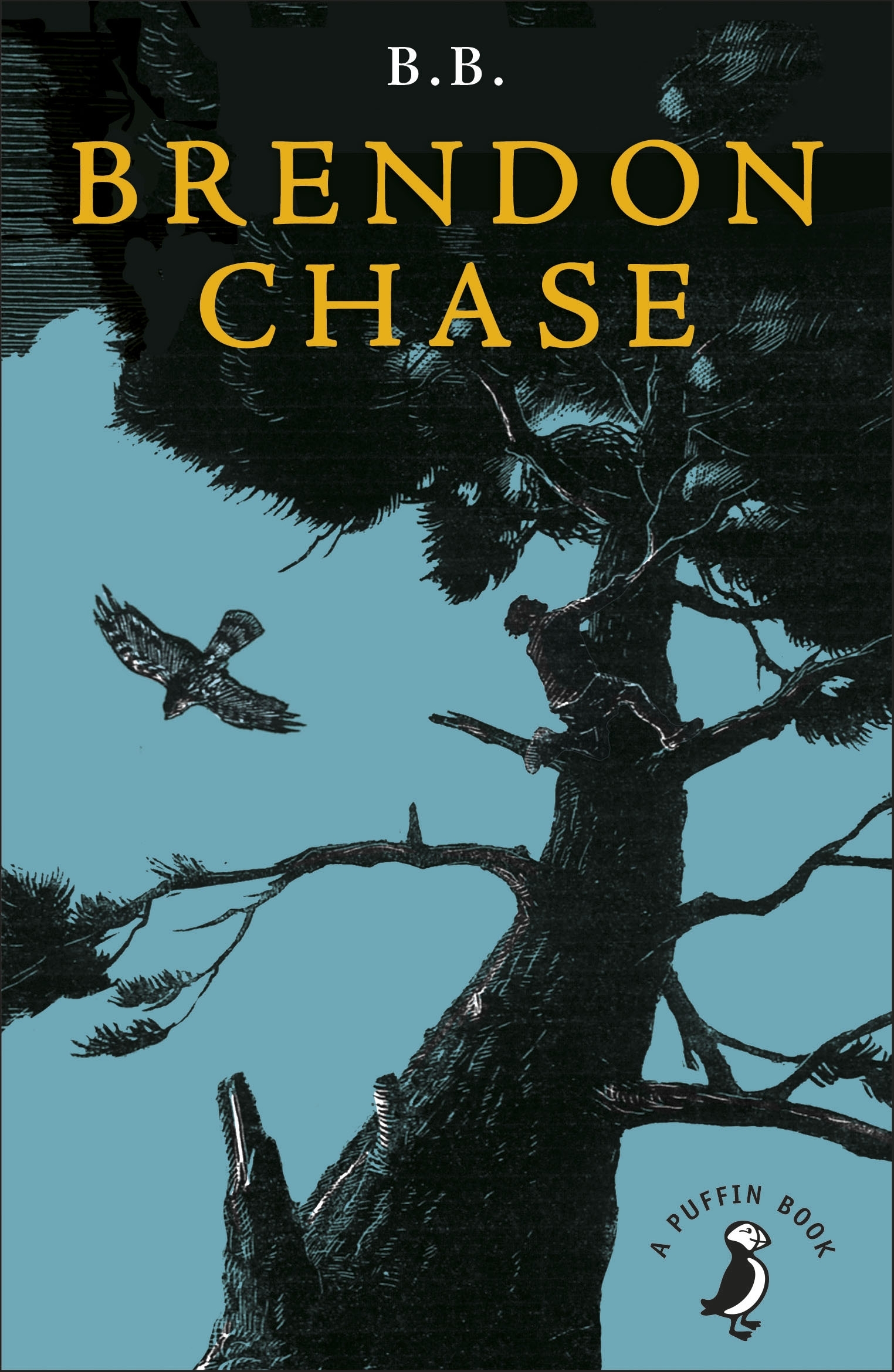
It seems to me this idea of going to school and then into business isn’t the natural way for a man to live, at least to my way of thinking. Don’t you see what most people are missing? Something which is fine and grand. Living like we do, I mean out in the open air. They’re getting farther and farther away from the natural life, nature and all that; they’re creating a world which is, oh, I don’t know, I can’t jaw properly, but you know what I mean.B.B., from Brendon Chase
Brought.

Read anything I write for the pleasure of reading it. Whatever else you find will be the measure of what you brought to the reading.
Ernest Hemingway, from Conversations with Ernest Hemingway
Enhances.

Every 15 minutes, the island releases an imperceptible spray of ash and dust that makes the soil rich in calcium, phosphorus, and potassium, which enhances the product.
Bliss.
I WANDERED LONELY as a CLOUD
I wandered lonely as a cloud
That floats on high o'er vales and hills,
When all at once I saw a crowd,
A host, of golden daffodils;
Beside the lake, beneath the trees,
Fluttering and dancing in the breeze.
Continuous as the stars that shine
And twinkle on the milky way,
They stretched in never-ending line
Along the margin of a bay:
Ten thousand saw I at a glance,
Tossing their heads in sprightly dance.
The waves beside them danced; but they
Out-did the sparkling waves in glee:
A poet could not but be gay,
In such a jocund company:
I gazed—and gazed—but little thought
What wealth the show to me had brought:
For oft, when on my couch I lie
In vacant or in pensive mood,
They flash upon that inward eye
Which is the bliss of solitude;
And then my heart with pleasure fills,
And dances with the daffodils.
William Wordsworth
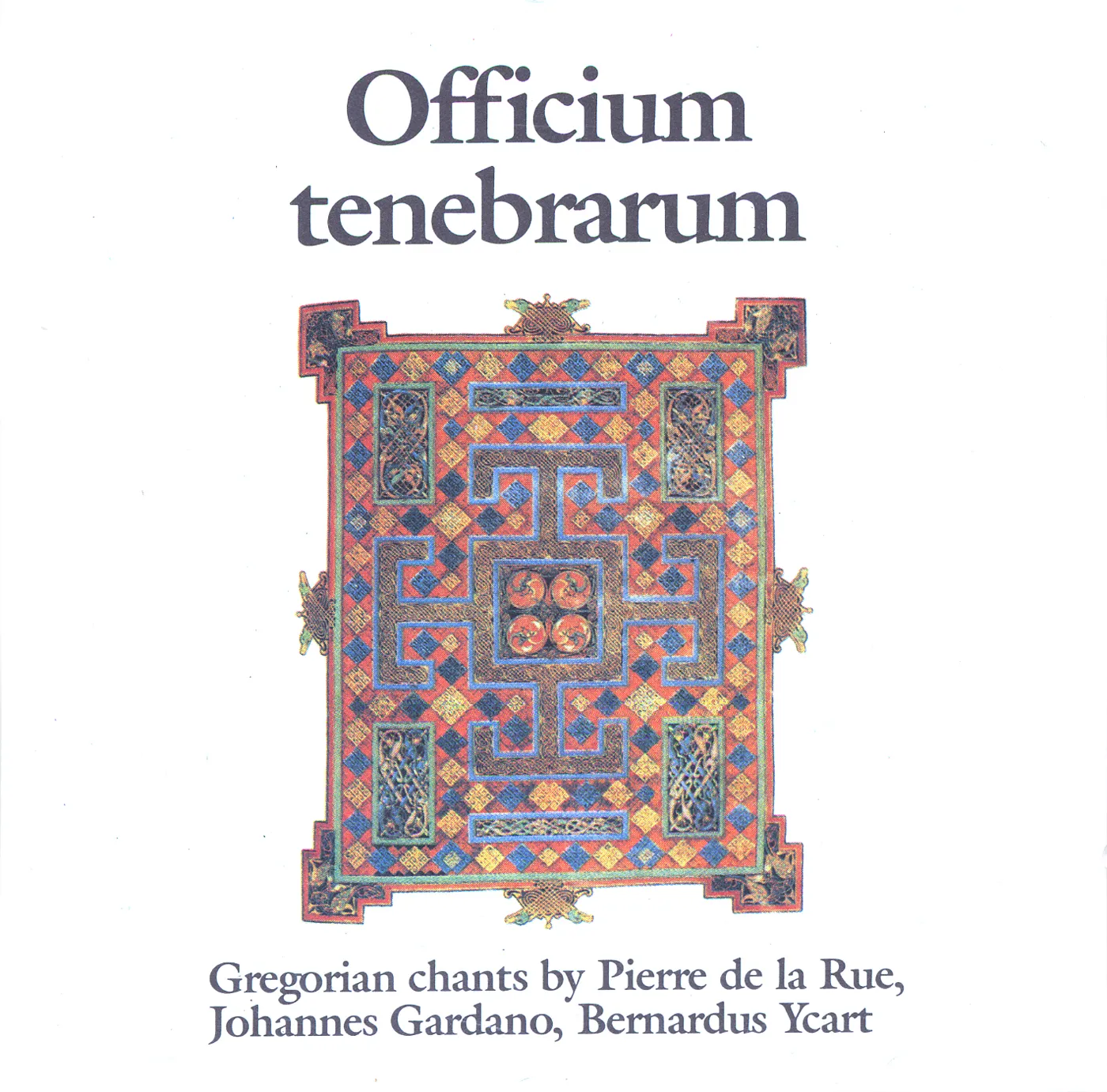
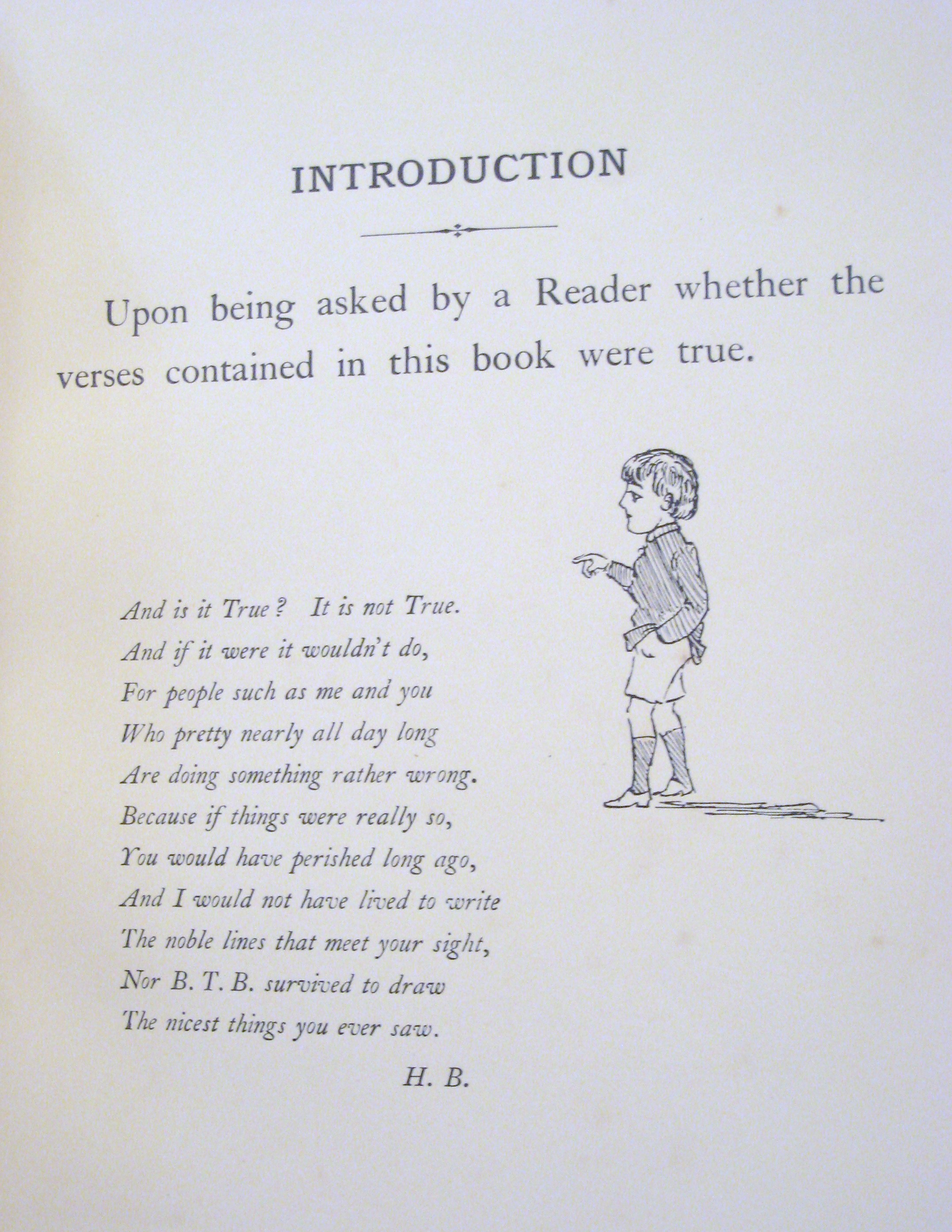
Rebecca Dale and Tenebrae have a go ...

Learning.
Disney Imagineering designer Ray Kinman on the myth of talent ...
There was a period of my career where I really went through some serious burnout. I mean, world class burnout. It was only after I pulled out that I figured out what it was and that I started just trying to crank work out and it was about money. I was just trying to make money and I knew I could get away with not my best work and people couldn't tell.And so I started taking shortcuts and that kind of got to the point where I just got really depressed. I didn't like working and I don't know somehow I realized, oh! I stopped learning! I stopped pushing myself to that. That's what happened. So, I was able to regain momentum.Everything I do, I'm trying to push it a little bit harder because it makes it interesting. It's fun.
Don't forget to get out and walk.
Sonorous.
Marie-Claude Chappuis, Luca Pianca, Vittorio Ghielmi perform a sonorous program of Lully, Lambert,de Visée, Monteclair, and Bataille ...
Read.
Reynolds, Samuel Johnson, n/d

I never desire to converse with a man who has written more than he has read.
Samuel Johnson from Johnsonian Miscellanies, Vol. II
28 July 2026
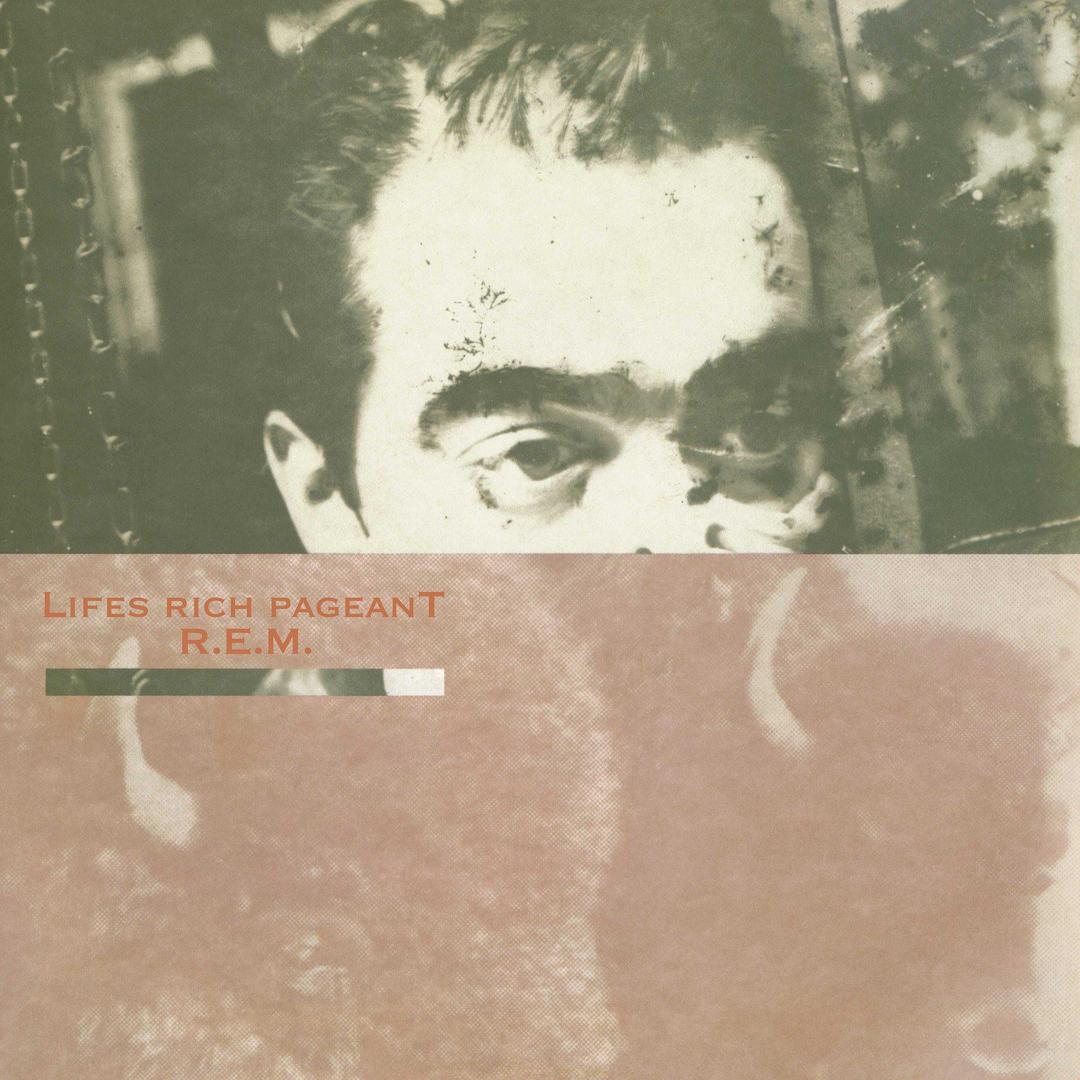
Excellent.
An excellent album ...

... to prioritize victory over rather than coexistence with the communist threat.
Sing.
Sosa, Lark, 2001
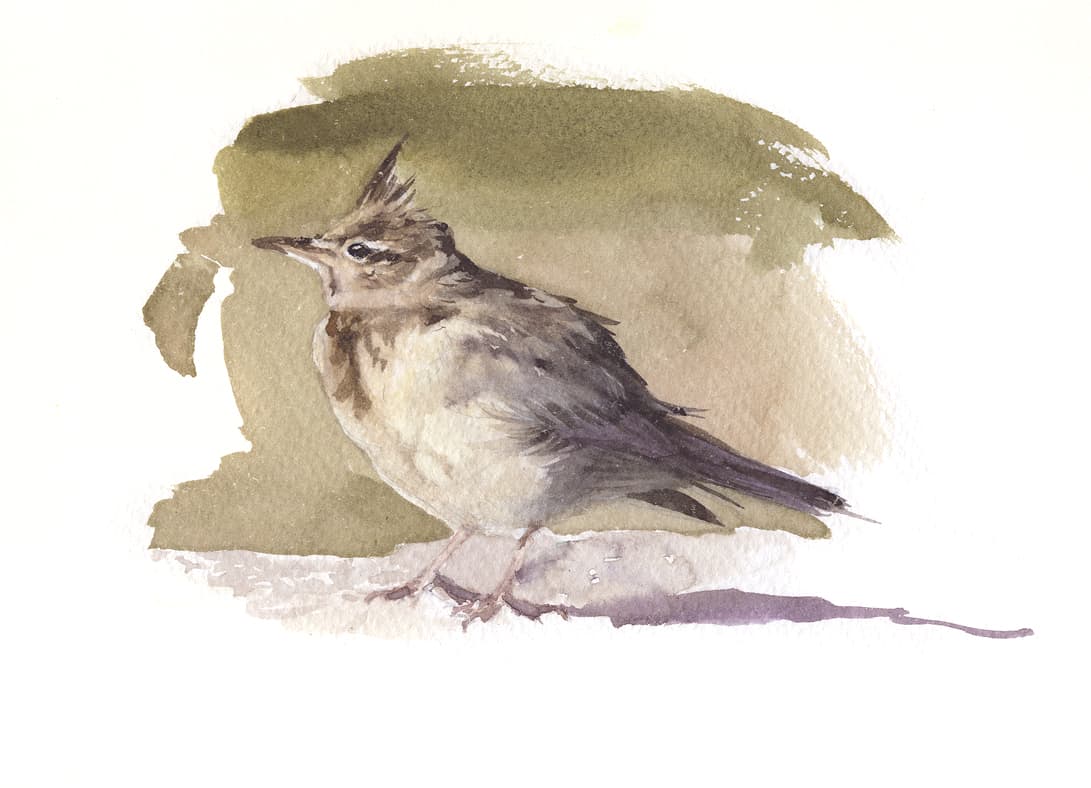
WITH the LARK
Night is for sorrow and dawn is for joy,
Chasing the troubles that fret and annoy;
Darkness for sighing and daylight for song,—
Cheery and chaste the strain, heartfelt and strong.
All the night through, though I moan in the dark,
I wake in the morning to sing with the lark.
Deep in the midnight the rain whips the leaves,
Softly and sadly the wood-spirit grieves.
But when the first hue of dawn tints the sky,
I shall shake out my wings like the birds and be dry;
And though, like the rain-drops, I grieved through the dark,
I shall wake in the morning to sing with the lark.
On the high hills of heaven, some morning to be,
Where the rain shall not grieve thro’ the leaves of the tree,
There my heart will be glad for the pain I have known,
For my hand will be clasped in the hand of mine own;
And though life has been hard and death’s pathway been dark,
I shall wake in the morning to sing with the lark.
Paul Laurence Dunbar
Simply.

A mobile has no utility and no meaning. It is simply beautiful. It has a great emotional effect if you understand it. Of course if it meant anything it would be easier to understand, but it would not be worthwhile.
Alexander Calder
Arise.

A FRAGMENT
Awake! arise! the hour is late!
Angels are knocking at thy door!
They are in haste and cannot wait,
And once departed come no more.
Awake! arise! the athlete's arm
Loses its strength by too much rest;
The fallow land, the untilled farm
Produces only weeds at best.
Henry Wadsworth Longfello
Burn.

LINES to a DON
Remote and ineffectual Don
That dared attack my Chesterton,
With that poor weapon, half-impelled,
Unlearnt, unsteady, hardly held,
Unworthy for a tilt with men--
Your quavering and corroded pen;
Don poor at Bed and worse at Table,
Don pinched, Don starved, Don miserable;
Don stuttering, Don with roving eyes,
Don nervous, Don of crudities;
Don clerical, Don ordinary,
Don self-absorbed and solitary;
Don here-and-there, Don epileptic;
Don puffed and empty, Don dyspeptic;
Don middle-class, Don sycophantic,
Don dull, Don brutish, Don pedantic;
Don hypocritical, Don bad,
Don furtive, Don three-quarters mad;
Don (since a man must make and end),
Don that shall never be my friend.
Don different from those regal Dons!
With hearts of gold and lungs of bronze,
Who shout and bang and roar and bawl
The Absolute across the hall,
Or sail in amply bellying gown
Enormous through the Sacred Town,
Bearing from College to their homes
Deep cargoes of gigantic tomes;
Dons admirable! Dons of Might!
Uprising on my inward sight
Compact of ancient tales, and port
And sleep--and learning of a sort.
Dons English, worthy of the land;
Dons rooted; Dons that understand.
Good Dons perpetual that remain
A landmark, walling in the plain--
The horizon of my memories--
Like large and comfortable trees.
Don very much apart from these,
Thou scapegoat Don, thou Don devoted,
Don to thine own damnation quoted,
Perplexed to find thy trivial name
Reared in my verse to lasting shame.
Don dreadful, rasping Don and wearing,
Repulsive Don--Don past all bearing.
Don of the cold and doubtful breath,
Don despicable, Don of death;
Don nasty, skimpy, silent, level;
Don evil, Don that serves the devil.
Don ugly--that makes fifty lines.
There is a Canon which confines
A Rhymed Octosyllabic Curse
If written in Iambic Verse
To fifty lines. I never cut;
I far prefer to end it--but
Believe me I shall soon return.
My fires are banked, but still they burn
To write some more about the Don
That dared attack my Chesterton.
Hilaire Belloc
Bloch, Three Scenes from Jewish Life
Steven Isserlis performs "Prayer" with Candida Thompson and the Amsterdam Sinfonietta ...
Haydn (1732–1809), Symphony No. 47 in G major, Hob. I:47, "Il Philosofo"
Giovanni Antonini's incredible ensemble, Il Giardino Armonico ...
Happy Birthday, Beatrix Potter
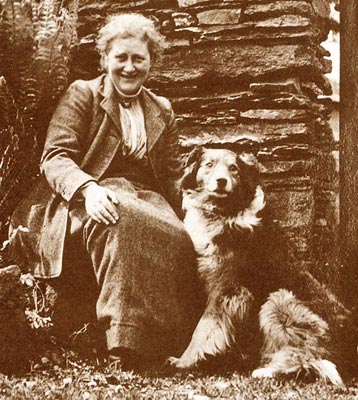
The place is changed now, and many familiar faces are gone, but the greatest change is myself. I was a child then, I had no idea what the world would be like. I wished to trust myself on the waters and the sea. Everything was romantic in my imagination. The woods were peopled by the mysterious good folk. The Lords and Ladies of the last century walked with me along the overgrown paths, and picked the old fashioned flowers among the box and rose hedges of the garden.
Beatrix Potter, born on this day in 1866, from The Journal of Beatrix Potter, 1881-1897
27 July 2026
Released.

AC⚡DC released Highway to Hell on this day in 1979.
"If You Want Blood (You've Got It)" ...

Crown Lands, "Right Way Back"
Whatever happens, we have got the (whammy bar) and they have not. (3:34)
Hilaire Belloc-ish
Poetry
Calder, Vertical Foliage, 1941


To most people who look at a mobile, it's no more than a series of flat objects that move. To a few, though, it may be poetry. When everything goes right, a mobile is a piece of poetry that dances with the joy of life and surprise!
Alexander Calder
Contribute.
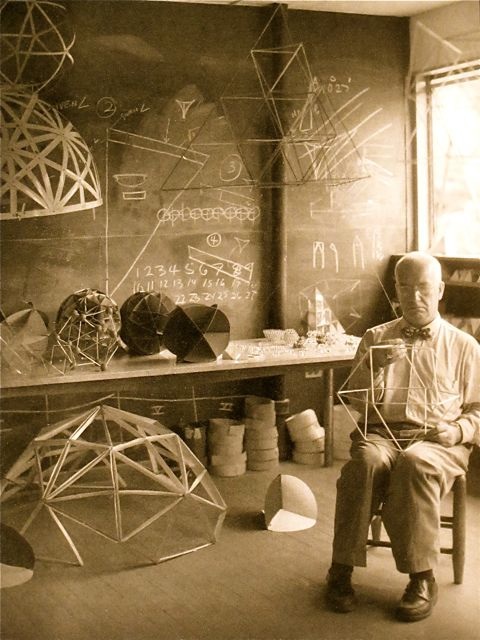
Amanda Stern at The How to Live Newsletter has Buckminster Fuller's sixty-six-year experiment to document his existence ...
On one of those walks, in the autumn of 1927, he stopped at the edge of Lake Michigan. He calculated how long it would take to for him to grow hypothermic and drown. His life insurance would pay out, and his wife and daughters would be provided for.Standing on that shore at age 32, feeling like an absolute failure, suicide felt like the only responsible decision.But as he stood there, on the precipice of ending his life, he felt briefly suspended above the ground, and he heard a voice in his head that said:“From now on you need never await temporal attestation to your thought. You think the truth. You do not have the right to eliminate yourself. You do not belong to you. You belong to the Universe. Your significance will remain forever obscure to you, but you may assume that you are fulfilling your role if you apply yourself to converting your experiences to the highest advantage of others.”The conviction he felt from that thought marked the beginning of a life dedicated to replicating this sense of certainty by documenting the certainty of his existence.He went home and told Anne that he was done making decisions based on how he felt. He called it committing egocide. Not suicide, the death of the body. Egocide, the death of the part of him that ran on feeling.He said that he had to think, and would not utter a word until he knew what he truly thought. For two full years (or so he claimed) Fuller was silent. He filled five thousand pages with notes, in pursuit of the secret to success for the entire human race.Fuller decided to make his life an experiment “to find what a single individual can contribute to changing the world and benefiting all humanity.”
Learned.

I was in love, then, with monsters and skeletons and circuses
and carnivals and dinosaurs and, at last, the red planet, Mars.
From these primitive bricks I have built a life and a career. By
my staying in love with all of these amazing things, all of the good
things in my existence have come about.
In other words, I was not embarrassed at circuses. Some
people are. Circuses are loud, vulgar, and smell in the sun. By the
time many people are fourteen or fifteen, they have been divested
of their loves, their ancient and intuitive tastes, one by one, until
when they reach maturity there is no fun left, no zest, no gusto,
no flavor. Others have criticized, and they have criticized themselves, into embarrassment. When the circus pulls in at five of a
dark cold summer morn, and the calliope sounds, they do not rise
and run, they turn in their sleep, and life passes by.
I did rise and run. I learned that I was right and everyone else
wrong when I was nine. Buck Rogers arrived on scene that year,
and it was instant love. I collected the daily strips, and was
madness maddened by them. Friends criticized. Friends made
fun. I tore up the Buck Rogers strips. For a month I walked
through my fourth-grade classes, stunned and empty. One day I
burst into tears, wondering what devastation had happened to
me. The answer was: Buck Rogers. He was gone, and life simply
wasn't worth living. The next thought was: Those are not my
friends, the ones who got me to tear the strips apart and so tear my
own life down the middle; they are my enemies.
Ray Bradbury, from "Drunk, and In Charge of a Bicycle"
Off.

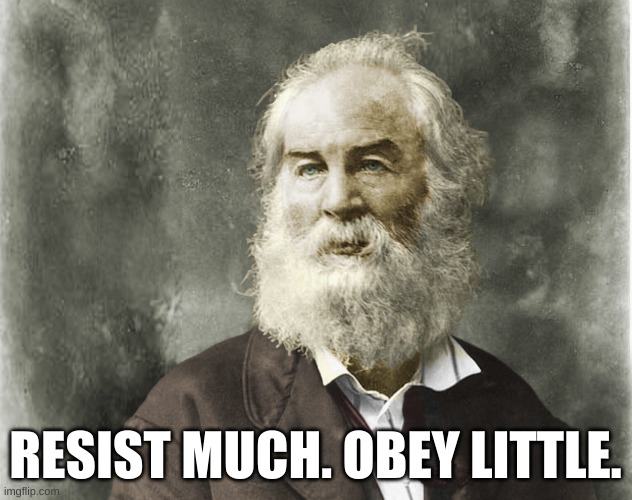
When I heard the learn’d astronomer,
When the proofs, the figures, were ranged in columns before me,
When I was shown the charts and diagrams, to add, divide, and measure them,
When I sitting heard the astronomer where he lectured with much applause in the lecture-room,
How soon unaccountable I became tired and sick,
Till rising and gliding out I wander’d off by myself,
In the mystical moist night-air, and from time to time,
Look’d up in perfect silence at the stars.
Walt Whitman
Infinite.

Faith, he said is a force of life. "If a man lives, then he must believe in something." If that something is finite, it will not ultimately satisfy him, since everything finite eventually perishes. The only thing worth believing in is the infinite. And, "Without faith it is impossible to live."
Lineage.

As each of us dwindles in size by comparison to the cosmic stretches of space and of time, our individual lives, our improbable existence becomes more and more important. With the understanding of my great good fortune, I also feel a sense of responsibility. But to whom, or to what, am I responsible? Not the universe, which is without mind. And not the huge number of human beings who could have been but never were. I can hardly be responsible to people who do not exist. I believe it is a responsibility to myself—to not waste my precious life.
Eight or nine years old. Riding my bike home in the dark. No street lights. Pedaling, I looked up ... and immediately stopped. Stars beyond stars. I felt so small but a part of that vastness. I was alive!
Even then, I remember my thoughts flooded with the link in the chain that I was a part of. Family. Those who came before. My Mum made them a part of our family prayer a the start of every meal. Lineage. A chain is only as strong ...
Executed.

I do not believe I ever would have the courage to fight a duel. If any man should wrong me to the extent of my being willing to kill him, I would not be willing to give him the choice of weapons with which it should be done, and of the time, place and distance separating us, when I executed him.
Ulysses S. Grant, from Personal Memoirs of U.S. Grant
Happy Birthday, Hilaire Belloc

Hilaire Belloc, born on this day in 1870, from "An Essay on the Restoration of Property"
26 July 2026

Excellent.
An excellent album ...

... to prioritize victory over rather than coexistence with the communist threat.
Happy Birthday, Roger Taylor

Roger Taylor was born on this day in 1949.
"Now I'm Here ...
An excellent album ...
Alan Parsons Project, "The Turn of a Friendly Card"
Thanks to my buddy, Kurt, for introducing me all the way back in those heady days,long ago and for the gift of experiencing this band live last night ...
Part One
Part Two
Ask.
The VAGABOND
Give to me the life I love
Let the lave go by me.
Give the jolly heaven above
And the byway nigh me.
Bed in the bush with stars to see
Bread I dip in the river -
There's the life for a man like me,
There's the life for ever.
Let the blow fall soon or late
Let what will be o'er me.
Give the face of earth around,
And the road before me.
Wealth I seek not, hope nor love,
Not a friend to know me.
All I seek, the heaven above
And the road below me.
O let autumn fall on me
When afield I linger
Silencing the bird on tree
Biting the blue finger.
White as meal as frosty field -
Warm the fireside haven -
Not to autumn will I yield,
Not to winter even!
Let the blow fall soon or late
Let what will be o'er me
Give the face of earth around
And the road below me.
Wealth I ask not, hope nor love,
Nor a friend to know me.
All I ask, the heaven above
And the road below me.
Robert Louis Stevenson
Telemann, Suite in A-Minor for Recorder and Strings, TWV 55:a2
Bolette Roed performs the Menuet with Arte dei Suonatori ...
Sing.

SABBATH I
I go among trees and sit still.
All my stirring becomes quiet
around me like circles on water.
My tasks lie in their places
where I left them, asleep like cattle.
Then what is afraid of me comes
and lives a while in my sight.
What it fears in me leaves me,
and the fear of me leaves it.
It sings, and I hear its song.
Then what I am afraid of comes.
I live for a while in its sight.
What I fear in it leaves it,
and the fear of it leaves me.
It sings, and I hear its song.
After days of labor,
mute in my consternations,
I hear my song at last,
and I sing it. As we sing,
the day turns, the trees move.
Wendell Berry
25 July 2026
Verdi, La Traviata
Sir Georg Solti conducts the Orchestra of The Royal Opera House in a performance of the Prelude to Act One ...
Excellent.
An excellent album ...

... to prioritize victory over, rather than coexistence with, the communist threat,


Subscribe to:
Posts (Atom)