"I am not one who was born in the custody of wisdom. I am one who is fond of olden times and intense in quest of the sacred knowing of the ancients." Gustave Courbet
Showing posts with label an uncommon thought. Show all posts

03 October 2026

Thanksgiving.

Friberg, The Prayer at Valley Forge, 1975


On this day in 1789, George Washington proclaimed the first national Thanksgiving Day ... 
Whereas it is the duty of all nations to acknowledge the providence of Almighty God, to obey His will, to be grateful for His benefits, and humbly to implore His protection and favor; and Whereas both Houses of Congress have, by their joint committee, requested me to “recommend to the people of the United States a day of public thanksgiving and prayer, to be observed by acknowledging with grateful hearts the many and signal favors of Almighty God, especially by affording them an opportunity peaceably to establish a form of government for their safety and happiness: Now, therefore, I do recommend and assign Thursday, the 26th day of November next, to be devoted by the people of these States to the service of that great and glorious Being who is the beneficent author of all the good that was, that is, or that will be; that we may then all unite in rendering unto Him our sincere and humble thanks for His kind care and protection of the people of this country previous to their becoming a nation; for the signal and manifold mercies and the favorable interpositions of His providence in the course and conclusion of the late war; for the great degree of tranquility, union, and plenty which we have since enjoyed; for the peaceable and rational manner in which we have been enable to establish constitutions of government for our safety and happiness, and particularly the national one now lately instituted for the civil and religious liberty with which we are blessed, and the means we have of acquiring and diffusing useful knowledge; and, in general, for all the great and various favors which He has been pleased to confer upon us. And also that we may then unite in most humbly offering our prayers and supplications to the great Lord and Ruler of Nations and beseech Him to pardon our national and their transgressions; to enable us all, whether in public or private stations, to perform our several and relative duties properly and punctually; to render our National Government a blessing to all the people by constantly being a Government of wise, just, and constitutional laws, discreetly and faithfully executed and obeyed; to protect and guide all sovereigns and nations (especially such as have shown kindness to us), and to bless them with good governments, peace, and concord; to promote the knowledge and practice of true religion and virtue, and the increase of science among them and us; and, generally to grant unto all mankind such a degree of temporal prosperity as He alone knows to be best.

02 October 2026

Indian-Summer-Breathing.

Bradbury, The Halloween Tree, 1964


The pumpkins on the tree were not mere pumpkins. Each had a face sliced in it. Each face was different. Every eye was a stranger eye. Every nose was a weirder nose. Every mouth smiled hideously in some new way.
There must have been a thousand pumpkins on this tree, hung high and on every branch. A thousand smiles. A thousand grimaces. And twice-times-a-thousand glares and winks and blinks and leerings of fresh-cut eyes.

And as the boys watched, a new thing happened.

The pumpkins began to come alive.

One by one, starting at the bottom of the tree and the nearest pumpkins, candles took fire within the raw interiors. This one then that one and this and then still another, and on up and around, three pumpkins here, seven pumpkins still higher, a dozen clustered beyond, a hundred, five hundred, a thousand pumpkins lit their candles, which is to say brightened up their faces, showed fire in their square or round or curiously slanted eyes. Sparks leaped out their ripe-cut ears.

And from somewhere two voices, three or maybe four voices whispered and chanted a kind of singsong or old sea shanty of the sky and time and the earth turning over into sleep. The rainspouts blew spiderdust:

"It’s big, it’s broad…"

A voice smoked from the rooftop chimney:

"It’s broad, it’s bright…
It fills the sky of All Hallows’ Night…"

From open windows somewhere, cobwebs drifted:

"The strangest sight you’ve ever seen.
The Monster Tree on Halloween."

The candles flickered and flared. The wind crooned in, the wind crooned out the pumpkin mouths, tuning the song:

"The leaves have burned to gold and red
The grass is brown, the old year dead,
But hang the harvest high, Oh see!
The candle constellations on the Halloween Tree."

Tom felt his mouth stir like a small mouse, wanting to sing:

"The stars they turn, the candles burn
And the mouse-leaves scurry on the cold wind bourne,
And a mob of smiles shine down on thee
From the gourds hung high on the Halloween Tree.

The smile of the Witch, and the smile of the Cat,
The smile of the Beast, and the smile of the Bat,
The smile of the Reaper taking his fee
All cut and glimmer on the Halloween Tree

Smoke seemed to sift from Tom’s mouth:
“Halloween Tree …”
All the boys whispered it:
“Halloween … Tree …”
And then there was silence.

And during the silence the last of the triples and quadruples of All Hallows’ Tree candles were lit in titanic constellations woven up through the black branches and peeking down through the twigs and crisp leaves.

And the Tree had now become one vast substantial Smile.
The last of the pumpkins now were lit. The air around the Tree was Indian-summer-breathing warm. The Tree exhaled sooty smoke and raw-pumpkin smell upon them."
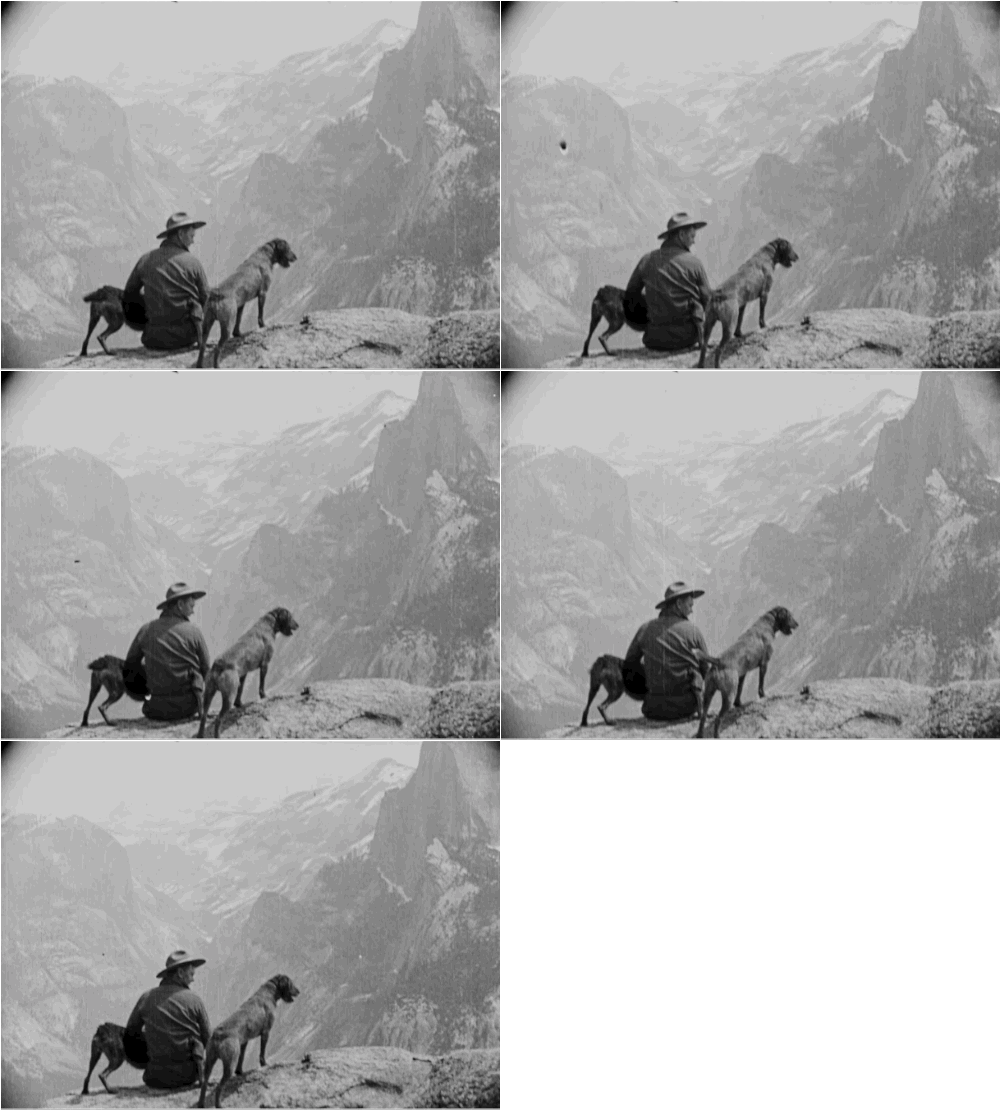

Ray Bradbury, from The Halloween Tree

27 September 2026

Few.

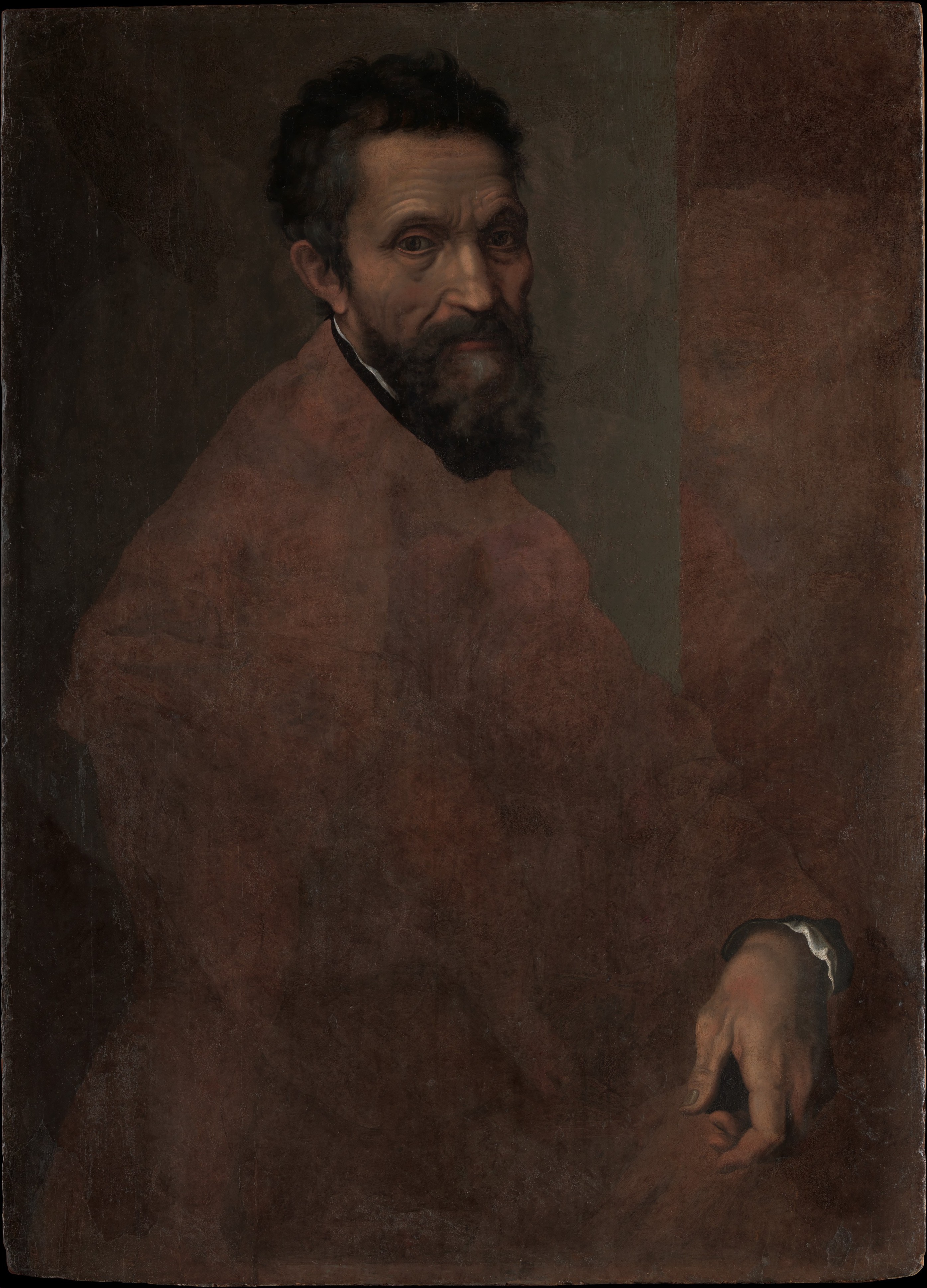
Volterra, Michelangelo, 1545


Painters are not in any way unsociable through pride, but either because they find few pursuits equal to painting, or in order not to corrupt themselves with the useless conversation of idle people, and debase the intellect from the lofty imaginations in which they are always absorbed.

Michelangelo Buonarroti, from the "First Dialogue" of Francisco de Holanda’s Da Pintura Antiga

Thank you, Kurt.

Read it and weep, blogosphere.

Happy Birthday, Samuel Adams

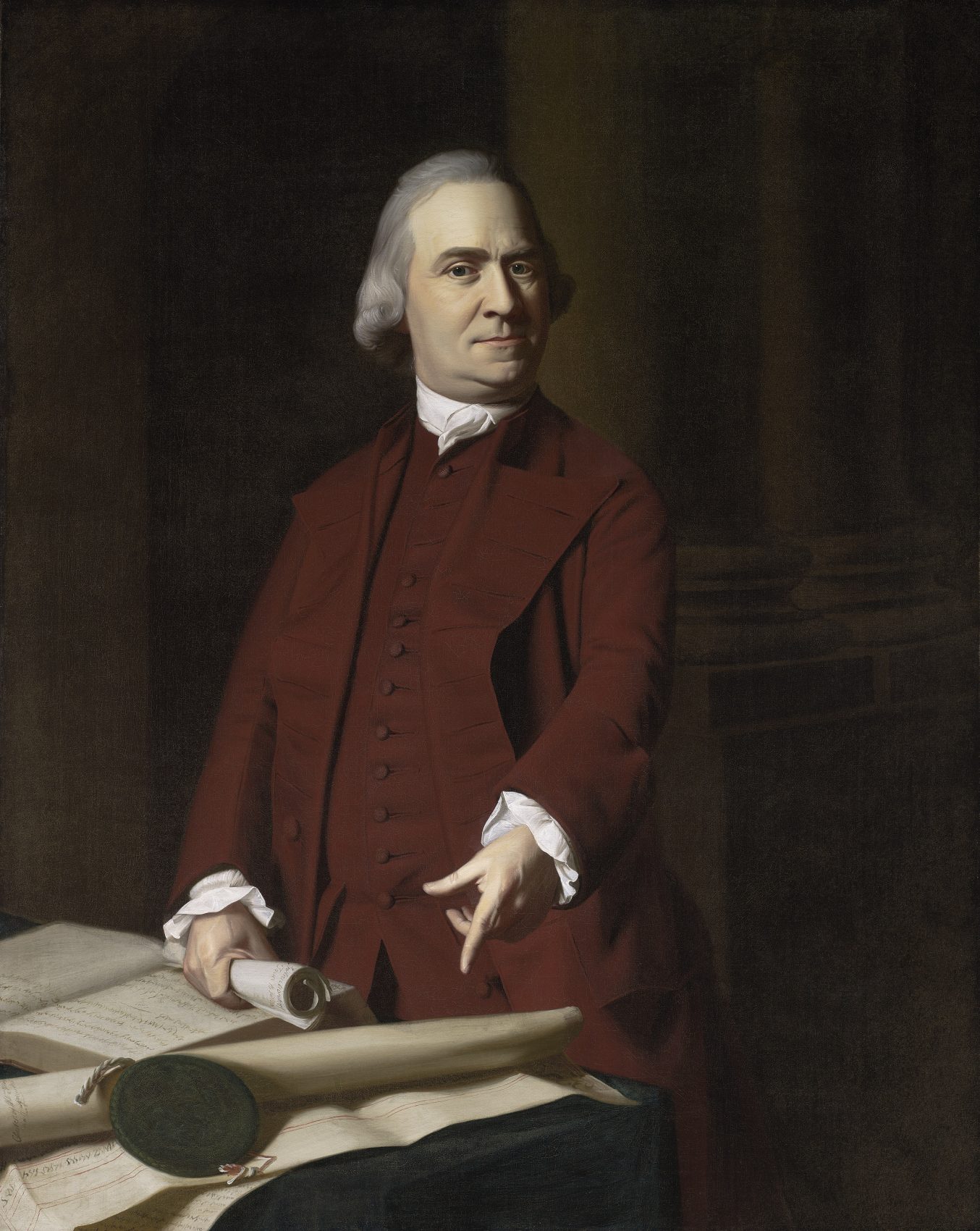
Copley, Samuel Adams, 1772


The liberties of our country, the freedoms of our civil Constitution are worth defending at all hazards; it is our duty to defend them against all attacks. We have received them as a fair inheritance from our worthy ancestors. They purchased them for us with toil and danger and expense of treasure and blood. It will bring a mark of everlasting infamy on the present generation – enlightened as it is – if we should suffer them to be wrested from us by violence without a struggle, or to be cheated out of them by the artifices of designing men.

Samuel Adams, born on this day in 1722, submitted as "Candita" to the Boston Globe, 14 October 1771

25 September 2026

Companionship.

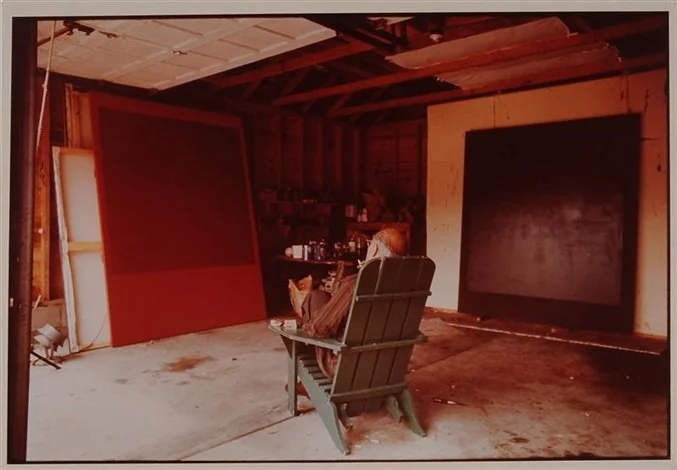
Namuth, Rothko in His Studio, 1964


A picture lives by companionship, expanding and quickening in the eyes of the sensitive observer. It dies by the same cause. It is therefore risky to work out into the world. It is often impaired by the eyes of the unfeeling and the cruelty of the careless.

Mark Rothko

Happy Birthday, Mark Rothko

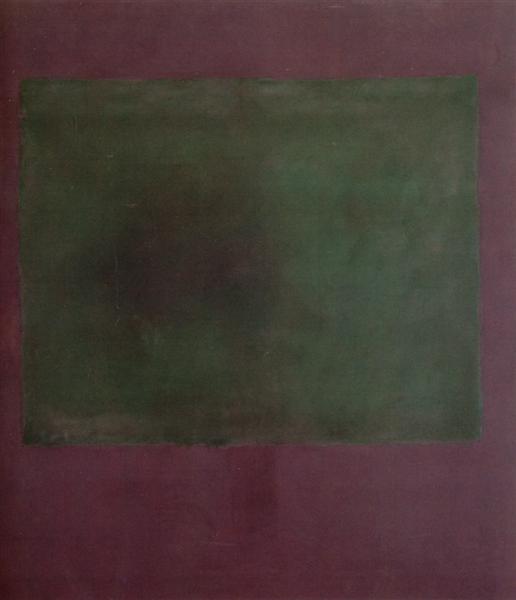
Rothko, Untitled (Green on Maroon), 1961


When I was a younger man, art was a lonely thing; no galleries, no collectors, no critics, no money. Yet it was a golden time, for then we had nothing to lose and a vision to gain. Today it is not quite the same. It is a time of tons of verbiage, activity, and consumption. Which condition is better for the world at large I will not venture to discuss. But I do know that many who are driven to this life are desperately searching for those pockets of silence where they can root and grow. We must all hope that they find them.

Mark Rothko, born on this day in 1903, from his remarks upon accepting an honorary doctorate from Yale in 1969 (a reminder to the blogosphere)

19 September 2026

Happy Birthday, William Golding


My yesterdays walk with me. They keep step, they are gray faces that peer over my shoulder.

William Golding, born on this day in 1911, from Free Fall

18 September 2026

Real.

Chatham, River at Twilight, 1991


It would be easy to consider that the penciled sketch underneath, and the wash below, are the dream, blueprint, and path of a painting, but that is like saying a dry riverbed is a river. The water is the real river. The color is the painting. The palette is the real dream.  You can’t just do it for an hour a day, or on Saturday.  It’s not going to work.

Russell Chatham

Pocket.


The blue-backed notebooks, the two pencils and the pencil sharpener (a pocket knife was too wasteful), the marble topped tables, the smell of early morning, sweeping out and mopping, and luck were all you needed. For luck, you carried a horse chestnut and a rabbit's foot in your right pocket.

Ernest Hemingway, from A Moveable Feast

Happy Birthday, Samuel Johnson

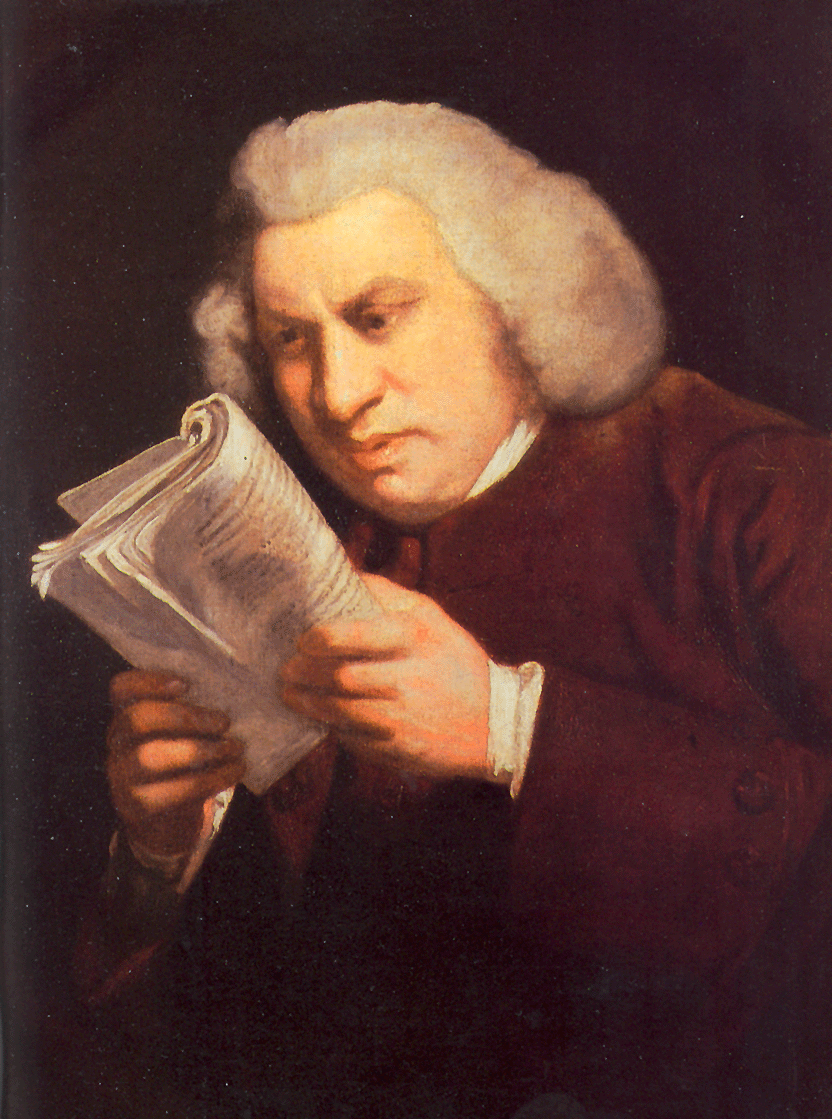
Reynolds, Blinking Sam, 1775


I am far from any intention to limit curiosity, or confine the labours of learning to arts of immediate and necessary use. It is only from the various essays of experimental industry, and the vague excursions of mind set upon discovery, that any advancement of knowledge can be expected; and though many must be disappointed in their labours, yet they are not to be charged with having spent their time in vain; their example contributed to inspire emulation, and their miscarriage taught others the way to success.

The distant hope of being one day useful or eminent ought not to mislead us too far from that study which is equally requisite to the great and mean, to the celebrated and obscure; the art of moderating the desires, of repressing the appetites; and of conciliating or retaining the favour of mankind.

Samuel Johnson, born on this day in 1709, from Rambler No. 180, Saturday, December 7, 1751

17 September 2026

Happy Birthday, Major General Friedrich Wilhelm Augustus, Baron von Steuben

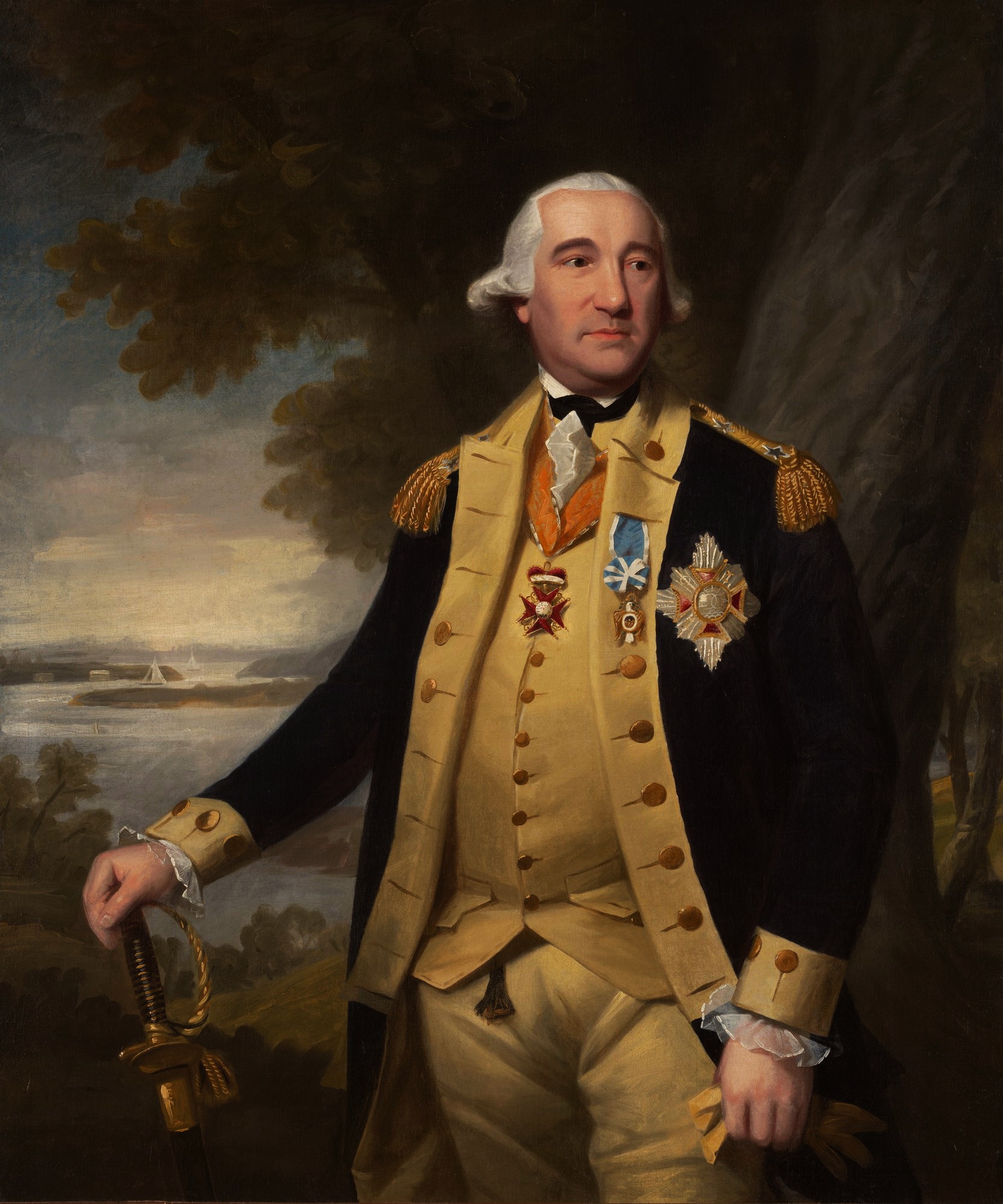
Earl, Major General Friedrich Wilhelm Augustus, Baron von Steuben, 1786


“Baron Steuben has arrived at camp,” Washington wrote soon after. “He appears to be much of a gentleman, and as far as I have had an opportunity of judging, a man of military knowledge and acquainted with the world.” Washington’s confidence in von Steuben grew quickly. Within two weeks, he made the baron acting inspector general and asked him to examine the Continental Army’s condition.

“What [Steuben] discovered was nothing less than appalling,” wrote Fleming in Washington’s Secret War. “He was confronting a wrecked army. A less courageous (or less bankrupt) man would have quit on the spot.” Unlike the American forces in New York, who had beaten the British at Saratoga in fall 1777, the army in Pennsylvania had suffered a series of defeats. When they lost the Battle of Brandywine in September 1777, the British had seized Philadelphia. Now—following common military practice of the era—they had camped for the winter. But Valley Forge, their winter quarters, was nearly as punishing as battle: hastily built huts, cruel temperatures, scarce food.

The baron found soldiers without uniforms, rusted muskets without bayonets, companies with men missing and unaccounted for. Short enlistments meant constant turnover and little order. Regiment sizes varied wildly. Different officers used different military drill manuals, leading to chaos when their units tried to work together. If the army had to fight on short notice, von Steuben warned Washington, he might find himself commanding one-third of the men he thought he had. The army had to get into better shape before fighting resumed in the spring.

So, von Steuben put the entire army through Prussian-style drills, starting with a model company of 100 men. He taught them how to reload their muskets quickly after firing, charge with a bayonet and march in compact columns instead of miles-long lines. Meanwhile, he wrote detailed lists of officers’ duties, giving them more responsibility than in English systems.

Soldiers gaped at the sight of a German nobleman, in a French-style black beaver hat, drilling poorly clothed troops. Though von Steuben raged and cursed in a garbled mixture of French, English, and German, his instructions and presence began to build morale. “If anything, the curses contributed to Steuben’s reputation as an exotic character who was good for a laugh now and then,” wrote Fleming.


"Building the Continental Army," HERE.

14 September 2026

Happy Birthday, Allan Bloom

The failure to read good books both enfeebles the vision and strengthens our most fatal tendency -- the belief that the here and now is all there is.

Allan Bloom, born on this day in 1930, from The Closing of the American Mind

13 September 2026

Happy Birthday, General Pershing


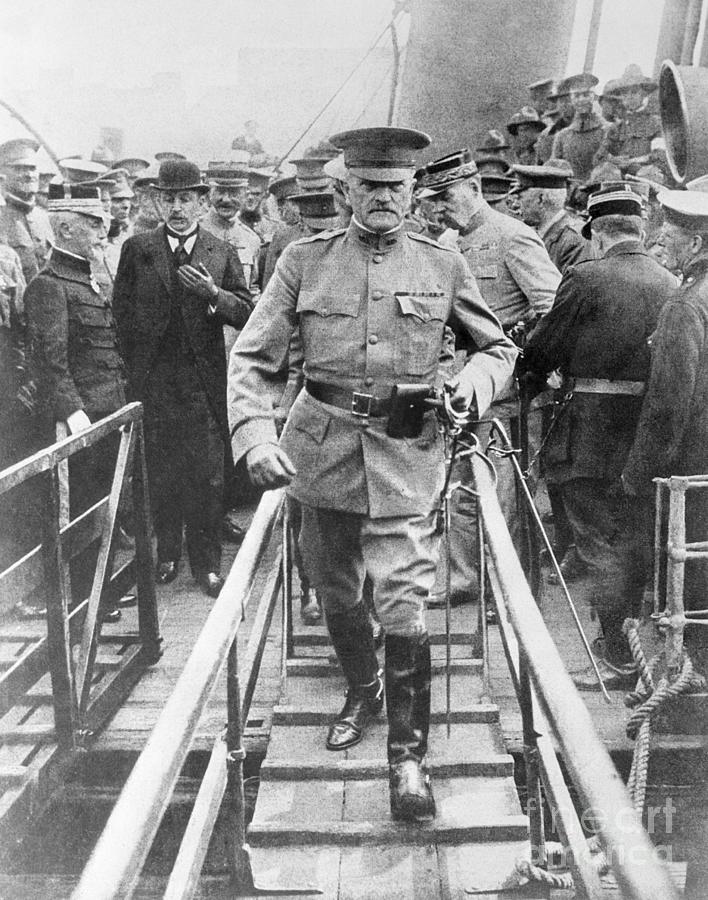
If you know how to shoot, and are quite ready to shoot, the chances are that you won’t have to shoot.

General John J. Pershing, born on this day in 1860, from My Experiences in the World War

12 September 2026

Happy Birthday, H.L. Mencken


The whole drift of our law is toward the absolute prohibition of all ideas that diverge in the slightest from the accepted platitudes, and behind that drift of law there is a far more potent force of growing custom, and under that custom there is a national philosophy which erects conformity into the noblest of virtues and the free functioning of personality into a capital crime against society.

H.L. Mencken, born on this day in 1880, from the Baltimore Evening Sun in 1923

11 September 2026

Gratitude.

FDNY Engine 28 Firefighter Mike Kehoe headed up on September 11, 2001 ...


In normal life we hardly realize how much more we receive than we give, and life cannot be rich without such gratitude. It is so easy to overestimate the importance of our own achievements compared with what we owe to the help of others.

Dietrich Bonhoeffer

Everlasting.


All earthly cities are vulnerable. Men build them and men destroy them. At the same time there is a City of God, which men did not build, and cannot destroy, and which is everlasting.

Malcolm Muggeridge, from The End of Christendom

08 September 2026

Silence.


You don’t need to be told some things. You can sometimes tell more by a man’s silence and the set of his head than by what he says.

Wendell Berry, from Jayber Crow

07 September 2026

Learn.


The West's greatest writers are subversive of all values, both ours and their own. Scholars who urge us to find the source of our morality and our politics in Plato, or in Isaiah, are out of touch with the social reality in which we live. If we read the Western Canon in order to form our social, political, or personal moral values, I firmly believe we will become monsters of selfishness and exploitation. To read in the service of any ideology is not, in my judgment, to read at all. The reception of aesthetic power enables us to learn how to talk to ourselves and how to endure ourselves. 

Tension.


From Russell Kirk's "Ten Conservative Principles"...
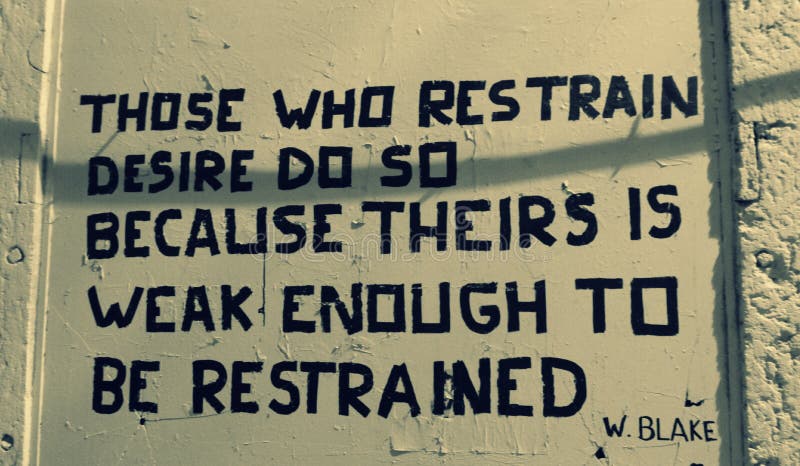
[T]he conservative perceives the need for prudent restraints upon power and upon human passions. Politically speaking, power is the ability to do as one likes, regardless of the wills of one’s fellows. A state in which an individual or a small group are able to dominate the wills of their fellows without check is a despotism, whether it is called monarchical or aristocratic or democratic. When every person claims to be a power unto himself, then society falls into anarchy. Anarchy never lasts long, being intolerable for everyone, and contrary to the ineluctable fact that some persons are more strong and more clever than their neighbors. To anarchy there succeeds tyranny or oligarchy, in which power is monopolized by a very few.

The conservative endeavors to so limit and balance political power that anarchy or tyranny may not arise. In every age, nevertheless, men and women are tempted to overthrow the limitations upon power, for the sake of some fancied temporary advantage. It is characteristic of the radical that he thinks of power as a force for good—so long as the power falls into his hands. In the name of liberty, the French and Russian revolutionaries abolished the old restraints upon power; but power cannot be abolished; it always finds its way into someone’s hands. That power which the revolutionaries had thought oppressive in the hands of the old regime became many times as tyrannical in the hands of the radical new masters of the state.

Knowing human nature for a mixture of good and evil, the conservative does not put his trust in mere benevolence. Constitutional restrictions, political checks and balances, adequate enforcement of the laws, the old intricate web of restraints upon will and appetite—these the conservative approves as instruments of freedom and order. A just government maintains a healthy tension between the claims of authority and the claims of liberty.