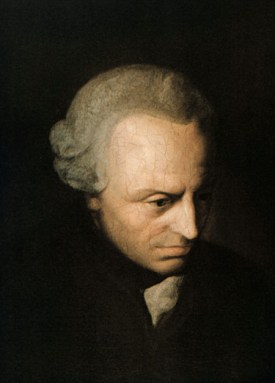
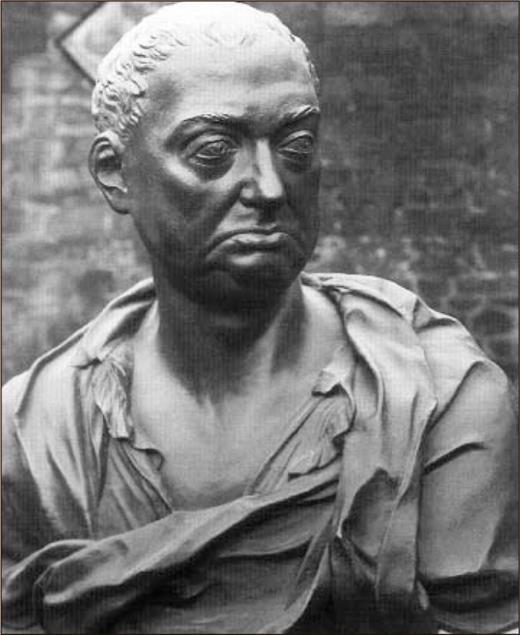
Unknown, Kant, 1790
Fifth Thesis
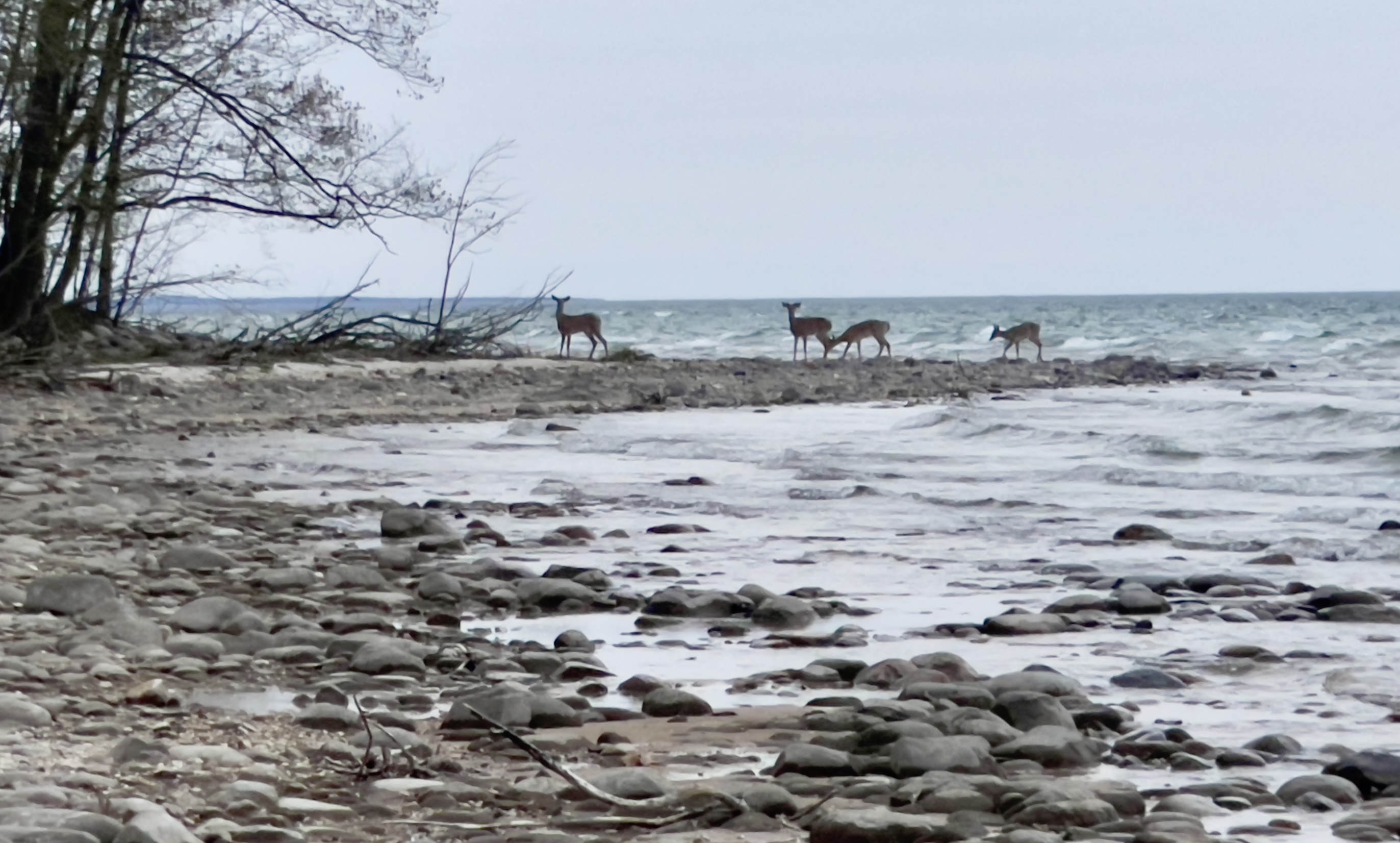
The greatest problem for the human species, whose solution nature compels it to seek, is to achieve a universal civil society administered in accord with the right. Since it is only in society—and, indeed, only in one that combines the greatest freedom, and thus a thoroughgoing antagonism among its members, with a precise determination and protection of the boundaries of this freedom, so that it can coexist with the freedom of others—since it is only in such a society that nature’s highest objective, namely, the highest attainable development of mankind’s capacities, can be achieved, nature also wills that mankind should itself accomplish this, as well as all the other goals that constitute mankind’s vocation. Thus must there be a society in which one will find the highest possible degree of freedom under external laws combined with irresistible power, i.e., a perfectly rightful civil consitution, whose attainment is the supreme task nature has set for the human species; for only by solving and completing it can nature fulfill her other objectives with our species. Necessity compels men, who are otherwise so deeply enamoured with unrestricted freedom, to enter into this state of coercion; and indeed, they are forced to do so by the greatest need of all, namely, the one that men themselves bring about, for their propensities do not allow them to coexist for very long in wild freedom. But once in a refuge such as civil society furnishes, these same propensities have the most salutary effect. It is just as with trees in a forest, which need each other, for in seeking to take the air and sunlight from the others, each obtains a beautiful, straight shape, while those that grow in freedom and separate from one another branch out randomly, and are stunted, bent, and twisted. All the culture and art that adorn mankind, as well as the most beautiful social order, are fruits of unsociableness that is forced to discipline itself and thus through an imposed art to develop nature’s seed completely.
Immanuel Kant, from Critique of Pure Reason






















































































No comments:
Post a Comment