Showing posts with label espe brown. Show all posts
Showing posts with label espe brown. Show all posts
17 July 2026


14 January 2026
Smallest.

I once heard a story about a Buddhist monk who walked into a middle school classroom and as he entered the room, he didn't say a word but instead walked to the board and wrote this:
EVERYONE WANTS TO SAVE THE WORLD, BUT NO ONE WANTS TO HELP MOM DO THE DISHES.
Everyone laughed. But then he went on to say this to the students:
Statistically, it's highly unlikely that any of you will ever have the opportunity to run into a burning building and rescue someone. But, in the smallest gesture of kindness -- a warm smile, holding the door for the person behind you, shoveling the driveway of the elderly person next door, doing the dishes for your mother -- you have committed an act of immeasurable profundity, because to each of us, our life is our universe.
May we each remember that we don’t need to feel responsible for saving the whole world, but that that through even the smallest acts of kindness, we can make a difference in our small world.
Edward Espe Brown, from the documentary, How to Cook Your Life
17 May 2025
Adventurous.

Ari Weinzweig on the adventurous possibilities of leading while lost ...
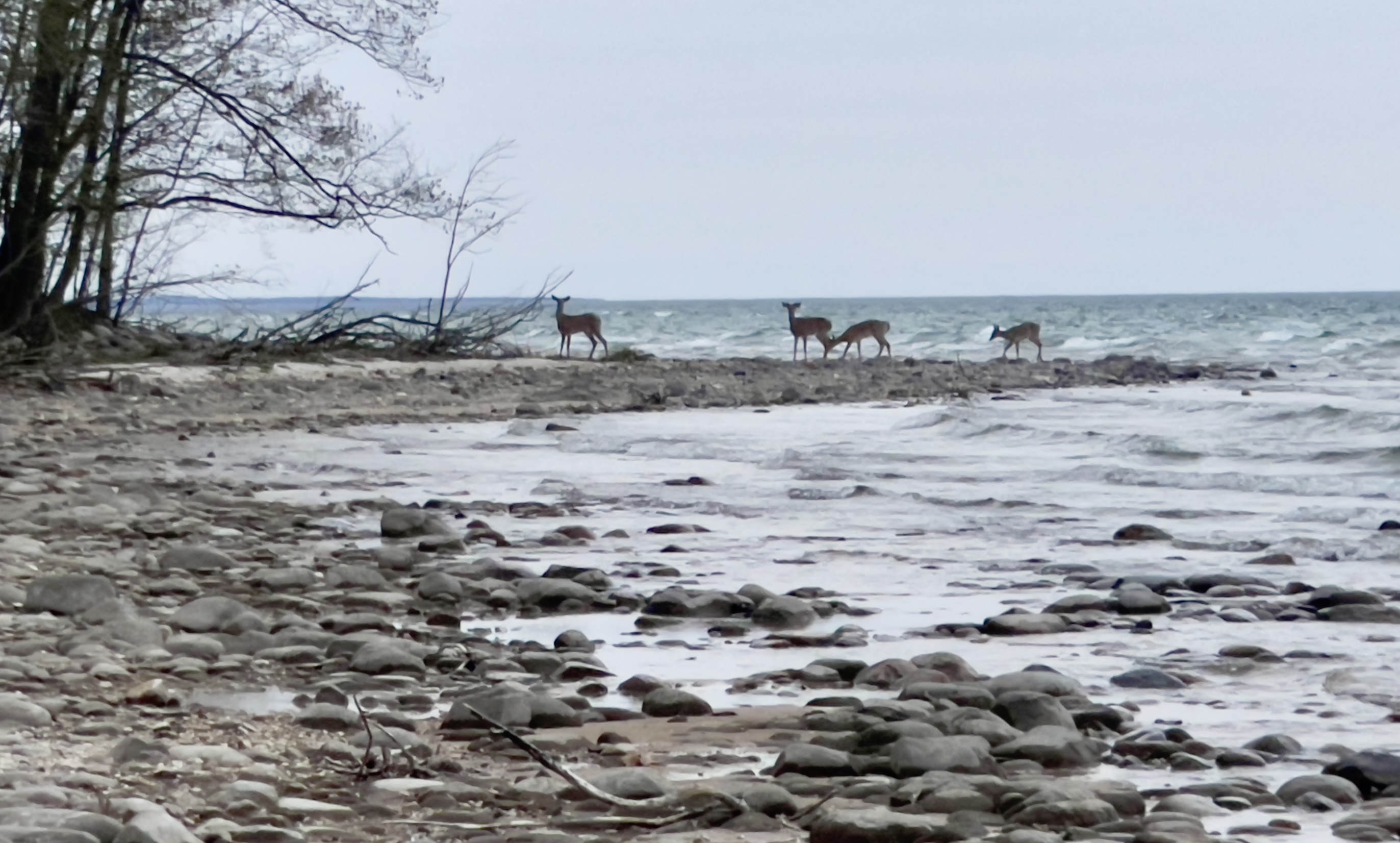
Keep going. Feeling lost is not fun. I’m reminded every day now, though, that Archie never gave up. If he kept going while dealing with everything he had to overcome, I can get through, too!
This reminded me of the "teapot section in Edward Espe Brown's documentary How to Cook Your Life ...
03 November 2024
Unmoving.

So in Japan the monks can be seen raking energetically, sometimes stirring up a cloud of dust, while in Southeast Asia, the monks sometimes stand unmoving with a rake in their hands.
10 July 2024
Practice.
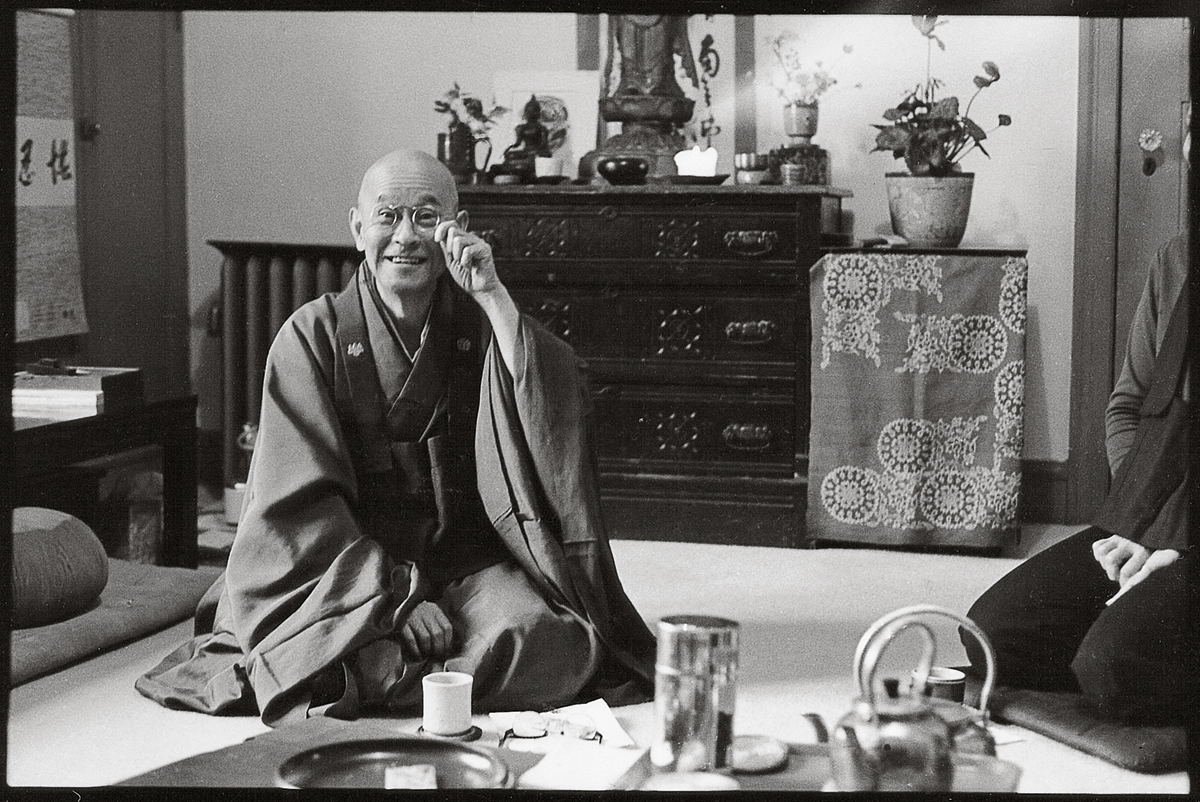
If you understand real practice, then archery or other activities can be zen. If you don't understand how to practice archery in its true sense, then even though you practice very hard, what you acquire is just technique. It won't help you through and through. Perhaps you can hit the mark without trying, but without a bow and arrow you cannot do anything. If you understand the point of practice, then even without a bow and arrow the archery will help you. How you get that kind of power or ability is only through right practice.
Shunryu Suzuki, from Not Always So: Practicing the True Spirit of Zen
02 July 2024
Opposition.
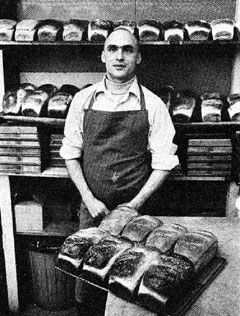
Edward Espe Brown on thinking not-thinking ...
The capacity to think is an essential element of our lives. We need to plan, make decisions, and communicate. The problem is not that we think but that we haven't had a truly new thought for most of our lifetime. In other words, our thinking is fixed ...Rather than eliminate thinking, you could say that one of the basic skills to develop in meditation is to be able to hold and sustain contradictory thoughts—calming the impulse to eliminate the opposition. One obvious example has to do with sitting still. You want to sit still, so can you have the thought to move and go on sitting still? Or do you have to do what the thought says?
A talk about the topic given to the Berkeley Zen Center community on February 12th, 2022 ...
When you attain realization he says you do not think, "Ah-ha! Realization! Just as i expected realization does not take place according to your expectation and realization does not take place according to your conception ...
11 March 2023
Decisions.
A Sufi proverb told by Edward Espe Brown
A traveler asked a teacher, "What is the secret of life?"The master replied, "The secret of life is to make wise decisions."The traveler then asked, "How can I make wise decisions?"To which the master replied,"You will make wise decisions based on your experience.""How do I gain experience?" the traveler asked."Poor decisions."
31 July 2022
Ceremony.

Under what circumstances do we eat -- that is, what, if any ceremony prevails? Is it sitting or standing, walking down the street, in the car while driving? While watching television? At a meal with others, and if so, is it stressful or enjoyable? Is there a meal prayer? The saying of grace? Do we offer thanks, gratitude, blessings? Or is eating merely an opportunity to fill up the tank as quickly as possible so as to get on with the day? Or perhaps it's an opportunity for numbing, dispelling the gnawing inside? Ceremony or ritual can structure our awareness to be awake and aware, to be alert, knowing that without our conscious focus, we could find ourselves prone to disorder, to being swept away. Having ceremony can mean having a place at the table, and feeling welcome there can be an immense gift.
Lacking any formal or traditional ceremony, we often generate our own unconscious habits, such as eating while driving or in front of the television. And often these habits fall short of providing the well being that the greater structure of more traditional ceremony provides. Our default behavior gets us through without necessarily nourishing the body, mind, and spirit. What's nourishing about ceremony is not just the food, but our kind, caring, respectful awareness attuned to the activities that give life to life.
Thirty years ago the Wall Street Journal reported that "even canned corn stumps modern cooks." The article described how one company took the directions off their canned corn but then got so many complaints that they put the directions back: "Put the corn in a saucepan on heated burner." One friend queried me further: Do you drain the corn or not? A companion article discussed how people will pay not to cook -- that is, to have the same raw ingredients already prepared for you. The conclusion was that people would pay three to five times as much. By now it's probably a great deal more.
Ceremony? Put the food in the oven or microwave and listen for the timer to go off. Again, it's ceremony on the fly that does not provide the opportunity to learn how to stabilize and focus our awareness on relating with the material world; instead we fall prey to expediency.
Edward Espe Brown, from No Recipe: Cooking as Spiritual Practice
30 July 2022
Enjoyment.
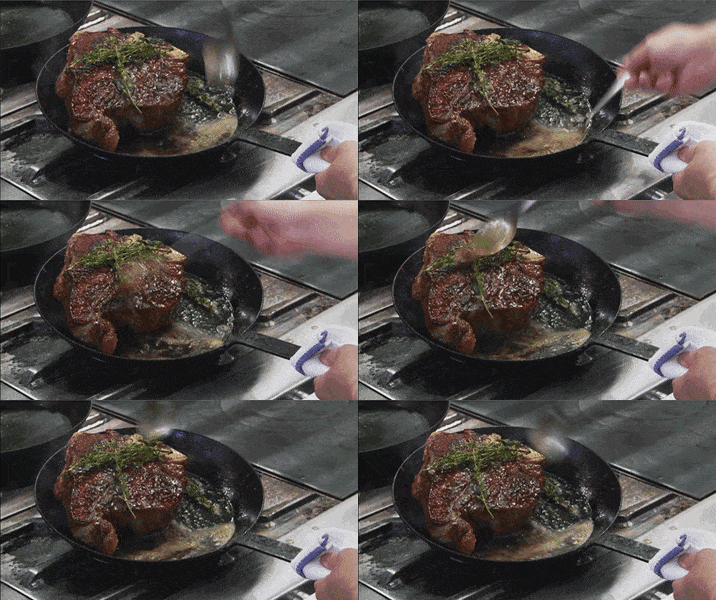
Edward espouses enjoyment ...
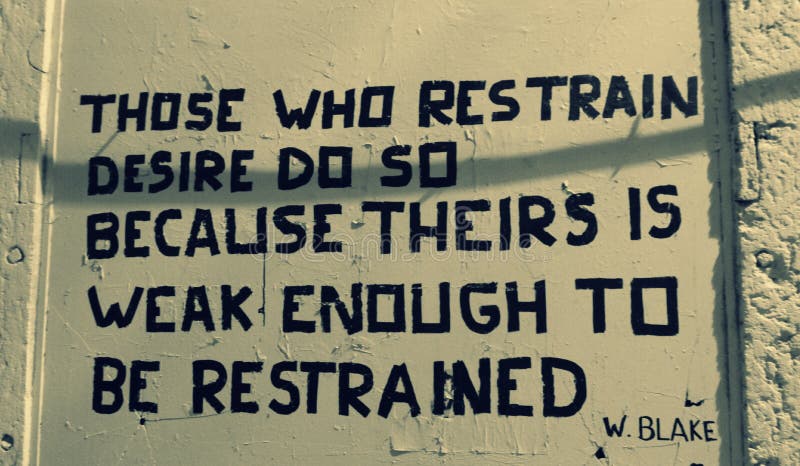
Too often the rigorous aspects of mind demand overcompliance, insisting that there will be no lightness. These aspects also imply that our inherent being lacks wisdom or any sense of beauty and consequently needs to be kept in line, restrained, tamed, subdued. For most of us, as we get in touch with our inner aesthetic, we learn to set aside what is not in accord with it. When we stop beating ourselves up, we begin to notice our inherent sweetness of heart.Many problems that arise in the pursuit of pleasure are due to a lack of devotion, to not being fully enough committed to pleasure, to connection. We put the problem on the object by labeling it sinful or decadent rather than acknowledging how we lose ourselves. Which bite of chocolate cake is no longer pleasurable? Which swallow of wine is bringing us down instead of up? Sure, restraint and discipline are needed, but not to deny pleasure, rather to curb excitement and greed when it runs away with us. Use restraint as needed for braking, rather than keeping the brakes on as a way of life!Please enjoy your food. When pleasure or enjoyment are harshly forbidden, we look for stupor, for unconsciousness, which is the closest we can get to relief from the misplaced drive to discipline and restraint and overriding admonition not to have fun. "Watch yourself! If I catch you having fun, I'll make you pay for it." Most often we come by these negative admonitions honestly through or early experiences in life. Still, it is not too late to change, to enjoy our food.
Edward Espe Brown, from No Recipe: Cooking as Spiritual Practice
Jim agrees ...
Throughout the day we mulled over the not-exactly-metaphysical question of why we never, for more than a moment, allowed ourselves to be hungry. Could this possibly be why we were both seriously overweight? But only a fool jumps to negative conclusions about food, especially before dinner. Cuisine minceur notwithstanding, the quality of food diminishes sharply in proportion to negative thinking about ingredients and, simply put, the amount to be prepared. There is no substitute for Badia a Coltibuono olive oil. Period. Or the use of salt pork in the cooking of southwest France. Three ounces of chablis are far less interesting and beneficial than a magnum of Bordeaux. I have mentioned before that we are in the middle of yet another of the recurrent sweeps across our nation of the "less is more" bullies. When any of these arrive in my yard, I toss a head of iceberg lettuce and some dog biscuits off the porch.Let's all stop for a moment in our busy day and return to some eternal verities. It's quite a mystery, albeit largely unacknowledged, to be alive, and, quite simply, in order to remain alive you must keep eating. My notion, scarcely original, is that if you eat badly you are very probably living badly. You tend to eat badly when you become inattentive to all but the immediate economic necessities, real or imagined, and food becomes an abstraction; you merely "fill up" in the manner that you fill a car with gasoline, no matter that some fey grease-slinger has put raspberry puree on your pen-raised venison. You are still a nitwit bent over a trough.Jim Harrison, from "Hunger, Real and Unreal"
29 July 2022
Choice.
Edward Espe Brown, from No Recipe: Cooking as Spiritual Practice
15 October 2021

09 August 2021
Awakening.
What is most difficult for any teacher, especially a Zen teacher, is to teach without teaching anything. "If I tell you something," Suzuki Roshi said, "you will stick to it, and limit your own capacity to find out for yourself." But, as Katagiri Roshi said, "You have to say something," because if the teacher says nothing, the students wander about sticking to their habitual ways of being. So the temptation is to be brilliant and give out answers, yet that may simply be "gouging a wound in good flesh," as the saying goes. Now, instead of being self-reliant, the students turn to the teacher all the more, and the teacher wonders why the students are so needy and so slow to figure things out. However, in the presence of those teachers who give us nothing to stick to, we sense ourselves awakening. What will we do? It is called "freedom" or "Iiberation" -- we are profoundly on our own -- and profoundly connected with everything.
Edward Espe Brown, from the Introduction of Shunryu Suzuki's Not Always So: Practicing the True Spirit of Zen
21 June 2021

15 June 2021
Willing.
What passes for spiritual is following your breath; being mindful. But, as soon as someone starts to practice mindfulness, they apply the same rules, of what I call “the horizontal world” to it. I like to think of the horizontal world where things are compared to other things. “How good is your cooking? Are you a success?” The vertical world is “Show up. Do your best. Be sincere.” You bring your energy and your gifts from beyond this world. That’s my model for what’s spiritual.
This is something that Dogen emphasized for the cook, being sincere and wholehearted. We’re so involved in this horizontal world. It’s also the world of what I would call performance. In that sense, my encouragement is to shift from performance to a world of presence. You respond to the world as it’s arising and take care of it. You do what you can to bring out the best in others and yourself. But, bringing out the best does not mean that at the end you compare your best to other people’s best and see whose best is better. If you do that, you’re back in the horizontal world.
At the end of the day, rather than cooking to gain praise, acknowledgment, gratitude or appreciation, you’re cooking, in the spiritual sense, to make an offering from beyond, from the divine, from the source. You’re making an offering to this world.
Edward Espe Brown
They still seemed so willing to carry tea and water ...
Subscribe to:
Posts (Atom)