"I am not one who was born in the custody of wisdom. I am one who is fond of olden times and intense in quest of the sacred knowing of the ancients." Gustave Courbet
Showing posts with label Hemingway. Show all posts

29 July 2026

Brought.


Read anything I write for the pleasure of reading it. Whatever else you find will be the measure of what you brought to the reading.

Ernest Hemingway, from Conversations with Ernest Hemingway
23 July 2026

Satisfactory.


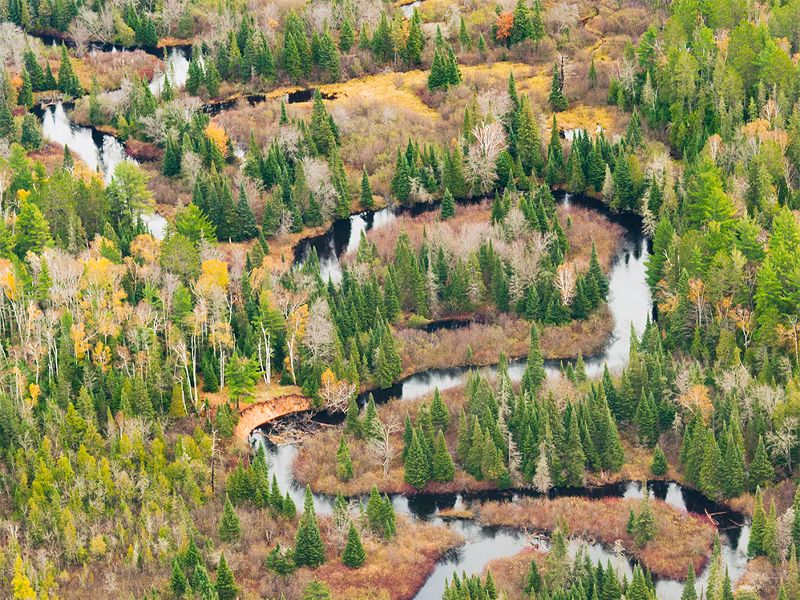
He watched them holding themselves with their noses into the current, many trout in deep, fast moving water, slightly distorted as he watched far down through the glassy convex surface of the pool, its surface pushing and swelling smooth against the resistance of the log-driven piles of the bridge. At the bottom of the pool were the big trout. Nick did not see them at first. Then he saw them at the bottom of the pool, big trout looking to hold themselves on the gravel bottom in a varying mist of gravel and sand, raised in spurts by the current.

Nick looked down into the pool from the bridge. It was a hot day. A kingfisher flew up the stream. It was a long time since Nick had looked into a stream and seen trout. They were very satisfactory. As the shadow of the kingfisher moved up the stream, a big trout shot upstream in a long angle, only his shadow marking the angle, then lost his shadow as he came through the surface of the water, caught the sun, and then, as he went back into the stream under the surface, his shadow seemed to float down the stream with the current, unresisting, to his post under the bridge where he tightened facing up into the current.

Nick's heart tightened as the trout moved. He felt all the old feeling.
He turned and looked down the stream. It stretched away, pebbly-bottomed with shallows and big boulders and a deep pool as it curved away around the foot of a bluff.

Nick walked back up the ties to where his pack lay in the cinders beside the railway track. He was happy. He adjusted the pack harness around the bundle, pulling straps tight, slung the pack on his back, got his arms through the shoulder straps and took some of the pull off his shoulders by leaning his forehead against the wide band of the tump-line. Still, it was too heavy. It was much too heavy. He had his leather rod-case in his hand and leaning forward to keep the weight of the pack high on his shoulders he walked along the road that paralleled the railway track, leaving the burned town behind in the heat, and then turned off around a hill with a high, fire-scarred hill on either side onto a road that went back into the country. He walked along the road feeling the ache from the pull of the heavy pack. The road climbed steadily. It was hard work walking up-hill. His muscles ached and the day was hot, but Nick felt happy. He felt he had left everything behind, the need for thinking, the need to write, other needs. It was all back of him.


Ernest Hemingway, from "Big Two-Hearted River, Part One"

21 July 2026

Happy Birthday, Ernest Hemingway


Live the full life of the mind, exhilarated by new ideas, intoxicated by the Romance of the unusual.

Ernest Hemingway, born on this day in 1899, from "Banal Story"

07 July 2026

Read.


A young writer once asked Hemingway, “Are there ten books one should read to become a writer?”

Hemingway replied, “Yes, there are such books.”

The young man took out his notebook to jot down the titles.

Hemingway said, “Well, for you to find out which books are for you, you will have to read ten thousand books.”

03 July 2026

Learn.


There are some things which cannot be learned quickly, and time, which is all we have, must be paid heavily for their acquiring. They are the very simplest things and because it takes a man's life to know them.  The little that each man gets from life is very costly and the only heritage he has to leave.  It takes two years to learn to speak and sixty to learn to keep quiet.

Ernest Hemingway, from Men at War

05 September 2025

Enough.


Anglers have a way of romanticizing their battles with fish and of forgetting that the fish has a hook in his mouth, his gullet, or his belly and that his gameness is really an extreme of panic in which he runs, leaps, and pulls to get away until he dies. It would seem to be enough advantage to the angler that the fish has the hook in his mouth rather than the angler.

Ernest Hemingway

Echo-chamber mirror-gazers take note.

21 August 2025

Needs.

van Gogh, Cafe Terrace at Night, 1888


“I am one of those who like to stay late at the cafe," the older waiter said. "With all those who do not want to go to bed. With all those who need a light for the night."

"I want to go home and into bed."

"We are of two different kinds," the older waiter said. He was now dressed to go home. "It is not only a question of youth and confidence although those things are very beautiful. Each night. I am reluctant to close up because there may be someone who needs the cafe.”

Ernest Hemingway, from A Clean Well-Lighted Place

29 June 2025

Learned.


I had learned already never to empty the well of my writing, but always to stop when there was still something there in the deep part of the well.  Better to produce half as much, get plenty of exercise and not go crazy than to speed up so that your head is hardly normal.

Ernest Hemingway, from A Moveable Feast

28 June 2025

Time.


There are some things which cannot be learned quickly, and time, which is all we have, must be paid heavily for their acquiring. They are the very simplest things and because it takes a man's life to know them, the little that each man gets from life is very costly and the only heritage he has to leave.

Ernest Hemingway, from Death in the Afternoon

25 June 2025

Beyond.


The individual, the great artist when he comes, uses everything that has been discovered or known about his art up to that point, being able to accept or reject in a time so short it seems that the knowledge was born with him.  Rather than that he takes instantly what it takes the ordinary man a lifetime to know, and then the great artist goes beyond what has been done or known and makes something of his own.

Ernest Hemingway, from Death in the Afternoon

28 May 2025

Slowly.


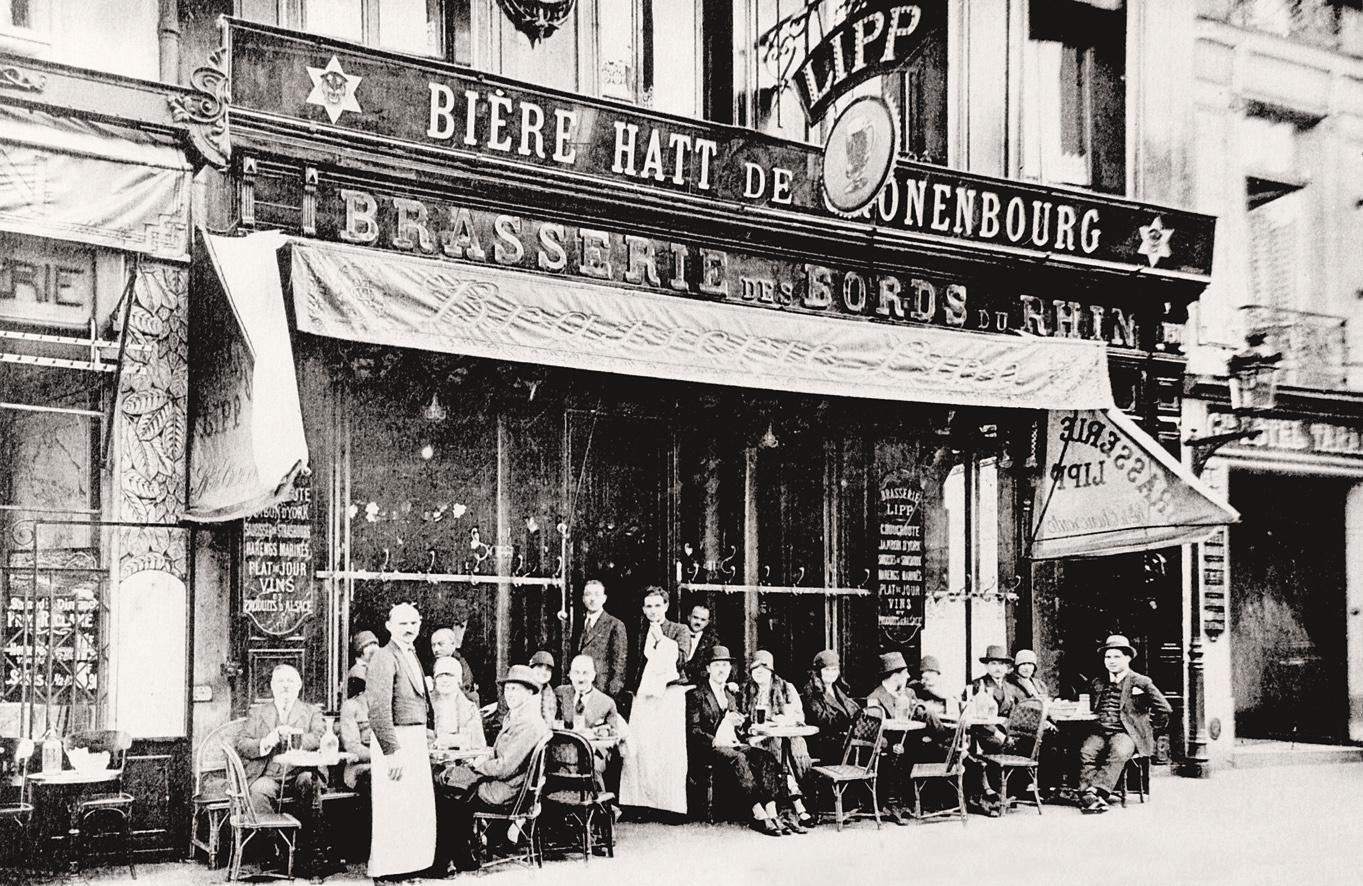
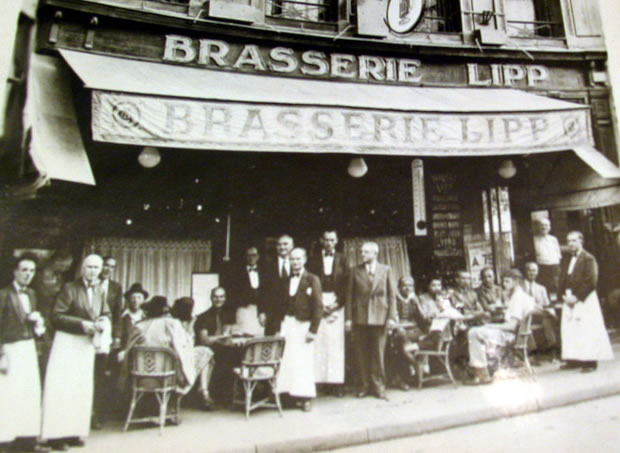
It was a quick walk to Lipp’s and every place I passed that my stomach noticed as quickly as my eyes or my nose made the walk an added pleasure. There were few people in the brasserie and when I sat down on the bench against the wall with the mirror in back and a table in front and the waiter asked if I wanted beer I asked for a distingué, the big glass mug that held a liter, and for potato salad.

The beer was very cold and wonderful to drink. The pommes à l’huile were firm and marinated and the olive oil delicious. I ground black pepper over the potatoes and moistened the bread in the olive oil. After the first heavy draft of beer I drank and ate very slowly. When the pommes à l’huile were gone I ordered another serving and a cervelas. This was a sausage like a heavy, wide frankfurter split in two and covered with a special mustard sauce.

I mopped up all the oil and all of the sauce with bread and drank the beer slowly until it began to lose its coldness and then I finished it and ordered a demi and watched it drawn. It seemed colder than the distingué and I drank half of it.

Ernest Hemingway, from A Moveable Feast

24 May 2025

Always.


Always do sober what you said you'd do drunk. That will teach you to keep your mouth shut.

Ernest Hemingway

26 April 2025

Slowly.


It was a quick walk to Lipp’s and every place I passed that my stomach noticed as quickly as my eyes made the walk an added pleasure. There were few people in the brasserie and when I sat down on a bench against the wall with the mirror in the back and a table in front and the waiter asked if I wanted beer I asked for a distingue, the big glass mug that held a liter, and potato salad.

The beer was very cold and wonderful to drink. The pommes a l’huile were firm and marinated and the olive oil delicious. I ground black pepper over the potatoes and moistened the bread with the olive oil. After the first heavy draft of beer I drank and ate very slowly.

Ernest Hemingway, from A Moveable Feast

13 March 2025

Satisfactory.


Nick looked at the burned-out stretch of hillside, where he had expected to find the scattered houses of the town and then walked down the railroad track to the bridge over the river. The river was there. It swirled against the log spiles of the bridge. Nick looked down into the clear, brown water, colored from the pebbly bottom, and watched the trout keeping themselves steady in the current with wavering fins. As he watched them they changed their positions by quick angles, only to hold steady in the fast water again. Nick watched them a long time.

He watched them holding themselves with their noses into the current, many trout in deep, fast moving water, slightly distorted as he watched far down through the glassy convex surface of the pool, its surface pushing and swelling smooth against the resistance of the log-driven piles of the bridge. At the bottom of the pool were the big trout. Nick did not see them at first. Then he saw them at the bottom of the pool, big trout looking to hold themselves on the gravel bottom in a varying mist of gravel and sand, raised in spurts by the current.

Nick looked down into the pool from the bridge. It was a hot day. A kingfisher flew up the stream. It was a long time since Nick had looked into a stream and seen trout. They were very satisfactory. As the shadow of the kingfisher moved up the stream, a big trout shot upstream in a long angle, only his shadow marking the angle, then lost his shadow as he came through the surface of the water, caught the sun, and then, as he went back into the stream under the surface, his shadow seemed to float down the stream with the current, unresisting, to his post under the bridge where he tightened facing up into the current. 

Nick's heart tightened as the trout moved. He felt all the old feeling.

08 September 2024

Published.


He remembered the time he had hooked one of a pair of marlin. The male fish always let the female fish feed first and the hooked fish, the female, made a wild, panic-stricken, despairing fight that soon exhausted her, and all the time the male had stayed with her, crossing the line and circling with her on the surface. He had stayed so close that the old man was afraid he would cut the line with his tail which was sharp as a scythe and almost of that size and shape. When the old man had gaffed her and clubbed her, holding the rapier bill with its sandpaper edge and clubbing her across the top of her head until her colour turned to a colour almost like the backing of mirrors, and then, with the boy’s aid, hoisted her aboard, the male fish had stayed by the side of the boat. Then, while the old man was clearing the lines and preparing the harpoon, the male fish jumped high into the air beside the boat to see where the female was and then went down deep, his lavender wings, that were his pectoral fins, spread wide and all his wide lavender stripes showing. He was beautiful, the old man remembered, and he had stayed.

Ernest Hemingway, from The Old Man and the Sea, published in its novel form on this day in 1952.

22 July 2024

Culture.


Don't bother with churches, government buildings, or city squares, if you want to know about a culture, spend a night in its bars.

Ernest Hemingway

20 July 2024

Feeling.


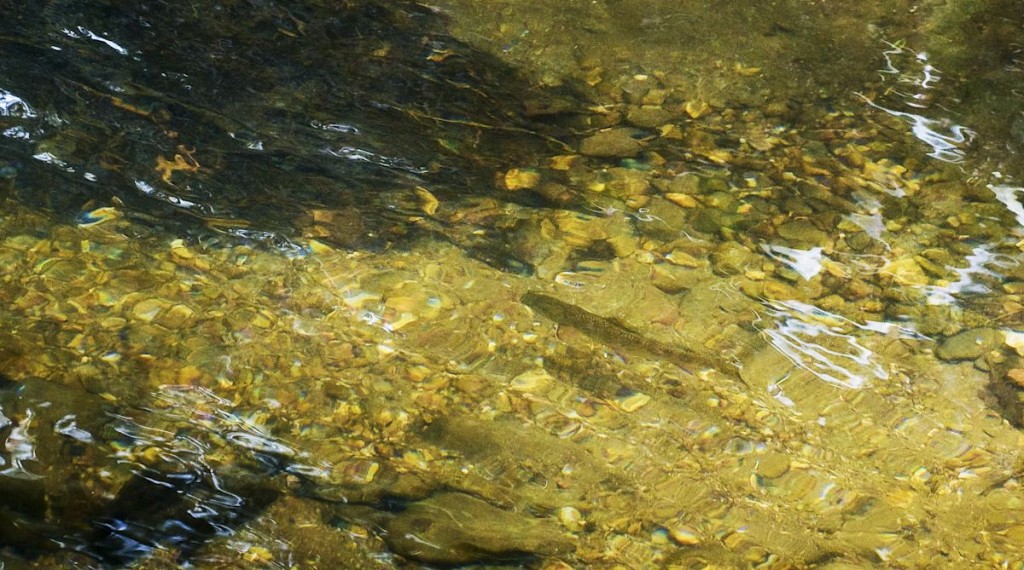
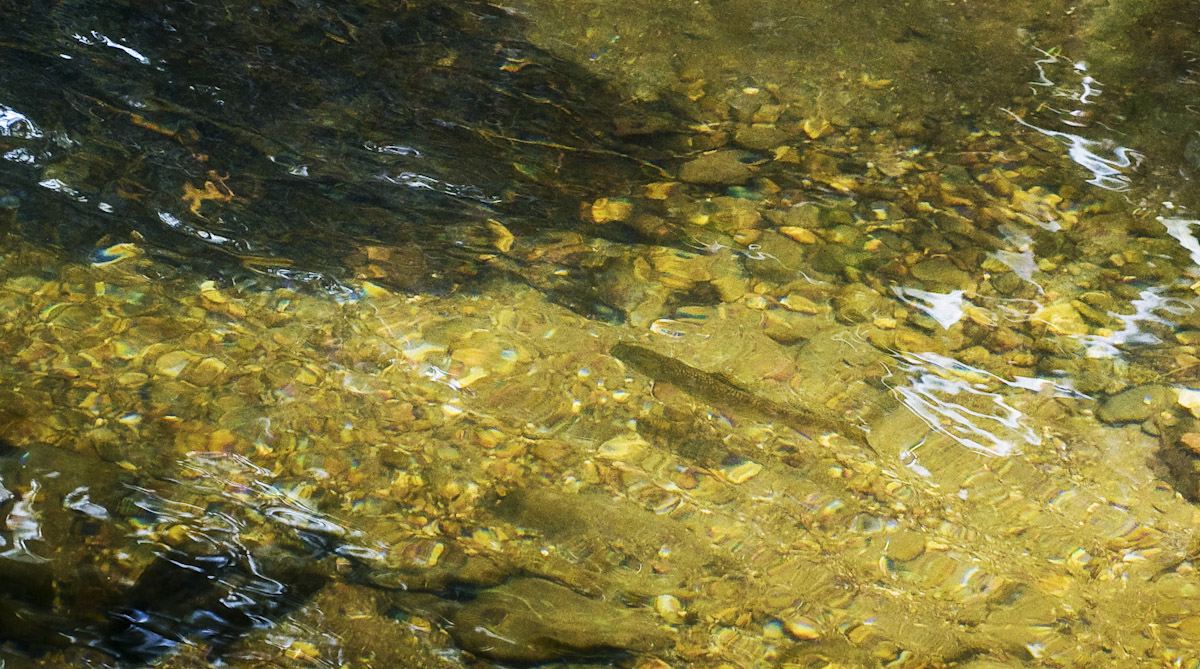
Watching trout ...
Once there were brook trout in the streams in the mountains. You could see them standing in the amber current where the white edges of their fins wimpled softly in the flow. They smelled of moss in your hand. Polished and muscular and torsional. On their backs were vermiculate patterns that were maps of the world in its becoming. Maps and mazes. Of a thing which could not be put back. Not be made right again. In the deep glens where they lived all things were older than man and they hummed of mystery.

Cormac McCarthy, from The Road
Hemingway from "Big Two-Hearted River"
He watched them holding themselves with their noses into the current, many trout in deep, fast moving water, slightly distorted as he watched far down through the glassy convex surface of the pool, its surface pushing and swelling smooth against the resistance of the log-driven piles of the bridge. At the bottom of the pool were the big trout. Nick did not see them at first. Then he saw them at the bottom of the pool, big trout looking to hold themselves on the gravel bottom in a varying mist of gravel and sand, raised in spurts by the current. 

Nick looked down into the pool from the bridge. It was a hot day. A kingfisher flew up the stream. It was a long time since Nick had looked into a stream and seen trout. They were very satisfactory.  As the shadow of the kingfisher moved up the stream, a big trout shot upstream in a long angle, only his shadow marking the angle, then lost his shadow as he came through the surface of the water, caught the sun, and then, as he went back into the stream under the surface, his shadow seemed to float down the stream with the current, unresisting, to his post under the bridge where he tightened facing up into the current. 

Nick's heart tightened as the trout moved. He felt all the old feeling. 

04 June 2024

Going.


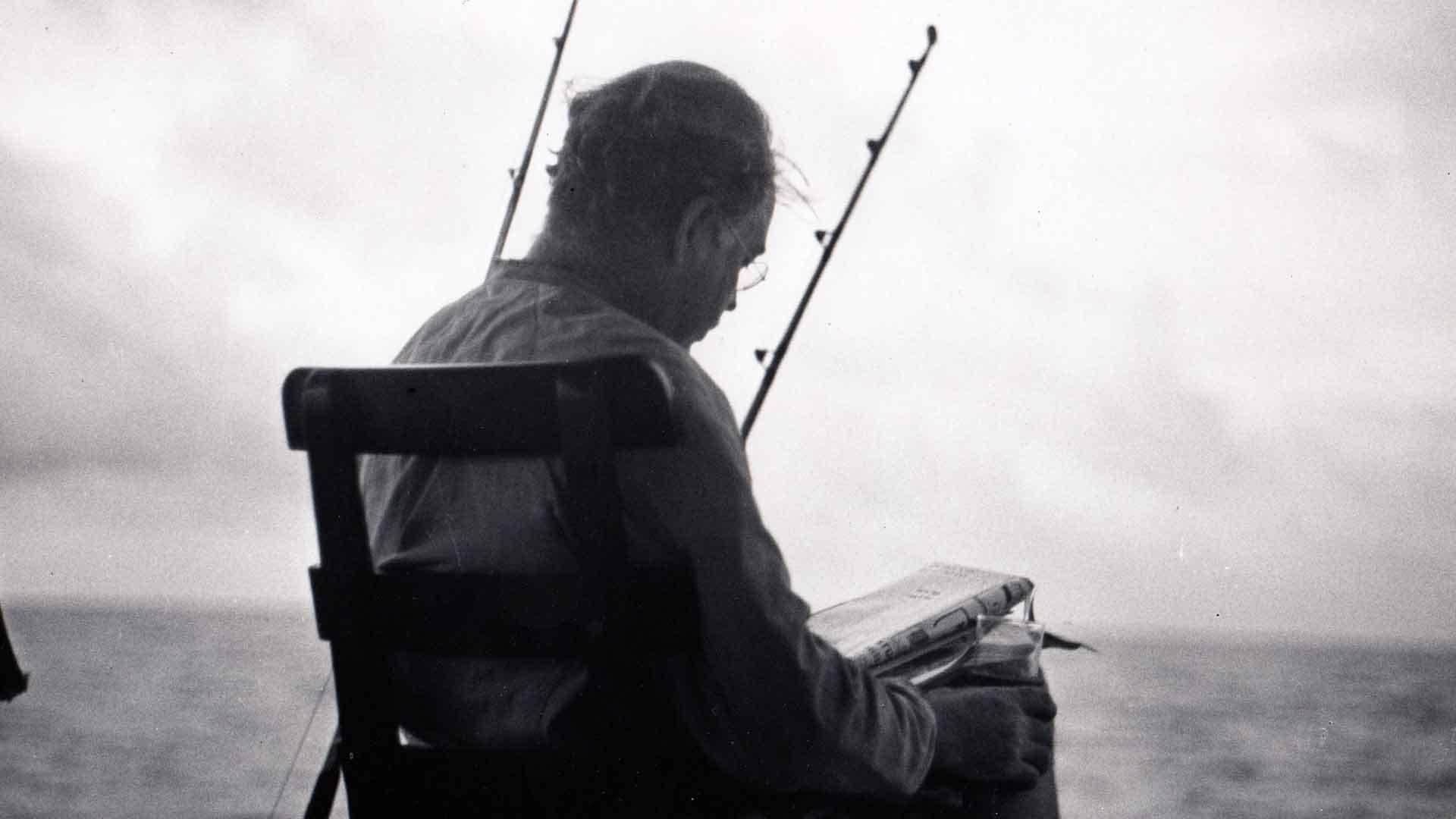
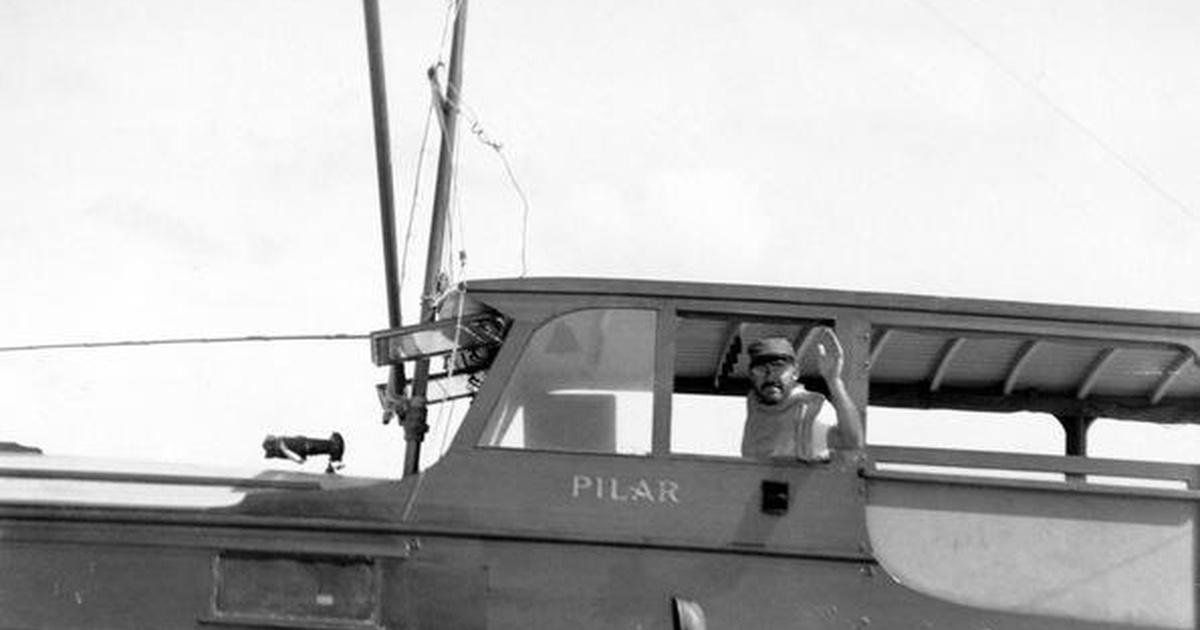
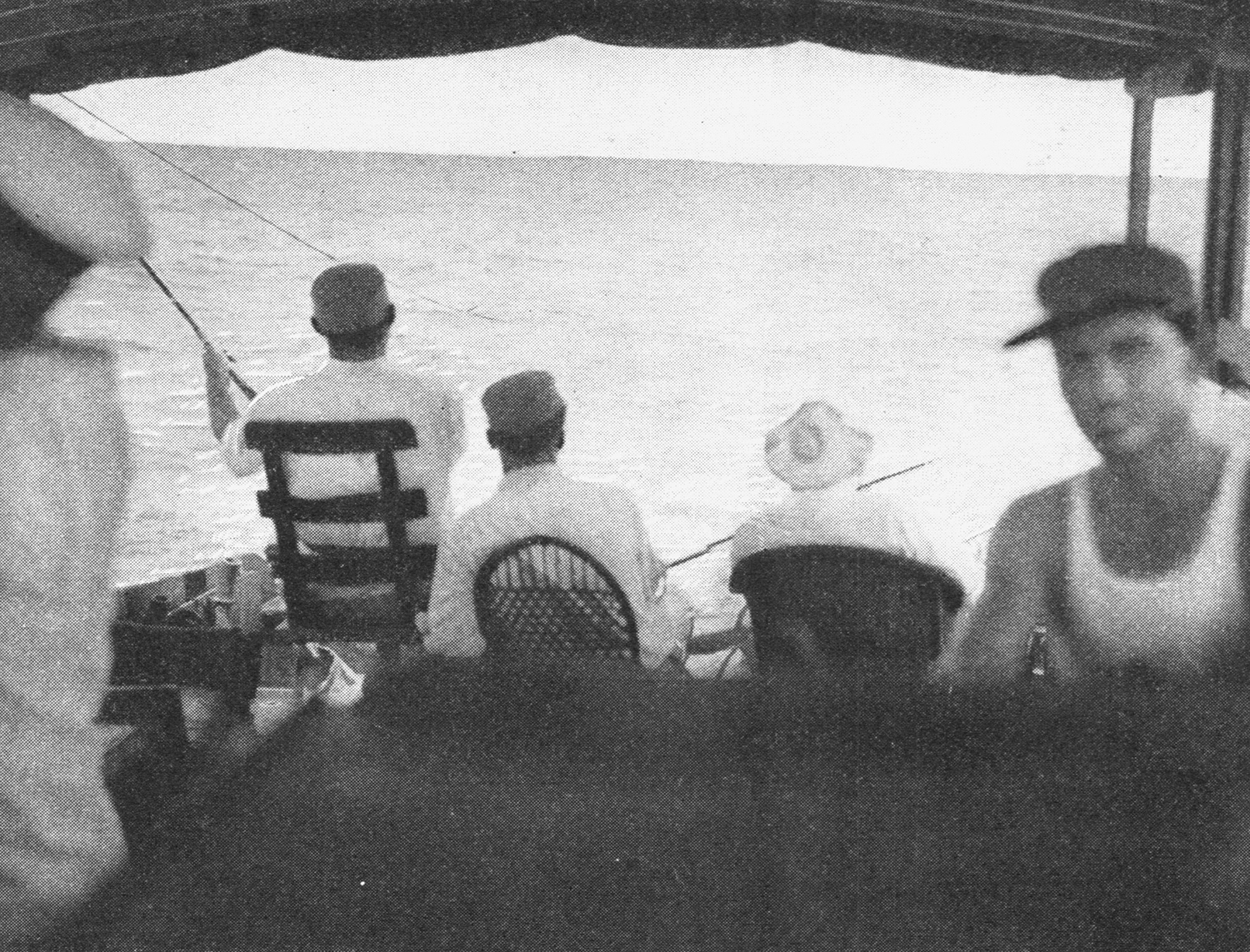
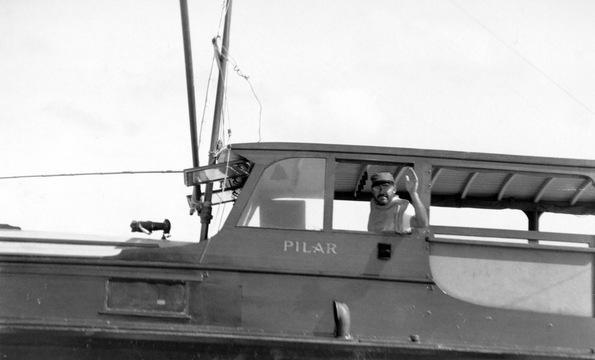
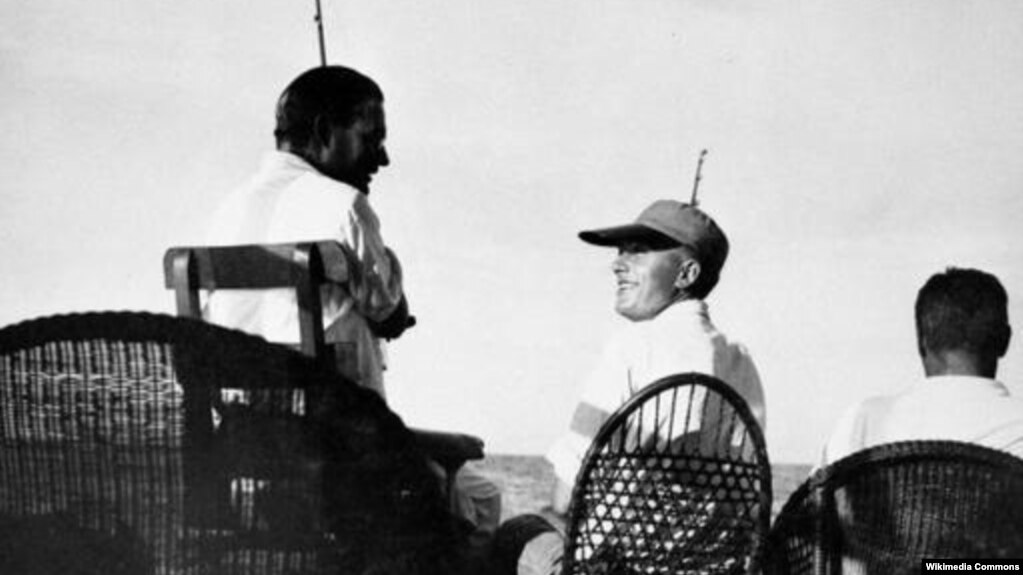
In the spring of 1934, a young aspiring writer named Arnold Samuelson (middle, above) hopped a train from his home in Minnesota to Key West with the hopes of meeting Ernest Hemingway (left, above) to talk about writing.  The two met and for the next year, Samuelson became a deckhand on Hemingway's brand new fishing boat, Pilar.  

The following is an excerpt from a 1935 Esquire essay that Hemingway wrote about the experience titled, "Monologue to The Maestro: A High Seas Letter".  Your Correspondent (Y.C.) gave Samuelson the nickname "Maestro," abbreviated to "Mice" below ...
Y.C.: When you start to write you get all the kick and the reader gets none. So you might as well use a typewriter because it is that much easier and you enjoy it that much more. After you learn to write your whole object is to convey everything, every sensation, sight, feeling, place and emotion to the reader. To do this you have to work over what you write. If you write with a pencil you get three different sights at it to see if the reader is getting what you wanted him to. First when you read it over; then when it is typed you get another chance to improve it, and again in the proof. Writing it first in pencil gives you one-third more chance to improve it. That is .333 which is a damned good average for a hitter. It also keeps it fluid longer so that you can better it easier.

Mice: How much should you write in a day?

Y.C.: The best way is always to stop when you are going good and when you know what will happen next. If you do that every day when you are writing a novel you will never be stuck.  That is the most valuable thing I can tell you so try to remember it.

Mice: All right.

Y.C.: Always stop when you are going good and donʼt think about it or worry about it until you start to write the next day. That way your subconscious will work on it all the time. But if you think about it consciously or worry about it you will kill it and your brain will be tired before you start. Once you are into the novel it is as cowardly to worry about whether you can go on to the next day as to worry about having to go into inevitable action. You have to go on. 
30 May 2024

Intensity.


Happiness is often presented as being very dull but, he thought, lying awake, that is because dull people are sometimes very happy and intelligent people can go around making themselves and everyone else miserable. He had never found happiness dull. It always seemed more exciting than any other thing and capable of as great intensity as sorrow to those people who were capable of having it. This may not be true but he had believed it to be true for a long time and this summer they had experienced happiness for a month now and, already, in the nights, he was lonely for it before it had ever gone away.

Ernest Hemingway, from Islands in the Stream

27 May 2024

Farther.


Justice McNeil reviews Hemingway's Boat ...
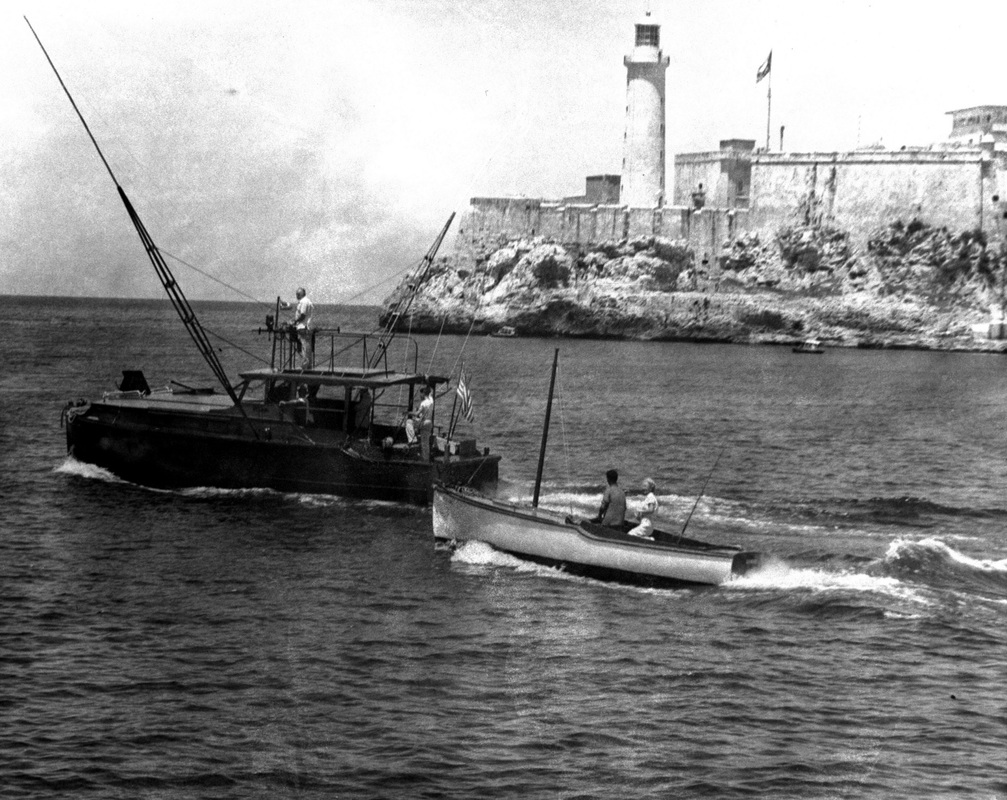
Hemingway was the captain of his own boat. He went where he pleased; he avoided places he wanted to avoid. He could admire the beauty in something that was tragic simply because it was real. He could admire and appreciate that there was more than what he could immediately see and understand. He could feel indescribably that being on the Gulf, in Pilar, gave him a part of the great flow, the greater story. This story involved all those things, known and unknown, happy and not, that he admired and that inspired his writing. Part of understanding this indefinable feeling is to understand that a stream will always flow forwards. That implies that one can never go back. There was quite a lot in Hemingway’s life that he could not go back to.
Edens lost. This is a theme flowing through his life and through his work. In A Farewell to Arms, the lieutenant in Italy is thinking about a far-off Michigan, although it is never named as being so. This recalls Hemingway’s youth. A time when his family planned on making an Eden-like retreat in the Michigan woods. But this would never be, so he must return to it only in his imagination. Then there were the lost days of his youth, lost in the war. The happy days of his first marriage with Hadley, his only “true” and “pure” marriage. There were the days in Paris and the many friendships that he lost because of pride and ego. In his writing, trying to regain the Edens lost, Hemingway is caught somewhere between how he wished things to be and how he knew things were. But even so, he can’t go back. No one can.

If you can’t go back, is your only real alternative to go farther out? Perhaps that is how we ought to understand Pilar and Hemingway in the Gulf. Again, it all goes on and the sun also rises.