"I am not one who was born in the custody of wisdom. I am one who is fond of olden times and intense in quest of the sacred knowing of the ancients." Gustave Courbet
Showing posts with label food. Show all posts

27 September 2026

Brotzeit.


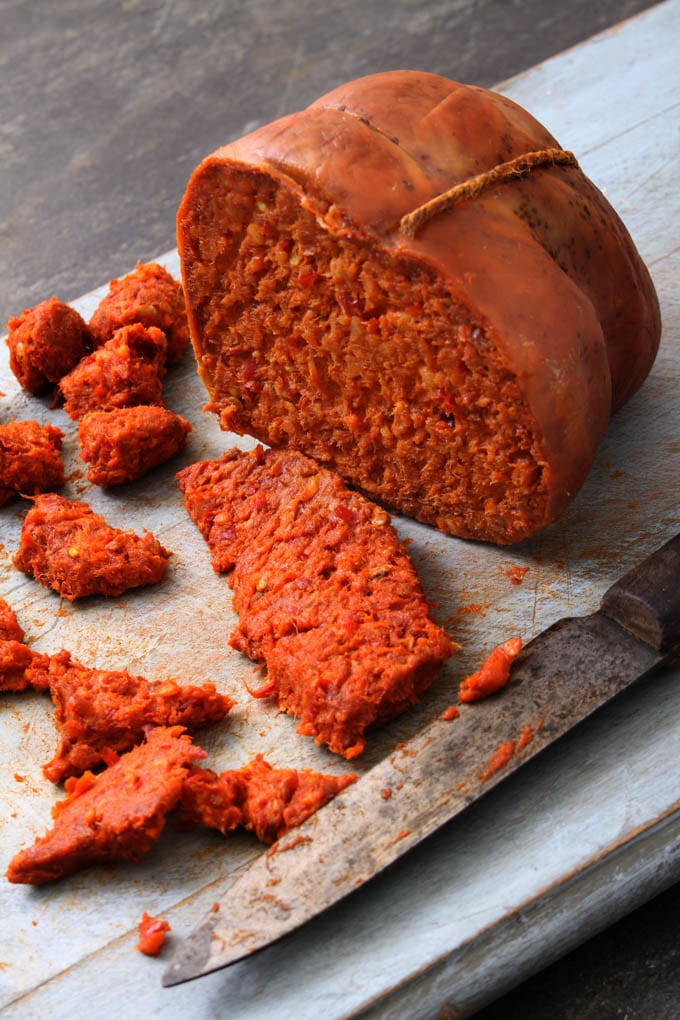
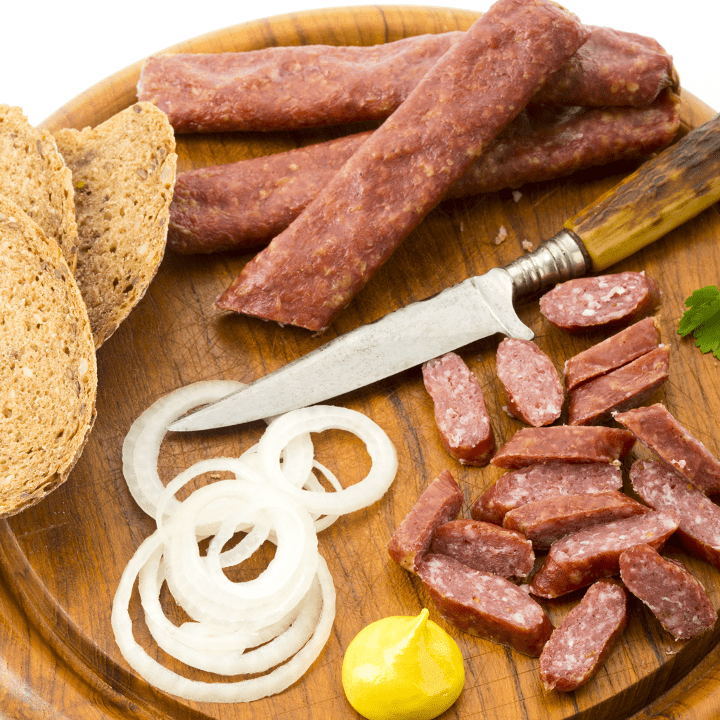
Outdoor Deutscher-types relied on landjäger as trail snacks during seasonal migrations to high pastures, carrying it as a provision that endured long journeys and harsh conditions. Like jerky, it was easy to carry easy in pockets or packs, ideal for daily labor and prolonged herding practices in Germany.

Landjäger is a German smoked hunter's sausage typically made from a blend of pork and beef, mixed with pork fat, and heavily seasoned with garlic, caraway seed, coriander, and black pepper.  It's traditionally was paired with simple accompaniments such as rye bread, cheeses, and beer, enjoyed in taverns or, as I was introduced by Grandma, a break called brotzeit. 

I can remember weekends, all though out the year, while working at Grandma and Grandpa's house, mid-mornings and later in the afternoon, Grandma would pile a tray full of bread, cheese, pickles, sausage, nuts, pretzels, chocolate, and mugs (bottles of beer in her apron pockets -- I was allowed a sip of the foamy elixir for my efforts) and carry it out to us in the yard or the garage.  The landjäger was always the first thing I went for.

Those were heady days.

The best landjäger (and many other necessaries) on the planet can be procured from Kern's in Frankenmuth.

05 August 2026

Remembering.


Remembering Hot Doug's ...
Perhaps the most well-known of Doug’s dogs is the “Foie Gras and Sauternes Duck Sausage” ($10) with truffle aioli, foie gras mousse, and fleur de sel.

Duck fat fries. 

04 August 2026

Rewarded.

The Culinary Institute of America's tutorial on Aceto Balsamico di Modena ...


Beware of the "chef" who tells you that reducing balsamic vinegar "instantly ages" it.  The reduction is thicker, yes, but the magic of tradizionales is in their woody sweetness, the cloud-like texture on the palette.  The heat of reduction increases acidity (Would you care for a little bitumen slapped up your alley?) in balsamic vinegar, erasing these delicate overtones, precisely why "cold-pressed" extra-virgin olive oils are preferred.  

Try a drop or two on your grilled steak, on raspberries over vanilla ice cream.  In a previous life, I had a customer who would visit me once a year for his supply of silver label Cavalli.  He told me he rewarded his grandchildren's good deeds with slivers of Parmigiano-Reggiano topped with a drop of vinegar, which he administered with an eye-dropper.  The man passed a few years ago, but I'm glad his memory and technique live on.

29 July 2026

Enhances.


Every 15 minutes, the island releases an imperceptible spray of ash and dust that makes the soil rich in calcium, phosphorus, and potassium, which enhances the product.

03 July 2026

Happy Birthday, M.F.K. Fisher


Having bowed to the inevitability of the dictum that we must eat to live, we should ignore it and live to eat.

M.F.K. Fisher, born on this day in 1908, from Gastronomical Me

24 February 2026

Caerphilly.


Deep summer.

Finishing the last of dinner's accompanying glass of milk, then run as fast as possible through the neighborhood to get into the pick-up baseball game.

That flavor of milk that's still on the tongue ... that's Caerphilly.

19 February 2026

Anchovy.


Bagna càuda, which translates to "hot bath" in Italian, is a warm omaggio (thanks, Anna) originating in the Piedmont of Italy, where it was a peasant meal among wine farmers and vineyard workers. It was often prepared and consumed outdoors during cold harvests or to celebrate the production of new vintages.

Its origins are tied to the salt trade routes from Provence through the Alps. In the Middle Ages, salt was heavily taxed, so traders reportedly hid it in barrels under layers of anchovies to evade duties.

Ingredients
  • 3 heads fresh garlic, peeled and thinly sliced
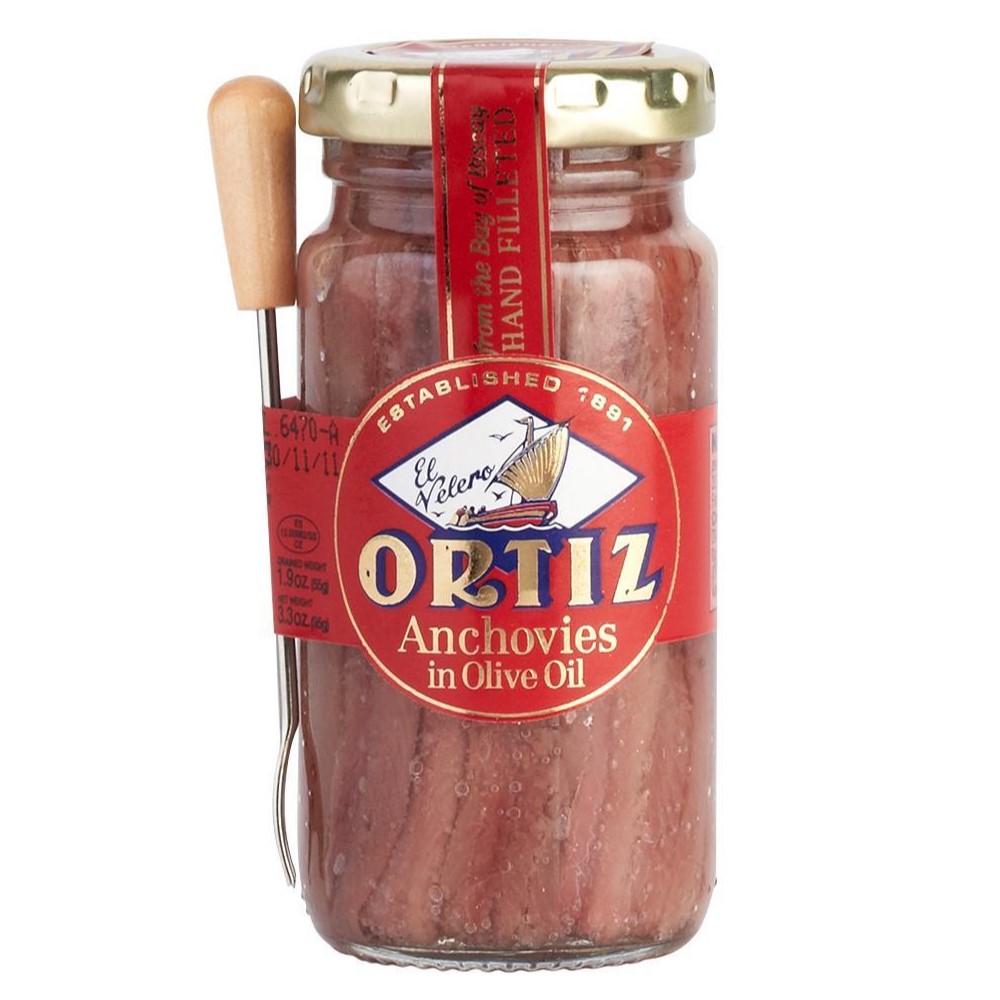
  • 1 jar Ortiz anchovy fillets in olive oil, drained, and chopped 
  • ¾ cup high-quality extra-virgin olive oil
  • 6 tablespoons unsalted butter, cut into small cubes
  • a shot of bold, dry red wine
  • 3-finger pinch inch of red pepper flakes 
  • black pepper to taste
  • chunks of crusty sourdough, salami, pecorino, raw cabbage
Instructions
  1. Combine the olive oil and garlic in a cold saucepan or skillet. Turn the heat to the lowest setting possible.
  2. Cook gently for 10–12 minutes. The garlic should soften and become fragrant but must not brown or fry, which would make the sauce bitter.
  3. Add the chopped anchovies. Using a wooden spoon, stir gently for 2-3 minutes until they completely melt into a paste.
  4. Emulsify the butter one piece at a time until melted and the sauce looks creamy.
  5. Transfer immediately to a warming dish to keep the sauce from congealing. 
  6. Dunk bread, salami, cheese, veggies (raw cabbage is delicious) into the mélange and repeat as needed
Bagna càuda also does well tossed with spaghetti (look for Martelli in the bright yellow bag) finished with a heavy hand of Pecorino Romano (there is no substitute for the famous Locatelli brand).

25 January 2026

Wish.


ADDRESS to a HAGGIS

Fair fa’ your honest, sonsie face,
Great Chieftain o’ the Puddin-race!
Aboon them a’ ye tak your place,
Painch, tripe, or thairm:
Weel are ye wordy of a grace
As lang ‘s my arm.

The groaning trencher there ye fill,
Your hurdies like a distant hill,
Your pin wad help to mend a mill
In time o’ need,
While thro’ your pores the dews distil
Like amber bead.

His knife see Rustic-labour dight,
An’ cut ye up wi’ ready slight,
Trenching your gushing entrails bright,
Like onie ditch;
And then, O what a glorious sight,
Warm-reekin, rich!

Then, horn for horn, they stretch an’ strive:
Deil tak the hindmost, on they drive,
Till a’ their weel-swall’d kytes belyve
Are bent like drums;
Then auld Guidman, maist like to rive,
Bethankit hums.

Is there that owre his French ragout,
Or olio that wad staw a sow,
Or fricassee wad mak her spew
Wi’ perfect sconner,
Looks down wi’ sneering, scornfu’ view
On sic a dinner?

Poor devil! see him owre his trash,
As feckless as a wither’d rash,
His spindle shank a guid whip-lash,
His nieve a nit;
Thro’ bluidy flood or field to dash,
O how unfit!

But mark the Rustic, haggis-fed,
The trembling earth resounds his tread,
Clap in his walie nieve a blade,
He’ll make it whissle;
An’ legs, an’ arms, an’ heads will sned,
Like taps o’ thrissle.

Ye Pow’rs wha mak mankind your care,
And dish them out their bill o’ fare,
Auld Scotland wants nae skinking ware
That jaups in luggies;
But, if ye wish her gratefu’ prayer,
Gie her a Haggis!

Robert Burns

Magic.


Saveur on the magic of herring ...
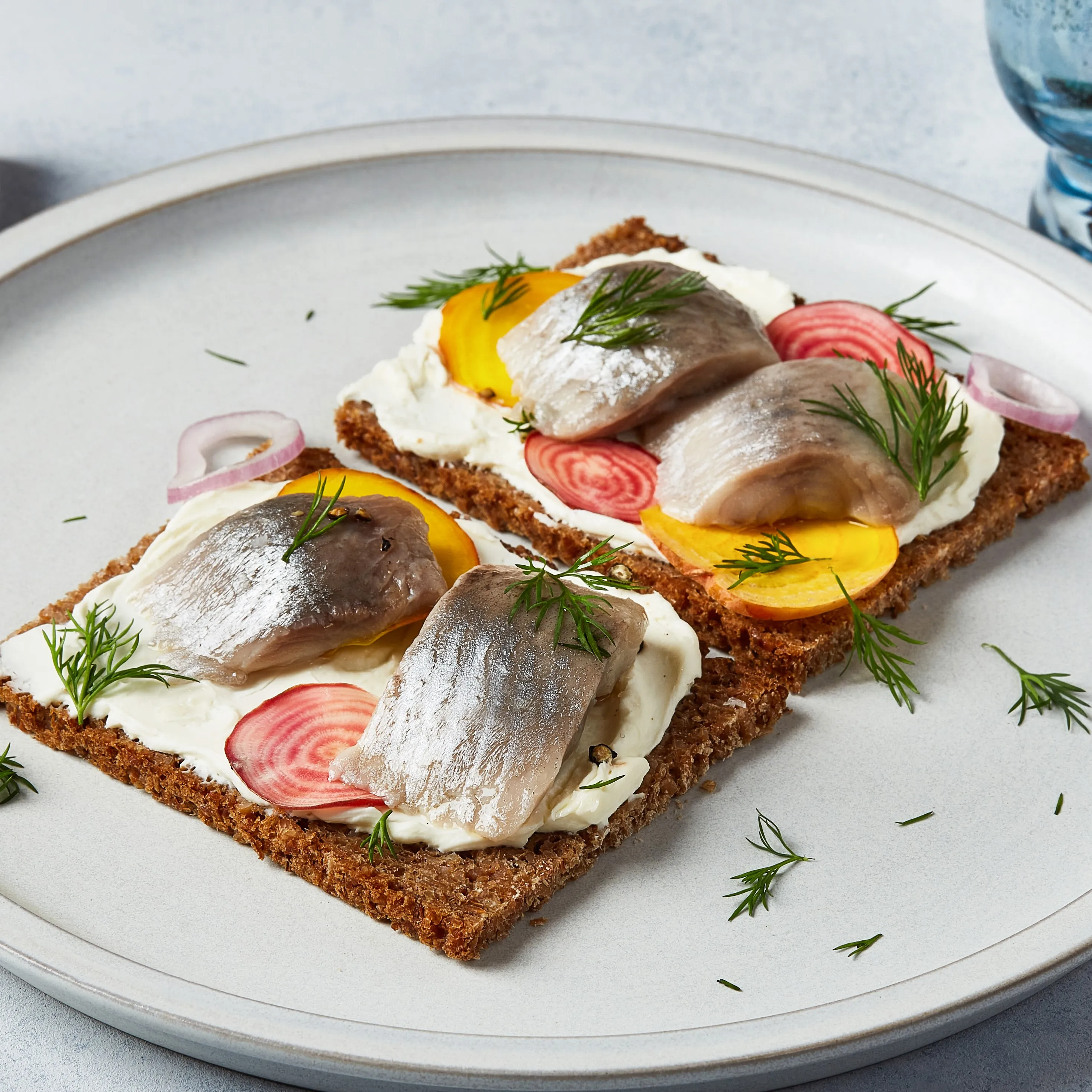
I try a dozen varieties at Ulriksdals Wardshus, a white manor house set on acres of woodlands near Stockholm, where chef Karl-Heinz Krucken presides over one of Scandinavia's renowned smorgasbords (literally, ''bread-and-butter tables''). The buffet includes smoked eel, reindeer, Swedish meatballs, and two kinds of gravlax, but the centerpiece is the herring: bathed in tomato or curry sauce, panfried, mixed with anchovies and apples—17 preparations in all. Despite the collection of first-growth bordeaux in the wine cellar, Krucken insists the herring be eaten with a traditional shot of aquavit and a mug of beer. It's an idyllic Scandinavian scene, but Krucken worries about the future. ''Someday you'll tell your grandchildren, 'I was in Sweden and they still had herring,''' he says. ''A fairy tale!''

22 November 2025

Manna.

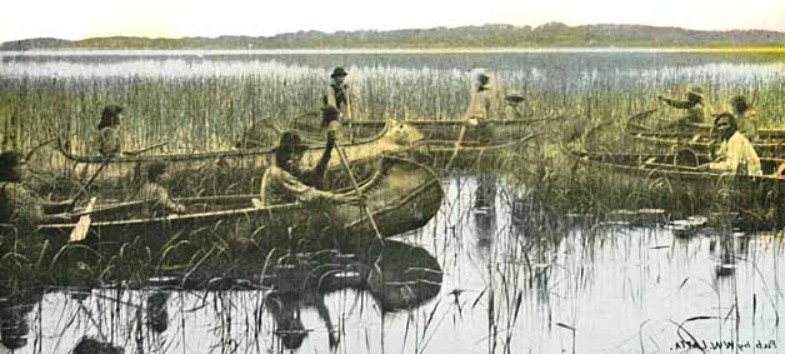
Curtis, Klamath Lake Marshes, Native American, 1923


Roads and Kingdoms on the sacred grain of the Northwoods ...
Wild rice is Anishinaabeg soul food. The Anishinaabeg, also known as the Chippewa or Ojibwe, use it as a staple like any other starch, as flour for breads, in soups with beans and meat, as stuffing for birds, and even chilled with cream for dessert. But it’s more than just an important food: wild rice is a sacred grass, the foretold grain, this tribe’s manna.

09 November 2025

Numbered.


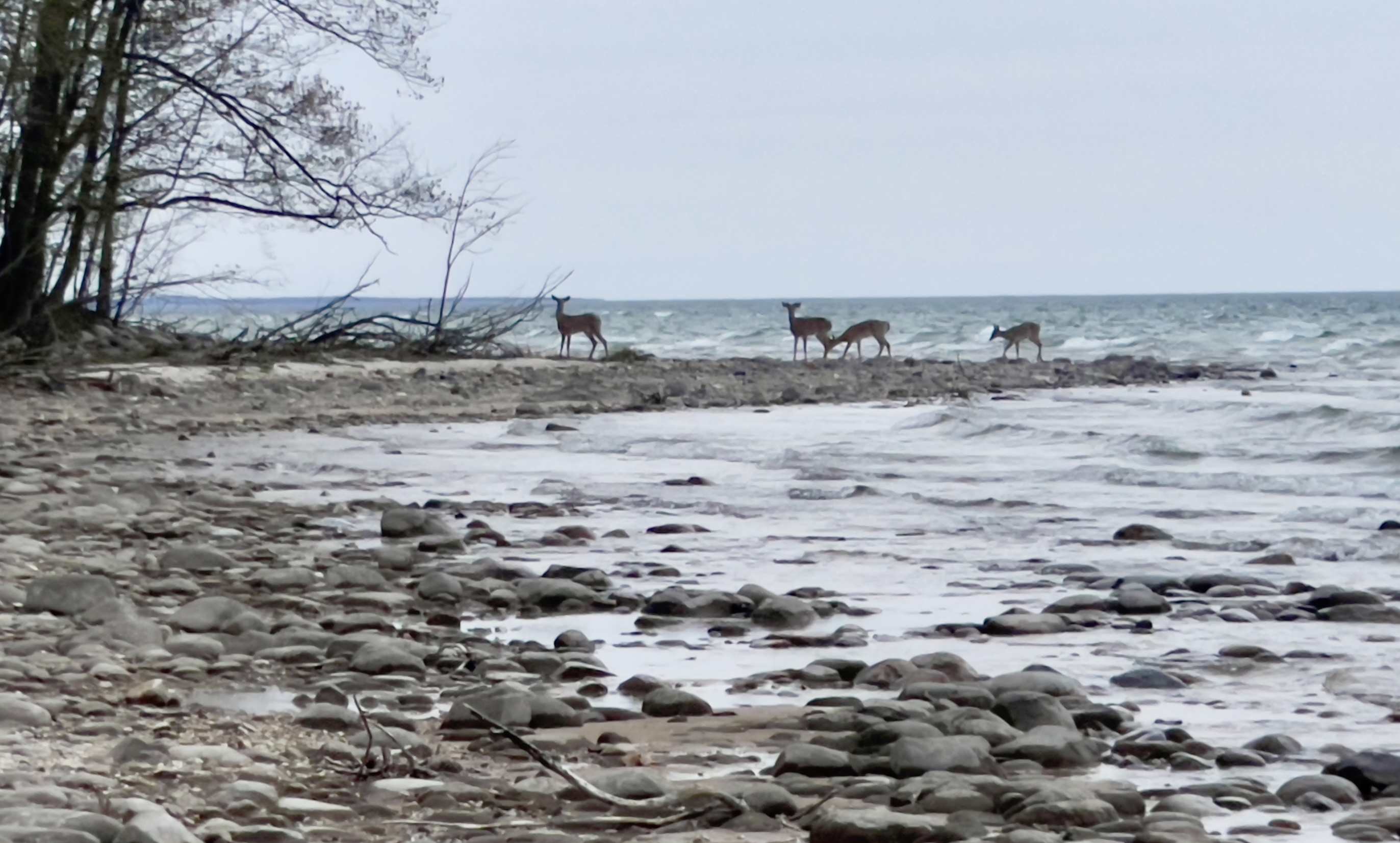
The day we were scheduled to return to Lake Leelanau, an early November blizzard hit the upper peninsula in which six deer hunters died. We started across the peninsula at the height of the storm, with visibility not much further than the front bumper of Jim’s Subaru. We were essentially driving blind, but Jim carried on because “We said we were leaving today, so we’re leaving today!” He explained it is Midwestern tradition to always follow the plans you lay. Changing plans creates confusion.

Certain we would end up stranded and probably dead in the bleak landscape, I begged him to turn around because I didn’t want to die in this god forsaken terrain littered with scraggly pine and timber wolves. Either that or let me drive. Not only was he blind in one eye, Jim wasn’t a particularly gifted driver, either. Finally, after he admitted that he had no idea where the road was, he asked me “We’ve already locked up the cabin. Where would we go if we turned around?”

The answer was simple. “Dunes Saloon. We’ll wait it out all week if we have to.”

So, he turned around and we made it back to the bar, which harbored an animated crowd of frustrated deer hunters locked into the same plan. Jim and I found rooms to rent at a small hotel at the end of the block by the shoreline, and when not gorging on saloon whitefish and bourbon, we spent the next day and night listening to the fierce and relentless roar of gale-force winds and crashing waves pounding the rocky cliffs beneath us. I had been in ocean storms on sailboats, though never a hurricane, but this was a unique sound of power unleashed, alarming yet mesmerizing, somehow otherworldly. The volume and intensity made it hard to conceive that all this noise emanated from a lake, even one called Superior. In the last verse of The Wreck of the Edmund Fitzgerald, Gordon Lightfoot wrote, “Superior it is said never gives up her dead, when the gales of November come early.” Understood. When the weather eased, we drove home.

Jim was becoming a revered author in Hollywood, but at the Dunes Saloon, no one cared, which is how Jim liked it. He called from the saloon most nights while he was writing at his cabin. The bar phone had a long cord, and the bartender normally perched it right next to Jim’s reserved seat so he could talk to his friends around the country.

Jim was one of the more entertaining people you could hope to talk with, and at least during the get to know phase, a phone call with Jim would at minimum educate you about at least two topics you knew very little about, make you laugh several times, and leave you with at least one memorable insight locked into your brain.
And in Dope-ville ...
A better dinner companion one could not ask for, because Jim was not only entertaining to dine with, but he always had a very generous studio expense account, and he wasn’t shy about testing its limit. Over the next several years, we ate at some of the best restaurants in L.A.

I clearly remember my first dining experience with Jim, at an exclusive French bistro on Westwood Boulevard. He had the studio make the reservation for us, and as soon as we were seated, Jim took out a cassette recorder (which he did at every restaurant,) and sat it upright on the table. He then called over the waiter for questions about the entrees.

A lesson in priorities that, if we’re lucky, or maybe unlucky, we all get at least one opportunity to learn.  Noticing the recorder and the open menu, the waiter leaned over to Jim, careful to keep clear of the starched white tablecloth. “Would you like another menu to take with you, to refer to our offerings?”

“Why don’t you just bring us all your appetizers, and these six entrees. I’ll make notes as we go.”

“Absolutely, sir. May I ask what publication you are with?”
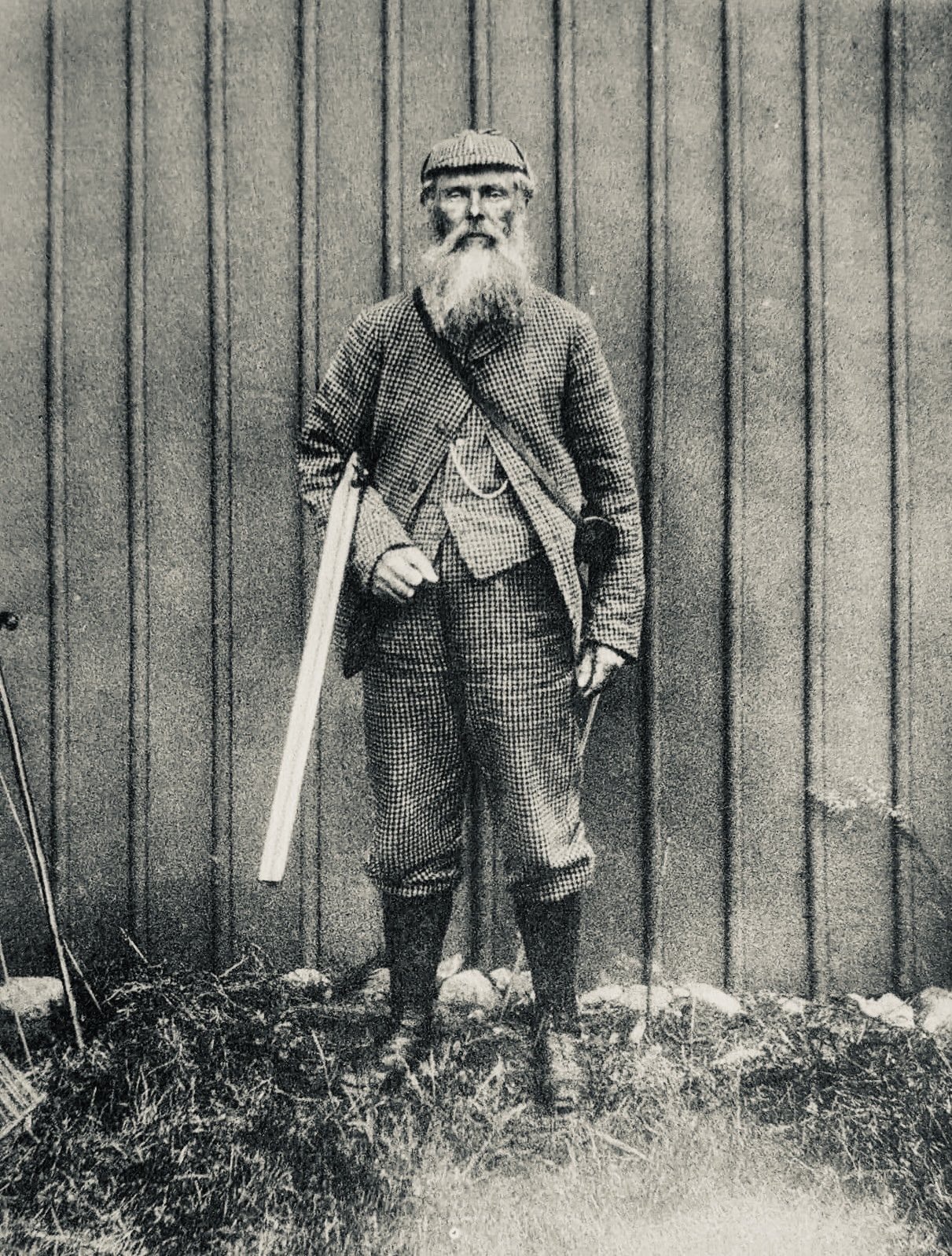
Jim arched his chaotic eyebrows as he looked up at the waiter. “Most all of them. New York Times, LA Times, Esquire, Paris Review, New Yorker. I write a lot about food.”

“Very good, sir! Would you like a larger table for your dishes?”

Indeed, we would. We were immediately moved to a table for six, which could hold all that we ordered.

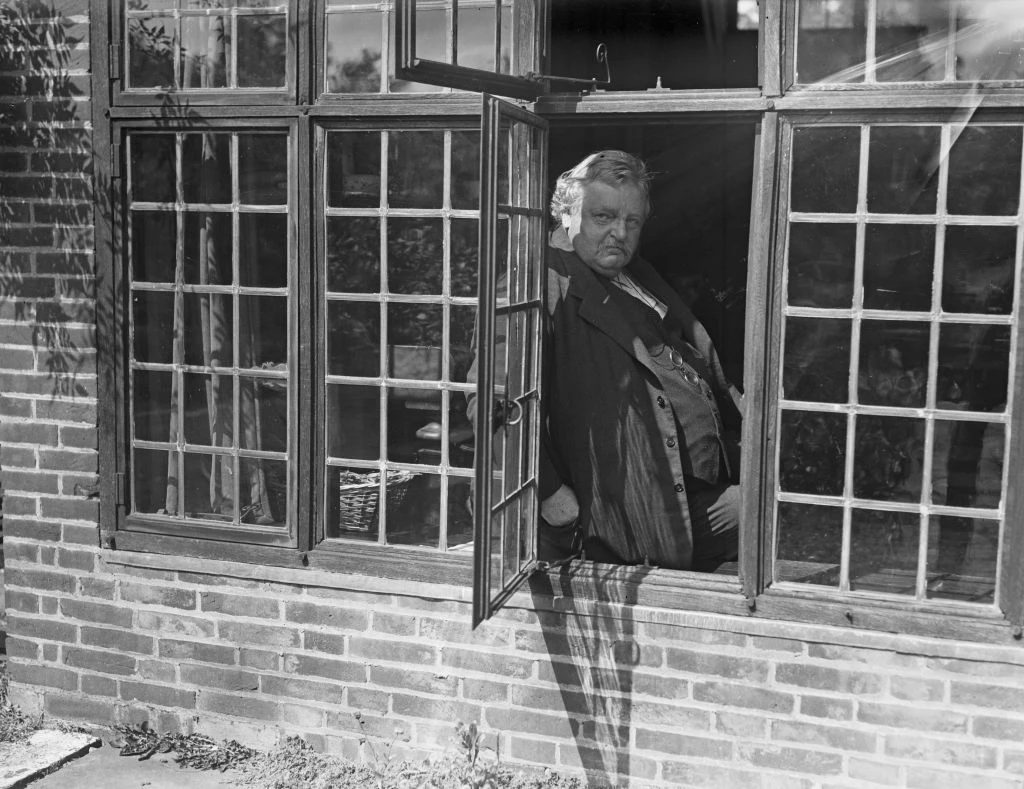
Dinner with Jim was an adventure in not only a gastronomic sense, but with intellectual and emotional discovery. His New Yorker essay titled A Really Big Lunch detailed a meal prepared by French chef Marc Meneau that Harrison shared with Mario Batali and several other guests. It included 37 courses consumed over a period of 11 hours. That was extreme, but the man liked to eat, then talk about it. As Jim mentioned in his essay: “Your meals in life are numbered, and the number is diminishing. Get at it.”

09 August 2025

Extraordinary.


Before the Second World War, Paxton & Whitfield’s lavishly stocked windows were immortalised by Eric Ravilious and the shop sold some 2,000 Stiltons a year. But rationing and a dearth of farm workers saw its display dwindle to almost nothing — by 1951, you could only buy five cheeses there. In the interim, No. 93 Jermyn Street became an ordinary grocery shop — albeit one where extraordinary things continued to happen. Churchill liked to say that "a gentleman buys his hats at Locks, his shoes at Lobbs, his shirts at Harvie & Hudson, his suits at Huntsman and his cheese at Paxton & Whitfield." 

Respect.


Steven Jenkins on service ...
It's so rare anymore to go in a supermarket where anybody shows any passion about the food that's there. I see so little evidence of people who take it seriously.

You want to get happy? Get passionate. You're going to get paid more. You're going to get more responsibility. You're going to be challenged. Your life is going to be worthwhile.

But it all goes back to the food. Show some respect for the food. Show some desire to know everything there is to know about that particular foodstuff.

10 July 2025

Beloved.


In old times, there were no burgers and french fries in Russia, but there was plenty of ancient “fast” food. All the fairs, markets and bakeries across the country offered many kinds of pastry, but the most beloved was a simple bread called kalach (literally “a circle”), that looked like a bagel with a “handle”. 

Thank you, Grandma Firchau.

06 July 2025

Enduring.


American Spoon will set you free ...
We believe in real food with deep, authentic flavor, and everything we make celebrates the enduring connection between food and place.

Here along Lake Michigan’s northern coast, independent family farmers tend to some of America’s most prolific fruit orchards and berry farms. Michigan is renowned for its lake effect, and this is what makes fruit grown here so special. The lake's moderating effect delivers soft summer rain and cool night air after long summer days, which gives our fruit extra time to develop a depth of flavor, complexity, and character that's unique to Michigan-grown fruit.
Outstanding products
Psst! A little secret.  Around Christmas time, at the beginning of what will be a quiet day, find a wheel of Pierre Robert and dump a jar of American Spoon's brandied cherries over it, and spend the day floating.  Order it soon.  It's hard to come by over the holidays.

26 June 2025

Commendations.


On most days at our house, some of the first words spoken center on meal conversations ...
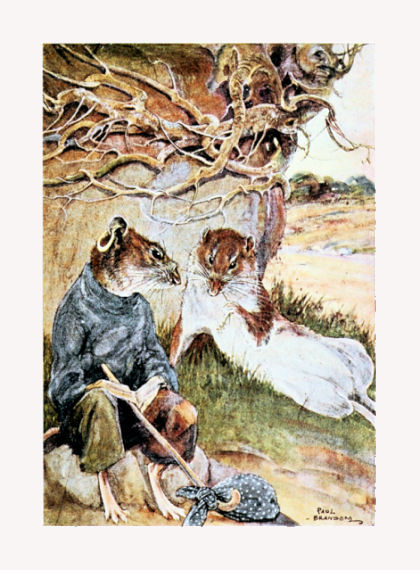
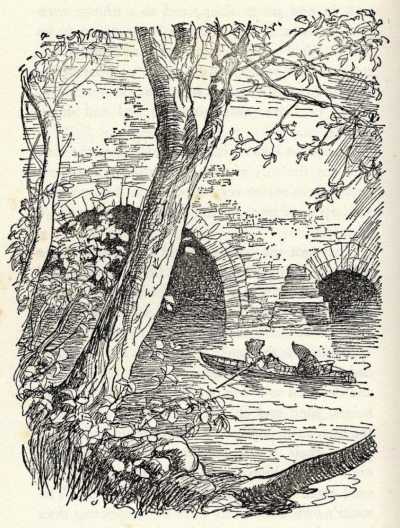
The seafarer looked at him with the suspicion of a wink. "I'm an old hand," he remarked with much simplicity. "The captain's cabin's good enough for me."

"It's a hard life, by all accounts," murmured the Rat, sunk in deep thought.

"For the crew it is," replied the seafarer gravely, again with the ghost of a wink.

"From Corsica," he went on, "I made use of a ship that was taking wine to the mainland. We made Alassio in the evening, lay to, hauled up our wine-casks, and hove them overboard, tied one to the other by a long line. Then the crew took to the boats and rowed shorewards, singing as they went, and drawing after them the long bobbing procession of casks, like a mile of porpoises. On the sands they had horses waiting, which dragged the casks up the steep street of the little town with a fine rush and clatter and scramble. When the last cask was in, we went and refreshed and rested, and sat late into the night, drinking with our friends, and next morning I took to the great olive-woods for a spell and a rest. For now I had done with islands for the time, and ports and shipping were plentiful; so I led a lazy life among the peasants, lying and watching them work, or stretched high on the hillside with the blue Mediterranean far below me. And so at length, by easy stages, and partly on foot, partly by sea, to Marseilles, and the meeting of old shipmates, and the visiting of great ocean-bound vessels, and feasting once more. Talk of shell-fish! Why, sometimes I dream of the shell-fish of Marseilles, and wake up crying!"

"That reminds me," said the polite Water Rat; "you happened to mention that you were hungry, and I ought to have spoken earlier. Of course, you will stop and take your mid-day meal with me? My hole is close by; it is some time past noon, and you are very welcome to whatever there is."

"Now I call that kind and brotherly of you," said the Sea Rat. "I was indeed hungry when I sat down, and ever since I inadvertently happened to mention shell-fish, my pangs have been extreme. But couldn't you fetch it along out here? I am none too fond of going under hatches, unless I'm obliged to; and then, while we eat, I could tell you more concerning my voyages and the pleasant life I lead—at least, it is very pleasant to me, and by your attention I judge it commends itself to you; whereas if we go indoors it is a hundred to one that I shall presently fall asleep."

"That is indeed an excellent suggestion," said the Water Rat, and hurried off home. There he got out the luncheon-basket and packed a simple meal, in which, remembering the stranger's origin and preferences, he took care to include a yard of long French bread, a sausage out of which the garlic sang, some cheese which lay down and cried, and a long-necked straw-covered flask wherein lay bottled sunshine shed and garnered on far Southern slopes. Thus laden, he returned with all speed, and blushed for pleasure at the old seaman's commendations of his taste and judgment, as together they unpacked the basket and laid out the contents on the grass by the roadside.

Kenneth Grahame, from The Wind in the Willows

Smackerel.