
19 April 2023


18 April 2023
Hoof-Beats.
Wood, The Midnight Ride of Paul Revere, 1931

On this date, at this hour, in 1775, Paul Revere began his portion of the famous ride.
PAUL REVERE'S RIDE
Listen, my children, and you shall hear
Of the midnight ride of Paul Revere,
On the eighteenth of April, in Seventy-five;
Hardly a man is now alive
Who remembers that famous day and year.
He said to his friend, "If the British march
By land or sea from the town to-night,
Hang a lantern aloft in the belfry arch
Of the North Church tower as a signal light,—
One, if by land, and two, if by sea;
And I on the opposite shore will be,
Ready to ride and spread the alarm
Through every Middlesex village and farm,
For the country folk to be up and to arm."
Then he said, "Good night!" and with muffled oar
Silently rowed to the Charlestown shore,
Just as the moon rose over the bay,
Where swinging wide at her moorings lay
The Somerset, British man-of-war;
A phantom ship, with each mast and spar
Across the moon like a prison bar,
And a huge black hulk, that was magnified
By its own reflection in the tide.
Meanwhile, his friend, through alley and street,
Wanders and watches with eager ears,
Till in the silence around him he hears
The muster of men at the barrack door,
The sound of arms, and the tramp of feet,
And the measured tread of the grenadiers,
Marching down to their boats on the shore.
Then he climbed the tower of the Old North Church,
By the wooden stairs, with stealthy tread,
To the belfry-chamber overhead,
And startled the pigeons from their perch
On the sombre rafters, that round him made
Masses and moving shapes of shade, —
By the trembling ladder, steep and tall,
To the highest window in the wall,
Where he paused to listen and look down
A moment on the roofs of the town,
And the moonlight flowing over all.
Beneath, in the churchyard, lay the dead,
In their night-encampment on the hill,
Wrapped in silence so deep and still
That he could hear, like a sentinel's tread,
The watchful night-wind, as it went
Creeping along from tent to tent,
And seeming to whisper, "All is well!"
A moment only he feels the spell
Of the place and the hour, and the secret dread
Of the lonely belfry and the dead;
For suddenly all his thoughts are bent
On a shadowy something far away,
Where the river widens to meet the bay, —
A line of black that bends and floats
On the rising tide, like a bridge of boats.
Meanwhile, impatient to mount and ride,
Booted and spurred, with a heavy stride
On the opposite shore walked Paul Revere.
Now he patted his horse's side,
Now gazed at the landscape far and near,
Then, impetuous, stamped the earth,
And turned and tightened his saddle girth;
But mostly he watched with eager search
The belfry-tower of the Old North Church,
As it rose above the graves on the hill,
Lonely and spectral and sombre and still.
And lo! as he looks, on the belfry's height
A glimmer, and then a gleam of light!
He springs to the saddle, the bridle he turns,
But lingers and gazes, till full on his sight
A second lamp in the belfry burns!
A hurry of hoofs in a village street,
A shape in the moonlight, a bulk in the dark,
And beneath, from the pebbles, in passing, a spark
Struck out by a steed flying fearless and fleet:
That was all! And yet, through the gloom and the light,
The fate of a nation was riding that night;
And the spark struck out by that steed, in his flight,
Kindled the land into flame with its heat.
He has left the village and mounted the steep,
And beneath him, tranquil and broad and deep,
Is the Mystic, meeting the ocean tides;
And under the alders, that skirt its edge,
Now soft on the sand, now loud on the ledge,
Is heard the tramp of his steed as he rides.
It was twelve by the village clock,
When he crossed the bridge into Medford town.
He heard the crowing of the cock,
And the barking of the farmer's dog,
And felt the damp of the river fog,
That rises after the sun goes down.
It was one by the village clock,
When he galloped into Lexington.
He saw the gilded weathercock
Swim in the moonlight as he passed,
And the meeting-house windows, blank and bare,
Gaze at him with a spectral glare,
As if they already stood aghast
At the bloody work they would look upon.
It was two by the village clock,
When he came to the bridge in Concord town.
He heard the bleating of the flock,
And the twitter of birds among the trees,
And felt the breath of the morning breeze
Blowing over the meadows brown.
And one was safe and asleep in his bed
Who at the bridge would be first to fall,
Who that day would be lying dead,
Pierced by a British musket-ball.
You know the rest. In the books you have read,
How the British Regulars fired and fled, —
How the farmers gave them ball for ball,
From behind each fence and farm-yard wall,
Chasing the red-coats down the lane,
Then crossing the fields to emerge again
Under the trees at the turn of the road,
And only pausing to fire and load.
So through the night rode Paul Revere;
And so through the night went his cry of alarm
To every Middlesex village and farm, —
A cry of defiance and not of fear,
A voice in the darkness, a knock at the door,
And a word that shall echo forevermore!
For, borne on the night-wind of the Past,
Through all our history, to the last,
In the hour of darkness and peril and need,
The people will waken and listen to hear
The hurrying hoof-beats of that steed,
And the midnight message of Paul Revere.
Henry Wadsworth Longfellow
CONNECT
Dr. William M. Fowler, Jr. lectures on the interesting relationship between the facts of Paul Revere's ride and the story told by Henry Wadsworth Longfellow in his poem ...
On this date, at this hour, in 1775, Paul Revere began his portion of the famous ride.
PAUL REVERE'S RIDE
Listen, my children, and you shall hear
Of the midnight ride of Paul Revere,
On the eighteenth of April, in Seventy-five;
Hardly a man is now alive
Who remembers that famous day and year.
He said to his friend, "If the British march
By land or sea from the town to-night,
Hang a lantern aloft in the belfry arch
Of the North Church tower as a signal light,—
One, if by land, and two, if by sea;
And I on the opposite shore will be,
Ready to ride and spread the alarm
Through every Middlesex village and farm,
For the country folk to be up and to arm."
Then he said, "Good night!" and with muffled oar
Silently rowed to the Charlestown shore,
Just as the moon rose over the bay,
Where swinging wide at her moorings lay
The Somerset, British man-of-war;
A phantom ship, with each mast and spar
Across the moon like a prison bar,
And a huge black hulk, that was magnified
By its own reflection in the tide.
Meanwhile, his friend, through alley and street,
Wanders and watches with eager ears,
Till in the silence around him he hears
The muster of men at the barrack door,
The sound of arms, and the tramp of feet,
And the measured tread of the grenadiers,
Marching down to their boats on the shore.
Then he climbed the tower of the Old North Church,
By the wooden stairs, with stealthy tread,
To the belfry-chamber overhead,
And startled the pigeons from their perch
On the sombre rafters, that round him made
Masses and moving shapes of shade, —
By the trembling ladder, steep and tall,
To the highest window in the wall,
Where he paused to listen and look down
A moment on the roofs of the town,
And the moonlight flowing over all.
Beneath, in the churchyard, lay the dead,
In their night-encampment on the hill,
Wrapped in silence so deep and still
That he could hear, like a sentinel's tread,
The watchful night-wind, as it went
Creeping along from tent to tent,
And seeming to whisper, "All is well!"
A moment only he feels the spell
Of the place and the hour, and the secret dread
Of the lonely belfry and the dead;
For suddenly all his thoughts are bent
On a shadowy something far away,
Where the river widens to meet the bay, —
A line of black that bends and floats
On the rising tide, like a bridge of boats.
Meanwhile, impatient to mount and ride,
Booted and spurred, with a heavy stride
On the opposite shore walked Paul Revere.
Now he patted his horse's side,
Now gazed at the landscape far and near,
Then, impetuous, stamped the earth,
And turned and tightened his saddle girth;
But mostly he watched with eager search
The belfry-tower of the Old North Church,
As it rose above the graves on the hill,
Lonely and spectral and sombre and still.
And lo! as he looks, on the belfry's height
A glimmer, and then a gleam of light!
He springs to the saddle, the bridle he turns,
But lingers and gazes, till full on his sight
A second lamp in the belfry burns!
A hurry of hoofs in a village street,
A shape in the moonlight, a bulk in the dark,
And beneath, from the pebbles, in passing, a spark
Struck out by a steed flying fearless and fleet:
That was all! And yet, through the gloom and the light,
The fate of a nation was riding that night;
And the spark struck out by that steed, in his flight,
Kindled the land into flame with its heat.
He has left the village and mounted the steep,
And beneath him, tranquil and broad and deep,
Is the Mystic, meeting the ocean tides;
And under the alders, that skirt its edge,
Now soft on the sand, now loud on the ledge,
Is heard the tramp of his steed as he rides.
It was twelve by the village clock,
When he crossed the bridge into Medford town.
He heard the crowing of the cock,
And the barking of the farmer's dog,
And felt the damp of the river fog,
That rises after the sun goes down.
It was one by the village clock,
When he galloped into Lexington.
He saw the gilded weathercock
Swim in the moonlight as he passed,
And the meeting-house windows, blank and bare,
Gaze at him with a spectral glare,
As if they already stood aghast
At the bloody work they would look upon.
It was two by the village clock,
When he came to the bridge in Concord town.
He heard the bleating of the flock,
And the twitter of birds among the trees,
And felt the breath of the morning breeze
Blowing over the meadows brown.
And one was safe and asleep in his bed
Who at the bridge would be first to fall,
Who that day would be lying dead,
Pierced by a British musket-ball.
You know the rest. In the books you have read,
How the British Regulars fired and fled, —
How the farmers gave them ball for ball,
From behind each fence and farm-yard wall,
Chasing the red-coats down the lane,
Then crossing the fields to emerge again
Under the trees at the turn of the road,
And only pausing to fire and load.
So through the night rode Paul Revere;
And so through the night went his cry of alarm
To every Middlesex village and farm, —
A cry of defiance and not of fear,
A voice in the darkness, a knock at the door,
And a word that shall echo forevermore!
For, borne on the night-wind of the Past,
Through all our history, to the last,
In the hour of darkness and peril and need,
The people will waken and listen to hear
The hurrying hoof-beats of that steed,
And the midnight message of Paul Revere.
Henry Wadsworth Longfellow
CONNECT
Dr. William M. Fowler, Jr. lectures on the interesting relationship between the facts of Paul Revere's ride and the story told by Henry Wadsworth Longfellow in his poem ...
Recreates.
An excellent book ...
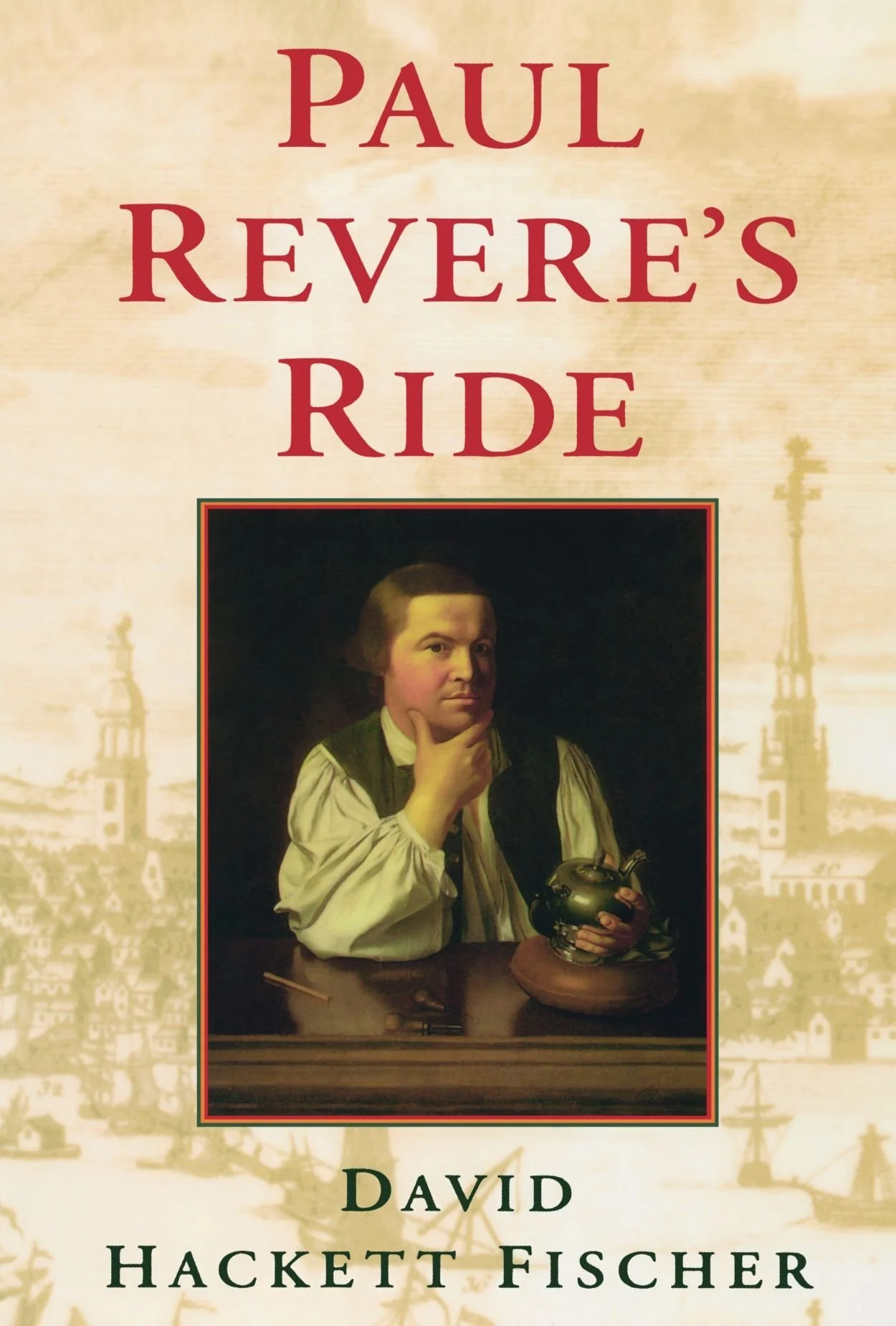
Professor David Hackett Fischer recreates Revere's ride in a 1998 Booknotes talk with Brian Lamb ... HERE
Dare.
Doisneau, Punished Pupil, 1956

From Miriam E. Wilt’s 1965 essay, “In Teaching – The Right to Wonder” …
Let Our Lord the bell represent those thousands of "no's" we are always sprinkling around like salt on a fried egg. Consider how many of them we might answer with a "Why not?"Never must we lose sight of those necessary conformities that reaffirm our rebellious humanity – never must we impose those restrictions that are meaningless. What a fine line must be drawn between the justifiable "no's" and the equally meaningful "Why noťs?" Children have never been satisfied to accept the status quo. They are full of "Why's?" What happens to their right to wonder, to experiment, to dare to be wrong? How and why have so many of us lost our way so that "iťs always been done that way" has become our irreducible answer. We must not change just for the sake of changing, for to do that is just as suspect as blind acceptance of the concept "everybody's doing it."
17 April 2023

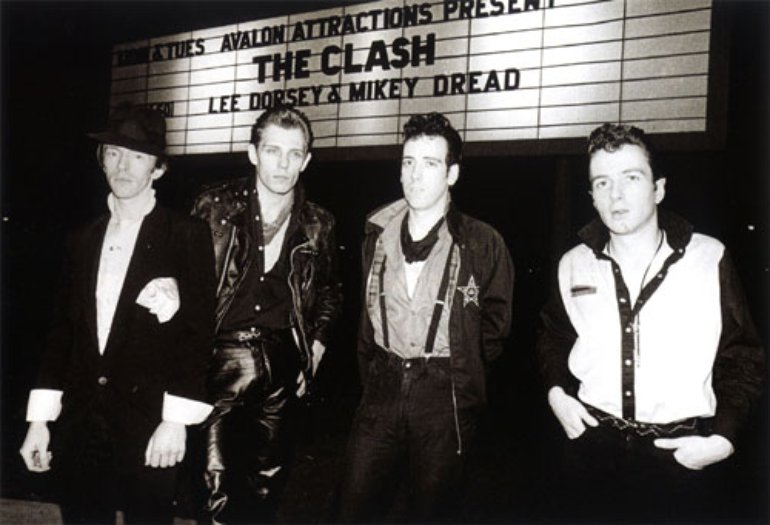


Own.

Crashing head-on into the future
Won't even leave a dent
Just walk in like you own it
Remember, it ain't set in cement ...
Chappel, Samuel Adams, 1862
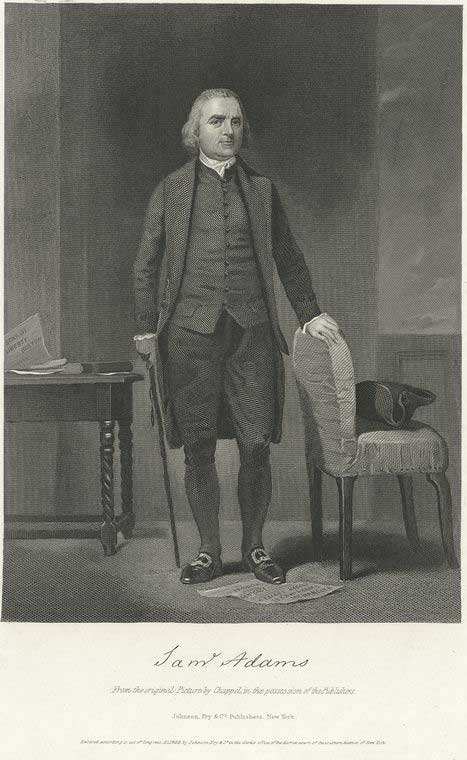
Samuel Adams, from a speech given August 1, 1776

Breathing.
Monet, Morning Landscape, Giverny, 1888
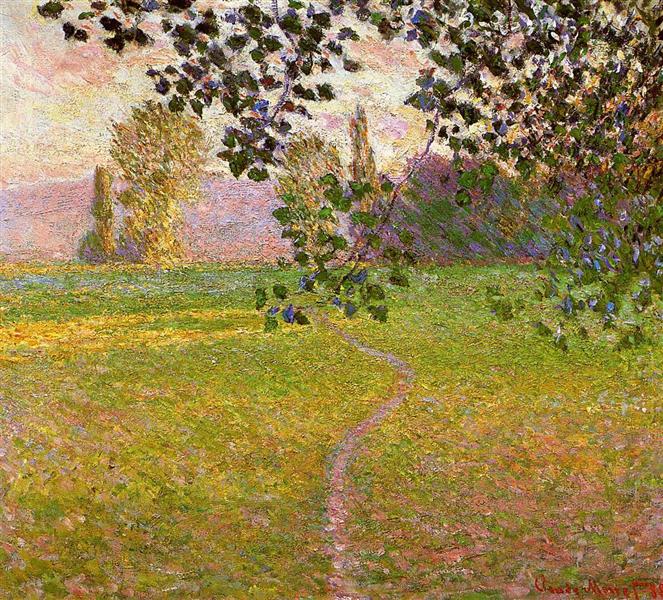
A SPRING MORNING
The Spring comes in with all her hues and smells,
In freshness breathing over hills and dells;
O’er woods where May her gorgeous drapery flings,
And meads washed fragrant by their laughing springs.
Fresh are new opened flowers, untouched and free
From the bold rifling of the amorous bee.
The happy time of singing birds is come,
And Love’s lone pilgrimage now finds a home;
Among the mossy oaks now coos the dove,
And the hoarse crow finds softer notes for love.
The foxes play around their dens, and bark
In joy’s excess, ’mid woodland shadows dark.
The flowers join lips below; the leaves above;
And every sound that meets the ear is Love.
John Clare
16 April 2023
Imagine.
Imagine a society with so much civic pride that it builds its water towers like this. pic.twitter.com/j0B4UohKNp
— Culture Critic (@Culture_Crit) April 15, 2023
Quality.

The result is rather typical of modern technology, an overall dullness of appearance so depressing that it must be overlaid with a veneer of "style" to make it acceptable. And that, to anyone who is sensitive to romantic Quality, just makes it all the worse. Now it's not just depressingly dull, it's also phony. Put the two together and you get a pretty accurate basic description of modern American technology: stylized cars and stylized outboard motors and stylized typewriters and stylized clothes. Stylized refrigerators filled with stylized food in stylized kitchens in stylized homes. Plastic stylized toys for stylized children, who at Christmas and birthdays are in style with their stylish parents. You have to be awfully stylish yourself not to get sick of it once in a while. It's the style that gets you; technological ugliness syruped over with romantic phoniness in an effort to produce beauty and profit by people who, though stylish, don't know where to start because no one has ever told them there's such a thing as Quality in this world and it's real, not style. Quality isn't something you lay on top of subjects and objects like tinsel on a Christmas tree. Real Quality must be the source of the subjects and objects, the cone from which the tree must start.
Robert Pirsig, from Zen and the Art of Motorcycle Maintenance: An Inquiry Into Values
Introduced.
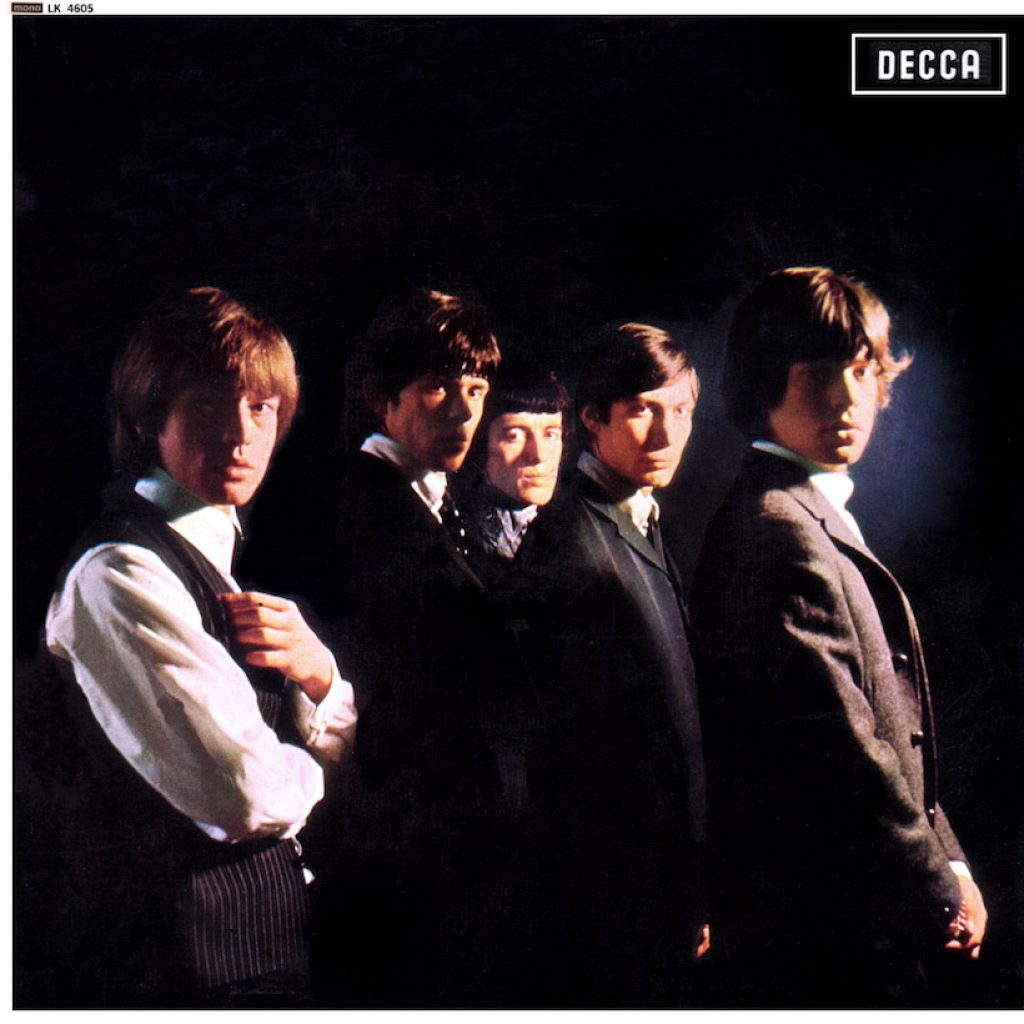
The world was introduced to The Rolling Stones on this day in 1964.
Fast-forward 12 years to a new and improved lineup, featuring The Rock & Roll Rooster -- Side One, Track One ...
Legend.
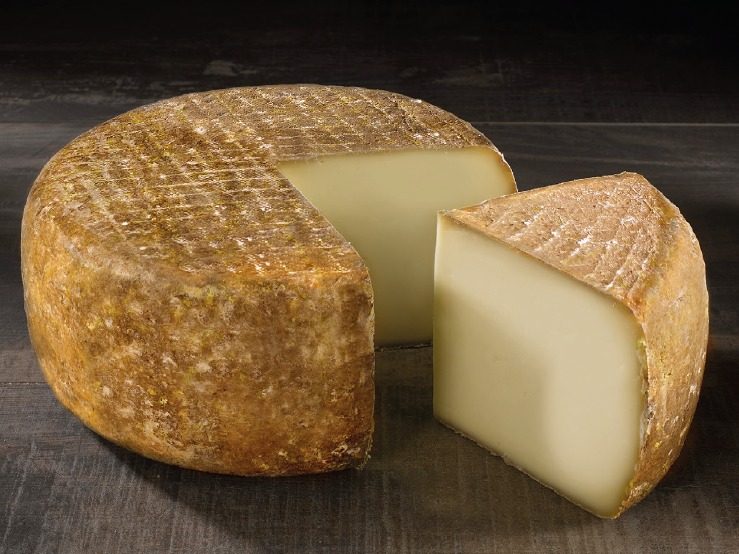
Ossau-Iraty
- Legend has it that it was the first cheese ever made (Thanks Apollo)
- raw sheep's milk
- olives, olive oil, rustic honey, black pepper, dark fruit preserves, rustic bread
- Repeat as needed


Riches.

If your daily life seems poor, do not blame it; blame yourself, tell yourself that you are not poet enough to call forth its riches; for to the creator there is no poverty and no poor indifferent place.
Rainer Maria Rilke, from Letters to a Young Poet

Silence.
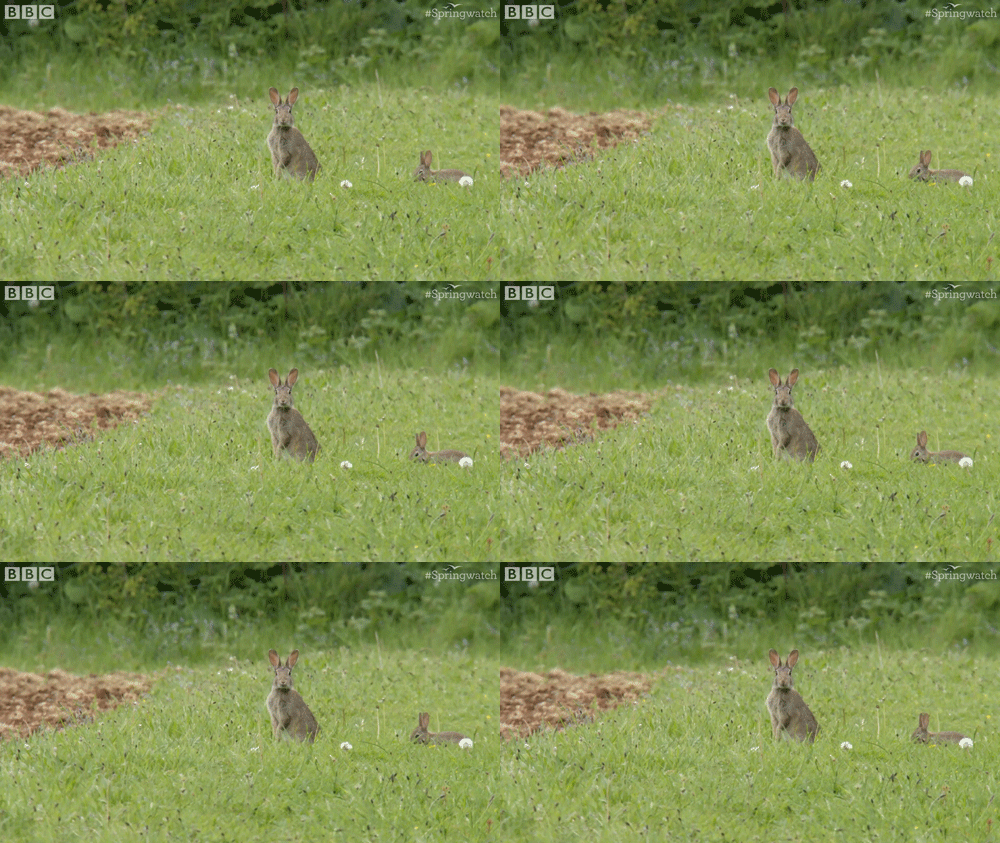
Every year, I verify here, alongside the intelligence of the mineral world and the animal kingdom, the proportional stupidity of the human race - the deculturated peasants and acculturated tourists, arrogant adults and children with their pretentious technical gadgetry and senseless chatter. All the other species are more docile and spiritual in their silence than this one.
Jean Baudrillard, from Fragments
Earthworks.
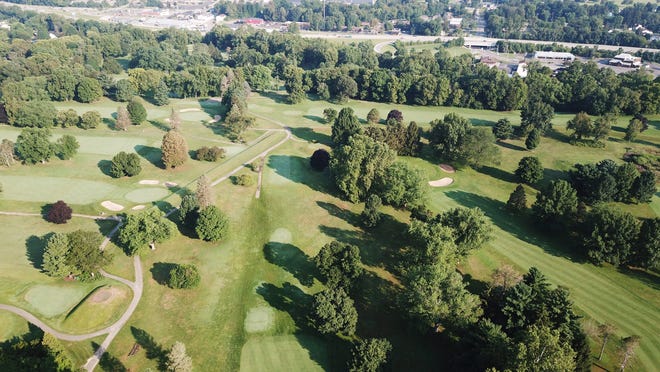
Dr. Brad Lepper, Senior Archaeologist for the Ohio History Connection’s World Heritage program, on the missing links to the Newark Earthworks' history ...
In 1775, Nicholas Cresswell encountered such a ceremonial leader while visiting the Delaware Indians of Coshocton. He wrote: “Saw an Indian Conjuror dressed in a Coat of Bearskin with a Visor mask made of wood, frightful enough to scare the Devil.”
Don't miss Dr. Lepper's fascinating explanation of the geographical-geometry of Ohio's prehistoric earthworks ...
15 April 2023
Always.

Jack London
I was born so long ago that I grew up before the era of gasoline. As a result, I am old-fashioned. I prefer a sail-boat to a motor- boat, and it is my belief that boat-sailing is a finer, more difficult, and sturdier art than running a motor. Gasoline engines are becoming fool-proof, and while it is unfair to say that any fool can run an engine, it is fair to say that almost any one can. Not so, when it comes to sailing a boat. More skill, more intelligence, and a vast deal more training are necessary. It is the finest training in the world for boy and youth and man. If the boy is very small, equip him with a small, comfortable skiff. He will do the rest. He won’t need to be taught. Shortly he will be setting a tiny leg-of-mutton and steering with an oar. Then he will begin to talk keels and centerboards and want to take his blankets out and stop aboard all night.
But don’t be afraid for him. He is bound to run risks and encounter accidents. Remember, there are accidents in the nursery as well as out on the water. More boys have died from hot-house culture than have died on boats large and small; and more boys have been made into strong and reliant men by boat-sailing than by lawn-croquet and dancing-school.
And once a sailor, always a sailor. The savor of the salt never stales. The sailor never grows so old that he does not care to go back for one more wrestling bout with wind and wave. I know it of myself. I have turned rancher, and live beyond sight of the sea. Yet I can stay away from it only so long. After several months have passed, I begin to grow restless. I find myself day-dreaming over incidents of the last cruise, or wondering if the striped bass are running on Wingo Slough, or eagerly reading the newspapers for reports of the first northern flights of ducks. And then, suddenly, there is a hurried pack of suit-cases and overhauling of gear, and we are off for Vallejo where the little Roamer lies, waiting, always waiting, for the skiff to come alongside, for the lighting of the fire in the galley-stove, for the pulling off of gaskets, the swinging up of the mainsail, and the rat-tat-tat of the reef-points, for the heaving short and the breaking out, and for the twirling of the wheel as she fills away and heads up Bay or down.
JACK LONDON
On Board Roamer,
Sonoma Creek,
April 15, 1911
Telemann, Overture-Suite "La Bizarre" in G major, TWV 55:G2
Bremer Barockorchester performs the Sarabande ...
Moderation.
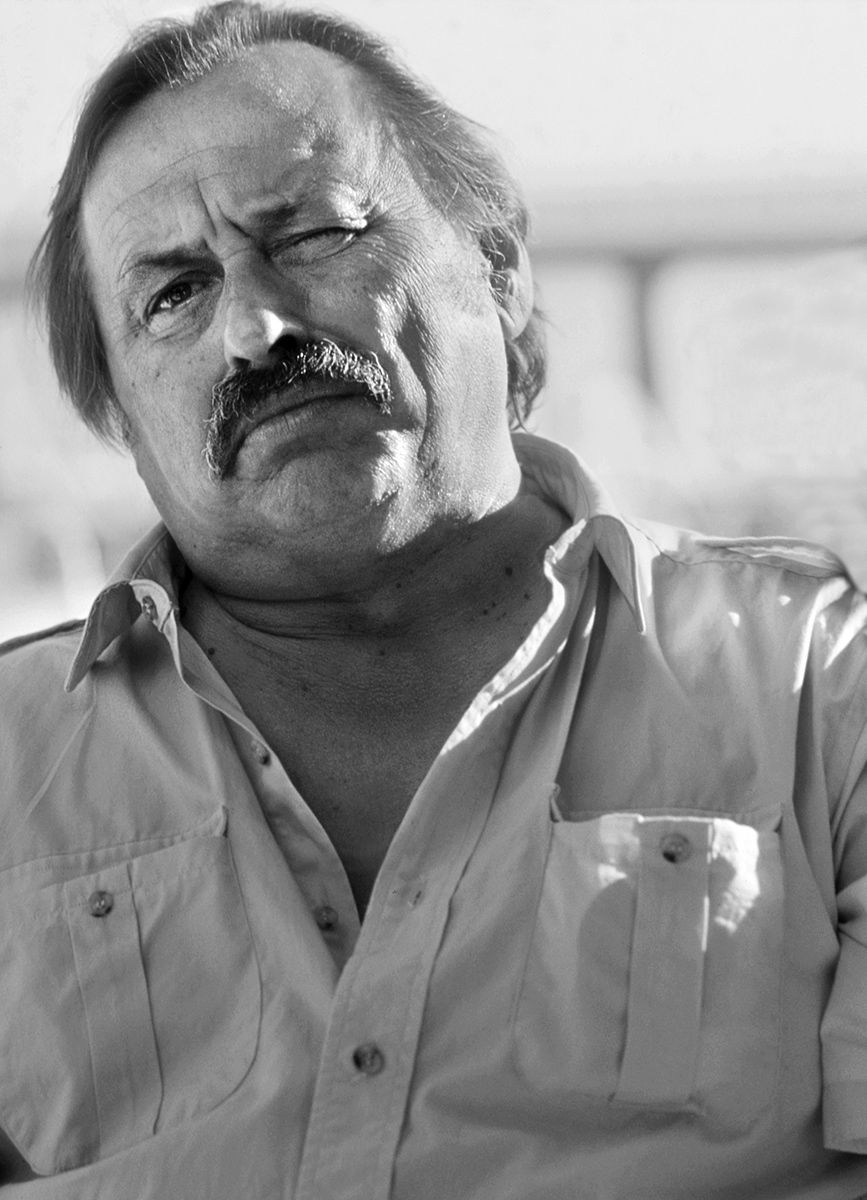
Harrison's Principles of Moderation
Quite some time ago I turned a corner with the emotion of wanting more consciousness. The following list had a wondrous, albeit slowly evolving, effect on my life. These are relatively mild pointers, though the consequences of ignoring them are as fatal as shooting yourself in the head in a curious time warp wherein the bullet takes many years to reach its inevitable target.
- Drinking causes drinking. Heavy drinking causes heavy drinking. Light drinking causes light drinking.
- The ability to check yourself moment by moment has been discussed at length by wise folks from the old Ch’an master of China all the way down to Ouspensky. This assumes a willingness to be conscious.
- The reason to moderate is to avoid having to quit, thus losing a pleasure that’s been with us forever.
- We don’t have much freedom in this life, and it is self-cruelty to surrender a piece of what we have because we can’t control our craving.
- Measurement is all. A one-ounce shot delivers all the benefits of a three-ounce shot. A couple of the latter turn one into a spit-dribbler. Spit-dribblers frighten children and make everyone else nervous.
- With any sedative there is a specific, roomy gap between smoothing-out and self-destruction. There is no self-destructiveness without the destruction of others. We are not alone.
- Naturally there are special occasions. When you get older like me, it’s once a month, if that.
- It’s hard to determine pathology in a society in which everything is pathological. The main content of our prayers should be for simple consciousness. The most important thing we can do is to find out what ails us and fix it. Often we need outside counsel, for clarity and to speed up the process. (I’ve had more than 20 years with my mind doctor).
- A lot of overdrinking comes from feeling bad physically. One over-drinks to feel better in physiological terms. This can be avoided by vitamins, exercise, and a reasonable diet. Again, it’s a cycle: Overdrinking causes overdrinking because you feel bad.
- Another source of the problem is the unreasonable expectations we get from others and ourselves. Unreasonable expectations can be removed by thinking them over. They can’t be “drownt” pure and simple. Everyone can’t get to the top, or even the middle.
- Oddly enough, our main weapons in controlling drinking are humor and lightness. The judgment of others and self-judgment (stern) are both contraindicated. When we fuck up, we mentally beat ourselves up. It doesn’t work at all and has to be expunged. The reason to slow down is to feel better, and it works real good.
- You begin by cutting it all by a third. After a few weeks you go down to a half. After that your soul will tell you, when you listen. Often it is simply a matter of one drink too many.
- We need always to separate the problem of virtue from the problem of lack of control. Certain countries — France, for example — drink more alcohol but have fewer problems. This is partly due to the predominance of wine, which has less of a stun-gun effect on behavior, but also because drinking isn’t connected to virtue or nonvirtue. It is a practical problem. Drinking has to be strictly self-controlled the moment it negatively affects our character and behavior.
Happy Birthday, Leonardo
Leonardo, Head of a Bear, 1480
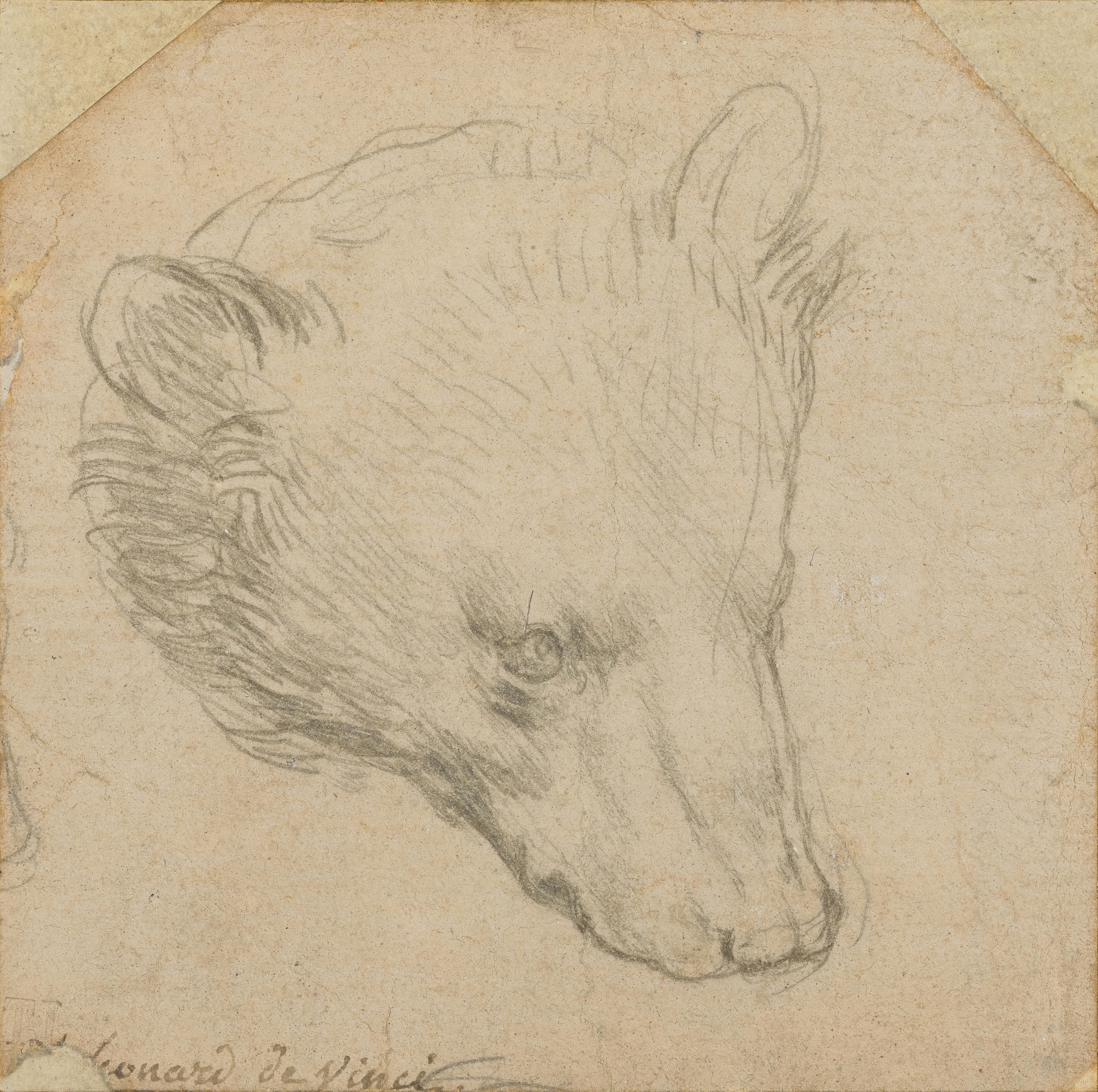
Observe the light and consider its beauty. Blink your eye and look at it. That which you see was not there at first, and that which was there is there no more.
Leonardo da Vinci, born on this day in 1452
14 April 2023
Celebratory.
Bouguereau, La Jeunesse de Bacchus, 1884
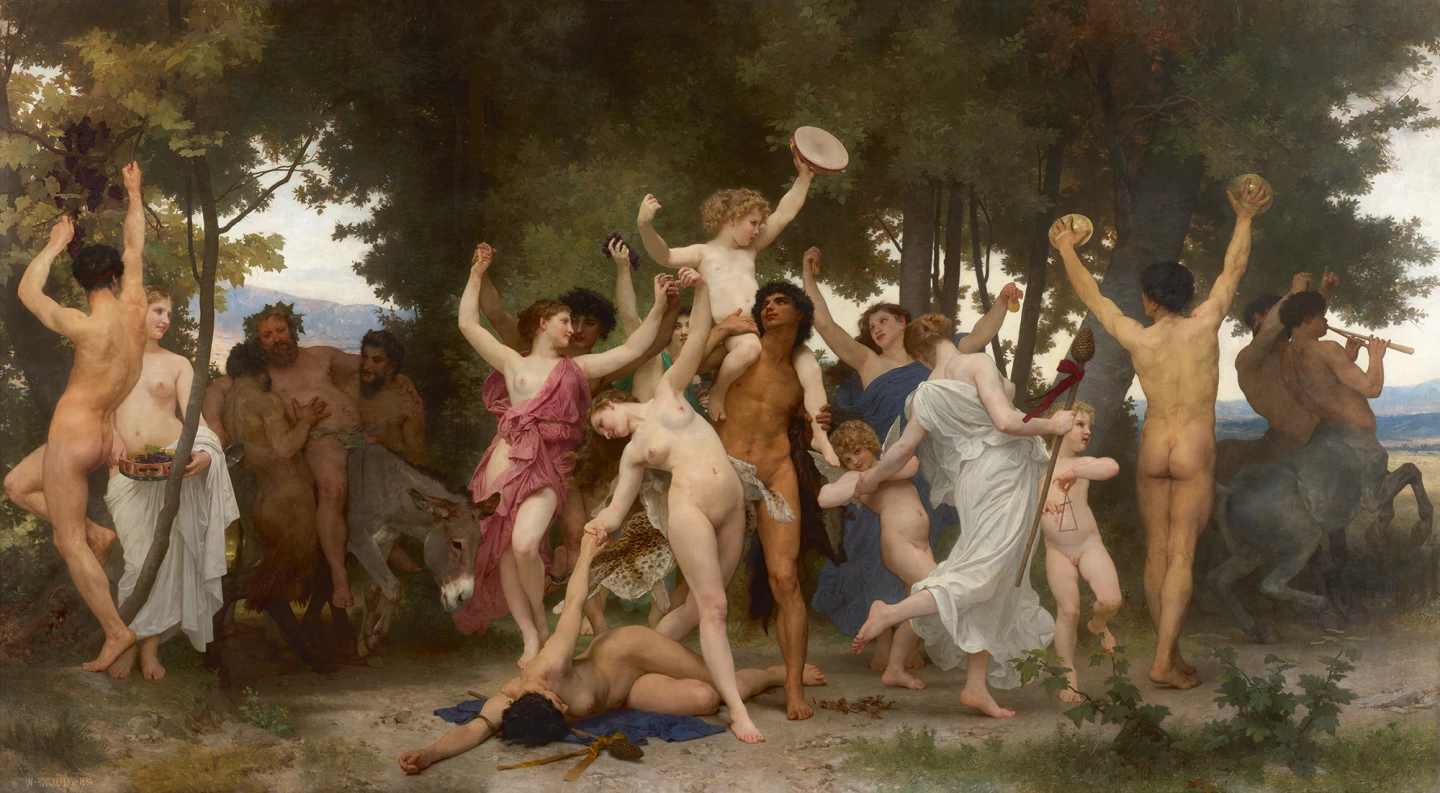
Life is so short you want to remember all of it, bad and good. It has occurred to me that I’m drawn to wine for the same reason that fishing and bird hunting have been lifelong obsessions. The pleasure is in the path, the search for something good; finding and drinking a fine, reasonably priced wine is similar to catching a trout in an unlikely eddy of a river, or a two grouse in the bag on a cold, rainy October morning -- it is celebratory rather than sedating, a nod to the realities of existence rather than an erasure.
Jim Harrison
13 April 2023
Sacred.
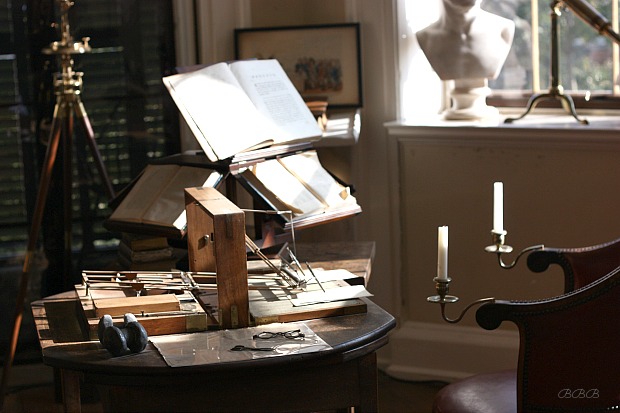
From Peter S. Onuf and Annette Gordon-Reed's review of Jefferson's Spaces ...
Retreating behind his “wall of separation,” Jefferson refreshed his mind and spirit through reading, writing, and reflection. The space he reserved for himself was critical to the personal privacy he cherished after the death of his wife, Martha: this is where the independent, autonomous, self-governing individual cultivated his faculties and defined himself against and apart from the world. Yet, paradoxically, if contemporaries could not penetrate this space and know Jefferson intimately, modern students enjoy privileged access to the books he read and the vast correspondence that connected him to the “republic of letters.” This is where he fabricated the cut-and-paste “Jefferson Bible” and fashioned his idiosyncratic synthesis of Christian ethics and Scottish moral philosophy. It was as if the freedom of conscience that was foundational to republican government could be defined as a kind of inviolably sacred space, where the weary and beleaguered statesman could find a sanctuary.Privacy was not an end in itself for Jefferson, but rather the threshold of the enlightened sociability routinely performed in Monticello’s public spaces. Jefferson crossed that threshold, returning to his company, according to the dictates of the clock: breakfast at 10 a.m., dinner at 3 or 4 p.m., walking in the gardens and grounds culminating in convivial moments in the parlor at the end of the day. This was the Monticello Jefferson imagined when he was away: “I now see our fireside formed into a groupe, no one member of which has a fibre in their composition which can ever produce any jarring or jealousies among us.”
Credentials.
Our credentials are that we are out there, in nature, when others are not, and that we are out there because we want to be, not because we have to or are paid to be. Our eyes solicit the traceries of spoors on the earth and birds in the sky; our spirits are conscious of ravens and long for the restitution of wolves and bears to the land. We are the wildlife thermometers, poking about in rivers and swamps, in the shadows of forest canopies, under the ashes of desert suns, and the force that drives us is our soul.
Guy de la Valdene, from For a Handful of Feathers
Staggeringly.

Jefferson, the third President of our beloved nation, was staggeringly curious and an intellectually superior polymath. He was also an accomplished violinist. He bought a pocket fiddle that accompanied him wherever he went. Jefferson was an active member of chamber music that played for the royal governor of Virginia, and he admired Corelli, Haydn, Gluck, Handel, Vivaldi, Pergolesi, Boccherini, Stamitz, Clementi, and J.C. Bach (youngest son of J.S. Bach). The 6,500 volumes of sheet music that Jefferson sold to the government formed the nucleus of the Library of Congress. In addition to work of the previously mentioned composers, his collection contained sheet music by lesser known composers as well, such as Padre Martini, Gaetano Pugnani, Ignaz Pleyel, and Italianized German composer, Johann Adolph Hasse.

Stamitz, Clarinet Concerto No.7 in E-flat major
Andreas Ottensamer performs the Rondeau with the Kammerakademie Potsdam ...
Happy Birthday, Jefferson
Sully, Thomas Jefferson, 1821

I think by far the most important bill in our whole code is that for the diffusion of knowledge among the people. No other sure foundation can be devised, for the preservation of freedom and happiness. If any body thinks that kings, nobles, or priests are good conservators of the public happiness, send them here. It is the best school in the universe to cure them of that folly. They will see here with their own eyes that these descriptions of men are an abandoned confederacy against the happiness of the mass of people. The omnipotence of their effect cannot be better proved than in this country particularly, where notwithstanding the finest soil upon earth, the finest climate under heaven, and a people of the most benevolent, the most gay, and amiable character of which the human form is susceptible, where such a people I say, surrounded by so many blessings from nature, are yet loaded with misery by kings, nobles and priests, and by them alone. Preach, my dear Sir, a crusade against ignorance; establish & improve the law for educating the common people. Let our countrymen know that the people alone can protect us against these evils [tyranny, oppression, etc.] and that the tax which will be paid for this purpose is not more than the thousandth part of what will be paid to kings, priests and nobles who will rise up among us if we leave the people in ignorance.
Thomas Jefferson, born on this day in 1743, from a letter to George Wythe, 13 August 1786
12 April 2023
Happy Birthday, Sargeant
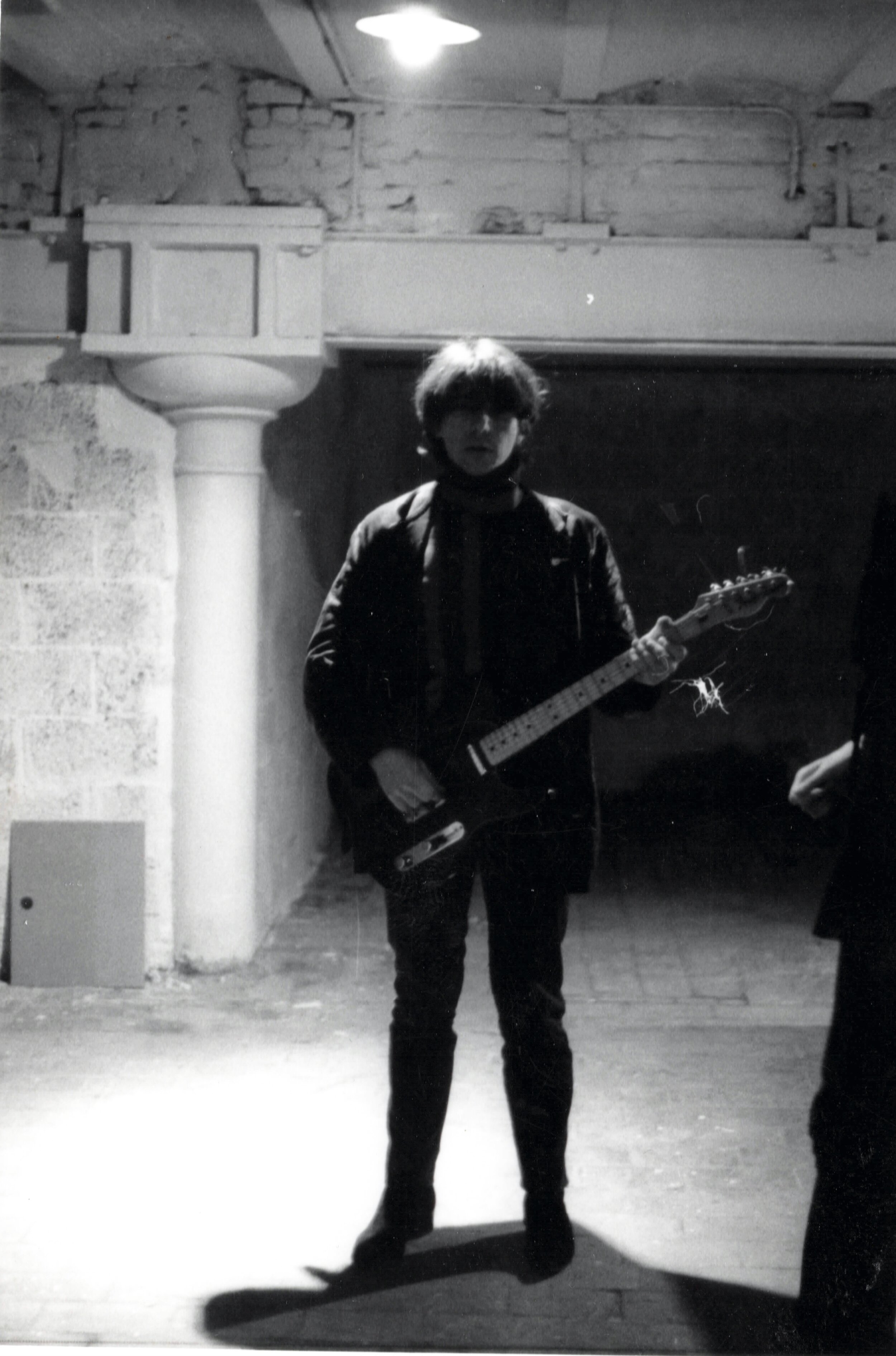
"Heads Will Roll" and "Gods will be Gods" with The Bunnymen ...
11 April 2023
Gentler.
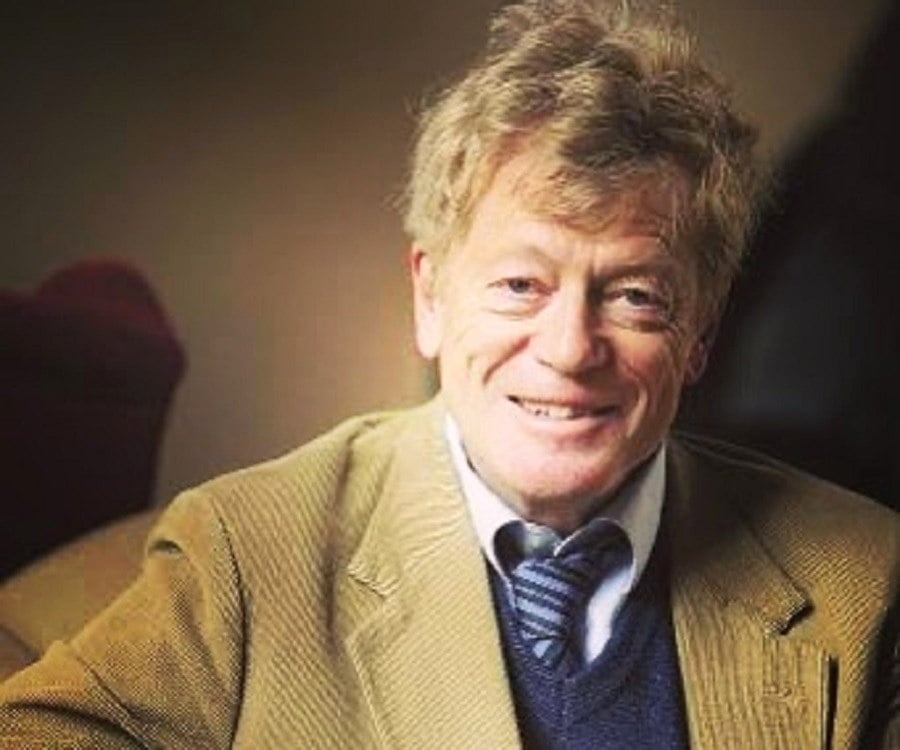
Sir Roger Scruton, from I Drink, Therefore I Am
Profoundly.

There can be no stronger proof of the impoverishment of our contemporary culture than the popular -- though profoundly mistaken -- definition of myth as falsehood.
Rollo May, from The Cry for Myth
Tuneswept.
Modigliani, Portrait of Lunia Czechowska, 1916

I want to be a tuneswept fiddle string that feels the master melody, and snaps.
Amedeo Modigliani
10 April 2023
Laughter.
Chatham, The Author in His Skiff, n/d

Guy de la Valdene remembers The Fat Boys and trolling The Keys ...
Back in the days when the calendar and geography worked, Tom, Jim, Russell and I met and took advantage of the fact that we loved books and art and dogs and birds and fish and food and good-looking women. We fished and hunted and drank and cooked from one end of the country to the other for a quarter of a century, with Key West as a beacon of our sporting year. Now when we see each other, we remember what nonsense we used to get into and how even though we thought we did, we never got away with any of it.What I remember best about those decades was the laughter.Every time our group was together, we laughed and laughed, often to the point of hurting. Head-splitting, belly-heaving silliness at all times of day and night, in the boat, at the bar, during dinners, in Key West, in Montana, in the Upper Peninsula of Michigan, in France. Everywhere and anywhere, we laughed and laughed and laughed, and I miss it.
Practice.
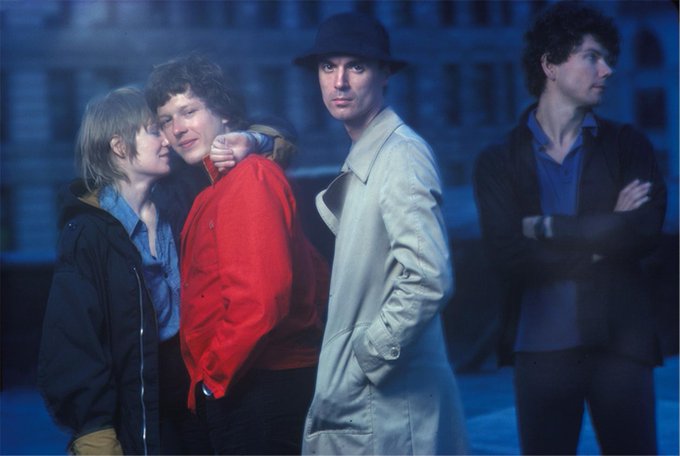
With a little practice, you can walk like, talk just like me.
If that's what you want to do ...
Be.

Be careful what you get good at doing because you'll be doing it for the rest of your life. When you are the one throwing the party every night, emptying the ashtrays, making sure the tonic is cold, the limes fresh, the shifts covered, the meat perfectly cooked and adequately rested, the customers carefree and the employees calm and confident, it will leave its marks. Someone has to stay in the kitchen and do the bones of the thing, to make sure it stands up, and if it’s you, so be it.
Gabrielle Hamilton, from Blood, Bones, and Butter: The Inadvertent Education of a Reluctant Chef
Instead.

According to the post, organizers hid over 2,000 eggs and set up a designated area for 1- and 2-year-old children to look first, followed by 3- and 4-year-olds. After that, all kids could join in. However, organizers said participants did not follow instructions, and parents instead rushed to collect the eggs.
Subscribe to:
Posts (Atom)
About Me

- Rob Firchau
- "A man should stir himself with poetry, stand firm in ritual, and complete himself in music." -Gary Snyder
Think ...

GASTON BACHELARD

"The house shelters day-dreaming, the house protects the dreamer, the house allows one to dream in peace.”


CARL R. FIRCHAU (1884-1973)

"The strength of a man’s virtue should not be measured by his special exertions but by his habitual acts.” Blaise Pascal

REMEMBER


SUPPORT OUR TROOPS


C.S. LEWIS


G.K. CHESTERTON
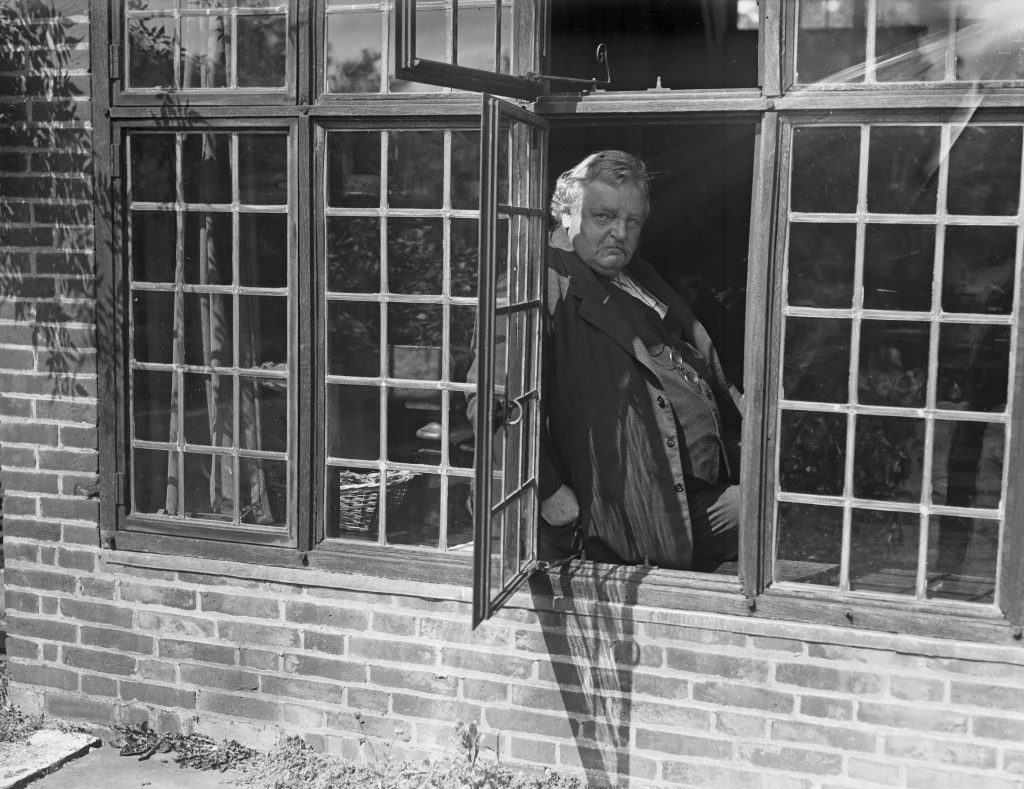
"Tradition refuses to submit to the small and arrogant oligarchy of those who merely happen to be walking about."

KENNETH GRAHAME

"O Mole! the beauty of it! The merry bubble and joy, the thin, clear, happy call of the distant piping!"

BARRY HINES

"That's why it makes me mad when I take her out and I'll hear somebody say, 'Look, there's Billy Casper there wi' his pet hawk. I could shout at 'em; it's not a pet, Sir, hawks are not pets. Or when folks stop me and say, 'Is it tame?' Is it heck tame, it's trained that's all. It's fierce, and it's wild, an' it's not bothered about anybody, not even about me, right. And that's why it's great.Look, there's Billy Casper there wi' his pet hawk.' I could shout at 'em. It's not a pet, Sir. Hawks are not pets. Or when folks stop me and say, 'Is it tame?' Is it heck tame, it's trained, that's all. It's fierce, and it's wild, an' it's not bothered about anybody, not even about me right. And that's why it's great." (A Kestrel for a Knave)

GEORDIE WALKER


FIORENTINO

The Musician Angel


ECHO & THE BUNNYMEN

JIM HARRISON
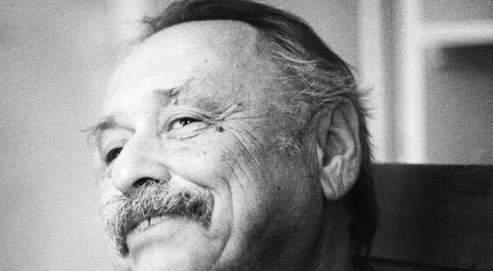
37. Beware, O wanderer, the road is walking too, said Rilke one day to no one in particular as good poets everywhere address the six directions. If you can’t bow, you’re dead meat. You’ll break like uncooked spaghetti. Listen to the gods. They’re shouting in your ear every second.
GIMME FIIIVE!

THE FURS
Suggestions

WOLFGANG AMADEUS MOZART

"When I am, as it were, completely myself, entirely alone and of good cheer – say travelling in a carriage or walking after a good meal, or during the night when I cannot sleep – it is on such occasions that my ideas flow best and most abundantly. Whence, and how, they come I know not ; nor can I force them. Those ideas that please me I retain in memory and am accustomed, as I have been told, to hum them to myself. If I continue in this way, it soon occurs to me how I may turn this dainty morsel to account, so as to make a good dish of it. That is to say, agreeable to the rules of counterpoint, to the peculiarities of various instruments etc. All this fires my soul, and, provided I am not disturbed, my subject enlarges itself, becomes methodised, and defined, and the whole, though it be long, stands almost complete and finished in my mind, so that I can survey it like a fine picture or a beautiful statue at a glance. Nor do I hear in my imagination the parts successively, but I hear them, as it were, all at once. What a delight this is, I cannot tell."

HOOKY


MARY SHELLEY


GREEN MAN

"Feel wind stir the greenwood, or turn pages of a book made from his flesh -- lean close, then, and hear, Green Man's voice."
WALLACE STEVENS

"Technique is the proof of your seriousness."





N.C. WYETH

Cold Maker, Winter, 1909


Dick's Pour House, Lake Leelanau, Michigan

Smelt Basket
PanAm "Pacific Clipper" (1941)

JOHN SINGER SARGENT

Elizabeth Winthrop Chanler (detail), 1893
WILLIAM F. BUCKLEY JR.
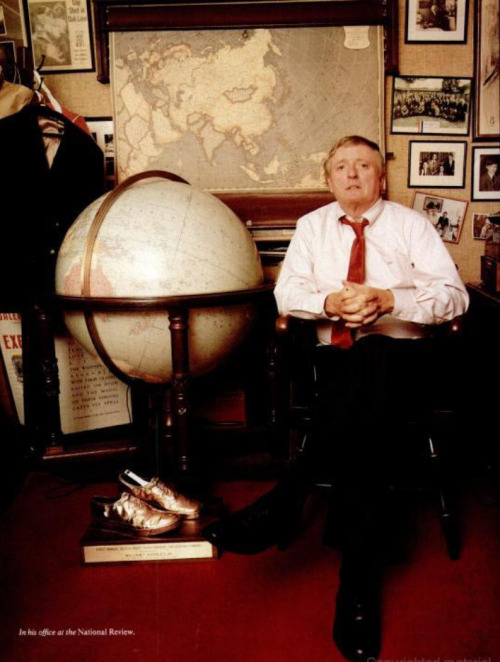
"We are so concerned to flatter the majority that we lose sight of how very often it is necessary, in order to preserve freedom for the minority, let alone for the individual, to face that majority down."

SIR ROGER SCRUTON
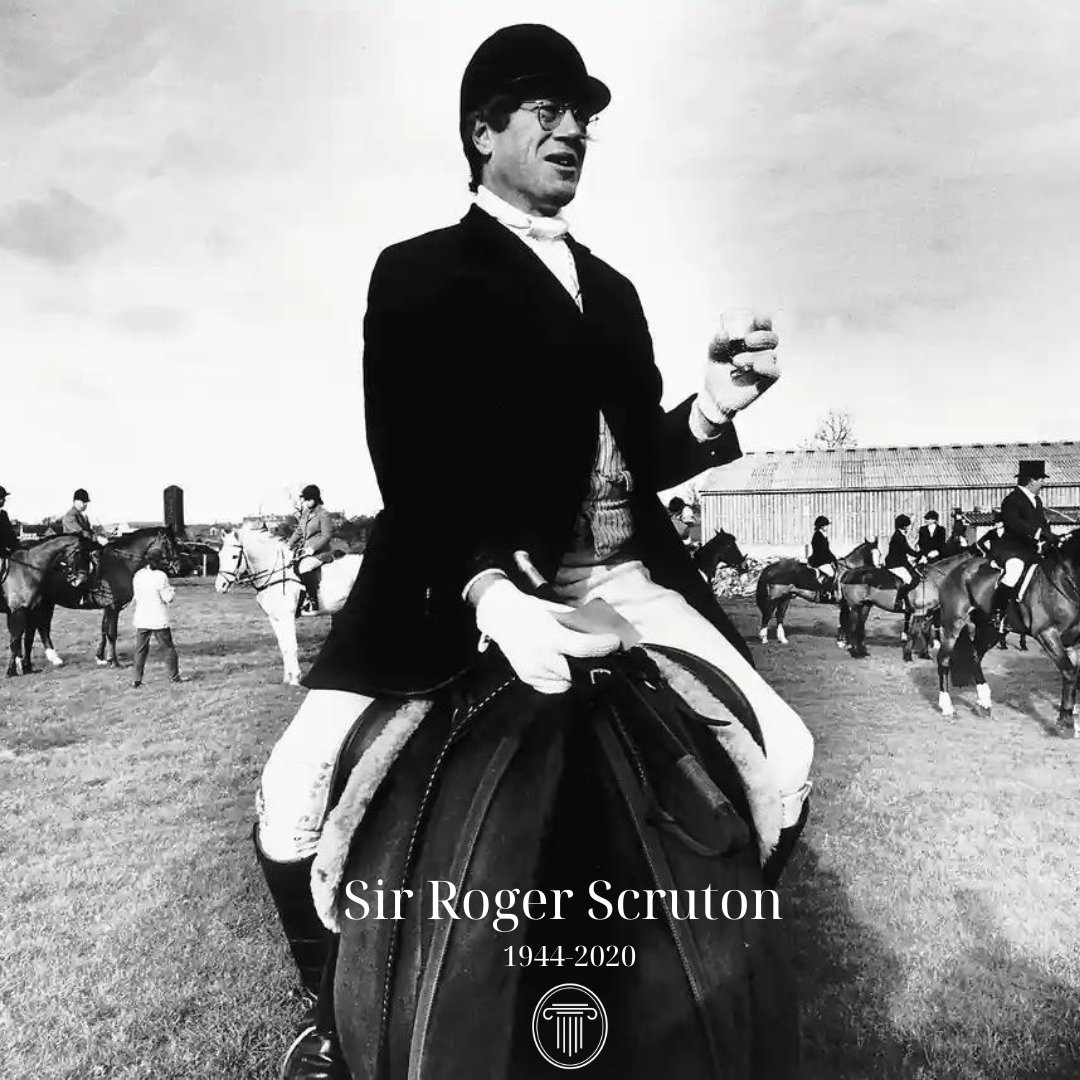
"Beauty is a value, as important as truth and goodness."
SIR WINSTON CHURCHILL
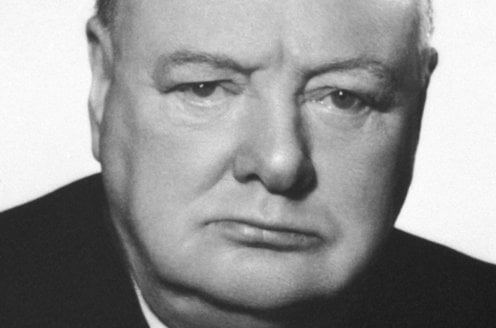
"A gentleman does not have a ham sandwich without mustard."



J.R.R. TOLKIEN
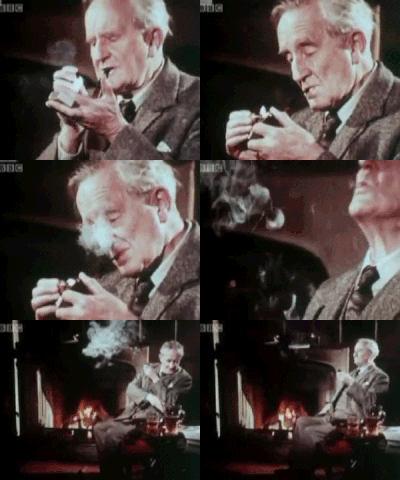
"If more of us valued food and cheer and song above hoarded gold, it would be a merrier world."

JOHN MASEFIELD
"When the midnight strikes in the belfry dark/And the white goose quakes at the fox’s bark/We saddle the horse that is hayless, oatless/Hoofless and pranceless, kickless and coatless/We canter off for a midnight prowl/Whoo-hoo-hoo, says the hook-eared owl."
IKKYU

VIRGINIA WOOLF


OLD MISSION

JOHN QUINCY ADAMS
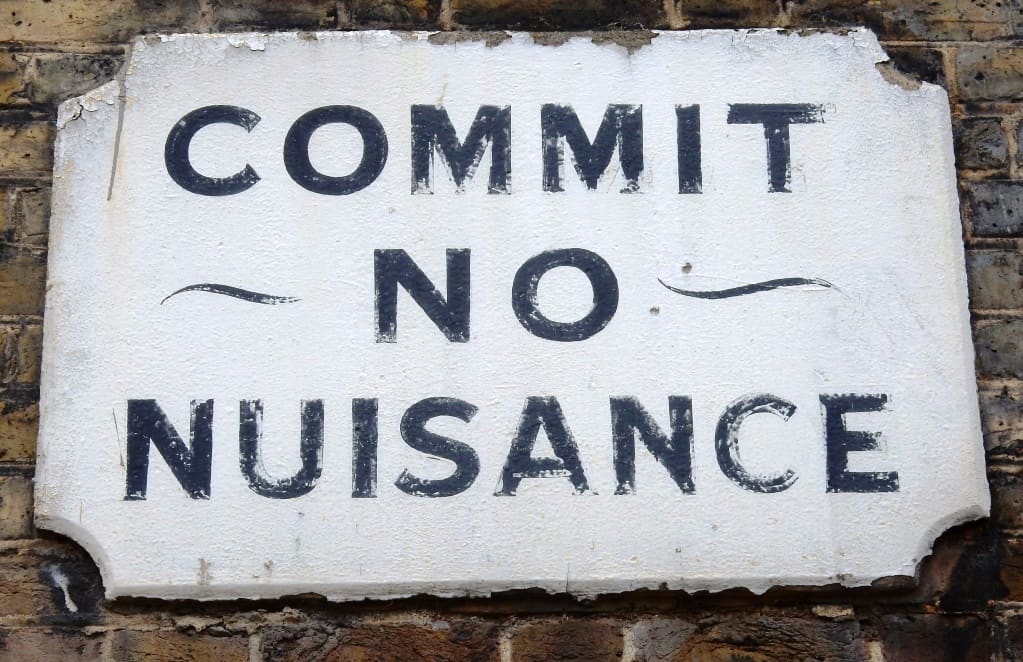
"However tiresome to others, the most indefatigable orator is never tedious to himself. The sound of his own voice never loses its harmony to his own ear; and among the delusions, which self-love is ever assiduous in attempting to pass upon virtue, he fancies himself to be sounding the sweetest tones."
SIR KENNETH GRAHAME
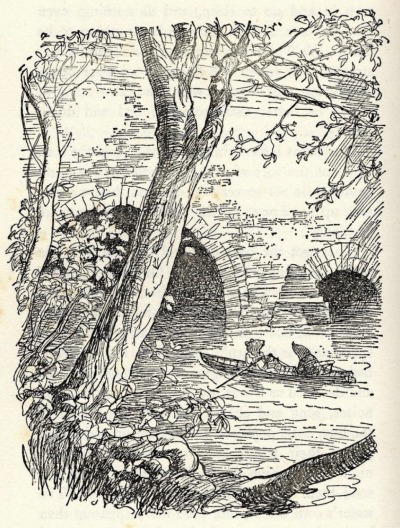
"Take the Adventure, heed the call, now, ere the irrevocable moment passes! ‘Tis but a banging of the door behind you, a blithesome step forward, and you are out of the old life and into the new! Then some day, some day long hence, jog home here if you will, when the cup has been drained and the play has been played, and sit down by your quiet river with a store of goodly memories for company."

JIM HARRISON
"Barring love I'll take my life in large doses alone--rivers, forests, fish, grouse, mountains. Dogs."
WILLIAM WORDSWORTH

WALT WHITMAN

The spotted hawk swoops by and accuses me, he complains of my gab and my loitering. I too am not a bit tamed, I too am untranslatable, I sound my barbaric yawp over the roofs of the world. The last scud of day holds back for me, It flings my likeness after the rest and true as any on the shadow’d wilds, It coaxes me to the vapor and the dusk. I depart as air, I shake my white locks at the runaway sun, I effuse my flesh in eddies, and drift it in lacy jags. I bequeath myself to the dirt to grow from the grass I love, If you want me again look for me under your boot-soles. You will hardly know who I am or what I mean, But I shall be good health to you nevertheless, And filter and fibre your blood. Failing to fetch me at first keep encouraged, Missing me one place search another, I stop somewhere waiting for you.

SAMUEL ADAMS

"It is a very great mistake to imagine that the object of loyalty is the authority and interest of one individual man, however dignified by the applause or enriched by the success of popular actions."
TAO TE CHING, Lao Tzu



MARCUS AURELIUS

"Is your cucumber bitter? Throw it away. Are there briars in your path? Turn aside. That is enough. Do not go on and say, 'Why were things of this sort ever brought into this world?' neither intolerable nor everlasting - if thou bearest in mind that it has its limits, and if thou addest nothing to it in imagination. Pain is either an evil to the body (then let the body say what it thinks of it!)-or to the soul. But it is in the power of the soul to maintain its own serenity and tranquility."

VINCENT van GOGH

"What am I in the eyes of most people? A nonentity or an oddity or a disagreeable person — someone who has and will have no position in society, in short a little lower than the lowest. Very well — assuming that everything is indeed like that, then through my work I’d like to show what there is in the heart of such an oddity, such a nobody. This is my ambition, which is based less on resentment than on love in spite of everything, based more on a feeling of serenity than on passion. Even though I’m often in a mess, inside me there’s still a calm, pure harmony and music. In the poorest little house, in the filthiest corner, I see paintings or drawings. And my mind turns in that direction as if with an irresistible urge. As time passes, other things are increasingly excluded, and the more they are the faster my eyes see the picturesque. Art demands persistent work, work in spite of everything, and unceasing observation."
RICK LEACH (1975-1978)

48 career games started; 2,176 rushing yards, 34 touchdowns; 4,284 passing yards, 48 touchdowns; 7-2 career record versus Michigan State, Notre Dame, and Ohio combined; three-time All-American, All-Big Ten, and Heisman finalist


RICHARD ADAMS
"One cloud feels lonely."
JOHN SINGER SARGENT
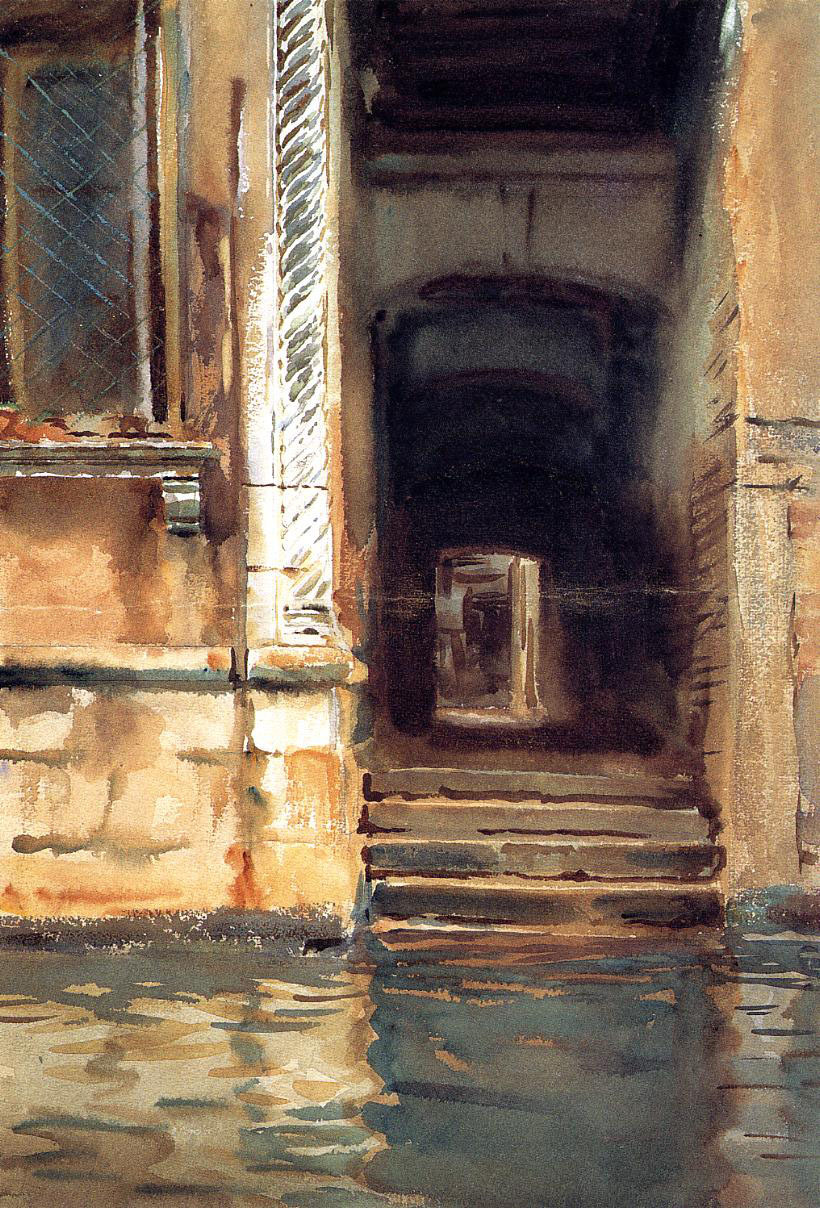
"Cultivate an ever continuous power of observation. Wherever you are, be always ready to make slight notes of postures, groups and incidents. Store up in the mind a continuous stream of observations."
WINSLOW HOMER

The Lone Boat, North Woods Club, Adirondacks, 1892

THOMAS BABINGTON MACAULEY

And how can man die better / Than facing fearful odds / For the ashes of his fathers / And the temples of his gods


WATERHOUSE, BOREAS, 1903

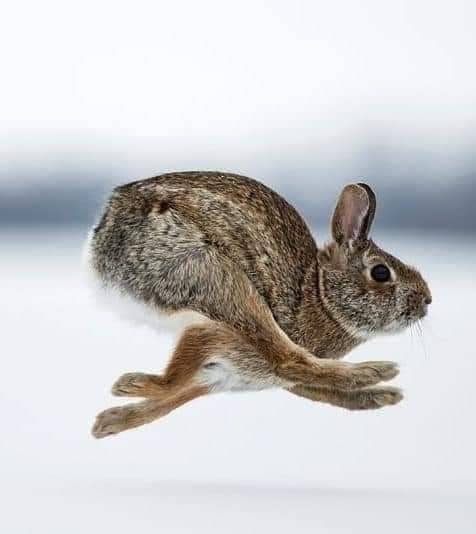
WHITE HORSES Far out at sea / There are horses to ride, / Little white horses / That race with the tide. / Their tossing manes / Are the white sea-foam, / And the lashing winds / Are driving them home- / To shadowy stables / Fast they must flee, / To the great green caverns / Down under the sea. Irene Pawsey

CINDY WILSON

UMBERTO LIMONGIELLO

"The euphony transformed me and inundated my soul in a roguish countenance, the likes of which I had know well in younger days. Such impishness soon drove out the complaints of the day."

F. SCOTT FITZGERALD

"I don't want to repeat my innocence. I want the pleasure of losing it again.” This Side of Paradise
RALPH WALDO EMERSON

"In skating over thin ice, our safety is in our speed."
ROBERT PLANT


GARY SNYDER

"There are those who love to get dirty and fix things. They drink coffee at dawn, beer after work. And those who stay clean, just appreciate things. At breakfast they have milk and juice at night. There are those who do both, they drink tea.”

IMMANUEL KANT

"Enlightenment is man's emergence from his self-imposed nonage. Nonage is the inability to use one's own understanding without another's guidance. This nonage is self-imposed if its cause lies not in lack of understanding but in indecision and lack of courage to use one's own mind without another's guidance. Dare to know! Sapere aude. 'Have the courage to use your own understanding,' is therefore the motto of the enlightenment."
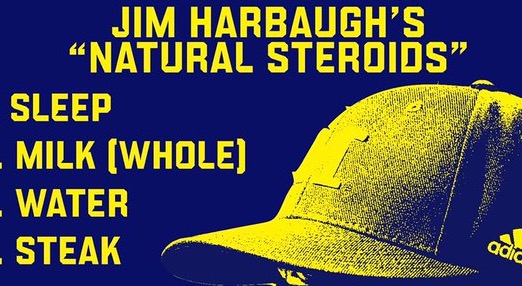
DAN CAMPBELL
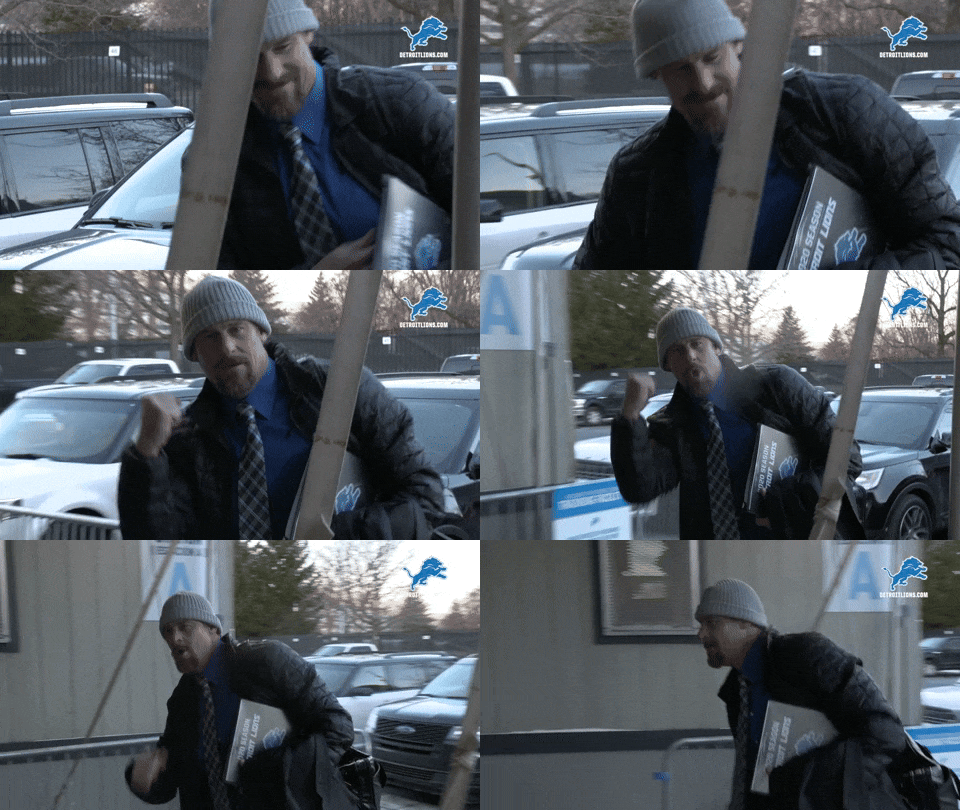
"We’re gonna kick you in the teeth, and when you punch us back we’re gonna smile at you, and when you knock us down we’re going to get up, and on the way, we’re going to bite a kneecap off. We’re going to stand up, and it’s going to take two more shots to knock us down. And on the way up, we’re going to take your other kneecap, and we’re going to get up, and it’s gonna take three shots to get us down. And when we do, we’re gonna take another hunk out of you."
THOMAS HUXLEY

"Sit down before fact as a little child, be prepared to give up every conceived notion, follow humbly wherever and whatever abysses nature leads, or you will learn nothing."
JOHN DRYDEN

"Bold knaves thrive without one grain of sense, but good men starve for want of impudence.”
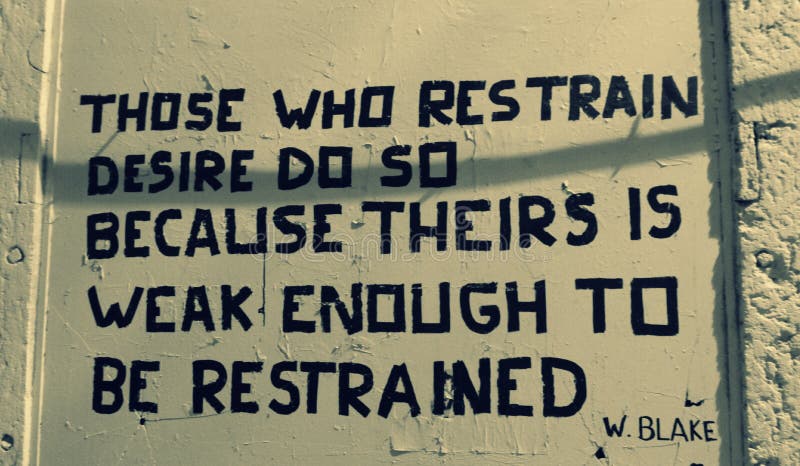
WILLIAM BLAKE
"Those who restrain desire do so because theirs is weak enough to be restrained."
HERMANN HESSE

"Whoever wants music instead of noise, joy instead of pleasure, soul instead of gold, creative work instead of business, passion instead of foolery, finds no home in this trivial world of ours."
GEORGE MACDONALD

"Certainly work is not always required of a man. There is such a thing as a sacred idleness, the cultivation of which is now fearfully neglected."
REV. DR. CORNEL WEST

"You have to have a habitual vision of greatness … you have to believe in fact that you will refuse to settle for mediocrity. You won’t confuse your financial security with your personal integrity, you won’t confuse your success with your greatness or your prosperity with your magnanimity … believe in fact that living is connected to giving.”
IT'S A WONDERFUL LIFE

"You see George, you've really had a wonderful life. Don't you see what a mistake it would be to just throw it away?"
WOODY

"There's a basic rule which runs through all kinds of music, kind of an unwritten rule. I don't know what it is, but I've got it."
MIGGY

"Exuberance is beauty." (William Blake)





Festina Lente

GARAGE SALINGER

JOHN RUSKIN
"Sunshine is delicious, rain is refreshing, wind braces us up, snow is exhilarating; there is really no such thing as bad weather, only different kinds of good weather."

Spitzweg, The Bookworm, 1850

"Literature is the most agreeable way of ignoring life.” Fernando Pessoa
WILLIAM F. BUCKLEY JR.
"[I]in the spiky fall season, days like today with the little chill that makes one feel freshly laundered ..."
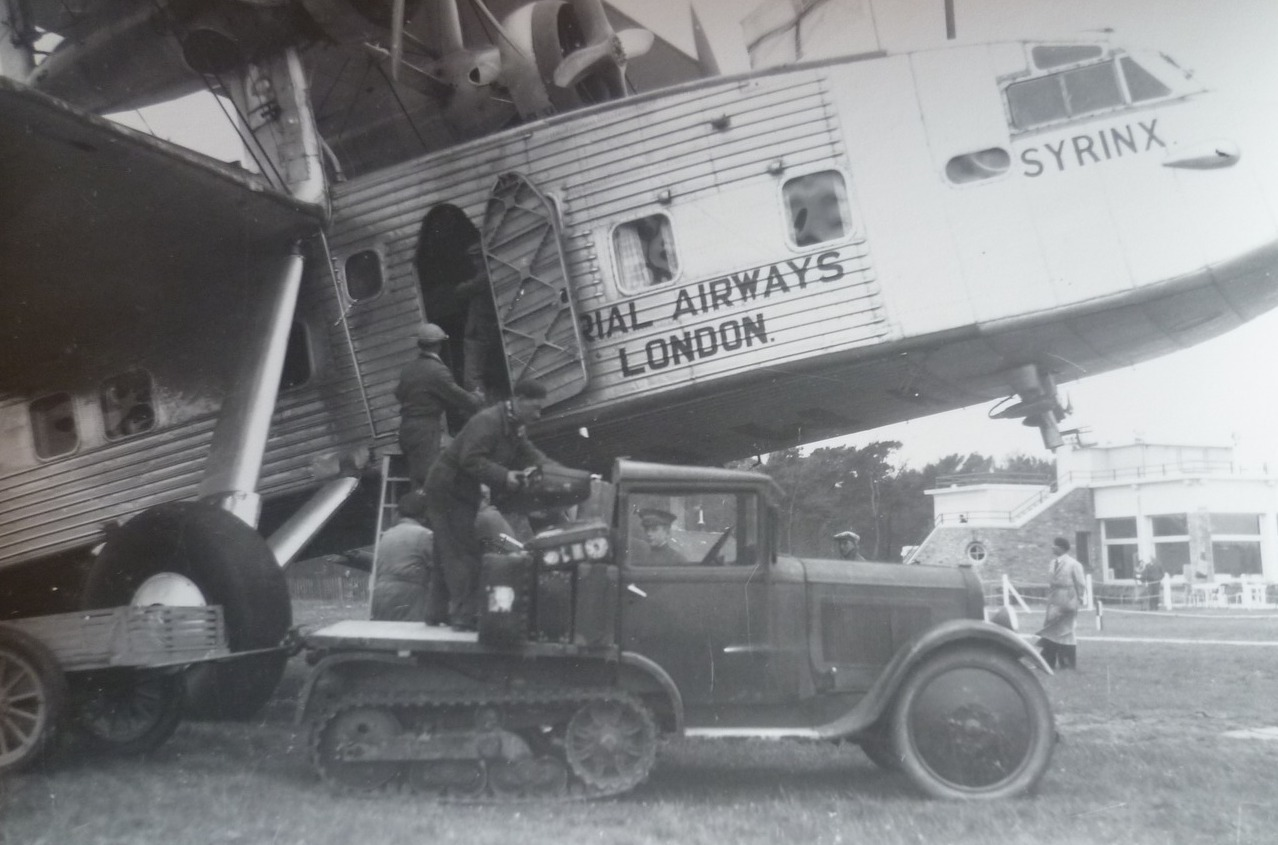
SYRINX
TINA WEYMOUTH

WALT WHITMAN
"Do I contradict myself? Very well then I contradict myself, (I am large, I contain multitudes)."


H.L. MENCKEN

"Every normal man must be tempted, at times, to spit on his hands, hoist the black flag, and begin slitting throats. But this business, alas, is fatal to the placid moods and fine other-worldliness of the poet."

FYODOR DOSTOEVSKY

"I say let the world go to hell, but I should always have my tea."
DUDLEY

"We all come from our own little planets. That's why we're all different. That's what makes life interesting."
HERMAN MELVILLE


"We're just dancing in the rain ..."
LEO TOLSTOY

"If, then, I were asked for the most important advice I could give, that which I considered to be the most useful to the men of our century, I should simply say: in the name of God, stop a moment, cease your work, look around you."


HAROLD BLOOM
"It is hard to go on living without some hope of encountering the extraordinary."
I'm reading ...
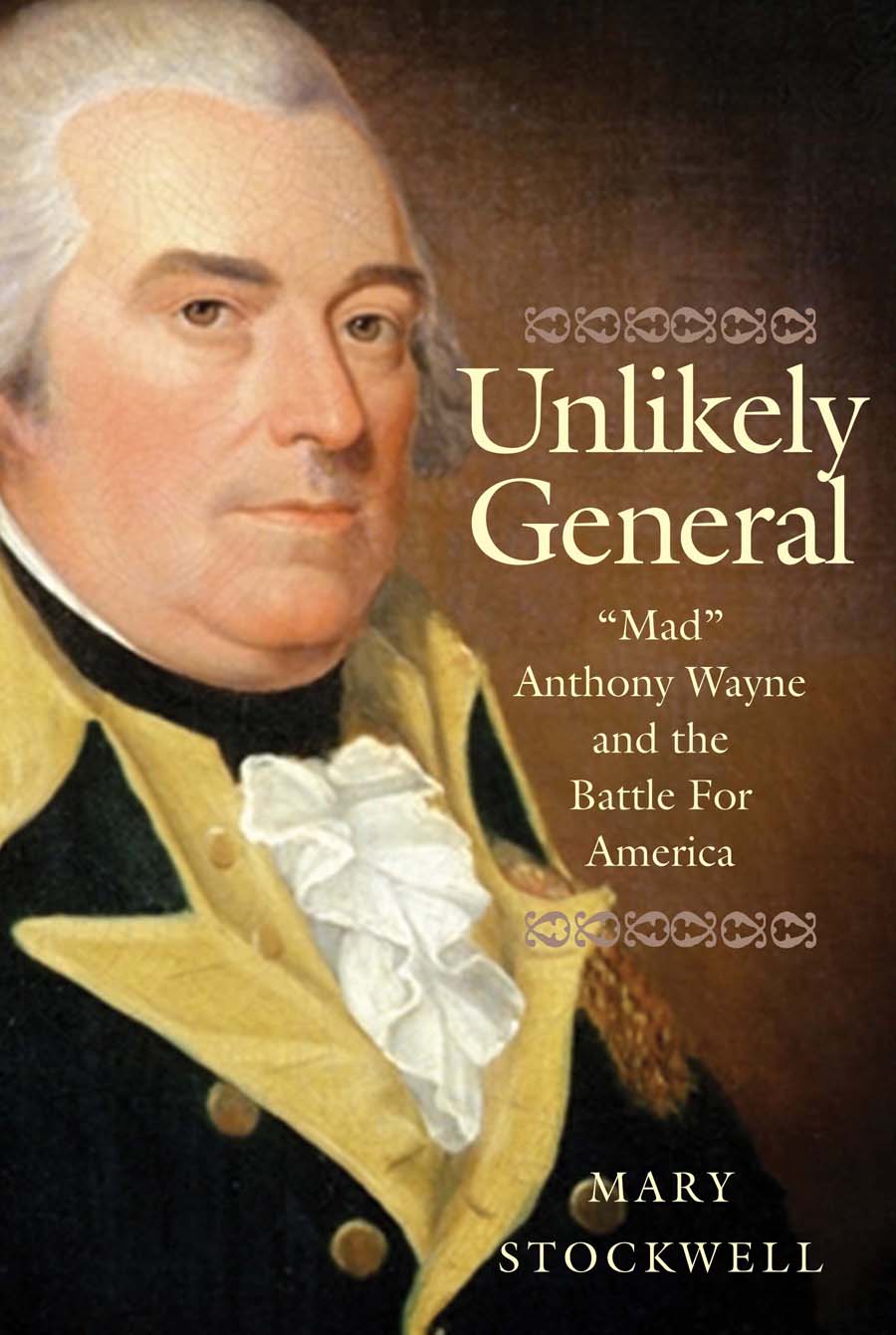
Unlikely General: "Mad" Anthony Wayne and the Battle for America
ARTHUR RIMBAUD

"I have stretched ropes from steeple to steeple; Garlands from window to window; Golden chains from star to star ... And I dance."

RUMI

"When you do things from your soul, you feel a river moving in you, a joy.”
Shunryu Suzuki, "Beginner's Mind"

"In the beginner's mind there are many possibilities, but in the expert's there are few."
JIM HARRISON

¨The danger of civilization, of course, is that you will piss away your life on nonsense.¨
NEW ORDER
van EYCK, PORTRAIT of a MAN in a RED TURBAN, 1433

"The Poet is the Priest of The Invisible." Wallace Stevens
Atget, Notre-Dame de Paris, 1923

Technique.

"Technique is the proof of your seriousness." Wallace Stevens
TIGHT LINES!


W.B. Yeats


THE CAPTAIN


NICHOLAS HAWKSMOOR
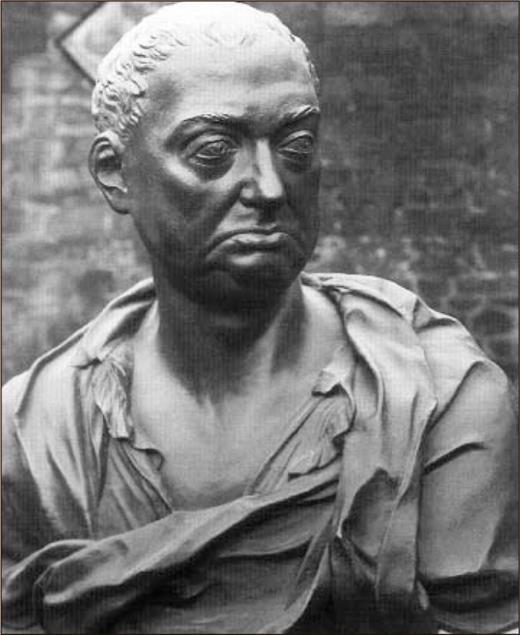
"Whatever is goode in its kinde ought to be preserv'd in respect for antiquity, as well as our present advantage, for destruction can be profitable to none but such as live by it."
THOMAS PAINE

"Whatever is my right as a man is also the right of another; and it becomes my duty to guarantee as well as to possess."
LIBERTY

"...the imprisoned lightning"
WILLIAM F. BUCKLEY JR.

"The best defense against a usurpatory government is an assertive citizenry."

SIR PHILIP PULLMAN

"We don’t need a list of rights and wrongs, tables of dos and don’ts: we need books, time, and silence."
TRUE-BORN


THOMAS MERTON

C.S. LEWIS

“We may ignore, but we can nowhere evade, the presence of God. The world is crowded with him. He walks everywhere incognito.” (Thank you, Mr. Wade)

THOMAS PAINE


Readers

