"I am not one who was born in the custody of wisdom. I am one who is fond of olden times and intense in quest of the sacred knowing of the ancients." Gustave Courbet
Showing posts with label Grahame. Show all posts

23 August 2026

Solitude.


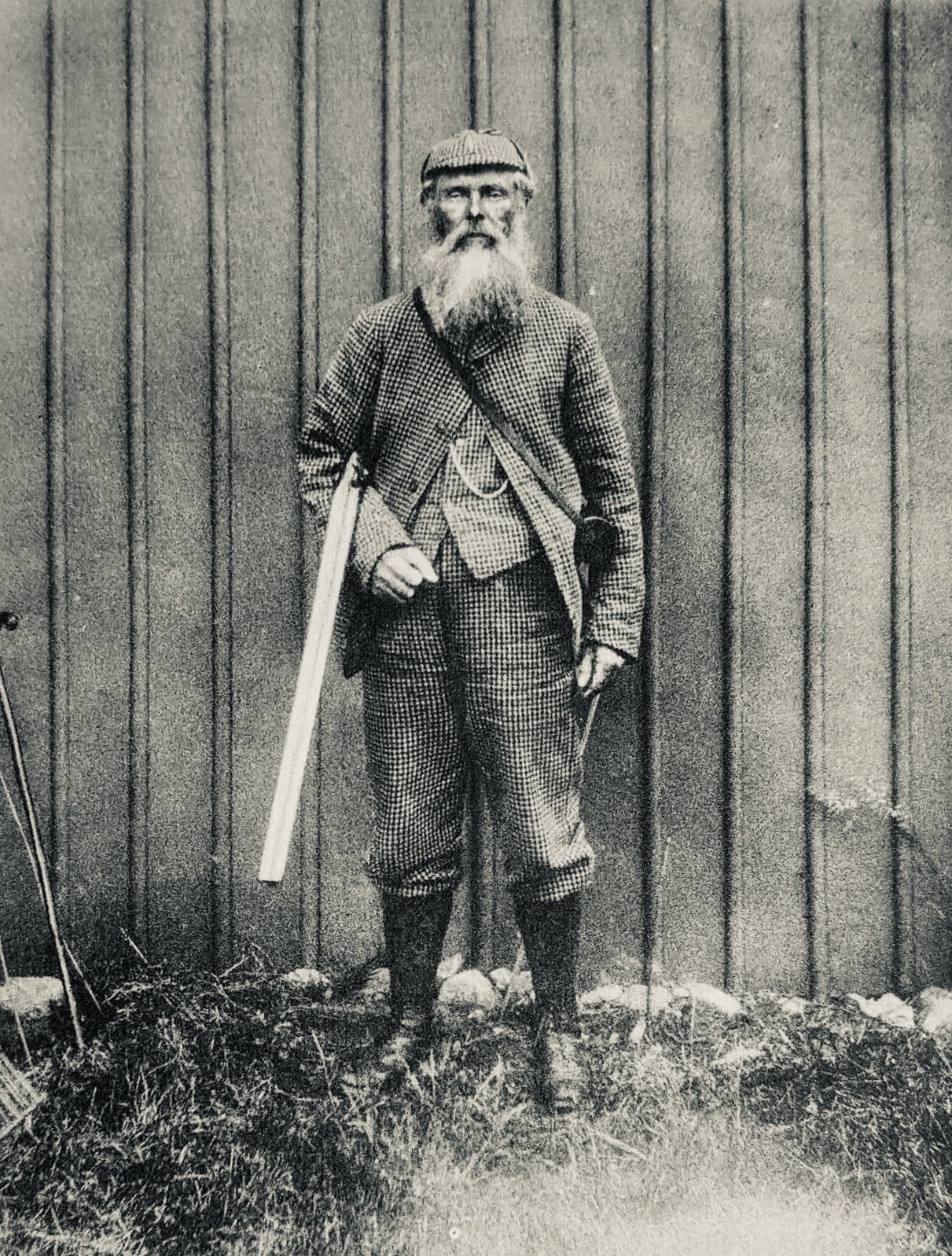
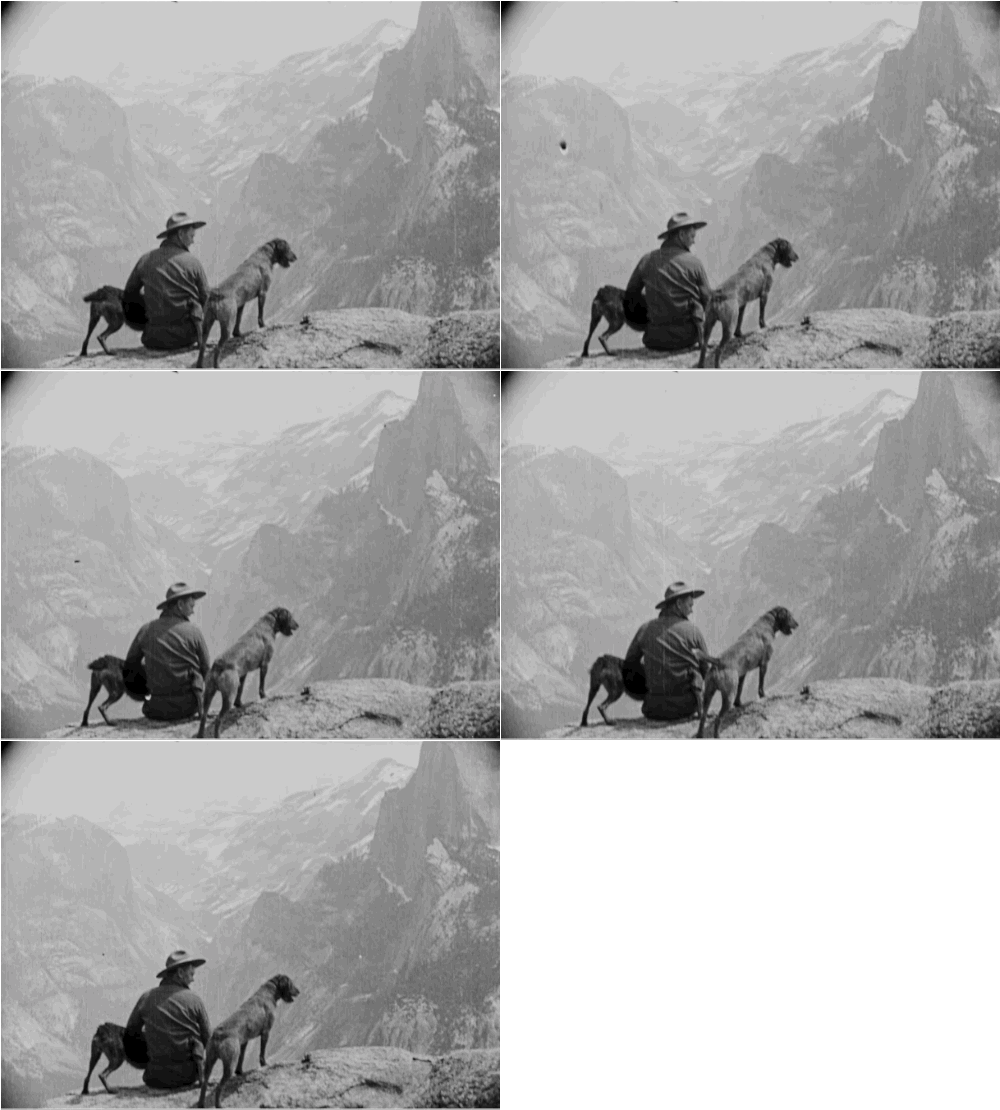
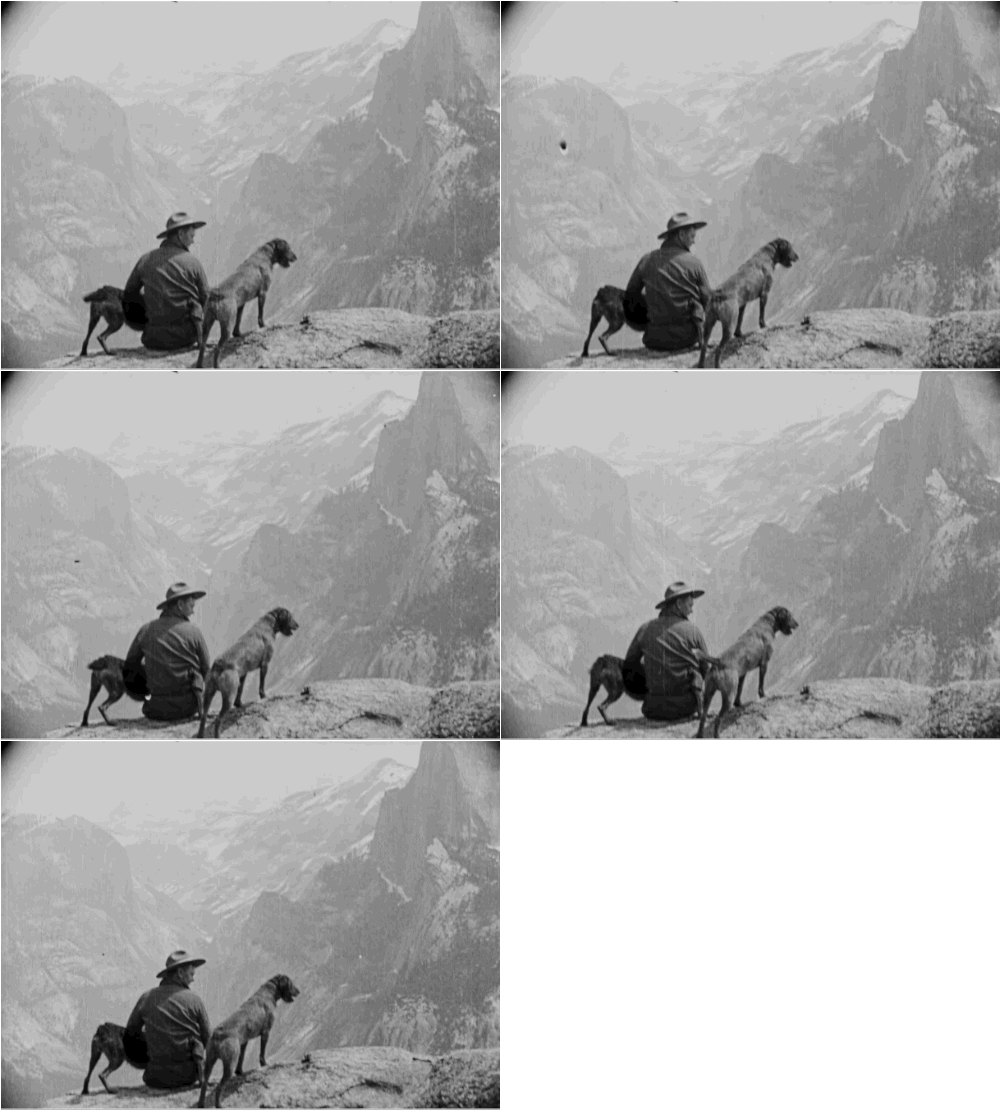
For Nature’s particular gift to the walker, through the semi-mechanical act of walking—a gift no other form of exercise seems to transmit in the same high degree—is to set the mind jogging, to make it garrulous, exalted, a little mad maybe—certainly creative and super-sensitive, until at last it really seems to be outside of you and as it were talking to you, while you are talking back to it. Then everything gradually seems to join in, sun and the wind, the white road and the dusty hedges, the spirit of the season, whichever that may be, the friendly old Earth that is pushing forth life of every sort under your very feet or spellbound in deathlike winter trance, till you walk in the midst of a blessed company, immersed in a dream-talk far transcending any possible human conversation. Time enough, later, for that—across the dinner table, in smoking-room armchairs; here and now, the mind has shaken off its harness, is snorting and kicking up heels like a colt in a meadow. Not a fiftieth part of all your happy imaginings will you ever, later, recapture, note down, reduce to dull inadequate words; but meantime the mind has stretched itself and had its holiday. But this emancipation is only attained in solitude, the solitude which the unseen companions demand before they will come out and talk to you; for, be he who he may, if there is another fellow present, your mind has to trot between shafts.

17 June 2026

Soothing.

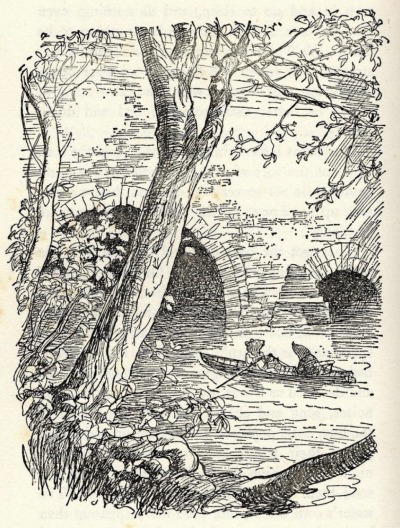
Rackham, The River, 1940


Absorbed in the new life he was entering upon, intoxicated with the sparkle, the ripple, the scents and the sounds and the sunlight, he trailed a paw in the water and dreamed long waking dreams. The Water Rat, like the good little fellow he was, sculled steadily on and forbore to disturb him.

"I like your clothes awfully, old chap," he remarked after some half an hour or so had passed. "I'm going to get a black velvet smoking-suit myself some day, as soon as I can afford it."

"I beg your pardon," said the Mole, pulling himself together with an effort. "You must think me very rude; but all this is so new to me. So—this—is—a—River!"

"The River," corrected the Rat.

"And you really live by the river? What a jolly life!"

"By it and with it and on it and in it," said the Rat. "It's brother and sister to me, and aunts, and company, and food and drink, and (naturally) washing. It's my world, and I don't want any other. What it hasn't got is not worth having, and what it doesn't know is not worth knowing. Lord! the times we've had together! Whether in winter or summer, spring or autumn, it's always got its fun and its excitements. When the floods are on in February, and my cellars and basement are brimming with drink that's no good to me, and the brown water runs by my best bedroom window; or again when it all drops away and shows patches of mud that smells like plum-cake, and the rushes and weed clog the channels, and I can potter about dry shod over most of the bed of it and find fresh food to eat, and things careless people have dropped out of boats!"

"But isn't it a bit dull at times?" the Mole ventured to ask. "Just you and the river, and no one else to pass a word with?"

"No one else to—well, I mustn't be hard on you," said the Rat with forbearance. "You're new to it, and of course you don't know. The bank is so crowded nowadays that many people are moving away altogether. O no, it isn't what it used to be, at all. Otters, king-fishers, dabchicks, moorhens, all of them about all day long and always wanting you to do something—as if a fellow had no business of his own to attend to!"

"What lies over there?" asked the Mole, waving a paw towards a background of woodland that darkly framed the water-meadows on one side of the river.

"That? O, that's just the Wild Wood," said the Rat shortly. "We don't go there very much, we river-bankers."

"Aren't they—aren't they very nice people in there?" said the Mole a trifle nervously.

"W-e-ll," replied the Rat, "let me see. The squirrels are all right. And the rabbits—some of 'em, but rabbits are a mixed lot. And then there's Badger, of course. He lives right in the heart of it; wouldn't live anywhere else, either, if you paid him to do it. Dear old Badger! Nobody interferes with him. They'd better not," he added significantly.

"Why, who should interfere with him?" asked the Mole.

"Well, of course—there—are others," explained the Rat in a hesitating sort of way. "Weasels—and stoats—and foxes—and so on. They're all right in a way—I'm very good friends with them—pass the time of day when we meet, and all that—but they break out sometimes, there's no denying it, and then—well, you can't really trust them, and that's the fact."

The Mole knew well that it is quite against animal-etiquette to dwell on possible trouble ahead, or even to allude to it; so he dropped the subject.

"And beyond the Wild Wood again?" he asked; "where it's all blue and dim, and one sees what may be hills or perhaps they mayn't, and something like the smoke of towns, or is it only cloud-drift?"

"Beyond the Wild Wood comes the Wide World," said the Rat. "And that's something that doesn't matter, either to you or me. I've never been there, and I'm never going, nor you either, if you've got any sense at all. Don't ever refer to it again, please. Now then! Here's our backwater at last, where we're going to lunch."

Leaving the main stream, they now passed into what seemed at first sight like a little landlocked lake. Green turf sloped down to either edge, brown snaky tree-roots gleamed below the surface of the quiet water, while ahead of them the silvery shoulder and foamy tumble of a weir, arm-in-arm with a restless dripping mill-wheel, that held up in its turn a grey-gabled mill-house, filled the air with a soothing murmur of sound, dull and smothery, yet with little clear voices speaking up cheerfully out of it at intervals. It was so very beautiful that the Mole could only hold up both fore-paws and gasp: "O my! O my! O my!"

Kenneth Grahame, from The Wind in the Willows

01 April 2026

Emboldened.

 Böcklin, Spring Evening, 1879


And now that the year wearily turns and stretches herself before the perfect waking, the god emboldened begins to blow a clearer note.

Kenneth Grahame, from "The Rural Pan (An April Essay)"

22 March 2026

Sprang.


Uncle Thomas was the first to draw my attention to the possibilities of the old bureau.  He was pottering about the house one afternoon, having ordered me to keep at his heels for company—he was a man who hated to be left one minute alone,—when his eye fell on it. "H'm! Sheraton!" he remarked. (He had a smattering of most things, this uncle, especially the vocabularies.) Then he let down the flap, and examined the empty pigeon-holes and dusty paneling. "Fine bit of inlay," he went on: "good work, all of it. I know the sort. There's a secret drawer in there somewhere." Then as I breathlessly drew near, he suddenly exclaimed: "By Jove, I do want to smoke!" And, wheeling round, he abruptly fled for the garden, leaving me with the cup dashed from my lips. What a strange thing, I mused, was this smoking, that takes a man suddenly, be he in the court, the camp, or the grove, grips him like an Afreet, and whirls him off to do its imperious behests! Would it be even so with myself, I wondered, in those unknown grown-up years to come?

But I had no time to waste in vain speculations. My whole being was still vibrating to those magic syllables 'secret drawer'; and that particular chord had been touched that never fails to thrill responsive to such words as cave, trap-door, sliding-panel, bullion, ingots, or Spanish dollars. For, besides its own special bliss, who ever heard of a secret drawer with nothing in it? And O I did want money so badly! I mentally ran over the list of demands which were pressing me the most imperiously.

First, there was the pipe I wanted to give George Jannaway. George, who was Martha's young man, was a shepherd, and a great ally of mine; and the last fair he was at, when he bought his sweetheart fairings, as a right-minded shepherd should, he had purchased a lovely snake expressly for me; one of the wooden sort, with joints, waggling deliciously in the hand; with yellow spots on a green ground, sticky and strong-smelling, as a fresh-painted snake ought to be; and with a red-flannel tongue pasted cunningly into its jaws. I loved it much, and took it to bed with me every night, till what time its spinal cord was loosed and it fell apart, and went the way of all mortal joys. I thought it very nice of George to think of me at the fair, and that's why I wanted to give him a pipe. When the young year was chill and lambing-time was on, George inhabited a little wooden house on wheels, far out on the wintry downs, and saw no faces but such as were sheepish and woolly and mute; and when he and Martha were married, she was going to carry his dinner out to him every day, two miles; and after it, perhaps he would smoke my pipe. It seemed an idyllic sort of existence, for both the parties concerned; but a pipe of quality, a pipe fitted to be part of a life such as this, could not be procured (so Martha informed me) for a smaller sum than eighteenpence. And meantime——!

Then there was the fourpence I owed Edward; not that he was bothering me for it, but I knew he was in need of it himself, to pay back Selina, who wanted it to make up a sum of two shillings, to buy Harold an ironclad for his approaching birthday,—H.M.S. Majestic, now lying uselessly careened in the toyshop window, just when her country had such sore need of her. And then there was that boy in the village who had caught a young squirrel, and I had never yet possessed one, and he wanted a shilling for it, but I knew that for ninepence in cash—but what was the good of these sorry threadbare reflections? I had wants enough to exhaust any possible find of bullion, even if it amounted to half a sovereign. My only hope now lay in the magic drawer, and here I was, standing and letting the precious minutes slip by! Whether 'findings' of this sort could, morally speaking, be considered 'keepings,' was a point that did not occur to me.

The room was very still as I approached the bureau; possessed, it seemed to be, by a sort of hush of expectation. The faint odour of orris-root that floated forth as I let down the flap, seemed to identify itself with the yellows and browns of the old wood, till hue and scent were of one quality and interchangeable. Even so, ere this, the pot-pourri had mixed itself with the tints of the old brocade, and brocade and pot-pourri had long been one. With expectant fingers I explored the empty pigeon-holes and sounded the depths of the softly-sliding drawers. No books that I knew of gave any general recipe for a quest like this; but the glory, should I succeed unaided, would be all the greater.

To him who is destined to arrive, the fates never fail to afford, on the way, their small encouragements. In less than two minutes, I had come across a rusty button-hook. This was truly magnificent. In the nursery there existed, indeed, a general button-hook, common to either sex; but none of us possessed a private and special button-hook, to lend or to refuse as suited the high humour of the moment. I pocketed the treasure carefully, and proceeded. At the back of another drawer, three old foreign stamps told me I was surely on the highroad to fortune.

Following on these bracing incentives, came a dull blank period of unrewarded search. In vain I removed all the drawers and felt over every inch of the smooth surfaces, from front to back. Never a knob, spring or projection met the thrilling finger-tips; unyielding the old bureau stood, stoutly guarding its secret, if secret it really had. I began to grow weary and disheartened. This was not the first time that Uncle Thomas had proved shallow, uninformed, a guide into blind alleys where the echoes mocked you. Was it any good persisting longer? Was anything any good whatever? In my mind I began to review past disappointments, and life seemed one long record of failure and of non-arrival. Disillusioned and depressed, I left my work and went to the window. The light was ebbing from the room, and seemed outside to be collecting itself on the horizon for its concentrated effort of sunset. Far down the garden, Uncle Thomas was holding Edward in the air reversed, and smacking him. Edward, gurgling hysterically, was striking blind fists in the direction where he judged his uncle's stomach should rightly be; the contents of his pockets—a motley show—were strewing the lawn. Somehow, though I had been put through a similar performance myself an hour or two ago, it all seemed very far away and cut off from me.

Westwards the clouds were massing themselves in a low violet bank; below them, to north and south, as far round as eye could reach, a narrow streak of gold ran out and stretched away, straight along the horizon. Somewhere very far off, a horn was blowing, clear and thin; it sounded like the golden streak grown audible, while the gold seemed the visible sound. It pricked my ebbing courage, this blended strain of music and colour. I turned for a last effort; and Fortune thereupon, as if half-ashamed of the unworthy game she had been playing with me, relented, opening her clenched fist. Hardly had I put my hand once more to the obdurate wood, when with a sort of small sigh, almost a sob—as it were—of relief, the secret drawer sprang open.

Kenneth Grahame, from The Golden Age

21 March 2026

Shafts.


For Nature’s particular gift to the walker, through the semi-mechanical act of walking—a gift no other form of exercise seems to transmit in the same high degree—is to set the mind jogging, to make it garrulous, exalted, a little mad maybe—certainly creative and super-sensitive, until at last it really seems to be outside of you and as it were talking to you, while you are talking back to it. Then everything gradually seems to join in, sun and the wind, the white road and the dusty hedges, the spirit of the season, whichever that may be, the friendly old Earth that is pushing forth life of every sort under your very feet or spellbound in deathlike winter trance, till you walk in the midst of a blessed company, immersed in a dream-talk far transcending any possible human conversation. Time enough, later, for that—across the dinner table, in smoking-room armchairs; here and now, the mind has shaken off its harness, is snorting and kicking up heels like a colt in a meadow. Not a fiftieth part of all your happy imaginings will you ever, later, recapture, note down, reduce to dull inadequate words; but meantime the mind has stretched itself and had its holiday. But this emancipation is only attained in solitude, the solitude which the unseen companions demand before they will come out and talk to you; for, be he who he may, if there is another fellow present, your mind has to trot between shafts.

A certain amount of "shafts," indeed, is helpful, as setting the mind more free; and so the high road, while it should always give way to the field path when choice offers, still has this particular virtue, that it takes charge of you—your body, that is to say. Its hedges hold you in friendly steering-reins, its milestones and fingerposts are always on hand, with information succinct and free from frills; and it always gets somewhere, sooner or later. So you are nursed along your way, and the mind may soar in cloudland and never need to be pulled earthwards by any string. But this is as much company as you ought to require, the comradeship of the road you walk on, the road which will look after you and attend to such facts as must not be overlooked. Of course the best sort of walk is the one on which it doesn’t matter twopence whether you get anywhere at all at any time or not; and the second best is the one on which the hard facts of routes, times, or trains, give you nothing to worry about. And this is perhaps the only excuse for the presence of that much-deprecated Other Fellow—that you can put all that sort of thing on to him.

Kenneth Graham, from "The Fellow That Goes Alone"

07 February 2026

Inspiration.

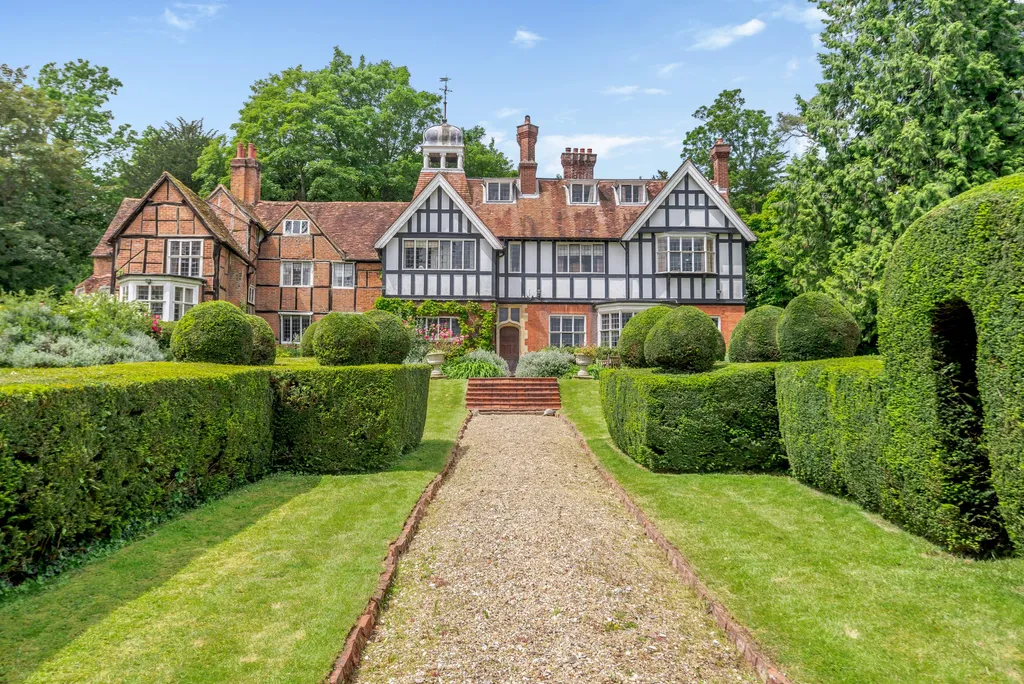
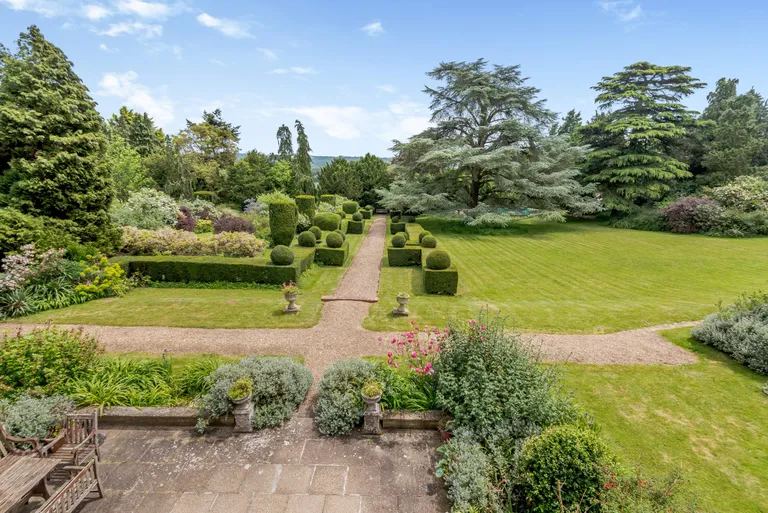
Kenneth Grahame's boyhood home, "The Mount", from which it is said he drew great inspiration for The Wind in the Willows ...


The weary Mole also was glad to turn in without delay, and soon had his head on his pillow, in great joy and contentment. But ere he closed his eyes he let them wander round his old room, mellow in the glow of the firelight that played or rested on familiar and friendly things which had long been unconsciously a part of him, and now smilingly received him back, without rancour. 


He was now in just the frame of mind that the tactful Rat had quietly worked to bring about in him. He saw clearly how plain and simple — how narrow, even — it all was; but clearly, too, how much it all meant to him, and the special value of some such anchorage in one's existence. 


He did not at all want to abandon the new life and its splendid spaces, to turn his back on sun and air and all they offered him and creep home and stay there; the upper world was all too strong, it called to him still, even down there, and he knew he must return to the larger stage. 


But it was good to think he had this to come back to, this place which was all his own, these things which were so glad to see him again and could always be counted upon for the same simple welcome.

Kenneth Grahame, from The Wind in the Willows

24 January 2026

Talked.


When the girl returned, some hours later, she carried a tray, with a cup of fragrant tea steaming on it; and a plate piled up with very hot buttered toast, cut thick, very brown on both sides, with the butter running through the holes in it in great golden drops, like honey from the honeycomb. The smell of that buttered toast simply talked to Toad, and with no uncertain voice; talked of warm kitchens, of breakfasts on bright frosty mornings, of cosy parlour firesides on winter evenings, when one's ramble was over, and slippered feet were propped on the fender; of the purring of contented cats, and the twitter of sleepy canaries.

Kenneth Grahame, from The Wind in the Willows

26 June 2025

Commendations.


On most days at our house, some of the first words spoken center on meal conversations ...
The seafarer looked at him with the suspicion of a wink. "I'm an old hand," he remarked with much simplicity. "The captain's cabin's good enough for me."

"It's a hard life, by all accounts," murmured the Rat, sunk in deep thought.

"For the crew it is," replied the seafarer gravely, again with the ghost of a wink.

"From Corsica," he went on, "I made use of a ship that was taking wine to the mainland. We made Alassio in the evening, lay to, hauled up our wine-casks, and hove them overboard, tied one to the other by a long line. Then the crew took to the boats and rowed shorewards, singing as they went, and drawing after them the long bobbing procession of casks, like a mile of porpoises. On the sands they had horses waiting, which dragged the casks up the steep street of the little town with a fine rush and clatter and scramble. When the last cask was in, we went and refreshed and rested, and sat late into the night, drinking with our friends, and next morning I took to the great olive-woods for a spell and a rest. For now I had done with islands for the time, and ports and shipping were plentiful; so I led a lazy life among the peasants, lying and watching them work, or stretched high on the hillside with the blue Mediterranean far below me. And so at length, by easy stages, and partly on foot, partly by sea, to Marseilles, and the meeting of old shipmates, and the visiting of great ocean-bound vessels, and feasting once more. Talk of shell-fish! Why, sometimes I dream of the shell-fish of Marseilles, and wake up crying!"

"That reminds me," said the polite Water Rat; "you happened to mention that you were hungry, and I ought to have spoken earlier. Of course, you will stop and take your mid-day meal with me? My hole is close by; it is some time past noon, and you are very welcome to whatever there is."

"Now I call that kind and brotherly of you," said the Sea Rat. "I was indeed hungry when I sat down, and ever since I inadvertently happened to mention shell-fish, my pangs have been extreme. But couldn't you fetch it along out here? I am none too fond of going under hatches, unless I'm obliged to; and then, while we eat, I could tell you more concerning my voyages and the pleasant life I lead—at least, it is very pleasant to me, and by your attention I judge it commends itself to you; whereas if we go indoors it is a hundred to one that I shall presently fall asleep."

"That is indeed an excellent suggestion," said the Water Rat, and hurried off home. There he got out the luncheon-basket and packed a simple meal, in which, remembering the stranger's origin and preferences, he took care to include a yard of long French bread, a sausage out of which the garlic sang, some cheese which lay down and cried, and a long-necked straw-covered flask wherein lay bottled sunshine shed and garnered on far Southern slopes. Thus laden, he returned with all speed, and blushed for pleasure at the old seaman's commendations of his taste and judgment, as together they unpacked the basket and laid out the contents on the grass by the roadside.

Kenneth Grahame, from The Wind in the Willows

26 December 2024

Capital.


Mole’s face beamed at the sight of all these objects so dear to him, and he hurried Rat through the door, lit a lamp in the hall, and took one glance round his old home.

He saw the dust lying thick on everything, saw the cheerless, deserted look of the long-neglected house, and its narrow, meager dimensions, its worn and shabby contents — and collapsed again on a hall-chair, his nose to his paws.

"O Ratty!" he cried dismally, "why ever did I do it? Why did I bring you to this poor, cold little place, on a night like this, when you might have been at River Bank by this time, toasting your toes before a blazing fire, with all your own nice things about you!"

The Rat paid no heed to his doleful self-reproaches. He was running here and there, opening doors, inspecting rooms and cupboards, and lighting lamps and candles and sticking them up everywhere.

"What a capital little house this is!" he called out cheerily. "So compact! So well planned! Everything here and everything in its place! We’ll make a jolly night of it. The first thing we want is a good fire; I’ll see to that — I always know where to find things.

"So this is the parlour? Splendid! Your own idea, those little sleeping-bunks in the wall? Capital! Now, I’ll fetch the wood and the coals, and you get a duster, Mole — you’ll find one in the drawer of the kitchen table — and try and smarten things up a bit. Bustle about, old chap!"

Kenneth Grahame, from The Wind in the Willows

10 March 2024

Remain.


Nature's Grand Hotel has its Season, like the others. As the guests one by one pack, pay, and depart, and the seats at the table-d'hôte shrink pitifully at each succeeding meal; as suites of rooms are closed, carpets taken up, and waiters sent away; those boarders who are staying on, en pension, until the next year's full re-opening, cannot help being somewhat affected by all these flittings and farewells, this eager discussion of plans, routes, and fresh quarters, this daily shrinkage in the stream of comradeship. One gets unsettled, depressed, and inclined to be querulous. Why this craving for change? Why not stay on quietly here, like us, and be jolly? You don't know this hotel out of the season, and what fun we have among ourselves, we fellows who remain and see the whole interesting year out. All very true, no doubt, the others always reply; we quite envy you—and some other year perhaps—but just now we have engagements—and there's the bus at the door—our time is up! So they depart, with a smile and a nod, and we miss them, and feel resentful. The Rat was a self-sufficing sort of animal, rooted to the land, and, whoever went, he stayed; still, he could not help noticing what was in the air, and feeling some of its influence in his bones.

Kenneth Grahame, from The Wind in the Willows

09 March 2024

Draining.

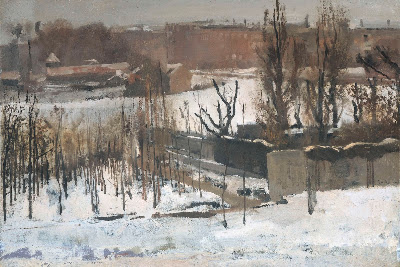
Breitner, View of the Oosterpark, Amsterdam, in the Snow, 1892


Drowsy animals, snug in their holes while wind and rain were battering at their doors, recalled still keen mornings, an hour before sunrise, when the white mist, as yet undispersed, clung closely along the surface of the water; then the shock of the early plunge, the scamper along the bank, and the radiant transformation of earth, air, and water, when suddenly the sun was with them again, and grey was gold and colour was born and sprang out of the earth once more. They recalled the languorous siesta of hot mid-day, deep in green undergrowth, the sun striking through in tiny golden shafts and spots; the boating and bathing of the afternoon, the rambles along dusty lanes and through yellow corn-fields; and the long, cool evening at last, when so many threads were gathered up, so many friendships rounded, and so many adventures planned for the morrow. There was plenty to talk about on those short winter days when the animals found themselves round the fire; still, the Mole had a good deal of spare time on his hands, and so one afternoon, when the Rat in his arm-chair before the blaze was alternately dozing and trying over rhymes that wouldn't fit, he formed the resolution to go out by himself and explore the Wild Wood, and perhaps strike up an acquaintance with Mr. Badger.

It was a cold, still afternoon with a hard, steely sky overhead, when he slipped out of the warm parlour into the open air. The country lay bare and entirely leafless around him, and he thought that he had never seen so far and so intimately into the insides of things as on that winter day when Nature was deep in her annual slumber and seemed to have kicked the clothes off. Copses, dells, quarries, and all hidden places, which had been mysterious mines for exploration in leafy summer, now exposed themselves and their secrets pathetically, and seemed to ask him to overlook their shabby poverty for a while, till they could riot in rich masquerade as before, and trick and entice him with the old deceptions. It was pitiful in a way, and yet cheering—even exhilarating. He was glad that he liked the country undecorated, hard, and stripped of its finery. He had got down to the bare bones of it, and they were fine and strong and simple. He did not want the warm clover and the play of seeding grasses; the screens of quickset, the billowy drapery of beech and elm seemed best away; and with great cheerfulness of spirit he pushed on towards the Wild Wood, which lay before him low and threatening, like a black reef in some still southern sea.

There was nothing to alarm him at first entry. Twigs crackled under his feet, logs tripped him, funguses on stumps resembled caricatures, and startled him for the moment by their likeness to something familiar and far away; but that was all fun, and exciting. It led him on, and he penetrated to where the light was less, and trees crouched nearer and nearer, and holes made ugly mouths at him on either side.

Everything was very still now. The dusk advanced on him steadily, rapidly, gathering in behind and before; and the light seemed to be draining away like flood-water.

Kenneth Grahame, from The Wind in the Willows

12 June 2023

Cartography.


I can’t remember when I first read The Wind in the Willows, since it is one of those books that seem to have been with me always, but it must have been very early on, when my room was in a cool, dark basement and the garden I played in boasted four tall palm trees and an old tortoise as their tutelary spirit. The geography of our books blends with the geography of our lives, and so, from the very beginning, Mole’s meadows and Rat’s river bank and Badger’s woods seeped into my private landscapes, imbuing the cities I lived in and the places I visited with the same feelings of delight and comfort and adventure that sprang from those much-turned pages. In this sense, the books we love become our cartography.

06 June 2022

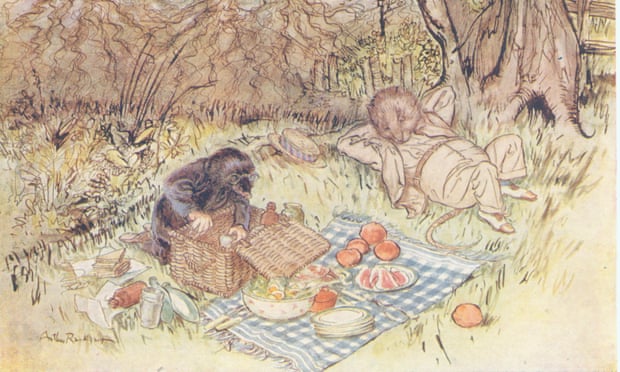
coldtonguecoldhamcoldbeefpickledgherkinssaladfrenchrollscresssandwichespottedme atgingerbeerlemonadesodawater.

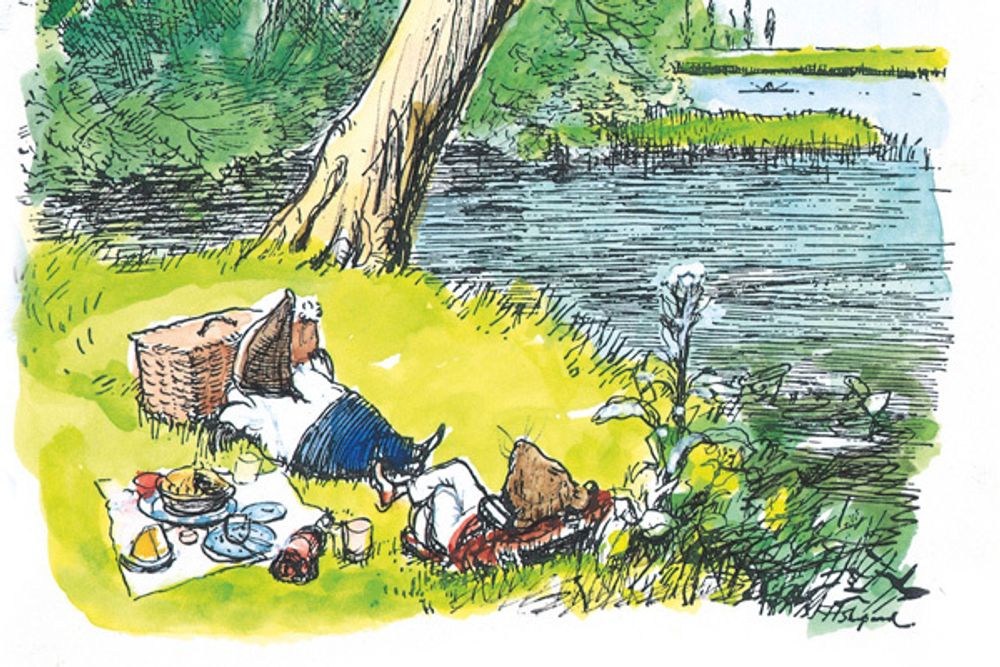
Rackham, Ratty's Riverside Picnic, 1940


It all seemed too good to be true. Hither and thither through the meadows he rambled busily, along the hedgerows, across the copses, finding everywhere birds building, flowers budding, leaves thrusting—everything happy, and progressive, and occupied. And instead of having an uneasy conscience pricking him and whispering “whitewash!” he somehow could only feel how jolly it was to be the only idle dog among all these busy citizens. After all, the best part of a holiday is perhaps not so much to be resting yourself, as to see all the other fellows busy working.

He thought his happiness was complete when, as he meandered aimlessly along, suddenly he stood by the edge of a full-fed river. Never in his life had he seen a river before—this sleek, sinuous, full-bodied animal, chasing and chuckling, gripping things with a gurgle and leaving them with a laugh, to fling itself on fresh playmates that shook themselves free, and were caught and held again. All was a-shake and a-shiver—glints and gleams and sparkles, rustle and swirl, chatter and bubble. The Mole was bewitched, entranced, fascinated. By the side of the river he trotted as one trots, when very small, by the side of a man who holds one spell-bound by exciting stories; and when tired at last, he sat on the bank, while the river still chattered on to him, a babbling procession of the best stories in the world, sent from the heart of the earth to be told at last to the insatiable sea.

As he sat on the grass and looked across the river, a dark hole in the bank opposite, just above the water’s edge, caught his eye, and dreamily he fell to considering what a nice snug dwelling-place it would make for an animal with few wants and fond of a bijou riverside residence, above flood level and remote from noise and dust. As he gazed, something bright and small seemed to twinkle down in the heart of it, vanished, then twinkled once more like a tiny star. But it could hardly be a star in such an unlikely situation; and it was too glittering and small for a glow-worm. Then, as he looked, it winked at him, and so declared itself to be an eye; and a small face began gradually to grow up round it, like a frame round a picture.

A brown little face, with whiskers.

A grave round face, with the same twinkle in its eye that had first attracted his notice.

Small neat ears and thick silky hair.

It was the Water Rat!

Then the two animals stood and regarded each other cautiously.

“Hullo, Mole!” said the Water Rat.

“Hullo, Rat!” said the Mole.

“Would you like to come over?” enquired the Rat presently.

“Oh, its all very well to talk,” said the Mole, rather pettishly, he being new to a river and riverside life and its ways.

The Rat said nothing, but stooped and unfastened a rope and hauled on it; then lightly stepped into a little boat which the Mole had not observed. It was painted blue outside and white within, and was just the size for two animals; and the Mole’s whole heart went out to it at once, even though he did not yet fully understand its uses.

The Rat sculled smartly across and made fast. Then he held up his forepaw as the Mole stepped gingerly down. “Lean on that!” he said. “Now then, step lively!” and the Mole to his surprise and rapture found himself actually seated in the stern of a real boat.

“This has been a wonderful day!” said he, as the Rat shoved off and took to the sculls again. “Do you know, I’ve never been in a boat before in all my life.”

“What?” cried the Rat, open-mouthed: “Never been in a—you never—well I—what have you been doing, then?”

“Is it so nice as all that?” asked the Mole shyly, though he was quite prepared to believe it as he leant back in his seat and surveyed the cushions, the oars, the rowlocks, and all the fascinating fittings, and felt the boat sway lightly under him.

“Nice? It’s the only thing,” said the Water Rat solemnly, as he leant forward for his stroke. “Believe me, my young friend, there is nothing—absolute nothing—half so much worth doing as simply messing about in boats. Simply messing,” he went on dreamily: “messing—about—in—boats; messing——”

“Look ahead, Rat!” cried the Mole suddenly.

It was too late. The boat struck the bank full tilt. The dreamer, the joyous oarsman, lay on his back at the bottom of the boat, his heels in the air.

“—about in boats—or with boats,” the Rat went on composedly, picking himself up with a pleasant laugh. “In or out of ’em, it doesn’t matter. Nothing seems really to matter, that’s the charm of it. Whether you get away, or whether you don’t; whether you arrive at your destination or whether you reach somewhere else, or whether you never get anywhere at all, you’re always busy, and you never do anything in particular; and when you’ve done it there’s always something else to do, and you can do it if you like, but you’d much better not. Look here! If you’ve really nothing else on hand this morning, supposing we drop down the river together, and have a long day of it?”

The Mole waggled his toes from sheer happiness, spread his chest with a sigh of full contentment, and leaned back blissfully into the soft cushions. “What a day I’m having!” he said. “Let us start at once!”

“Hold hard a minute, then!” said the Rat. He looped the painter through a ring in his landing-stage, climbed up into his hole above, and after a short interval reappeared staggering under a fat, wicker luncheon-basket.

“Shove that under your feet,” he observed to the Mole, as he passed it down into the boat. Then he untied the painter and took the sculls again.

“What’s inside it?” asked the Mole, wriggling with curiosity.

“There’s cold chicken inside it,” replied the Rat briefly; “coldtonguecoldhamcoldbeefpickledgherkinssaladfrenchrollscresssandwichespottedme atgingerbeerlemonadesodawater——”

“O stop, stop,” cried the Mole in ecstacies: “This is too much!”

Kenneth Grahame, from The Wind in the Willows

It's sandwich time.

26 April 2022

Spring.

'Tis Spring.

From The Wind in the Willows ...
The line of the horizon was clear and hard against the sky, and in one particular quarter it showed black against a silvery climbing phosphorescence that grew and grew. At last, over the rim of the waiting earth the moon lifted with slow majesty till it swung clear of the horizon and rode off, free of moorings; and once more they began to see surfaces—meadows wide-spread, and quiet gardens, and the river itself from bank to bank, all softly disclosed, all washed clean of mystery and terror, all radiant again as by day, but with a difference that was tremendous. Their old haunts greeted them again in other raiment, as if they had slipped away and put on this pure new apparel and come quietly back, smiling as they shyly waited to see if they would be recognised again under it.

Fastening their boat to a willow, the friends landed in this silent, silver kingdom, and patiently explored the hedges, the hollow trees, the runnels and their little culverts, the ditches and dry water-ways. Embarking again and crossing over, they worked their way up the stream in this manner, while the moon, serene and detached in a cloudless sky, did what she could, though so far off, to help them in their quest; till her hour came and she sank earthwards reluctantly, and left them, and mystery once more held field and river.

Then a change began slowly to declare itself. The horizon became clearer, field and tree came more into sight, and somehow with a different look; the mystery began to drop away from them. A bird piped suddenly, and was still; and a light breeze sprang up and set the reeds and bulrushes rustling. Rat, who was in the stern of the boat, while Mole sculled, sat up suddenly and listened with a passionate intentness. Mole, who with gentle strokes was just keeping the boat moving while he scanned the banks with care, looked at him with curiosity.

“It’s gone!” sighed the Rat, sinking back in his seat again. “So beautiful and strange and new. Since it was to end so soon, I almost wish I had never heard it. For it has roused a longing in me that is pain, and nothing seems worth while but just to hear that sound once more and go on listening to it for ever. No! There it is again!” he cried, alert once more. Entranced, he was silent for a long space, spellbound.

“Now it passes on and I begin to lose it,” he said presently. “O Mole! the beauty of it! The merry bubble and joy, the thin, clear, happy call of the distant piping! Such music I never dreamed of, and the call in it is stronger even than the music is sweet! Row on, Mole, row! For the music and the call must be for us.”

The Mole, greatly wondering, obeyed. “I hear nothing myself,” he said, “but the wind playing in the reeds and rushes and osiers.”

The Rat never answered, if indeed he heard. Rapt, transported, trembling, he was possessed in all his senses by this new divine thing that caught up his helpless soul and swung and dandled it, a powerless but happy infant in a strong sustaining grasp.

In silence Mole rowed steadily, and soon they came to a point where the river divided, a long backwater branching off to one side. With a slight movement of his head Rat, who had long dropped the rudder-lines, directed the rower to take the backwater. The creeping tide of light gained and gained, and now they could see the colour of the flowers that gemmed the water’s edge.

“Clearer and nearer still,” cried the Rat joyously. “Now you must surely hear it! Ah—at last—I see you do!”

Breathless and transfixed the Mole stopped rowing as the liquid run of that glad piping broke on him like a wave, caught him up, and possessed him utterly. He saw the tears on his comrade’s cheeks, and bowed his head and understood. For a space they hung there, brushed by the purple loose-strife that fringed the bank; then the clear imperious summons that marched hand-in-hand with the intoxicating melody imposed its will on Mole, and mechanically he bent to his oars again. And the light grew steadily stronger, but no birds sang as they were wont to do at the approach of dawn; and but for the heavenly music all was marvellously still.

On either side of them, as they glided onwards, the rich meadow-grass seemed that morning of a freshness and a greenness unsurpassable. Never had they noticed the roses so vivid, the willow-herb so riotous, the meadow-sweet so odorous and pervading. Then the murmur of the approaching weir began to hold the air, and they felt a consciousness that they were nearing the end, whatever it might be, that surely awaited their expedition.

A wide half-circle of foam and glinting lights and shining shoulders of green water, the great weir closed the backwater from bank to bank, troubled all the quiet surface with twirling eddies and floating foam-streaks, and deadened all other sounds with its solemn and soothing rumble. In midmost of the stream, embraced in the weir’s shimmering arm-spread, a small island lay anchored, fringed close with willow and silver birch and alder. Reserved, shy, but full of significance, it hid whatever it might hold behind a veil, keeping it till the hour should come, and, with the hour, those who were called and chosen.

Slowly, but with no doubt or hesitation whatever, and in something of a solemn expectancy, the two animals passed through the broken tumultuous water and moored their boat at the flowery margin of the island. In silence they landed, and pushed through the blossom and scented herbage and undergrowth that led up to the level ground, till they stood on a little lawn of a marvellous green, set round with Nature’s own orchard-trees—crab-apple, wild cherry, and sloe.

“This is the place of my song-dream, the place the music played to me,” whispered the Rat, as if in a trance. “Here, in this holy place, here if anywhere, surely we shall find Him!”

Then suddenly the Mole felt a great Awe fall upon him, an awe that turned his muscles to water, bowed his head, and rooted his feet to the ground. It was no panic terror—indeed he felt wonderfully at peace and happy—but it was an awe that smote and held him and, without seeing, he knew it could only mean that some august Presence was very, very near. With difficulty he turned to look for his friend and saw him at his side cowed, stricken, and trembling violently. And still there was utter silence in the populous bird-haunted branches around them; and still the light grew and grew.

Perhaps he would never have dared to raise his eyes, but that, though the piping was now hushed, the call and the summons seemed still dominant and imperious. He might not refuse, were Death himself waiting to strike him instantly, once he had looked with mortal eye on things rightly kept hidden. Trembling he obeyed, and raised his humble head; and then, in that utter clearness of the imminent dawn, while Nature, flushed with fullness of incredible colour, seemed to hold her breath for the event, he looked in the very eyes of the Friend and Helper; saw the backward sweep of the curved horns, gleaming in the growing daylight; saw the stern, hooked nose between the kindly eyes that were looking down on them humourously, while the bearded mouth broke into a half-smile at the corners; saw the rippling muscles on the arm that lay across the broad chest, the long supple hand still holding the pan-pipes only just fallen away from the parted lips; saw the splendid curves of the shaggy limbs disposed in majestic ease on the sward; saw, last of all, nestling between his very hooves, sleeping soundly in entire peace and contentment, the little, round, podgy, childish form of the baby otter. All this he saw, for one moment breathless and intense, vivid on the morning sky; and still, as he looked, he lived; and still, as he lived, he wondered.

CONNECT 

The euphony of bird-haunted branches ...
Schubert Octet
Mullova Ensemble


Debussy: Complete Chamber Music
Deutsche Grammophon Artists


Beethoven: Symphony No. 6, "Pastoral"
The Philadelphia Orchestra, Riccardo Muti


Vaughan Williams: A Pastoral Symphony/ Oboe Concerto
The London Symphony, Bryden Thomson

09 January 2022

Uprose.
Moore, Carol of the Field Mice, 2009


It was a pretty sight, and a seasonable one, that met their eyes when they flung the door open. In the fore-court, lit by the dim rays of a horn lantern, some eight or ten little field-mice stood in a semicircle, red worsted comforters round their throats, their fore-paws thrust deep into their pockets, their feet jigging for warmth. With bright beady eyes they glanced shyly at each other, sniggering a little, sniffing and applying coat-sleeves a good deal. As the door opened, one of the elder ones that carried the lantern was just saying, “Now then, one, two, three!” and forthwith their shrill little voices uprose on the air, singing one of the old-time carols that their forefathers composed in fields that were fallow and held by frost, or when snow-bound in chimney corners, and handed down to be sung in the miry street to lamp-lit windows at Yule-time.

Kenneth Grahame, from The Wind in the Willows

Anyone care to chance the reward of some Lambswool and go wassailing?

31 August 2021

Higher.


As a rule, indeed, grown-up people are fairly correct on matters of fact; it is in the higher gift of imagination that they are so sadly to seek. 

Kenneth Grahame

29 June 2020

Higher.


As a rule, indeed, grown-up people are fairly correct on matters of fact; it is in the higher gift of imagination that they are so sadly to seek. 

Kenneth Grahame

19 June 2020

Imagination.


As a rule, indeed, grown-up people are fairly correct on matters of fact; it is in the higher gift of imagination that they are so sadly to seek. 

Kenneth Grahame