If I cease searching, then, woe is me, I am lost. That is how I look at it - keep going, keep going, come what may.
Vincent van Gogh, from a letter to his brother, Theo, July, 1880


St. JOHN Bourgogne Blanc: “an excellent breakfast wine” says Fergus.
— St. JOHN Wines (@stjohnwine) March 28, 2018
Us: “What breakfast dish would you eat with it?”
Fergus: “Oh, just on its own. It’s quite happy by itself” pic.twitter.com/6dHsLqcsaS


The other day on a very warm border winter afternoon, I was sitting on the patio with my wife Linda, sharing a bottle of delightful Bouzeron. We were watching a rare pair of hepatic tanagers at the feeder. These birds evidently don’t get hepatitis. It was all very pleasant and I recalled again a passage from the journal of a Kentucky schizophrenic who had escaped from an asylum. He wrote, “Birds are holes in heaven through which a man may pass.” I had this little epiphany that wine could do the same thing if properly used. We all have learned, sometimes painfully, that more is not necessarily better than less. When Baudelaire wrote in his famed “Enivrez-Vous,” “Be always drunk on wine or poetry or virtue,” he likely didn’t mean commode-hugging drunk. Wine can offer oxygen to the spirit, I thought, getting off my deck chair and going into the kitchen to cook some elk steak and dietetic potatoes fried in duck fat, and not incidentally opening a bottle of Domaine Tempier Bandol because I had read a secret bible in France that said to drink red after dark to fight off the night in our souls.

The very fact that wine critics, judges, writers and educators have a tendency to dismiss Zinfandel – certainly in contrast to their slavish adoration of Cabernet, Pinot, Malbec and the rest – might well be an attraction for a generation that really doesn't care what the wine intelligentsia thinks and that is really just looking for something fun and enjoyable to drink.




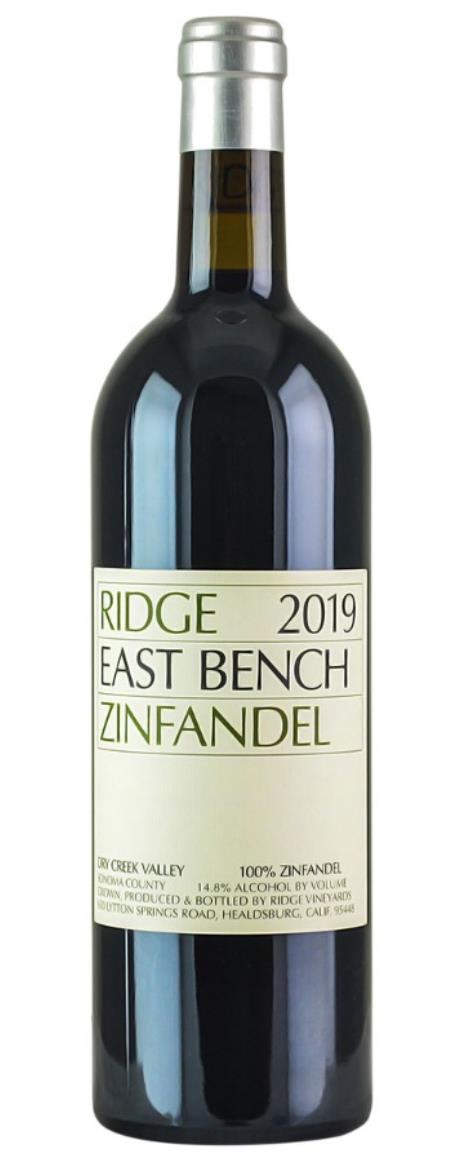
The breakthrough came when it was established that Zinfandel/Primitivo had to be a parent of the Croatian variety Plavac Mali. The other parent turned out to be a much more obscure Croatian variety, which led researchers to the conclusion that Zinfandel/Primitivo had to be Croatian in origin too. Eventually, after many a trek through the vineyards of the beautiful Dalmatian coast and its rocky islands, the doppelgänger was found. Croatian viticultural researchers, acting in conjunction with Professor Carole Meredith of Davis, discovered an ancient and almost extinct variety on the island of Kaštela near Split called Crljenak Kaštelanski (literally “red grape of Kaštela”) that did indeed prove to be identical to Zinfandel.All of this happened in parallel with some extraordinary developments in the commercial history of Zinfandel. Because it had been so common in California, it was not at all revered. In fact beside Cabernet it was regarded as a sort of home-grown weed, good enough for the common man if cheap enough, but incapable, unlike the fashionable and aristocratic Cabernet Sauvignon, of producing fine wine.The only saving grace for the reputation of "Zin" was in some extraordinary port-like essences made from some of the oldest vines in the state, made from ancient vineyards left virtually untended during Prohibition in the old mining country of the Sierras east of the Central Valley. Most of these wines were labelled Late Harvest Zinfandel and regarded as freaks in the 1970s because they reached natural alcohol levels in excess of 15% (heaven forfend).