"I am not one who was born in the custody of wisdom. I am one who is fond of olden times and intense in quest of the sacred knowing of the ancients." Gustave Courbet
Showing posts with label Wood. Show all posts

01 August 2026

Happy Birthday, Francis Scott Key

Wood, Francis Scott Key, 1825


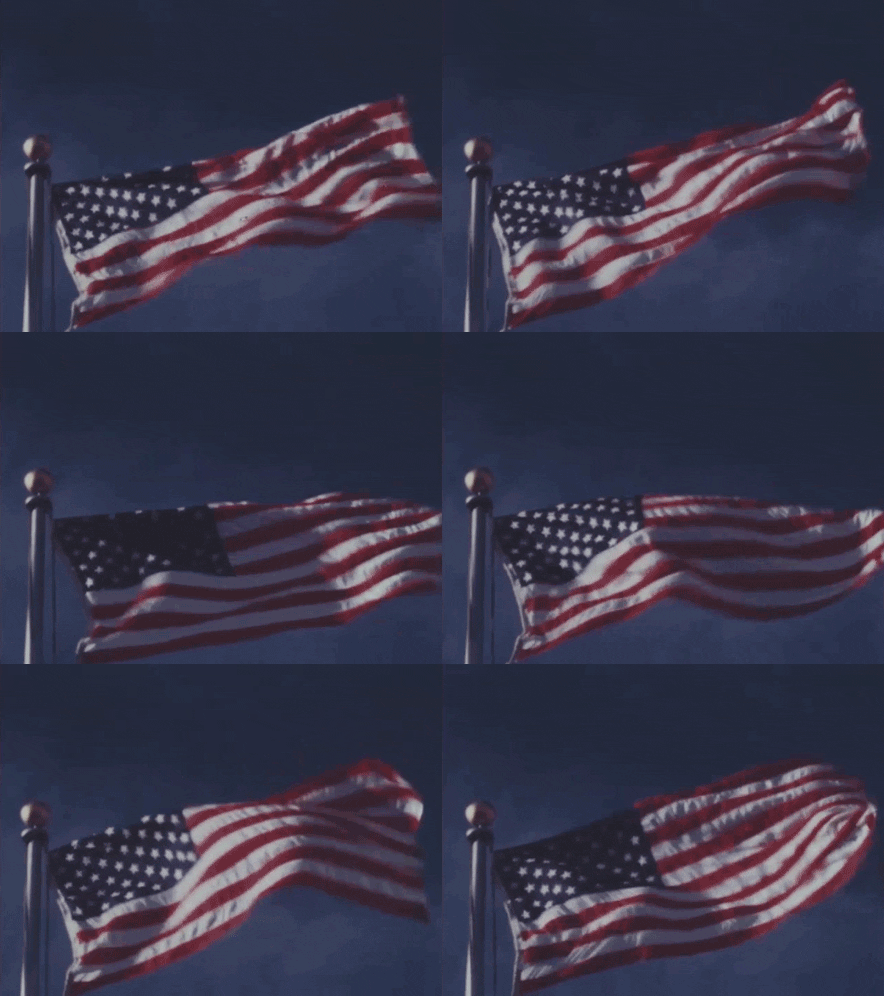
O say can you see, by the dawn's early light,
What so proudly we hail'd at the twilight's last gleaming,
Whose broad stripes and bright stars through the perilous fight
O'er the ramparts we watch'd were so gallantly streaming?
And the rocket's red glare, the bomb bursting in air,
Gave proof through the night that our flag was still there,
O say does that star-spangled banner yet wave
O'er the land of the free and the home of the brave?

On the shore dimly seen through the mists of the deep
Where the foe's haughty host in dread silence reposes,
What is that which the breeze, o'er the towering steep,
As it fitfully blows, half conceals, half discloses?
Now it catches the gleam of the morning's first beam,
In full glory reflected now shines in the stream,
'Tis the star-spangled banner - O long may it wave
O'er the land of the free and the home of the brave!

And where is that band who so vauntingly swore,
That the havoc of war and the battle's confusion
A home and a Country should leave us no more?
Their blood has wash'd out their foul footstep's pollution.
No refuge could save the hireling and slave
From the terror of flight or the gloom of the grave,
And the star-spangled banner in triumph doth wave
O'er the land of the free and the home of the brave.

O thus be it ever when freemen shall stand
Between their lov'd home and the war's desolation!
Blest with vict'ry and peace may the heav'n rescued land
Praise the power that hath made and preserv'd us a nation!
Then conquer we must, when our cause it is just,
And this be our motto - "In God is our trust,"
And the star-spangled banner in triumph shall wave
O'er the land of the free and the home of the brave.

Francis Scott Key, born on this day in 1779

Blest with vict'ry and peace may the heav'n rescued land
Praise the power that hath made and preserv'd us a nation!
Then conquer we must, when our cause it is just,
And this be our motto - "In God is our trust"

29 September 2025

Praise.

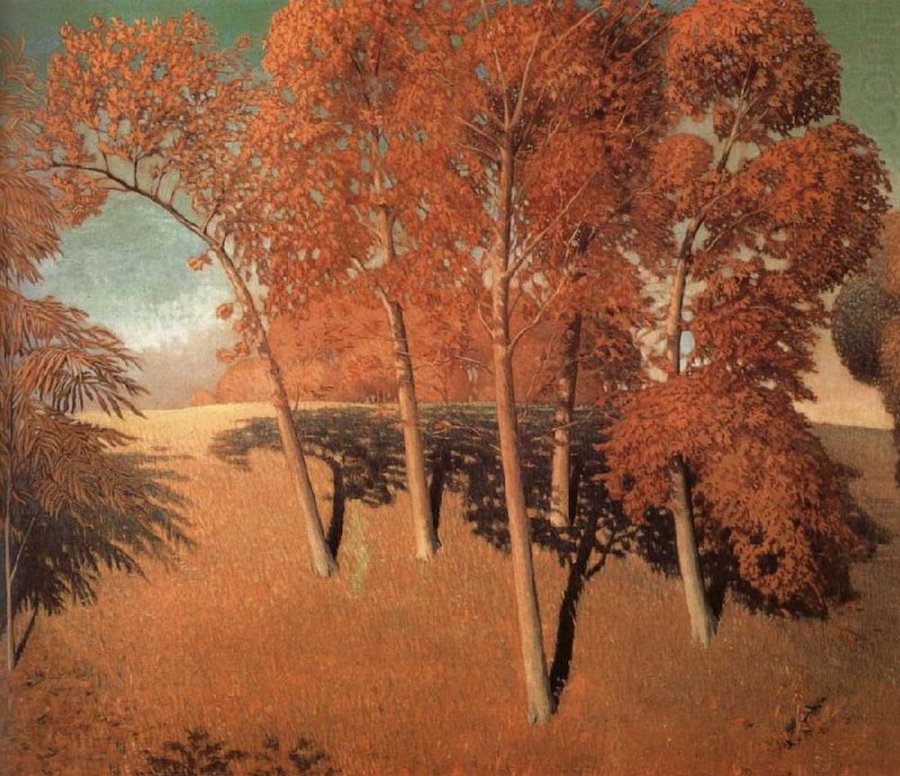
Wood, Autumn Oaks, 1933


The crickets felt it was their duty to warn everybody that summertime cannot last for ever. Even on the most beautiful days in the whole year – the days when summer is changing into autumn – the crickets spread the rumor of sadness and change.

E.B. White, from Charlotte’s Web

What if the cricket's song is one praising Autumn's joy and glorious transformation?

18 April 2025

Hoof-Beats.

Wood, The Midnight Ride of Paul Revere (detail)1931


PAUL REVERE'S RIDEl

Listen, my children, and you shall hear
Of the midnight ride of Paul Revere,
On the eighteenth of April, in Seventy-Five:
Hardly a man is now alive
Who remembers that famous day and year.

He said to his friend, “If the British march
By land or sea from the town to-night,
Hang a lantern aloft in the belfry-arch
Of the North-Church-tower, as a signal-light,—
One if by land, and two if by sea;
And I on the opposite shore will be,
Ready to ride and spread the alarm
Through every Middlesex village and farm,
For the country-folk to be up and to arm.”

Then he said “Good night!” and with muffled oar
Silently rowed to the Charlestown shore,
Just as the moon rose over the bay,
Where swinging wide at her moorings lay
The Somerset, British man-of-war:
A phantom ship, with each mast and spar
Across the moon, like a prison-bar,
And a huge black hulk, that was magnified
By its own reflection in the tide.

Meanwhile, his friend, through alley and street
Wanders and watches with eager ears,
Till in the silence around him he hears
The muster of men at the barrack door,
The sound of arms, and the tramp of feet,
And the measured tread of the grenadiers
Marching down to their boats on the shore.

Then he climbed to the tower of the church,
Up the wooden stairs, with stealthy tread,
To the belfry-chamber overhead,
And startled the pigeons from their perch
On the sombre rafters, that round him made
Masses and moving shapes of shade,—
By the trembling ladder, steep and tall,
To the highest window in the wall,
Where he paused to listen and look down
A moment on the roofs of the town,
And the moonlight flowing over all.

Beneath, in the churchyard, lay the dead,
In their night-encampment on the hill,
Wrapped in silence so deep and still
That he could hear, like a sentinel’s tread,
The watchful night-wind, as it went
Creeping along from tent to tent,
And seeming to whisper, “All is well!”
A moment only he feels the spell
Of the place and the hour, and the secret dread
Of the lonely belfry and the dead;
For suddenly all his thoughts are bent
On a shadowy something far away,
Where the river widens to meet the bay,—
A line of black, that bends and floats
On the rising tide, like a bridge of boats.

Meanwhile, impatient to mount and ride,
Booted and spurred, with a heavy stride,
On the opposite shore walked Paul Revere.
Now he patted his horse’s side,
Now gazed on the landscape far and near,
Then impetuous stamped the earth,
And turned and tightened his saddle-girth;
But mostly he watched with eager search
The belfry-tower of the old North Church,
As it rose above the graves on the hill,
Lonely and spectral and sombre and still.
And lo! as he looks, on the belfry’s height,
A glimmer, and then a gleam of light!
He springs to the saddle, the bridle he turns,
But lingers and gazes, till full on his sight
A second lamp in the belfry burns!

A hurry of hoofs in a village-street,
A shape in the moonlight, a bulk in the dark,
And beneath from the pebbles, in passing, a spark
Struck out by a steed that flies fearless and fleet:
That was all! And yet, through the gloom and the light,
The fate of a nation was riding that night;
And the spark struck out by that steed, in his flight,
Kindled the land into flame with its heat.

He has left the village and mounted the steep,
And beneath him, tranquil and broad and deep,
Is the Mystic, meeting the ocean tides;
And under the alders, that skirt its edge,
Now soft on the sand, now loud on the ledge,
Is heard the tramp of his steed as he rides.

It was twelve by the village clock
When he crossed the bridge into Medford town.
He heard the crowing of the cock,
And the barking of the farmer’s dog,
And felt the damp of the river-fog,
That rises when the sun goes down.

It was one by the village clock,
When he galloped into Lexington.
He saw the gilded weathercock
Swim in the moonlight as he passed,
And the meeting-house windows, blank and bare,
Gaze at him with a spectral glare,
As if they already stood aghast
At the bloody work they would look upon.

It was two by the village clock,
When he came to the bridge in Concord town.
He heard the bleating of the flock,
And the twitter of birds among the trees,
And felt the breath of the morning breeze
Blowing over the meadows brown.
And one was safe and asleep in his bed
Who at the bridge would be first to fall,
Who that day would be lying dead,
Pierced by a British musket-ball.

You know the rest. In the books you have read,
How the British Regulars fired and fled,—
How the farmers gave them ball for ball,
From behind each fence and farmyard-wall,
Chasing the red-coats down the lane,
Then crossing the fields to emerge again
Under the trees at the turn of the road,
And only pausing to fire and load.

So through the night rode Paul Revere;
And so through the night went his cry of alarm
To every Middlesex village and farm,—
A cry of defiance, and not of fear,
A voice in the darkness, a knock at the door,
And a word that shall echo forevermore!
For, borne on the night-wind of the Past,
Through all our history, to the last,
In the hour of darkness and peril and need,
The people will waken and listen to hear
The hurrying hoof-beats of that steed,
And the midnight message of Paul Revere.

Henry Wadsworth Longfellow

13 February 2025

Happy Birthday, Wood

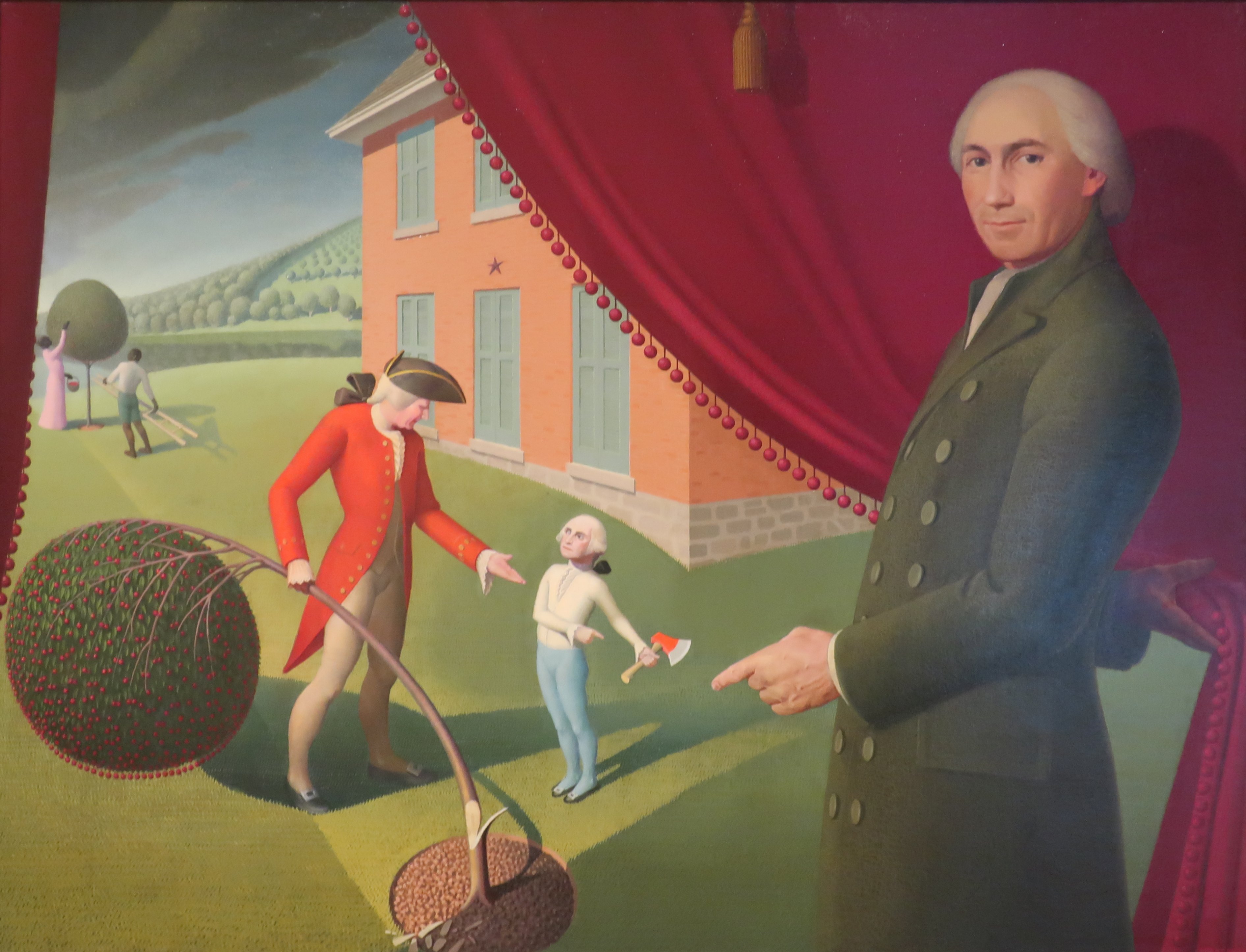
Wood, Parson Weem's Fable, 1939


All the really good ideas I ever had came to me while I was milking a cow.

Grant Wood, born on this day in 1891

03 July 2024

Released.


The Rock & Roll Rooster released Now Look on this day in 1975.

Barbarians pullin' off "Breathe on Me" ...

28 June 2024

Got.


There's a basic rule which runs through all kinds of music, kind of an unwritten rule. I don't know what it is, but I've got it.

Ronnie Wood

20 April 2024

Excellent.


On this day in 1979, The Rock and Roll Rooster released one of the greatest rock albums ever made, Gimme Some Neck.

"Buried Alive"

18 April 2024

Hoof-Beats.

Wood, The Midnight Ride of Paul Revere, 1931


Late in the evening, on this date in 1775, Paul Revere began his ride from Charlestown to Lexington, Mass., warning American colonists that the British were coming.

PAUL REVERE'S RIDE

Listen, my children, and you shall hear
Of the midnight ride of Paul Revere,
On the eighteenth of April, in Seventy-Five:
Hardly a man is now alive
Who remembers that famous day and year.

He said to his friend, “If the British march
By land or sea from the town to-night,
Hang a lantern aloft in the belfry-arch
Of the North-Church-tower, as a signal-light,—
One if by land, and two if by sea;
And I on the opposite shore will be,
Ready to ride and spread the alarm
Through every Middlesex village and farm,
For the country-folk to be up and to arm.”

Then he said “Good night!” and with muffled oar
Silently rowed to the Charlestown shore,
Just as the moon rose over the bay,
Where swinging wide at her moorings lay
The Somerset, British man-of-war:
A phantom ship, with each mast and spar
Across the moon, like a prison-bar,
And a huge black hulk, that was magnified
By its own reflection in the tide.

Meanwhile, his friend, through alley and street
Wanders and watches with eager ears,
Till in the silence around him he hears
The muster of men at the barrack door,
The sound of arms, and the tramp of feet,
And the measured tread of the grenadiers
Marching down to their boats on the shore.

Then he climbed to the tower of the church,
Up the wooden stairs, with stealthy tread,
To the belfry-chamber overhead,
And startled the pigeons from their perch
On the sombre rafters, that round him made
Masses and moving shapes of shade,—
By the trembling ladder, steep and tall,
To the highest window in the wall,
Where he paused to listen and look down
A moment on the roofs of the town,
And the moonlight flowing over all.

Beneath, in the churchyard, lay the dead,
In their night-encampment on the hill,
Wrapped in silence so deep and still
That he could hear, like a sentinel’s tread,
The watchful night-wind, as it went
Creeping along from tent to tent,
And seeming to whisper, “All is well!”
A moment only he feels the spell
Of the place and the hour, and the secret dread
Of the lonely belfry and the dead;
For suddenly all his thoughts are bent
On a shadowy something far away,
Where the river widens to meet the bay,—
A line of black, that bends and floats
On the rising tide, like a bridge of boats.

Meanwhile, impatient to mount and ride,
Booted and spurred, with a heavy stride,
On the opposite shore walked Paul Revere.
Now he patted his horse’s side,
Now gazed on the landscape far and near,
Then impetuous stamped the earth,
And turned and tightened his saddle-girth;
But mostly he watched with eager search
The belfry-tower of the old North Church,
As it rose above the graves on the hill,
Lonely and spectral and sombre and still.
And lo! as he looks, on the belfry’s height,
A glimmer, and then a gleam of light!
He springs to the saddle, the bridle he turns,
But lingers and gazes, till full on his sight
A second lamp in the belfry burns!

A hurry of hoofs in a village-street,
A shape in the moonlight, a bulk in the dark,
And beneath from the pebbles, in passing, a spark
Struck out by a steed that flies fearless and fleet:
That was all! And yet, through the gloom and the light,
The fate of a nation was riding that night;
And the spark struck out by that steed, in his flight,
Kindled the land into flame with its heat.

He has left the village and mounted the steep,
And beneath him, tranquil and broad and deep,
Is the Mystic, meeting the ocean tides;
And under the alders, that skirt its edge,
Now soft on the sand, now loud on the ledge,
Is heard the tramp of his steed as he rides.

It was twelve by the village clock
When he crossed the bridge into Medford town.
He heard the crowing of the cock,
And the barking of the farmer’s dog,
And felt the damp of the river-fog,
That rises when the sun goes down.

It was one by the village clock,
When he galloped into Lexington.
He saw the gilded weathercock
Swim in the moonlight as he passed,
And the meeting-house windows, blank and bare,
Gaze at him with a spectral glare,
As if they already stood aghast
At the bloody work they would look upon.

It was two by the village clock,
When he came to the bridge in Concord town.
He heard the bleating of the flock,
And the twitter of birds among the trees,
And felt the breath of the morning breeze
Blowing over the meadows brown.
And one was safe and asleep in his bed
Who at the bridge would be first to fall,
Who that day would be lying dead,
Pierced by a British musket-ball.

You know the rest. In the books you have read,
How the British Regulars fired and fled,—
How the farmers gave them ball for ball,
From behind each fence and farmyard-wall,
Chasing the red-coats down the lane,
Then crossing the fields to emerge again
Under the trees at the turn of the road,
And only pausing to fire and load.

So through the night rode Paul Revere;
And so through the night went his cry of alarm
To every Middlesex village and farm,—
A cry of defiance, and not of fear,
A voice in the darkness, a knock at the door,
And a word that shall echo forevermore!
For, borne on the night-wind of the Past,
Through all our history, to the last,
In the hour of darkness and peril and need,
The people will waken and listen to hear
The hurrying hoof-beats of that steed,
And the midnight message of Paul Revere.

Henry Wadsworth Longfellow

Don't miss David Hackett Fischer discussing his book, Paul Revere's Ride, with Brian Lamb on Booknotes.

21 July 2023

10 June 2023

Got.


There's a basic rule which runs through all kinds of music, kind of an unwritten rule. I don't know what it is, but I've got it.

The Rooster

20 April 2023

Released.


The Rock and Roll Rooster released Gimme Some Neck on this day in 1979.

"Buried Alive"

18 April 2023

Hoof-Beats.

Wood, The Midnight Ride of Paul Revere, 1931


On this date, at this hour, in 1775, Paul Revere began his portion of the famous ride.

PAUL REVERE'S RIDE

Listen, my children, and you shall hear 
Of the midnight ride of Paul Revere, 
On the eighteenth of April, in Seventy-five; 
Hardly a man is now alive 
Who remembers that famous day and year. 

He said to his friend, "If the British march 
By land or sea from the town to-night, 
Hang a lantern aloft in the belfry arch 
Of the North Church tower as a signal light,— 
One, if by land, and two, if by sea; 
And I on the opposite shore will be, 
Ready to ride and spread the alarm 
Through every Middlesex village and farm, 
For the country folk to be up and to arm." 
Then he said, "Good night!" and with muffled oar 
Silently rowed to the Charlestown shore, 
Just as the moon rose over the bay, 
Where swinging wide at her moorings lay 
The Somerset, British man-of-war; 
A phantom ship, with each mast and spar 
Across the moon like a prison bar, 
And a huge black hulk, that was magnified 
By its own reflection in the tide. 

Meanwhile, his friend, through alley and street, 
Wanders and watches with eager ears, 
Till in the silence around him he hears 
The muster of men at the barrack door, 
The sound of arms, and the tramp of feet, 
And the measured tread of the grenadiers, 
Marching down to their boats on the shore. 

Then he climbed the tower of the Old North Church, 
By the wooden stairs, with stealthy tread, 
To the belfry-chamber overhead, 
And startled the pigeons from their perch 
On the sombre rafters, that round him made 
Masses and moving shapes of shade, — 
By the trembling ladder, steep and tall, 
To the highest window in the wall, 
Where he paused to listen and look down 
A moment on the roofs of the town, 
And the moonlight flowing over all. 
Beneath, in the churchyard, lay the dead, 
In their night-encampment on the hill, 
Wrapped in silence so deep and still 
That he could hear, like a sentinel's tread, 
The watchful night-wind, as it went 
Creeping along from tent to tent, 
And seeming to whisper, "All is well!" 
A moment only he feels the spell 
Of the place and the hour, and the secret dread 
Of the lonely belfry and the dead; 
For suddenly all his thoughts are bent 
On a shadowy something far away, 
Where the river widens to meet the bay, — 
A line of black that bends and floats 
On the rising tide, like a bridge of boats. 

Meanwhile, impatient to mount and ride, 
Booted and spurred, with a heavy stride 
On the opposite shore walked Paul Revere. 
Now he patted his horse's side, 
Now gazed at the landscape far and near, 
Then, impetuous, stamped the earth, 
And turned and tightened his saddle girth; 
But mostly he watched with eager search 
The belfry-tower of the Old North Church, 
As it rose above the graves on the hill, 
Lonely and spectral and sombre and still. 
And lo! as he looks, on the belfry's height 
A glimmer, and then a gleam of light! 
He springs to the saddle, the bridle he turns, 
But lingers and gazes, till full on his sight 
A second lamp in the belfry burns! 
A hurry of hoofs in a village street, 
A shape in the moonlight, a bulk in the dark, 
And beneath, from the pebbles, in passing, a spark 
Struck out by a steed flying fearless and fleet: 
That was all! And yet, through the gloom and the light, 
The fate of a nation was riding that night; 
And the spark struck out by that steed, in his flight, 
Kindled the land into flame with its heat. 
He has left the village and mounted the steep, 
And beneath him, tranquil and broad and deep, 
Is the Mystic, meeting the ocean tides; 
And under the alders, that skirt its edge, 
Now soft on the sand, now loud on the ledge, 
Is heard the tramp of his steed as he rides. 

It was twelve by the village clock, 
When he crossed the bridge into Medford town. 
He heard the crowing of the cock, 
And the barking of the farmer's dog, 
And felt the damp of the river fog, 
That rises after the sun goes down. 

It was one by the village clock, 
When he galloped into Lexington. 
He saw the gilded weathercock 
Swim in the moonlight as he passed, 
And the meeting-house windows, blank and bare, 
Gaze at him with a spectral glare, 
As if they already stood aghast 
At the bloody work they would look upon. 

It was two by the village clock, 
When he came to the bridge in Concord town. 
He heard the bleating of the flock, 
And the twitter of birds among the trees, 
And felt the breath of the morning breeze 
Blowing over the meadows brown. 
And one was safe and asleep in his bed 
Who at the bridge would be first to fall, 
Who that day would be lying dead, 
Pierced by a British musket-ball. 

You know the rest. In the books you have read, 
How the British Regulars fired and fled, — 
How the farmers gave them ball for ball, 
From behind each fence and farm-yard wall, 
Chasing the red-coats down the lane, 
Then crossing the fields to emerge again 
Under the trees at the turn of the road, 
And only pausing to fire and load. 

So through the night rode Paul Revere; 
And so through the night went his cry of alarm 
To every Middlesex village and farm, — 
A cry of defiance and not of fear, 
A voice in the darkness, a knock at the door, 
And a word that shall echo forevermore! 
For, borne on the night-wind of the Past, 
Through all our history, to the last, 
In the hour of darkness and peril and need, 
The people will waken and listen to hear 
The hurrying hoof-beats of that steed, 
And the midnight message of Paul Revere.
Henry Wadsworth Longfellow

CONNECT

Dr. William M. Fowler, Jr. lectures on the interesting relationship between the facts of Paul Revere's ride and the story told by Henry Wadsworth Longfellow in his poem ...

01 March 2023

Superior.


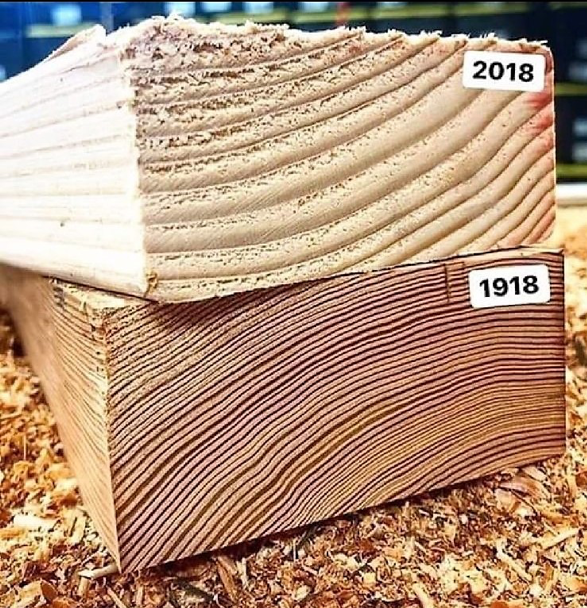
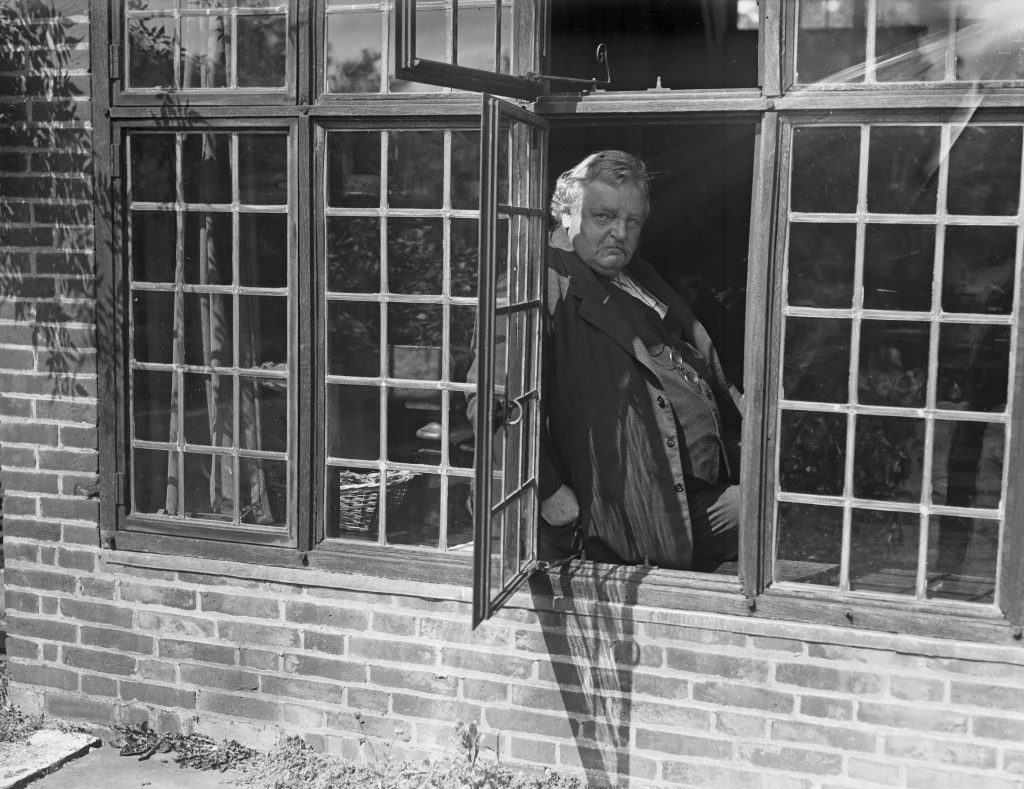
The difference between old growth wood and new growth wood is like the difference between granite and paper. Old growth wood has better stability, durability and longevity. New growth wood and the windows they’re made of, begin to rot and warp after only twenty years ...

The value of old growth lumber is the reason we should NOT throw out old windows. These old windows are structurally superior and can be restored instead of replaced. An old window will last another 100 years if properly cared for. It’s true, “they don’t make ‘em like they used to.”

13 September 2022

Talented.


Released.


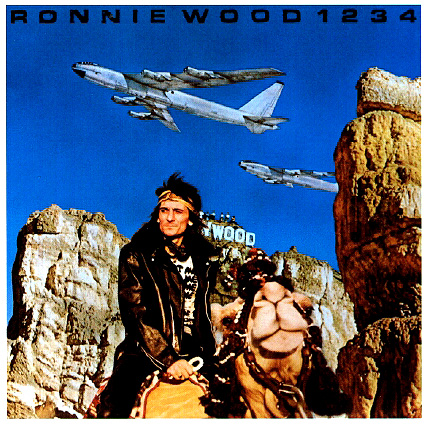
Ronnie Wood released I've Got My Own Album to Do on this day in 1974.
I can hear you calling me
Prettiest girl that I've ever seen

Ronald David Wood, from "I Can Feel the Fire"

09 June 2022

Released.


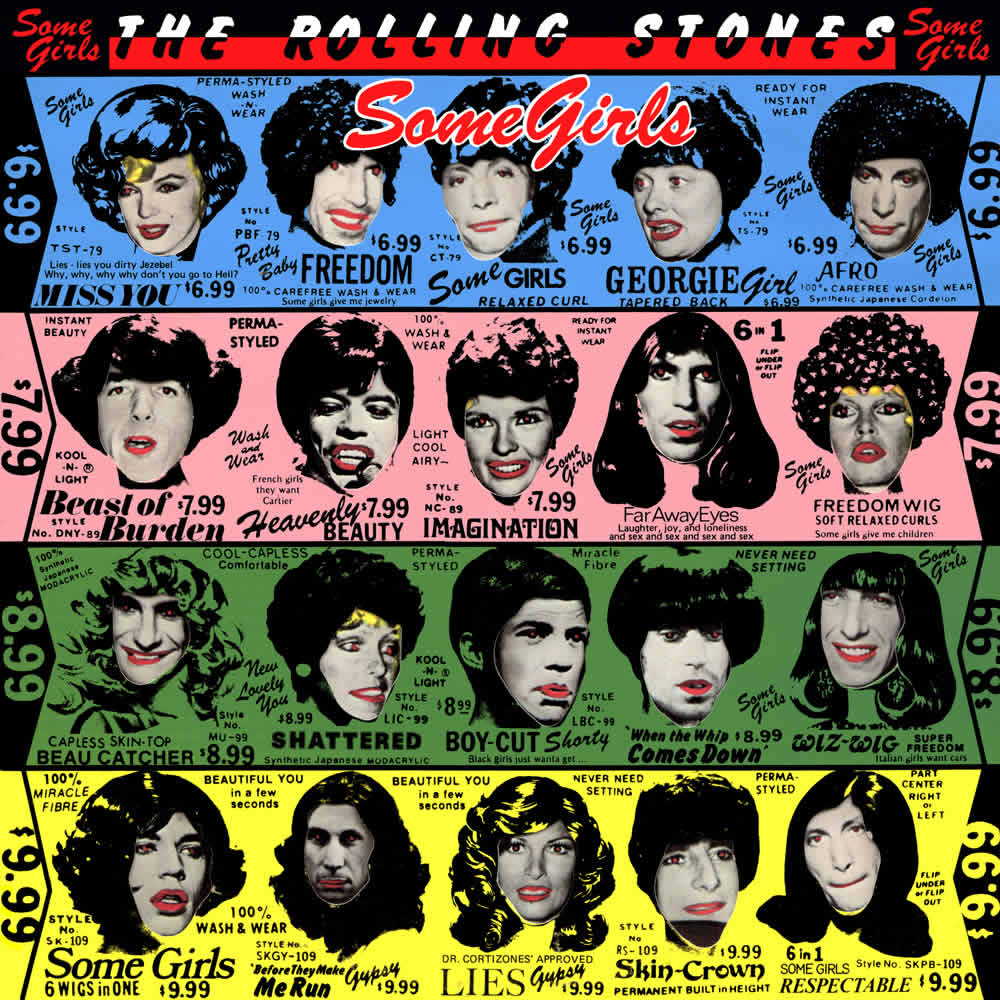
The Rolling Stones released Some Girls on this day in 1978.

"Before They Make Me Run" ...


Everything's better with Wood.

01 June 2022

Happy Birthday, Woody


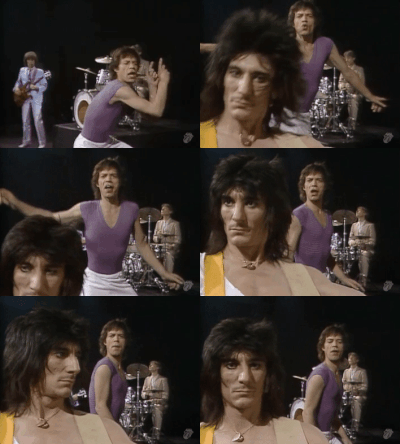
Ronnie Wood was born on this day in 1947.

"Seven Days"


I love it when a cover is better than the original.