"I am not one who was born in the custody of wisdom. I am one who is fond of olden times and intense in quest of the sacred knowing of the ancients." Gustave Courbet
Showing posts with label study. Show all posts

29 January 2026

Privateness.

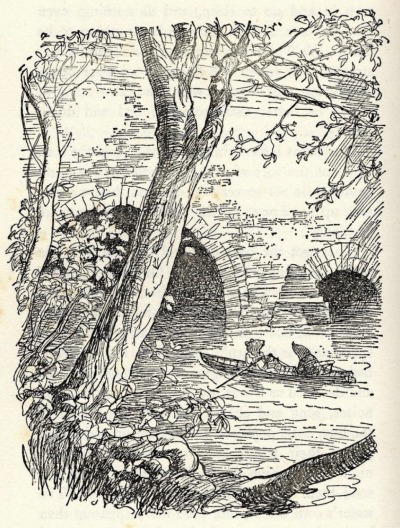
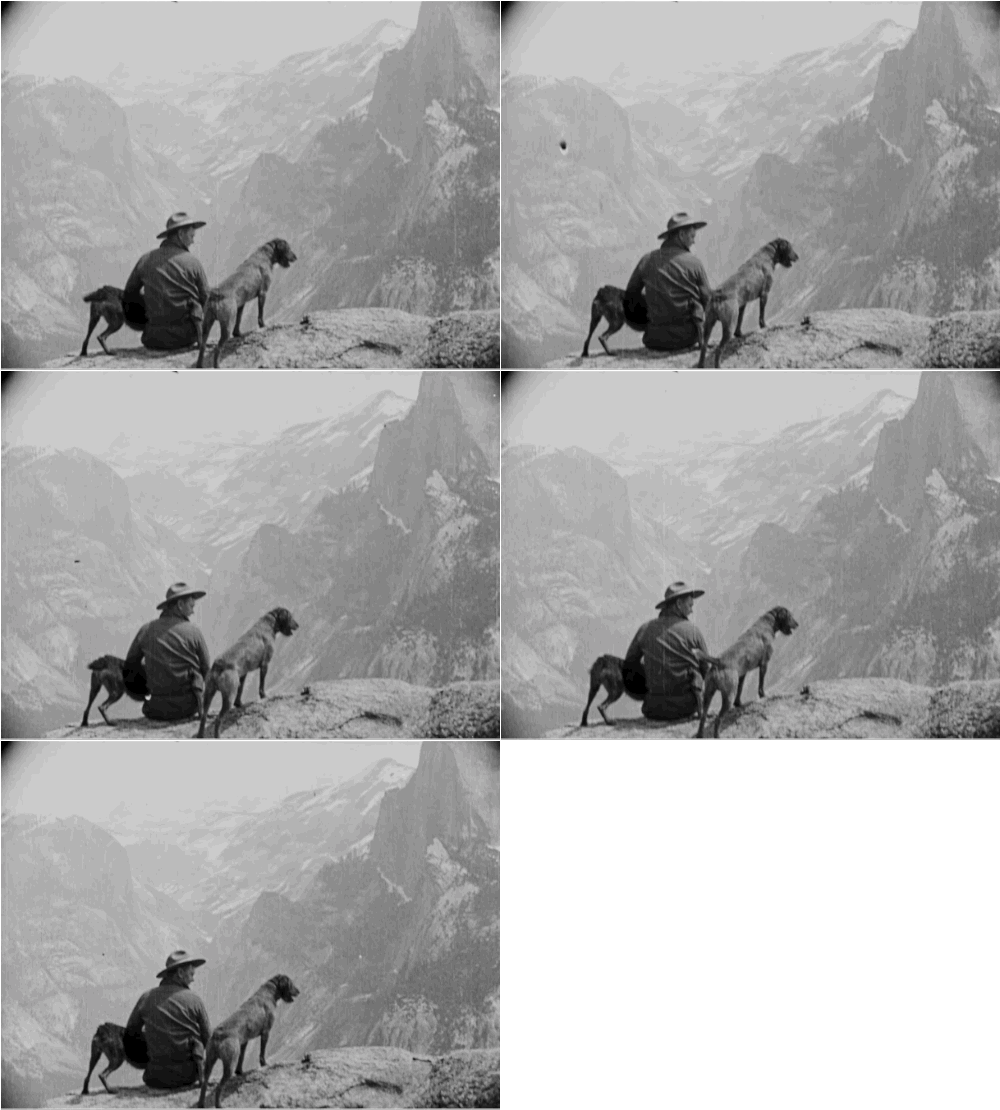
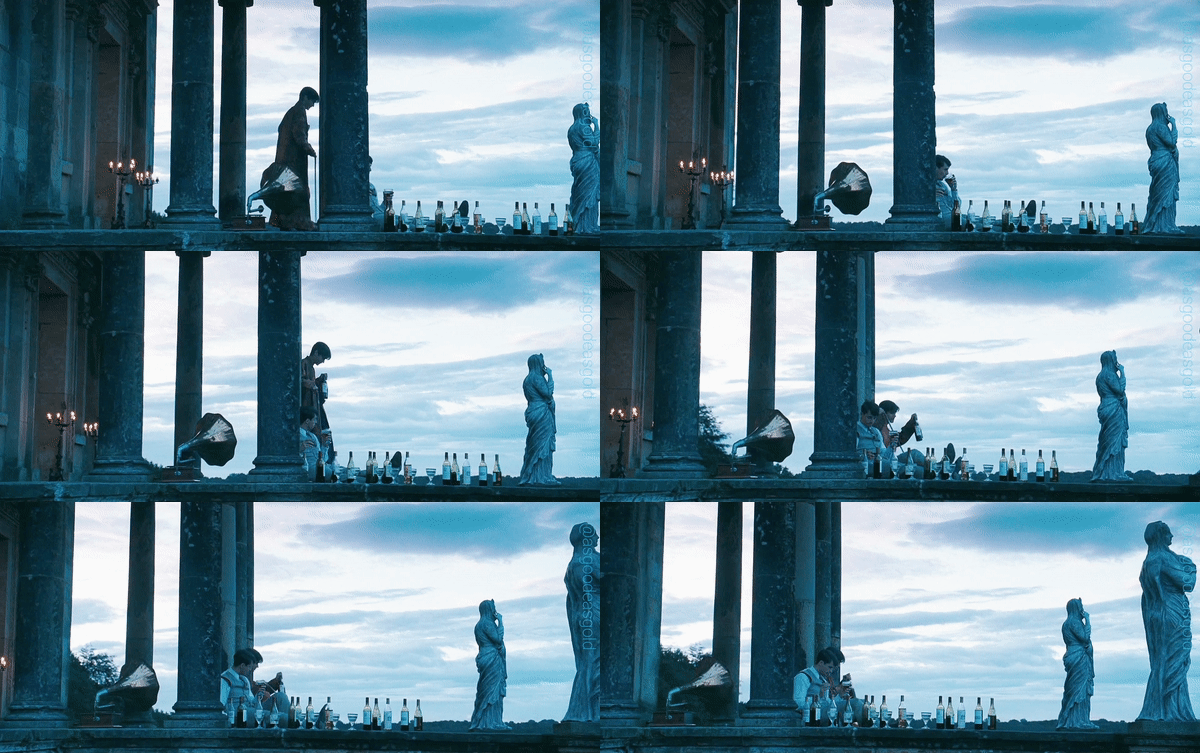
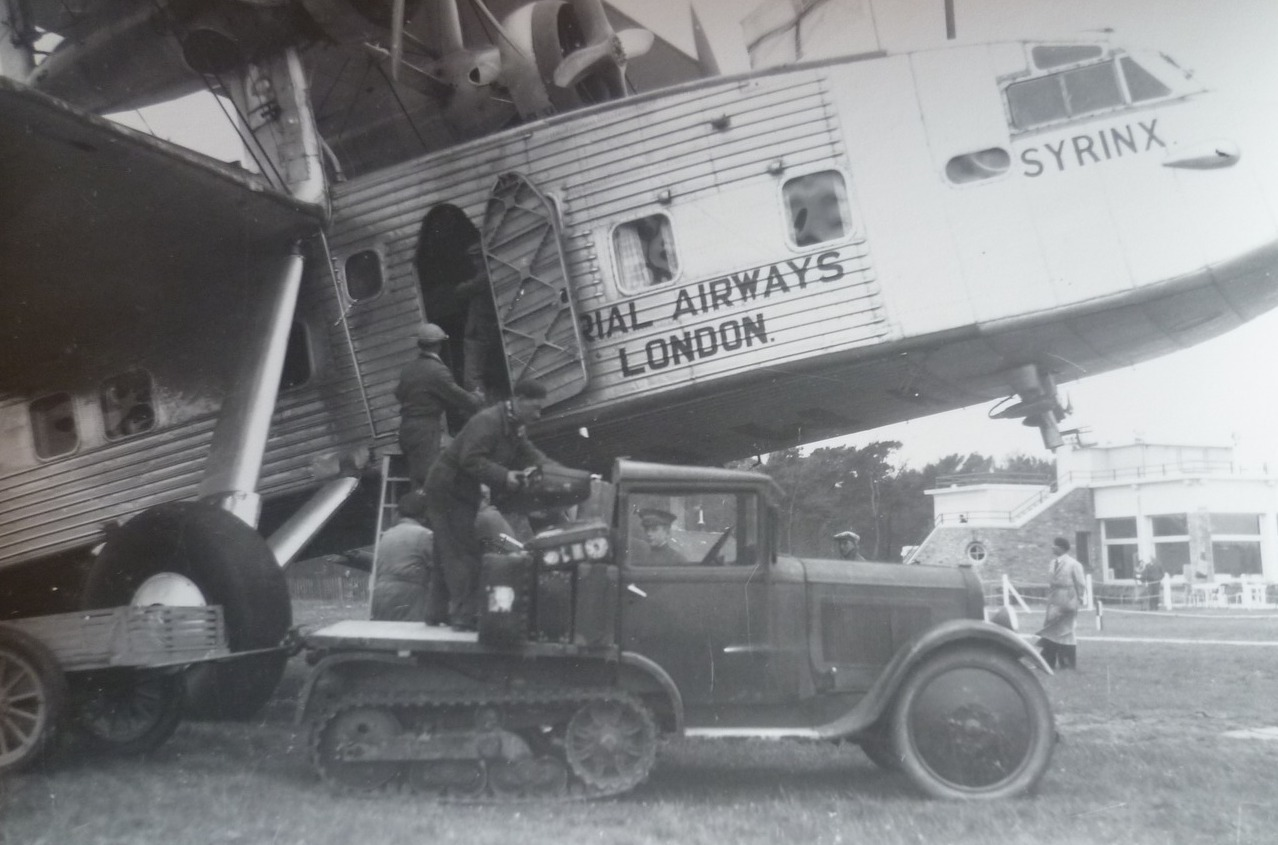
Pears, The Student Travels Underground, 1930


Studies serve for delight, for ornament, and for ability. Their chief use for delight is in privateness and
retiring; for ornament, is in discourse; and for ability, is in the judgment and disposition of business. For
expert men can execute, and perhaps judge of particulars, one by one; but the general counsels, and the plots and marshalling of affairs, come best from those that are learned. To spend too much time in studies is sloth; to use them too much for ornament, is affectation; to make judgment wholly by their rules, is the humor of a scholar. 

Francis Bacon, from "Of Studies"

26 December 2025

Call.


Deep in the forest a call was sounding, and as often as he heard this call, mysteriously thrilling and luring, he felt compelled to turn his back upon the fire and the beaten earth around it, and to plunge into the forest, and on and on, he knew not where or why; nor did he wonder where or why, the call sounding imperiously, deep in the forest.

Jack London, from The Call of the Wild

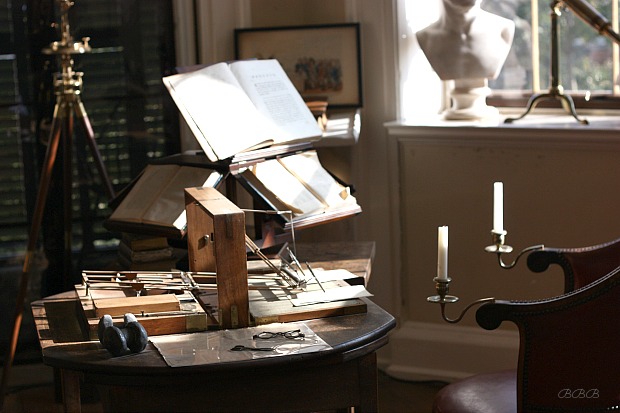
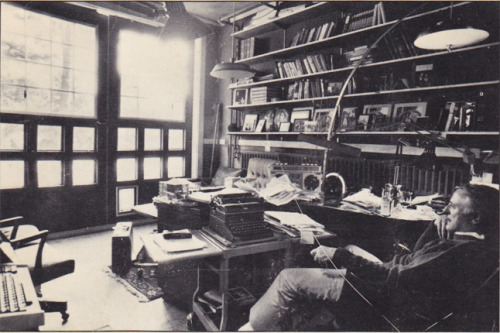
Pictured: London's study

19 October 2025

Sings.


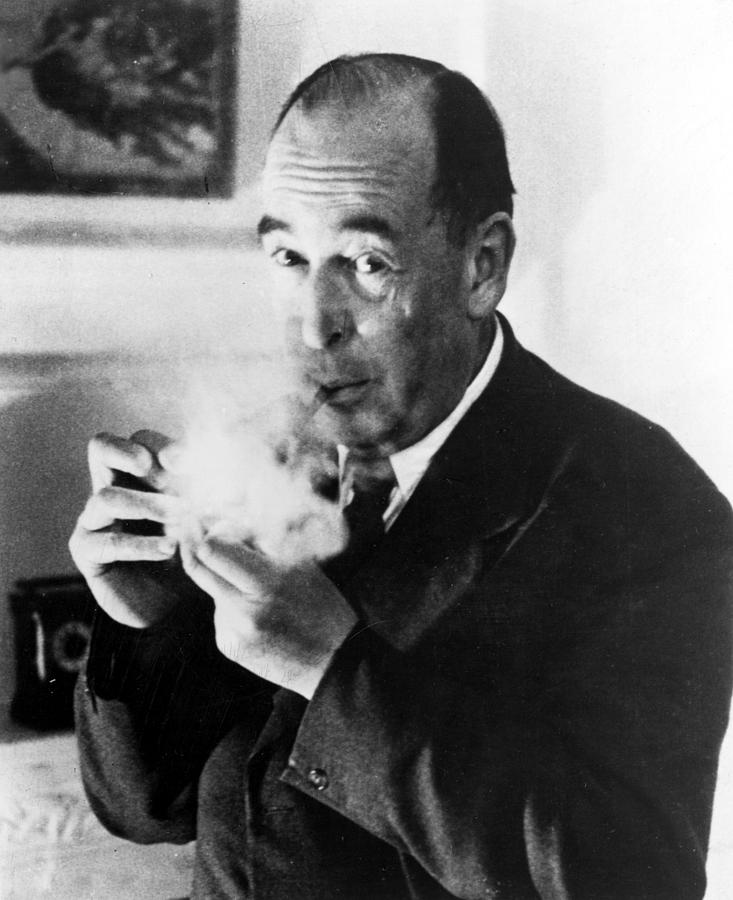
I believe that many who find that "nothing happens" when they sit down, or kneel down, to a book of devotion, would find that the heart sings unbidden while they are working their way through a tough bit of theology with a pipe in their teeth and a pencil in their hand.

C.S. Lewis, from On the Incarnation

18 October 2025

Ready.

Eisenstaedt, "Bryn Mawr, Tough Training Ground for Women’s Minds,” Life, Dec 24, 1956, 1956


When we set about accounting for a Napoleon or a Shakespeare or a Raphael or a Wagner or an Edison or other extraordinary person, we understand that the measure of his talent will not explain the whole result, nor even the largest part of it; no, it is the atmosphere in which the talent was cradled that explains; it is the training it received while it grew, the nurture it got from reading, study, example, the encouragement it gathered from self-recognition and recognition from the outside at each stage of its development: when we know all these details, then we know why the man was ready when his opportunity came.


Thanks, Mum.

17 August 2025

Nicer.

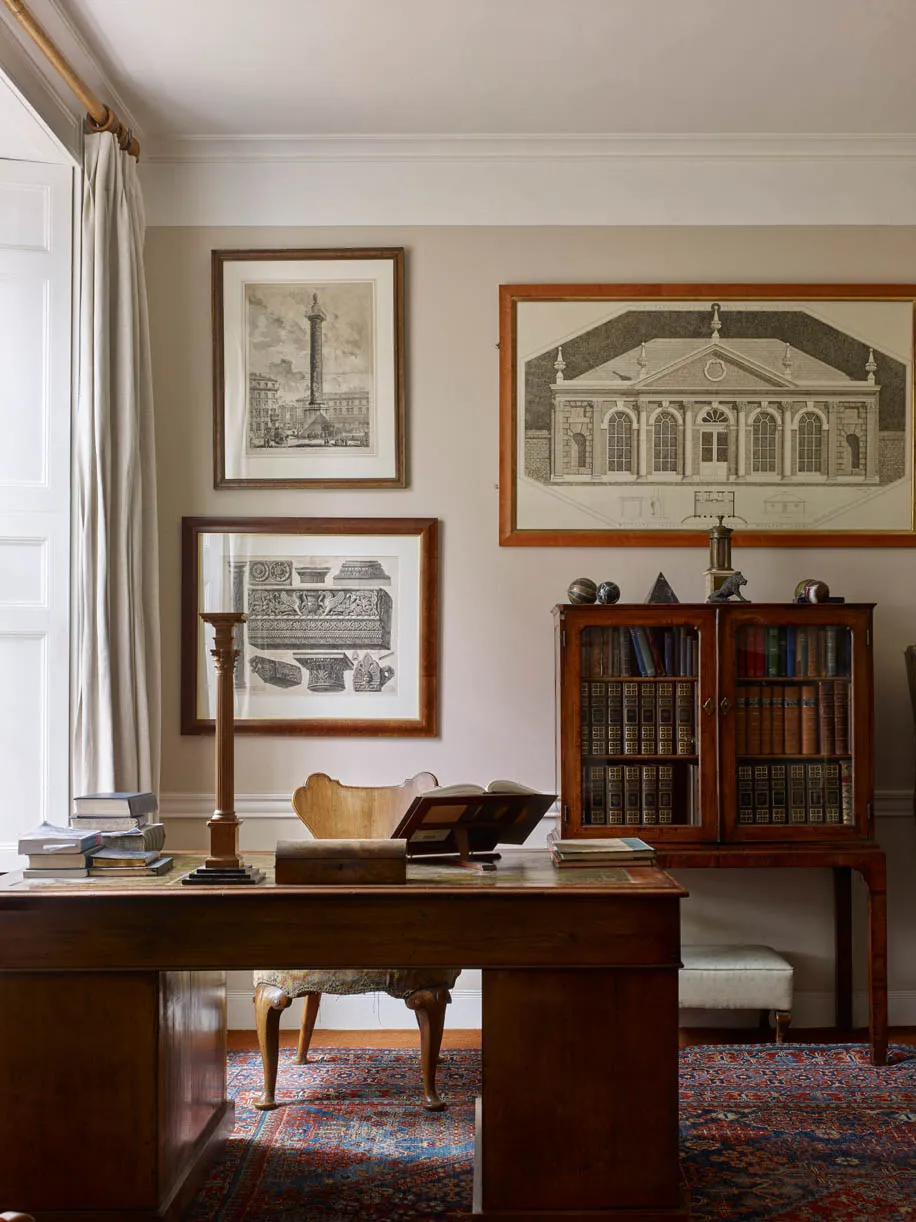
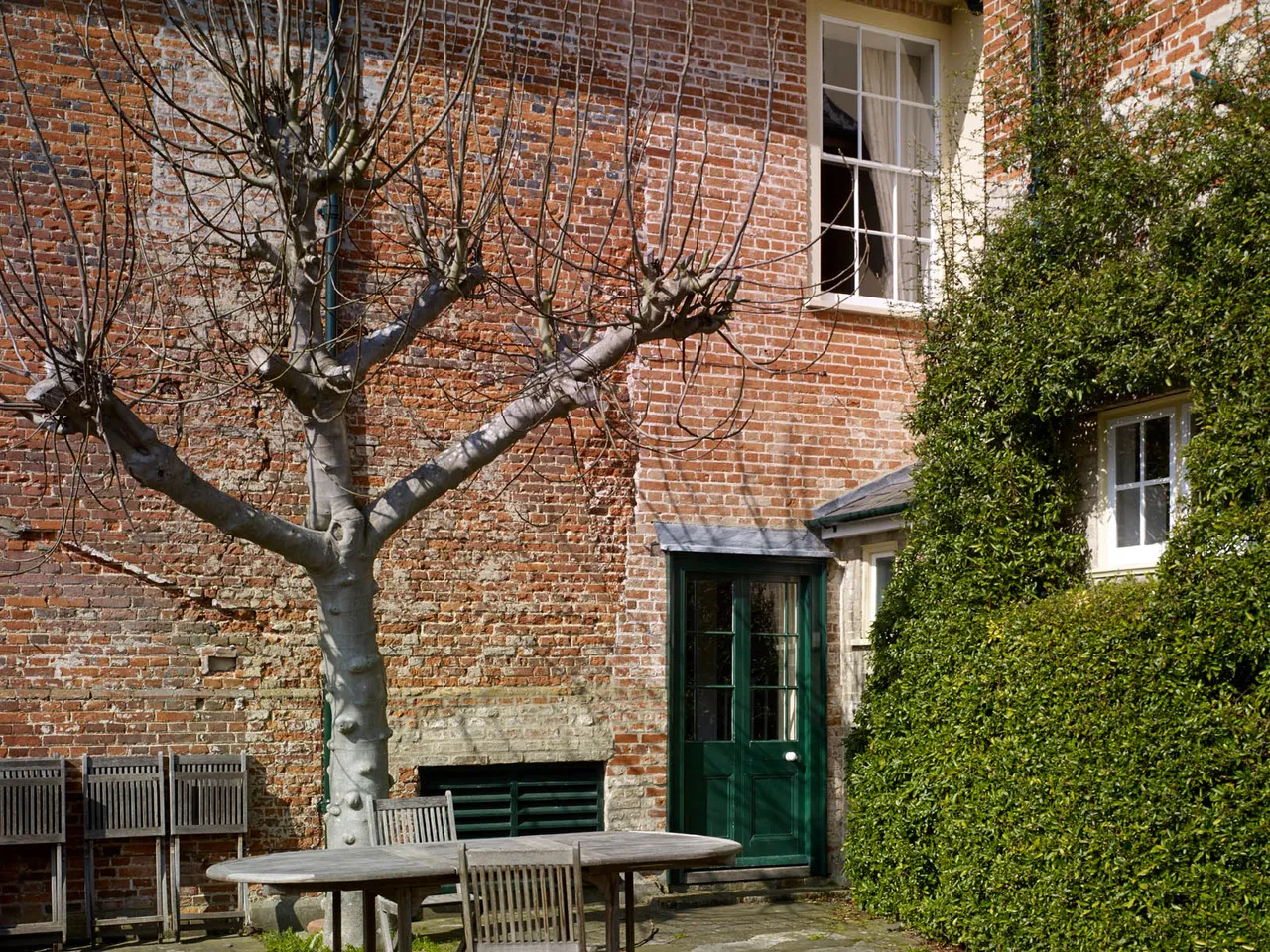
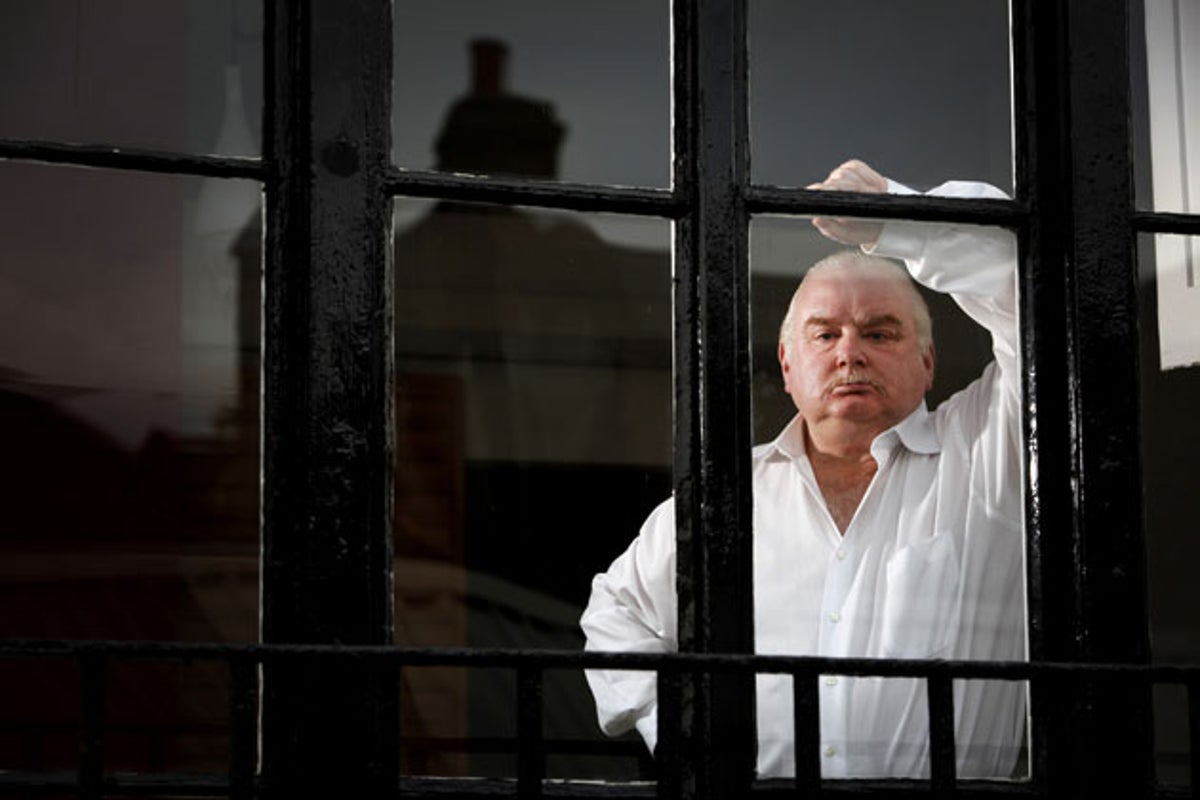
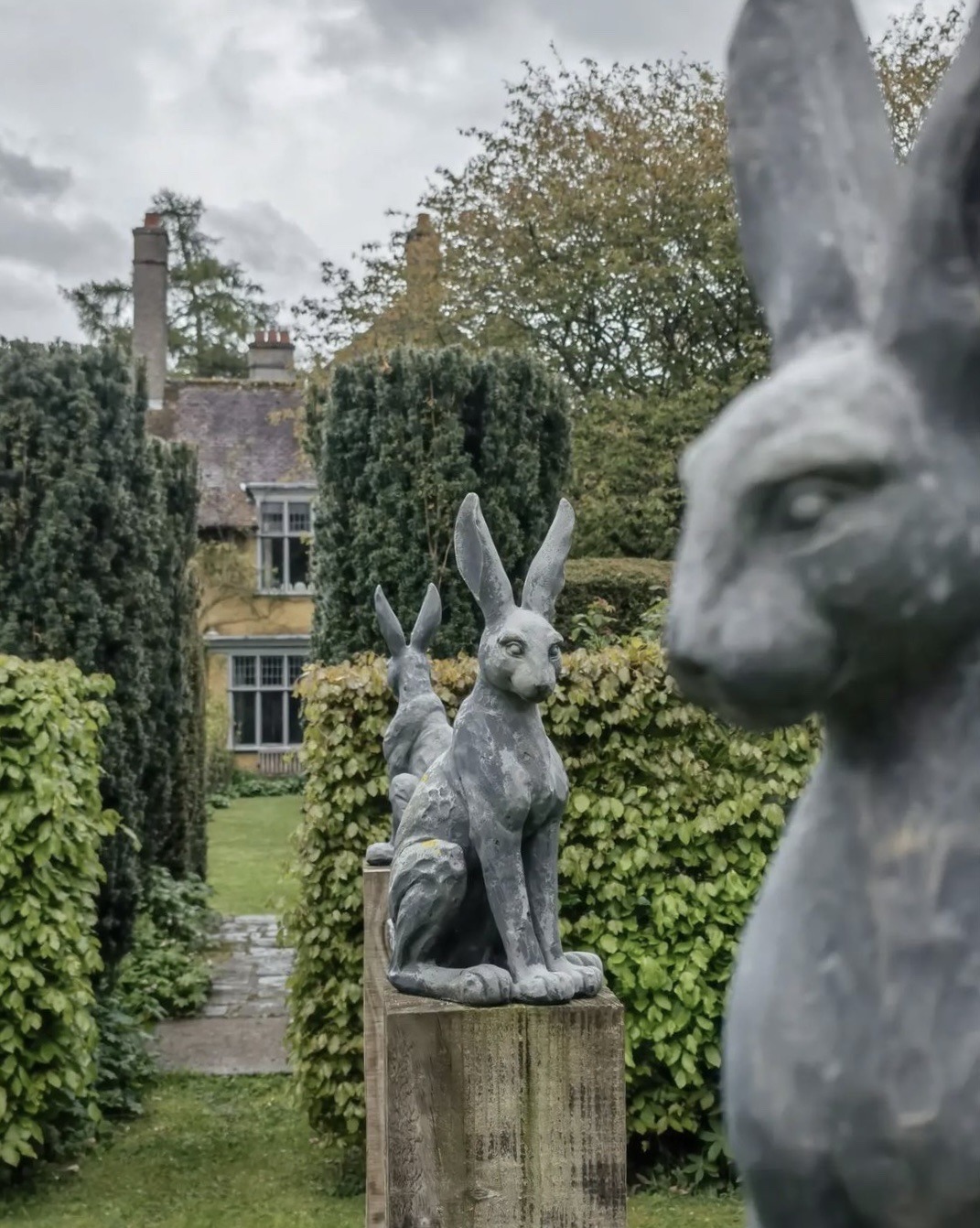
Views of Quinlan Terry's home, Higham Hall ...


I don't think we can ignore the Modern Movement. But I wouldn't have minded at all if it hadn't happened. I think the world would be a much nicer place.

Quinlan Terry

20 June 2025

Underperformed.


MIT ponders the long-term "cognitive debt" of sucking on the ChatGPT gas pipe...
While LLMs offer immediate convenience, our findings highlight potential cognitive costs. Over four months, LLM users consistently underperformed at neural, linguistic, and behavioral levels. These results raise concerns about the long-term educational implications of LLM reliance and underscore the need for deeper inquiry into AI's role in learning.

An overview of the project is HERE. 

27 December 2024

Want.


The authority of those who teach is often an obstacle to those who want to learn.

Cicero

13 November 2024

Work.

Repin, Ivan Turgenev, 1874


In old days, young men had to study; they didn't want to be called dunces, so they had to work hard whether they liked it or not. But now, they need only say, "Everything in the world is foolery!" and the trick's done. Young men are delighted. And, to be sure, they were simply geese before, and now they have suddenly turned nihilists.

Ivan Turgenev

09 November 2024

Seek.

Leave it to Lewis.

Think like Georgia O'Keeffe ... every single instant presents an experience worthy of learning.  Look closely.

Outstanding ...


Thanks, Kurt.

17 July 2024

Monkish.


When I was very young I wanted either to be Pope or a solitary monk like a Carthusian or a Trappist; the papacy was unfortunately out of reach, but I believe that I still have monkish inclinations. I like solitude and silence, to the extent that some people believe me to be a "recluse".

Peter Ackroyd

05 May 2024

Studying.

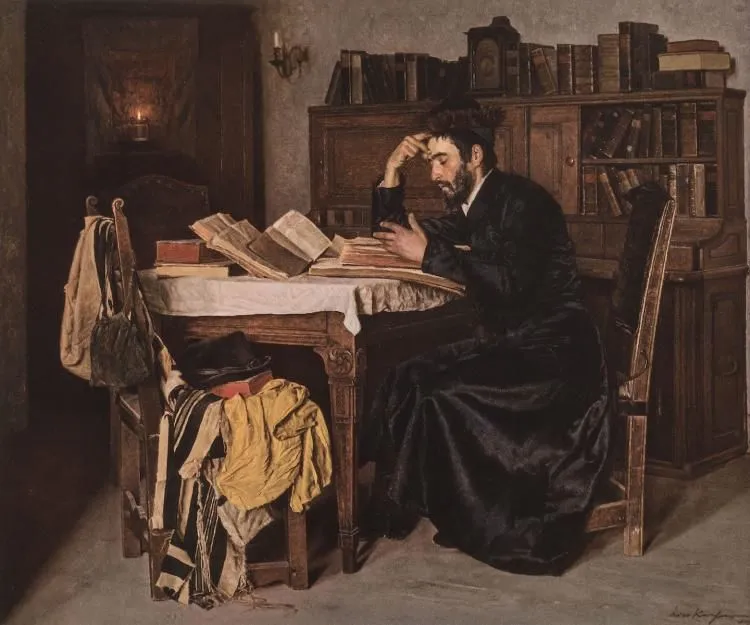
Kaufmann, Man Studying Torah, 1925


When, during the Hadrian persecution, the sages of Lydda met to debate the most pressing problems facing their imperiled community, one of those at the head of their list was: "Is studying more important or doing?"

Thanks, Kurt.

17 December 2023

Story.

This past October, Bodleian Libraries interviewed Sir Philip Pullman at his home in Oxford.
A procession of little opium weights and incidentally I can show you: this is a procession and now it's a story!

06 November 2023

Through.

Rembrandt, Monk Reading, 1661


When evening comes, I go back home, and go to my study. On the threshold I take off my work clothes, covered in mud and filth, and put on the clothes an ambassador would wear. Decently dressed, I enter the ancient courts of rulers who have long since died. There I am warmly welcomed, and I feed on the only food I find nourishing, and was born to savor. I am not ashamed to talk to them, and to ask them to explain their actions. And they, out of kindness, answer me. Four hours go by without my feeling any anxiety. I forget every worry. I am no longer afraid of poverty, or frightened of death. I live entirely through them.

Niccolò Machiavelli, from his letter to Francesco Vettori, December 10, 1513

05 November 2023

Working.


I believe that many who find that "nothing happens" when they sit down, or kneel down, to a book of devotion, would find that the heart sings unbidden while they are working their way through a tough bit of theology with a pipe in their teeth and a pencil in their hand.

C.S. Lewis, from the Introduction to On the Incarnation of the Word of God, by St. Athanasius

On.

Bone, Gavin in His Study at St. John’s, 1923


The stories that unfold in the space of a writer's study, the objects chosen to watch over a desk, the books selected to sit on the shelves, all weave a web of echoes and reflections of meanings and affections, that lend a visitor the illusion that something of the owner of this space lives on between these walls, even if the owner is no more.

Alberto Manguel, from The Library at Night

11 June 2023

Studies.

Dance, Portrait of Samuel Taylor Coleridge, 1804


I sought for a subject, that should give equal room and freedom for description, incident, and impassioned reflections on men, nature, and society, yet supply in itself a natural connection to the parts, and unity to the whole. Such a subject I conceived myself to have found in a stream, traced from its source in the hills among the yellow-red moss and conical glass-shaped tufts of Bent, to the first break or fall, where its drops became audible, and it begins to form a channel; thence to the peat and turf barn, itself built of the same dark squares as it sheltered; to the sheep-fold; to the first cultivated plot of ground; to the lonely cottage and its bleak garden won from the heath; to the hamlet, the villages, the market-town, the manufactories, and the sea-port. My walks therefore were almost daily on the top of Quantock, and among its sloping coombs. With my pencil and memorandum book in my hand, I was making studies, as the artists call them, and often moulding my thoughts into verse, with the objects and imagery immediately before my senses. Many circumstances, evil and good, intervened to prevent the completion of the poem, which was to have been entitled "THE BROOK."  Had I finished the work, it was my purpose in the heat of the moment to have dedicated it to our then committee of public safety as containing the charts and maps, with which I was to have supplied the French Government in aid of their plans of invasion. And these too for a tract of coast that from Clevedon to Minehead scarcely permits the approach of a fishing boat!

Samuel Taylor Coleridge

The BROOK (notebook fragments)

The swallows interweaving there mid the paired
Sea-mews, at distance wildly-wailing.—

The a brook runs over Sea-weeds.—

Sabbath day—from the
Miller's mossy wheel
the waterdrops dripp'd
leisurely—

                 On the broad mountain-top
The neighing wild-colt races with the wind
O'er fern & heath-flowers—

                        A long deep Lane
So overshadow'd, it might seem one bower—
The damp Clay banks were furr'd with mouldy moss

Broad-breasted Pollards with broad-branching head.

13 April 2023

Sacred.


From Peter S. Onuf and Annette Gordon-Reed's review of Jefferson's Spaces ...
Retreating behind his “wall of separation,” Jefferson refreshed his mind and spirit through reading, writing, and reflection. The space he reserved for himself was critical to the personal privacy he cherished after the death of his wife, Martha: this is where the independent, autonomous, self-governing individual cultivated his faculties and defined himself against and apart from the world. Yet, paradoxically, if contemporaries could not penetrate this space and know Jefferson intimately, modern students enjoy privileged access to the books he read and the vast correspondence that connected him to the “republic of letters.” This is where he fabricated the cut-and-paste “Jefferson Bible” and fashioned his idiosyncratic synthesis of Christian ethics and Scottish moral philosophy. It was as if the freedom of conscience that was foundational to republican government could be defined as a kind of inviolably sacred space, where the weary and beleaguered statesman could find a sanctuary.

Privacy was not an end in itself for Jefferson, but rather the threshold of the enlightened sociability routinely performed in Monticello’s public spaces. Jefferson crossed that threshold, returning to his company, according to the dictates of the clock: breakfast at 10 a.m., dinner at 3 or 4 p.m., walking in the gardens and grounds culminating in convivial moments in the parlor at the end of the day. This was the Monticello Jefferson imagined when he was away: “I now see our fireside formed into a groupe, no one member of which has a fibre in their composition which can ever produce any jarring or jealousies among us.”

11 February 2023

Study.

Cezanne, The House and The Tree, 1874


Pleasure must be found in study. 

Paul Cezanne

30 January 2022

Depths.


From the depths of his corner, the dreamer remembers all the objects identified with solitude, objects that 
are memories of solitude and which are betrayed by the mere fact of having been forgotten, abandoned in a corner. "Remember the old, old lamp that greeted you from far away, through the window of your thoughts, its panes burned by suns of other years."  From the depths of his corner, the dreamer sees an older house, a house in another land, thus making a synthesis of the childhood home and the dream home. The old objects question him: "What will the friendly old lamp think of you, during the lonely winter nights? What will the other objects think of you, the ones that were so kind, so fraternally kind to you? Was not their obscure fate closely united with your own? Motionless, mute things never forget: melancholy and despised as they are, we confide in them that which is humblest and least suspected in the depths of ourselves." What a call to humility this dreamer heard in his corner.  For the corner denies the palace, dust denies marble, and worn objects deny splendor and luxury. The dreamer in his corner wrote off the world in a detailed daydream that destroyed, one by one, all the objects in the world. Having crossed the countless little thresholds of the disorder of things that are reduced to dust, these souvenir-objects set the past in order, associating condensed motionlessness with far distant voyages into a world that is no more.

Gaston Bachelard, from The Poetics of Space