"I am not one who was born in the custody of wisdom. I am one who is fond of olden times and intense in quest of the sacred knowing of the ancients." Gustave Courbet
Showing posts with label Monticello. Show all posts

13 April 2023

Sacred.


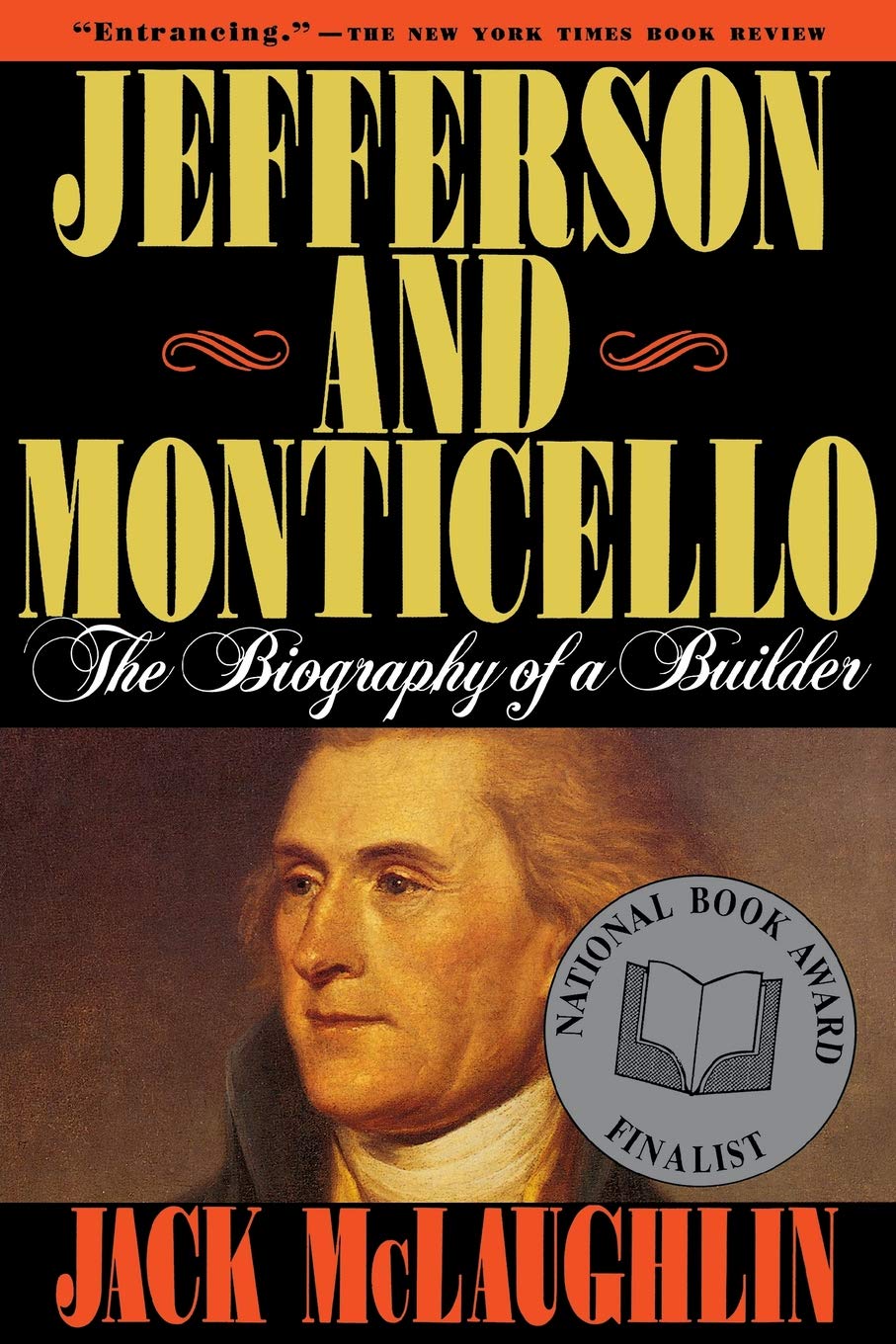
From Peter S. Onuf and Annette Gordon-Reed's review of Jefferson's Spaces ...
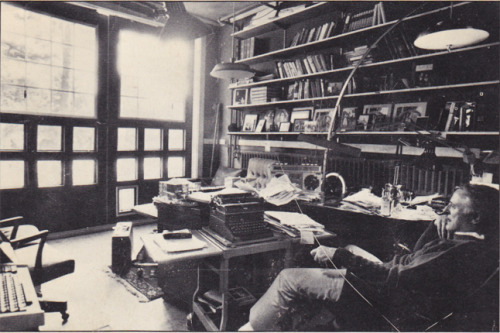
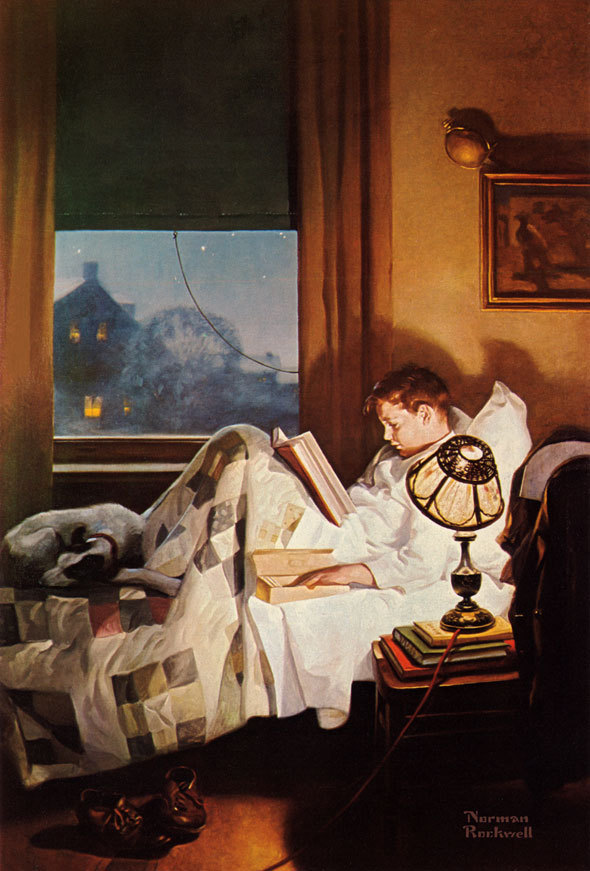
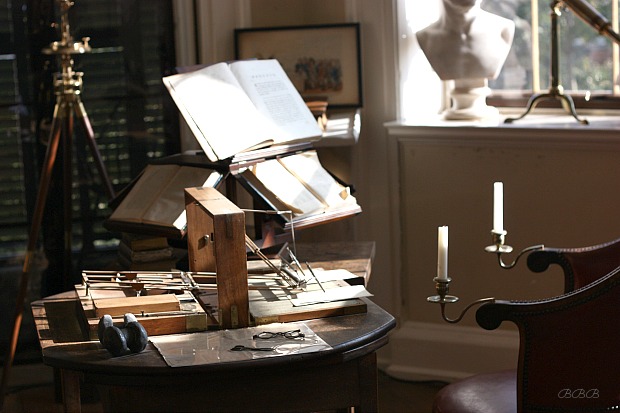
Retreating behind his “wall of separation,” Jefferson refreshed his mind and spirit through reading, writing, and reflection. The space he reserved for himself was critical to the personal privacy he cherished after the death of his wife, Martha: this is where the independent, autonomous, self-governing individual cultivated his faculties and defined himself against and apart from the world. Yet, paradoxically, if contemporaries could not penetrate this space and know Jefferson intimately, modern students enjoy privileged access to the books he read and the vast correspondence that connected him to the “republic of letters.” This is where he fabricated the cut-and-paste “Jefferson Bible” and fashioned his idiosyncratic synthesis of Christian ethics and Scottish moral philosophy. It was as if the freedom of conscience that was foundational to republican government could be defined as a kind of inviolably sacred space, where the weary and beleaguered statesman could find a sanctuary.

Privacy was not an end in itself for Jefferson, but rather the threshold of the enlightened sociability routinely performed in Monticello’s public spaces. Jefferson crossed that threshold, returning to his company, according to the dictates of the clock: breakfast at 10 a.m., dinner at 3 or 4 p.m., walking in the gardens and grounds culminating in convivial moments in the parlor at the end of the day. This was the Monticello Jefferson imagined when he was away: “I now see our fireside formed into a groupe, no one member of which has a fibre in their composition which can ever produce any jarring or jealousies among us.”

13 April 2019

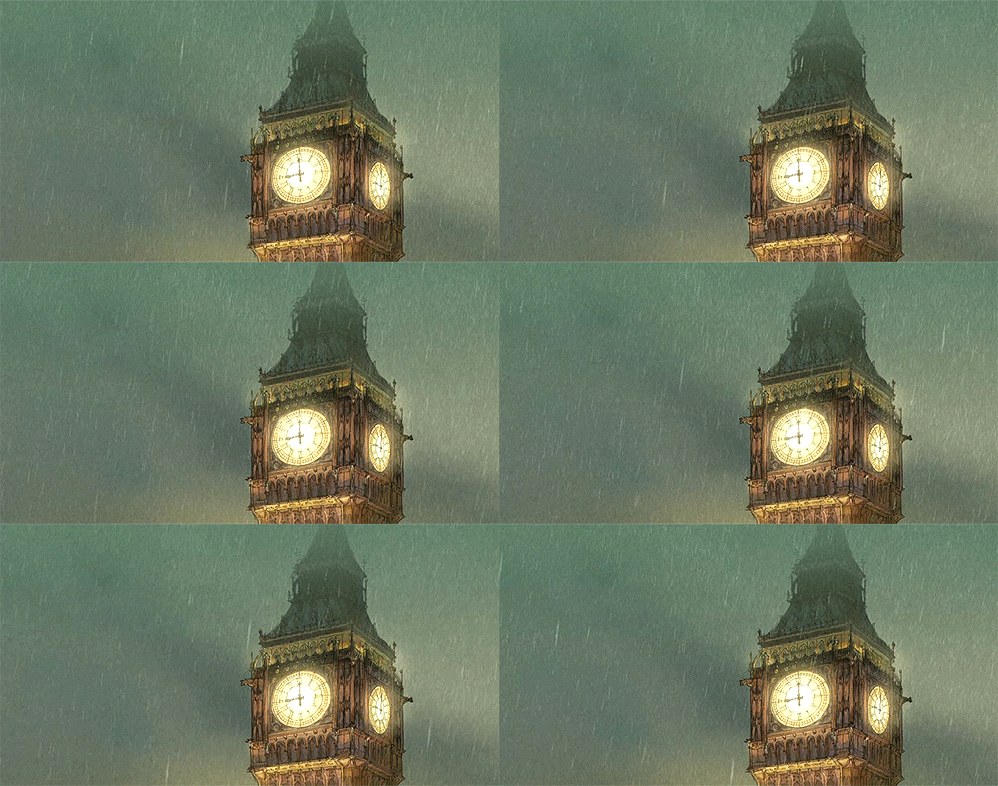
Gong.


The Chinese have a thing made of a kind of bell metal, which they call a Gong, and is used as a bell at the gates of large houses &c. It is in fact precisely of the shape and size of a camp oven, about 20. I. diameter and 5. I. deep .... I wish for one to serve as the bell to a clock, which might be heard all over my farm.

Thomas Jefferson

CONNECT

A short video showing the Great Clock striking the hour, first from inside Monticello and then outside next to Chinese Gong atop the house's East Front Portico ...

22 May 2015

Enthusiast.


I am an enthusiast on the subject of the arts. It is an enthusiasm of which I am not ashamed.

Thomas Jefferson

17 May 2015

Archaeology.


The Monticello field school offers a hands-on introduction to basic excavation, recording, and laboratory techniques in archaeology. The course emphasizes a scientific, multidisciplinary approach to doing landscape archaeology.  It also provides the opportunity to contribute to cutting-edge research into the ecological and social dynamics that unfolded on Thomas Jefferson’s Monticello Plantation in the eighteenth and early nineteenth centuries.  Technical topics covered include survey and excavation strategies as well as the analytical possibilities for ceramics, faunal remains, plant phytoliths and pollen, deposits and the sediments they contain, soils, and spatial distributions of artifacts across sites and larger landscapes.

Guest lecturers are drawn from a variety of disciplines including archaeology, geology, ecology, paleoethnobotany, zooarchaeology, and history. On-site instruction, lectures, and discussion sessions at Monticello will be complemented by field trips to related sites. Students will attend classes forty hours per week, with the bulk of that time spent working in the field and the lab. Reading assignments, lectures, and discussion sessions will cover both technical and historical issues.

Our fieldwork addresses changing patterns of land use and settlement on Thomas Jefferson's, Monticello Plantation from c. 1750 to 1860, along with their ecological and social causes and consequences. Toward the end of the 18th century, spurred by shifts in the Atlantic economy, Thomas Jefferson and planters across the Chesapeake region replaced tobacco cultivation with a more diversified agricultural regime, based around wheat.