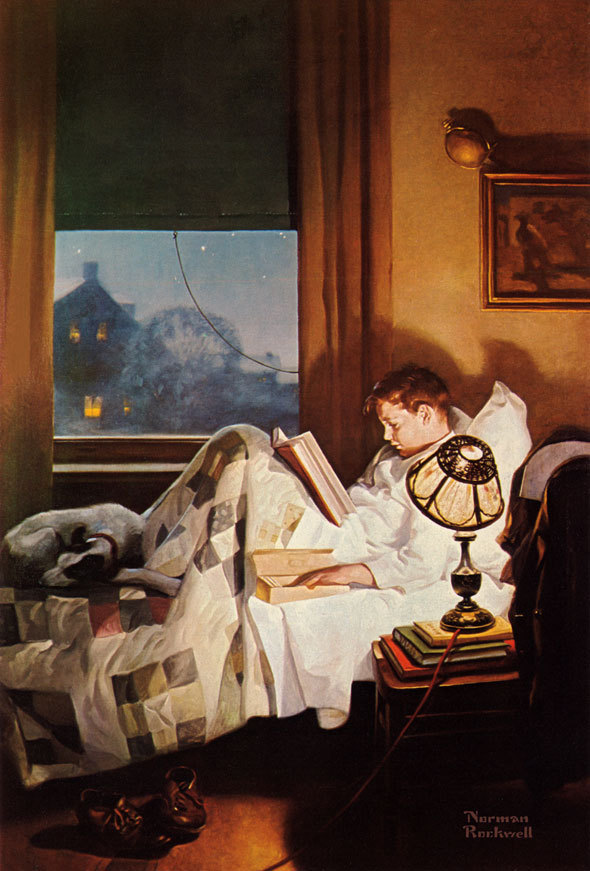
Baseball isn’t boring, you are.
30 September 2025
Participation.
Long before I wrote stories, I listened for stories. Listening for them is something more acute than listening to them. I suppose it’s an early form of participation in what goes on.
Listening, children know stories are there. When their elders sit and begin to tell stories, children are just waiting and hoping for one to come out, like a mouse from its hole.
Eudora Welty
One of my students said that this is the difference between fishing for fish and catching them.
29 September 2025
Stir.
Feel wind stir the greenwood,
Or turn pages of a book made from his flesh --
Lean close, then, and hear,
Green Man's voice.
Lauren Raine
Uncertainty.
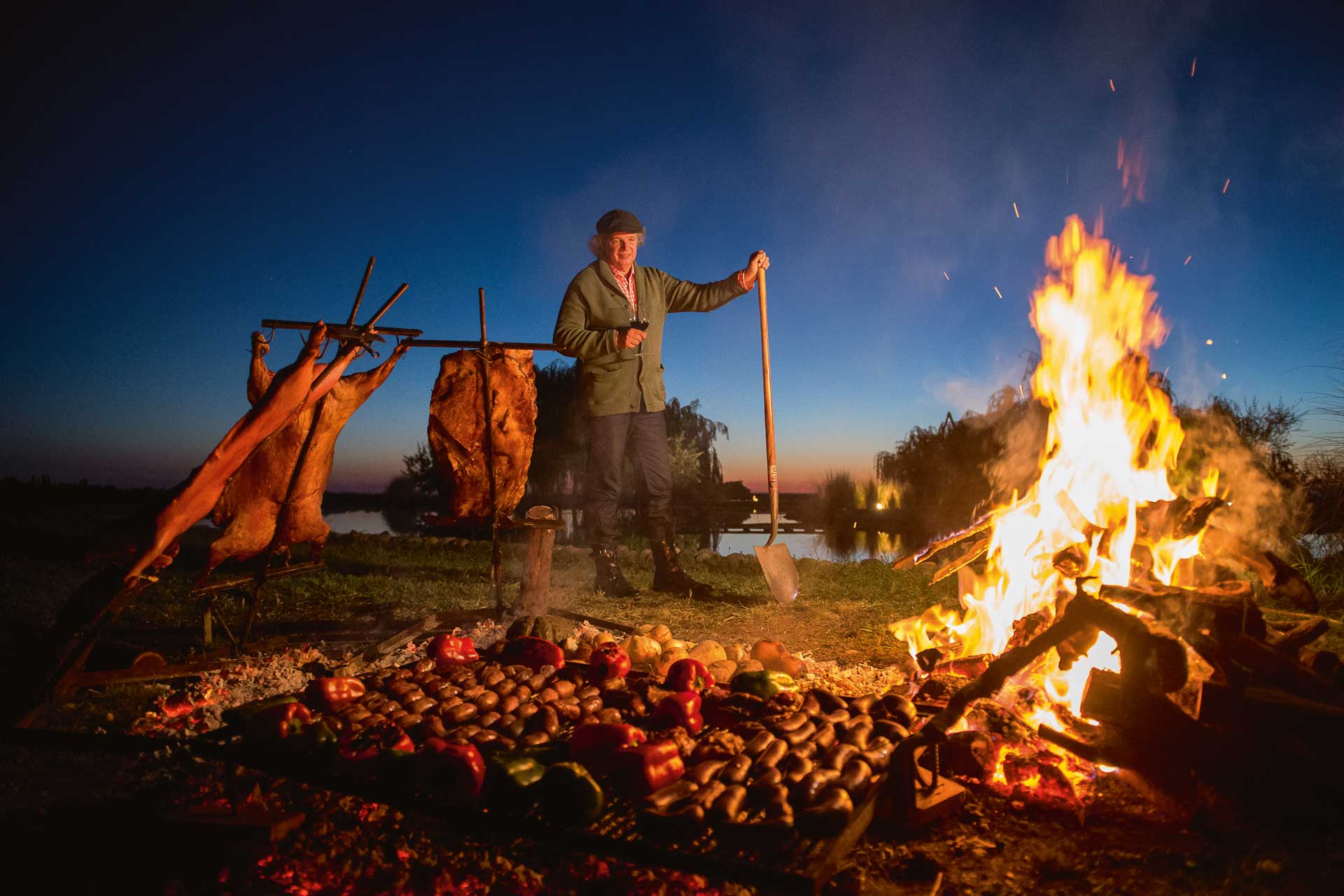
I think we educate kids to be settled in the comfortable chair. You have your job, you have your little car, you have a place to sleep and the dreams are dead. You don’t grow on a secure path. All of us should conquer something in life and it needs a lot of work and it needs a lot of risk in order to grow and to improve you have to be there at the edge of uncertainty.
Chef Francis Mallmann, from Mallmann on Fire: 100 Inspired Recipes to Grill, Roast, and Bake Outdoors
Something.
Steve points to "that moment"...
Help me please I thought I saidThen something happened in my headMusic came from all aroundAnd I knew what I had found
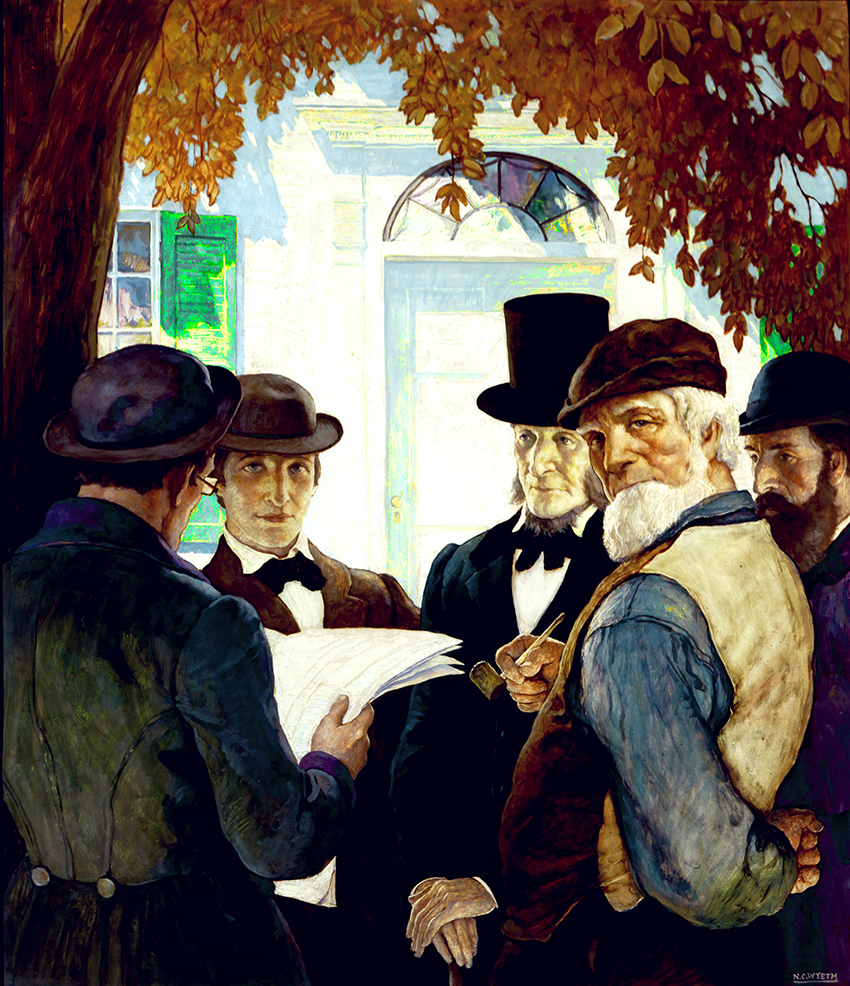
Heroic.
Wyeth, Men of Concord, 1936
Morning brings back the heroic ages. I was as much affected by the faint hum of a mosquito making its invisible and unimaginable tour through my apartment at earliest dawn, when I was sitting with door and windows open, as I could be by any trumpet that ever sang of fame. It was Homer’s requiem; itself an Iliad and Odyssey in the air, singing its own wrath and wanderings. There was something cosmical about it; a standing advertisement, till forbidden, of the everlasting vigor and fertility of the world.
Henry David Thoreau, from Walden, or Life in the Woods
Happy Birthday, François Boucher
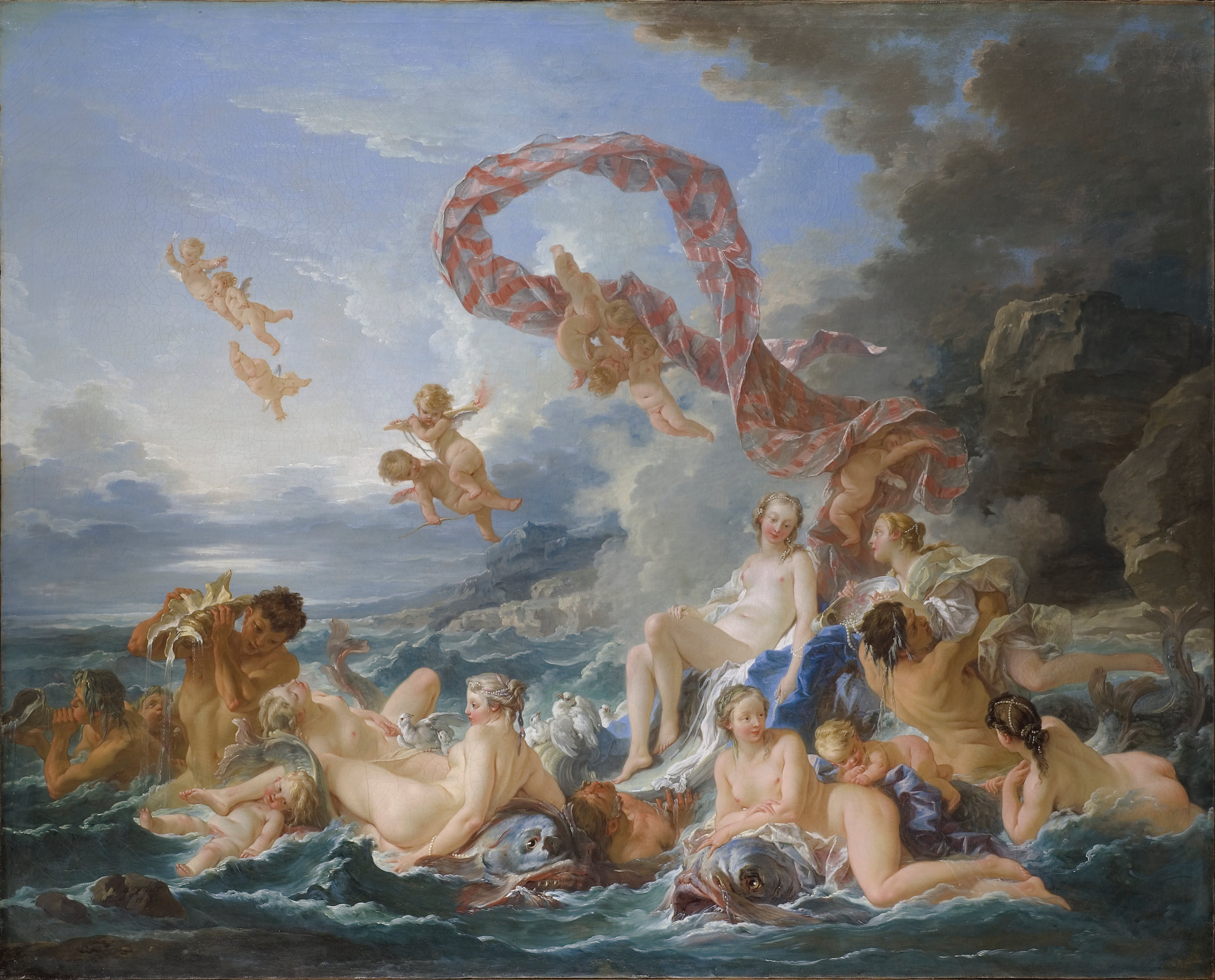
Boucher, The Triumph of Venus, 1740
François Boucher was born on this day in 1703.
I swear that one of my professors in college used to repeatedly lecture on Boucher's paintings just to be able to quote Diderot's criticism that, "He does not paint a single nude woman without her bottom being made up as faces." His giggle was priceless and a lasting reminder ("... to this day, growing strong and growing strange") of the importance of humor and joy in learning.
Thanks to Dr. Herban, a fellow crooked tree, for joyously introducing me to Boucher and Diderot ...
Praise.
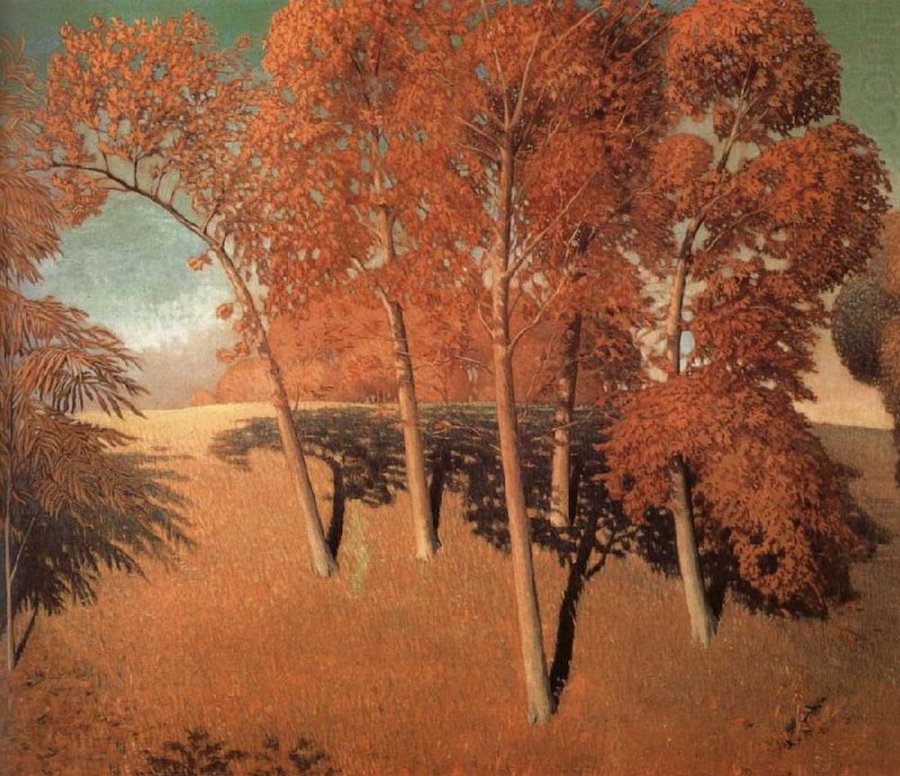
Wood, Autumn Oaks, 1933
The crickets felt it was their duty to warn everybody that summertime cannot last for ever. Even on the most beautiful days in the whole year – the days when summer is changing into autumn – the crickets spread the rumor of sadness and change.
E.B. White, from Charlotte’s Web
What if the cricket's song is one praising Autumn's joy and glorious transformation?
Subsides.
Parrish, The Lantern Bearers, 1908
Nature’s first green is gold,
Her hardest hue to hold.
Her early leaf’s a flower;
But only so an hour.
Then leaf subsides to leaf.
So Eden sank to grief,
So dawn goes down to day.
Nothing gold can stay.
Robert Frost
Labels:
'Tis Autumn,
appreciation,
Frost,
Parrish,
poetry,
rules,
seasons
28 September 2025
Hope.
I conclude that civilizations, like every other human creation, wax and wane. By the nature of the case there can never be a lasting civilization anymore than there can be a lasting spring or lasting happiness in an individual life or a lasting stability in a society. It’s in the nature of man and of all that he constructs to perish, and it must ever be so. The world is full of the debris of past civilizations, and others are known to have existed which have not left any debris behind them but have just disappeared….
In these circumstances why should anyone expect Christendom to go on forever or see in its impending collapse a cosmic catastrophe? If, then, all the signs point to the decline and impending fall of what we continue to call Western Civilization, to be followed by another Dark Age, this no more represents any finality in human history than other such developments have in the past.
I think of St. Augustine when in A. D. 410 the news was brought to him in Carthage that Rome had been sacked. It was a sore blow, but as he explained to his flock: “All earthly cities are vulnerable. Men build them and men destroy them. At the same time there is the City of God which men did not build and cannot destroy and which is everlasting.
So, amidst the shambles of a fallen Christendom, I feel a renewed confidence in the light of the Christian revelation with which it first began. I should hate you to think that this view that I’ve put before you is a pessimistic view. Strangely enough, I believe it to be the only way to a proper and real hope.
Malcolm Muggeridge, from The End of Christendom
Presumably.
Hannah Arendt, from The Origins of Totalitarianism
Mozart, "Ah se in ciel benigne stelle," K. 538
Christian Schmitt performs, accompanied by Alessandra Gentile ...
Practice.
Ari Weinzweig on practicing curiosity and its influence on creativity ...
Teaching people to be curious depends in part on the systems in which they work. Structures that encourage people to ask questions create curiosity. Frameworks, or what we’ve long thought of here at Zingerman’s as “organizational recipes,” are a great way to do that. Like Emma Goldman, they make people think. In a sense, all of the dozens of frameworks and recipes we use so regularly here really require at least a modicum of curiosity in order to work. Our Training Compact, 3 Steps to Great Service, 5 Steps to Handling Customer Complaints, 6 Elements of Dignity, Lean, the “5 Whys,” 3 Types of Beliefs (positive, negative, neutral), and more. All of them invite the user to ask questions, of themselves and/or of others as well. All encourage people to explore what something means, what is possible, and what a positive solution would look like. Our long-standing belief in the value of continuous improvement and Bottom-Line Change® encourages us to apply our curiosity as well. We have, I see now, been curating curiosity in the ZCoB for decades now!Although I only found her work 15 months ago, creative business writer Carol Sanford’s focus is well aligned with these approaches. In No More Gold Stars Sanford states with passion that her focus is on “helping people learn to think for themselves.” The quality of our lives, our workplaces, and our world, she writes, depends on it:I believe it is necessary because so many of us have been trained out of this fundamental capacity. We are born with innate creativity, filled with the potential to become independent and innovative human beings who can exercise discernment and critical thinking. … Most of us are conditioned to look to others to do our thinking for us. … The consequences of this conditioning are beginning to shake the foundations of democracies around the world.All of Sanford’s seven books, all of her talks and articles are, one way or another, about learning to think for ourselves, to be curious and ask questions instead of simply following orders and falling quietly into line. In Indirect Work, she says,Collectively, we are trapped in a mechanistic (or even more archaic) paradigm, and this causes us to make seemingly logical and ethical choices that actually produce destructive results. The urgent question now is how to provide leadership that is more appropriate to the world we find ourselves in, a world that is in crisis precisely because of the paradigms from which we’ve been operating.(In fact, writing this essay made me curious about my childhood hero, Curious George. In a New York Times article published 20 years ago this week and entitled “How Curious George Escaped the Nazis,” journalist Dinitia Smith explains how the original book, first published in 1941, was written by H.A. Rey and Margret Rey. The couple, it turns out, were German Jews who had escaped Germany for Brazil. Later, they came back to Paris for their honeymoon, and were in the French capital working when the Nazis quickly took control of the French capital on June 14, 1940, a month to the day after Emma Goldman had died in Canada. The honeymooning couple managed to escape, riding their way quietly out of Nazi-controlled Paris on bicycles. The draft of the first manuscript for the book was in their backpacks. Reaching Allied territory, a border policeman, worried that the two were spies, let them go after finding the draft of an illustrated children’s book in their luggage.)Curiosity, it seems, is sort of like any other skill. To get good at it, we have to practice. Some of us have the benefit of having been brought up in cultures and communities in which curiosity was actively encouraged and supported. Others have had to push past settings in which “too much” curiosity can get you ostracized, or in harder situations still, incarcerated. Practice won’t ever make perfect, but it does sort of make permanent. When something—curiosity in this case—is in our regular routine, it shapes our brains accordingly. Each of us will, of course, have our own way of doing the work.
27 September 2025
Hallooing.
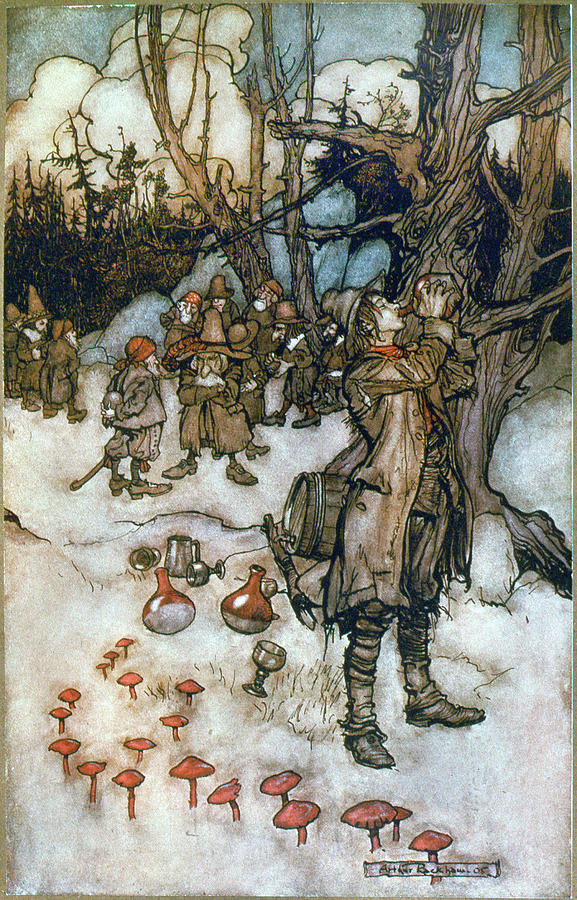
Rackham, Rip Van Winkle, 1904
In a long ramble of the kind on a fine autumnal day, Rip had unconsciously scrambled to one of the highest parts of the Kaatskill Mountains. He was after his favourite sport of squirrel shooting, and the still solitudes had echoed and re-echoed with the reports of his gun. Panting and fatigued, he threw himself, late in the afternoon, on a green knoll, covered with mountain herbage, that crowned the brow of a precipice. From an opening between the trees he could overlook all the lower country for many a mile of rich woodland. He saw at a distance the lordly Hudson, far, far below him, moving on its silent but majestic course, with the reflection of a purple cloud, or the sail of a lagging bark, here and there sleeping on its glassy bosom, and at last losing itself in the blue highlands.
On the other side he looked down into a deep mountain glen, wild, lonely, and shagged, the bottom filled with fragments from the impending cliffs, and scarcely lighted by the reflected rays of the setting sun. For some time Rip lay musing on this scene; evening was gradually advancing; the mountains began to throw their long blue shadows over the valleys; he saw that it would be dark long before he could reach the village, and he heaved a heavy sigh when he thought of encountering the terrors of Dame Van Winkle.
As he was about to descend, he heard a voice from a distance, hallooing: “Rip Van Winkle! Rip Van Winkle!” He looked round, but could see nothing but a crow winging its solitary flight across the mountain. He thought his fancy must have deceived him, and turned again to descend, when he heard the same cry ring through the still evening air: “Rip Van Winkle! Rip Van Winkle!” At the same time Wolf bristled up his back, and giving a low growl, skulked to his master’s side, looking fearfully down into the glen. Rip now felt a vague apprehension stealing over him; he looked anxiously in the same direction, and perceived a strange figure slowly toiling up the rocks, and bending under the weight of something he carried on his back. He was surprised to see any human being in this lonely and unfrequented place; but supposing it to be some one of the neighbourhood in need of his assistance, he hastened down to yield it.
Washington Irving, from "Rip Van Winkle," found in the pages of Geoffrey Crayon's Sketchbook
It's sandwich time.
Deserve.
van Gogh, Glass with Carnations, 1890
We are not alive in order to be happy, but we must try to deserve happiness.
Vincent van Gogh, from a letter to Theo van Gogh, Sunday, 10 December 1882
Buttery.
... a texture the Kirkham family call "buttery crumble" – this raw milk farmhouse Lancashire boasts a bright, full flavour finished off by a light, yoghurty tang.
Treasures.
A human being has roots by virtue of his real, active and natural participation in the life of the community which preserves in living shape certain particular treasures of the past and certain particular expectations of the future.
Thanks, Kurt.
Where.
Gus: What’s to love? Where is the Whopper? Or the soul that jumps in the living river – where is it? And where are these sages and buddhas holing up, now that we really need them?
Titus: Would you know one if you met one? Have you even looked? How hard did you look? How easy should they be to find? Look, Gus: why can’t a duffer like me catch fish? Isn’t the answer obvious? Isn’t it because at my present level of skill the fish would have to be so damned dumb and easily duped and utterly unelusive that they wouldn’t be worth catching? How much more elusive should a thing so wondrous as the soul be? It’s not a hatchery trout! And are you sure it’s never flashed inside you? What was it in you that loved to watch Thomas Bigeater fish? What healed you and made you happy the night you remembered Bill Bob’s pine knot and our elusive twins? What nearly jumped out of your rib cage and ravaged your brain the day you met the elusive Eddy?
Fisherman should be the easiest of men to convince to commence the search for the soul, because fishing is nothing but the pursuit of the elusive. Fish invisible to laymen like me are visible to anglers like you by a hundred subtle signs. How can you be so sagacious and patient in seeking fish, and so hasty and thick as to write off your soul because you can’t see it?
David James Duncan, from The River Why, an excellent book.
Musing.
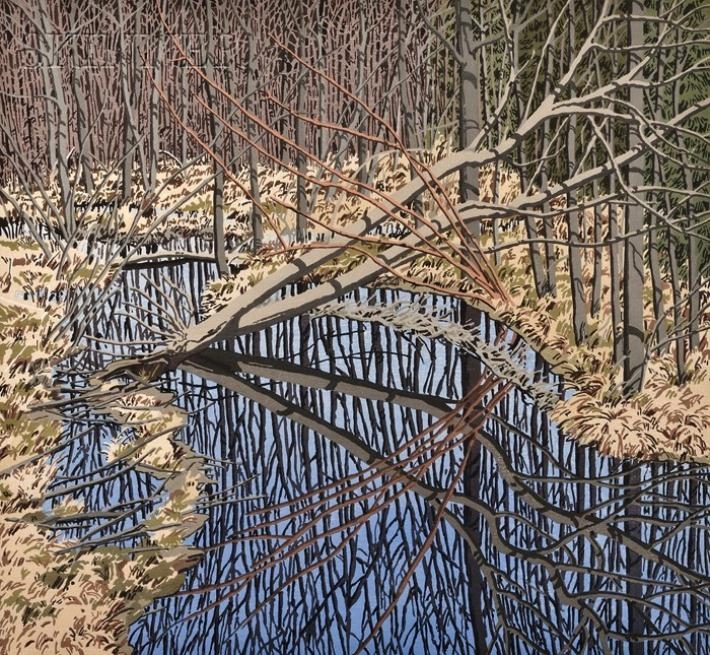
Welliver, Sky in Cora’s Marsh, 1988
THE AUTUMN
Go, sit upon the lofty hill,
And turn your eyes around,
Where waving woods and waters wild
Do hymn an autumn sound.
The summer sun is faint on them —
The summer flowers depart —
Sit still — as all transform'd to stone,
Except your musing heart.
How there you sat in summer-time,
May yet be in your mind;
And how you heard the green woods sing
Beneath the freshening wind.
Though the same wind now blows around,
You would its blast recall;
For every breath that stirs the trees,
Doth cause a leaf to fall.
Oh! like that wind, is all the mirth
That flesh and dust impart:
We cannot bear its visitings,
When change is on the heart.
Gay words and jests may make us smile,
When Sorrow is asleep;
But other things must make us smile,
When Sorrow bids us weep!
The dearest hands that clasp our hands, —
Their presence may be o'er;
The dearest voice that meets our ear,
That tone may come no more!
Youth fades; and then, the joys of youth,
Which once refresh'd our mind,
Shall come — as, on those sighing woods,
The chilling autumn wind.
Hear not the wind — view not the woods;
Look out o'er vale and hill-
In spring, the sky encircled them —
The sky is round them still.
Come autumn's scathe — come winter's cold —
Come change — and human fate!
Whatever prospect Heaven doth bound,
Can ne'er be desolate.
Elizabeth Barrett Browning
Corner.
On this day in 1999, the Tigers played their last game at the corner of Michigan and Trumbull, Tiger Stadium.
Thanks, Pop.
Responsibility.
Life ultimately means taking the responsibility to find the right answer to its problems and to fulfill the tasks which it constantly sets for each individual.
Eudaimonic orientation is not pleasuring-seeking, rather talents are put to work for a larger purpose: to serve. By making the most of personal skills, giving provides a greater willingness to help, regardless of costs. The result is a byproduct of that action, though not its sole aim. Pushed to develop and refine the process, a commitment to growth and development is its own reward, the spirit of eudaimonia. It's the opposite of virtue-signalling hedonics.
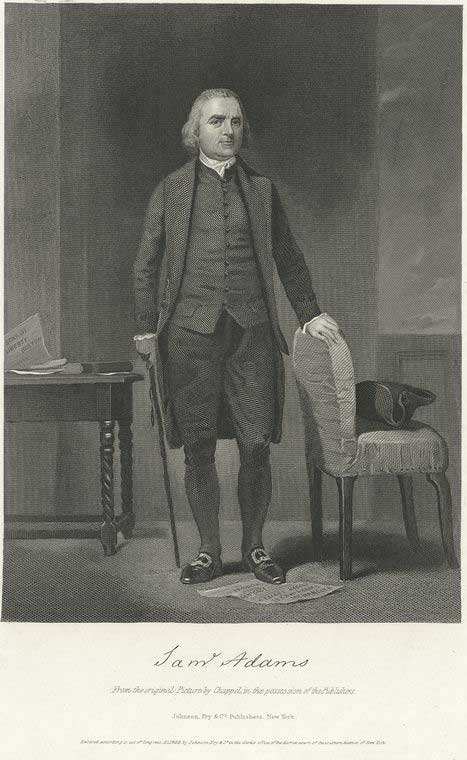
Happy Birthday, Samuel Adams
Chappel, Samuel Adams, 1862
Samuel Adams, born on this day in 1722, from a speech given August 1, 1776
Transforming.
A dispatch from the BBC ...
Saturday 27 September 2025 marks the 200th anniversary of the birth of the modern railway, when George Stephenson drove Locomotion No. 1 on its inaugural journey from Shildon to Stockton-on-Tees via Darlington, to great fanfare. The 26-mile journey was a landmark moment in public transport and the springboard for the great Victorian age of the railways, transforming how the world traded, travelled, and communicated.Anchored by resident train enthusiast Petroc Trelawny, Radio 3 is celebrating this historic occasion by travelling from Inverness to London on the Highland and East Coast Main Lines, aboard the Highland Chieftain, one of the longest direct train journeys in the UK.Over the course of the eight-hour, 581-mile journey, Petroc will provide updates from the train as it speeds south. He’ll be joined by fellow Radio 3 presenters at stations along the route, including Tom Service at Pitlochry, Tom McKinney at Edinburgh Waverley, Elizabeth Alker at Darlington and Georgia Mann at King’s Cross.
26 September 2025
Happy Birthday, Bryan Ferry
From Live Aid in 1985, here's "Slave to Love," performed with Andy Newmark, Marcus Miller, and David Gilmour ...
25 September 2025
It.
"There's a basic rule which runs through all kinds of music, kind of an unwritten rule. I don't know what it is, but I've got it."
The Rock & Roll Rooster
Hang.
'Tis Autumn and the weekend begins now ...
"Hang care!" exclaimed he. "This is a delicious evening; the wine has a finer relish here than in the house, and the song is more exciting and melodious under the tranquil sky than in the close room, where the sound is stifled. Come, let us have a bacchanalian chant—let us, with old Sir Toby, make the welkin dance and rouse the night-owl with a catch! I am right merry. Pass the bottle, and tune your voices—a catch, a catch! The lights will be here anon."
Charles Ollier, from "The Haunted Manor-House of Paddington"
For best results, on this first Thursday of the Autumn, listen to J. Girls Band, from 1978's Sanctuary, here's "Jus' Can't Stop Me"...
The euphony transformed me and inundated my soul in a roguish countenance, the likes of which I had know well in younger days. Such impishness soon drove out the complaints of the day.
Umberto Limongiello
Peeling.
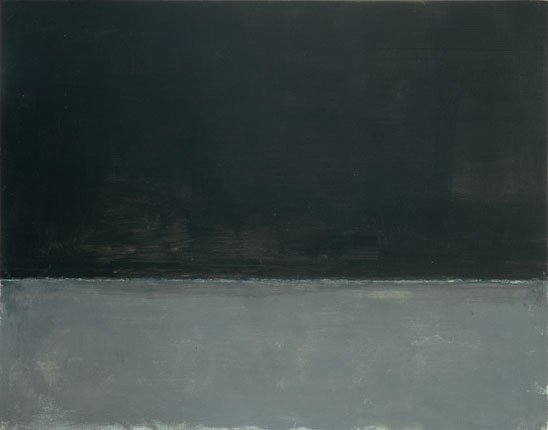
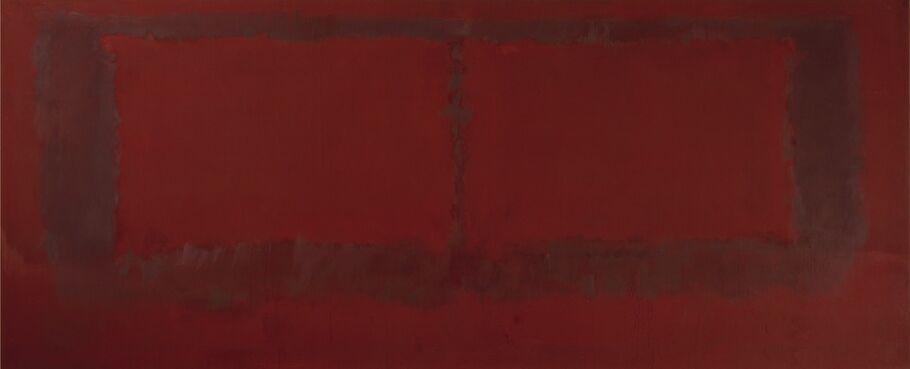
Rothko, Seagram Mural, Section 6, Untitled (detail), 1959
Abigail Cain looks at Rothko's Seagram murals ...
The numerous Seagram murals (he eventually made 30), are some of the first paintings in which he experimented with darker shades. This so-called “dark palette” is the focus of a current, unprecedented show at Pace Gallery, featuring works drenched in deep hues of black, blue, purple, and red, spanning 1955 through the 1960s. It’s a period of his artmaking that is often overlooked, according to Pace Gallery chairman and founder Arne Glimcher. This is the gallery’s 12th Rothko show, and the first to explore his dark palette in great depth.“Each show has been a kind of peeling of the onion, revealing other layers of the artist’s work,” Glimcher said. “It’s so easy to just think of Rothko as this kind of museum postcard image of a red picture, or of a red-and-yellow picture. But there’s this other side of Rothko, deep and voluptuous colors that reveal themselves very slowly.”Glimcher said there’s a misperception that these darker-hued works are “end-of-life” paintings that preceded Rothko’s suicide in 1970. But many of these works were created long before that date, as is the case with the Seagram murals. Additionally, Glimcher notes, for Rothko, bright colors could be as menacing as rust or burgundy.He recalls a moment at Rothko’s studio when he complimented a painting done in shades of burgundy, plum, and black. The painter responded that he’d offered the work to someone just that day and she’d refused, saying: “Mr. Rothko I’d like a happy painting. A red painting, an orange painting, a yellow painting. A happy painting.” Rothko’s retort? “Red, orange, yellow—isn’t that the color of an inferno?”Rothko took a break from the Seagram murals in June 1959 and traveled to Europe with his family. Upon his return to the United States, he went to eat at the completed Four Seasons with his wife, Mell. Jackson Pollock’s Blue Poles (1952) hung on the wall as a stand-in for Rothko’s soon-to-be-completed commission. For a man who once proclaimed it was “criminal to spend more than $5 on a meal,” it comes as no surprise that he found the experience off-putting. What is shocking was the level of his distaste. That night, he called a friend and informed them that he would be returning every cent of the commission and reclaiming his paintings. “Anybody who will eat that kind of food for those kind of prices will never look at a painting of mine,” he seethed to a studio assistant.
Boston, "Peace of Mind"
Now everybody's got advice they just keep on givin'
Doesn't mean too much to me
Lots of people have to make-believe they're livin'
Can't decide who they should be ...
In.
Mark Rothko, Untitled, 1969
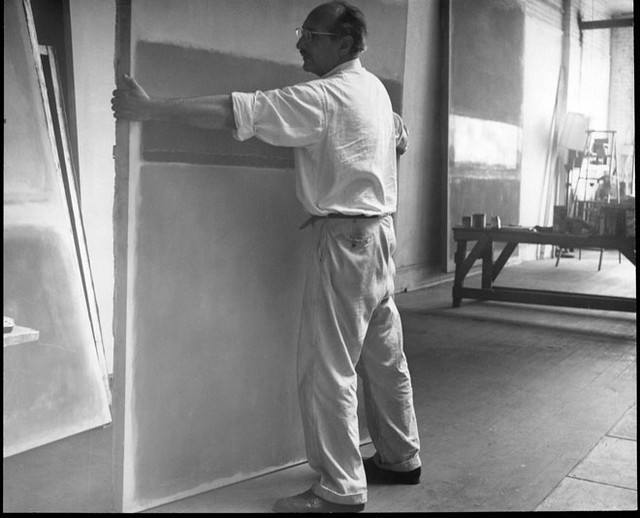
Mark Rothko was born on this day in 1903.
The reason for my painting large canvases is that I want to be intimate and human. To paint a small picture is to place yourself outside your experience, to look upon an experience as a stereopticon view or with a reducing glass. This world of the imagination is fancy-free and violently opposed to common sense. However you paint the larger picture, you are in it. It isn't something you command.
Mark Rothko
Experience.
They are complete realizations of a subject that moves us by the beauty of its moods, by the fullness of its forms, and the excitement of its design. In short, many of these pieces are capable of moving us emotionally. Without going into an involved discussion of the aesthetics involved, that is more or less what fine works of art do to us. It is significant, that dozens of artists viewed this exhibition and were amazed and stirred by it.
These children have ideas, often fine ones, and they express them vividly and beautifully, so that they make us feel what they feel. Hence their efforts are intrinsically works of art.
Our critics of art, poetry, music, theatre and movies deplore that so many artists occupy themselves with precious themes, such as still life in painting, decadent amatory situations in the drama and literature and futile atonalities in music. 'l'hey accuse our artists of being unsocial, that they neglect the life about them,
and urge that they turn toward the surging tide which is their life. Well, let the critics view our children's work. Everything is there: factories, docks, streets, crowds, mountains, lakes, farms, cattle, men, women, ships, water-everything conceivable. Here is a social art.
Most of these children will probably lose their imaginativeness and vivacity as they mature. But a few will not. And it is hoped that in their cases, the experience of eight years will not be forgotten and they will continue to find the same beauty about them. As to the others, it is hoped, that their experience will help them to revive their own early artistic pleasures in the work of others.
Mark Rothko, from "New Training for Future Artists and Art Lovers"
Adventure.
Statement — June 7, 1943
1. To us art is an adventure into an unknown world, which can be explored only by those willing to take the risks.
2. This world of imagination is fancy-free and violently opposed to common sense.
3. It is our function as artists to make the spectator see the world our way not his way.
4. We favor the simple expression of the complex thought. We are for the large shape because it has the impact of the unequivocal. We wish to reassert the picture plane. We are for flat forms because they destroy illusion and reveal truth.
5. It is a widely accepted notion among painters that it does not matter what one paints as long as it is well painted. This is the essence of academicism.
There is no such thing as a good painting about nothing.
We assert that the subject is crucial and only that subject matter is valid which is tragic and timeless. That is why we profess spiritual kinship with primitive and archaic art.
Mark Rothko
Happy Birthday, Mark Rothko
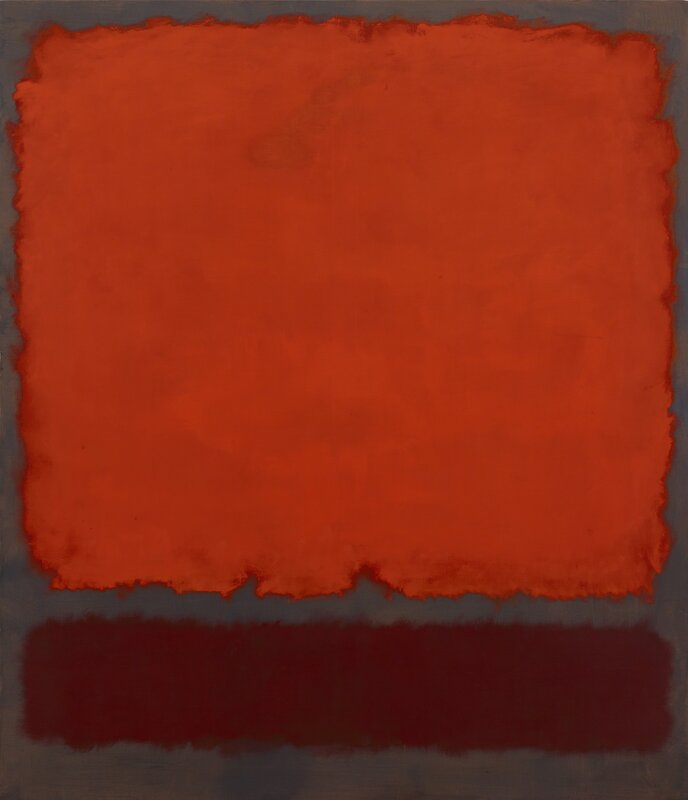
Rothko, Orange, Red, and Navy, 1962
A picture lives by companionship, expanding and quickening in the eyes of the sensitive observer. It dies by the same cause. It is therefore risky to work out into the world. How often it must be impaired by the eyes of the unfeeling and the cruelty of the careless.
Mark Rothko, born on this day in 1903
24 September 2025
Work.
I believe the way toward mastery of any endeavor is to work toward simplicity; replace complex technology with knowledge. The more you know, the less you need.
Yvon Chouinard, from Let My People Go Surfing: The Education of a Reluctant Businessman
22 September 2025
Reminded.
What was the special quality of that day that it should focus like a stereoscopic image, fresh and clear, forty- years later? Perhaps each of them had had an experience like his own. A few days before the picnic, he had found a photograph of his father twenty-five years younger, standing with a group of friends at college. The photograph had disturbed him, made him aware as he had not been before of the passing of time, the swift flow of the years away from youth. A picture taken of him as he was now would, in twenty-five years, look as strange to his own children as his father's picture did to him - unbelievably young, a stranger out of a strange, never-returning time.Was that how the final picnic had come about - with each of them knowing that in a few short years they would be crossing streets to avoid one another, or, if they met, saying, "We've got to have lunch sometime!" but never doing it? Whatever the reason, Mr. Welles could still hear the splashes as they'd plunged off the pier under a yellow sun. And then the beer and sandwiches underneath the shady trees.We never ate that pumpernickel, Mr. Welles thought. Funny, if we'd been a bit hungrier, we'd have cut it up, and I wouldn't have been reminded of it by the loaf there on the counter.Lying under the trees in a golden peace that came from beer and sun and male companionship, they promised that in ten years they would meet at the courthouse on New Year's Day, 1920, to see what they had done with their lives. Talking their rough easy talk, they carved their names in the pumpernickel."Driving home," Mr. Welles said, "we sang 'Moonlight Bay'."He remembered motoring along in the hot, dry night with their swimsuits damp on the jolting floorboards. It was a ride of many detours taken just for the hell of it, which was the best reason in the world.
Wonderful.
“You seemed so far away," Miss Honey whispered, awestruck.
"Oh, I was. I was flying past the stars on silver wings," Matilda said. "It was wonderful.”
Roald Dahl, from Matilda
Examine.
Evil comes from a failure to think. It defies thought, for as soon as thought tries to engage itself with evil and examine the premises and principles from which it originates, it is frustrated because it finds nothing there. That is the banality of evil.
Hannah Arendt, from Eichmann in Jerusalem: A Report on the Banality of Evil
Smallness.
Dr. Patrick L. Plaisance, Ph.D., on social media humility ...
Our traditional understanding of humility, going back to Socrates, Augustine, and other classical philosophers, has emphasized modesty, or how good we are at handling our intellectual limitations. Its focus has largely emphasized self-abnegation or one’s “smallness.”
The Oyster Months Notebook, Revised September 2025
'Tis Autumn.
Once again marking the glorious entrance of the reign of the Holly King by dusting off the dirges of The Oyster Months.
Soon I shall gaze across a sea
of sun-begotten grain,
which my unflinching watch hath sealed
for harvest once again.
Walter de la Mare, from "The Scarecrow"
REVISED SEPTEMBER 2025
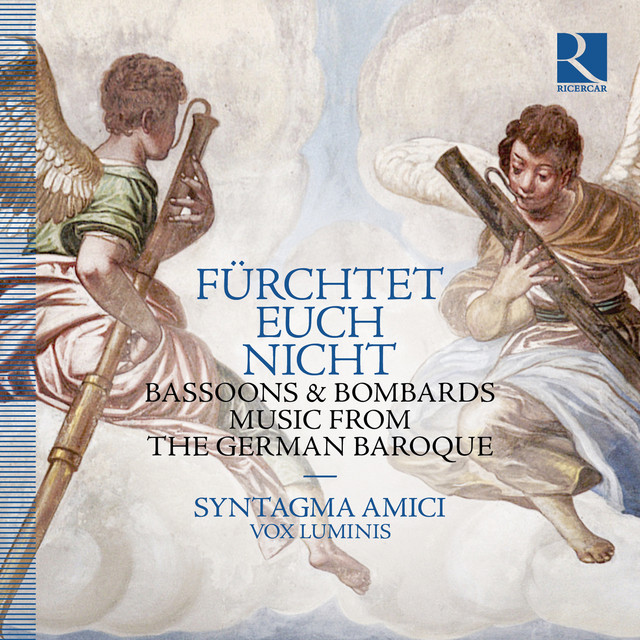
Fürchtet Euch Nicht: Bassoons & Bombards Music from the German Baroque
Syntagma Amici and Vox Luminis
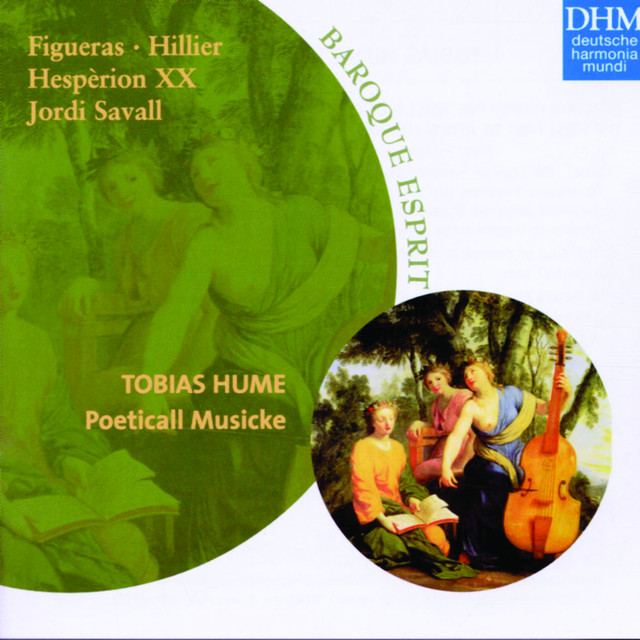
Tobias Hume: Poeticall Musicke
Jordi Savall and Hesperion XX
Richard Jones: Chamber Airs for a Violin and Through Bass
The Beggar's Ensemble
The Muses Restor’d
Brecon Baroque and Rachel Podger
Diego Ortiz: Trattado de Glosas
Cocset Balestracci Les Basses Réunies
Giovanni Benedetto Platti: 6 Sonatas for Violoncello & Basso Continuo
Sebastian Hess and Axel Wolf
Unico Wilhelm van Wassenaer: Recorder in the Low Countries
Erik Bosgraaf and Francesco Corti
Purcell/Dieupart: Suites for Recorder
Hugo Reyne and La Simphonie du Marais
Tombeaux: Remembrances
Michael Dücker and Johanna Seitz
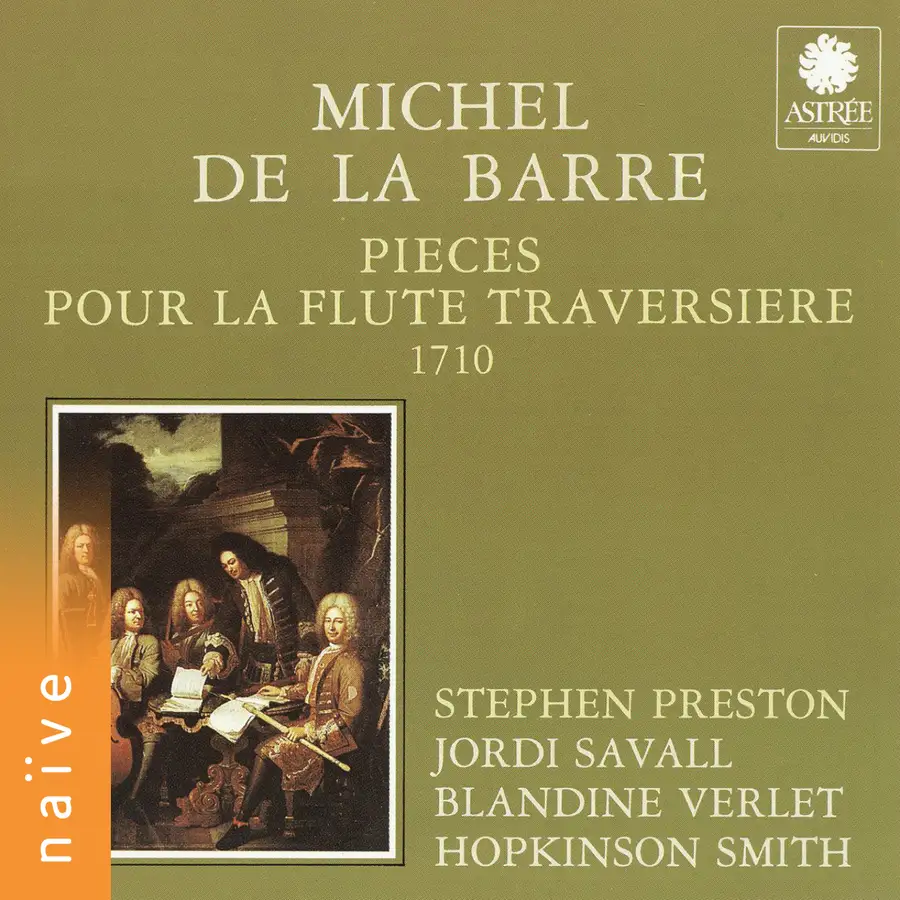
De La Barre: Pièces pour la Flute Traversière
Stephen Preston, Jordi Savall, Blandine Verlet, Hopkinson Smith
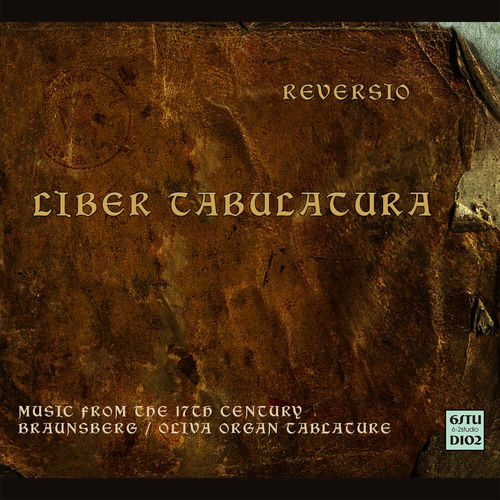
Liber Tabulatura: Music from The 17th Century Braunsberg
Reversio
Philipp Friedrich Buchner: Plectrum Musicum
Pamassi Musici and Bavarian Chamber Orchestra
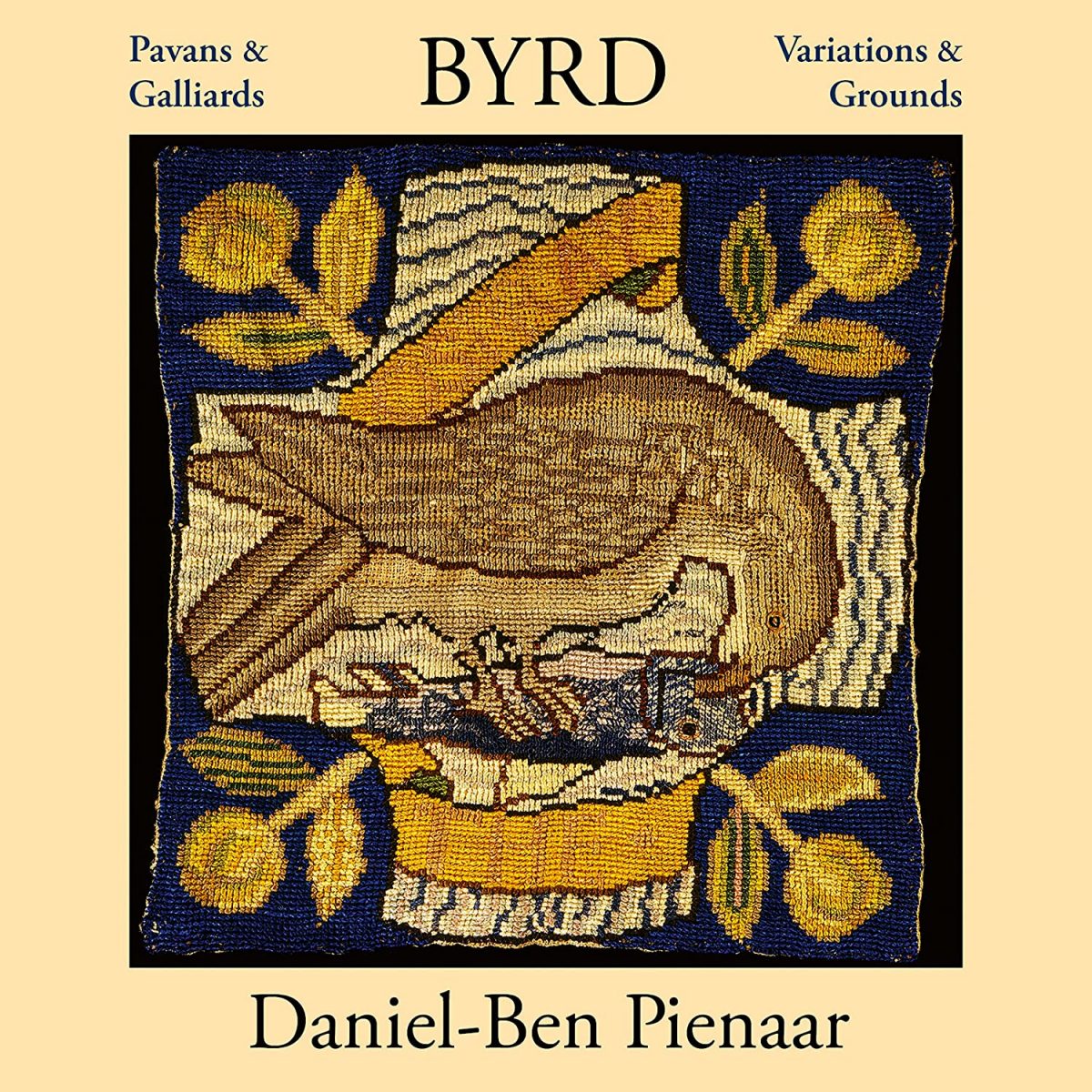
Byrd: Pavans & Galliards, Variations & Grounds
Daniel-Ben Pienaar
Early Organ Music
Vibeke Astner
Esaias Reusner: Delitiae Testudinis
William Carter
The Mandolin in London
Artemandoline
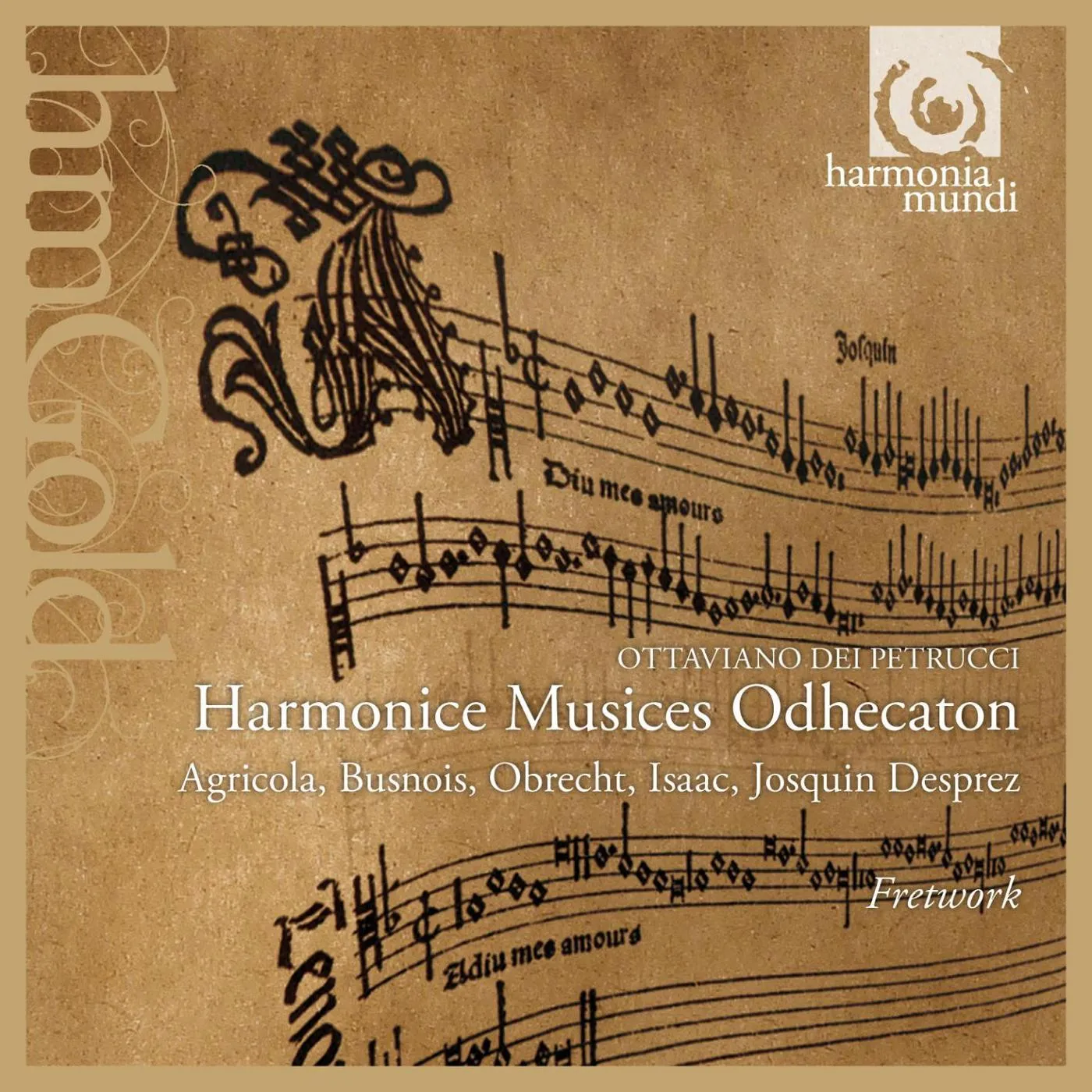
Ottaviano Petrucci: Harmonice Musices Odhecaton
Fretwork
In Spiritum: Music for Cello and Bandoneon
Bracalente Bonaventura and Bracalente Bonaventura
O Królach Polskich
Canor Anticus
Flying Horse: Renaissance Music from the ML Lutebook
Elizabeth Kenny
New Old Albion: Music Around the Harp Consorts of William Lawes
Il Caleidoscopio Ensemble
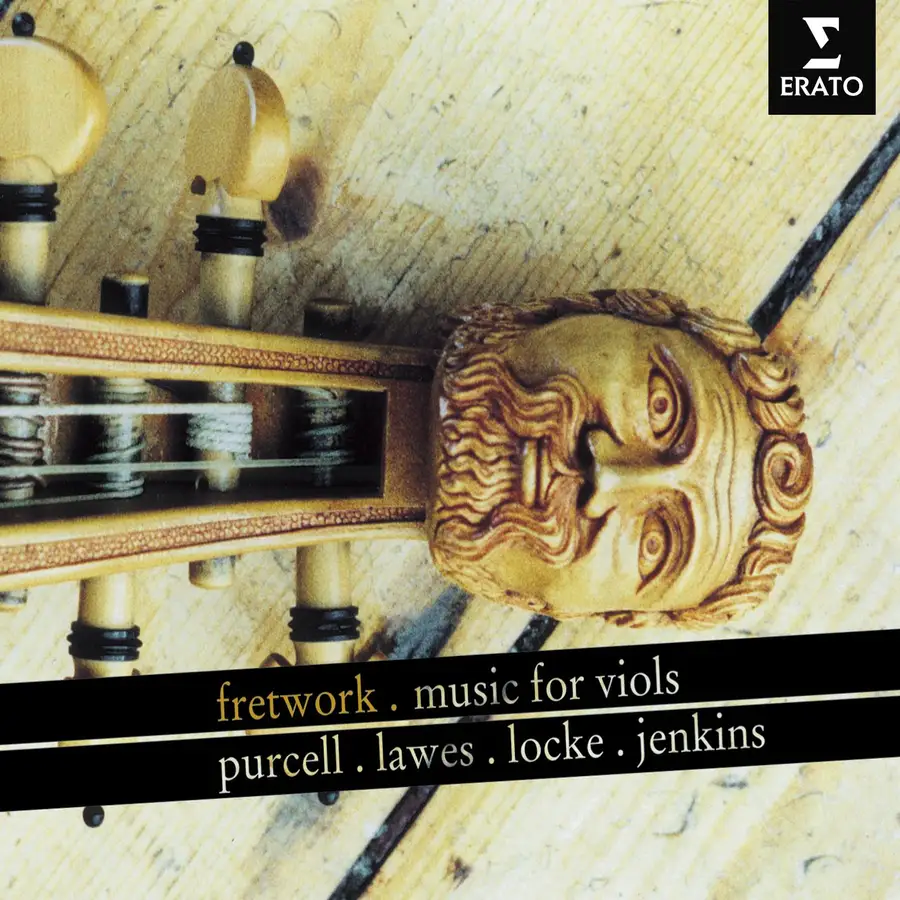
Music for Viols: Purcell, Lawes, Locke, Jenkins
Fretwork
Polish Lute Music of the Renaissance
Joachim Held
Merry Melancholy: English Lute Music 16th Century
Joachim Held
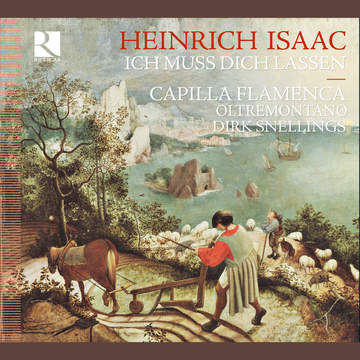
Isaac: Ich muss dich lassen
Capilla Flamenca
Hacquart: Viol Suites, Op. 3
Guido Balestracci
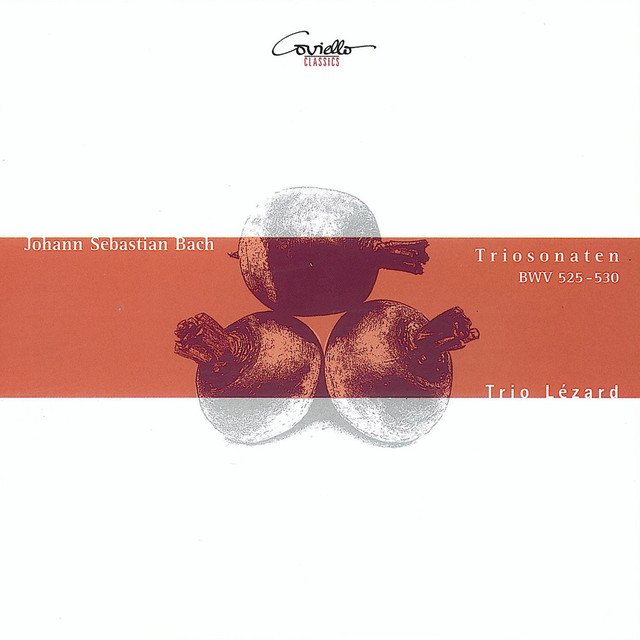
Bach: Trio Sonaten (arr. for Clarinet, English Horn, and Bassoon)
Trio Lezard
Tomaso Albinoni: Complete Works for German Flute
Ensemble L'Apotheose
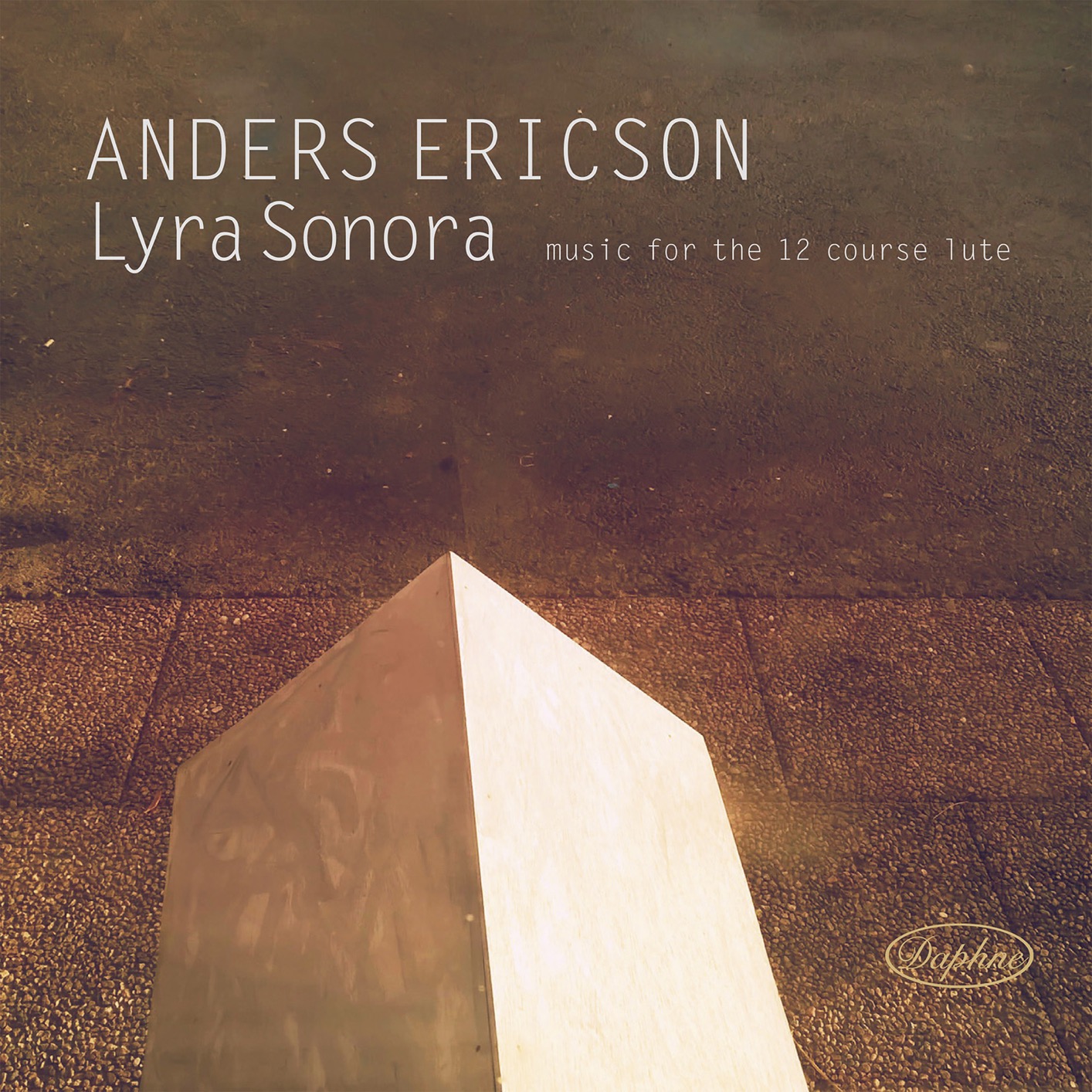
Relish: Music for French Lute
Anderson Ericson
Christophe Tye: Consort Music-In Nomine
The Spirit of Gambo
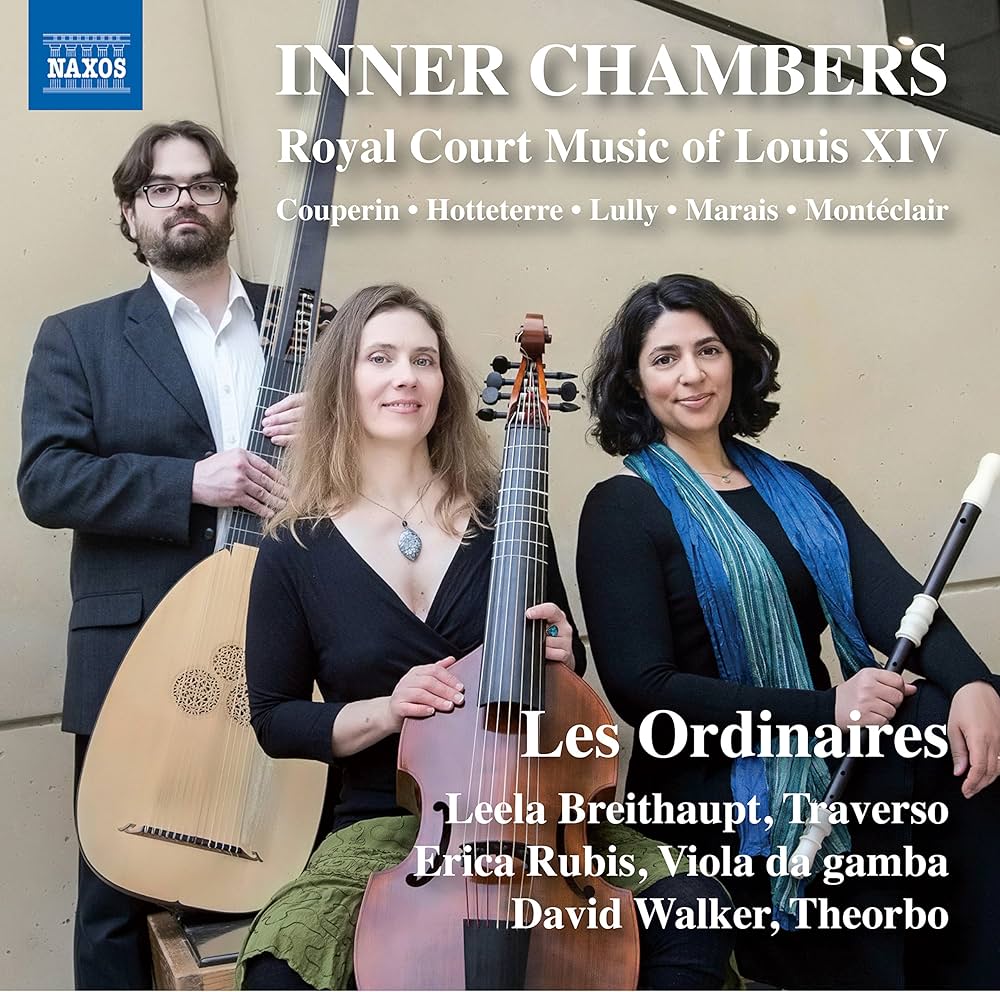
Inner Chambers: Royal Court Music of Louis XIV
Les Ordinaires
Castles, Kirks, and Caves: Scottish Music of the 18th Century
Abby Newton
Peter Holman and The Parley of Instruments
Jordi Savall
Contrabasso Vivace: Bottesini,Vanhal, Bock
Klaus Stoll & Gerhard Dzwiza
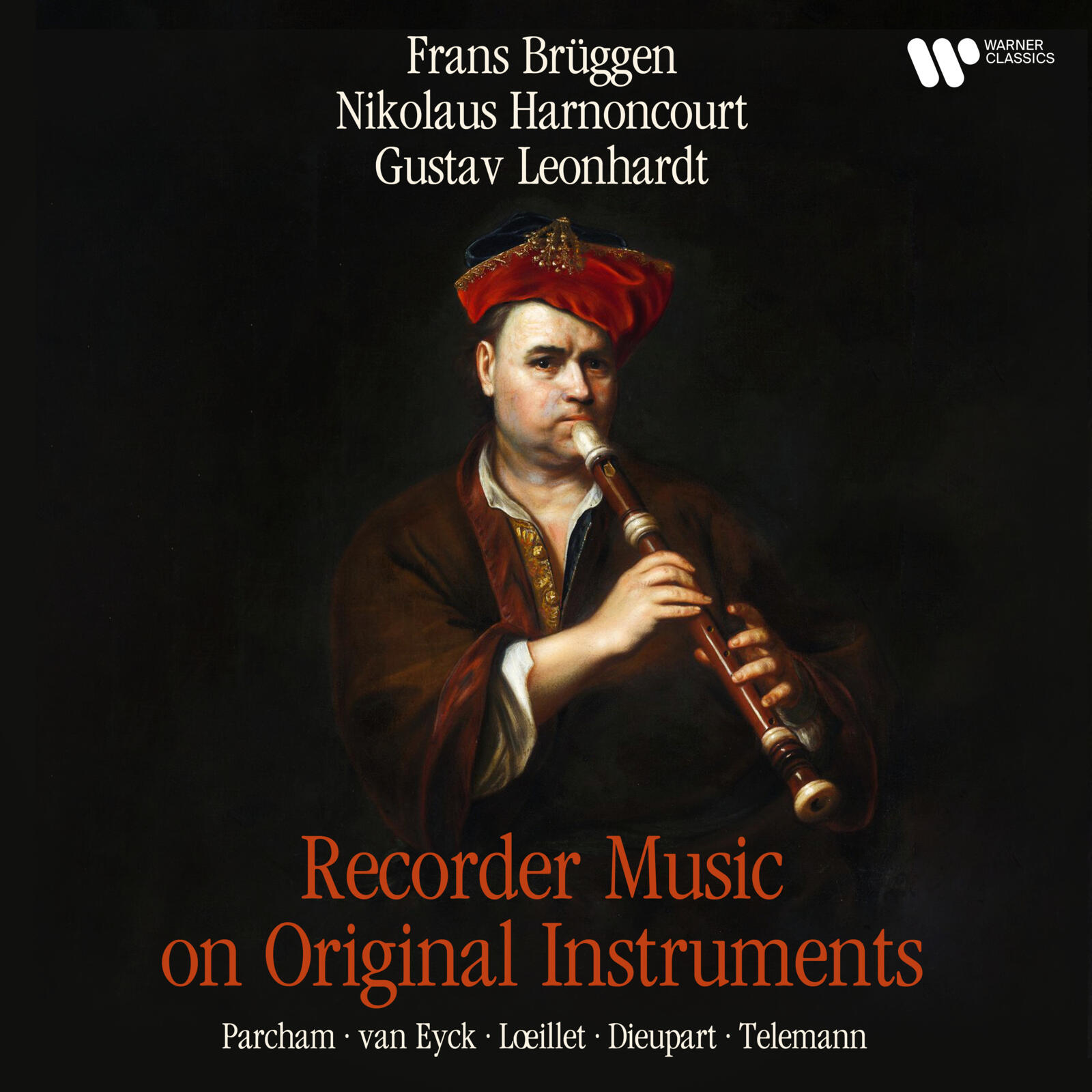
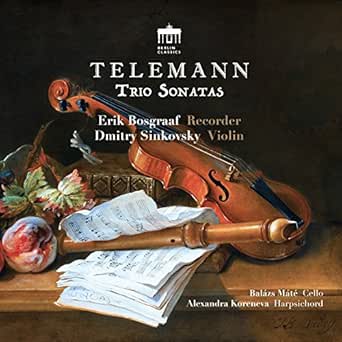
Recorder Music on Original Instruments: Parcham, van Eyck, Lœillet, Dieupart & Telemann
Frans Brüggen, Nikolaus Harnoncourt, Gustav Leonhardt
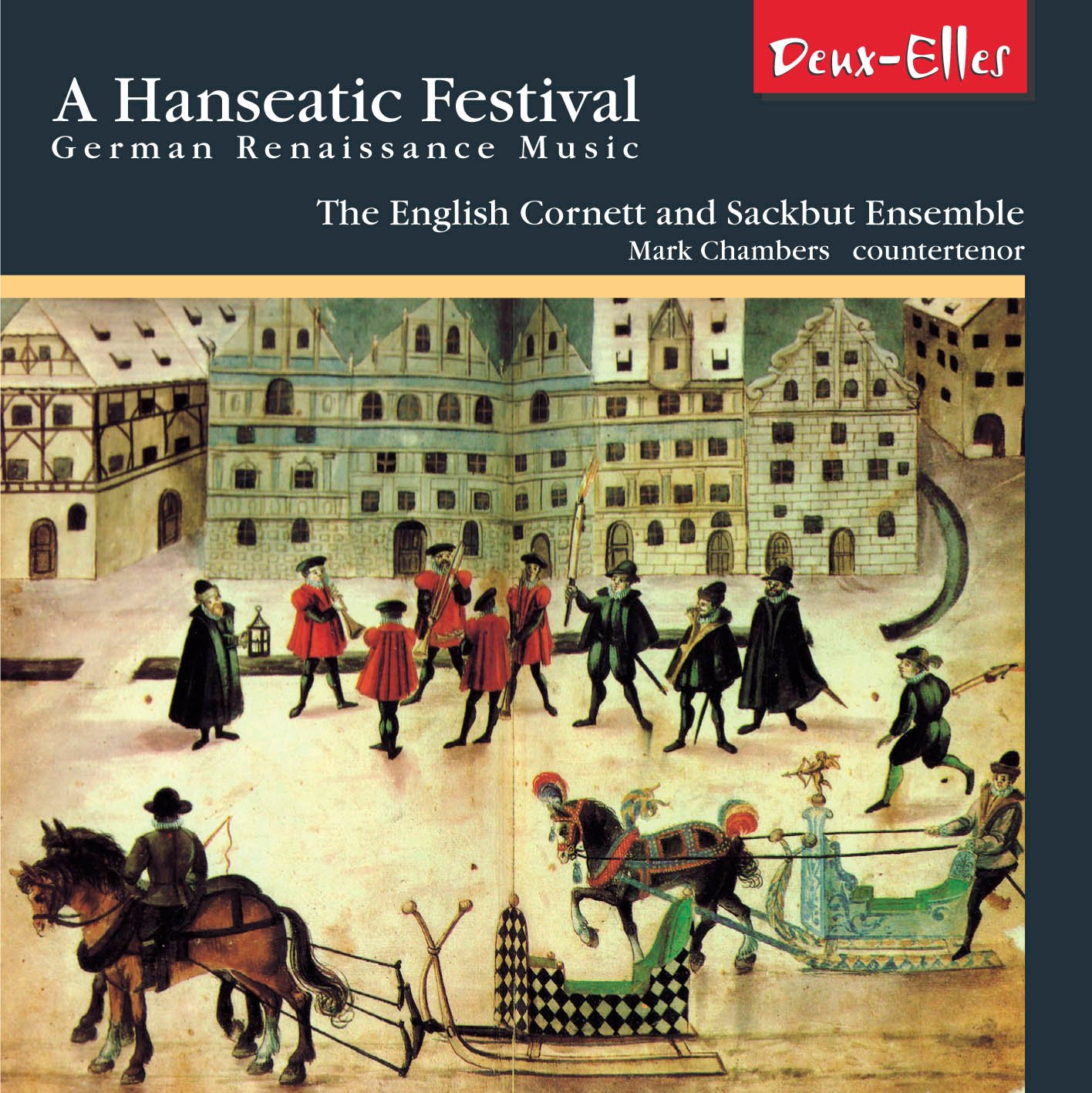
A Hanseatic Festival -- German Renaissance Music
The English Cornett and Sackbut Ensemble
A Dictionary of Renaissance and Medieval Instruments
Various Artists
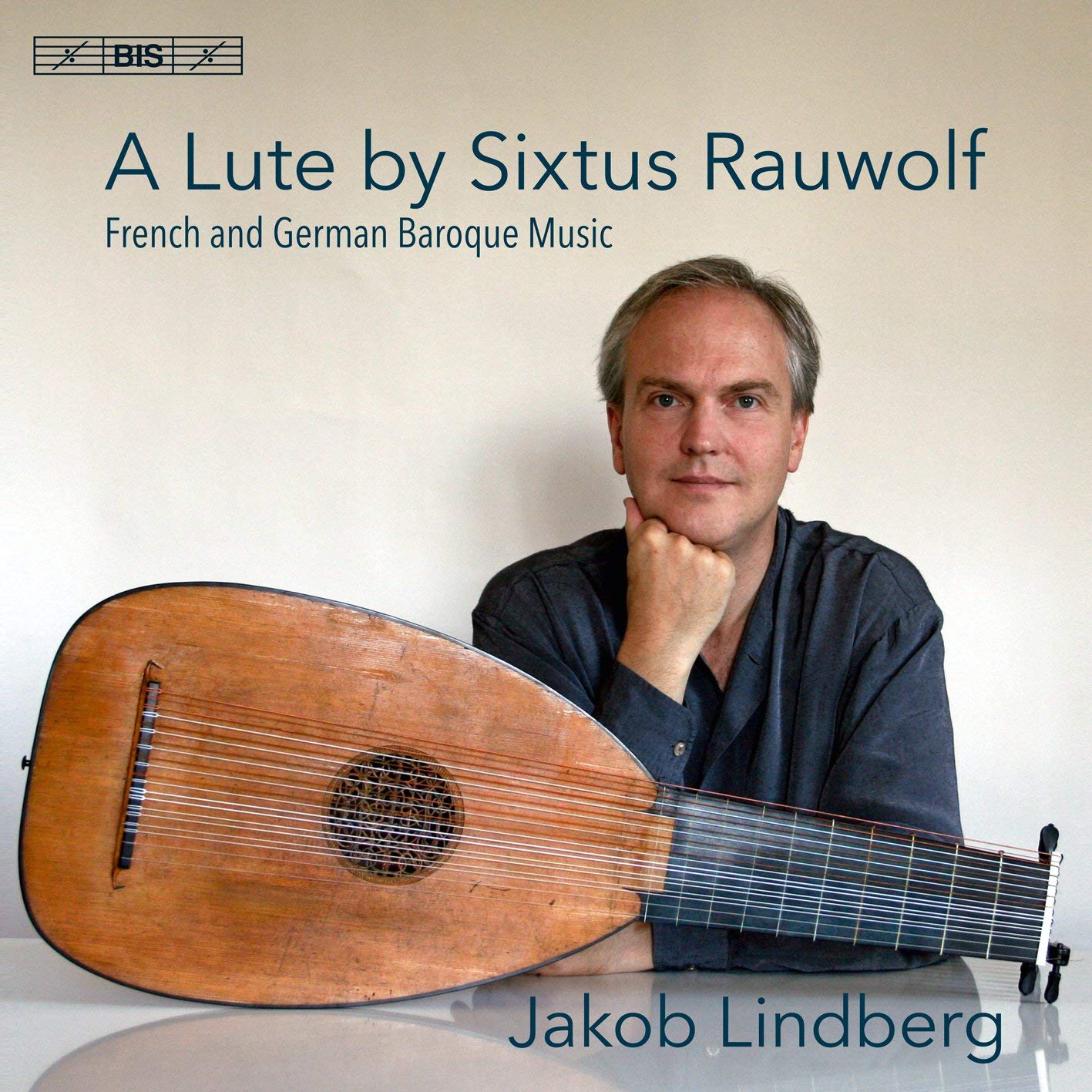
A Lute by Sixtus Rauwulf
Jakob Lindberg
The Trio Sonata of 17th-Century Germany
London Baroque
Leonarda: Sonate a 1, 2, 3 e 4 Istromenti, Op. 16
Cappella Strumentale del Duomo di Novara
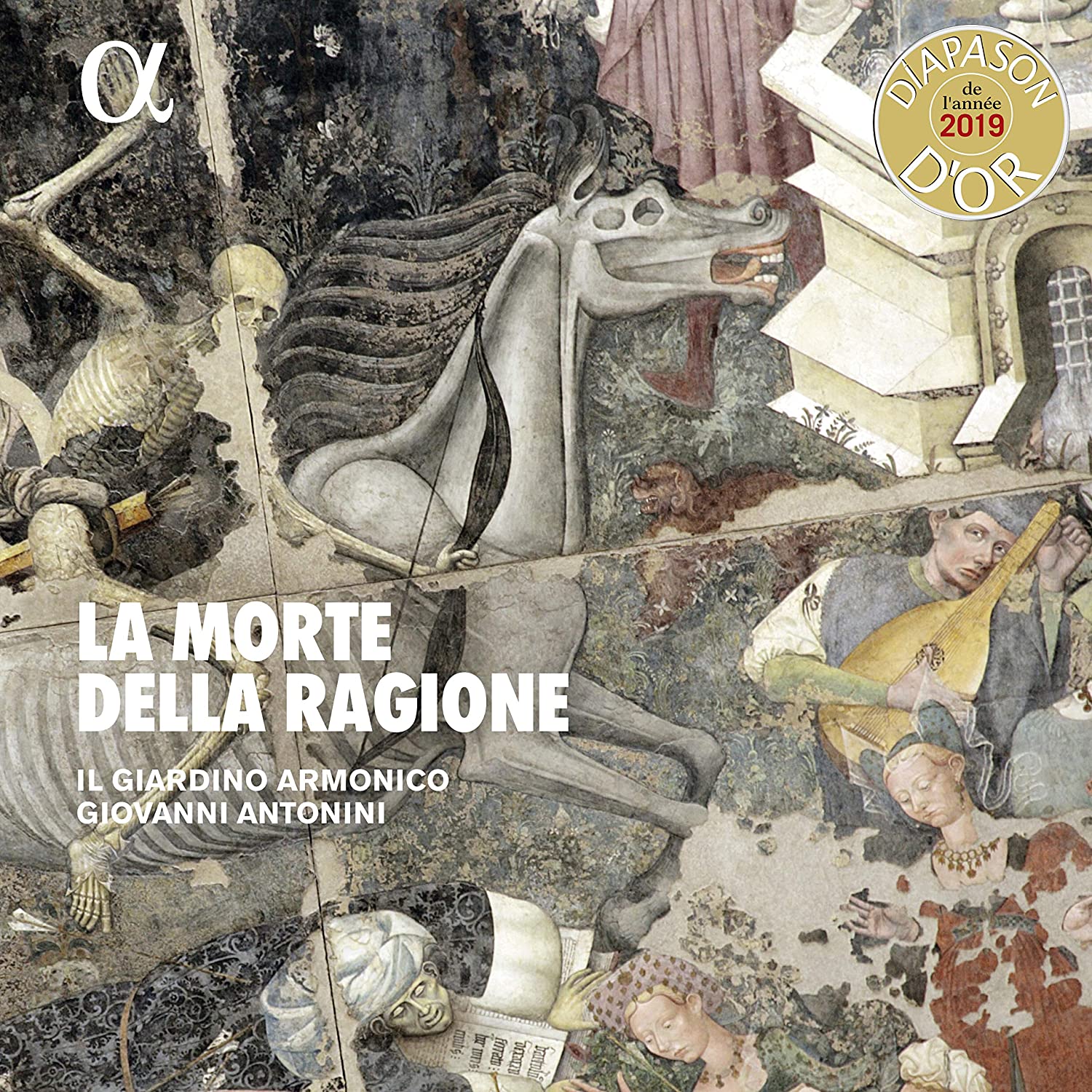
La Morte della Ragione
Il Giardino Armonico
Nicolas Vallet: Le Secret des Muses
Paul O'Dette
Early Modern English Music: 1500-1550
Tasto Solo
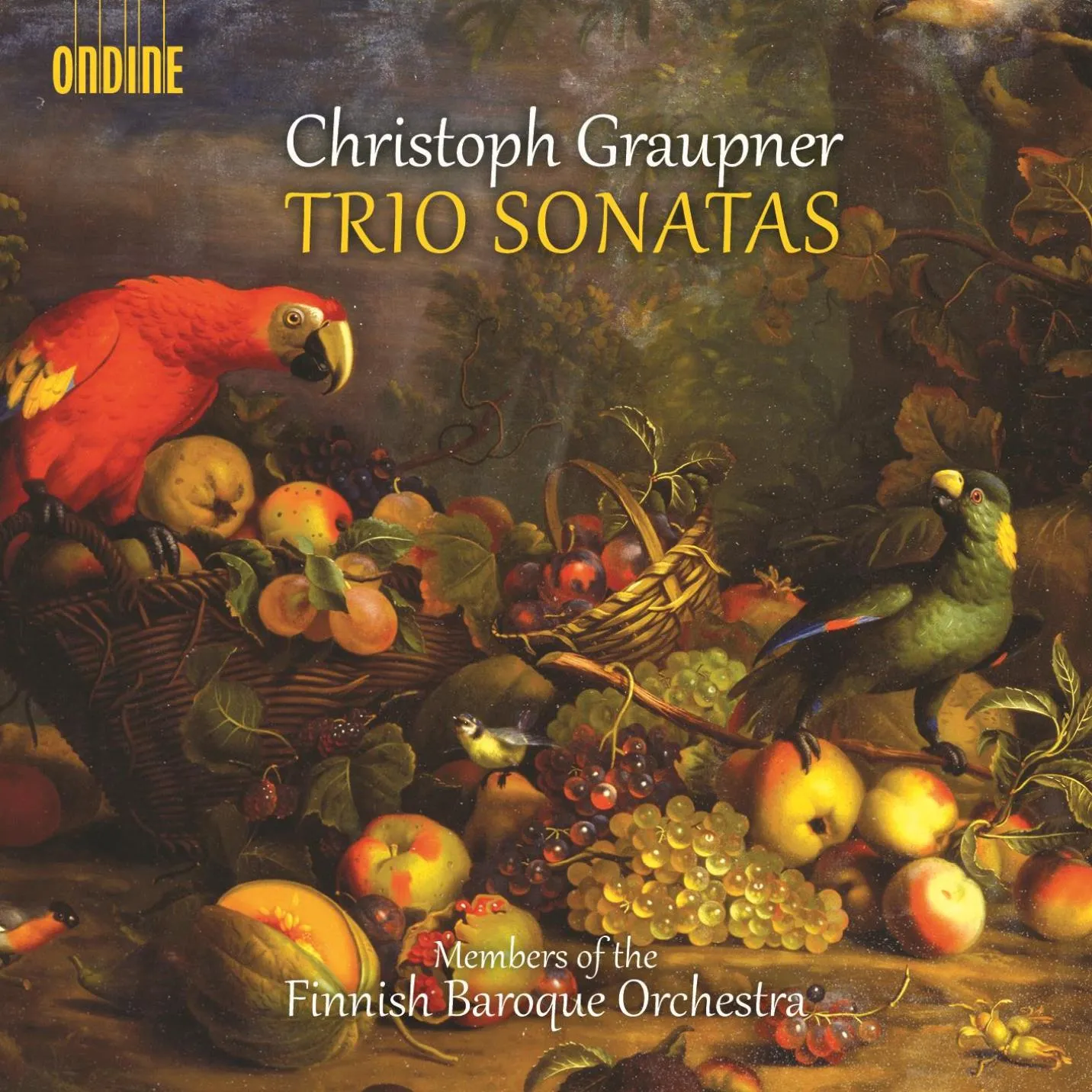
Graupner: Trio Sonatas
Members of the Finnish Baroque Orchestra
Tuba Polyphonics 2: "Sweelinck"
Hidehiro Fujita
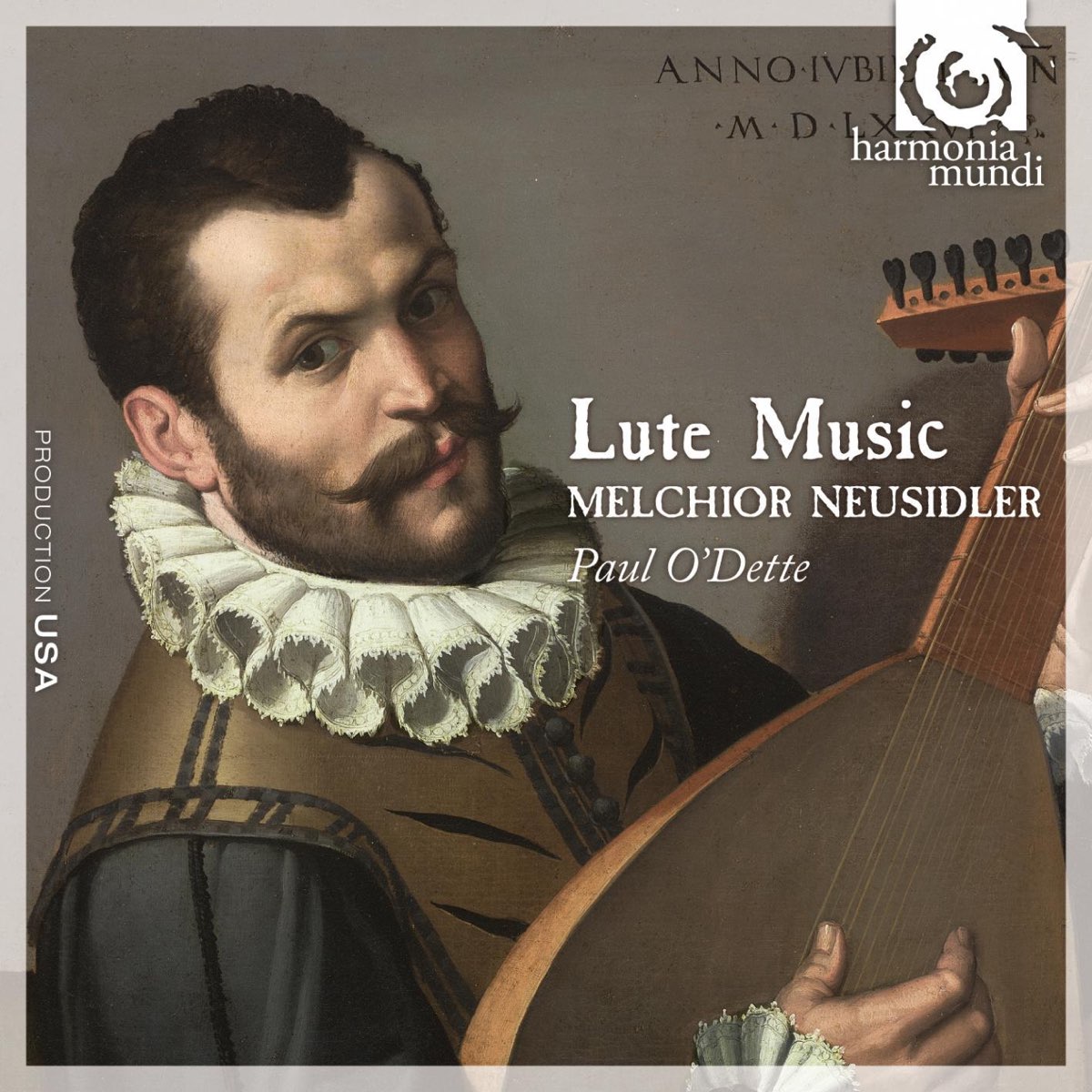
Melchior Neusidler: Lute Music
Paul O'Dette
REVISED March 2024 ...
A Medieval Tapestry: Instrumental and Vocal Music from the 12th through 14th Centuries
Folger Consort
Alpine Airs: Music of Switzerland, 13th-16th Centuries
Folger Consort
For Lute and Bass Viol: A Recital of 16th Century Music from Italy, France, and England
Geneva Baroque Duo
Lawes: Sonatas for Violin, Bass Viol, and Organ
London Baroque
William Byrd: Complete Consort Music
Phantasm
Sweelinck & the Art of Variation
Camerata Trajectina
Ernst Gottlieb Baron: The Lute at the Court of Frederick the Great
Ensemble Barocco Sans Souci
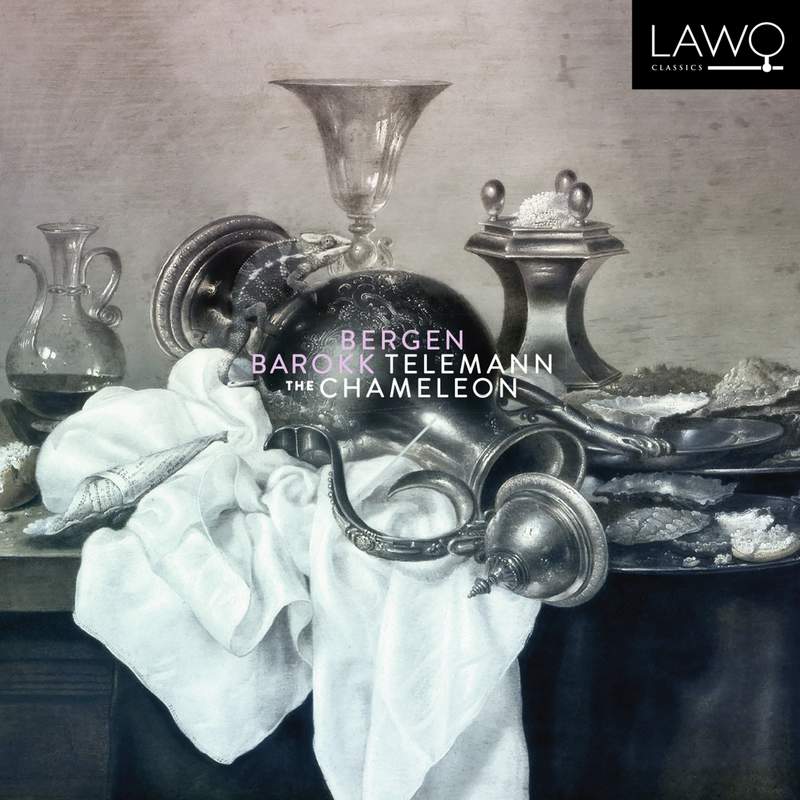
Telemann: The Chameleon
Bergem Barokk
Vocal Music: 13th Century Motets
I Ciarlatani
Gace Brule: Songs
Oliphant
Herz, Prich!: Medieval German Music
Oliphant
Visee: Pieces Pour Theorbe & Guitar
Xavier Diaz-Latorre
Giovanni Antonio Terzi: Lute Music
Florent Marie
Jenkins: Fantasies Pavans & Airs in Four Parts
The Spirit of Gambo
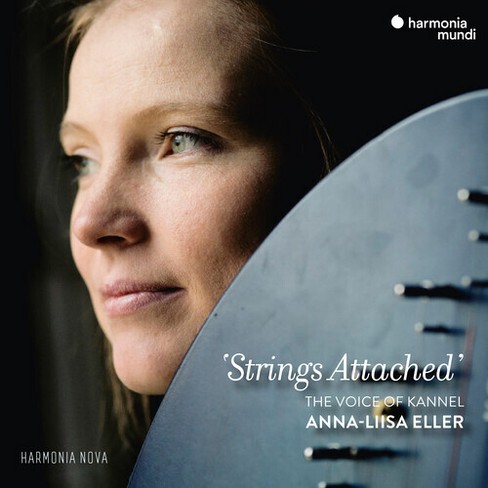
Strings Attached: The Voice of Kannel
Anna-Liisa Eller -
Orlando Gibbons: Fantasias & The Cries of London
Fretwork
Christopher Simpson: Ayres & Graces
Chelys Consort of Viols
Lute Music of the Renaissance from the Schele Manuscript, 1619
Joachim Held
In Praise Of St. Columba: The Sound World of the Celtic Church
The Choir of Gonville & Caius College, Cambridge
Ludwig Senfl: Im Maien
Fretwork
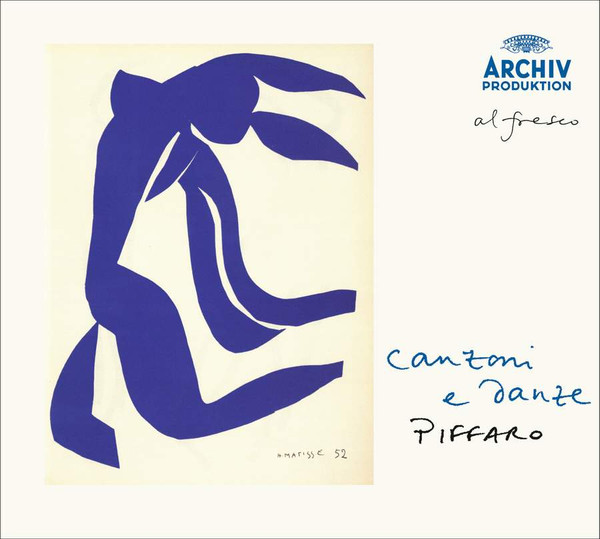
Canzoni e Danze
Piffaro
With Dances & Delight
Estampie
Con Gratia, et Maniera
Galatea
Waytes: English Music for a Renaissance Band
Piffaro
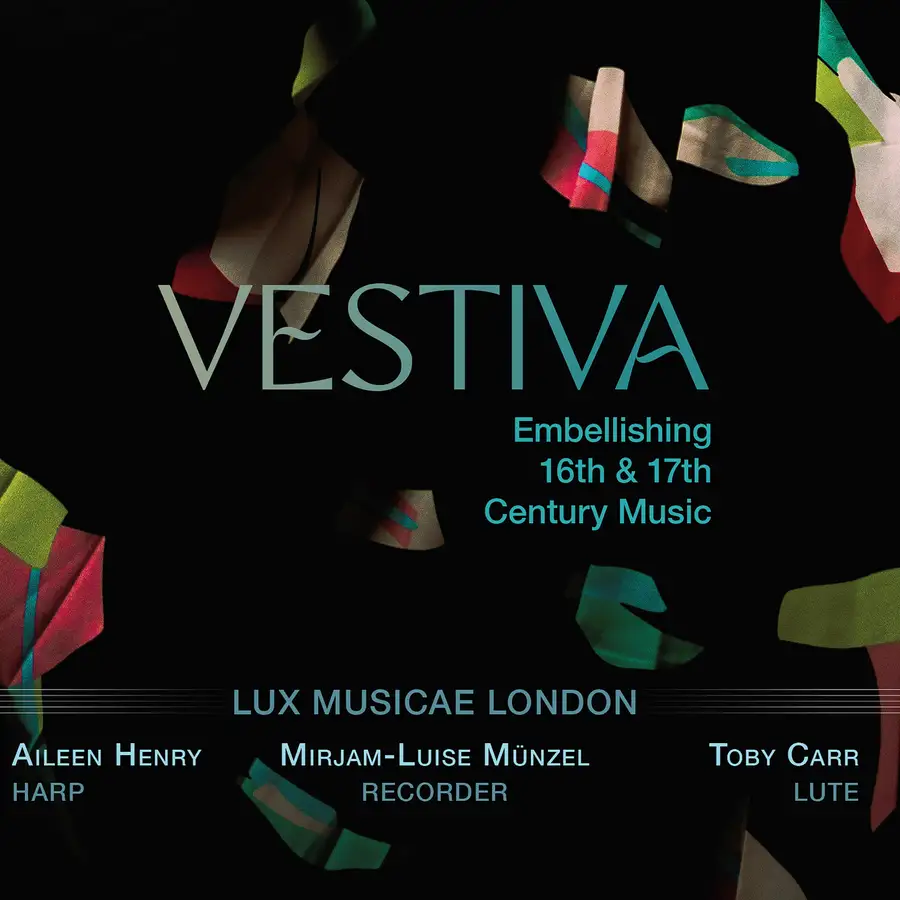
Vestiva
Lux Musicae London, Mirjam-Luise Münzel, Aileen Henry, Toby Carr
The A-La-Mi-Re Manuscripts: Flemish Polyphonic Treasures
Capilla Flamenca
Sacred & Secular Music from Renaissance Germany
Ciaramella Instrumental and Vocal Ensemble
Tuba Polyphonics II: Sweelinck
Hidehiro Fujita
REVISED September 2023 ...

Vox Cosmica
Arianna Savall, Petter Udland Johansen and Hirundo Maris
Telemann: Sonate a Flauto Solo
Lorenzo Cavasanti
Giuseppe Antonio Brescianello: Parthias and Sinphonias for Solo Gallichone
Davide Rebuffa
Fasch: Quartets and Concertos
Ensemble Marsyas
Charles Mouton
Anders Ericson
Neusidler: Lute Music
Yavor Genov
William Lawes: Consort Sets in Five & Six Parts
Jordi Savall & Hesperion
Lawes: Complete Music for Solo Lyra Viol
Richard Boothby
Carl Friedrich Abel: Sentimental Journey
Paolo Pandolfo
The Birth of the Violin
Le Miroir De Musique and Baptiste Romain
REVISED March 2023 ...
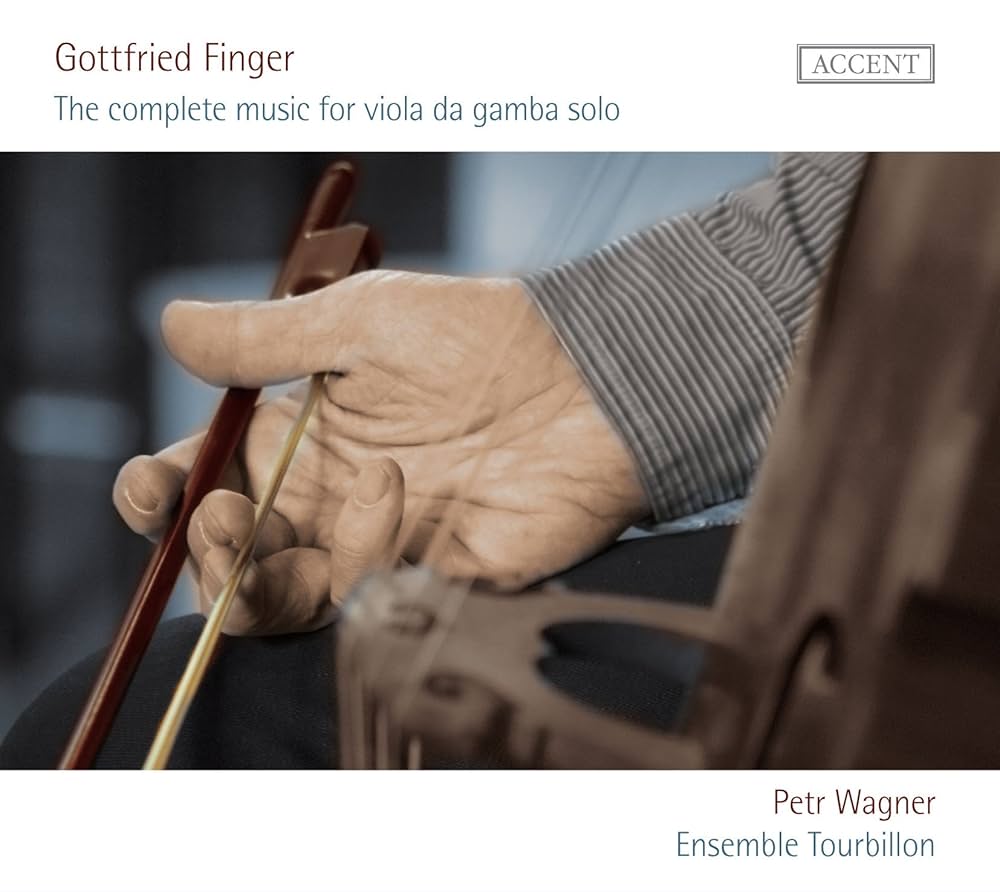
Finger: The Complete Music For Viola Da Gamba Solo
Ensemble Tourbillon
Hameln Anno 1284: Medieval Flute Music On The Trail Of The Pied Piper
Norbert Rodenkirchen
REVISED December 2022 ...
Nicola Matteis: Most ravishing things (Music from the Books of Ayres)
Theatrum Affectuum
The Art of Resonance: Archlute & Theorbo Music of the Italian Seicento
Luca Pianca
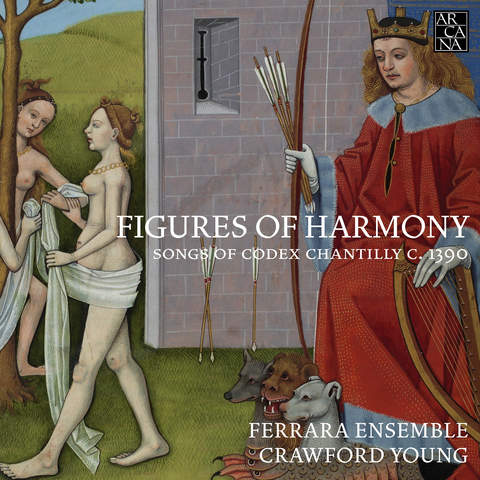
Figures of Harmony: Songs of Codex Chantilly c. 1390
Ferrara Ensemble and Crawford Young
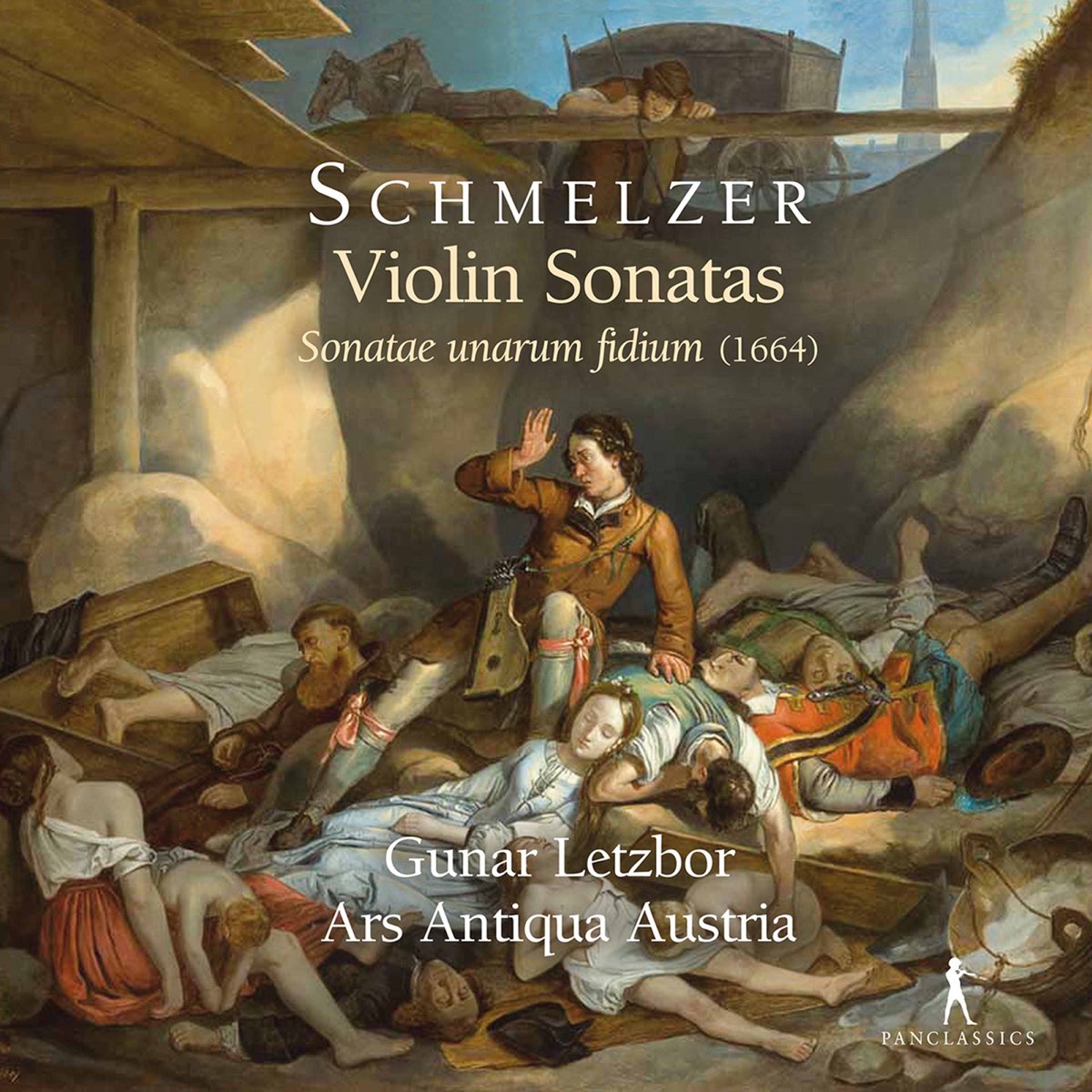
Schmelzer: Violin Sonatas
Gunar Letzbor & Ars Antiqua Austria
Zelenka: Sonates pour Deux Hautbois et Basson
Ensemble Zefiro
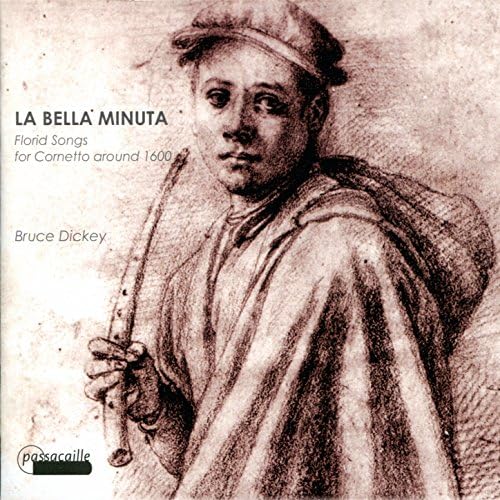
La Bella Minuta: Florid Songs for Cornetto, ca.1600
Liuwe Tamminga & Bruce Dickey
REVISED October 2022 ...
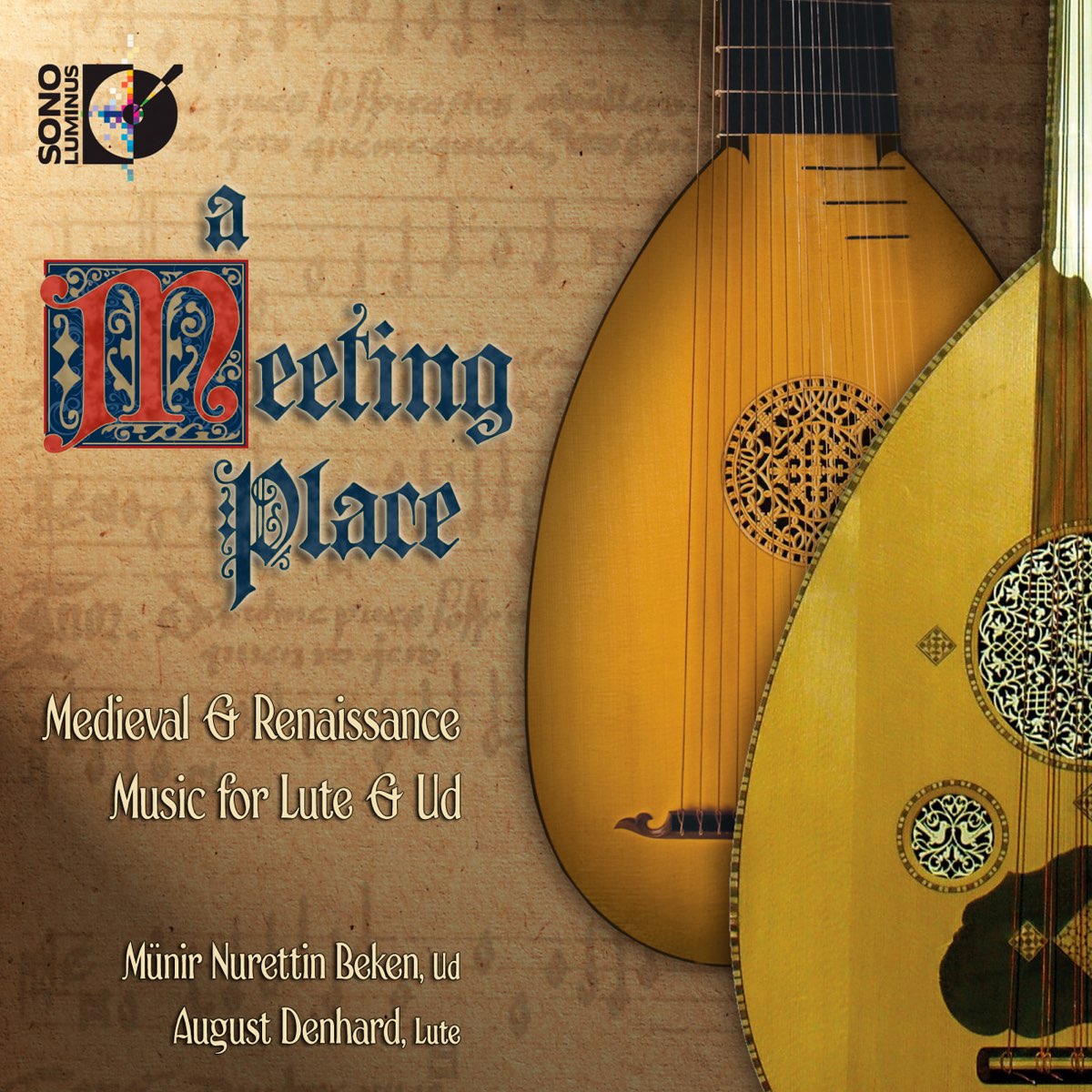
A Meeting Place: Medieval & Renaissance Music for Lute & Ud
August Denhard and Münir Nurettin Beken
Notker Balbulus: Sequnezen, Tropen & Gregorianischer Choral aud dem Kloster St. Gallen
Ordo Virtutum and Stefan Morent
Johann Rosenmüller in Exile
Acronym and Jesse Blumberg
Thomas Morley: Fantasies to Two Voices
Jonathan Dunford & Jérôme Chaboseau
Biber: Harmonia artificioso
Musica Antiqua Köln and Reinhard Goebel
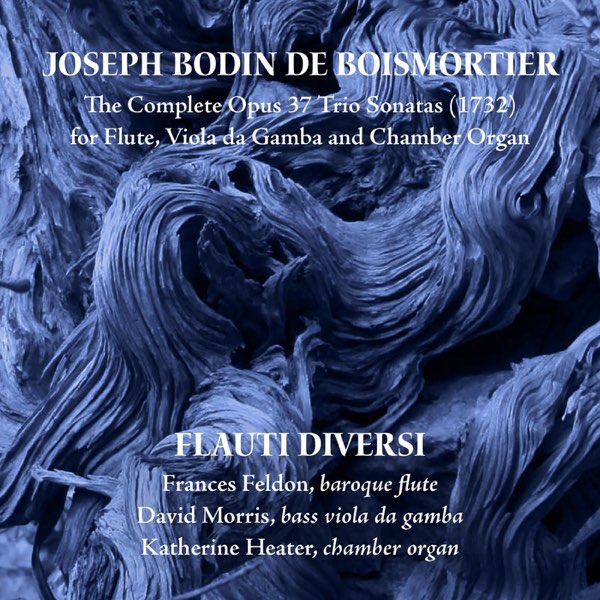
Joseph Bodin De Boismortier: The Complete Opus 37 Trio Sonatas (1732) for Flute, Viola da Gamba and Chamber Organ
Flauti Diversi
Die Weisheit des Alters: Ars moriendi im Minnesang
Ensemble Für Frühe musik Augsburg
REVISED September 2022 ...

Philipp Friedrich Buchner: Plectrum Musicum
Parnassi Musici
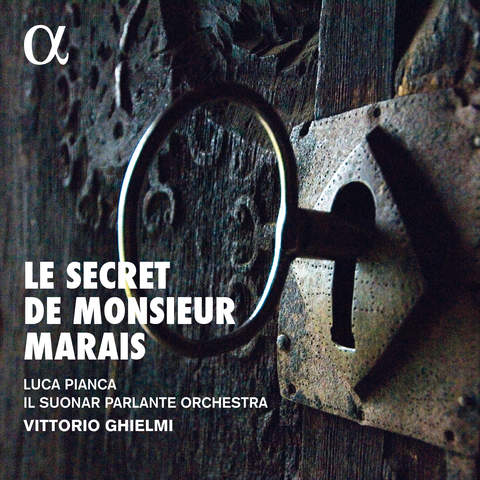
Le Secret de Monsieur Marais
Vittorio Ghielmi, Luca Pianca, Il Suonar Parlante Orchestra
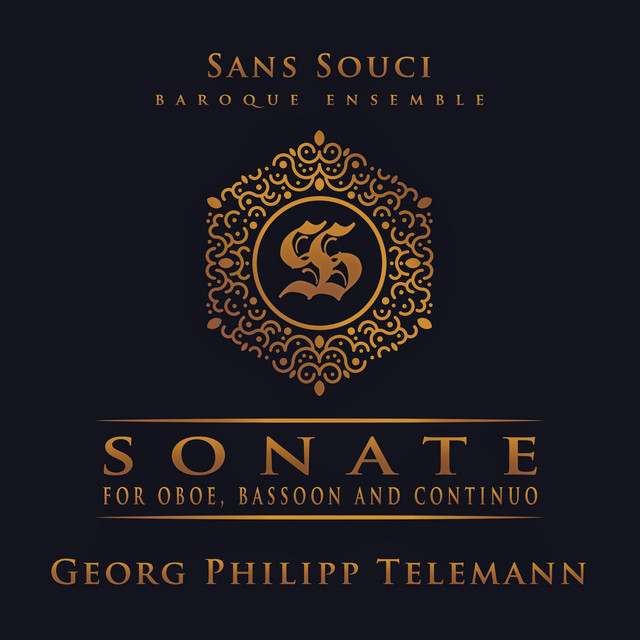
Telemann: Sonate for Oboe, Bassoon, and Continuo
Sans Souci
Johann Jakob Walther: Hortulus Chelicus
Sills, Dirst, Dirst, and Wang (no offense)
Thomas Lupo: Fantasia
Fretwork
Fürchtet Euch Nicht: Bassoons & Bombards Music from the German Baroque
Syntagma Amici, Vox Lumini
Johann Georg Weichenberger: Lute Works
Joachim Held
REVISED March 2022 ...
February 2022 ...
Jacon van Eyck: Der Fluyten Lust-hof
Erik Bosgraaf
Marin Marais: Pieces de Viole de Cinq Livre
Jordi Savall, Ton Koopmann, Hopkinson Smith, Christophe Coin, Anne Gallet
The Cosmopolitan: Songs by Oswald von Wolkenstein
Ensemble Leones, Marc Lewis
Toys for Two: Dowland to California
Margaret Koll and Luca Pianca
REVISED January 2022 ...
Scheidt: Ludi Musici
L'Acheron, Francois Joubert-Caillet
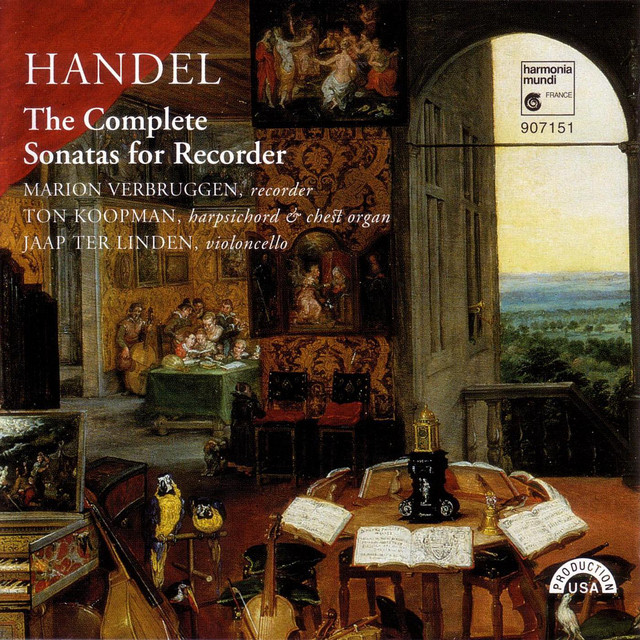
Handel: The Complete Sonatas for Recorder
Marion Verbruggen, Ton Koopman and Jaap ter Linden
Buxtehude: Complete Chamber Music
Ton Koopman
Songs of Olden Times: Estonian Folk Hymns and Runic Songs
Heinavanker
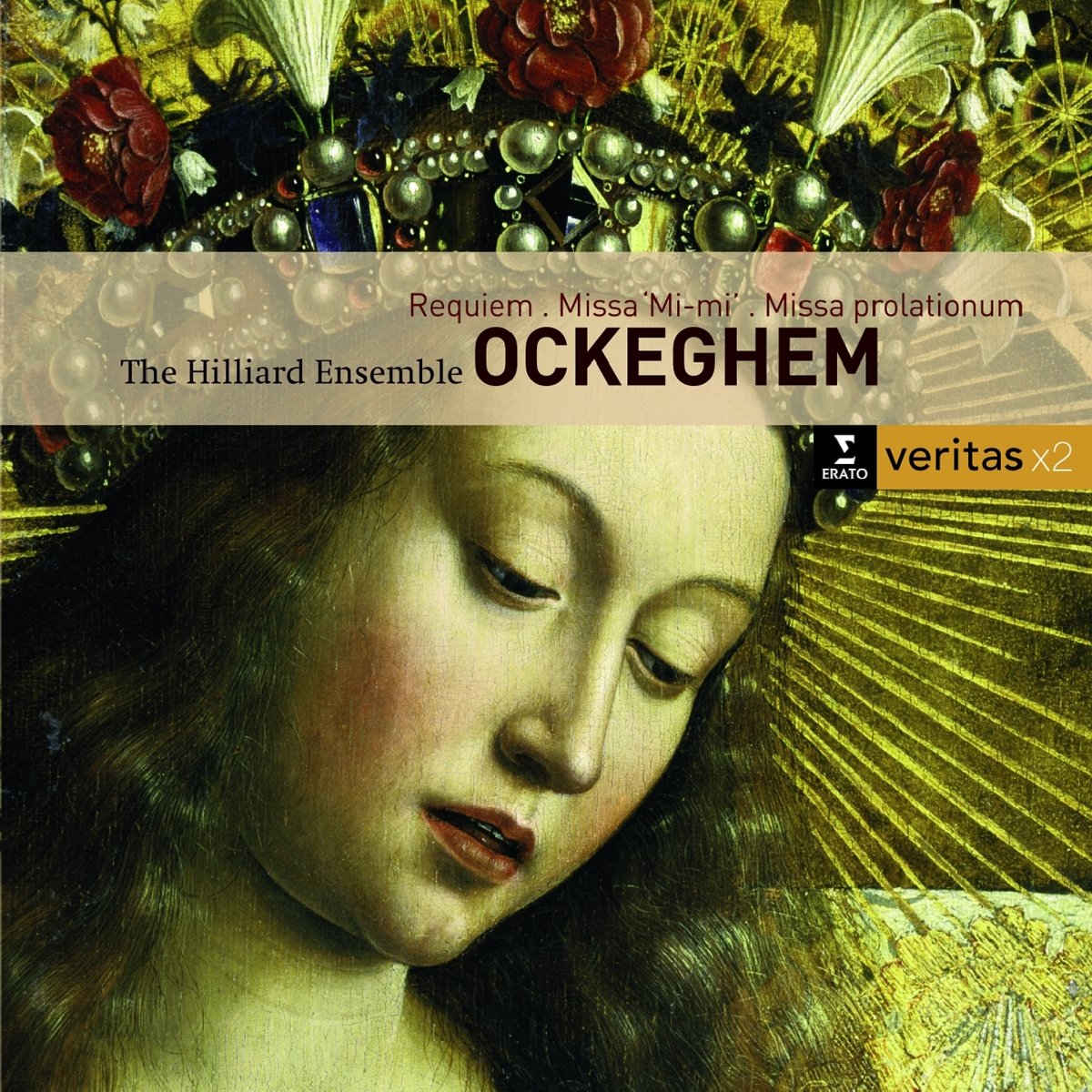
Ockeghem: Requiem; Missa Mi-Mi; Missa Prolationum
Hilliard Ensemble
THE ORIGINAL COLLECTION (Autumn 2020):
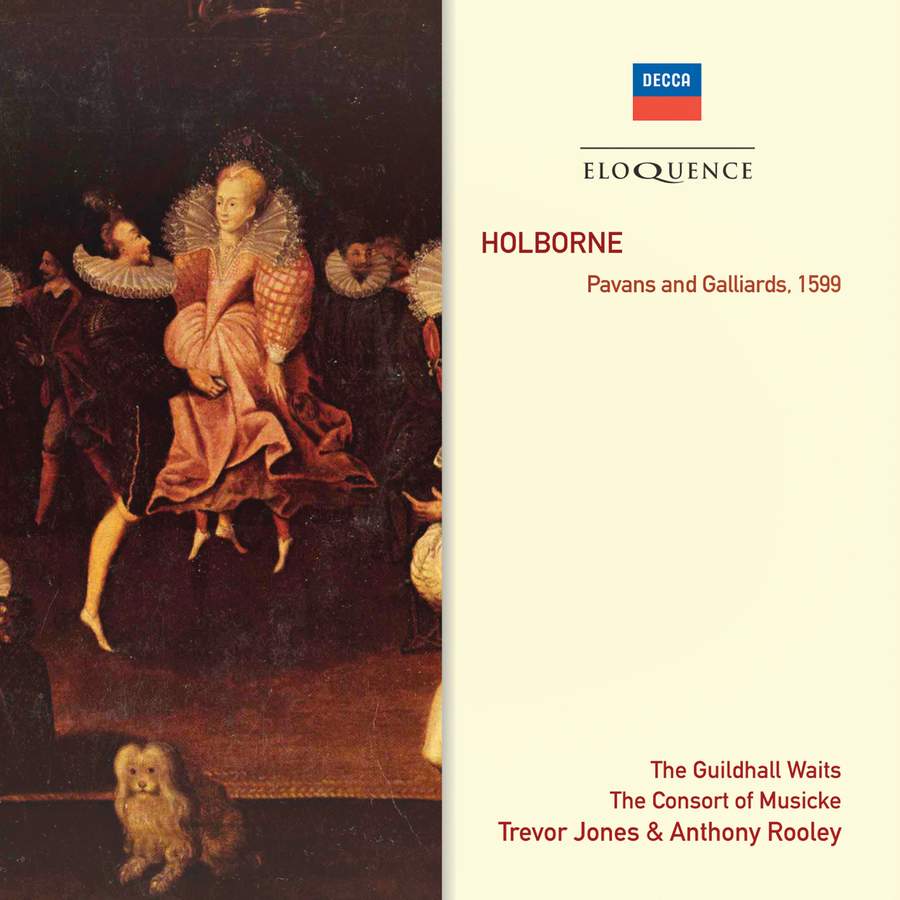
Holborne: Pavans and Galliards, 1599
The Consort of Musicke & The Guildhall Waits, Anthony Rooley & Trevor Jones
Subscribe to:
Comments (Atom)