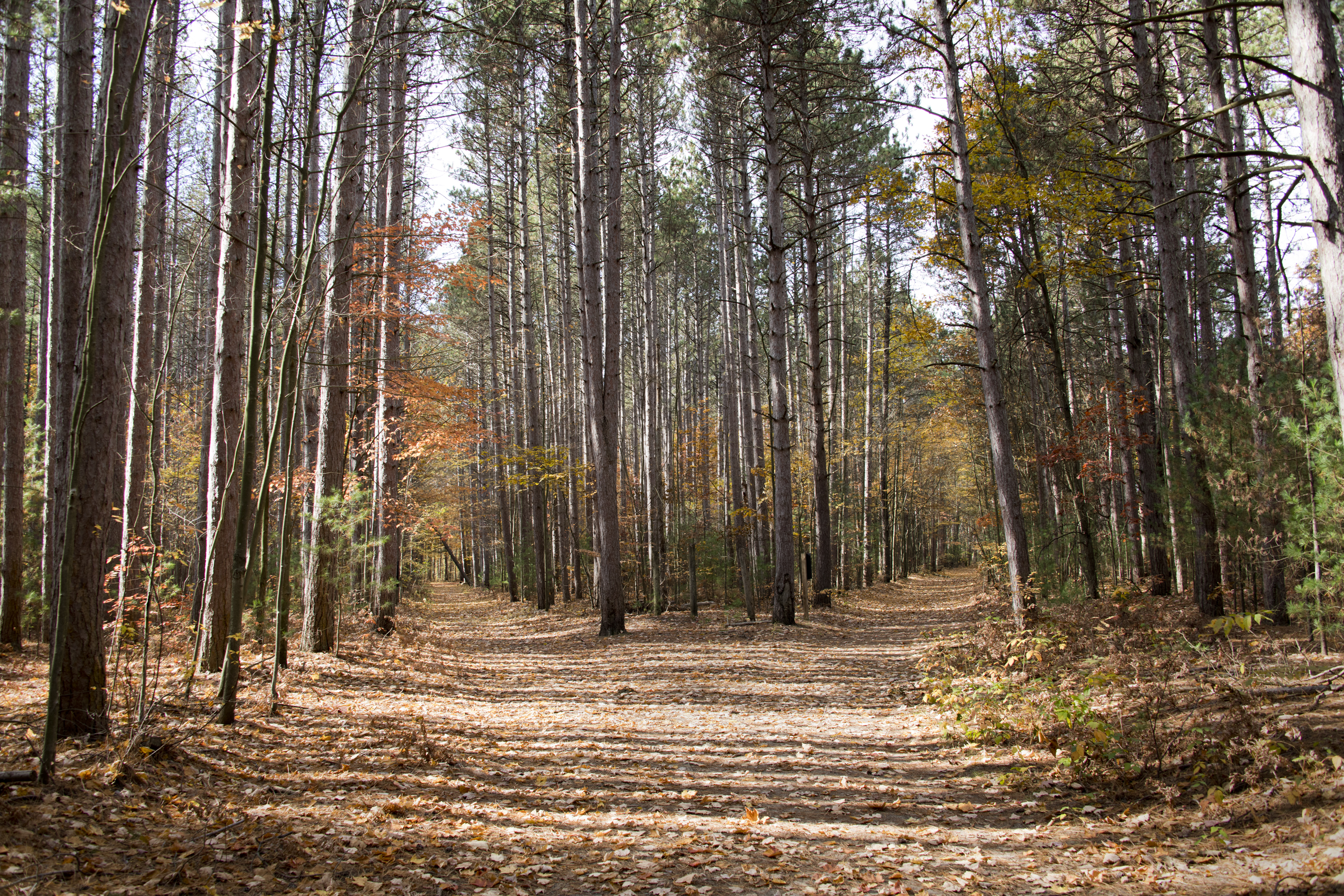
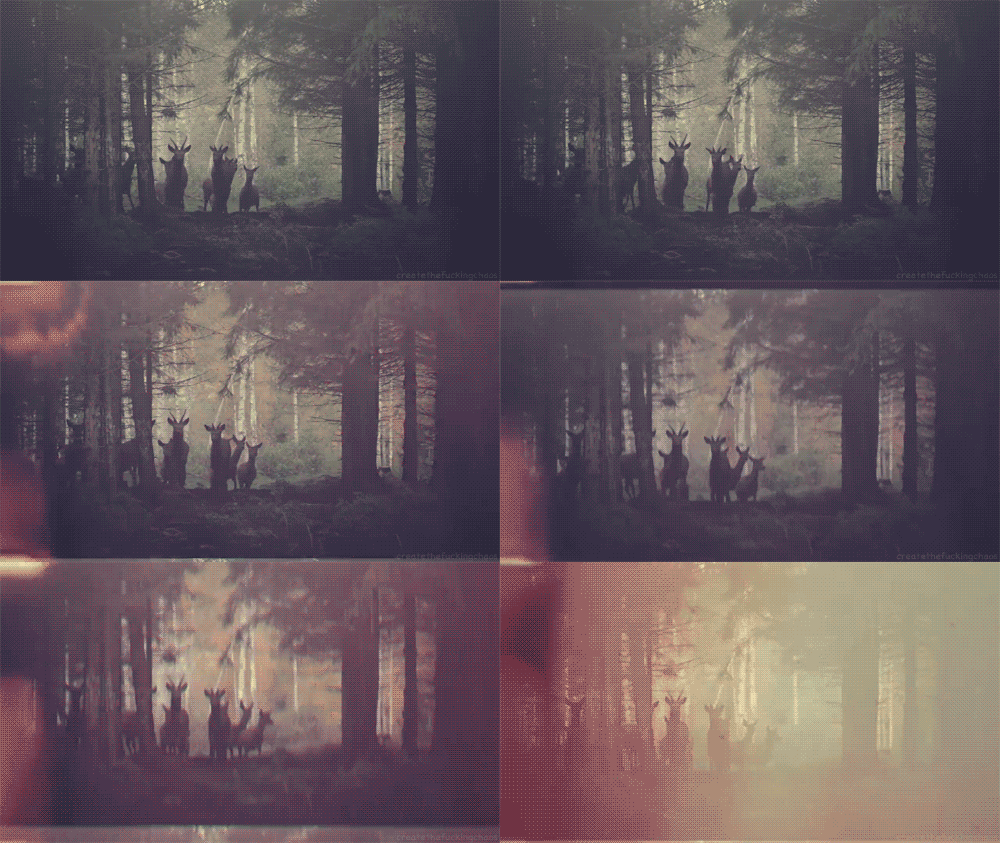
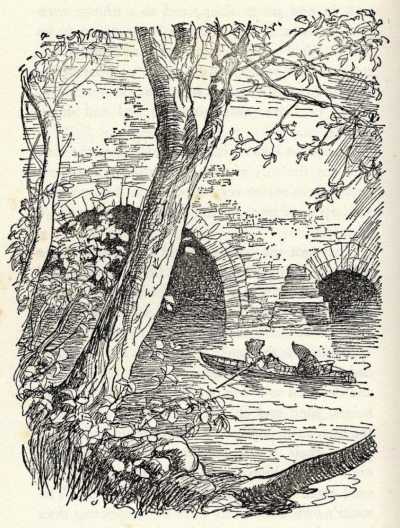
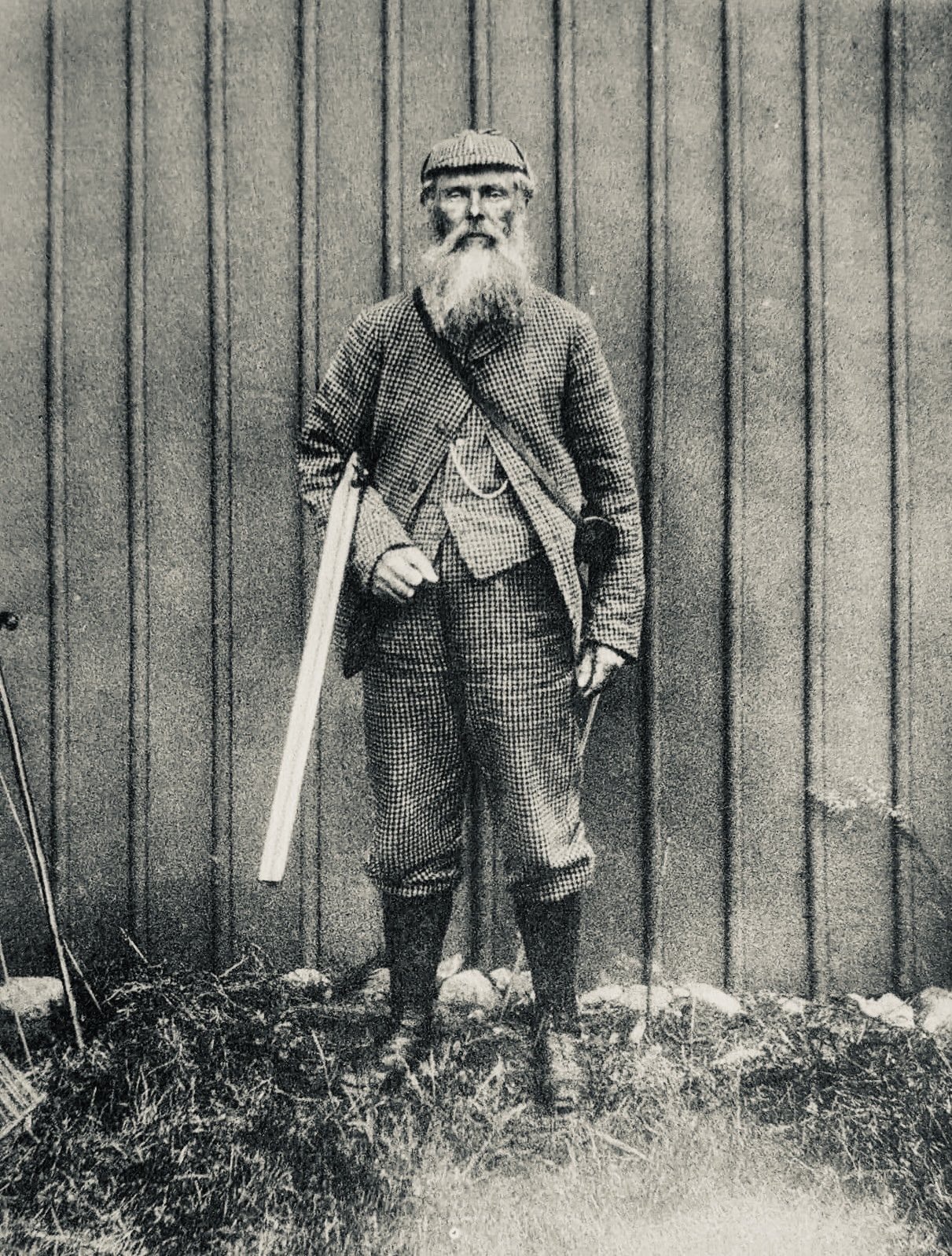
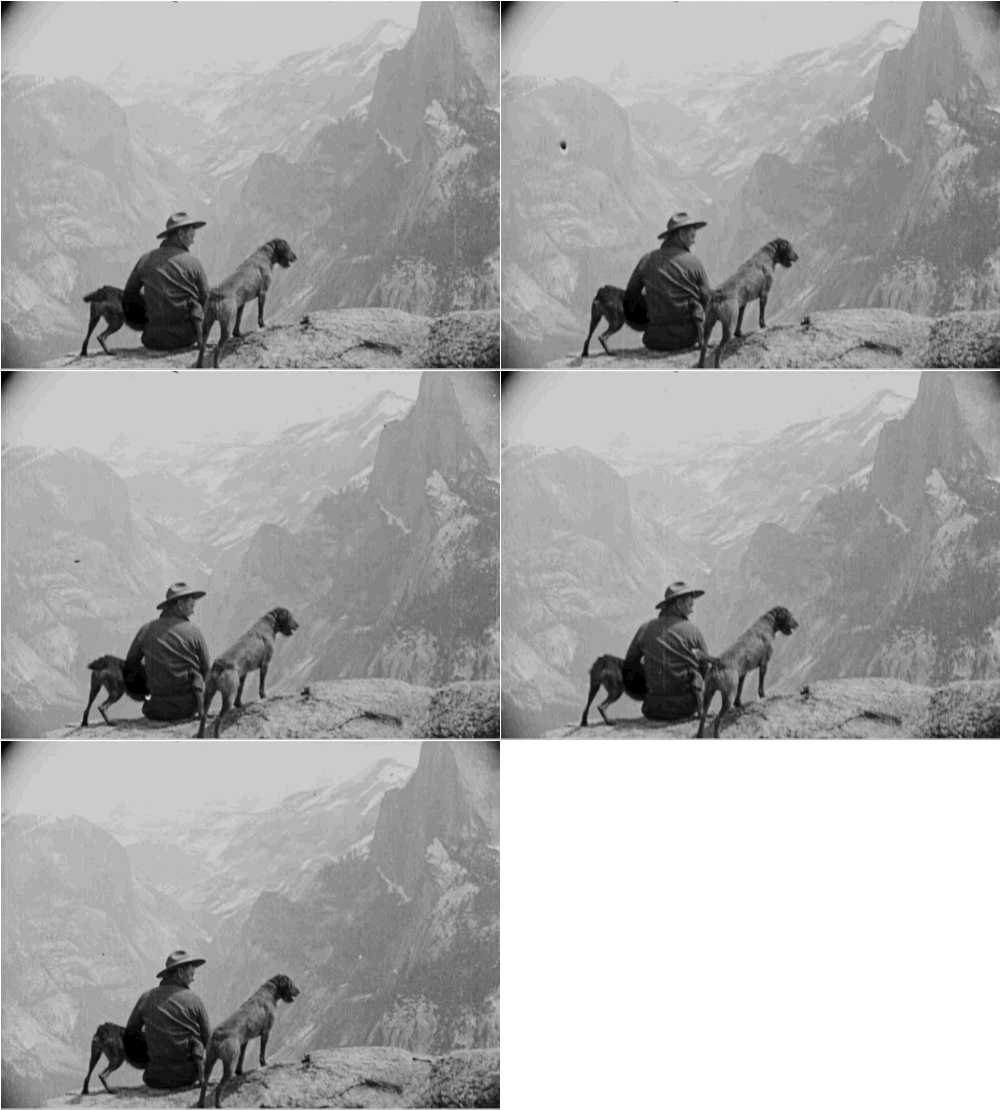
"I am not one who was born in the custody of wisdom. I am one who is fond of olden times and intense in quest of the sacred knowing of the ancients." Gustave Courbet
Showing posts with label rules. Show all posts

19 April 2026

Spirit.


The American Revolution began on this day, at this hour, in 1775.

CONCORD HYMN

By the rude bridge that arched the flood, 
   Their flag to April’s breeze unfurled, 
Here once the embattled farmers stood 
   And fired the shot heard round the world. 

The foe long since in silence slept; 
   Alike the conqueror silent sleeps; 
And Time the ruined bridge has swept 
   Down the dark stream which seaward creeps. 

On this green bank, by this soft stream, 
   We set today a votive stone; 
That memory may their deed redeem, 
   When, like our sires, our sons are gone. 

Spirit, that made those heroes dare 
   To die, and leave their children free, 
Bid Time and Nature gently spare 
   The shaft we raise to them and thee.

Ralph Waldo Emerson

09 April 2026

Happy Birthday, Charles Baudelaire


The Poet is a kinsman of the clouds
Who scoffs at archers, loves a stormy day;
But on the ground, among the hooting crowds,
He cannot walk, his wings are in the way.

Charles Baudelaire, born on this day in 1821, from "The Albatross"

30 March 2026

One.


The TABLES TURNED

Up! up! my Friend, and quit your books;
Or surely you'll grow double:
Up! up! my Friend, and clear your looks;
Why all this toil and trouble?

The sun above the mountain's head,
A freshening lustre mellow
Through all the long green fields has spread,
His first sweet evening yellow.

Books! 'tis a dull and endless strife:
Come, hear the woodland linnet,
How sweet his music! on my life,
There's more of wisdom in it.

And hark! how blithe the throstle sings!
He, too, is no mean preacher:
Come forth into the light of things,
Let Nature be your teacher.

She has a world of ready wealth,
Our minds and hearts to bless—
Spontaneous wisdom breathed by health,
Truth breathed by cheerfulness.

One impulse from a vernal wood
May teach you more of man,
Of moral evil and of good,
Than all the sages can.

Sweet is the lore which Nature brings;
Our meddling intellect
Mis-shapes the beauteous forms of things:—
We murder to dissect.

Enough of Science and of Art;
Close up those barren leaves;
Come forth, and bring with you a heart
That watches and receives.

William Wordsworth

28 March 2026

Happy Birthday, Henry Rowe Schoolcraft

Illman & Sons, Henry Rowe Schoolcraft, 1884


The BIRCHEN CANOE

In the region of lakes where the blue waters sleep
My beautiful fabric was built;
Light cedars supported its weight on the deep,
And its sides with the sunbeams are gilt.

The bright leafy bark of the betula tree,
A flexible sheathing provides;
And the fir’s thready roots drew the parts to agree,
And bound down its high swelling sides.

No compass or gavel was used in the bark,
No art but the simplest degree;
But the structure was finished and trim to remark,
And as light as a sylph’s could be.

Its rim was with tender young roots woven round,
Like a pattern of wicker-work rare;
And it pressed on the waves was as lightsome a bound,
As a basket suspended in air.

The heavens in their brightness and glory below,
Were reflected quite plain to the view;
And it moved like a swan – with as graceful a show,
My beautiful birchen canoe.

The tree on the shore as I glided along.
Seemed rushing a contrary way;
And my voyagers lightened their toll with a song,
That caused every heart to be gay.

And still as I floated by rock and by shell
My bark raised a murmur aloud;
And it danced on the waves as they rose and they fell,
Like a fay on a bright summer cloud.

I thought as I pass’d o’er the liquid expanse,
With the landscape in smiling array;
How blest I should be, if my life should advance,
Thus tranquil and sweetly away.

The skies were serene, not a cloud was in sight,
Not an angry surge beat the shore,
And I gazed on the waters and then on the light,
Till my vision could bear it no more.

Oh! long shall I think of those silver bright lakes,
And the scenes they expose to my view;
My friends – and the wishes I formed for their sakes
And my bright yellow birchen canoe.

Henry Rowe Schoolcraft, born on this day in 1793

01 March 2026

Wild.

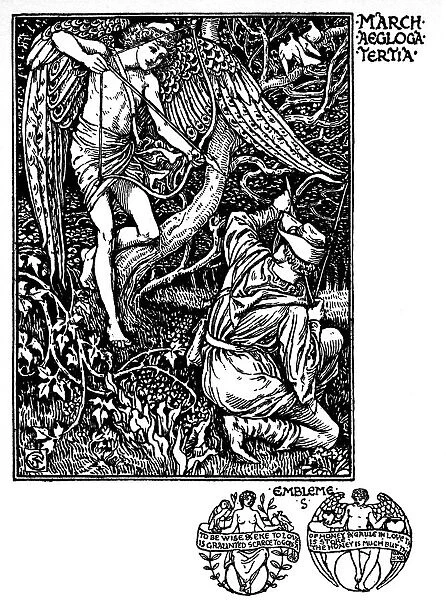
Spenser, The Shepherd's Calendar: March, 1898


THE SHEPHERD'S CALENDAR: MARCH

March month of 'many weathers' wildly comes
In hail and snow and rain and threatning hums
And floods: while often at his cottage door
The shepherd stands to hear the distant roar
Loosd from the rushing mills and river locks
Wi thundering sound and over powering shocks
And headlong hurry thro the meadow brigs
Brushing the leaning sallows fingering twigs
In feathery foam and eddy hissing chase
Rolling a storm oertaken travellers pace
From bank to bank along the meadow leas
Spreading and shining like to little seas
While in the pale sunlight a watery brood
Of swopping white birds flock about the flood
Yet winter seems half weary of its toil
And round the ploughman on the elting soil
Will thread a minutes sunshine wild and warm
Thro the raggd places of the swimming storm
And oft the shepherd in his path will spye
The little daisey in the wet grass lye
That to the peeping sun enlivens gay
Like Labour smiling on an holiday
And where the stunt bank fronts the southern sky
By lanes or brooks where sunbeams love to lye
A cowslip peep will open faintly coy
Soon seen and gatherd by a wandering boy
A tale of spring around the distant haze
Seems muttering pleasures wi the lengthening days
Morn wakens mottld oft wi may day stains
And shower drops hang the grassy sprouting plains
And on the naked thorns of brassy hue
Drip glistning like a summer dream of dew
While from the hill side freshing forest drops
As one might walk upon their thickening tops
And buds wi young hopes promise seemly swells
Where woodman that in wild seclusion dwells
Wi chopping toil the coming spring decieves
Of many dancing shadows flowers and leaves
And in his pathway down the mossy wood
Crushes wi hasty feet full many a bud
Of early primrose yet if timely spied
Shelterd some old half rotten stump beside
The sight will cheer his solitery hour
And urge his feet to stride and save the flower
Muffld in baffles leathern coat and gloves
The hedger toils oft scaring rustling doves
From out the hedgrows who in hunger browze
The chockolate berrys on the ivy boughs
And flocking field fares speckld like the thrush
Picking the red awe from the sweeing bush
That come and go on winters chilling wing
And seem to share no sympathy wi spring
The stooping ditcher in the water stands
Letting the furrowd lakes from off the lands
Or splashing cleans the pasture brooks of mud
Where many a wild weed freshens into bud
And sprouting from the bottom purply green
The water cresses neath the wave is seen
Which the old woman gladly drags to land
Wi reaching long rake in her tottering hand
The ploughman mawls along the doughy sloughs
And often stop their songs to clean their ploughs
From teazing twitch that in the spongy soil
Clings round the colter terryfying toil
The sower striding oer his dirty way
Sinks anckle deep in pudgy sloughs and clay
And oer his heavy hopper stoutly leans
Strewing wi swinging arms the pattering beans
Which soon as aprils milder weather gleams
Will shoot up green between the furroed seams
The driving boy glad when his steps can trace
The swelling edding as a resting place
Slings from his clotted shoes the dirt around
And feign woud rest him on the solid ground
And sings when he can meet the parting green
Of rushy balks that bend the lands between
While close behind em struts the nauntling crow
And daws whose heads seem powderd oer wi snow
To seek the worms-and rooks a noisey guest
That on the wind rockd elms prepares her nest
On the fresh furrow often drops to pull
The twitching roots and gathering sticks and wool
Neath trees whose dead twigs litter to the wind
And gaps where stray sheep left their coats behind
While ground larks on a sweeing clump of rushes
Or on the top twigs of the oddling bushes
Chirp their 'cree creeing' note that sounds of spring
And sky larks meet the sun wi flittering wing
Soon as the morning opes its brightning eye
Large clouds of sturnels blacken thro the sky
From oizer holts about the rushy fen
And reedshaw borders by the river Nen
And wild geese regiments now agen repair
To the wet bosom of broad marshes there
In marching coloms and attention all
Listning and following their ringleaders call
The shepherd boy that hastens now and then
From hail and snow beneath his sheltering den
Of flags or file leavd sedges tyd in sheaves
Or stubble shocks oft as his eye percieves
Sun threads struck out wi momentery smiles
Wi fancy thoughts his lonliness beguiles
Thinking the struggling winter hourly bye
As down the edges of the distant sky
The hailstorm sweeps-and while he stops to strip
The stooping hedgbriar of its lingering hip
He hears the wild geese gabble oer his head
And pleasd wi fancys in his musings bred
He marks the figurd forms in which they flye
And pausing follows wi a wandering eye
Likening their curious march in curves or rows
To every letter which his memory knows
While far above the solitary crane
Swings lonly to unfrozen dykes again
Cranking a jarring mellancholy cry
Thro the wild journey of the cheerless sky
Full oft at early seasons mild and fair
March bids farewell wi garlands in her hair
Of hazzel tassles woodbines hairy sprout
And sloe and wild plumb blossoms peeping out
In thickset knotts of flowers preparing gay
For aprils reign a mockery of may
That soon will glisten on the earnest eye
Like snow white cloaths hung in the sun to drye
The old dame often stills her burring wheel
When the bright sun will thro the window steal
And gleam upon her face and dancing fall
In diamond shadows on the picturd wall
While the white butterflye as in amaze
Will settle on the glossy glass to gaze
And oddling bee oft patting passing bye
As if they care to tell her spring was nigh
And smiling glad to see such things once more
Up she will get and potter to the door
And look upon the trees beneath the eves
Sweet briar and ladslove swelling into leaves
And damsin trees thick notting into bloom
And goosberry blossoms on the bushes come
And stooping down oft views her garden beds
To see the spring flowers pricking out their heads
And from her apron strings she'll often pull
Her sissars out an early bunch to cull
For flower pots on the window board to stand
Where the old hour glass spins its thread of sand
And maids will often mark wi laughing eye
In elder where they hang their cloaths to drye
The sharp eyd robin hop from grain to grain
Singing its little summer notes again
As a sweet pledge of Spring the little lambs
Bleat in the varied weather round their dams
Or hugh molehill or roman mound behind
Like spots of snow lye shelterd from the wind
While the old yoes bold wi paternal cares
Looses their fears and every danger dares
Who if the shepherds dog but turns his eye
And stops behind a moment passing bye
Will stamp draw back and then their threats repeat
Urging defiance wi their stamping feet
And stung wi cares hopes cannot recconsile
They stamp and follow till he leaps a stile
Or skulking from their threats betakes to flight
And wi the master lessens out of sight
Clowns mark the threatning rage of march pass bye
And clouds wear thin and ragged in the sky
While wi less sudden and more lasting smiles
The growing sun their hopes of spring beguiles
Who often at its end remark wi pride
Days lengthen in their visits a 'cocks stride'
Dames clean their candlesticks and set them bye
Glad of the makeshift light that eves supply
The boy returning home at night from toil
Down lane and close oer footbrig gate and style1
Oft trembles into fear and stands to hark
The waking fox renew his short gruff bark
While badgers eccho their dread evening shrieks
And to his thrilling thoughts in terror speaks
And shepherds that wi in their hulks remain
Night after night upon the chilly plain
To watch the dropping lambs that at all hours
Come in the quaking blast like early flowers
Demanding all the shepherds care who find
Warm hedge side spots and take them from the wind
And round their necks in wary caution tyes
Long shreds of rags in red or purple dyes
Thats meant in danger as a safty spell
Like the old yoe that wears a tinkling bell
The sneaking foxes from his thefts to fright
That often seizes the young lambs at night
These when they in their nightly watchings hear
The badgers shrieks can hardly stifle fear
They list the noise from woodlands dark recess
Like helpless shrieking woman in distress
And oft as such fears fancying mystery
Believes the dismal yelling sounds to be
For superstition hath its thousand tales
To people all his midnight woods and vales
And the dread spot from whence the dismal noise
Mars the night musings of their dark employs
Owns its sad tale to realize their fear
At which their hearts in boyhood achd to hear
A maid at night by treacherous love decoyd
Was in that shrieking wood years past destroyd
She went twas said to meet the waiting swain
And home and friends ne'er saw her face again
Mid brakes and thorns that crowded round the dell
And matting weeds that had no tongues to tell
He murderd her alone at dead midnight
While the pale moon threw round her sickly light
And loud shrieks left the thickets slumbers deep
That only scard the little birds from sleep
When the pale murderers terror frowning eye
Told its dread errand that the maid shoud dye
Mid thick black thorns her secret grave was made
And there ere night the murderd girl was laid
When no one saw the deed but god and he
And moonlight sparkling thro the sleeping tree
Around-the red breast might at morning steel
There for the worm to meet his morning meal
In fresh turnd moulds that first beheld the sun
Nor knew the deed that dismal night had done
Such is the tale that superstition gives
And in her midnight memory ever lives
That makes the boy run by wi wild affright
And shepherds startle on their rounds at night

Now love teazd maidens from their droning wheel
At the red hour of sunset sliving steals
From scolding dames to meet their swains agen
Tho water checks their visits oer the plain
They slive where no one sees some wall behind
Or orchard apple trees that stops the wind
To talk about springs pleasures hoveing nigh
And happy rambles when the roads get dry
The insect world now sunbeams higher climb
Oft dream of spring and wake before their time
Blue flyes from straw stacks crawling scarce alive
And bees peep out on slabs before the hive
Stroaking their little legs across their wings
And venturing short flight where the snow drop hings
Its silver bell-and winter aconite
Wi buttercup like flowers that shut at night
And green leaf frilling round their cups of gold
Like tender maiden muffld from the cold
They sip and find their honey dreams are vain
And feebly hasten to their hives again
And butterflys by eager hopes undone
Glad as a child come out to greet the sun
Lost neath the shadow of a sudden shower
Nor left to see tomorrows April flower.

John Clare
30 January 2026

Dare.


The MENTAL TRAVELLER

I travelled through a land of men,
A land of men and women too,
And heard and saw such dreadful things
As cold earth wanderers never knew.

For there the babe is born in joy
That was begotten in dire woe,
Just as we reap in joy the fruit
Which we in bitter tears did sow;

And if the babe is born a boy
He’s given to a woman old,
Who nails him down upon a rock,
Catches his shrieks in cups of gold.

She binds iron thorns around his head,
And pierces both his hands and feet,
And cuts his heart out of his side
To make it feel both cold & heat.

Her fingers number every nerve
Just as a miser counts his gold;
She lives upon his shrieks and cries—
And she grows young as he grows old,

Till he becomes a bleeding youth
And she becomes a virgin bright;
Then he rends up his manacles
And pins her down for his delight.

He plants himself in all her nerves
Just as a husbandman his mould,
And she bcomes his dwelling-place
And garden, frutiful seventyfold.

An aged shadow soon he fades,
Wandering round and earthly cot,
Full filled all with gems and gold
Which he by industry had got.

And these are the gems of the human soul:
The rubies and pearls of a lovesick eye,
The countless gold of an aching heart,
The martyr’s groan, and the lover’s sigh.

They are his meat, they are his drink:
He feeds the beggar and the poor
And the wayfaring traveller;
For ever open is his door.

His grief is their eternal joy,
They make the roofs and walls to ring—
Till from the fire on the hearth
Alittle female babe does spring!

And she is all of solid fire
And gems and gold, that none his hand
Dares stretch to touch her baby form,
Or wrap her in his swaddling-band.

But she comes to the man she loves,
If young or old, or rich or poor;
They soon drive out the aged host,
A beggar at another’s door.

He wanders weeping far away
Until some other take him in;
Oft blind and age-bent, sore distressed,
Until he can a maiden win.

And to allay his freezing age
The poor man takes her in his arms:
The cottage fades before his sight,
The garden and its lovely charms;

The guests are scattered through the land
(For the eye altering, alters all);
The senses roll themselves in fear,
And the flat earth becomes a ball,

The stars, sun, moon, all shrink away—
A desert vast without a bound,
And nothing left to eat or drink
And a dark desert all around.

The honey of her infant lips,
The bread and wine of her sweet smile,
The wild game of her roving eye
Does him to infancy beguile.

For as he eats and drinks he grows
Younger and younger every day;
And on the desert wild they both
Wander in terror and dismay.

Like the wild stag she flees away;
Her fear plants many a thicket wild,
While he pursues her night and day,
By various arts of love beguiled.

By various arts of love and hate,
Till the wide desert planted o’er
With labyrinths of wayward love,
Where roams the lion, wolf and boar,
Till he becomes a wayward babe
And she a weeping woman old.
Then many a lover wanders here,
The sun and stars are nearer rolled,

The trees bring forth sweet ecstasy
To all who in the desert roam,
Till many a city there is built,
And many a pleasant shepherd’s home.

But when they find the frowning babe
Terror strikes through the region wide;
They cry, ‘The Babe! the Babe is born!’
And flee away on every side.

For who dare touch the frowning form
His arm is withered to its root,
Lions, boars, wolves, all howling flee
And every tree does shed its fruit;

And none can touch that frowning form,
Except it be a woman old;
She nails him down upon the rock,
And all is done as I have told.

William Blake

23 November 2025

Invent.

Young, The Meeting Place, 2012


ANSWER to the QUESTION HOW CAN YOU BECOME a POET

take the leaf of a tree
trace its exact shape
the outside edges
and inner lines
memorize the way it is fastened to the twig
(and how the twig arches from the branch)
how it springs forth in April
how it is panoplied in July
by late August
crumple it in your hand
so that you smell its end-of-summer sadness
chew its woody stem
listen to its autumn rattle
watch it as it atomizes in the November air
then in winter
when there is no leaf left
invent one

Eve Merriam

14 October 2025

Happy Birthday, e.e. cummings


i thank You God for most this amazing
day:for the leaping greenly spirits of trees
and a blue true dream of sky; and for everything
which is natural which is infinite which is yes
(i who have died am alive again today,
and this is the sun's birthday; this is the birth
day of life and of love and wings: and of the gay
great happening illimitably earth)

how should tasting touching hearing seeing
breathing any--lifted from the no
of all nothing--human merely being
doubt unimaginable You?

(now the ears of my ears awake and
now the eyes of my eyes are opened)

e.e. cummings, born on this day in 1894

29 September 2025

Subsides.

Parrish, The Lantern Bearers, 1908


Nature’s first green is gold,
Her hardest hue to hold.
Her early leaf’s a flower;
But only so an hour.
Then leaf subsides to leaf.
So Eden sank to grief,
So dawn goes down to day.
Nothing gold can stay.

Robert Frost

06 September 2025

Haughty.

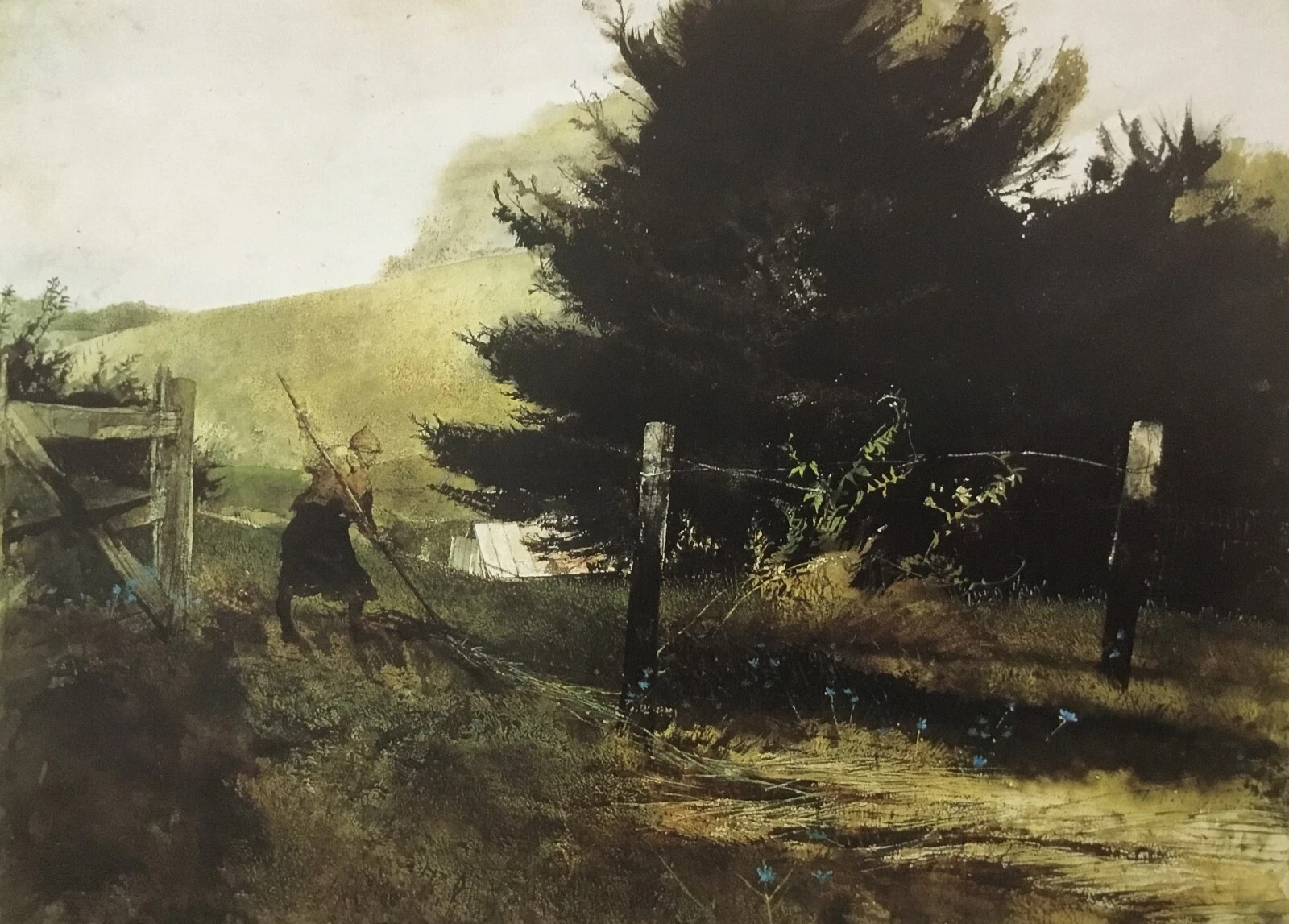
Wyeth, Cornflowers, 1986


SEPTEMBER, 1819

Departing summer hath assumed
An aspect tenderly illumed,
The gentlest look of spring;
That calls from yonder leafy shade
Unfaded, yet prepared to fade,
A timely carolling.

No faint and hesitating trill,
Such tribute as to winter chill
The lonely redbreast pays!
Clear, loud, and lively is the din,
From social warblers gathering in
Their harvest of sweet lays.

Nor doth the example fail to cheer
Me, conscious that my leaf is sere,
And yellow on the bough:—
Fall, rosy garlands, from my head!
Ye myrtle wreaths, your fragrance shed
Around a younger brow!

Yet will I temperately rejoice;
Wide is the range, and free the choice
Of undiscordant themes;
Which, haply, kindred souls may prize
Not less than vernal ecstasies,
And passion's feverish dreams.

For deathless powers to verse belong,
And they like Demi-gods are strong
On whom the Muses smile;
But some their function have disclaimed,
Best pleased with what is aptliest framed
To enervate and defile.

Not such the initiatory strains
Committed to the silent plains
In Britain's earliest dawn:
Trembled the groves, the stars grew pale,
While all-too-daringly the veil
Of nature was withdrawn!

Nor such the spirit-stirring note
When the live chords Alcæus smote,
Inflamed by sense of wrong;
Woe! woe to Tyrants! from the lyre
Broke threateningly, in sparkles dire
Of fierce vindictive song.

And not unhallowed was the page
By wingèd Love inscribed, to assuage
The pangs of vain pursuit;
Love listening while the Lesbian Maid
With finest touch of passion swayed
Her own Æolian lute.

O ye, who patiently explore
The wreck of Herculanean lore,
What rapture! could ye seize
Some Theban fragment, or unroll
One precious, tender-hearted scroll
Of pure Simonides.

That were, indeed, a genuine birth
Of poesy; a bursting forth
Of genius from the dust:
What Horace gloried to behold,
What Maro loved, shall we enfold?
Can haughty Time be just!

William Wordsworth

23 June 2025

Long.


MY LOST YOUTH

Often I think of the beautiful town
      That is seated by the sea;
Often in thought go up and down
The pleasant streets of that dear old town,
      And my youth comes back to me.
            And a verse of a Lapland song
            Is haunting my memory still:
      "A boy's will is the wind's will,
And the thoughts of youth are long, long thoughts."

I can see the shadowy lines of its trees,
      And catch, in sudden gleams,
The sheen of the far-surrounding seas,
And islands that were the Hesperides
      Of all my boyish dreams.
            And the burden of that old song,
            It murmurs and whispers still:
      "A boy's will is the wind's will,
And the thoughts of youth are long, long thoughts."

I remember the black wharves and the slips,
      And the sea-tides tossing free;
And Spanish sailors with bearded lips,
And the beauty and mystery of the ships,
      And the magic of the sea.
            And the voice of that wayward song
            Is singing and saying still:
      "A boy's will is the wind's will,
And the thoughts of youth are long, long thoughts."

I remember the bulwarks by the shore,
      And the fort upon the hill;
The sunrise gun, with its hollow roar,
The drum-beat repeated o'er and o'er,
      And the bugle wild and shrill.
            And the music of that old song
            Throbs in my memory still:
      "A boy's will is the wind's will,
And the thoughts of youth are long, long thoughts."

I remember the sea-fight far away,
      How it thundered o'er the tide!
And the dead captains, as they lay
In their graves, o'erlooking the tranquil bay,
      Where they in battle died.
            And the sound of that mournful song
            Goes through me with a thrill:
      "A boy's will is the wind's will,
And the thoughts of youth are long, long thoughts."

I can see the breezy dome of groves,
      The shadows of Deering's Woods;
And the friendships old and the early loves
Come back with a Sabbath sound, as of doves
      In quiet neighborhoods.
            And the verse of that sweet old song,
            It flutters and murmurs still:
      "A boy's will is the wind's will,
And the thoughts of youth are long, long thoughts."

I remember the gleams and glooms that dart
      Across the school-boy's brain;
The song and the silence in the heart,
That in part are prophecies, and in part
      Are longings wild and vain.
            And the voice of that fitful song
            Sings on, and is never still:
      "A boy's will is the wind's will,
And the thoughts of youth are long, long thoughts."

There are things of which I may not speak;
      There are dreams that cannot die;
There are thoughts that make the strong heart weak,
And bring a pallor into the cheek,
      And a mist before the eye.
            And the words of that fatal song
            Come over me like a chill:
      "A boy's will is the wind's will,
And the thoughts of youth are long, long thoughts."

Strange to me now are the forms I meet
      When I visit the dear old town;
But the native air is pure and sweet,
And the trees that o'ershadow each well-known street,
      As they balance up and down,
            Are singing the beautiful song,
            Are sighing and whispering still:
      "A boy's will is the wind's will,
And the thoughts of youth are long, long thoughts."

And Deering's Woods are fresh and fair,
      And with joy that is almost pain
My heart goes back to wander there,
And among the dreams of the days that were,
      I find my lost youth again.
            And the strange and beautiful song,
            The groves are repeating it still:
      "A boy's will is the wind's will,
And the thoughts of youth are long, long thoughts."

Henry Wadsworth Longfellow

15 June 2025

Endless.


I received endless examples of what it meant to be a good dad by watching mine.

For as long as I can remember, this poem was tacked above my Dad's workbench ...
A careful man I want to be;
A little fellow follows me.
I do not dare to go astray
For fear he'll go the self same way.

I cannot once escape his eyes,
Whate'er he sees me do, he tries.
Like me he says he's going to be;
The little chap who follows me.

He thinks that I'm so very fine,
Believes in every word of mine.
The base in me he must not see;
The little chap who follows me.

I must remember as I go
Through summer's sun and winter's snow,
I'm building for the years to be;
The little chap who follows me.

Author unknown
Thanks, Pop.  I love you.  

Happy Father's Day!

24 May 2025

Respect.

Since we're entering American-Flag-Paper-Napkin season ...


§8. Respect for flag

No disrespect should be shown to the flag of the United States of America; the flag should not be dipped to any person or thing. Regimental colors, State flags, and organization or institutional flags are to be dipped as a mark of honor.
  1. The flag should never be displayed with the union down, except as a signal of dire distress in instances of extreme danger to life or property.
  2. The flag should never touch anything beneath it, such as the ground, the floor, water, or merchandise.
  3. The flag should never be carried flat or horizontally, but always aloft and free.
  4. The flag should never be used as wearing apparel, bedding, or drapery. It should never be festooned, drawn back, nor up, in folds, but always allowed to fall free. Bunting of blue, white, and red, always arranged with the blue above, the white in the middle, and the red below, should be used for covering a speaker's desk, draping the front of the platform, and for decoration in general.
  5. The flag should never be fastened, displayed, used, or stored in such a manner as to permit it to be easily torn, soiled, or damaged in any way.
  6. The flag should never be used as a covering for a ceiling.
  7. The flag should never have placed upon it, nor on any part of it, nor attached to it any mark, insignia, letter, word, figure, design, picture, or drawing of any nature.
  8. The flag should never be used as a receptacle for receiving, holding, carrying, or delivering anything.
  9. The flag should never be used for advertising purposes in any manner whatsoever. It should not be embroidered on such articles as cushions or handkerchiefs and the like, printed or otherwise impressed on paper napkins or boxes or anything that is designed for temporary use and discard. Advertising signs should not be fastened to a staff or halyard from which the flag is flown.
  10. No part of the flag should ever be used as a costume or athletic uniform. However, a flag patch may be affixed to the uniform of military personnel, firemen, policemen, and members of patriotic organizations. The flag represents a living country and is itself considered a living thing. Therefore, the lapel flag pin being a replica, should be worn on the left lapel near the heart.
  11. The flag, when it is in such condition that it is no longer a fitting emblem for display, should be destroyed in a dignified way, preferably by burning.

Know your role.

06 April 2025

Birth.


THE SHEPHERD'S CALENDAR: APRIL

I
Now infant April joins the Spring,
And views the watery sky,
As youngling linnet tries its wing,
And fears at first to fly;
With timid step she ventures on,
And hardly dares to smile,
Till blossoms open one by one,
And sunny hours beguile.

II
But finer days are coming yet,
With scenes more sweet to charm,
And suns arrive that rise and set
Bright strangers to a storm:
Then, as the birds with louder song
Each morning's glory cheer,
With bolder step she speeds along,
And loses all her fear.

III
In wanton gambols, like a child,
She tends her early toils,
And seeks the buds along the wild,
That blossoms while she smiles;
Or, laughing on, with nought to chide,
She races with the Hours,
Or sports by Nature's lovely side,
And fills her lap with flowers.

IV
The shepherd on his pasture walks
The first fair cowslip finds,
Whose tufted flowers, on slender stalks,
Keep nodding to the winds.
And though the thorns withhold the May,
Their shades the violets bring,
Which children stoop for in their play
As tokens of the Spring.

V
Those joys which childhood calls its own,
Would they were kin to men!
Those treasures to the world unknown,
When known, are wither'd then!
But hovering round our growing years,
To gild Care's sable shroud,
Their spirit through the gloom appears
As suns behind a cloud.

VI
Since thou didst meet my infant eyes,
As through the fields I flew,
Whose distance, where they meet the skies,
Was all the world I knew;
That warmth of Fancy's wildest hours,
Which fill'd all things with life,
Which heard a voice in trees and flowers,
Has swoon'd in Reason's strife.

VII
Sweet Month! thy pleasures bid thee be
The fairest child of Spring;
And every hour, that comes with thee,
Comes some new joy to bring:
The trees still deepen in their bloom,
Grass greens the meadow-lands,
And flowers with every morning come,
As dropt by fairy hands.

VIII
The field and garden's lovely hours
Begin and end with thee;
For what's so sweet, as peeping flowers
And bursting buds to see,
What time the dew's unsullied drops,
In burnish'd gold, distil
On crocus flowers' unclosing tops,
And drooping daffodil?

IX
To see thee come, all hearts rejoice;
And, warm with feelings strong,
With thee all Nature finds a voice,
And hums a waking song.
The lover views thy welcome hours,
And thinks of summer come,
And takes the maid thy early flowers,
To tempt her steps from home.

X
Along each hedge and sprouting bush
The singing birds are blest,
And linnet green and speckled thrush
Prepare their mossy nest;
On the warm bed thy plains supply,
The young lambs find repose,
And 'mid thy green hills basking lie
Like spots of ling'ring snows.

XI
Thy open'd leaves and ripen'd buds
The cuckoo makes his choice,
And shepherds in thy greening woods
First hear his cheering voice:
And to thy ripen'd blooming bowers
The nightingale belongs;
And, singing to thy parting hours,
Keeps night awake with songs!

XII
With thee the swallow dares to come,
And cool his sultry wing;
And, urged to seek his yearly home,
Thy suns the martin bring.
O! lovely Month! be leisure mine
Thy yearly mate to be;
Though May-day scenes may brighter shine,
Their birth belongs to thee.

XIII
I waked me with thy rising sun,
And thy first glories viewed,
And, as thy welcome hours begun,
Their sunny steps pursued.
And now thy sun is on thee set,
Like to a lovely eve,
I view thy parting with regret,
And linger loath to leave. —

XIV
Though at her birth the northern gale
Come with its withering sigh;
And hopeful blossoms, turning pale,
Upon her bosom die;
Ere April seeks another place,
And ends her reign in this,
She leaves us with as fair a face
As e'er gave birth to bliss!

26 March 2025

Noble.


William F. Buckley Jr.'s ode to peanut butter ...
For many years I have labored under the burden of an unrequited passion. What have I done for it, in return for all it has done for me? Nothing. But I have wondered what I could use as what the journalists call a “peg.”

I have found one. This may strike some of the literal-minded as attenuated, but it goes as follows: This is the centennial year of the Tuskegee Institute, which was founded on the Fourth of July, 1881, by Booker T. Washington. Tuskegee continues to be a remarkable institution, and former Secretary of Defense Donald Rumsfeld is the head of a committee of illustrious men and women who are devoting themselves to raising $20 million to encourage it in its noble work.

What noble work? We have arrived at step two. It was, among other things, the principal academic home of George Washington Carver, and it was G. W. Carver who to all intents and purposes invented the peanut. What he did, more specifically, was document that the cultivation of the peanut despoiled the land far less than the cultivation of cotton, and then he set out to merchandise the peanut in order that there might be a market for it.

He discovered an estimated three hundred uses for it, many of them entirely removed from the peanut’s food value. But it is this, of course, that is the wonder of the peanut. The Encyclopedia Britannica informs us that “pound for pound peanuts have more protein, minerals, and vitamins than beef liver, more fat than heavy cream, and more food energy (calories) than sugar.” And George Washington Carver discovered — peanut butter.

I have never composed poetry, but if I did, my very first couplet would be:

I know that I shall never see

A poem lovely as Skippy’s peanut butter.

When I was first married and made plain to my wife that I expected peanut butter for breakfast every day of my life, including Ash Wednesday, she thought me quite mad (for the wrong reasons). She has not come round, really, and this is a source of great sadness to me because one wants to share one’s pleasures.

I was hardened very young to the skeptics. When I was twelve I was packed off to a British boarding school by my father, who dispatched every fortnight a survival package comprising a case of grapefruit and a large jar of peanut butter. I offered to share my tuck with the other boys at my table. They grabbed instinctively for the grapefruit–but one after another actually spit out the peanut butter, which they had never before seen and which only that very year (1938) had become available for sale in London. No wonder they needed American help to win the war.

You can find it now in specialty shops in Europe, but I have yet to see it in anyone’s home. And it is outrageously difficult to get even in the typical American hotel. My profession requires me to spend forty or fifty nights on the road every year, and when it comes time to order breakfast over the telephone I summon my resolution–it helps to think about peanut butter when you need moral strength–and add, after the orange juice, coffee, skim milk, and whole-wheat toast, “Do you have any peanut butter?”

Sometimes the room service operator will actually break out laughing when the request is put in, at which point my voice becomes stern and unsmiling. Often the operator will say, “Just a minute,” and then she will turn, I suppose to the chef, but I can hear right through the hand she has put over the receiver–”Hey Jack. We got any peanut butter? Room 322 wants some peanut butter!” This furtive philistinism is then regularly followed by giggles all around. One lady recently asked, “How old is your little boy and does he want a peanut butter sandwich? To which I replied, “My little boy is twenty-eight and is never without peanut butter, because he phones ahead before he confirms hotel reservations.”

I introduced Auberon Waugh to cashew butter ten years ago when he first visited America, and although I think it inferior to peanut butter Auberon was quite simply overwhelmed. You can’t find it in Great Britain so I sent him a case from the Farmer’s Market. It quite changed his writing style: for about ten months he was at peace with the world. I think that was the time he said something pleasant about Harold Wilson. In the eleventh month, it was easy to tell that he had run out. It quite changes your disposition and your view of the world if you cannot have peanut butter every day.

So here is yet another reason for contributing money to the Tuskegee Institute. For all we know, but for it we’d never have tasted peanut butter. There’d be no Planter’s, no Jif, no Peter Pan–that terrible thought reminds us of our indebtedness to George Washington Carver.

William F. Buckley Jr.’s From Buckley's column, “On the Right," National Review, March 26, 1981

30 October 2024

Dream.

Homer, The Pumpkin Patch, 1878


"Jack-o'-Lantern, Jack-o'-Lantern,
Tell me where you hide by day?"

"In the cradle where the vapours
Dream the sunlit hours away."

"Jack-o'-Lantern, Jack-o'-Lantern,
Who rekindles you at night?"

"Any firefly in the meadow
Lends a Jack-o'-Lantern light."

John B. Tabb

20 October 2024

Infinitude.

Poortvliet, Untitled, 1977


The FAR FIELD

I
I dream of journeys repeatedly:
Of flying like a bat deep into a narrowing tunnel
Of driving alone, without luggage, out a long peninsula,
The road lined with snow-laden second growth,
A fine dry snow ticking the windshield,
Alternate snow and sleet, no on-coming traffic,
And no lights behind, in the blurred side-mirror,
The road changing from glazed tarface to a rubble of stone,
Ending at last in a hopeless sand-rut,
Where the car stalls,
Churning in a snowdrift
Until the headlights darken.

II
At the field's end, in the corner missed by the mower,
Where the turf drops off into a grass-hidden culvert,
Haunt of the cat-bird, nesting-place of the field-mouse,
Not too far away from the ever-changing flower-dump,
Among the tin cans, tires, rusted pipes, broken machinery, --
One learned of the eternal;
And in the shrunken face of a dead rat, eaten by rain and ground-beetles
(I found in lying among the rubble of an old coal bin)
And the tom-cat, caught near the pheasant-run,
Its entrails strewn over the half-grown flowers,
Blasted to death by the night watchman.
I suffered for young birds, for young rabbits caught in the mower,
My grief was not excessive.
For to come upon warblers in early May
Was to forget time and death:
How they filled the oriole's elm, a twittering restless cloud, all one morning,
And I watched and watched till my eyes blurred from the bird shapes, --
Cape May, Blackburnian, Cerulean, --
Moving, elusive as fish, fearless,
Hanging, bunched like young fruit, bending the end branches,
Still for a moment,
Then pitching away in half-flight,
Lighter than finches,
While the wrens bickered and sang in the half-green hedgerows,
And the flicker drummed from his dead tree in the chicken-yard.
-- Or to lie naked in sand,
In the silted shallows of a slow river,
Fingering a shell,
Thinking:
Once I was something like this, mindless,
Or perhaps with another mind, less peculiar;
Or to sink down to the hips in a mossy quagmire;
Or, with skinny knees, to sit astride a wet log,
Believing:
I'll return again,
As a snake or a raucous bird,
Or, with luck, as a lion.
I learned not to fear infinity,
The far field, the windy cliffs of forever,
The dying of time in the white light of tomorrow,
The wheel turning away from itself,
The sprawl of the wave,
The on-coming water.

III
The river turns on itself,
The tree retreats into its own shadow.
I feel a weightless change, a moving forward
As of water quickening before a narrowing channel
When banks converge, and the wide river whitens;
Or when two rivers combine, the blue glacial torrent
And the yellowish-green from the mountainy upland, --
At first a swift rippling between rocks,
Then a long running over flat stones
Before descending to the alluvial plane,
To the clay banks, and the wild grapes hanging from the elmtrees.
The slightly trembling water
Dropping a fine yellow silt where the sun stays;
And the crabs bask near the edge,
The weedy edge, alive with small snakes and bloodsuckers, --
I have come to a still, but not a deep center,
A point outside the glittering current;
My eyes stare at the bottom of a river,
At the irregular stones, iridescent sandgrains,
My mind moves in more than one place,
In a country half-land, half-water.

I am renewed by death, thought of my death,
The dry scent of a dying garden in September,
The wind fanning the ash of a low fire.
What I love is near at hand,
Always, in earth and air.

IV
The lost self changes,
Turning toward the sea,
A sea-shape turning around, --
An old man with his feet before the fire,
In robes of green, in garments of adieu.
A man faced with his own immensity
Wakes all the waves, all their loose wandering fire.
The murmur of the absolute, the why
Of being born falls on his naked ears.
His spirit moves like monumental wind
That gentles on a sunny blue plateau.
He is the end of things, the final man.

All finite things reveal infinitude:
The mountain with its singular bright shade
Like the blue shine on freshly frozen snow,
The after-light upon ice-burdened pines;
Odor of basswood on a mountain-slope,
A scent beloved of bees;
Silence of water above a sunken tree :
The pure serene of memory in one man, --
A ripple widening from a single stone
Winding around the waters of the world.

Theodore Roethke

19 October 2024

High.


SONNET to a STILTON CHEESE

Stilton, thou shouldst be living at this hour
And so thou art. Nor losest grace thereby;
England has need of thee, and so have I–
She is a Fen. Far as the eye can scour,
League after grassy league from Lincoln tower
To Stilton in the fields, she is a Fen.
Yet this high cheese, by choice of fenland men,
Like a tall green volcano rose in power.
Plain living and long drinking are no more,
And pure religion reading “Household Words”,
And sturdy manhood sitting still all day
Shrink, like this cheese that crumbles to its core;
While my digestion, like the House of Lords,
The heaviest burdens on herself doth lay.

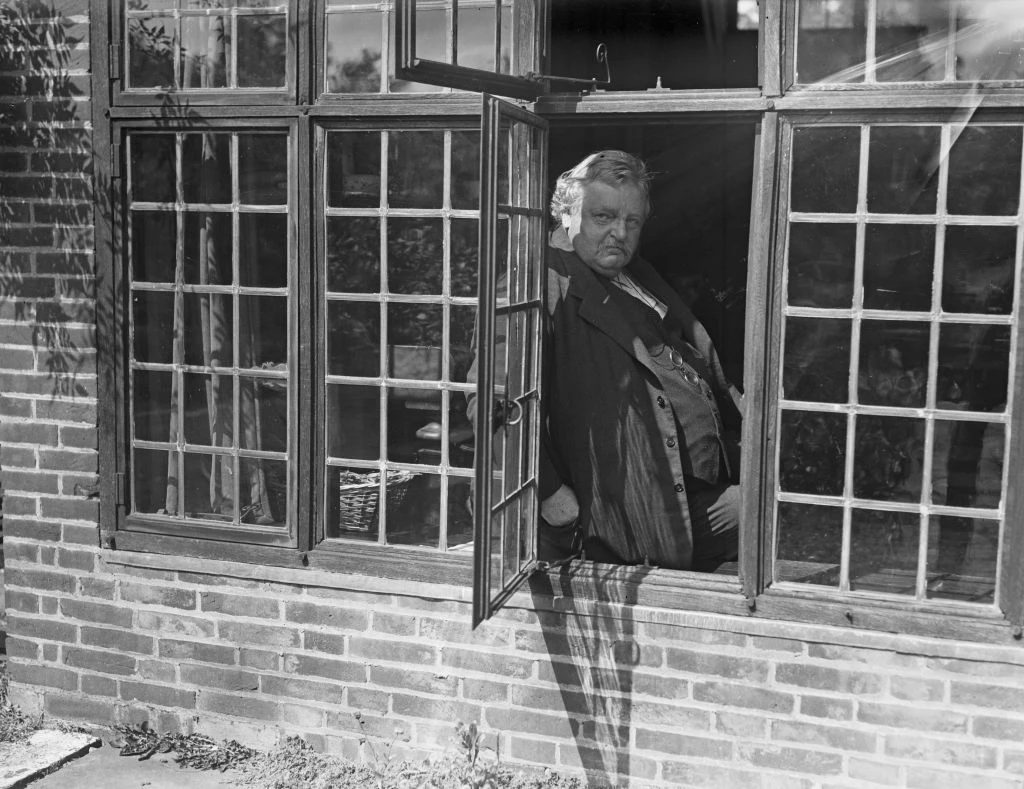
G. K Chesterton

07 September 2024

True.

Yeats, Derrynane, 1927


Rain, hail, snow and ice:
All are different,
But when they fall
They become the same water
As the valley stream.

The ways of proclaiming
The Mind vary,
But the same heavenly truth
Can be seen
In each and every one.

Cover your path
With the fallen pine needles
So no one will be able
To locate your
True dwelling place.

Ikkyu