"I am not one who was born in the custody of wisdom. I am one who is fond of olden times and intense in quest of the sacred knowing of the ancients." Gustave Courbet
Showing posts with label 'Tis Autumn. Show all posts

28 December 2025

Simple.


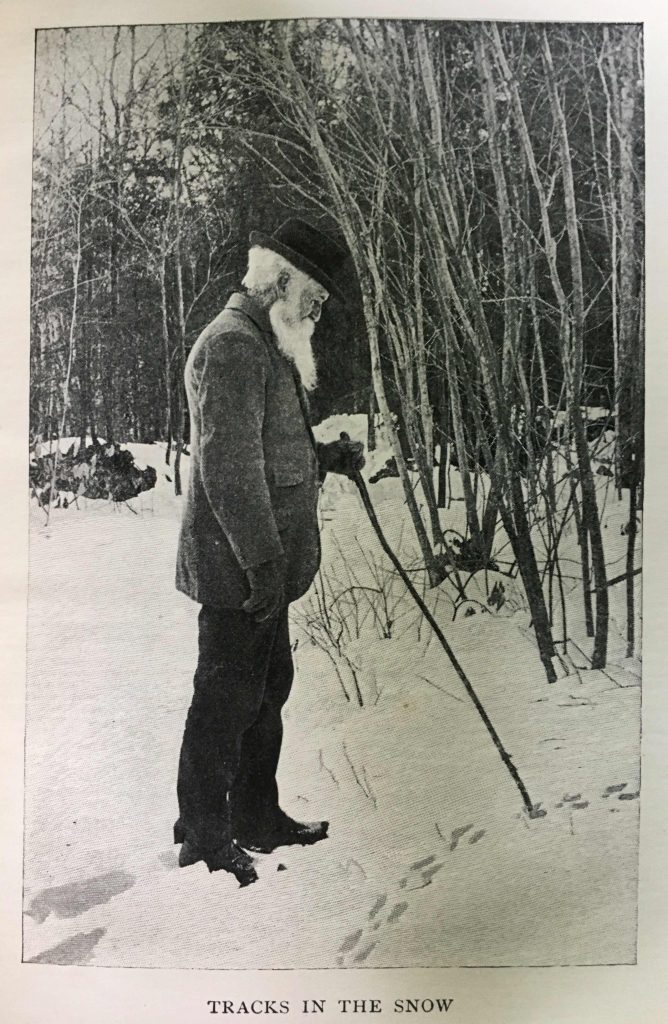
What a wild winter sound,— wild and weird, up among the ghostly hills.  I get up in the middle of the night to hear it. It is refreshing to the ear, and one delights to know that such wild creatures are among us. At this season Nature makes the most of every throb of life that can withstand her severity.  This simplicity of winter has a deep moral. The return of Nature, after such a career of splendor and prodigality, to habits so simple and austere, is not lost either upon the head or the heart. It is the philosopher coming back from the banquet and the wine to a cup of water and a crust of bread. 

John Burroughs, from "The Snow-Walkers"

09 November 2025

Witch-Laughter.

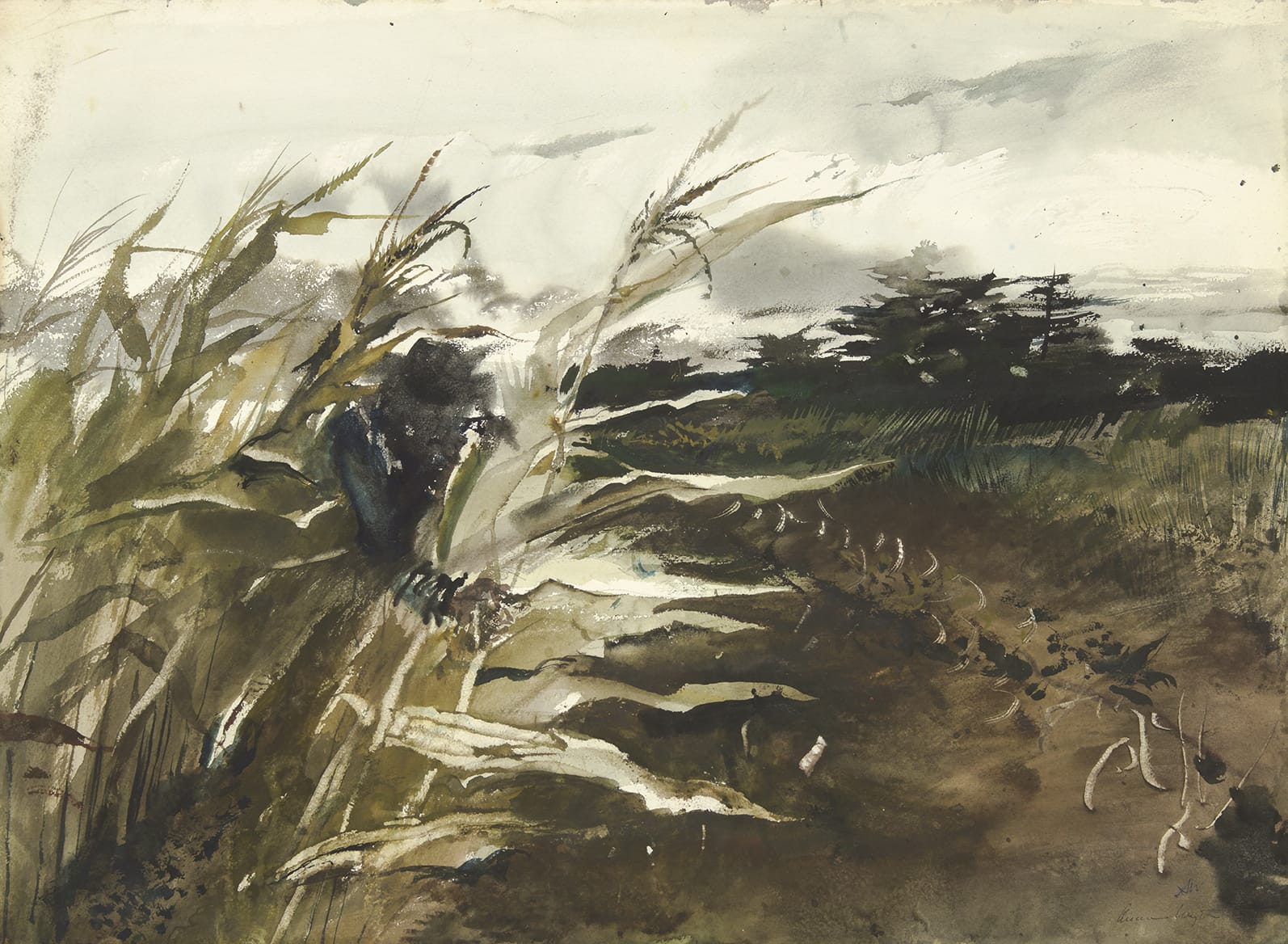
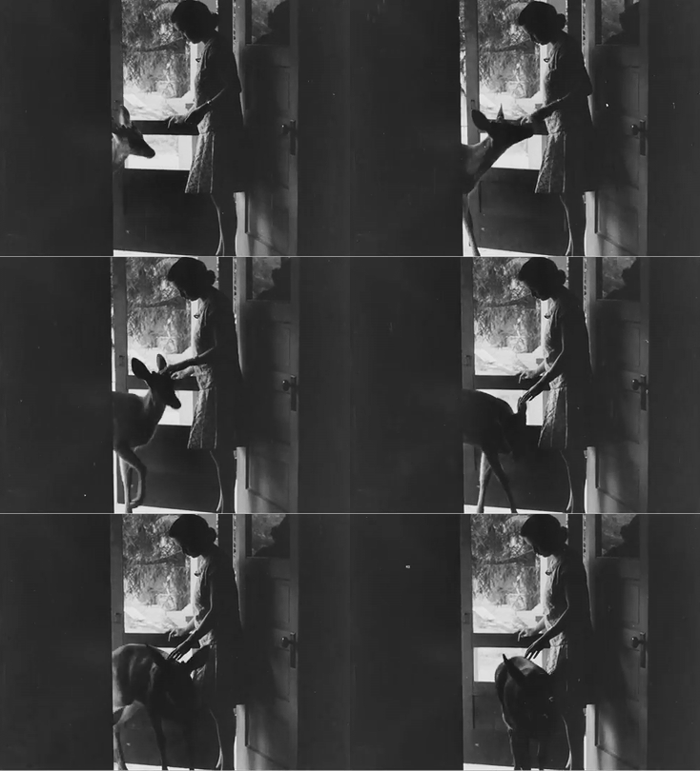
Wyeth, Untitled, 1952


November--with uncanny witchery in its changed trees. With murky red sunsets flaming in smoky crimson behind the westering hills. With dear days when the austere woods were beautiful and gracious in a dignified serenity of folded hands and closed eyes--days full of a fine, pale sunshine that sifted through the late, leafless gold of the juniper-trees and glimmered among the grey beeches, lighting up evergreen banks of moss and washing the colonnades of the pines. Days with a high-sprung sky of flawless turquoise. Days when an exquisite melancholy seemed to hang over the landscape and dream about the lake. But days, too, of the wild blackness of great autumn storms, followed by dank, wet, streaming nights when there was witch-laughter in the pines and fitful moans among the mainland trees. What cared they? Old Tom had built his roof well, and his chimney drew.

L.M. Montgomery, from The Blue Castle

Returning.

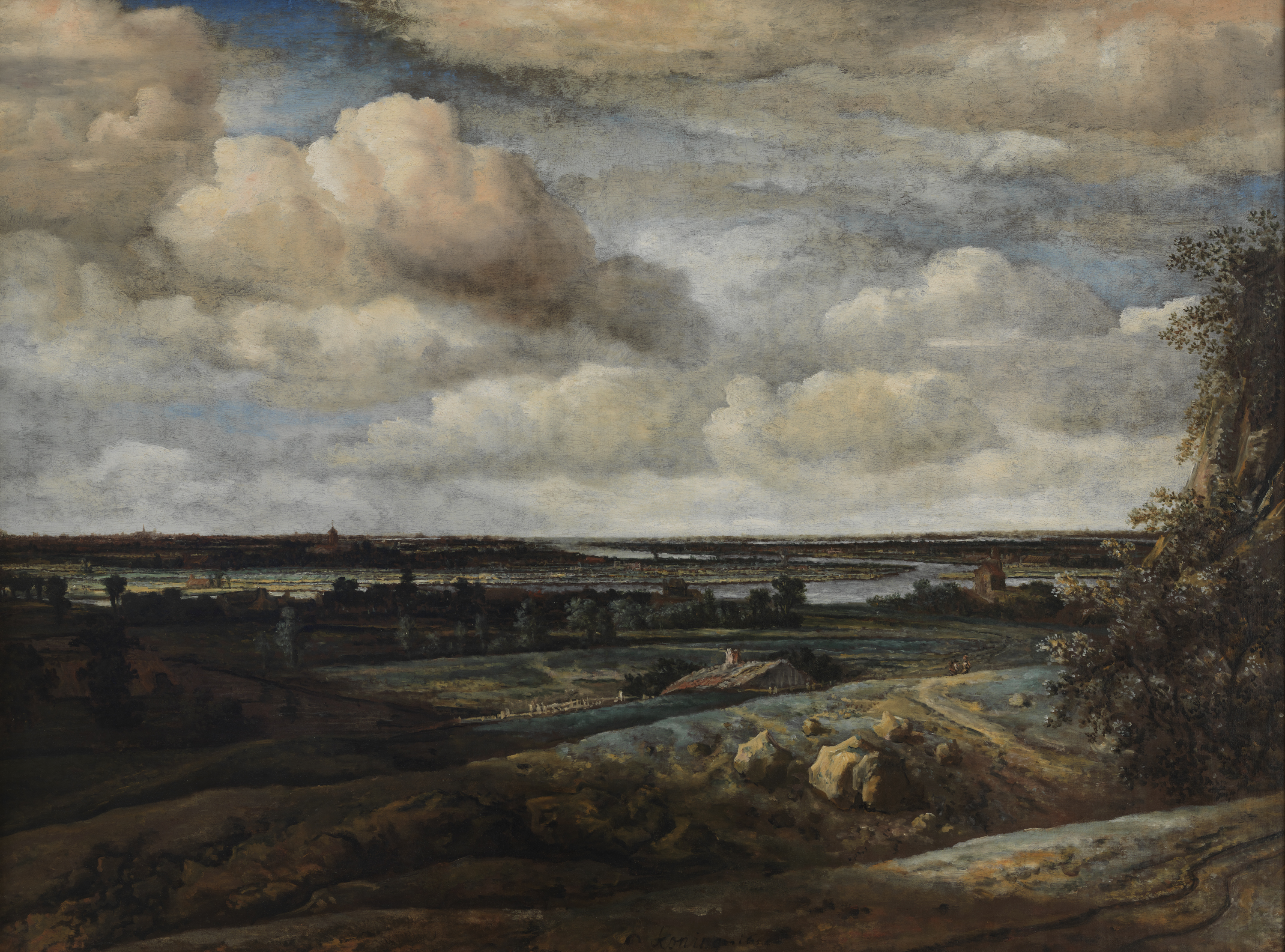
Koninck, Landscape with Distant View of Haarlem, 1654


The SHEPHERD'S CALENDAR: NOVEMBER

The landscape sleeps in mist from morn till noon;
And, if the sun looks through, 'tis with a face
Beamless and pale and round, as if the moon,
When done the journey of her nightly race,
Had found him sleeping, and supplied his place.
For days the shepherds in the fields may be,
Nor mark a patch of sky — blindfold they trace,
The plains, that seem without a bush or tree,
Whistling aloud by guess, to flocks they cannot see.

The timid hare seems half its fears to lose,
Crouching and sleeping 'neath its grassy lair,
And scarcely startles, tho' the shepherd goes
Close by its home, and dogs are barking there;
The wild colt only turns around to stare
At passer by, then knaps his hide again;
And moody crows beside the road, forbear
To fly, tho' pelted by the passing swain;
Thus day seems turn'd to night, and tries to wake in vain.

The owlet leaves her hiding-place at noon,
And flaps her grey wings in the doubling light;
The hoarse jay screams to see her out so soon,
And small birds chirp and startle with affright;
Much doth it scare the superstitious wight,
Who dreams of sorry luck, and sore dismay;
While cow-boys think the day a dream of night,
And oft grow fearful on their lonely way,
Fancying that ghosts may wake, and leave their graves by day.

Yet but awhile the slumbering weather flings
Its murky prison round — then winds wake loud;
With sudden stir the startled forest sings
Winter's returning song — cloud races cloud,
And the horizon throws away its shroud,
Sweeping a stretching circle from the eye;
Storms upon storms in quick succession crowd,
And o'er the sameness of the purple sky
Heaven paints, with hurried hand, wild hues of every dye.

At length it comes among the forest oaks,
With sobbing ebbs, and uproar gathering high;
The scared, hoarse raven on its cradle croaks,
And stockdove-flocks in hurried terrors fly,
While the blue hawk hangs o'er them in the sky.—
The hedger hastens from the storm begun,
To seek a shelter that may keep him dry;
And foresters low bent, the wind to shun,
Scarce hear amid the strife the poacher's muttering gun.

The ploughman hears its humming rage begin,
And hies for shelter from his naked toil;
Buttoning his doublet closer to his chin,
He bends and scampers o'er the elting soil,
While clouds above him in wild fury boil,
And winds drive heavily the beating rain;
He turns his back to catch his breath awhile,
Then ekes his speed and faces it again,
To seek the shepherd's hut beside the rushy plain.

The boy, that scareth from the spiry wheat
The melancholy crow — in hurry weaves,
Beneath an ivied tree, his sheltering seat,
Of rushy flags and sedges tied in sheaves,
Or from the field a shock of stubble thieves.
There he doth dithering sit, and entertain
His eyes with marking the storm-driven leaves;
Oft spying nests where he spring eggs had ta'en,
And wishing in his heart 'twas summer-time again.

Thus wears the month along, in checker'd moods,
Sunshine and shadows, tempests loud, and calms;
One hour dies silent o'er the sleepy woods,
The next wakes loud with unexpected storms;
A dreary nakedness the field deforms—
Yet many a rural sound, and rural sight,
Lives in the village still about the farms,
Where toil's rude uproar hums from morn till night
Noises, in which the ears of Industry delight.

At length the stir of rural labour's still,
And Industry her care awhile foregoes;
When Winter comes in earnest to fulfil
His yearly task, at bleak November's close,
And stops the plough, and hides the field in snows;
When frost locks up the stream in chill delay,
And mellows on the hedge the jetty sloes,
For little birds — then Toil hath time for play,
And nought but threshers' flails awake the dreary day.

John Clare

08 November 2025

Uproarious.


NOVEMBER

Sybil of months, and worshiper of winds,
I love thee, rude and boisterous as thou art;
And scraps of joy my wandering ever finds
Mid thy uproarious madness--when the start
Of sudden tempests stirs the forest leaves
Into hoarse fury, till the shower set free
Stills the huge swells. Then ebb the mighty heaves,
That sway the forest like a troubled sea.
I love thy wizard noise, and rave in turn
Half-vacant thoughts and rhymes of careless form;
Then hide me from the shower, a short sojourn,
Neath ivied oak; and mutter to the storm,
Wishing its melody belonged to me,
That I might breathe a living song to thee.

John Clare

02 November 2025

Worshipper.


NOVEMBER

Sybil of months, and worshipper of winds,
I love thee, rude and boisterous as thou art;
And scraps of joy my wandering ever finds
Mid thy uproarious madness--when the start
Of sudden tempests stirs the forest leaves
Into hoarse fury, till the shower set free
Stills the huge swells. Then ebb the mighty heaves,
That sway the forest like a troubled sea.
I love thy wizard noise, and rave in turn
Half-vacant thoughts and rhymes of careless form;
Then hide me from the shower, a short sojourn,
Neath ivied oak; and mutter to the storm,
Wishing its melody belonged to me,
That I might breathe a living song to thee.

John Clare

01 November 2025

Spattered.

Kelley, The Schoolhouse, Being Deserted, Soon Fell to Decay, and Was Reported to be Haunted by the Ghost of the Unfortunate Pedagogue, 1991


The next morning the old horse was found, without his saddle and with the bridle under his feet, soberly cropping the grass at his master’s gate. Ichabod did not make his appearance at breakfast; dinner-hour came, but no Ichabod. The boys assembled at the school-house and strolled idly about the banks of the brook but no schoolmaster. Hans Van Ripper now began to feel some uneasiness about the fate of poor Ichabod and his saddle. An inquiry was set on foot, and after diligent investigation they came upon his traces. In one part of the road leading to the church was found the saddle trampled in the dirt; the tracks of horses’ hoofs, deeply dented in the road and evidently at furious speed, were traced to the bridge, beyond which, on the bank of a broad part of the brook, where the water ran deep and black, was found the hat of the unfortunate Ichabod, and close beside it a spattered pumpkin.

Washington Irving, from "The Legend of Sleepy Hollow"

31 October 2025

Behold.


Out I went into the meadow, 
Where the moon was shining brightly, 
And the oak-tree’s lengthening shadows 
On the sloping sward did lean; 
For I longed to see the goblins, 
And the dainty-footed fairies, 
And the gnomes, who dwell in caverns, 
But come forth on Halloween. 
“All the spirits, good and evil, 
Fay and pixie, witch and wizard, 
On this night will sure be stirring," 
Thought I, as I walked along; 
“And if Puck, the merry wanderer, 
Or her majesty, Titania, 
Or that Mab who teases housewives 
If their housewifery be wrong, 

Should but condescend to meet me”— 
But my thoughts took sudden parting, 
For I saw, a few feet from me, 
Standing in the moonlight there, 
A quaint, roguish little figure, 
And I knew ‘twas Puck, the trickster, 
By the twinkle of his bright eyes 
Underneath his shaggy hair. 

Yet I felt no fear of Robin, 
Salutation brief he uttered, 
Laughed and touched me on the shoulder, 
And we lightly walked away; 
And I found that I was smaller, 
For the grasses brushed my elbows, 
And the asters seemed like oak-trees, 
With their trunks so tall and gray. 

Swiftly as the wind we traveled, 
Till we came unto a garden, 
Bright within a gloomy forest, 
Like a gem within the mine; 
And I saw, as we grew nearer, 
That the flowers so blue and golden 
Were but little men and women, 
Who amongst the green did shine. 

But ‘twas marvelous the resemblance 
Their bright figures bore to blossoms, 
As they smiled, and danced, and courtesied, 
Clad in yellow, pink and blue; 
That fair dame, my eyes were certain, 
Who among them moved so proudly, 
Was my moss-rose, while her ear-rings 
Sparkled like the morning dew. 

Here, too, danced my pinks and pansies, 
Smiling, gayly, as they used to 
When, like beaux bedecked and merry, 
They disported in the sun; 
There, with meek eyes, walked a lily, 
While the violets and snow-drops 
Tripped it with the lordly tulips: 
Truant blossoms, every one. 

Then spoke Robin to me, wondering: 
“These blithe fairies are the spirits 
Of the flowers which all the summer 
Bloom beneath its tender sky; 
When they feel the frosty fingers 
Of the autumn closing round them, 
They forsake their earthborn dwellings, 
Which to earth return and die, 

“As befits things which are mortal. 
But these spirits, who are deathless, 
Care not for the frosty autumn, 
Nor the winter long and keen; 
But, from field, and wood, and garden, 
When their summer’s tasks are finished, 
Gather here for dance and music, 
As of old, on Halloween.” 

Long, with Puck, I watched the revels, 
Till the gray light of the morning 
Dimmed the luster of Orion, 
Starry sentry overhead; 
And the fairies, at that warning, 
Ceased their riot, and the brightness 
Faded from the lonely forest, 
And I knew that they had fled. 

Ah, it ne’er can be forgotten, 
This strange night I learned the secret— 
That within each flower a busy 
Fairy lives and works unseen 
Seldom is ‘t to mortals granted 
To behold the elves and pixies, 
To behold the merry spirits, 
Who come forth on Halloween.

Arthur Peterson

Excellent.

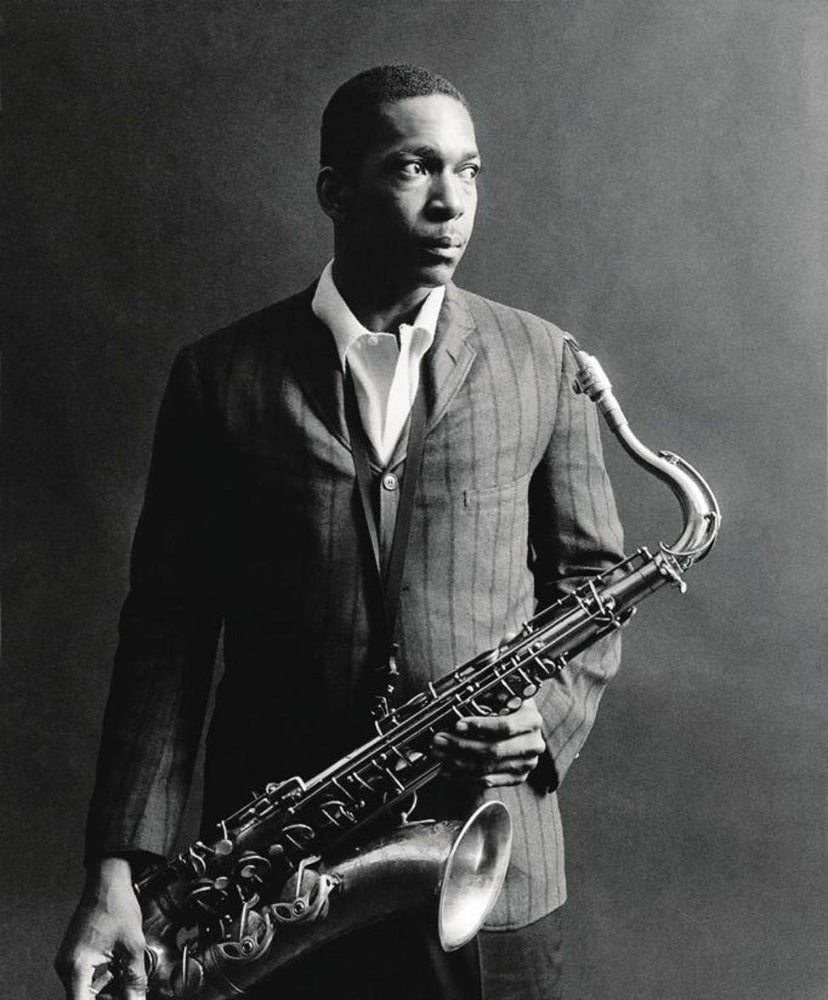
An excellent album ...

Horror-Struck.

Kelley, Just Then He Saw the Goblin Rising in His Stirrups, and in the Very Act of Hurling his Head at Him, 1991


The hair of the affrighted pedagogue rose upon his head with terror. What was to be done? To turn and fly was now too late; and besides, what chance was there of escaping ghost or goblin, if such it was, which could ride upon the wings of the wind? Summoning up, therefore, a show of courage, he demanded in stammering accents, “Who are you?” He received no reply. He repeated his demand in a still more agitated voice. Still there was no answer. Once more he cudgelled the sides of the inflexible Gunpowder, and, shutting his eyes, broke forth with involuntary fervor into a psalm tune. Just then the shadowy object of alarm put itself in motion, and with a scramble and a bound stood at once in the middle of the road. Though the night was dark and dismal, yet the form of the unknown might now in some degree be ascertained. He appeared to be a horseman of large dimensions and mounted on a black horse of powerful frame. He made no offer of molestation or sociability, but kept aloof on one side of the road, jogging along on the blind side of old Gunpowder, who had now got over his fright and waywardness.
Ichabod, who had no relish for this strange midnight companion, and bethought himself of the adventure of Brom Bones with the Galloping Hessian, now quickened his steed in hopes of leaving him behind. The stranger, however, quickened his horse to an equal pace. Ichabod pulled up, and fell into a walk, thinking to lag behind; the other did the same. His heart began to sink within him; he endeavored to resume his psalm tune, but his parched tongue clove to the roof of his mouth and he could not utter a stave. There was something in the moody and dogged silence of this pertinacious companion that was mysterious and appalling. It was soon fearfully accounted for. On mounting a rising ground, which brought the figure of his fellow-traveller in relief against the sky, gigantic in height and muffled in a cloak, Ichabod was horror-struck on perceiving that he was headless! but his horror was still more increased on observing that the head, which should have rested on his shoulders, was carried before him on the pommel of the saddle. His terror rose to desperation, he rained a shower of kicks and blows upon Gunpowder, hoping by a sudden movement to give his companion the slip; but the spectre started full jump with him. Away, then, they dashed through thick and thin, stones flying and sparks flashing at every bound. Ichabod’s flimsy garments fluttered in the air as he stretched his long lank body away over his horse’s head in the eagerness of his flight.

They had now reached the road which turns off to Sleepy Hollow; but Gunpowder, who seemed possessed with a demon, instead of keeping up it, made an opposite turn and plunged headlong down hill to the left. This road leads through a sandy hollow shaded by trees for about a quarter of a mile, where it crosses the bridge famous in goblin story, and just beyond swells the green knoll on which stands the whitewashed church.

As yet the panic of the steed had given his unskillful rider an apparent advantage in the chase; but just as he had got halfway through the hollow the girths of the saddle gave away and he felt it slipping from under him. He seized it by the pommel and endeavored to hold it firm, but in vain, and had just time to save himself by clasping old Gunpowder round the neck, when the saddle fell to the earth, and he heard it trampled under foot by his pursuer. For a moment the terror of Hans Van Ripper’s wrath passed across his mind, for it was his Sunday saddle; but this was no time for petty fears; the goblin was hard on his haunches, and (unskilled rider that he was) he had much ado to maintain his seat, sometimes slipping on one side, sometimes on another, and sometimes jolted on the high ridge of his horse’s back-bone with a violence that he verily feared would cleave him asunder.

An opening in the trees now cheered him with the hopes that the church bridge was at hand. The wavering reflection of a silver star in the bosom of the brook told him that he was not mistaken. He saw the walls of the church dimly glaring under the trees beyond. He recollected the place where Brom Bones’ ghostly competitor had disappeared. “If I can but reach that bridge,” thought Ichabod, “I am safe.” Just then he heard the black steed panting and blowing close behind him; he even fancied that he felt his hot breath. Another convulsive kick in the ribs, and old Gunpowder sprang upon the bridge; he thundered over the resounding planks; he gained the opposite side; and now Ichabod cast a look behind to see if his pursuer should vanish, according to rule, in a flash of fire and brimstone. Just then he saw the goblin rising in his stirrups, and in the very act of hurling his head at him. Ichabod endeavored to dodge the horrible missile, but too late. It encountered his cranium with a tremendous crash; he was tumbled headlong into the dust, and Gunpowder, the black steed, and the goblin rider passed by like a whirlwind.

Washington Irving, from "The Legend of Sleepy Hollow"

28 October 2025

Scourings.

Rockwell, Ichabod Crane, 1937


The schoolmaster is generally a man of some importance in the female circle of a rural neighborhood; being considered a kind of idle, gentlemanlike personage, of vastly superior taste and accomplishments to the rough country swains, and, indeed, inferior in learning only to the parson. His appearance, therefore, is apt to occasion some little stir at the tea-table of a farmhouse, and the addition of a supernumerary dish of cakes or sweetmeats, or, peradventure, the parade of a silver teapot. Our man of letters, therefore, was peculiarly happy in the smiles of all the country damsels. How he would figure among them in the churchyard, between services on Sundays; gathering grapes for them from the wild vines that overran the surrounding trees; reciting for their amusement all the epitaphs on the tombstones; or sauntering, with a whole bevy of them, along the banks of the adjacent millpond; while the more bashful country bumpkins hung sheepishly back, envying his superior elegance and address.

From his half-itinerant life, also, he was a kind of travelling gazette, carrying the whole budget of local gossip from house to house, so that his appearance was always greeted with satisfaction. He was, moreover, esteemed by the women as a man of great erudition, for he had read several books quite through, and was a perfect master of Cotton Mather’s History of New England Witchcraft, in which, by the way, he most firmly and potently believed.

He was, in fact, an odd mixture of small shrewdness and simple credulity. His appetite for the marvellous, and his powers of digesting it, were equally extraordinary; and both had been increased by his residence in this spell-bound region. No tale was too gross or monstrous for his capacious swallow. It was often his delight, after his school was dismissed in the afternoon, to stretch himself on the rich bed of clover bordering the little brook that whimpered by his schoolhouse, and there con over old Mather’s direful tales, until the gathering dusk of evening made the printed page a mere mist before his eyes. Then, as he wended his way by swamp and stream and awful woodland, to the farmhouse where he happened to be quartered, every sound of nature, at that witching hour, fluttered his excited imagination,—the moan of the whip-poor-will from the hillside, the boding cry of the tree toad, that harbinger of storm, the dreary hooting of the screech owl, or the sudden rustling in the thicket of birds frightened from their roost. The fireflies, too, which sparkled most vividly in the darkest places, now and then startled him, as one of uncommon brightness would stream across his path; and if, by chance, a huge blockhead of a beetle came winging his blundering flight against him, the poor varlet was ready to give up the ghost, with the idea that he was struck with a witch’s token. His only resource on such occasions, either to drown thought or drive away evil spirits, was to sing psalm tunes and the good people of Sleepy Hollow, as they sat by their doors of an evening, were often filled with awe at hearing his nasal melody, “in linked sweetness long drawn out,” floating from the distant hill, or along the dusky road.

Another of his sources of fearful pleasure was to pass long winter evenings with the old Dutch wives, as they sat spinning by the fire, with a row of apples roasting and spluttering along the hearth, and listen to their marvellous tales of ghosts and goblins, and haunted fields, and haunted brooks, and haunted bridges, and haunted houses, and particularly of the headless horseman, or Galloping Hessian of the Hollow, as they sometimes called him. He would delight them equally by his anecdotes of witchcraft, and of the direful omens and portentous sights and sounds in the air, which prevailed in the earlier times of Connecticut; and would frighten them woefully with speculations upon comets and shooting stars; and with the alarming fact that the world did absolutely turn round, and that they were half the time topsy-turvy!

But if there was a pleasure in all this, while snugly cuddling in the chimney corner of a chamber that was all of a ruddy glow from the crackling wood fire, and where, of course, no spectre dared to show its face, it was dearly purchased by the terrors of his subsequent walk homewards. What fearful shapes and shadows beset his path, amidst the dim and ghastly glare of a snowy night! With what wistful look did he eye every trembling ray of light streaming across the waste fields from some distant window! How often was he appalled by some shrub covered with snow, which, like a sheeted spectre, beset his very path! How often did he shrink with curdling awe at the sound of his own steps on the frosty crust beneath his feet; and dread to look over his shoulder, lest he should behold some uncouth being tramping close behind him! And how often was he thrown into complete dismay by some rushing blast, howling among the trees, in the idea that it was the Galloping Hessian on one of his nightly scourings!

Washington Irving, from "The Legend of Sleepy Hollow", found among the papers of the late Dietrich Knickerbocker in Geoffrey Crayon's Sketchbook

26 October 2025

Sentinel.


WHAT the SCARECROW SAW

Beneath the sky where storm clouds race,
A strawman stands in tattered grace.
An old coat holds his straw-stuffed heart,
Guarding fields where shadows dart.

His burlap face, with stitches worn,
Watches seasons, weathered, torn.
Crows may laugh, yet still he sways,
Rooted firm through smoky haze.

Scarecrow, murmur, tell the tale,
Of winds that howl and rains that wail.
Point the way, through dusk and dawn,
A silent guide till night is gone.

No voice to cry, no tears to weep,
Yet dreams he holds in straw-filled sleep
Of fields alive, of skies that hum,
Of harvests reaped when Autumn's come.

Since ancient times his spirit flies,
Carried forth in brooding skies.
Scarecrow stands, both proud and meek,
Telling tales the winds bespeak.

Scarecrow, murmur, heed the breeze,
Sing of winter when all will freeze.
Through the gales hold your ground,
A silent king with a woolen crown.

Rob Firchau

Archibald Joyce, Autumnal Dream

Alexei Karabanov directs the Russian Central Navy Band ...

Sonic.


It was a crisp Saturday night in late-October. I was probably seven or eight. My brother and I were sitting on the couch watching “It’s the Great Pumpkin, Charlie Brown” for the zillionth time.

And then we heard it.

To our stunned ears, it seemed as though my parents’ bay window, situated directly behind us, had shattered to pieces. But, mysteriously, it was still there, in tact.

Our tiny nervous systems were not prepared for this sonic assault, especially because it didn’t make sense. We stared in disbelief at the window for a minute, waiting for it to spill its shards. When we got enough courage to get up and peer out the front door, we saw the lanky silhouettes of teenagers running away into the dark of the trees. Piles of dried out corn kernels were scattered all over the porch like empty shells.  We had been corned.

CONNECT ... don't miss the sound file.  

That sound would would make laugh so hard that I couldn't run.

25 October 2025

Unless.


Have I said anything I started out to say about being good? God, I don't know. A stranger is shot in the street, you hardly move to help. But if, half an hour before, you spent just ten minutes with the fellow and knew a little about him and his family, you might just jump in front of his killer and try to stop it. Really knowing is good. Not knowing, or refusing to know, is bad, or amoral, at least. You can't act if you don't know. Acting without knowing takes you right off the cliff. God, God, you must think I'm crazy, this talk. Probably think we should be out duck-shooting, elephant-gunning balloons, like you did, Will, but we got to know all there is to know about those freaks and that man heading them up. We can't be good unless we know what bad is, and it's a shame we're working against time.

Treasures.

Kelley, A Fine Autumnal Day, 1990


It was, as I have said, a fine autumnal day; the sky was clear and serene, and nature wore that rich and golden livery which we always associate with the idea of abundance. The forests had put on their sober brown and yellow, while some trees of the tenderer kind had been nipped by the frosts into brilliant dyes of orange, purple, and scarlet. Streaming files of wild ducks began to make their appearance high in the air; the bark of the squirrel might be heard from the groves of beech and hickory-nuts, and the pensive whistle of the quail at intervals from the neighboring stubble field. 

As Ichabod jogged slowly on his way, his eye, ever open to every symptom of culinary abundance, ranged with delight over the treasures of jolly autumn. On all sides he beheld vast store of apples; some hanging in oppressive opulence on the trees; some gathered into baskets and barrels for the market; others heaped up in rich piles for the cider-press. Farther on he beheld great fields of Indian corn, with its golden ears peeping from their leafy coverts, and holding out the promise of cakes and hasty-pudding; and the yellow pumpkins lying beneath them, turning up their fair round bellies to the sun, and giving ample prospects of the most luxurious of pies; and anon he passed the fragrant buckwheat fields breathing the odor of the beehive, and as he beheld them, soft anticipations stole over his mind of dainty slapjacks, well buttered, and garnished with honey or treacle, by the delicate little dimpled hand of Katrina Van Tassel.

Washington Irving, from "The Legend of Sleepy Hollow"

Luck.

Colours.


Heavy masses of shapeless vapour upon the mountains (O, the perpetual forms of Borrowdale!) yet it is no unbroken tale of dull sadness. Slanting pillars travel across the lake at long intervals, the vaporous mass whitens in large stains of light – on the lakeward ridge of that huge arm-chair of Lodore, fell a gleam of softest light, that brought out the rich hues of the late autumn. The woody Castle Crag between me and Lodore is a rich flower-garden of colours – the brightest yellows with the deepest crimsons, and the infinite shades of brown and green, the infinite diversity of which blends the whole, so that the brighter colours seem to be colours upon a ground, not coloured things.

Samuel Taylor Coleridge, from his journal dated 21 October 1803

24 October 2025

Jethro Tull-ish, "Weathercock"

Do you simply reflect changes in the patterns of the sky?
Or is it true to say the weather heeds, the twinkle in your eye?