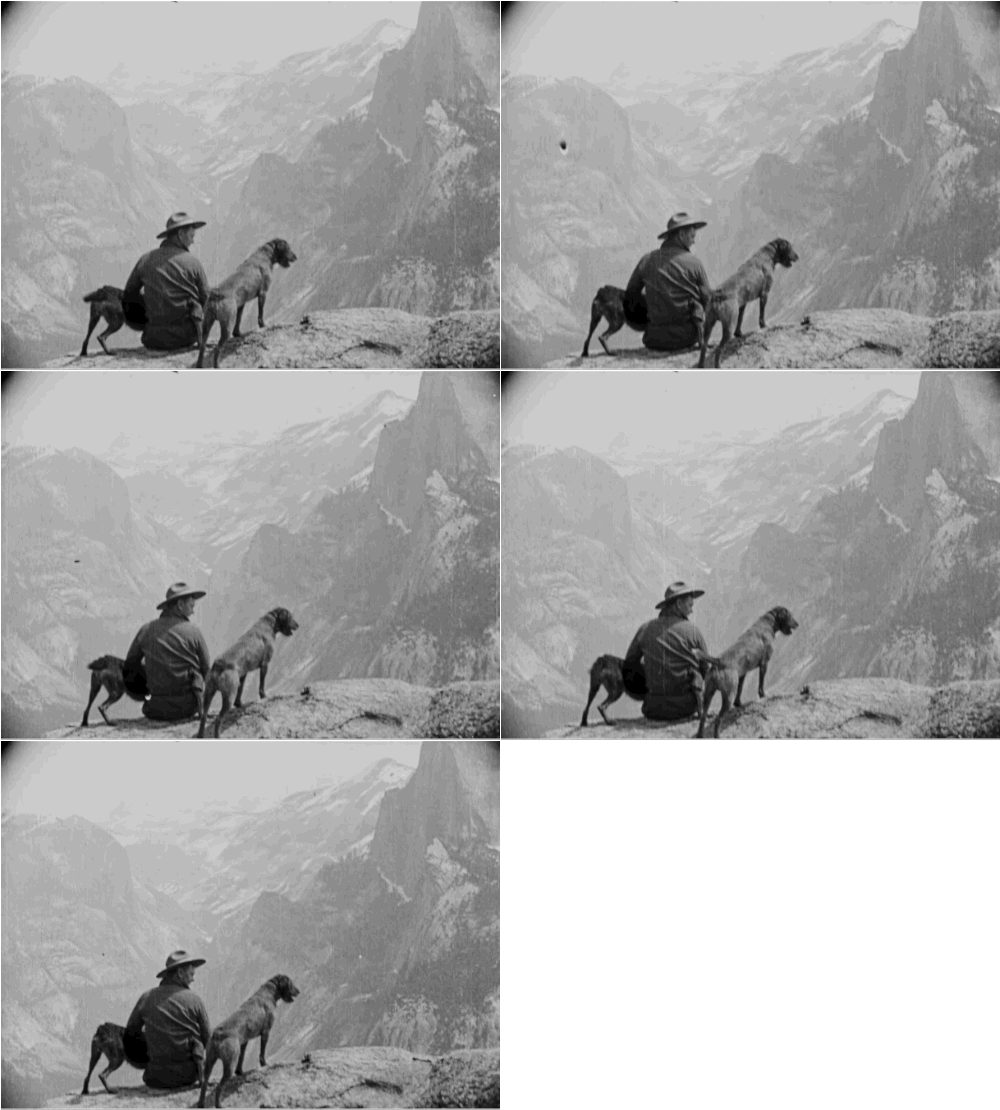
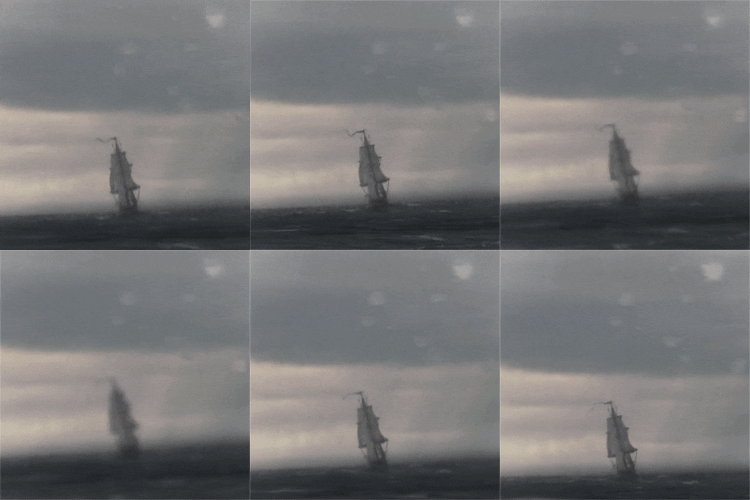
Have you ever seen a meteor leave behind a vapor trail? I caught this bright Leonid yesterday at 2AM. pic.twitter.com/BrlhSf7sRy
— Kevin Palmer (@krp234) November 19, 2023
19 December 2023
Leonid.


Instant.

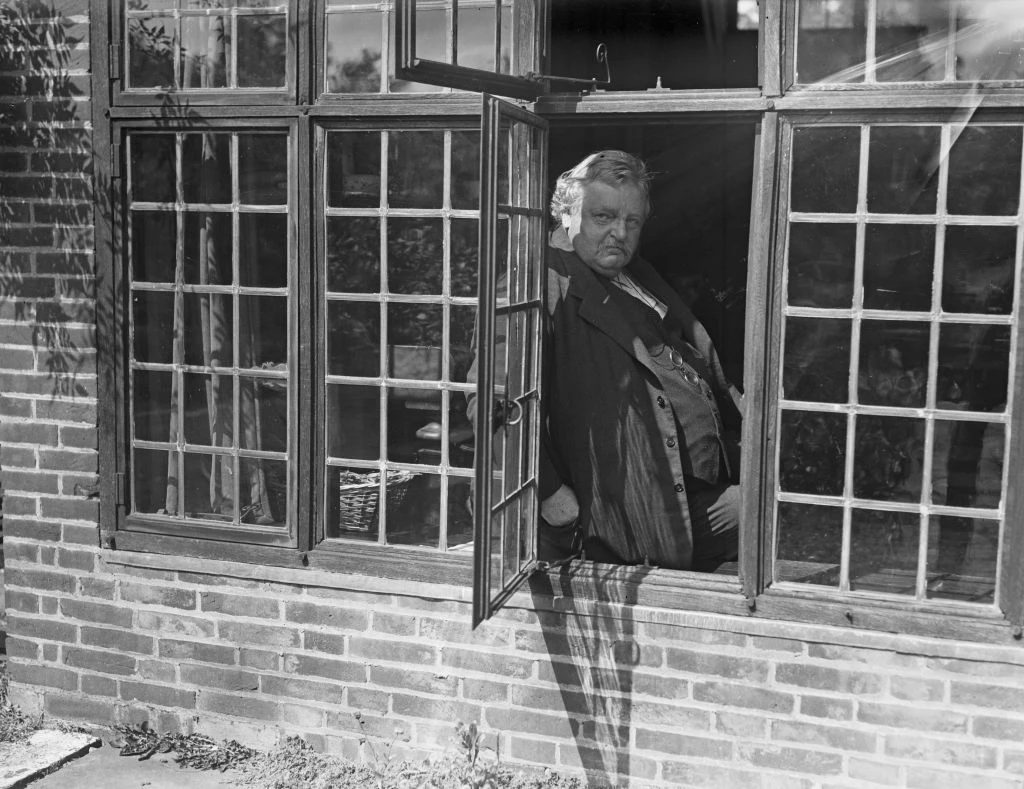
G.K. Chesterton, from Heretics
Glorious.
Glorious Oxford in the afternoon sun pic.twitter.com/Bj5HIKjMjj
— Conor Lynch (@c_k_lynch) December 16, 2023

900-Year-Old.

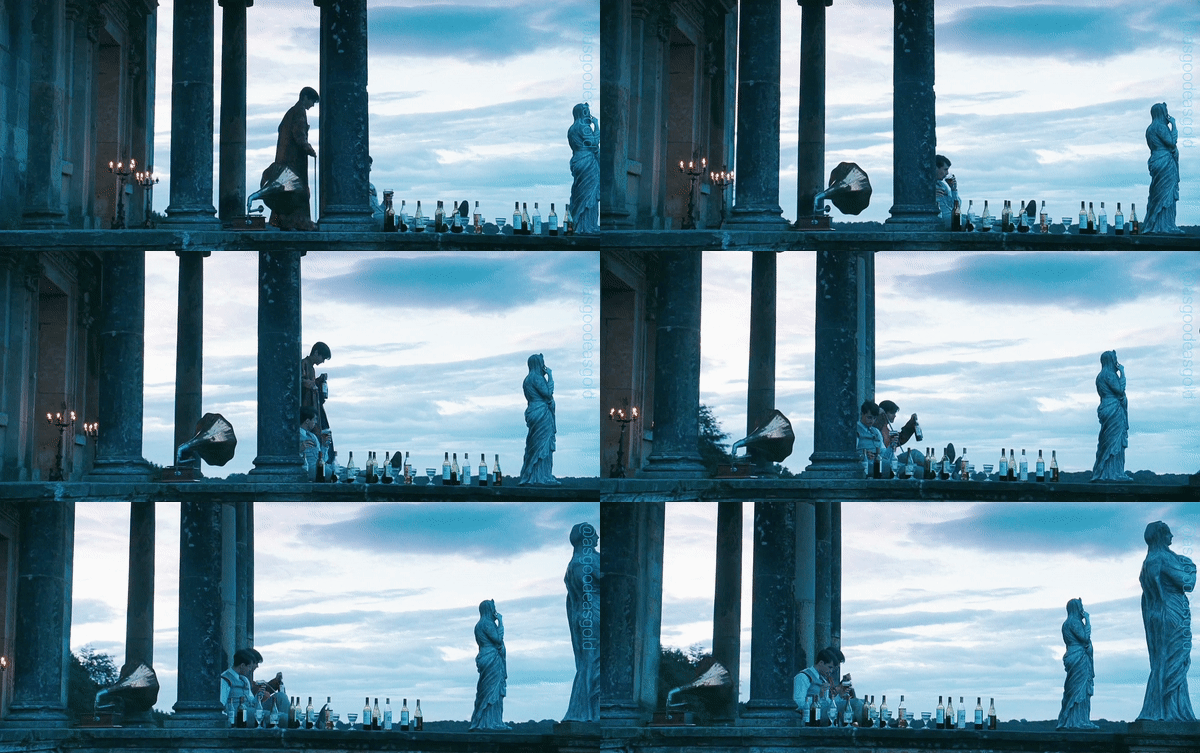
Preparing for Christmas at the 900-year-old Forde Abbey ...
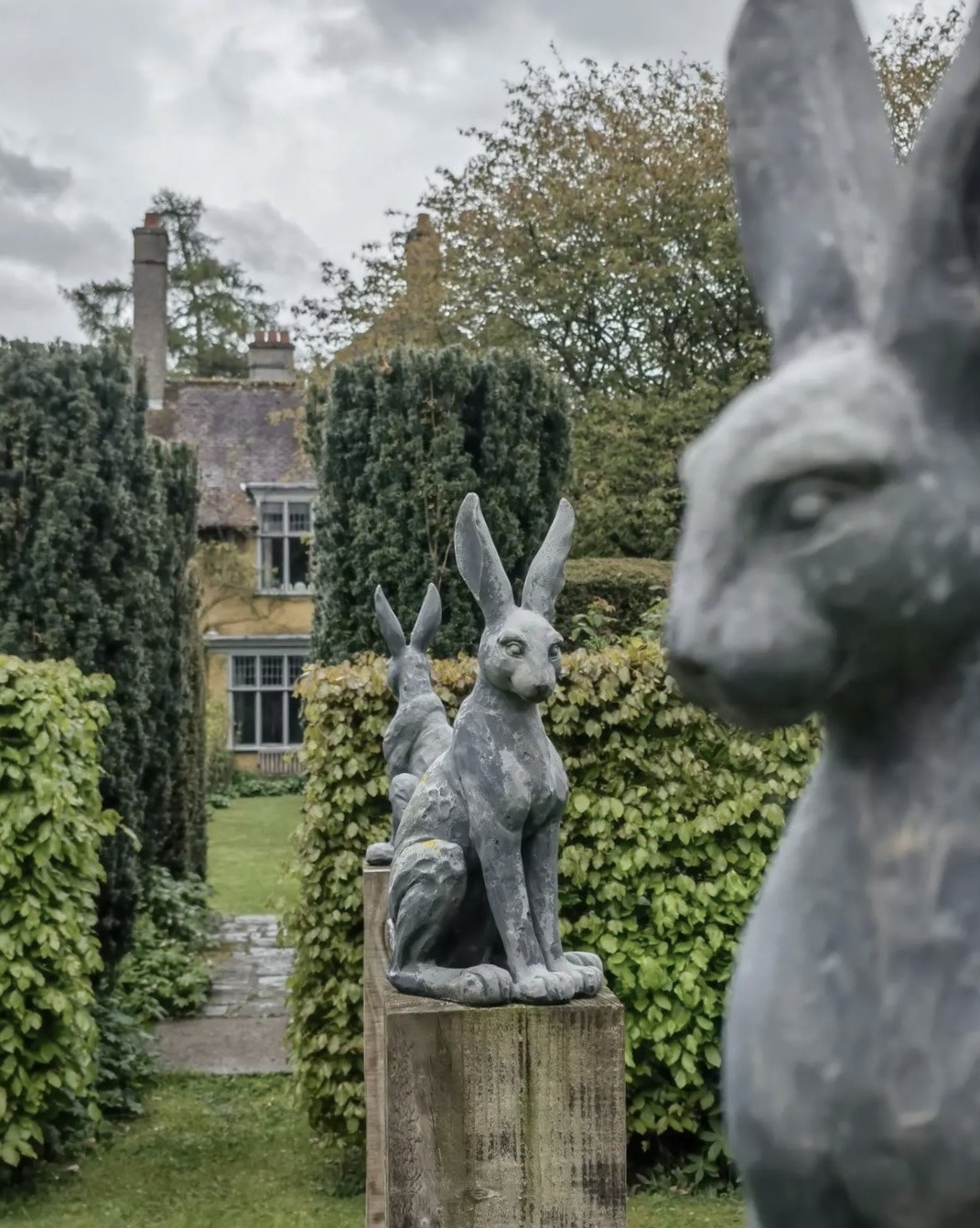
The exterior of Forde Abbey, a rambling beauty of a house set on the banks of the River Axe close to where the borders of Devon, Somerset and Dorset intersect, is a storybook in stone that encompasses 900 years of English history. Unlike so many of the monasteries that fell into ruin after the Reformation, Forde has been continuously inhabited since its foundation in the twelfth century.The lancet windows of the monks’ dormitory, on the first floor of one wing, are a reminder of the austerity that characterised early Cistercians. On the other side of the building, the richly decorated Tudor tower and gothic tracery of cloister windows are a legacy of the vast wealth that made these religious institutions such an irresistible quarry for a cash-strapped king. Tall mullioned windows along this southern façade are joined by sash windows dating from the mid-seventeenth century, while their gothic-revival glazing of tessellated octagons dates from 100 years later.
Thank you, Walker's Arms.

Enjoy.

Eat well, of course, avoiding the ninny diets and mincing cuisines that demonize appetite and make unthinkable a tasty snack of hog jowls. We're all going to die. Might as well enjoy a little fat along the way.
Jim Harrison
Happy Birthday, Keith

Keith was born yesterday, the year before dirt was invented -- and I'm glad.
"I Wanna Hold You" ...
Published.

He went to the church, and walked about the streets, and watched the people hurrying to and for, and patted the children on the head, and questioned beggars, and looked down into the kitchens of homes, and up to the windows, and found that everything could yield him pleasure. He had never dreamed of any walk, that anything, could give him so much happiness.
Charles Dickens, from A Christmas Carol in Prose, being a Ghost Story of Christmas, published on this day in 1843
18 December 2023
Nothin'.
Every Monday morning in our classroom ...
- Announcements
- The Pledge of Allegiance
- Attendance
- Lunch Count
- This ...
DOGGIE AIN’T GOT NOTHIN’ FOR YA. pic.twitter.com/ucRty0zD37
— Jocko Willink (@jockowillink) June 4, 2018

Premiered.
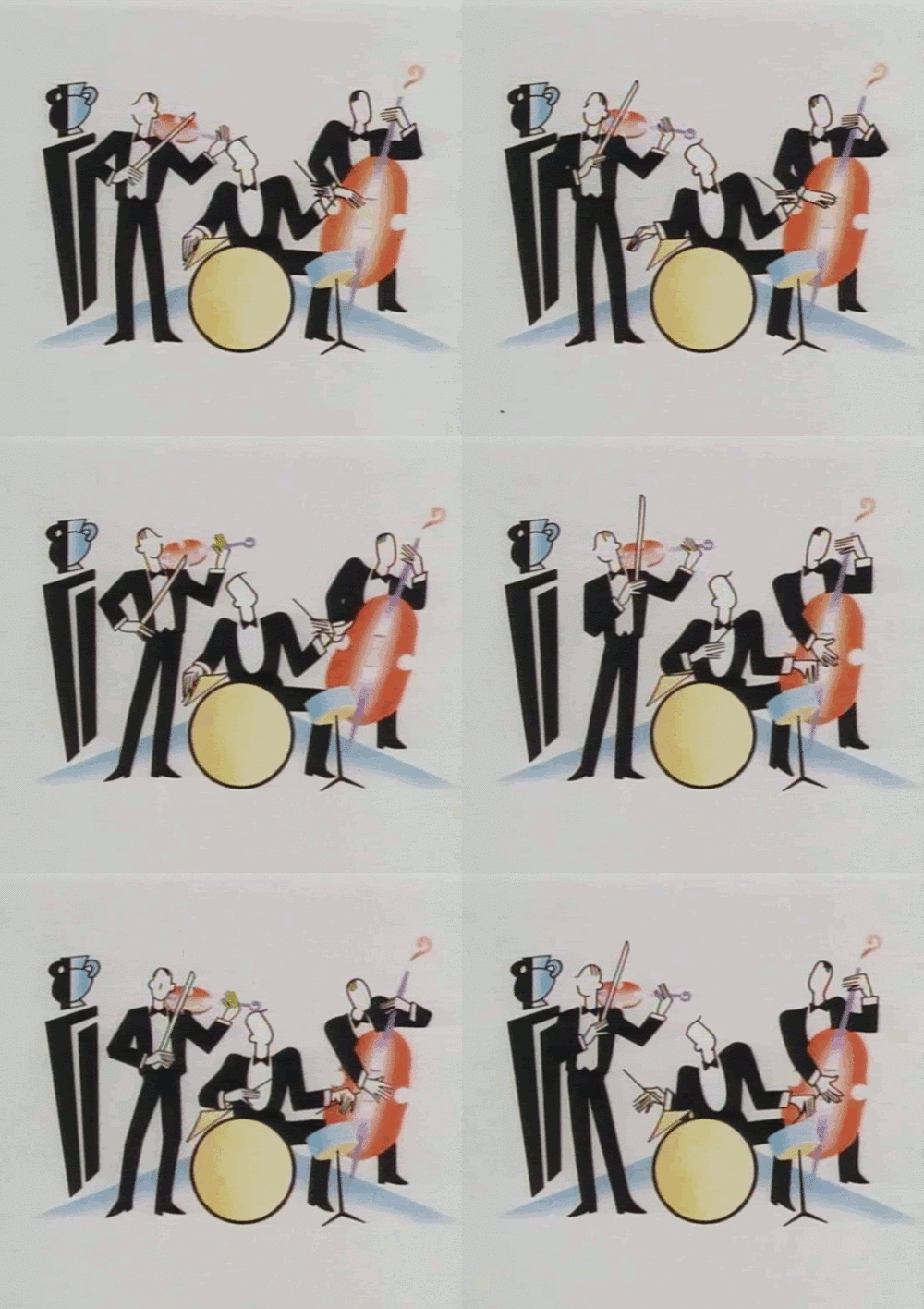
Tchaikovsky, Tea, 1892

Tchaikovsky's The Nutcracker Suite premiered in St. Petersburg, Russia on this day in 1892.
Yannick Nezet-Seguin conducts the Rotterdam Philharmonic Orchestra ...
17 December 2023
Oldest-Known.

Antiquity presents the world's oldest-known promontory fort ...
The enclosed hunter-gatherer settlement of Amnya in the west Siberian taiga is one of the oldest-known fortified habitation sites in the world. Building on the results of earlier excavation, new fieldwork and a related programme of radiocarbon dating have now clarified the date of activity at the site, including the ditches, banks, palisades and the substantial pit houses, at Amnya I at c. 6000 cal BC. For the first time, the broad contemporaneity of the adjacent open pit-house settlement Amnya II has also been demonstrated, indicating a complex hierarchical structure to the site, with an enclosed promontory and an associated undefended outer section, that mirrors the arrangements observed at contemporaneous settlements in the region.
Amnya and the, approximately eight, other known Stone Age hunter-gatherer forts in the region represent evidence of an unprecedented, autochthonous pathway towards socio-political differentiation in an unexpected part of the world. Coinciding with a sharp increase in population, these sites emerge as part of a broader package of change that took hold in the taiga c. 6000 cal BC.
Will.
Gogarten, Sunset over the Winter Forest, 1881

Between the moonlight and the fire
In winter twilights long ago,
What ghosts we raised for your desire,
To make your merry blood run slow!
How old, how grave, how wise we grow!
No Christmas ghost can make us chill,
Save those that troop in mournful row,
The ghosts we all can raise at will!
The beasts can talk in barn and byre
On Christmas Eve, old legends know.
As year by year the years retire,
We men fall silent then I trow,
Such sights hath memory to show,
Such voices from the silence thrill,
Such shapes return with Christmas snow,—
The ghosts we all can raise at will.
Oh, children of the village choir,
Your carols on the midnight throw,
Oh, bright across the mist and mire,
Ye ruddy hearths of Christmas glow!
Beat back the dread, beat down the woe,
Let's cheerily descend the hill;
Be welcome all, to come or go,
The ghosts we all can raise at will.
ENVOY
Friend, sursum corda, soon or slow
We part, like guests who've joyed their fill;
Forget them not, nor mourn them so,
The ghosts we all can raise at will.
Andrew Lang
Power.

Viktor Frankl
Pernicious.

PERNICIOUS.—A young man can be most surely corrupted when he is taught to value the like-minded more highly than the differently minded.
Friedrich Nietzsche, from The Dawn of Day, Section 297

Story.
This past October, Bodleian Libraries interviewed Sir Philip Pullman at his home in Oxford.
A procession of little opium weights and incidentally I can show you: this is a procession and now it's a story!
Love.

"I'm rubbish with technology," Callum says. "I was forced to have a laptop for college, and I hated it."Callum and his grandmother have lived together for seven years. Callum says he fell in love with the 40s during his first year of high school."I've always loved history," he says. "When I was younger, I looked at my great grandad's prisoner-of-war diaries and I just love everything about the period."He now collects everything related to the period, such as oil lamps and a vintage record player that he uses to listen to his favourites like Vera Lynn, Anne Shelton and Frank Sinatra."I couldn't tell you a modern singer if you asked me," he says.
Praise God, there's hope.
Desire.
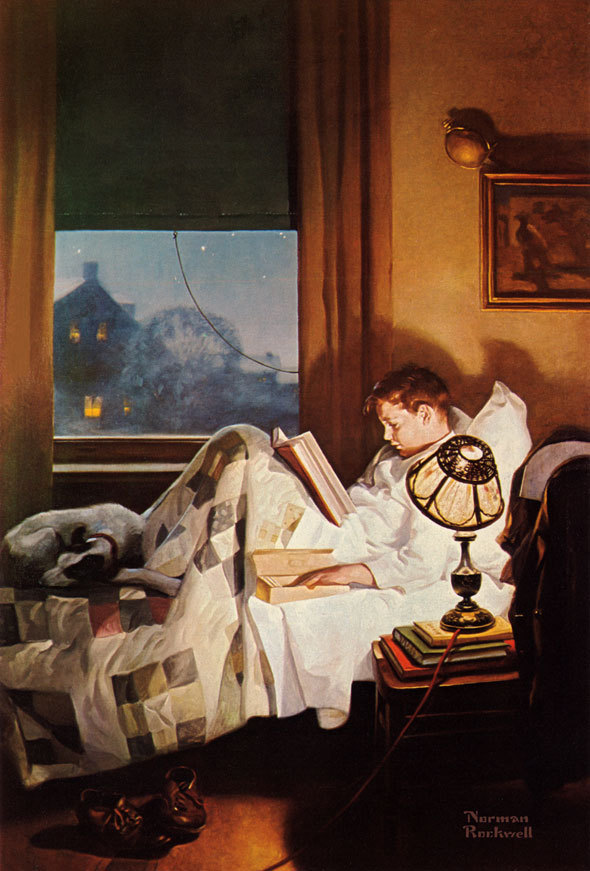
Caldecott, The Bookworm, 1877

His taste for literary antiquities was first imbibed in the Bodleian Library at Oxford; where, when a student, he passed many an hour foraging among the old manuscripts. He has since, at different times, visited most of the curious libraries in England, and has ransacked many of the cathedrals. With all his quaint and curious learning, he has nothing of arrogance or pedantry; but that unaffected earnestness and guileless simplicity which seem to belong to the literary antiquary.
He is a dark, mouldy little man, and rather dry in his manner: yet, on his favourite theme, he kindles up, and at times is even eloquent. No fox-hunter, recounting his last day's sport, could be more animated than I have seen the worthy parson, when relating his search after a curious document, which he had traced from library to library, until he fairly unearthed it in the dusty chapter-house of a cathedral. When, too, he describes some venerable manuscript, with its rich illuminations, its thick creamy vellum, its glossy ink, and the odour of the cloisters that seemed to exhale from it he rivals the enthusiasm of a Parisian epicure, expatiating on the merits of a Perigord pie, or a Pâté de Strasbourg.
His brain seems absolutely haunted with love-sick dreams about gorgeous old works in "silk linings, triple gold bands, and tinted leather, locked up in wire cases, and secured from the vulgar hands of the mere reader;" and, to continue the happy expression of an ingenious writer, "dazzling one's eyes, like eastern beauties peering through their jealousies."
He has a great desire, however, to read such works in the old libraries and chapter-houses to which they belong; for he thinks a black-letter volume reads best in one of those venerable chambers where the light struggles through dusty lancet windows and painted glass; and that it loses half its zest if taken away from the neighbourhood of the quaintly carved oaken book-case and Gothic reading-desk. At his suggestion, the squire has had the library furnished in this antique taste, and several of the windows glazed with painted glass, that they may throw a properly tempered light upon the pages of their favourite old authors.
The parson, I am told, has been for some time meditating a commentary on Strutt, Brand, and Douce, in which he means to detect them in sundry dangerous errors in respect to popular games and superstitions; a work to which the squire looks forward with great interest. He is also a casual contributor to that long-established repository of national customs and antiquities, the Gentleman's Magazine, and is one of those that every now and then make an inquiry concerning some obsolete customs or rare legend; nay, it is said that several of his communications have been at least six inches in length. He frequently receives parcels by coach from different parts of the kingdom, containing mouldy volumes and almost illegible manuscripts; for it is singular what an active correspondence is kept up among literary antiquaries, and how soon the fame of any rare volume, or unique copy, just discovered among the rubbish of a library, is circulated among them. The parson is more busy than common just now, being a little flurried by an advertisement of a work, said to be preparing for the press, on the mythology of the middle ages. The little man has long been gathering together all the hobgoblin tales he could collect, illustrative of the superstitions of former times; and he is in a complete fever lest this formidable rival should take the field before him.
Washington Irving, from "A Literary Antiquary", found in Bracebridge Hall
Contented-Looking.
Whether elevated by the feeling that I was doing a noble action, or animated by a mere general consciousness of rectitude, is not for me to say, but I went upstairs that night with remarkable buoyancy. It was as much as I could do to stop at the landing when I came to it; I felt I wanted to go on up to the roof. But, with the help of the banisters, I restrained my ambition, wished them all good- night, and went in and shut the door.
Things began to go wrong with me from the very first. The candle tumbled out of the candlestick before my hand was off the lock. It kept on tumbling out of the candlestick, and every time I picked put it up and put it in, it tumbled out again: I never saw such a slippery candle. I gave up attempting to use the candlestick at last, and carried the candle about in my hand; and, even then, it would not keep upright. So I got wild and threw it out of window, and undressed and went to bed in the dark.
I did not go to sleep,—I did not feel sleepy at all,—I lay on my back, looking up at the ceiling, and thinking of things. I wish I could remember some of the ideas that came to me as I lay there, because they were so amusing. I laughed at them myself till the bed shook.
I had been lying like this for half an hour or so, and had forgotten all about the ghost, when, on casually casting my eyes round the room, I noticed for the first time a singularly contented-looking phantom, sitting in the easy-chair by the fire, smoking the ghost of a long clay pipe.
Jerome K. Jerome, "Told After Supper"

16 December 2023


Preparations.
Aldin, Snowed Up on Christmas Eve, 1910

Perhaps it might be owing to the pleasing serenity that reigned in my own mind, that I fancied I saw cheerfulness in every countenance throughout the journey. A stage coach, however, carries animation always with it, and puts the world in motion as it whirls along. The horn sounded at the entrance of a village, produces a general bustle. Some hasten forth to meet friends; some with bundles and bandboxes to secure places, and in the hurry of the moment can hardly take leave of the group that accompanies them. In the meantime, the coachman has a world of small commissions to execute. Sometimes he delivers a hare or pheasant; sometimes jerks a small parcel or newspaper to the door of a public-house; and sometimes, with knowing leer and words of sly import, hands to some half-blushing, half-laughing housemaid an odd-shaped billet-doux from some rustic admirer. As the coach rattles through the village, every one runs to the window, and you have glances on every side of fresh country faces, and blooming giggling girls. At the corners are assembled juntas of village idlers and wise men, who take their stations there for the important purpose of seeing company pass; but the sagest knot is generally at the blacksmith's, to whom the passing of the coach is an event fruitful of much speculation. The smith, with the horse's heel in his lap, pauses as the vehicle whirls by; the Cyclops round the anvil suspend their ringing hammers, and suffer the iron to grow cool; and the sooty spectre in brown paper cap, labouring at the bellows, leans on the handle for a moment, and permits the asthmatic engine to heave a long-drawn sigh, while he glares through the murky smoke and sulphureous gleams of the smithy.
Perhaps the impending holiday might have given a more than usual animation to the country, for it seemed to me as if everybody was in good looks and good spirits. Game, poultry, and other luxuries of the table, were in brisk circulation in the villages; the grocers', butchers', and fruiterers' shops were thronged with customers. The housewives were stirring briskly about, putting their dwellings in order; and the glossy branches of holly, with their bright red berries, began to appear at the windows. The scene brought to mind an old writer's account of Christmas preparations:—"Now capons and hens, besides turkeys, geese, and ducks, with beef and mutton—must all die; for in twelve days a multitude of people will not be fed with a little. Now plums and spice, sugar and honey, square it among pies and broth. Now or never must music be in tune, for the youth must dance and sing to get them a heat, while the aged sit by the fire. The country maid leaves half her market, and must be sent again, if she forgets a pack of cards on Christmas eve. Great is the contention of Holly and Ivy, whether master or dame wears the breeches. Dice and cards benefit the butler; and if the cook do not lack wit, he will sweetly lick his fingers."
Washington Irving, from The Sketch Book of Geoffrey Crayon, Gent., within "The Stage Coach"
Courage.

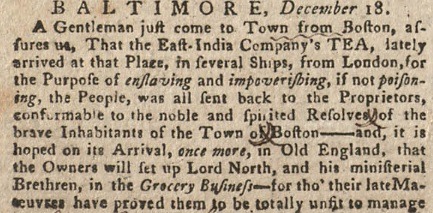
On this day in 1773, the Boston Tea Party took place as members of the Sons of Liberty boarded a British ship and dumped more than 300 chests of tea overboard to protest tea taxes.
Happy Birthday, Beethoven
Wyeth, N.C., Beethoven and Nature, 1921

Ludwig von Beethoven was born on this day in 1770.
Nicholas Harnoncourt leads the Royal Concertgebouw Orchestra in a performance of the Missa Solemnis in D Major, op. 123 ...
15 December 2023
America.
This is America. https://t.co/jczyNLTlaA pic.twitter.com/ExLnPx5mqj
— Smoky Mountains Enjoyer 🪕 🌄 (@AdmiralBoreal) December 15, 2023

14 December 2023
Vivaldi, Gloria, RV 589
Sara Mingardo performs with Concerto Italiano, led by Rinaldo Alessandrini ...


Beyond.

I TRAVELLED AMONG UNKNOWN MEN
I travelled among unknown men,
In lands beyond the sea;
Nor, England! did I know till then
What love I bore to thee.
'Tis past, that melancholy dream!
Nor will I quit thy shore
A second time; for still I seem
To love thee more and more.
Among thy mountains did I feel
The joy of my desire;
And she I cherished turned her wheel
Beside an English fire.
Thy mornings showed, thy nights concealed,
The bowers where Lucy played;
And thine too is the last green field
That Lucy's eyes surveyed.
William Wordsworth

Happy Birthday, Scott

Mike Scott was born on this day in 1958.
"Mad as the Mist and Snow" with Steve Wickham ...
13 December 2023


Simplicity.

CHRISTMAS TIME
Glad Christmas comes, and every hearth
Makes room to give him welcome now,
E'en want will dry its tears in mirth,
And crown him with a holly bough;
Though tramping 'neath a winter sky,
O'er snowy paths and rimy stiles,
The housewife sets her spinning by
To bid him welcome with her smiles.
Each house is swept the day before,
And windows stuck with evergreens,
The snow is besom'd from the door,
And comfort the crowns the cottage scenes.
Gilt holly, with its thorny pricks,
And yew and box, with berries small,
These deck the unused candlesticks,
And pictures hanging by the wall.
Neighbors resume their annual cheer,
Wishing, with smiles and spirits high,
Glad Christmas and a happy year
To every morning passer-by;
Milkmaids their Christmas journeys go,
Accompanied with favour'd swain;
And children pace the crumpling snow,
To taste their granny's cake again.
The shepherd, now no more afraid,
Since custom doth the chance bestow,
Starts up to kiss the giggling maid
Beneath the branch of mistletoe
That 'neath each cottage beam is seen,
With pearl-like berries shining gay;
The shadow still of what hath been,
Which fashion yearly fades away.
The singing waits — a merry throng,
At early morn, with simple skill,
Yet imitate the angel's song
And chaunt their Christmas ditty still;
And, 'mid the storm that dies and swells
By fits, in hummings softly steals
The music of the village bells,
Ringing around their merry peals.
When this is past, a merry crew,
Bedecked in masks and ribbons gay,
The Morris Dance, their sports renew,
And act their winter evening play.
The clown turned king, for penny praise,
Storms with the actor's strut and swell,
And harlequin, a laugh to raise,
Wears his hunch-back and tinkling bell.
And oft for pence and spicy ale,
With winter nosegays pinned before,
The wassail-singer tells her tale,
And drawls her Christmas carols o'er.
While 'prentice boy, with ruddy face,
And rime-bepowdered dancing locks,
From door to door, with happy face,
Runs round to claim his "Christmas-box."
The block upon the fire is put,
To sanction custom's old desires,
And many a fagot's bands are cut
For the old farmer's Christmas fires;
Where loud-tongued gladness joins the throng,
And Winter meets the warmth of May,
Till, feeling soon the heat too strong,
He rubs his shins and draws away.
While snows the window-panes bedim,
The fire curls up a sunny charm,
Where, creaming o'er the pitcher's rim,
The flowering ale is set to warm.
Mirth full of joy as summer bees
Sits there its pleasures to impart,
And children, 'tween their parents' knees,
Sing scraps of carols off by heart.
And some, to view the winter weathers,
Climb up the window seat with glee,
Likening the snow to falling feathers,
In fancy's infant ecstacy;
Laughing, with superstitious love,
O'er visions wild that youth supplies,
Of people pulling geese above,
And keeping Christmas in the skies.
As though the homestead trees were drest,
In lieu of snow, with dancing leaves,
As though the sun-dried martin's nest,
Instead of ic'cles hung the eves;
The children hail the happy day —
As if the snow were April's grass,
And pleased, as 'neath the warmth of May,
Sport o'er the water froze to glass.
Thou day of happy sound and mirth,
That long with childish memory stays,
How blest around the cottage hearth,
I met thee in my younger days,
Harping, with rapture's dreaming joys,
On presents which thy coming found,
The welcome sight of little toys,
The Christmas gift of cousins round.
About the glowing hearth at night,
The harmless laugh and winter tale
Go round; while parting friends delight
To toast each other o'er their ale.
The cotter oft with quiet zeal
Will, musing, o'er his bible lean;
While, in the dark the lovers steal,
To kiss and toy behind the screen.
Old customs! Oh! I love the sound,
However simple they may be;
Whate'er with time hath sanction found,
Is welcome, and is dear to me,
Pride grows above simplicity,
And spurns them from her haughty mind;
And soon the poet's song will be
The only refuge they can find.
John Clare
With love and thanks to my Mum.
12 December 2023


Nothing.
Burn down the disco
Hang the blessed DJ
Because the music that they constantly play
It says nothing to me about my life


11 December 2023
Happy Birthday, Harrison

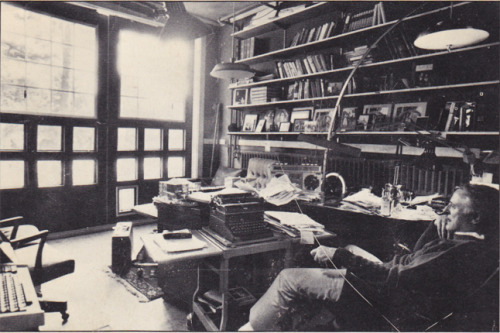
I don’t drink before four in the afternoon, but of course wine at lunch on the river is not drinking.
Jim Harrison, born on this day in 1937
09 December 2023
Beware.

From Washington Irving's, "Superstitions of the Abbey" ...
I have already mentioned some of the fabled visitants of the Abbey. The goblin friar, however, is the one to whom Lord Byron has given the greatest importance. It walked the cloisters by night, and sometimes glimpses of it were seen in other parts of the Abbey. Its appearance was said to portend some impending evil to the master of the mansion. Lord Byron pretended to have seen it about a month before he contracted his ill-starred marriage with Miss Milbanke.He has embodied this tradition in the following ballad, in which he represents the friar as one of the ancient inmates of the Abbey, maintaining by night a kind of spectral possession of it, in right of the fraternity. Other traditions, however, represent him as one of the friars doomed to wander about the place in atonement for his crimes. But to the ballad—“Beware! beware! of the Black Friar,Who sitteth by Norman stone,For he mutters his prayers in the midnight air,And his mass of the days that are gone.When the Lord of the Hill, Amundeville,Made Norman Church his prey,And expell’d the friars, one friar stillWould not be driven away.“Though he came in his might, with King Henry’s right,To turn church lands to lay,With sword in hand, and torch to lightTheir walls, if they said nay,A monk remain’d, unchased, unchain’d,And he did not seem form’d of clay,For he’s seen in the porch, and he’s seen in the church,Though he is not seen by day.“And whether for good, or whether for ill,It is not mine to say;But still to the house of AmundevilleHe abideth night and day.By the marriage bed of their lords, ’tis said,He flits on the bridal eve;And ’tis held as faith, to their bed of death,He comes—but not to grieve.“When an heir is born, he is heard to mourn,And when aught is to befallThat ancient line, in the pale moonshineHe walks from hall to hall.His form you may trace, but not his face,‘Tis shadow’d by his cowl;But his eyes may be seen from the folds between,And they seem of a parted soul.“But beware! beware of the Black Friar,He still retains his sway,For he is yet the church’s heir,Whoever may be the lay.Amundeville is lord by day,But the monk is lord by night,Nor wine nor wassail could raise a vassalTo question that friar’s right.“Say nought to him as he walks the hall,And he’ll say nought to you;He sweeps along in his dusky pall,As o’er the grass the dew.Then gramercy! for the Black Friar;Heaven sain him! fair or foul,And whatsoe’er may be his prayerLet ours be for his soul.”Such is the story of the goblin friar, which, partly through old tradition, and partly through the influence of Lord Byron’s rhymes, has become completely established in the Abbey, and threatens to hold possession so long as the old edifice shall endure. Various visitors have either fancied, or pretended to have seen him, and a cousin of Lord Byron, Miss Sally Parkins, is even said to have made a sketch of him from memory. As to the servants at the Abbey, they have become possessed with all kinds of superstitious fancies. The long corridors and Gothic halls, with their ancient portraits and dark figures in armor, are all haunted regions to them; they even fear to sleep alone, and will scarce venture at night on any distant errand about the Abbey unless they go in couples.Even the magnificent chamber in which I was lodged was subject to the supernatural influences which reigned over the Abbey, and was said to be haunted by “Sir John Byron the Little with the great Beard.” The ancient black-looking portrait of this family worthy, which hangs over the door of the great saloon, was said to descend occasionally at midnight from the frame, and walk the rounds of the state apartments. Nay, his visitations were not confined to the night, for a young lady, on a visit to the Abbey some years since, declared that, on passing in broad day by the door of the identical chamber I have described, which stood partly open, she saw Sir John Byron the Little seated by the fireplace, reading out of a great black-letter book. From this circumstance some have been led to suppose that the story of Sir John Byron may be in some measure connected with the mysterious sculptures of the chimney-piece already mentioned; but this has no countenance from the most authentic antiquarians of the Abbey.

Excellent.
Excellent albums ...


Halford's treatment of "Good King Wenceslas" is not to be missed, a must for the outdoor speakers.

Subscribe to:
Posts (Atom)