"I am not one who was born in the custody of wisdom. I am one who is fond of olden times and intense in quest of the sacred knowing of the ancients." Gustave Courbet
Showing posts with label Oxford. Show all posts

18 October 2025

On.


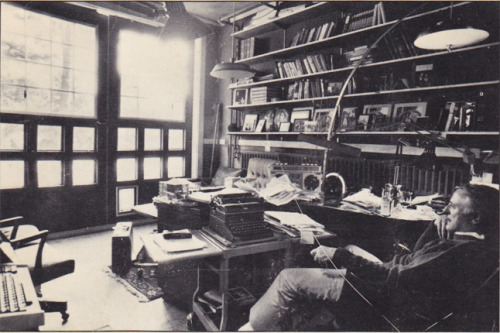
The stories that unfold in the space of a writer's study, the objects chosen to watch over a desk, the books selected to sit on the shelves, all weave a web of echoes and reflections of meanings and affections, that lend a visitor the illusion that something of the owner of this space lives on between these walls, even if the owner is no more.

Alberto Manguel, from The Library at Night

26 June 2025

Paradise.

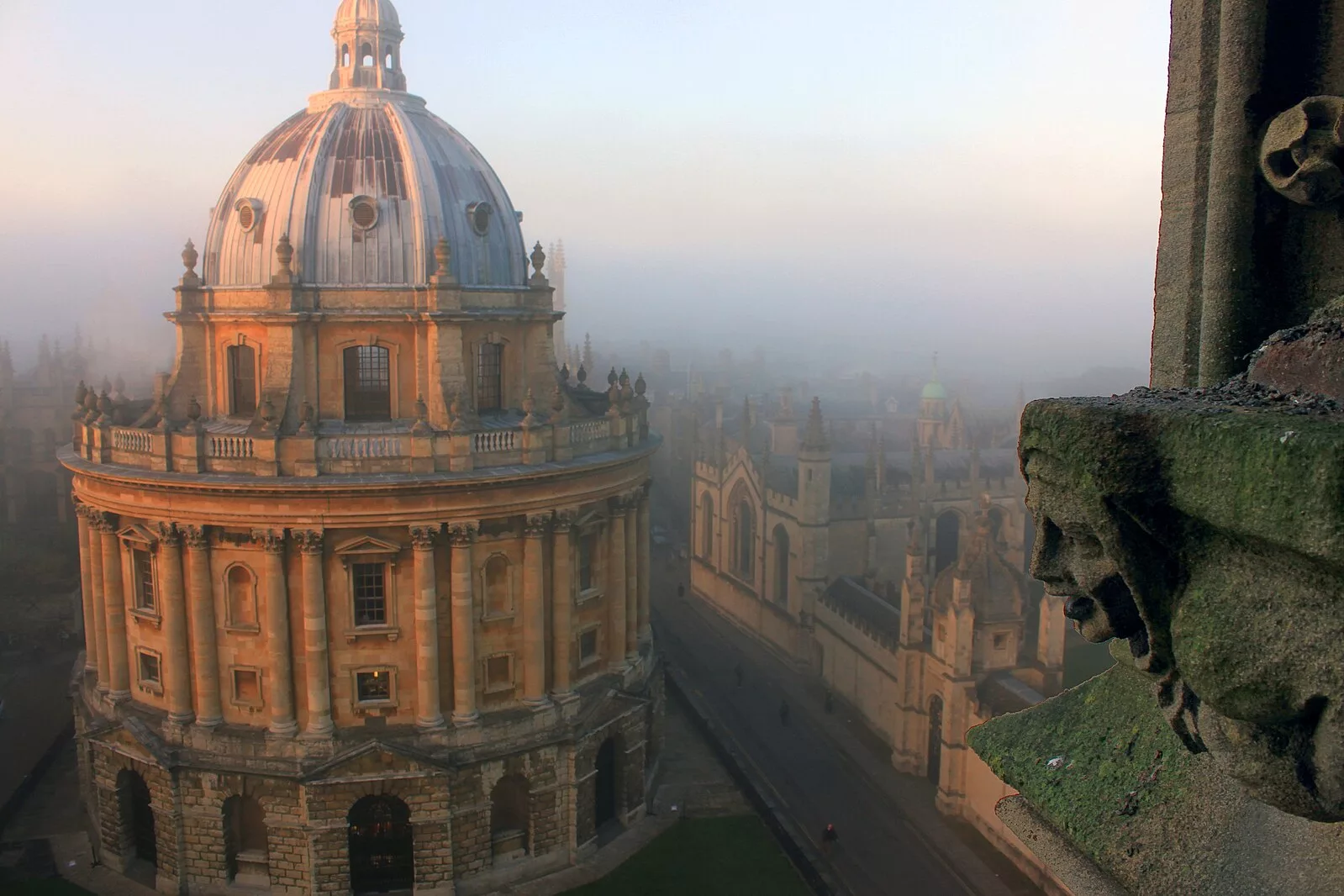
Gibbs, Radcliffe Camera, University of Oxford, England, 1749


I have always imagined that Paradise will be a kind of library.

Jorge Luis Borges

29 May 2025

Anniversary.


Approaching the 30th anniversary of Northern Lights, the first in Sir Philip Pullman’s His Dark Materials novels, The Independent visits Oxford to uncover the locations that gave rise to the stories of Lyra Silvertongue ...
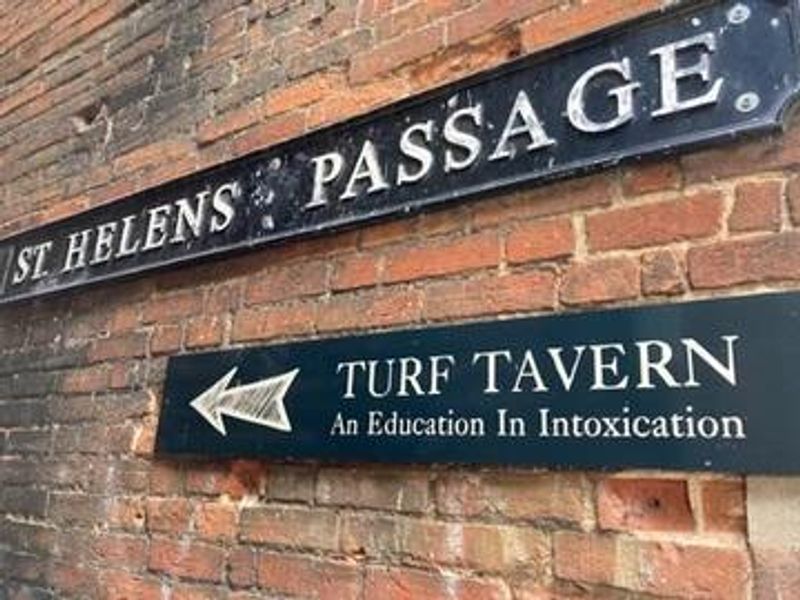
In February 1355, two students started a brawl with the owner, because they were unhappy with the wine. It turned into a three-day riot that killed 90 people. 

29 November 2024

Remains.


OXFORD

It is well that there are palaces of peace
And discipline and dreaming and desire,
Lest we forget our heritage and cease
The Spirit’s work—to hunger and aspire:

Lest we forget that we were born divine,
Now tangled in red battle’s animal net,
Murder the work and lust the anodyne,
Pains of the beast ‘gainst bestial solace set.

But this shall never be: to us remains
One city that has nothing of the beast,
That was not built for gross, material gains,
Sharp, wolfish power or empire’s glutted feast.

We are not wholly brute. To us remains
A clean, sweet city lulled by ancient streams,
A place of visions and of loosening chains,
A refuge of the elect, a tower of dreams.

She was not builded out of common stone
But out of all men’s yearning and all prayer
That she might live, eternally our own,
The Spirit’s stronghold—barred against despair.

C.S. Lewis

Excellent.

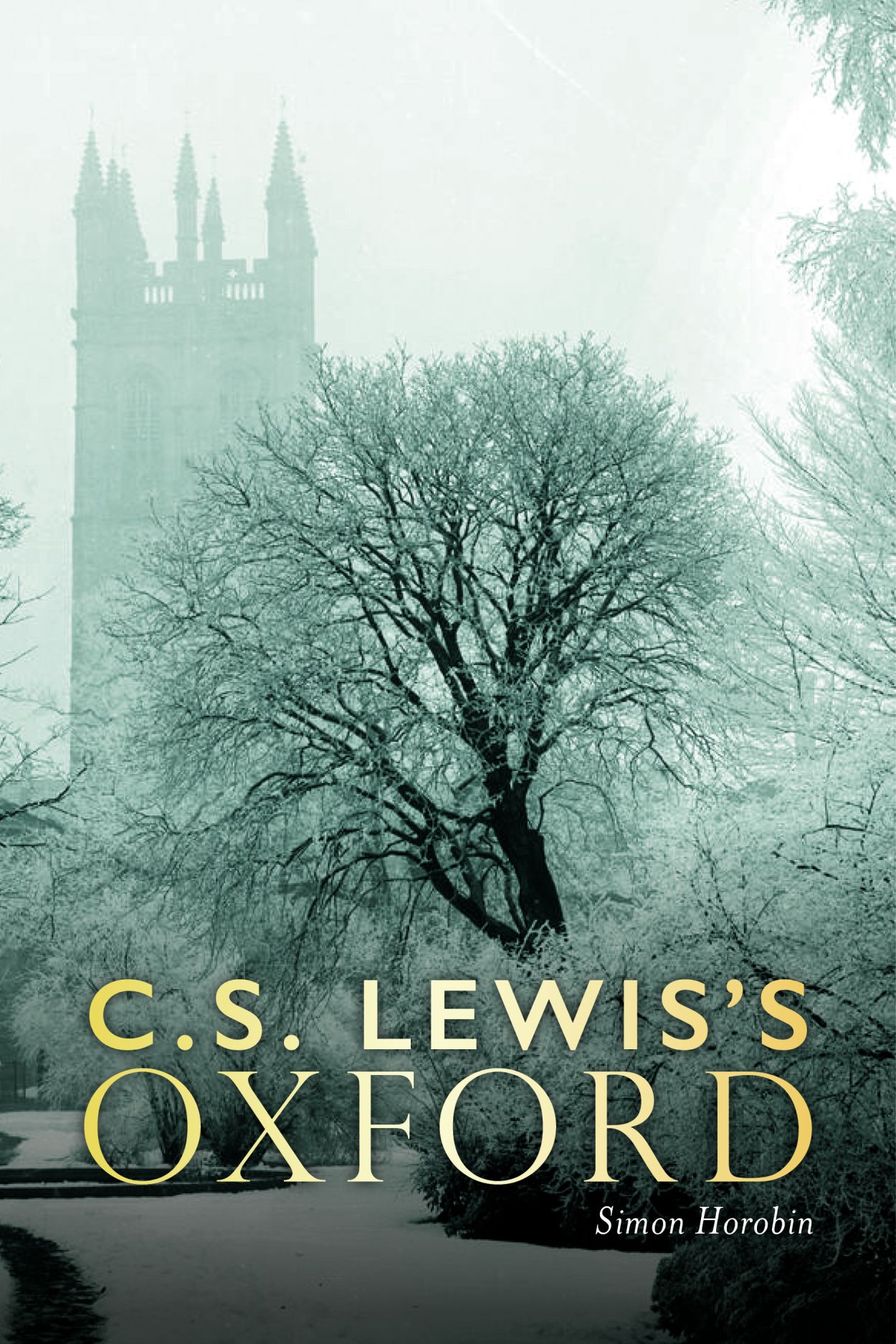
An excellent book ...

07 November 2024

Record.


The Book and Paper Gathering on the conservation of Oxford's University College Buttery Books ...
There was a College tradition, and one that was maintained into the 19th century, of writing your name in the Buttery Book on your first day in College. A good example of the Buttery Books being able to tell a story begins with the signature of Ezreel Tonge, who first made his mark on the college records during the week of 24 May 1639, at the bottom of the list of the poorest undergraduates. Tonge is, according to the College archivist Dr Robin Darwall-Smith, one of University College’s few historical villains.

With the irritating luck that seems to be common to all such base creatures, this unpleasant character gradually worked his way up the pecking order. In the list of the same poor undergraduates from a few pages later in the 1639 buttery book, Tonge’s name has moved up a few notches. He was to rise even higher in subsequent books but is remembered for his transgressions rather than his achievements. As a Fellow and Bursar in the 1650s he caused financial chaos, and then in the late 1670s he teamed with Titus Oates as one of the ringleaders of the Popish Plot, a nasty, McCarthyite-like campaign created to whip up hysteria and hatred against Catholics. So the Buttery Books add considerably to our understanding of the social structures built up within a generation within the College.

Aside from the individual stories these books tell, this breakdown of who was in College during the late 1630s and early 1640s is made doubly important by the historical context: they span the beginnings of the English Civil War, and by the time pen was put to paper in the final volume Charles I was permanently resident in a besieged Oxford. So they become a record of both loyalty and poverty: those who were staying and throwing in their lot with the crown and those who were too poor to leave.

02 September 2024

Critical.


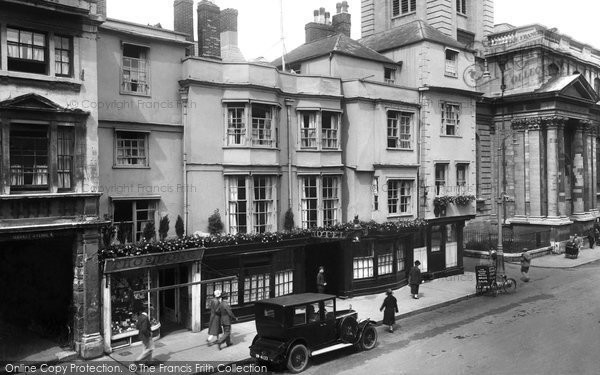
Mr. Comerford documents T.S. Eliot and C.S. Lewis' meeting for tea at The Mitre in Oxford ...
But members of the Inklings also created a moment in literary in the Mitre almost 80 years ago, when Charles Williams, one of the leading Inklings, invited his mutual friends CS Lewis and TS Eliot, along with another Inkling, Father Gervase Mathew, to tea at the Mitre Hotel one afternoon in 1945.

‘Mr Lewis,’ Eliot exclaimed, ‘you are a much older man than you appear in photographs!’ The meeting could only go downhill after that. ‘I must tell you,’ Eliot continued, ‘I consider A Preface to Paradise Lost your best book.’

Lewis was in disbelief, it is said. He had dedicated that book to Charles Williams, but in it had been highly critical of Eliot. Lewis had once dismissed ‘The Waste Land’ as ‘infernal poetry’ and ‘The Love Song of J Alfred Prufrock’ as ‘pleasantly unpleasant’, an ‘example of the decay of proper feelings’ and morally dangerous.

Only Blanche appreciated Eliot.

Quick.


WHAT the BIRD SAID EARLY in the YEAR

I heard in Addison’s Walk a bird sing clear:
This year the summer will come true. This year. This year.

Winds will not strip the blossom from the apple trees
This year, nor want of rain destroy the peas.

This year time’s nature will no more defeat you,
Nor all the promised moments in their passing cheat you.

This time they will not lead you round and back
To Autumn, one year older, by the well-worn track.

This year, this year, as all these flowers foretell,
We shall escape the circle and undo the spell.

Often deceived, yet open once again your heart,
Quick, quick, quick, quick!—the gates are drawn apart.

C.S. Lewis

19 August 2024

Spartan.


Much of Lewis’s years at Oxford will be recognisable to those who know the university today, though modernity has intruded into aspects of Oxford life that were still familiar in the late twentieth century. The sheer level of spartan discomfort, for instance, that university denizens were expected to endure is now mostly a thing of the past.

When elected to his first teaching position at Magdalen in 1925 on the princely salary of £500 a year, Lewis was allocated unheated rooms without a lavatory. He held tutorials in a dressing gown with a heavy cardigan underneath, and students recall him occasionally leaving tutorials to use a chamber pot in the bedroom. 

In winter the bedroom was so cold that he slept wearing two pullovers and trousers over his pyjamas. Mice were regular nocturnal visitors; Lewis wrote with characteristic humour to a correspondent that they would poke their heads out as if to say “Time for you to go to bed. We want to come out and play.” 

16 August 2024

Spirit's.


OXFORD

It is well that there are palaces of peace
And discipline and dreaming and desire,
Lest we forget our heritage and cease
The Spirit's work -- to hunger and aspire:
Lest we forget that we were born divine,
Now tangled in red battle's animal net,
Murder the work and lust the anodyne,
Pains of the beast 'gainst bestial solace set.
But this shall never be: to us remains
One city that has nothing of the beast,
That was not built for gross, material gains,
Sharp, wolfish power or empire's glutted feast.
We are not wholly brute. To us remains
A clean, sweet city lulled by ancient streams,
A place of visions and of loosening chains,
A refuge of the elect, a tower of dreams.
She was not builded out of common stone
But out of all men's yearning and all prayer
That she might live, eternally our own,
The Spirit's stronghold-barred against despair.

C.S. Lewis

24 January 2023

Gas.


Oxford's Radcliffe Camera ...
Although the building was completed in 1748, a librarian appointed, and also a porter, who was to be equipped with a gown and a staff and have a salary of £20 per annum, the opening ceremony did not take place until 13 April 1749. The new library was from the first known as the Physic Library, 'being to consist of all Sorts of Books belonging to the Science of Physic, as Anatomy, Botany, Surgery, and Philosophy', but the accessions it received during the first sixty years of its existence bore little relation to this description, and it was not until 1811 that its intake was confined to works of a scientific nature. Accessions to the library did not, however, consist entirely of books. During the first half of the 19th century it became the home for coins, marbles, candelabra, busts, plaster casts, and statues, but in recent years most of these have been placed in other repositories more suited to their proper care and display.
The basement story was originally an open arcade with a vaulted stone ceiling, bearing in the centre Radcliffe's coat of arms. The arches of the arcade were filled by iron grilles, three of which were in the form of gates which were closed at night, and through which access was gained to the library by way of the grand staircase. These grilles still remain. The glazing of the arches, the construction of a new north entrance where once was a circular window, and the addition of the stone steps leading up to it, were carried out in 1863 when the building had become a reading-room of the Bodleian. In 1854 the library was, for the first time, properly warmed and lighted. Hitherto a very indifferent system of lighting and heating the gallery by gas had been in operation since 1835. Between 1909 and 1912 an underground bookstore of two floors was constructed beneath the north lawn of the library, and a tunnel connecting it with the Bodleian, thus at last unobtrusively linking the two buildings, a project which had been envisaged by Henry Wentworth Acland in his Report to the Radcliffe Trustees in 1861, when he advocated a covered arcade across Radcliffe Square.

I'll bet it's perfectly serene ...

03 January 2023

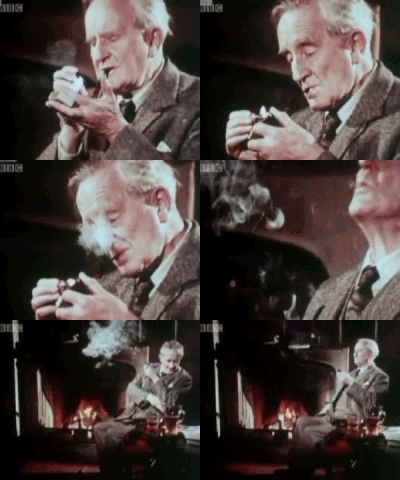
Tolkien in Oxford

A BBC production from the good ol' days, when documentaries mattered ...


It's sandwich time.

31 December 2020

World.


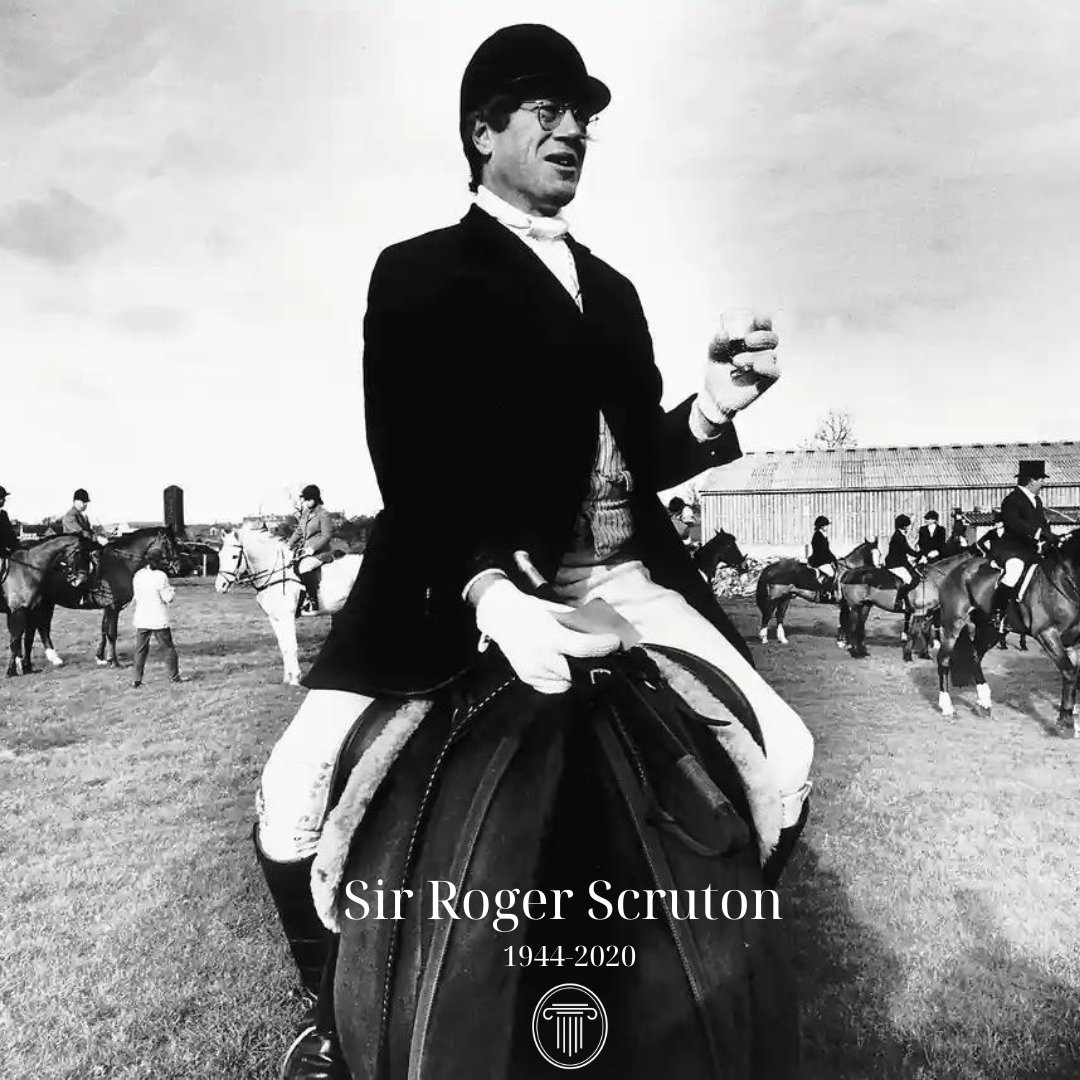
In the absence of organized religion, the only vehicle for redemption is art - not just the fragmentary arts of painting or music or poetry, but the kind of art that creates a whole world in itself and in that world we see ourselves reflected and see our religious life perfected.

Sir Roger Scruton

07 September 2020

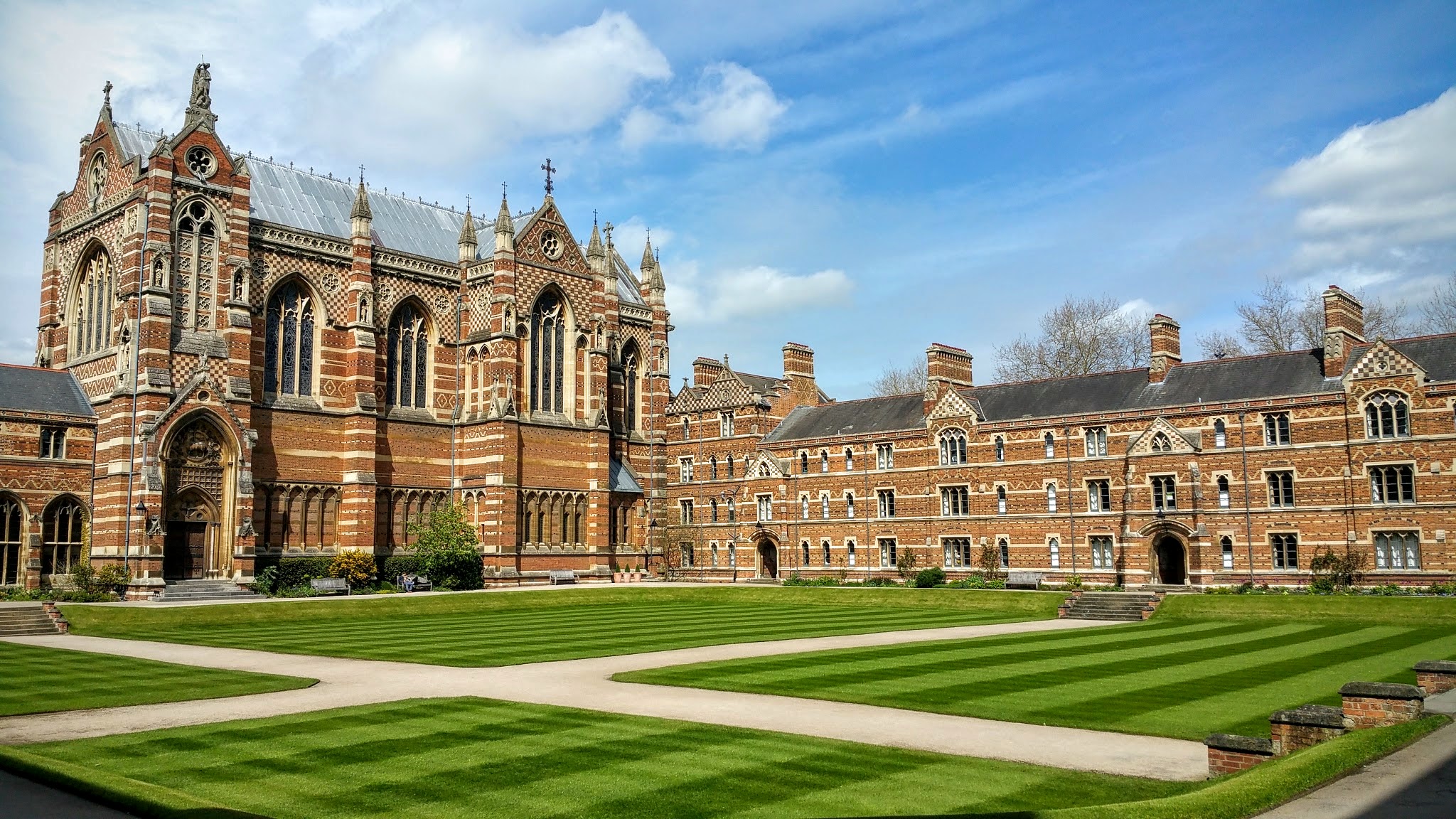
Happy Birthday, Butterfield

Butterfield, Keble College, Oxford, 1870


William Butterfield was born on this day in 1814.

17 December 2019

Unending.


The pursuit of knowing was freedom to me, the right to declare your own curiosities and follow them through all manner of books. I was made for the library, not the classroom. The classroom was a jail of other people’s interests. The library was open, unending, free.

Ta-Nehisi Coates