Showing posts with label Sons of Liberty. Show all posts
17 December 2024
18 December 2023
17 December 2023
16 December 2023
Courage.
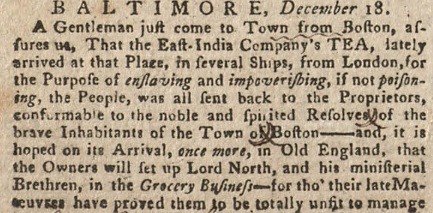
On this day in 1773, the Boston Tea Party took place as members of the Sons of Liberty boarded a British ship and dumped more than 300 chests of tea overboard to protest tea taxes.
09 December 2023
20 August 2023
Loyalty.
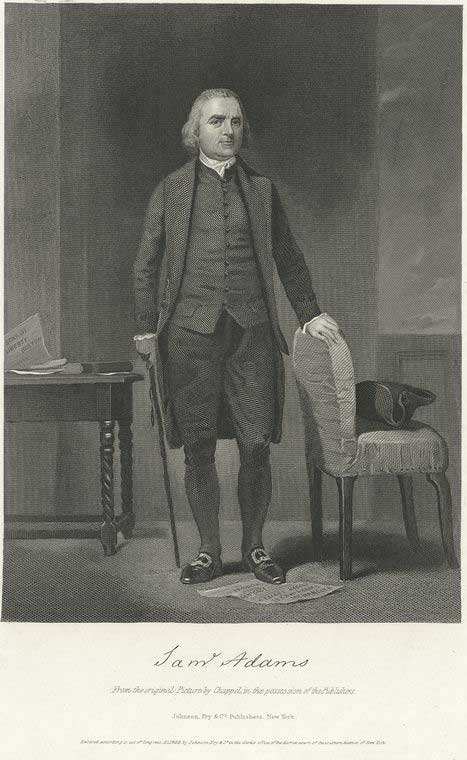
Chappel, Samuel Adams, 1862
It is a very great mistake to imagine that the object of loyalty is the authority and interest of one individual man, however dignified by the applause or enriched by the success of popular actions. This has led millions into such a degree of dependence and submission, that they have at length found themselves to homage the instruments of their ruin at the very time they were at work to effect it. The true object of loyalty is a good legal constitution, which, as it condemns every instance of oppression and lawless power, derives a certain remedy to the sufferer by allowing him to remonstrate his grievances, and pointing out methods of relief when the gentle arts of persuasion have lost their efficacy. Whoever, therefore, insinuates notions of government contrary to the constitution, or in any degree winks at any measures to suppress or even to weaken it, is not a loyal man.
Samuel Adams, from "Loyalty and Sedition," published in 1748
05 March 2022
Hallow'd.
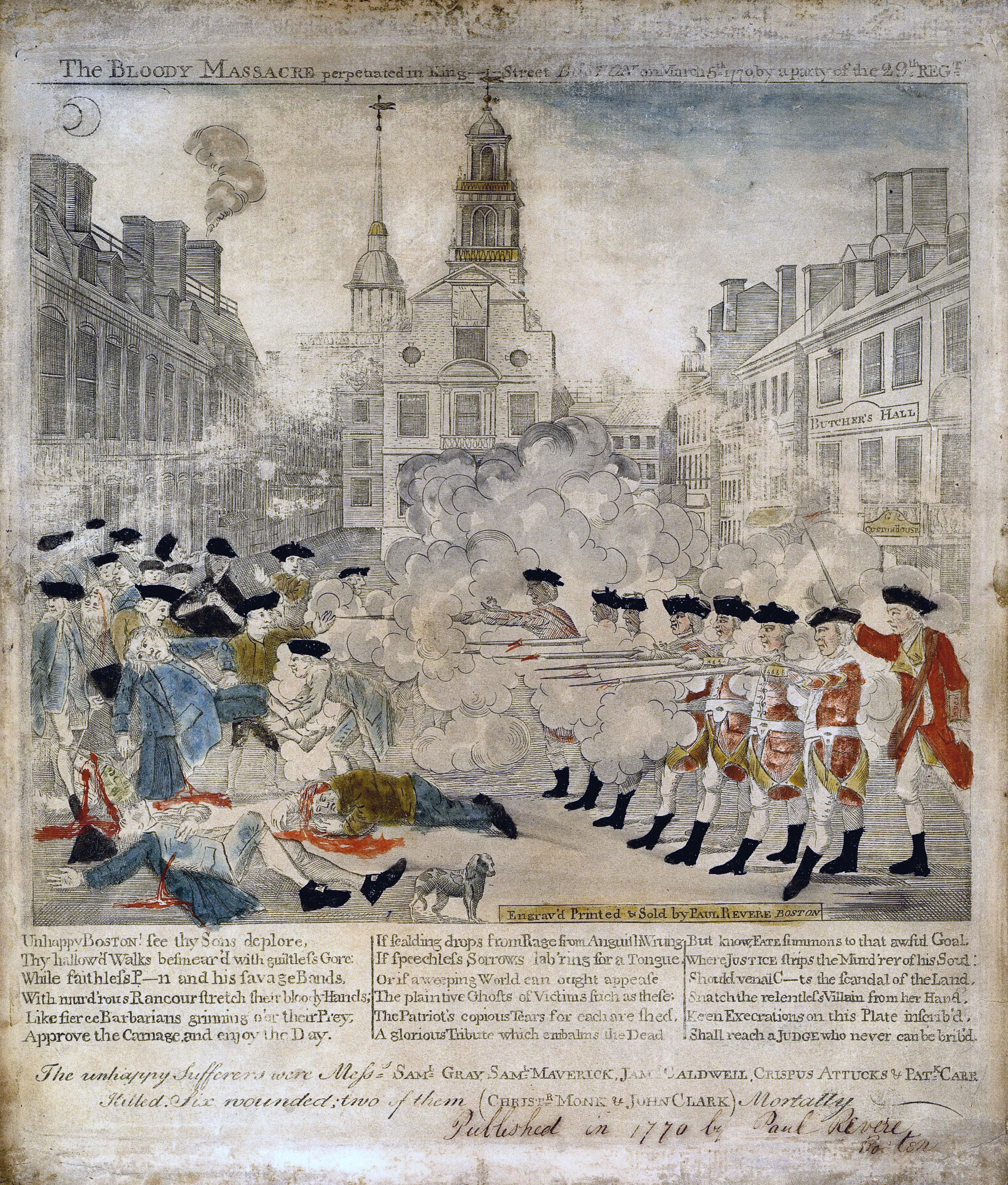
Revere, The Bloody Massacre perpetrated in King Street Boston on March 5th 1770 by a party of the 29th Regt., 1770
On this date in 1770 ...
Unhappy BOSTON! see thy Sons deplore, Thy hallow'd Walks besmear'd with guiltless Gore: While faithless --- and his savage Bands, With murd'rous Rancour stretch their bloody Hands; Like fierce Barbarians grinning o'er their Prey, Approve the Carnage, and enjoy the Day.
If scalding drops from Rage from Anguish Wrung If speechless Sorrows lab' ring for a Tongue, Or if a weeping World can ought appease The plaintive Ghosts of Victims such as these; The Patriot's copious Tears for each are shed, A glorious Tribute which embalms the Dead.
But know, FATE summons to that awful Goal, Where JUSTICE strips the Murd'rer of his Soul: Should venal C-ts the scandal of the Land, Snatch the relentless Villain from her Hand, Keen Execrations on this Plate inscrib'd, Shall reach a JUDGE who never can be brib'd.
The unhappy Sufferers were Messs. SAM. L GRAY, SAM.L MAVERICK, JAM.S CALDWELL , CRISPUS ATTUCKS & PAT.K CARR Killed. Six wounded two of them (CHRIST.R MONK & JOHN CLARK) Mortally
12 June 2021
Mistake.
It is a very great mistake to imagine that the object of loyalty is the authority and interest of one individual man, however dignified by the applause or enriched by the success of popular actions.
Samuel Adams, from his “Loyalty and Sedition” essay, 1748
18 April 2021
An excellent book ...
27 June 2020
Excellent.
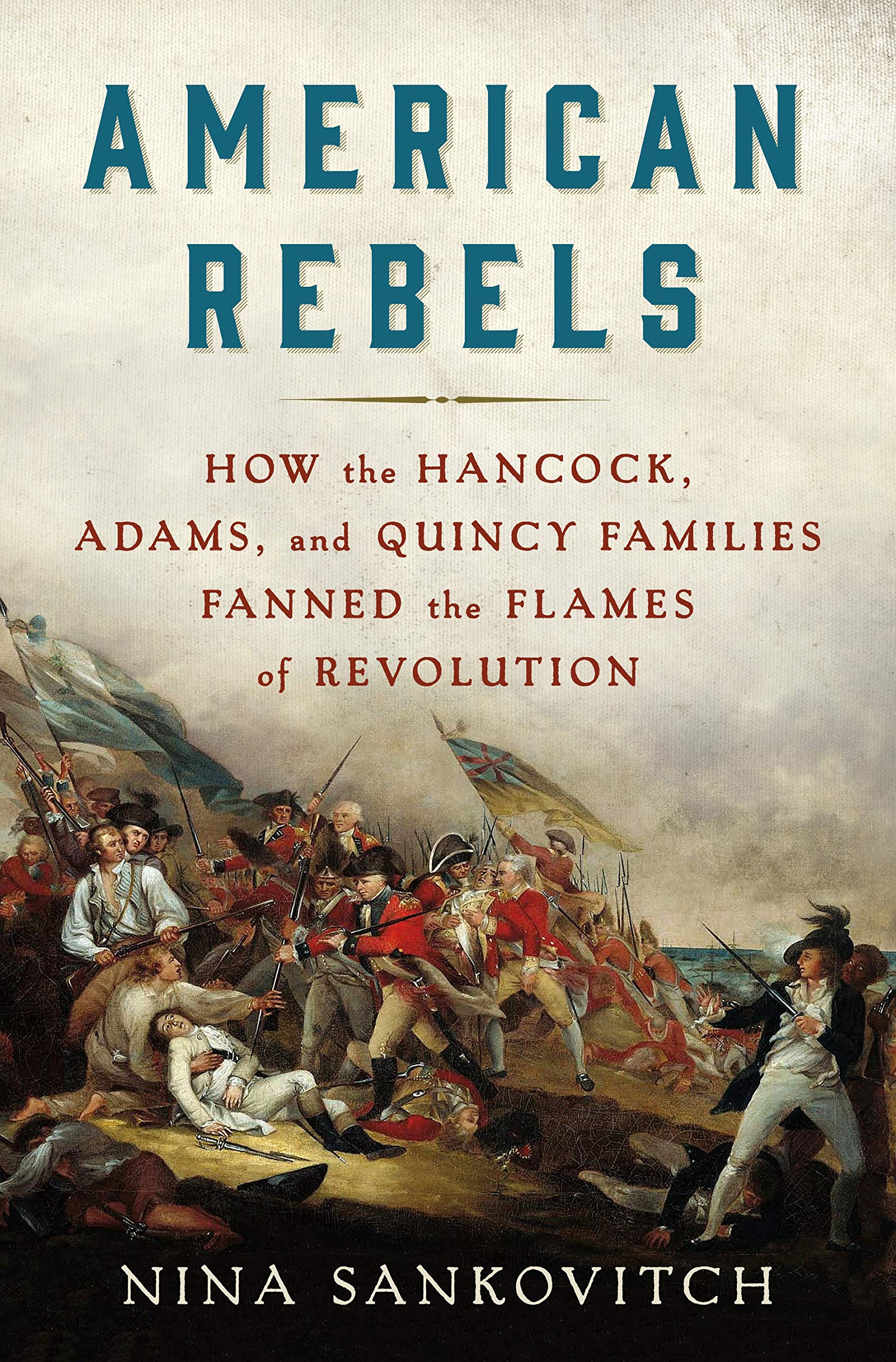
An excellent book ...
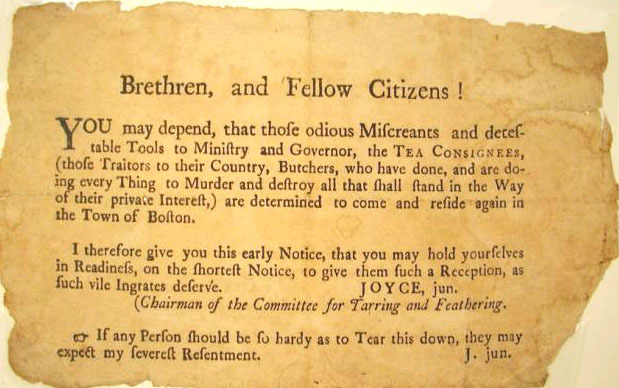
On December 25, the British ship Polly, bearing nearly seven hundred chests of tea in its hold, attempted to travel up the Delaware River to Philadelphia. The Polly was stopped by a blocke of small boats at Chester, and Samuel Ayres, the captain of the ship, was handed a message: "What think you Captain, of a Halter around your Neck -- ten gallons of liquid Tar decanted on your pate -- with the feathers of a dozen wild Geese laid over that to enliven your appearance? Only think seriously of this -- and fly to the Place from Whence you came."
By the next tide Captain Ayres was back on board and the Polly was turned round, ready to return to England.
Nina Sankovitch, from American Rebels: How the Hancock, Adams, and Quincy Families Fanned the Flames of Revolution
04 April 2020
Stand.
Freedom to write, freedom to read, freedom to own material that you believe is worth defending means you're going to have to stand up for stuff you don't believe is worth defending, even stuff you find actively distasteful, because laws are big blunt instruments that do not differentiate between what you like and what you don't, because prosecutors are humans and bear grudges and fight for re-election, because one person's obscenity is another person's art.
Because if you don't stand up for the stuff you don't like, when they come for the stuff you do like, you've already lost.
Neil Gaiman
05 March 2020
Execrations.
Revere, The Bloody Massacre perpetrated in King Street Boston on March 5th 1770 by a party of the 29th Regt., 1770
On this date in 1770 ...
Unhappy BOSTON! see thy Sons deplore, Thy hallowe'd Walks besmear'd with guiltless Gore: While faithless --- and his savage Bands, With murd'rous Rancour stretch their bloody Hands; Like fierce Barbarians grinning o'er their Prey, Approve the Carnage, and enjoy the Day.
If scalding drops from Rage from Anguish Wrung If speechless Sorrows lab' ring for a Tongue, Or if a weeping World can ought appease The plaintive Ghosts of Victims such as these; The Patriot's copious Tears for each are shed, A glorious Tribute which embalms the Dead.
But know, FATE summons to that awful Goal, Where JUSTICE strips the Murd'rer of his Soul: Should venal C-ts the scandal of the Land, Snatch the relentless Villain from her Hand, Keen Execrations on this Plate inscrib'd, Shall reach a JUDGE who never can be brib'd.
The unhappy Sufferers were Messs. SAM. L GRAY, SAM.L MAVERICK, JAM.S CALDWELL , CRISPUS ATTUCKS & PAT.K CARR Killed. Six wounded two of them (CHRIST.R MONK & JOHN CLARK) Mortally
18 April 2019
Ride.
Wood, The Midnight Ride of Paul Revere, 1931
On this date, at this hour, in 1775, Paul Revere began his portion of the famous ride.
PAUL REVERE'S RIDE
Listen, my children, and you shall hear
Of the midnight ride of Paul Revere,
On the eighteenth of April, in Seventy-five;
Hardly a man is now alive
Who remembers that famous day and year.
He said to his friend, "If the British march
By land or sea from the town to-night,
Hang a lantern aloft in the belfry arch
Of the North Church tower as a signal light,—
One, if by land, and two, if by sea;
And I on the opposite shore will be,
Ready to ride and spread the alarm
Through every Middlesex village and farm,
For the country folk to be up and to arm."
Then he said, "Good night!" and with muffled oar
Silently rowed to the Charlestown shore,
Just as the moon rose over the bay,
Where swinging wide at her moorings lay
The Somerset, British man-of-war;
A phantom ship, with each mast and spar
Across the moon like a prison bar,
And a huge black hulk, that was magnified
By its own reflection in the tide.
Meanwhile, his friend, through alley and street,
Wanders and watches with eager ears,
Till in the silence around him he hears
The muster of men at the barrack door,
The sound of arms, and the tramp of feet,
And the measured tread of the grenadiers,
Marching down to their boats on the shore.
Then he climbed the tower of the Old North Church,
By the wooden stairs, with stealthy tread,
To the belfry-chamber overhead,
And startled the pigeons from their perch
On the sombre rafters, that round him made
Masses and moving shapes of shade, —
By the trembling ladder, steep and tall,
To the highest window in the wall,
Where he paused to listen and look down
A moment on the roofs of the town,
And the moonlight flowing over all.
Beneath, in the churchyard, lay the dead,
In their night-encampment on the hill,
Wrapped in silence so deep and still
That he could hear, like a sentinel's tread,
The watchful night-wind, as it went
Creeping along from tent to tent,
And seeming to whisper, "All is well!"
A moment only he feels the spell
Of the place and the hour, and the secret dread
Of the lonely belfry and the dead;
For suddenly all his thoughts are bent
On a shadowy something far away,
Where the river widens to meet the bay, —
A line of black that bends and floats
On the rising tide, like a bridge of boats.
Meanwhile, impatient to mount and ride,
Booted and spurred, with a heavy stride
On the opposite shore walked Paul Revere.
Now he patted his horse's side,
Now gazed at the landscape far and near,
Then, impetuous, stamped the earth,
And turned and tightened his saddle girth;
But mostly he watched with eager search
The belfry-tower of the Old North Church,
As it rose above the graves on the hill,
Lonely and spectral and sombre and still.
And lo! as he looks, on the belfry's height
A glimmer, and then a gleam of light!
He springs to the saddle, the bridle he turns,
But lingers and gazes, till full on his sight
A second lamp in the belfry burns!
A hurry of hoofs in a village street,
A shape in the moonlight, a bulk in the dark,
And beneath, from the pebbles, in passing, a spark
Struck out by a steed flying fearless and fleet:
That was all! And yet, through the gloom and the light,
The fate of a nation was riding that night;
And the spark struck out by that steed, in his flight,
Kindled the land into flame with its heat.
He has left the village and mounted the steep,
And beneath him, tranquil and broad and deep,
Is the Mystic, meeting the ocean tides;
And under the alders, that skirt its edge,
Now soft on the sand, now loud on the ledge,
Is heard the tramp of his steed as he rides.
It was twelve by the village clock,
When he crossed the bridge into Medford town.
He heard the crowing of the cock,
And the barking of the farmer's dog,
And felt the damp of the river fog,
That rises after the sun goes down.
It was one by the village clock,
When he galloped into Lexington.
He saw the gilded weathercock
Swim in the moonlight as he passed,
And the meeting-house windows, blank and bare,
Gaze at him with a spectral glare,
As if they already stood aghast
At the bloody work they would look upon.
It was two by the village clock,
When he came to the bridge in Concord town.
He heard the bleating of the flock,
And the twitter of birds among the trees,
And felt the breath of the morning breeze
Blowing over the meadows brown.
And one was safe and asleep in his bed
Who at the bridge would be first to fall,
Who that day would be lying dead,
Pierced by a British musket-ball.
You know the rest. In the books you have read,
How the British Regulars fired and fled, —
How the farmers gave them ball for ball,
From behind each fence and farm-yard wall,
Chasing the red-coats down the lane,
Then crossing the fields to emerge again
Under the trees at the turn of the road,
And only pausing to fire and load.
So through the night rode Paul Revere;
And so through the night went his cry of alarm
To every Middlesex village and farm, —
A cry of defiance and not of fear,
A voice in the darkness, a knock at the door,
And a word that shall echo forevermore!
For, borne on the night-wind of the Past,
Through all our history, to the last,
In the hour of darkness and peril and need,
The people will waken and listen to hear
The hurrying hoof-beats of that steed,
And the midnight message of Paul Revere.
Henry Wadsworth Longfellow
CONNECT
On this date, at this hour, in 1775, Paul Revere began his portion of the famous ride.
PAUL REVERE'S RIDE
Listen, my children, and you shall hear
Of the midnight ride of Paul Revere,
On the eighteenth of April, in Seventy-five;
Hardly a man is now alive
Who remembers that famous day and year.
He said to his friend, "If the British march
By land or sea from the town to-night,
Hang a lantern aloft in the belfry arch
Of the North Church tower as a signal light,—
One, if by land, and two, if by sea;
And I on the opposite shore will be,
Ready to ride and spread the alarm
Through every Middlesex village and farm,
For the country folk to be up and to arm."
Then he said, "Good night!" and with muffled oar
Silently rowed to the Charlestown shore,
Just as the moon rose over the bay,
Where swinging wide at her moorings lay
The Somerset, British man-of-war;
A phantom ship, with each mast and spar
Across the moon like a prison bar,
And a huge black hulk, that was magnified
By its own reflection in the tide.
Meanwhile, his friend, through alley and street,
Wanders and watches with eager ears,
Till in the silence around him he hears
The muster of men at the barrack door,
The sound of arms, and the tramp of feet,
And the measured tread of the grenadiers,
Marching down to their boats on the shore.
Then he climbed the tower of the Old North Church,
By the wooden stairs, with stealthy tread,
To the belfry-chamber overhead,
And startled the pigeons from their perch
On the sombre rafters, that round him made
Masses and moving shapes of shade, —
By the trembling ladder, steep and tall,
To the highest window in the wall,
Where he paused to listen and look down
A moment on the roofs of the town,
And the moonlight flowing over all.
Beneath, in the churchyard, lay the dead,
In their night-encampment on the hill,
Wrapped in silence so deep and still
That he could hear, like a sentinel's tread,
The watchful night-wind, as it went
Creeping along from tent to tent,
And seeming to whisper, "All is well!"
A moment only he feels the spell
Of the place and the hour, and the secret dread
Of the lonely belfry and the dead;
For suddenly all his thoughts are bent
On a shadowy something far away,
Where the river widens to meet the bay, —
A line of black that bends and floats
On the rising tide, like a bridge of boats.
Meanwhile, impatient to mount and ride,
Booted and spurred, with a heavy stride
On the opposite shore walked Paul Revere.
Now he patted his horse's side,
Now gazed at the landscape far and near,
Then, impetuous, stamped the earth,
And turned and tightened his saddle girth;
But mostly he watched with eager search
The belfry-tower of the Old North Church,
As it rose above the graves on the hill,
Lonely and spectral and sombre and still.
And lo! as he looks, on the belfry's height
A glimmer, and then a gleam of light!
He springs to the saddle, the bridle he turns,
But lingers and gazes, till full on his sight
A second lamp in the belfry burns!
A hurry of hoofs in a village street,
A shape in the moonlight, a bulk in the dark,
And beneath, from the pebbles, in passing, a spark
Struck out by a steed flying fearless and fleet:
That was all! And yet, through the gloom and the light,
The fate of a nation was riding that night;
And the spark struck out by that steed, in his flight,
Kindled the land into flame with its heat.
He has left the village and mounted the steep,
And beneath him, tranquil and broad and deep,
Is the Mystic, meeting the ocean tides;
And under the alders, that skirt its edge,
Now soft on the sand, now loud on the ledge,
Is heard the tramp of his steed as he rides.
It was twelve by the village clock,
When he crossed the bridge into Medford town.
He heard the crowing of the cock,
And the barking of the farmer's dog,
And felt the damp of the river fog,
That rises after the sun goes down.
It was one by the village clock,
When he galloped into Lexington.
He saw the gilded weathercock
Swim in the moonlight as he passed,
And the meeting-house windows, blank and bare,
Gaze at him with a spectral glare,
As if they already stood aghast
At the bloody work they would look upon.
It was two by the village clock,
When he came to the bridge in Concord town.
He heard the bleating of the flock,
And the twitter of birds among the trees,
And felt the breath of the morning breeze
Blowing over the meadows brown.
And one was safe and asleep in his bed
Who at the bridge would be first to fall,
Who that day would be lying dead,
Pierced by a British musket-ball.
You know the rest. In the books you have read,
How the British Regulars fired and fled, —
How the farmers gave them ball for ball,
From behind each fence and farm-yard wall,
Chasing the red-coats down the lane,
Then crossing the fields to emerge again
Under the trees at the turn of the road,
And only pausing to fire and load.
So through the night rode Paul Revere;
And so through the night went his cry of alarm
To every Middlesex village and farm, —
A cry of defiance and not of fear,
A voice in the darkness, a knock at the door,
And a word that shall echo forevermore!
For, borne on the night-wind of the Past,
Through all our history, to the last,
In the hour of darkness and peril and need,
The people will waken and listen to hear
The hurrying hoof-beats of that steed,
And the midnight message of Paul Revere.
Henry Wadsworth Longfellow
CONNECT
21 November 2018
Unshaken.
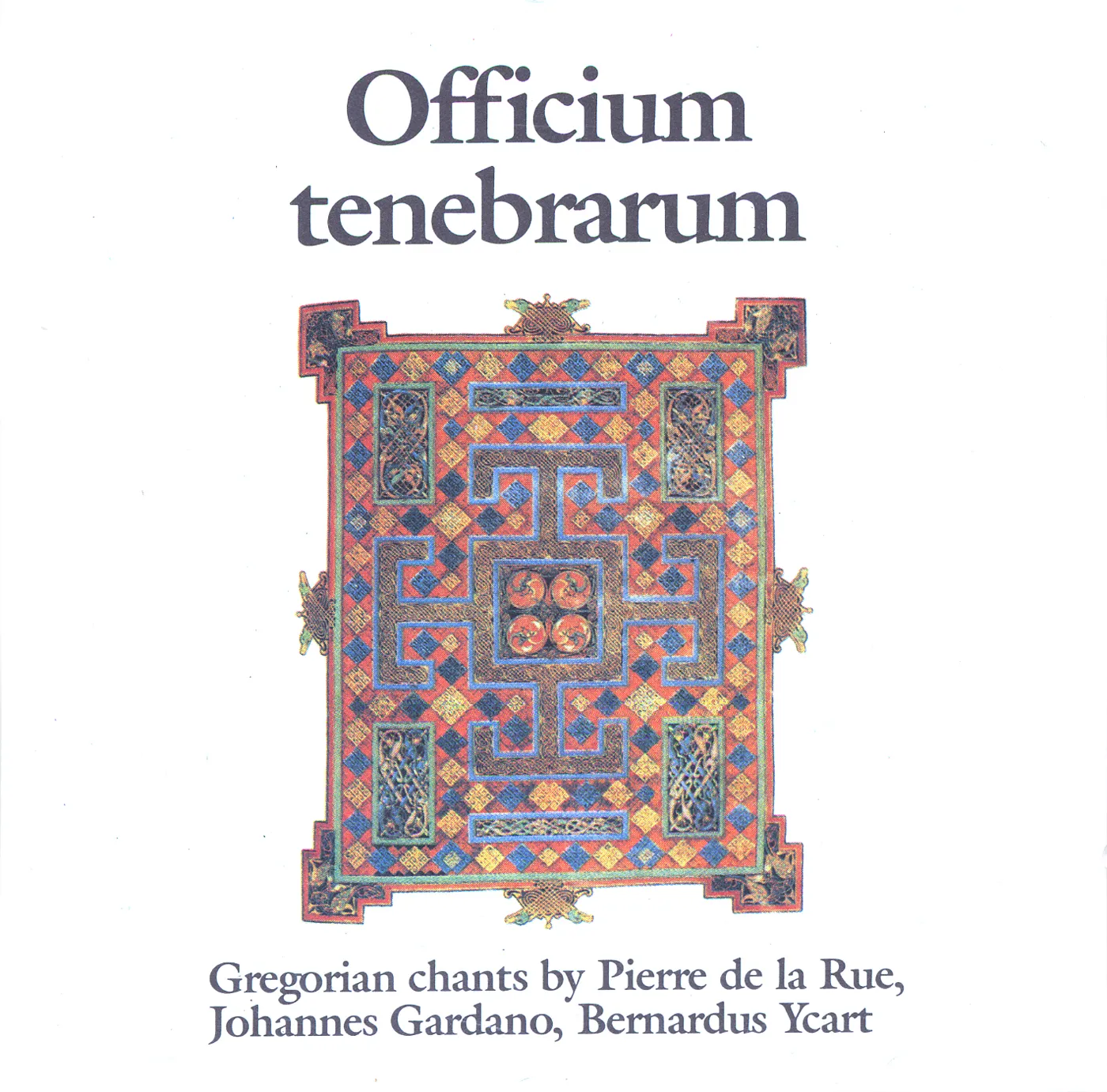
Copley, Samuel Adams, 1772
He therefore is the truest friend to the liberty of his country who tries most to promote its virtue, and who, so far as his power and influence extend, will not suffer a man to be chosen into any office of power and trust who is not a wise and virtuous man. We must not conclude merely upon a man's haranguing upon liberty, and using the charming sound, that he is fit to be trusted with the liberties of his country. It is not unfrequent to hear men declaim loudly upon liberty, who, if we may judge by the whole tenor of their actions, mean nothing else by it but their own liberty, -- to oppress without control or the restraint of laws all who are poorer or weaker than themselves. It is not, I say, unfrequent to see such instances, though at the same time I esteem it a justice due to my country to say that it is not without shining examples of the contrary kind; - examples of men of a distinguished attachment to this same liberty I have been describing; whom no hopes could draw, no terrors could drive, from steadily pursuing, in their sphere, the true interests of their country; whose fidelity has been tried in the nicest and tenderest manner, and has been ever firm and unshaken. The sum of all is, if we would most truly enjoy this gift of Heaven, let us become a virtuous people.

Samuel Adams
17 April 2018
27 September 2017
Subscribe to:
Posts (Atom)