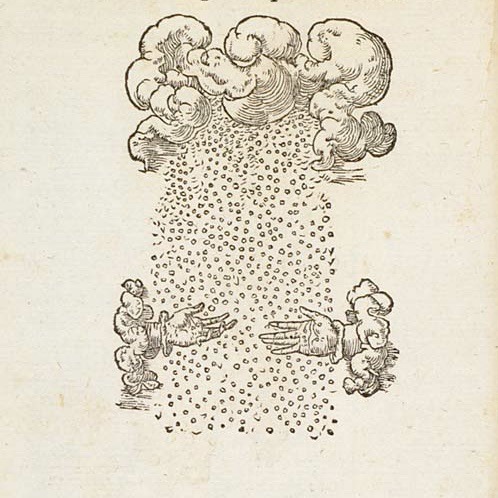
The failure to read good books both enfeebles the vision and strengthens our most fatal tendency -- the belief that the here and now is all there is.
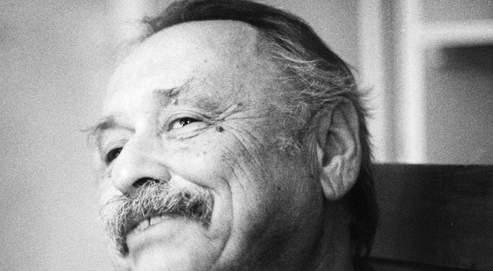
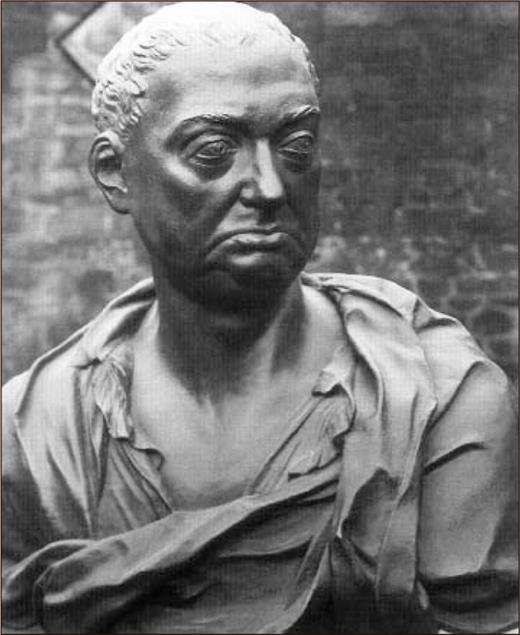
Allan Bloom, born on this day in 1930, from The Closing of the American Mind
The failure to read good books both enfeebles the vision and strengthens our most fatal tendency -- the belief that the here and now is all there is.
Allan Bloom, born on this day in 1930, from The Closing of the American Mind


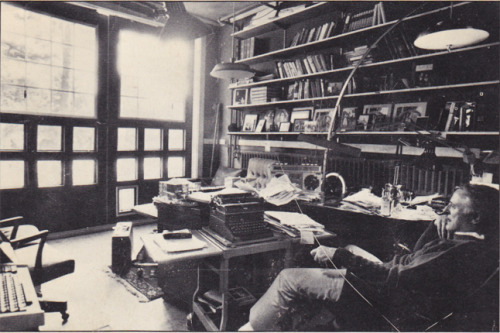
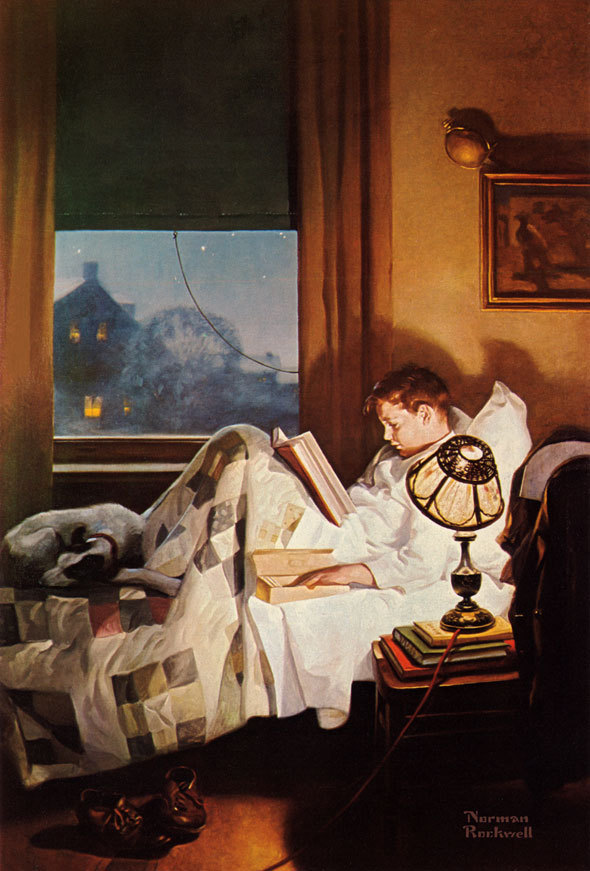
Time is limited, you know, there is only so much time and there is so much to read that would really enhance your life. It is, as I argue in this book, not only one of the most intense of all pleasures, but I think it is the most healing of all pleasures. I think it is more profoundly therapeutic, and most of what is urged upon us as therapy, one does not of course argue with the antidepressant drugs or anti-schizophrenic drugs, they are essential, but when it comes to the various modes of talking therapy, even a spiritual therapy, I would urge a deep course of solitary reading of the books that most matter instead.
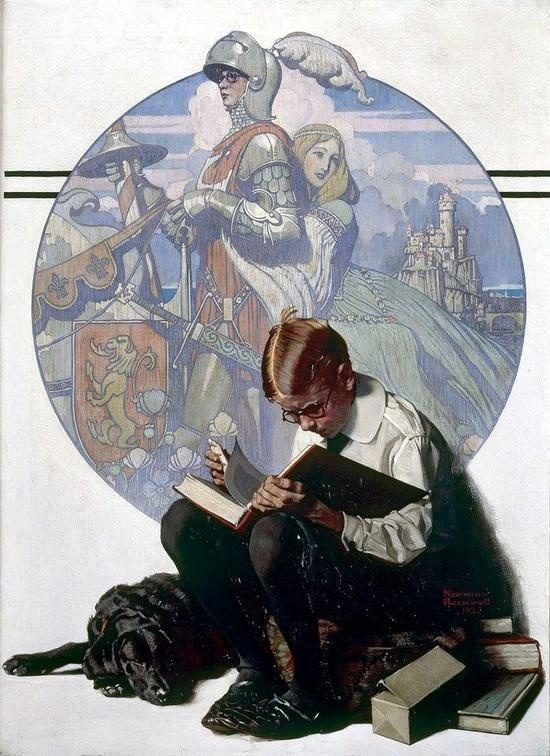




A healthy writing habit led to a culture of readers. Starting in the Middle Ages, Icelanders practiced something called the kvoldvaka (roughly, “night vigil”) in old farmsteads. During the long, dark, harsh winters, poor farmers huddled together in a single room in their turf houses to stay warm. “The kvoldvaka was the time between 6 and 10 p.m., roughly, when people would do their indoor work during the winter,” explains Alda Sigmundsdóttir, a writer and the founder of Little Books Publishing in Reykjavík. “They’d do their knitting, they’d make their tools, they’d work the wool—and during this session, there would be one person appointed to read to everyone else.”In those evening hours, children learned to tell, recite and read stories (teaching children to read, in fact, was required by both the church and the government). As Tomasson noted in “The Literacy of the Icelanders,” by the end of the grueling 18th century—when a smallpox epidemic killed as much as a third of the population and a volcanic eruption that lasted for eight months killed another fifth of the population and most of the livestock—nearly every surviving Icelander could read.Prior to the 20th century, “Christmas gifts used to be something useful, such as clothes or extra food,” says librarian Ingibjörg Steinunn Sverrisdóttir at the National and University Library of Iceland. Modern, international conflict would usher in new holiday traditions.The Jólabókaflóð traces back to Iceland’s transformation in World War II. In 1944, Iceland was a newly independent nation with a beleaguered wartime economy and 15,000 occupying Allied troops. “Because of the bad economy and depression, there were quotas or very strict restrictions on many things you could import,” says Heiðar Ingi Svansson, president of the Icelandic Publishers Association, an organization founded in 1889 that oversees the industry, promotes literature and awards annual literary prizes (announced each December and presented by the president of Iceland each January). “And that limited very much the selection of commodity goods that you could choose as Christmas gifts. But paper was one of the few commodities not rationed during the war—so paper was imported to produce books that were written and then printed in Iceland.” That fortuitous supply—and an infusion of occupation-related money—dovetailed beautifully with Icelanders’ literary leanings.