Showing posts with label England. Show all posts
Showing posts with label England. Show all posts
28 May 2026


19 December 2023

07 May 2023
Sustained.
The Coronation Chair has taken centre stage during coronation ceremonies at Westminster Abbey since 1308. It is one of the most precious and famous pieces of furniture in the world. Conservator Krista Blessley talks about the history of the Chair, the damage it has sustained, and how it is cared for before it is used again for the first time in almost 70 years ...
09 March 2022

17 November 2021

17 November 2020
Ages.
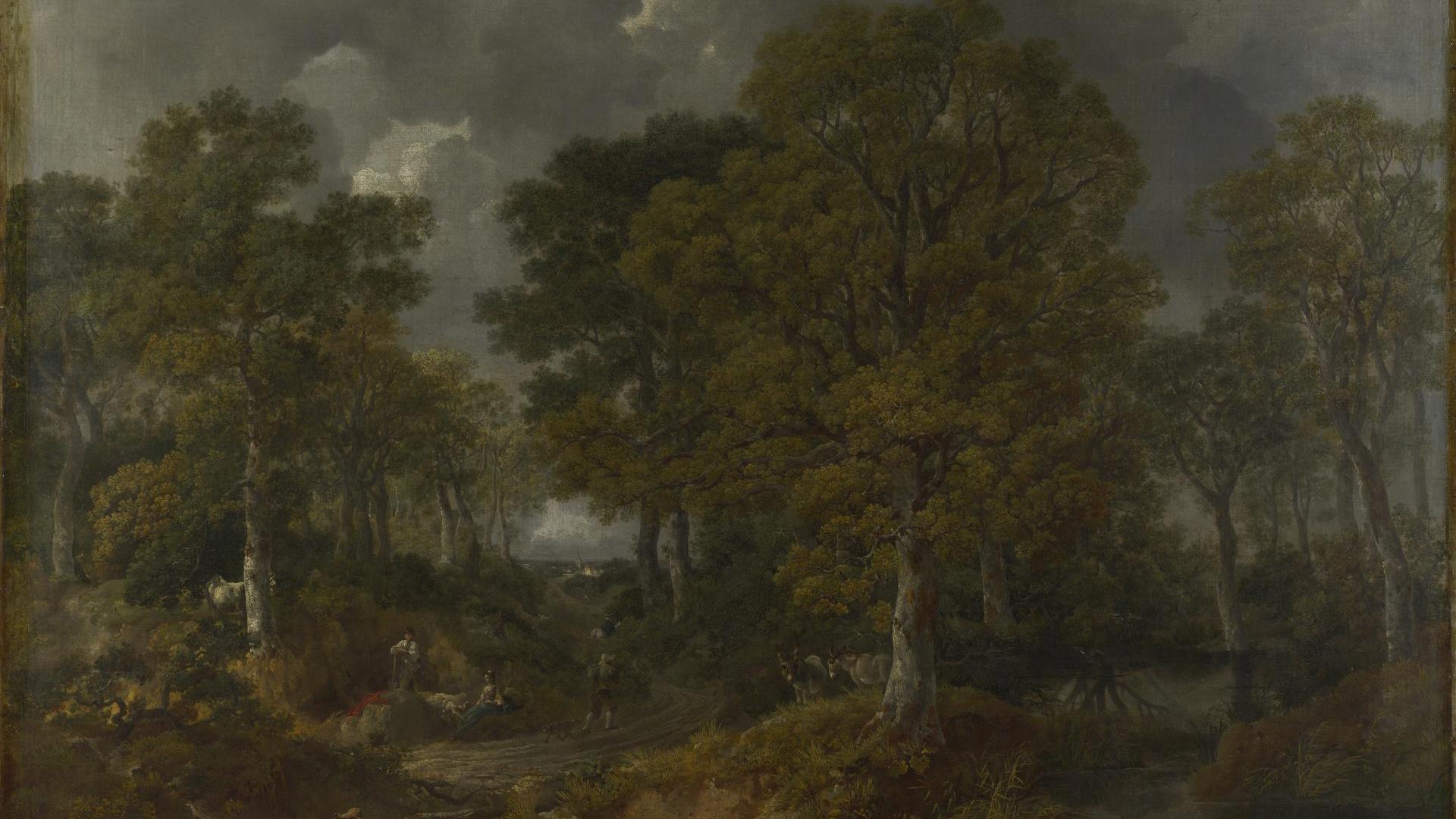
Gainsborough, Cornard Wood, near Sudbury, Suffolk, 1748
Washington Irving, "Rural Life in England," from The Sketchbook of Geoffrey Crayon, Gent. ...
In rural occupation, there is nothing mean and debasing. It leads a man forth among scenes of natural grandeur and beauty; it leaves him to the workings of his own mind, operated upon by the purest and most elevating of external influences. Such a man may be simple and rough, but he cannot be vulgar. The man of refinement, therefore, finds nothing revolting in an intercourse with the lower orders in rural life, as he does when he casually mingles with the lower orders of cities. He lays aside his distance and reserve, and is glad to waive the distinctions of rank, and to enter into the honest, heartfelt enjoyments of common life. Indeed, the very amusements of the country bring, men more and more together; and the sound hound and horn blend all feelings into harmony. I believe this is one great reason why the nobility and gentry are more popular among the inferior orders in England than they are in any other country; and why the latter have endured so many excessive pressures and extremities, without repining more generally at the unequal distribution of fortune and privilege.To this mingling of cultivated and rustic society may also be attributed the rural feeling that runs through British literature; the frequent use of illustrations from rural life; those incomparable descriptions of Nature, that abound in the British poets—that have continued down from “The Flower and the Leaf,” of Chaucer, and have brought into our closets all the freshness and fragrance of the dewy landscape. The pastoral writers of other countries appear as if they had paid Nature an occasional visit, and become acquainted with her general charms; but the British poets have lived and revelled with her—they have wooed her in her most secret haunts—they have watched her minutest caprices. A spray could not tremble in the breeze—a leaf could not rustle to the ground—a diamond drop could not patter in the stream—a fragrance could not exhale from the humble violet, nor a daisy unfold its crimson tints to the morning, but it has been noticed by these impassioned and delicate observers, and wrought up into some beautiful morality.The effect of this devotion of elegant minds to rural occupations has been wonderful on the face of the country. A great part of the island is rather level, and would be monotonous, were it not for the charms of culture; but it is studded and gemmed, as it were, with castles and palaces, and embroidered with parks and gardens. It does not abound in grand and sublime prospects, but rather in little home scenes of rural repose and sheltered quiet. Every antique farm-house and moss-grown cottage is a picture; and as the roads are continually winding, and the view is shut in by groves and hedges, the eye is delighted by a continual succession of small landscapes of captivating loveliness.The great charm, however, of English scenery, is the moral feeling that seems to pervade it. It is associated in the mind with ideas of order, of quiet, of sober well-established principles, of hoary usage and reverend custom. Every thing seems to be the growth of ages of regular and peaceful existence. The old church of remote architecture, with its low, massive portal; its Gothic tower; its windows rich with tracery and painted glass, in scrupulous preservation; its stately monuments of warriors and worthies of the olden time, ancestors of the present lords of the soil; its tombstones, recording successive generations of sturdy yeomanry, whose progeny still plough the same fields, and kneel at the same altar;—the parsonage, a quaint irregular pile, partly antiquated, but repaired and altered in the tastes of various ages and occupants;—the stile and foot-path leading from the churchyard, across pleasant fields, and along shady hedgerows, according to an immemorial right of way;—the neighboring village, with its venerable cottages, its public green sheltered by trees, under which the forefathers of the present race have sported;—the antique family mansion, standing apart in some little rural domain, but looking down with a protecting air on the surrounding scene; all these common features of English landscape evince a calm and settled security, a hereditary transmission of homebred virtues and local attachments, that speak deeply and touchingly for the moral character of the nation.
10 July 2020
Few.

Here inscribed the names of friends we knew,
Young men with whom we often flew.
Scrambled to many angels high,
They knew that they or friends might die.
Many were very scarcely trained,
And many badly burnt or maimed.
Behind each name a story lies
Of bravery in summer skies;
Though many brave unwritten tales
Were simply told in vapour trails.
Many now lie in sacred graves
And many rest beneath the waves.
Outnumbered every day they flew,
Remembered here as just "The Few".
Fl Lt William Walker
"The Battle of Britain," from the United States War Department's documentary film series, Why We Fight ...
The RAF's Battle of Britain site is HERE.
13 April 2020
Interest.

Sir John Betjeman
Summoned by Bells ...
A Passion for Churches ...
Let's Imagine: A Branch Line Railway ...
Britain's Cathedrals and Their Music ...
11 April 2020
Influence.
The program celebrates the impact of reggae, the changes it brought about and its lasting musical legacy.
Part 1: "Hard Road to Travel"
Part 2: "Catch a Fire"
Part 3: "Stir It Up"
Part 4: "Nice Up the Dance"


14 March 2020
Excellent.
An excellent book ...
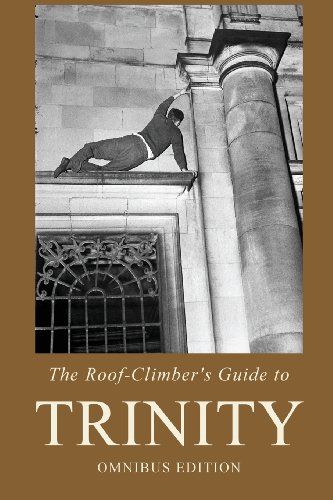
Before going on, it is rather fun to throw things down on passers-by in Trinity Lane. The missiles cannot be seen as they sail downwards, but a direct hit can usually be recognized. This pastime is not dignified, but we repeat, rather fun.
CONNECT
Before going on, it is rather fun to throw things down on passers-by in Trinity Lane. The missiles cannot be seen as they sail downwards, but a direct hit can usually be recognized. This pastime is not dignified, but we repeat, rather fun.
CONNECT
22 December 2019
Excellent.
An excellent book ...
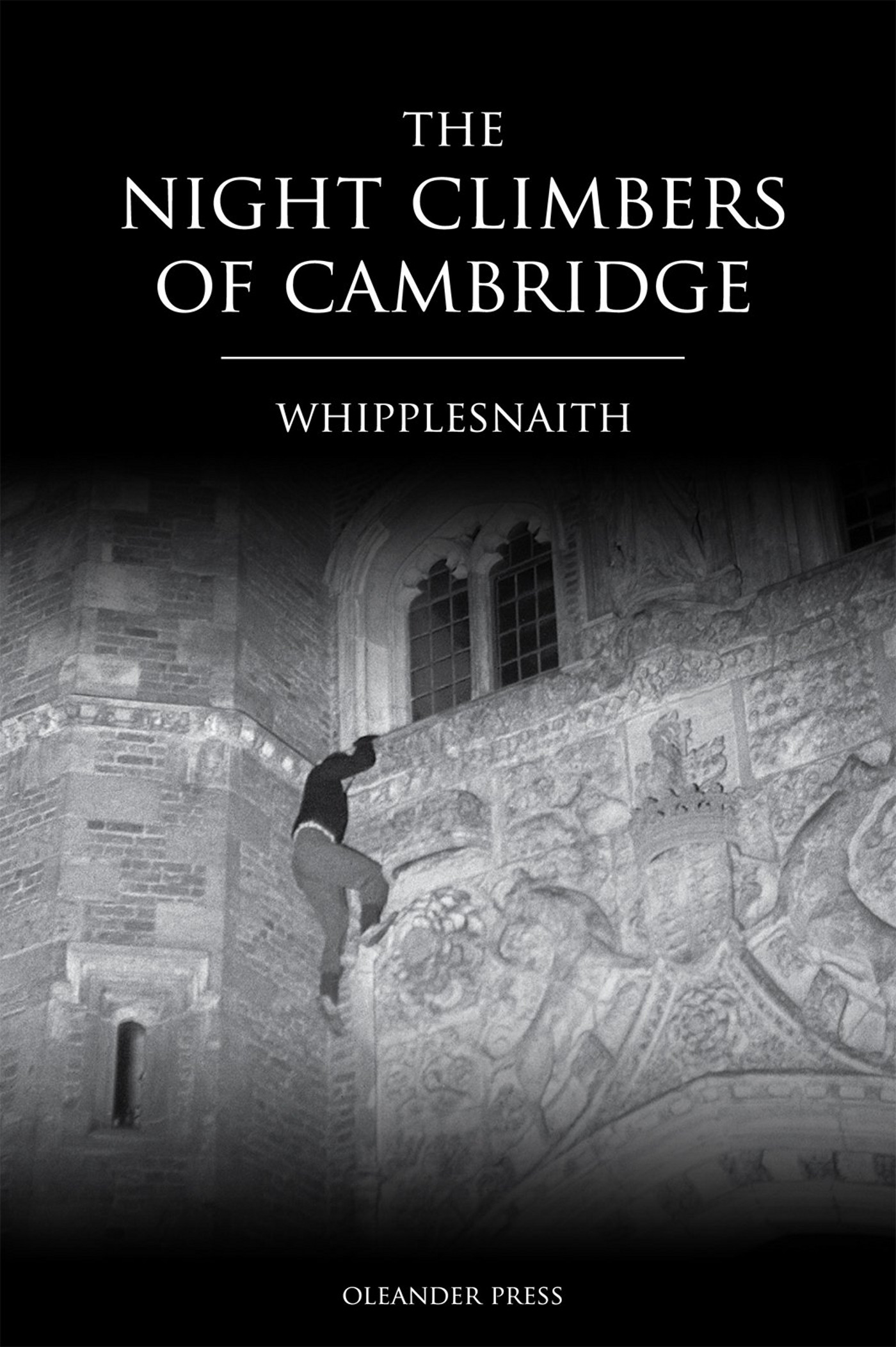
There is no night porter wandering about in King's. The authorities pay you the compliment, ugly gate-crasher, of treating you as a grown-up. And since we are not grown-up, you and I, we will perform our midnight frolics as the inmates burn the midnight oil.
Whipplesnaith
04 September 2018

14 April 2018

10 April 2018

03 December 2017
Security.

CHRISTMAS
There is nothing in England that exercises a more delightful spell over my imagination than the lingerings of the holiday customs and rural games of former times. They recall the pictures my fancy used to draw in the May morning of life, when as yet I only knew the world through books, and believed it to be all that poets had painted it; and they bring with them the flavour of those honest days of yore, in which, perhaps with equal fallacy, I am apt to think the world was more home-bred, social, and joyous than at present. I regret to say that they are daily growing more and more faint, being gradually worn away by time, but still more obliterated by modern fashion. They resemble those picturesque morsels of Gothic architecture which we see crumbling in various parts of the country, partly dilapidated by the waste of ages, and partly lost in the additions and alterations of latter days. Poetry, however, clings with cherishing fondness about the rural game and holiday revel, from which it has derived so many of its themes,—as the ivy winds its rich foliage about the Gothic arch and mouldering tower, gratefully repaying their support by clasping together their tottering remains, and, as it were, embalming them in verdure.
Of all the old festivals, however, that of Christmas awakens the strongest and most heartfelt associations. There is a tone of solemn and sacred feeling that blends with our conviviality, and lifts the spirit to a state of hallowed and elevated enjoyment. The services of the church about this season are extremely tender and inspiring. They dwell on the beautiful story of the origin of our faith, and the pastoral scenes that accompanied its announcement. They gradually increase in fervour and pathos during the season of Advent, until they break forth in full jubilee on the morning that brought peace and good-will to men. I do not know a grander effect of music on the moral feelings than to hear the full choir and the pealing organ performing a Christmas anthem in a cathedral, and filling every part of the vast pile with triumphant harmony.
Of all the old festivals, however, that of Christmas awakens the strongest and most heartfelt associations. There is a tone of solemn and sacred feeling that blends with our conviviality, and lifts the spirit to a state of hallowed and elevated enjoyment. The services of the church about this season are extremely tender and inspiring. They dwell on the beautiful story of the origin of our faith, and the pastoral scenes that accompanied its announcement. They gradually increase in fervour and pathos during the season of Advent, until they break forth in full jubilee on the morning that brought peace and good-will to men. I do not know a grander effect of music on the moral feelings than to hear the full choir and the pealing organ performing a Christmas anthem in a cathedral, and filling every part of the vast pile with triumphant harmony.
It is a beautiful arrangement, also derived from days of yore, that this festival, which commemorates the announcement of the religion of peace and love, has been made the season for gathering together of family connections, and drawing closer again those bands of kindred hearts which the cares and pleasures and sorrows of the world are continually operating to cast loose; of calling back the children of a family who have launched forth in life, and wandered widely asunder, once more to assemble about the paternal hearth, that rallying-place of the affections, there to grow young and loving again among the endearing mementoes of childhood.
There is something in the very season of the year that gives a charm to the festivity of Christmas. At other times we derive a great portion of our pleasures from the mere beauties of nature. Our feelings sally forth and dissipate themselves over the sunny landscape, and we "live abroad and everywhere." The song of the bird, the murmur of the stream, the breathing fragrance of spring, the soft voluptuousness of summer, the golden pomp of autumn; earth with its mantle of refreshing green, and heaven with its deep delicious blue and its cloudy magnificence, all fill us with mute but exquisite delight, and we revel in the luxury of mere sensation. But in the depth of winter, when nature lies despoiled of every charm, and wrapped in her shroud of sheeted snow, we turn for our gratifications to moral sources. The dreariness and desolation of the landscape, the short gloomy days and darksome nights, while they circumscribe our wanderings, shut in our feelings also from rambling abroad, and make us more keenly disposed for the pleasures of the social circle. Our thoughts are more concentrated; our friendly sympathies more aroused, we feel more sensibly the charm of each other's society, and are brought more closely together by dependence on each other for enjoyment. Heart calleth unto heart; and we draw our pleasures from the deep wells of living kindness, which lie in the quiet recesses of our bosoms: and which when resorted to, furnish forth the pure element of domestic felicity.
The pitchy gloom without makes the heart dilate on entering the room filled with the glow and warmth of the evening fire. The ruddy blaze diffuses an artificial summer and sunshine through the room, and lights up each countenance into a kindlier welcome. Where does the honest face of hospitality expand into a broader and more cordial smile—where is the shy glance of love more sweetly eloquent—than by the winter fireside? and as the hollow blast of wintry wind rushes through the hall, claps the distant door, whistles about the casement, and rumbles down the chimney, what can be more grateful than that feeling of sober and sheltered security with which we look around upon the comfortable chamber and the scene of domestic hilarity?
Washington Irving, from Old Christmas
20 October 2017
Happy birthday, Wren.
Wren, Dome, St. Paul's Cathedral, London, 1697


Sir Christopher Wren was born on this day in 1632.
Architecture has its political Use; publick Buildings being the Ornament of a Country; it establishes a Nation, draws People and Commerce; makes the People love their native Country, which Passion is the Original of all great Actions in a Common-wealth. Architecture aims at Eternity.
Sir Christopher Wren
Professor Simon Thurley presents Sir Christopher Wren: Buildings, Place and Genius ...
07 September 2017
Happy birthday, Butterfield.
Butterfield, All Saints, Wykeham, 1855


William Butterfield was born on this day in 1814.
06 July 2017
Ghosts.
Twenty-first-century London contains some of the finest book collections in the world, but what about the libraries that haven’t survived? If you know where to look, the city’s streets and alleyways are crammed with the ghosts of libraries past.
02 January 2017
Palpable.
History is not an academic discipline, it's a
living presence, which is on some occasions palpable.
Peter Ackroyd
Peter Ackroyd reads and discusses England, history,
and writing with Bettany Hughes ...
Audience questions ...
Subscribe to:
Posts (Atom)