20 June 2017


Necessity.
Piotrowski, Inside the Flames, 1907
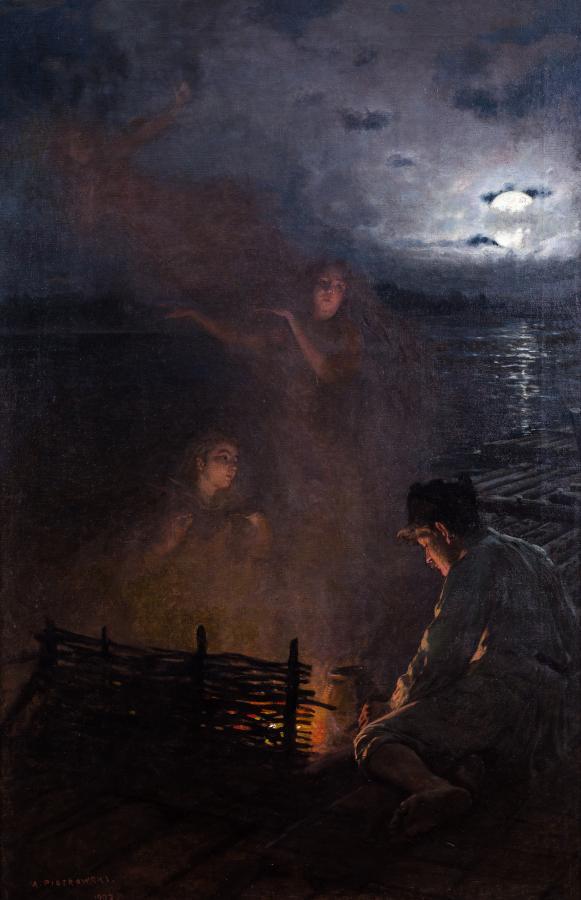
My friend, it is the poet’s work Dreams to interpret and to mark. Believe me that man’s true conceit In a dream becomes complete: All poetry we ever read Is but true dreams interpreted.
The fair illusion of the dream sphere, in the production of which every man proves himself an accomplished artist, is a precondition not only of all plastic art, but even, as we shall see presently, of a wide range of poetry. Here we enjoy an immediate apprehension of form, all shapes speak to us directly, nothing seems indifferent or redundant. Despite the high intensity with which these dream realities exist for us, we still have a residual sensation that they are illusions; at least such has been my experience—and the frequency, not to say normality, of the experience is borne out in many passages of the poets. Men of philosophical disposition are known for their constant premonition that our everyday reality, too, is an illusion, hiding another, totally different kind of reality. It was Schopenhauer who considered the ability to view at certain times all men and things as mere phantoms or dream images to be the true mark of philosophic talent. The person who is responsive to the stimuli of art behaves toward the reality of dream much the way the philosopher behaves toward the reality of existence: he observes exactly and enjoys his observations, for it is by these images that he interprets life, by these processes that he rehearses it. Nor is it by pleasant images only that such plausible connections are made: the whole divine comedy of life, including its somber aspects, its sudden balkings, impish accidents, anxious expectations, moves past him, not quite like a shadow play—for it is he himself, after all, who lives and suffers through these scenes—yet never without giving a fleeting sense of illusion; and I imagine that many persons have reassured themselves amidst the perils of dream by calling out, “It is a dream! I want it to go on.” I have even heard of people spinning out the causality of one and the same dream over three or more successive nights. All these facts clearly bear witness that our innermost being, the common substratum of humanity, experiences dreams with deep delight and a sense of real necessity.
The fair illusion of the dream sphere, in the production of which every man proves himself an accomplished artist, is a precondition not only of all plastic art, but even, as we shall see presently, of a wide range of poetry. Here we enjoy an immediate apprehension of form, all shapes speak to us directly, nothing seems indifferent or redundant. Despite the high intensity with which these dream realities exist for us, we still have a residual sensation that they are illusions; at least such has been my experience—and the frequency, not to say normality, of the experience is borne out in many passages of the poets. Men of philosophical disposition are known for their constant premonition that our everyday reality, too, is an illusion, hiding another, totally different kind of reality. It was Schopenhauer who considered the ability to view at certain times all men and things as mere phantoms or dream images to be the true mark of philosophic talent. The person who is responsive to the stimuli of art behaves toward the reality of dream much the way the philosopher behaves toward the reality of existence: he observes exactly and enjoys his observations, for it is by these images that he interprets life, by these processes that he rehearses it. Nor is it by pleasant images only that such plausible connections are made: the whole divine comedy of life, including its somber aspects, its sudden balkings, impish accidents, anxious expectations, moves past him, not quite like a shadow play—for it is he himself, after all, who lives and suffers through these scenes—yet never without giving a fleeting sense of illusion; and I imagine that many persons have reassured themselves amidst the perils of dream by calling out, “It is a dream! I want it to go on.” I have even heard of people spinning out the causality of one and the same dream over three or more successive nights. All these facts clearly bear witness that our innermost being, the common substratum of humanity, experiences dreams with deep delight and a sense of real necessity.
Friedrich Wilhelm Nietzsche, from The Birth of Tragedy from the Spirit of Music
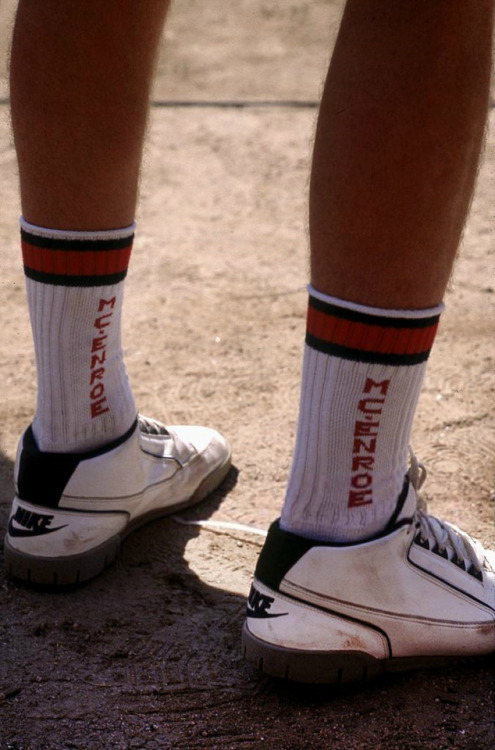
Work.
The growth of the exploiters' revolution on this continent has been accompanied by the growth of the idea that work is beneath human dignity, particularly any form of hand work. We have made it our overriding ambition to escape work, and as a consequence have debased work until it is only fit to escape from. We have debased the products of work and have been, in turn, debased by them.
Wendell Berry, from The Unsettling of America: Culture & Agriculture
Admire.
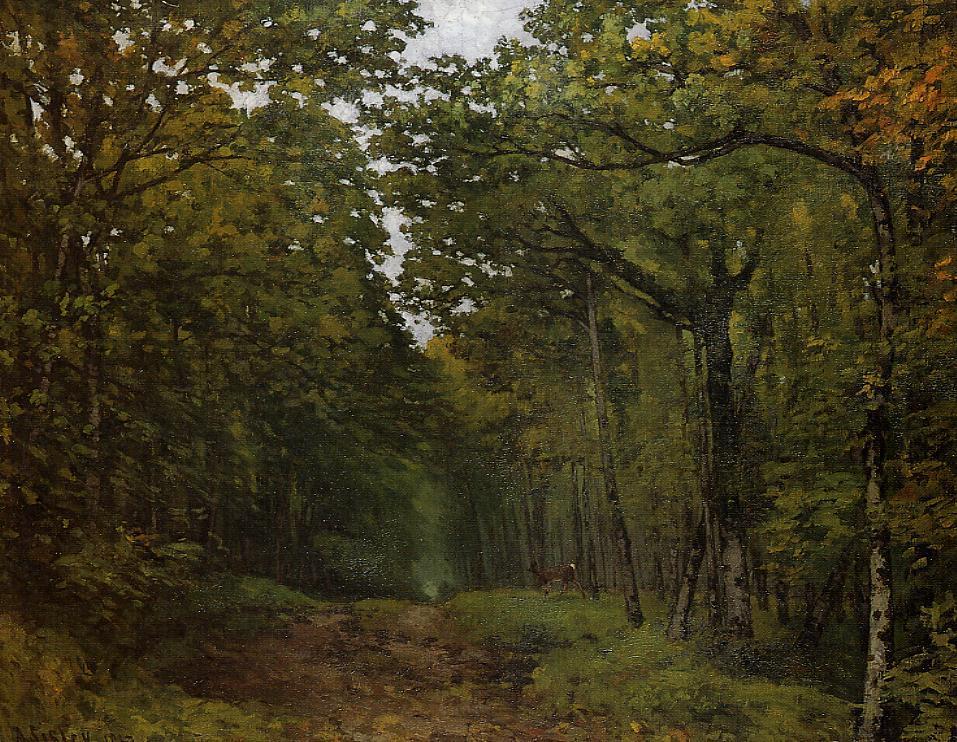
Sisley, Avenue of Chestnut Trees near La Celle Saint Cloud, 1867
That time
I thought I could not
go any closer to grief
without dying
I went closer,
and I did not die.
Surely God
had His hands in this,
as well as friends.
Still, I was bent
and my laughter,
as the poet said,
was nowhere to be found.
Then said my friend Daniel
(brave even among lions),
“It’s not the weight you carry
but how you carry it -
books, bricks, grief -
it’s all in the way
you embrace it, balance it, carry it
when you cannot and would not,
put it down.”
So I went practicing.
Have you noticed?
Have you heard
the laughter
that comes, now and again,
out of my startled mouth?
How I linger
to admire, admire, admire
the things of this world
that are kind, and maybe
also troubled -
roses in the wind,
the sea geese on the steep waves,
a love
to which there is no reply?
Mary Oliver
Rediscover.

The value of the myth is that it takes all the things we know and restores to them the rich significance which has been hidden by ‘the veil of familiarity.’ The child enjoys his cold meat, otherwise dull to him, by pretending it is buffalo, just killed with his own bow and arrow. And the child is wise. The real meat comes back to him more savory for having been dipped in a story, by putting bread, gold, horse, apple, or the very roads into a myth, we do not retreat from reality: we rediscover it.
C.S. Lewis
Nap.

Some recent research has found that the right side of the brain is far more active during a nap than the left side, which stays fairly quiet while we’re asleep. Despite the fact that 95% of the population is right-handed, with the left side of their brains being the most dominant, the right side is consistently the more active hemisphere during sleep.
The study’s author, Andrei Medvedev, speculated that the right side of the brain handles ‘housekeeping’ duties while we’re asleep. The study looked at how active various parts of the brain were while participants were sleeping:
Medvedev and his colleagues used a type of brain imaging known as near-infrared spectroscopy, which involves placing optical fibers similar to electrodes symmetrically around a person’s scalp. These “optodes” send infrared light through the brain and measure how much light returns.
The intensity of light bouncing back provides an estimate of the blood flow in different regions of the brain. Blood flow, in turn, is an indicator of how active those regions are.
So while the left side of your brain takes some time off to relax, the right side is clearing out your temporary storage areas, pushing information into long-term storage, and solidifying your memories from the day.

19 June 2017
Pass.
Rembrandt, Monk Reading, 1661
-_Monk_Reading_-_Lukeva_munkki_-_L%C3%A4sande_munk_(29433036826).jpg/836px-Rembrandt_Harmensz._van_Rijn_(1606%E2%88%921669)-_Monk_Reading_-_Lukeva_munkki_-_L%C3%A4sande_munk_(29433036826).jpg)
When evening has come, I return home and go into my study. On the threshold I strip off my muddy, sweaty, workday clothes, and I put on the robes of court and palace, and in this graver dress I enter the antique courts of the ancients and am welcomed by them, and there I taste the food that alone is mine, for which I was born. There I make bold to speak with them and to ask the motives for their actions, and they, in their humanity, reply to me. And for the space of four hours I forget the world, remember no vexations, fear poverty no more, tremble no more at death: I pass into their world.
Niccolò Machiavelli
Niccolò Machiavelli
_-_Google_Art_Project.jpg)
Joy.

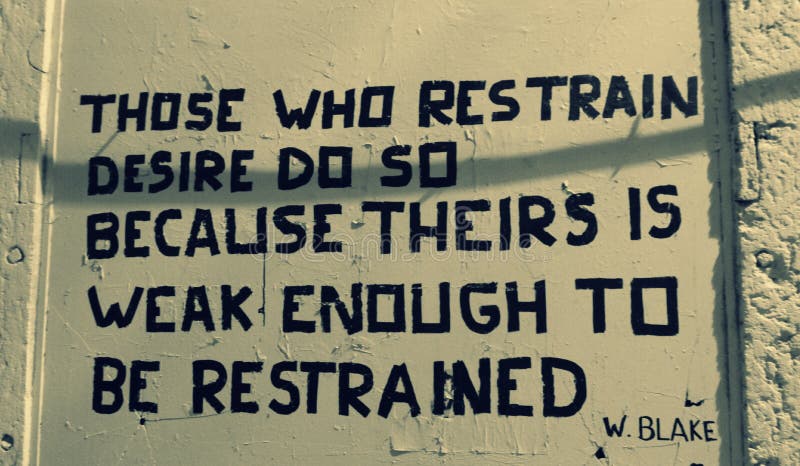
Five windows light the cavern'd Man: thro' one he breathes the air;
Thro' one hears music of the spheres; thro' one the Eternal Vine
Flourishes, that he may receive the grapes; thro' one can look
And see small portions of the Eternal World that ever groweth;
Thro' one himself pass out what time he please, but he will not;
For stolen joys are sweet, and bread eaten in secret pleasant.
So sang a Fairy, mocking, as he sat on a streak'd tulip,
Thinking none saw him: when he ceas'd I started from the trees,
And caught him in my hat, as boys knock down a butterfly.
How know you this, said I, small Sir? where did you learn this song?
Seeing himself in my possession, thus he answer'd me:
My Master, I am yours! command me, for I must obey.
Then tell me, what is the Material World, and is it dead?
He, laughing, answer'd: I will write a book on leaves of flowers,
If you will feed me on love−thoughts, and give me now and then
A cup of sparkling poetic fancies; so, when I am tipsy,
I'll sing to you to this soft lute, and show you all alive
The World, when every particle of dust breathes forth its joy.
William Blake
William Blake
17 June 2017
08 June 2017
Excellent.
An excellent book ...

An excellent movie ...
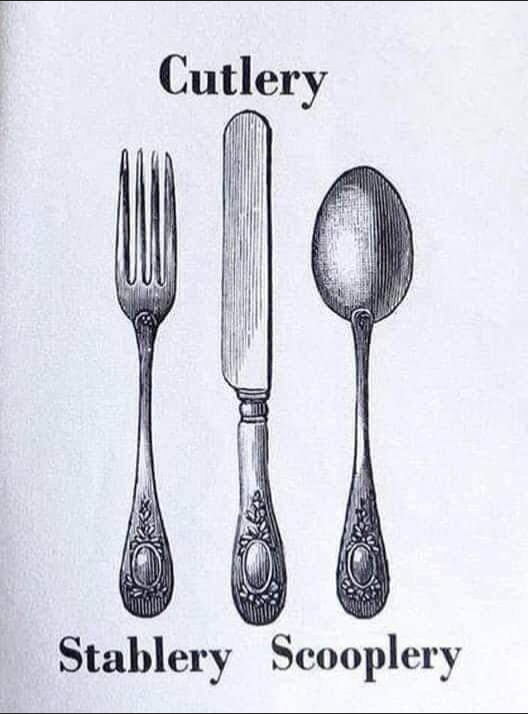
Always choose the lesser of two weevils.
I was born at the wrong time.
An excellent movie ...
Always choose the lesser of two weevils.
I was born at the wrong time.
Created.
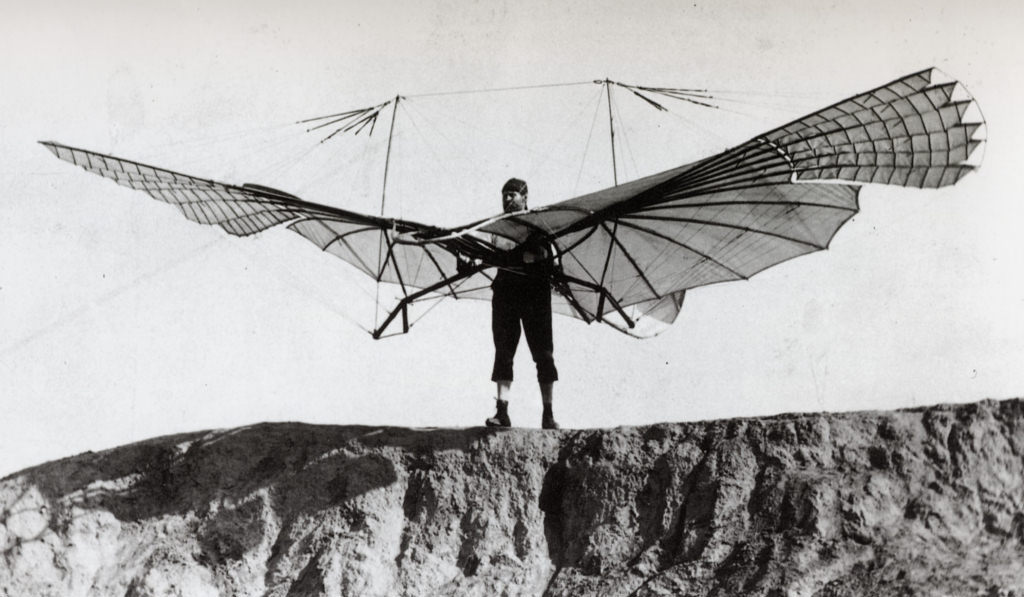
Truth can only exist when it is created, not by diligent and
reliable officials, but by madmen, hermits, heretics, dreamers, rebels, and
skeptics.
Yevgeny Zamyatin
Experience.

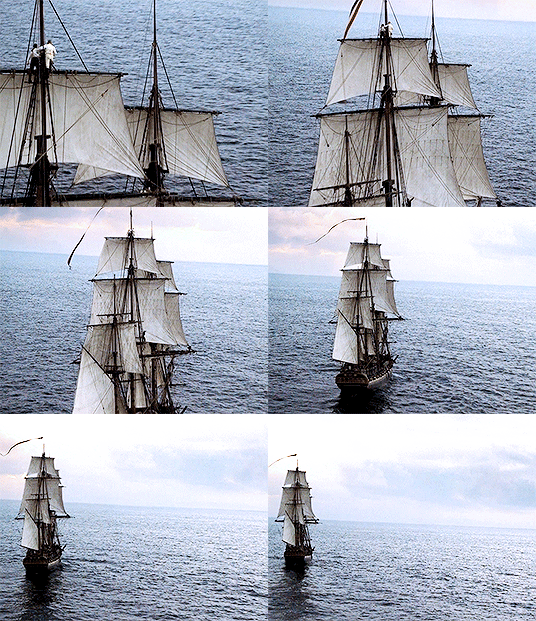
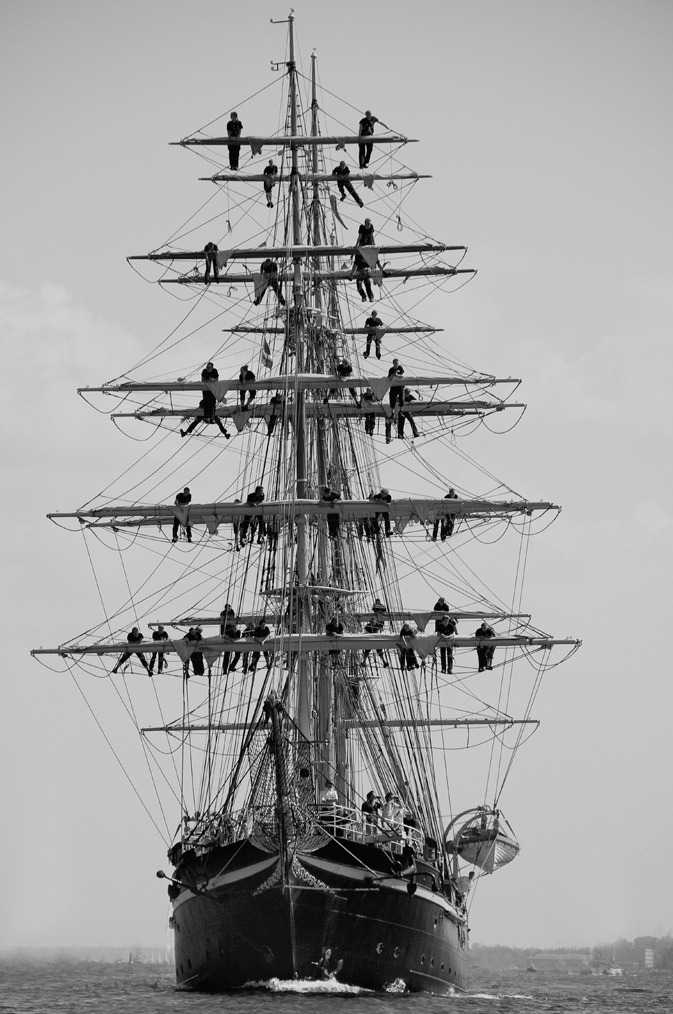
The tall ship Corwith Cramer stumbled into the Celtic Sea, engine roaring, 7,500 square feet of sail furled up mute. Its two masts ticked against the horizon like a metronome set to allegro. I joined a row of pallid sailors crouched at the leeward rail. Foam-lathered swell swung for my face, then reeled abruptly away. By the third time I threw up over the side, the “wine-dark sea” of Homer’s poetry just looked like the basin of a billion vomits.
Misery loves blame, so I blamed Joseph Conrad, whose fiction had brought me here. Before Conrad published his first novel in 1895, he spent 20 years working as a merchant sailor, mostly on sailing ships, and fully half his writing — including “Heart of Darkness,” “Lord Jim” and “The Secret Sharer” — deals with sailors, ships and the sea. These loom so large for him that as I have researched a book about Conrad’s life and times, I have felt it essential to travel by sea myself.
I had already taken passage from China to England on a giant container ship, tracing a historic route with the comforts of a queen-size bed, round-the-clock hot water and a mass of steel as big as the Empire State Building between me and the sick-making swell. But the more I read Conrad, the more I realized that I had to get on a tall ship like the ones he knew best, and experience its unique ways of moving, working and speaking.
CONNECT
07 June 2017
Wind.

Neil’s like a force of nature, he’s like having the wind in
your band. He’s like adding nitroglycerin to the mix. He’s pretty powerful.
David Crosby
He can't sing. He can't play. He's great.
Tom Earls
Don't Be Denied ...
06 June 2017


Life-cherishing.

Poetry is a life-cherishing force. For poems are not words,
after all, but fires for the cold, ropes let down to the lost, something as
necessary as bread in the pockets of the hungry.
Mary Oliver
05 June 2017
Mozart, Piano Concerto No.23 in A Major, K. 488
Vladimir Horowitz performs with The Orchestra of La Scala, directed by Carlo Maria Giulini ...
Actively.

The existence of any library, even mine, allows readers a
sense of what their craft is truly about, a craft that struggles against the
stringencies of time by bringing fragments of the past into their present. It
grants them a glimpse, however secret or distant, into the minds of other human
beings, and allows them a certain knowledge of their own condition through the
stories stored here for their perusal. Above all, it tells readers that their
craft consist of the power to remember, actively, through the prompt of the
page, selected moments of the human experience.
Alberto Manguel
Troll.

Great Norwegian Mountain Troll allegedly photographed in
December 1942 by the crew of an RAF recon flight 300 miles North of Berge.

04 June 2017
Resolute.

Something can be done by good laws; more can be done by honest administration of the laws; but most of all can be done by frowning
resolutely upon the preachers of vague discontent; and by upholding the true
doctrine of self-reliance, self-help, and self-mastery. This doctrine sets
forth many things. Among them is the fact that though a man can occasionally be
helped when he stumbles, yet that it is useless to try to carry him when he
will not or cannot walk; and worse than useless to try to bring down the work
and reward of the thrifty and intelligent to the level of the capacity of the
weak, the shiftless, and the idle. It further shows that the maudlin
philanthropist and the maudlin sentimentalist are almost as noxious as the
demagogue, and that it is even more necessary to temper mercy with justice than
justice with mercy.
Theodore Roosevelt
CONNECT
RUSH, "Vital Signs"
Unstable condition:
A symptom of life,
In mental,
And environmental change
Atmospheric disturbance -
The feverish flux,
Of human interface
And interchange
The impulse is pure -
Sometimes our circuits get shorted,
By external interference
Signals get crossed -
And the balance distorted
By internal incoherence
A tired mind become a shape-shifter
Everybody need a mood lifter
Everybody need reverse polarity
Everybody got mixed feelings
About the function and the form.
Everybody got to deviate
From the norm
An ounce of perception -
A pound of obscure
Process information
At half speed
Pause:
Rewind - replay -
Warm memory chip
Random-sample -
Hold the one you need
Leave out the fiction
The fact is;
This friction
Will only be worn by persistence
Leave out conditions
Courageous convictions
Will drag the dream into existence
A tired mind become a shape-shifter
Everybody need a soft filter
Everybody need reverse polarity
Everybody got mixed feelings
About the function and the form
Everybody got to elevate
From the norm...
A symptom of life,
In mental,
And environmental change
Atmospheric disturbance -
The feverish flux,
Of human interface
And interchange
The impulse is pure -
Sometimes our circuits get shorted,
By external interference
Signals get crossed -
And the balance distorted
By internal incoherence
A tired mind become a shape-shifter
Everybody need a mood lifter
Everybody need reverse polarity
Everybody got mixed feelings
About the function and the form.
Everybody got to deviate
From the norm
An ounce of perception -
A pound of obscure
Process information
At half speed
Pause:
Rewind - replay -
Warm memory chip
Random-sample -
Hold the one you need
Leave out the fiction
The fact is;
This friction
Will only be worn by persistence
Leave out conditions
Courageous convictions
Will drag the dream into existence
A tired mind become a shape-shifter
Everybody need a soft filter
Everybody need reverse polarity
Everybody got mixed feelings
About the function and the form
Everybody got to elevate
From the norm...
Baptized.

Nearer to the earth's heart,
Deeper within its silence:
Animals know this world
In a way we never will.
We who are ever
Distanced and distracted
By the parade of bright
Windows thought opens:
Their seamless presence
Is not fractured thus.
Stranded between time
Gone and time emerging,
We manage seldom
To be where we are:
Whereas they are always
Looking out from
The here and now.
May we learn to return
And rest in the beauty
Of animal being,
Learn to lean low,
Leave our locked minds,
And with freed senses
Feel the earth
Breathing with us.
May we enter
Into lightness of spirit,
And slip frequently into
The feel of the wild.
Let the clear silence
Of our animal being
Cleanse our hearts
Of corrosive words.
May we learn to walk
Upon the earth
With all their confidence
And clear-eyed stillness
So that our minds
Might be baptized
In the name of the wind
And light and the rain.
John O'Donohue
Memory.
Homer, Hurricane, Bahamas, 1898

RIVERS of REPOSE
RIVERS of REPOSE
The willows carried a slow sound,
A sarabande the wind mowed on the mead.
I could never remember
That seething, steady leveling of the marshes
Till age had brought me to the sea.
Flags, weeds. And remembrance of steep alcoves
Where cypresses shared the noon’s
Tyranny; they drew me into hades almost.
And mammoth turtles climbing sulphur dreams
Yielded, while sun-silt rippled them
Asunder ...
How much I would have bartered! the black gorge
And all the singular nestings in the hills
Where beavers learn stitch and tooth.
The pond I entered once and quickly fled—
I remember now its singing willow rim.
And finally, in that memory all things nurse;
After the city that I finally passed
With scalding unguents spread and smoking darts
The monsoon cut across the delta
At gulf gates ... There, beyond the dykes
I heard wind flaking sapphire, like this summer,
And willows could not hold more steady sound.
Hart Crane
Freighted.

Ocean is more ancient than the mountains, and freighted with
the memories and the dreams of Time.
H. P. Lovecraft
02 June 2017
Courage.

Have the courage to use your own understanding! The energy
of courage needed to overcome the obstacles to learning thrown up by both the
intolerance of nature and the cowardice of the heart. Not for nothing does the
ancient myth have the goddess of wisdom emerging fully armed from Jupiter’s
head; for her very first action is that of a warrior. Even at her birth she
must enter a bitter struggle with senses that do not wish to be torn from sweet
repose.
Friedrich Schiller
)
High.

Write it on your heart
that every day is the best day in the year.
He is rich who owns the day, and no one owns the day
who allows it to be invaded with fret and anxiety.
Finish every day and be done with it.
You have done what you could.
Some blunders and absurdities, no doubt crept in.
Forget them as soon as you can, tomorrow is a new day;
begin it well and serenely, with too high a spirit
to be cumbered with your old nonsense.
This new day is too dear,
with its hopes and invitations,
to waste a moment on the yesterdays
that every day is the best day in the year.
He is rich who owns the day, and no one owns the day
who allows it to be invaded with fret and anxiety.
Finish every day and be done with it.
You have done what you could.
Some blunders and absurdities, no doubt crept in.
Forget them as soon as you can, tomorrow is a new day;
begin it well and serenely, with too high a spirit
to be cumbered with your old nonsense.
This new day is too dear,
with its hopes and invitations,
to waste a moment on the yesterdays
Ralph Waldo Emerson
01 June 2017
Pinnacle.

Abraham Maslow is the leading figure in the tradition of
humanistic psychology and the modern Positive Psychology movement owes a huge debt to his theories. His "Hierarchy of Needs" remains widely recognized and used.
Nonetheless, the layperson knows surprisingly little about
the pinnacle Maslow wants us to aspire to- Self-Actualization. Who is this
Self-Actualized person, and what characteristics does s/he have? Maslow’s
portrait is detailed and complex.
Self-Actualization
Maslow describes the good life as one directed towards self-actualization, the pinnacle need. Self-actualization
occurs when you maximize your potential, doing the best that you are capable of
doing. Maslow studied individuals whom he believed to be self-actualized,
including Abraham Lincoln, Thomas Jefferson, and Albert Einstein, to derive the
common characteristics of the self-actualized person. Here are a selection of
the most important characteristics, from his book Motivation and Personality:
1. Self-actualized
people embrace the unknown and the ambiguous.
2. They accept
themselves, together with all their flaws.
3. They
prioritize and enjoy the journey, not just the destination.
4. While they
are inherently unconventional, they do not seek to shock or disturb.
5. They are
motivated by growth, not by the satisfaction of needs.
6. Self-actualized people have purpose.
6. Self-actualized people have purpose.
7. They are not
troubled by the small things.
8. Self-actualized
people are grateful.
9. They share deep relationships with a few, but also feel identification and affection towards the entire human race.
9. They share deep relationships with a few, but also feel identification and affection towards the entire human race.
10. Self-actualized people are humble.
11. Self-actualized people resist enculturation.
12. Despite all this, self-actualized people are not perfect.
12. Despite all this, self-actualized people are not perfect.
CONNECT
Will.
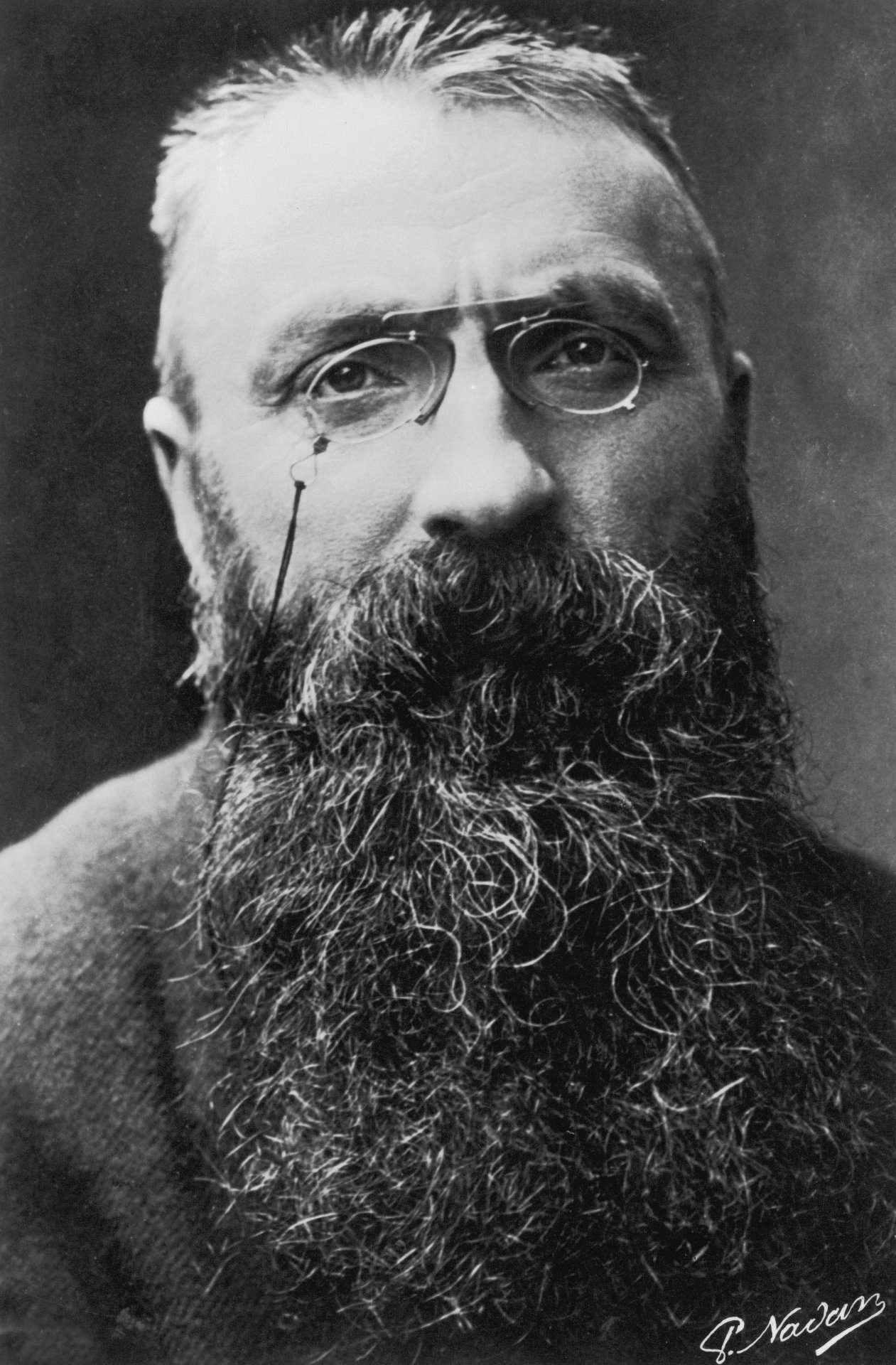
The art of the sculptor is made of strength, exactitude and
will. In order to express life, to render nature, one must will and will with
all strength of heart and brain; nature exceeds — and greatly — human genius;
she is superior in everything. We know only parcels of truth. There are unknown
forces within nature; when we give ourselves wholly to her, without reserve,
she lends them to us; she shows us these forms that our watching eyes do not
see, which our intelligence does not understand or suspect.
Auguste Rodin
More.

I think some young people want a deeper experience. Some
people just wanna be hit over the head and, you know, if then they [get] hit
hard enough maybe they’ll feel something. You know? But some people want to get
inside of something and discover, maybe, more richness. And I think it will
always be the same; they’re not going to be the great percentage of the people.
A great percentage of the people don’t want a challenge. They want something to
be done to them – they don’t want to participate. But there’ll always be maybe
15 percent maybe, 15 percent, that desire something more, and they’ll search it
out - and maybe that’s where art is, I think.
Doing.
Determine never to be idle. No person will have occasion to
complain of the want of time, who never loses any. It is wonderful how much may
be done, if we are always doing.
Thomas Jefferson


Subscribe to:
Posts (Atom)