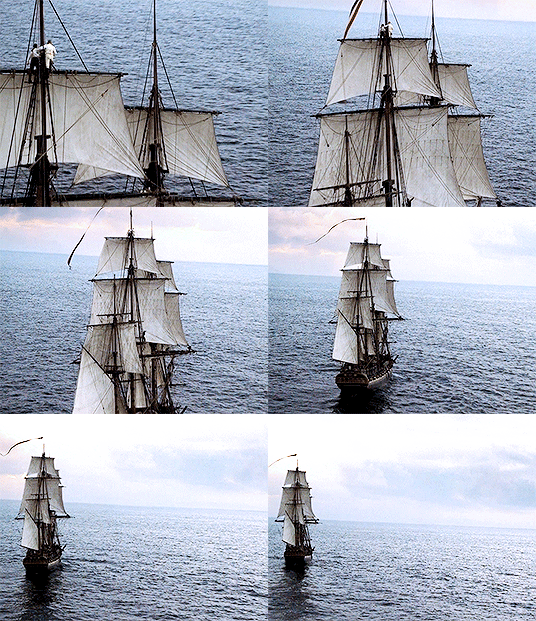
"I am not one who was born in the custody of wisdom. I am one who is fond of olden times and intense in quest of the sacred knowing of the ancients." Gustave Courbet
Showing posts with label spaces. Show all posts

01 March 2026

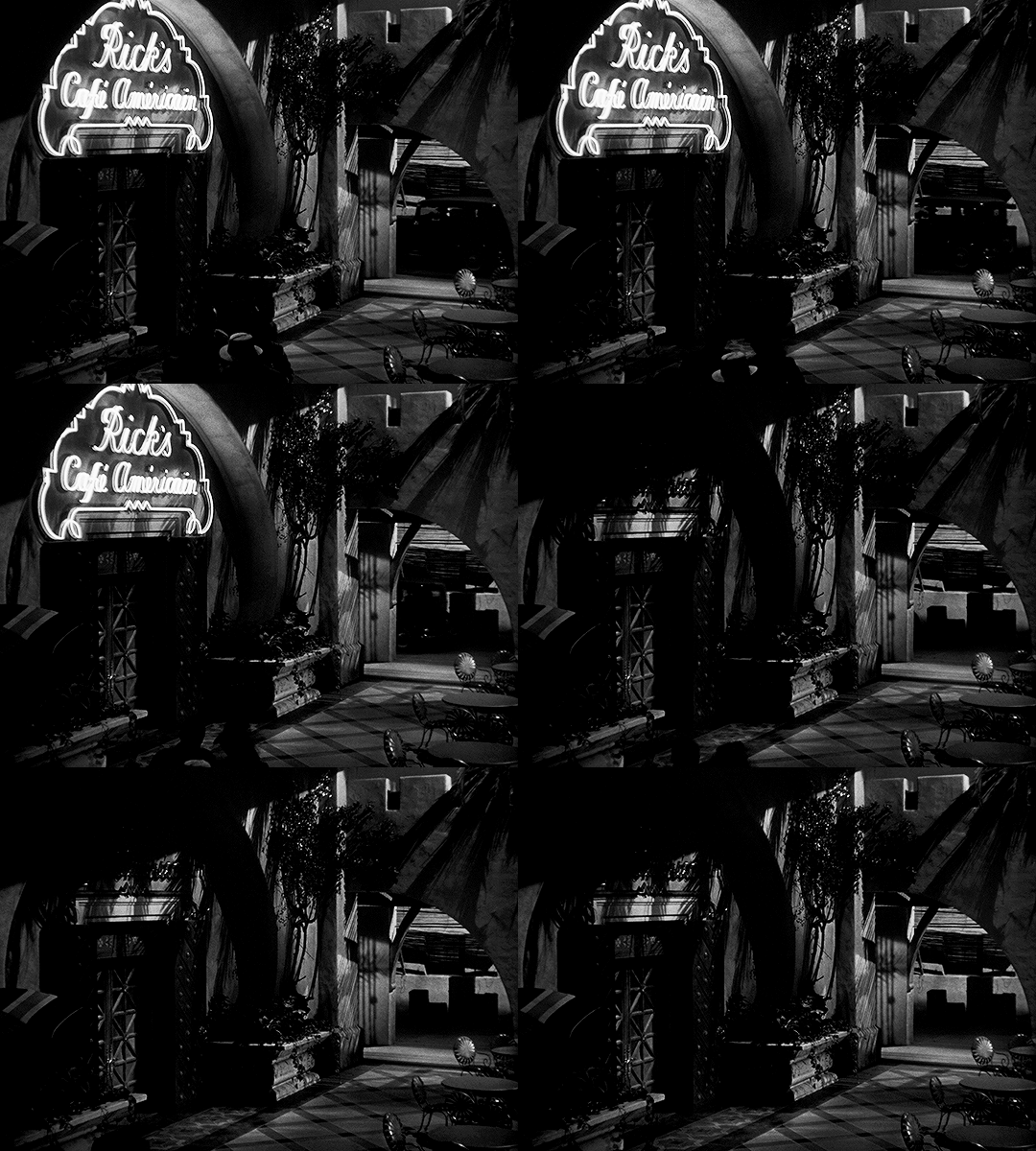
Shadows.


The quality that we call beauty must always grow from the realities of life, and our ancestors, forced to live in dark rooms, presently came to discover beauty in shadows, ultimately to guide shadows towards beauty’s ends ...

In the mansion called literature I would have the eaves deep and the walls dark, I would push back into the shadows the things that come forward too clearly, I would strip away the useless decoration. I do not ask that this be done everywhere, but perhaps we may be allowed at least one mansion where we can turn off the electric lights and see what it is like without them ...

We do not dislike everything that shines, but we do prefer a pensive lustre to a shallow brilliance, a murky light that, whether in a stone or an artifact, bespeaks a sheen of antiquity.  We do love things that bear the marks of grime, soot, and weather, and we love the colours and the sheen that call to mind the past that made them.

Jun'ichirō Tanizaki, from In Praise of Shadows

16 February 2026

According.


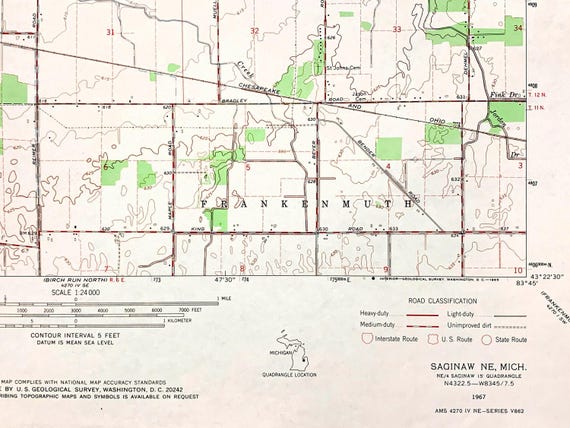
Each one of us should make a surveyor's map of his lost fields and meadows.  In this way we cover the universe with drawings we have lived.  These drawing need not be exact, but they need to be written according to the shapes of our inner landscapes.

Gaston Bachelard

07 February 2026

Inspiration.

Kenneth Grahame's boyhood home, "The Mount", from which it is said he drew great inspiration for The Wind in the Willows ...


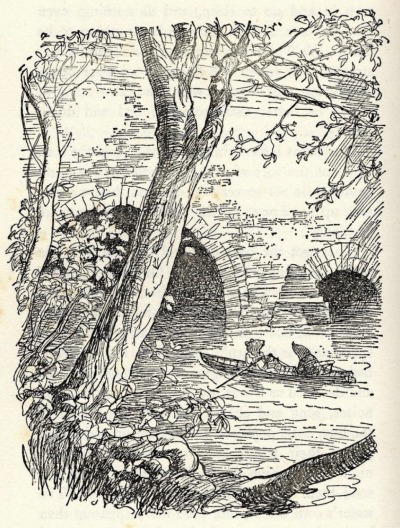
The weary Mole also was glad to turn in without delay, and soon had his head on his pillow, in great joy and contentment. But ere he closed his eyes he let them wander round his old room, mellow in the glow of the firelight that played or rested on familiar and friendly things which had long been unconsciously a part of him, and now smilingly received him back, without rancour. 


He was now in just the frame of mind that the tactful Rat had quietly worked to bring about in him. He saw clearly how plain and simple — how narrow, even — it all was; but clearly, too, how much it all meant to him, and the special value of some such anchorage in one's existence. 


He did not at all want to abandon the new life and its splendid spaces, to turn his back on sun and air and all they offered him and creep home and stay there; the upper world was all too strong, it called to him still, even down there, and he knew he must return to the larger stage. 


But it was good to think he had this to come back to, this place which was all his own, these things which were so glad to see him again and could always be counted upon for the same simple welcome.

Kenneth Grahame, from The Wind in the Willows

26 December 2025

Call.


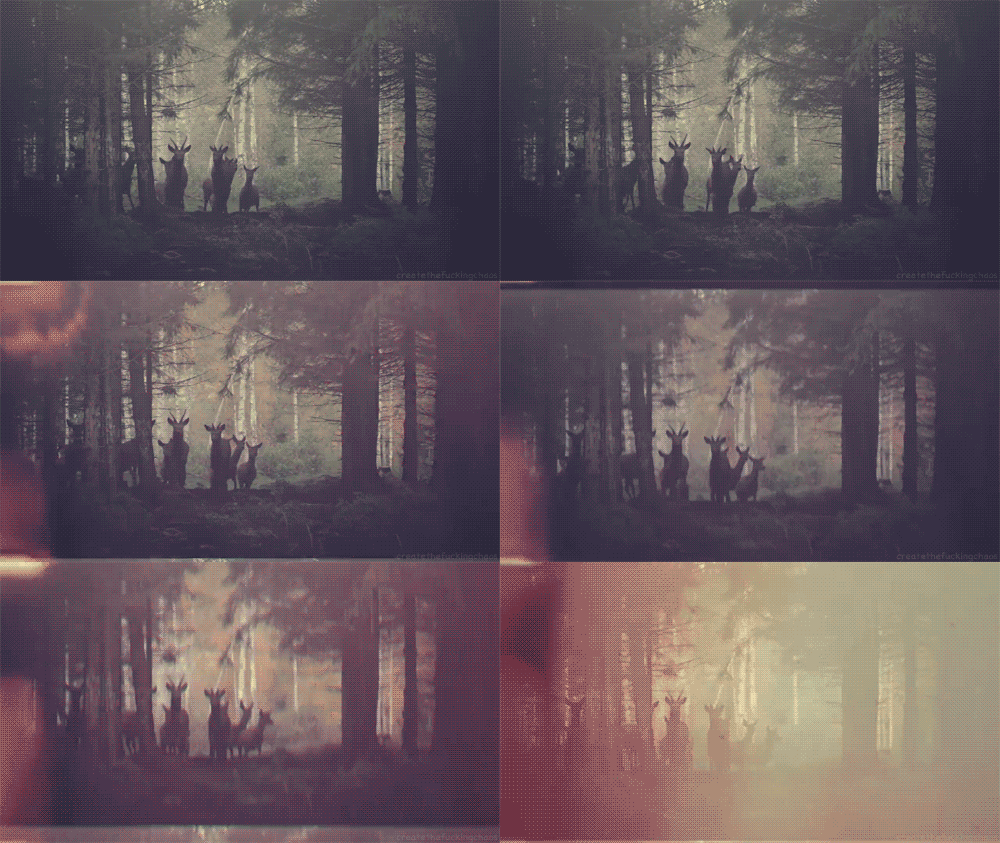
Deep in the forest a call was sounding, and as often as he heard this call, mysteriously thrilling and luring, he felt compelled to turn his back upon the fire and the beaten earth around it, and to plunge into the forest, and on and on, he knew not where or why; nor did he wonder where or why, the call sounding imperiously, deep in the forest.

Jack London, from The Call of the Wild

Pictured: London's study

26 November 2025

Poetry.

Brincklé, Driveway Entrance to the N.C. Wyeth Home & Studio, 1911


We comfort ourselves by reliving memories of protection. Something closed must retain our memories, while leaving them their original value as images. Memories of the outside world will never have the same tonality as those of home and, by recalling these memories, we add to our store of dreams; we are never real historians, but always near poets, and our emotion is perhaps nothing but an expression of a poetry that was lost.

Gaston Bachelard, from The Poetics of Space


Self-Portrait in Skating Cap, 1918


Hats matter.

17 August 2025

Remember.


Kurt remembers the old homestead ...
When my father built the house in 1972, he explained to the family that he designed it so it wouldn’t require air conditioning. On hot days, the sliding doors facing the “cool woods” would be thrown open, the windows at the peak of the house facing the hot, non-woods would be opened so the hot air could escape and the house would be kept cool.
Thank God Mr. Harden understood the "cool woods."  The smell of the house was indescribably lovely.  Trust me, Kurt and I have been trying to name it for nearly 50 years.

The scent of the woods was invigorating, the heavy sound of the front door latch closing was musical, lighting in the Harden's home was purposefully discreet ... but ultimately the warm and welcoming comfort was uniquely provided by the family.


... where Wiedemann Beer flowed like cheap beer in a stubby bottle, and the Lost Deck Tapes poured music into the surrounding woods as we discussed the important issues of the day.

Oh, but that we all could have such memories.

Thank you, buddy.  Yes, I remember.

23 June 2025

Confidence.

Wyeth, Rafters, 1985


Would a bird build its nest if it did not have its instinct for confidence in the world?

Gaston Bachelard, from The Poetics of Space

11 November 2024

Refuge.


To acquire the habit of reading is to construct for yourself a refuge from almost all the miseries of life.

W. Somerset Maugham

13 July 2024

Blackboards.


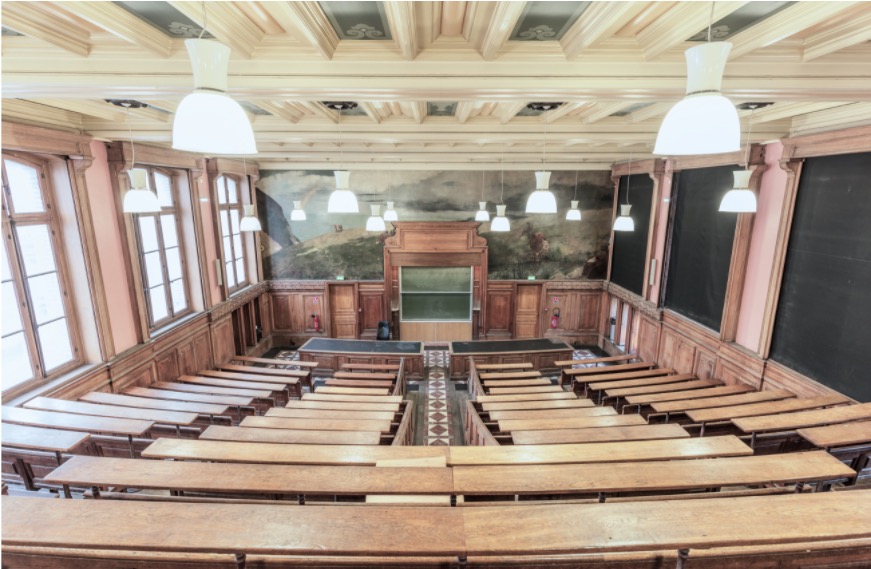
When school is out and all the students and teachers have left, imagine roaming these halls and polishing the blackboards in classrooms that taught Voltaire, Balzac, Jean Paul Sartre, Marie Curie and T.S Eliot ...

06 July 2024

Enthusiast.


How is a taste in this beautiful art to be formed in our countrymen, unless we avail ourselves of every occasion when public buildings are to be erected, of presenting to them models for their study and imitation?...You see, I am an enthusiast on the subject of the arts. But it is an enthusiasm of which I am not ashamed, as its object is to improve the taste of my countrymen, to increase their reputation, to reconcile them to the rest of the world, and procure them its praise.

Thomas Jefferson, from a letter to James Madison, September 20, 1785

29 October 2023

Spice.


Kurt remembers ...
There have always been so many leaves that you can push them aside for a while but never hope to eliminate the crunchy walk to the house.  Down the drive or across the wooden pathway dad built years ago.  

The walnuts on the ground are mostly open and add a spice to the air.  A walnut tree came down in the summer and I’ve been grabbing bits of it to burn in the fireplace.

The front door makes the exact sound it made 40 years ago when I would try to sneak in or out.  No chance of stealth with the squeak of the brass handle and release from the cedar jam.

I remember, too.

The winding road to the top of the hill, though the house sat just below its crest. Trees were everywhere. Indoors, outdoors, the smell was the same ... the scent of woods. Sweet balsam on nearly imperceptible breezes that carried a perfume that I've always searched for and tried to artificially replicate.  Impossible.

Bachelard wrote of infinity in The Poetics of Space ...
These trees are magnificent, but even more magnificent is the sublime and moving space between them, as though with their growth it too increased.  Daydream transports the dreamer outside the immediate world to a world that bears the mark of infinity.

21 January 2023

Least.


It was the hour in which objects lose the consistency of shadow that accompanies them during the night and gradually reacquire colors, but seem to cross meanwhile an uncertain limbo, faintly touched, just breathed on by light; the hour in which one is least certain of the world's existence.

14 December 2022

13 September 2022

Solitude.

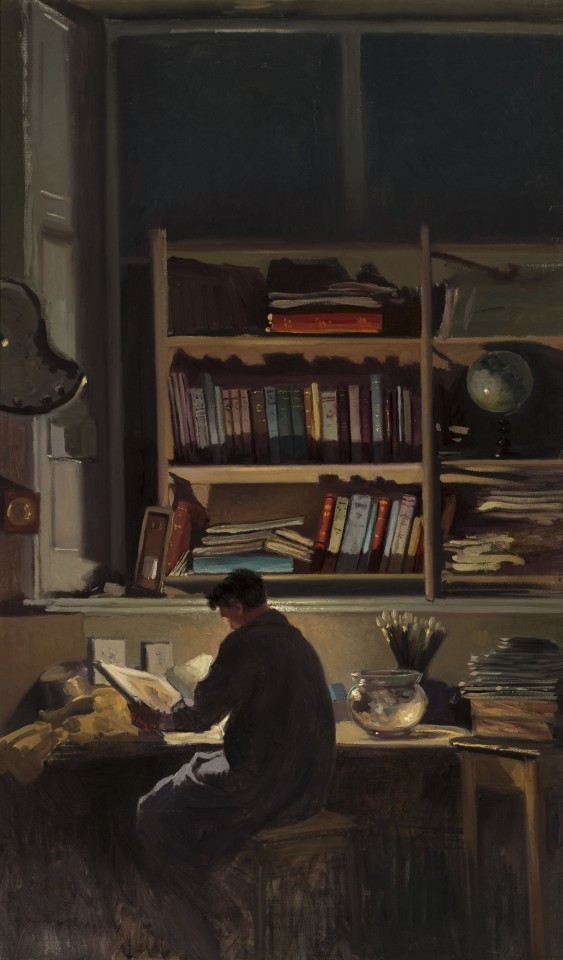
Rapacki, In the Library, 1928


All the spaces of our past moments of solitude, the spaces in which we have suffered from solitude, enjoyed, desired, and compromised solitude, remain indelible within us and precisely because the human being wants them to remain so. He knows instinctively that this space identified with his solitude is creative; that even when it is forever expunged from the present, when, henceforth, it is alien to all the promises of the future, even when we no longer have a garret, when the attic room is lost and gone, there remains the fact that we once loved a garret, once lived in an attic. We return to them in our night dreams. These retreats have the value of a shell. And when we reach the very end of the labyrinths of sleep, when we attain to the regions of deep slumber, we may perhaps experience a type of repose that is pre-human; pre-human, in this case, approaching the immemorial. But in the daydream itself, the recollection of moments of confined, simple, shut-in space are experiences of heartwarming space, of a space that does not seek to become extended, but would like above all still to be possessed. In the past, the attic may have seemed too small, it may have seemed cold in winter and hot in summer. Now, however, in memory recaptured through daydreams, it is hard to say through what syncretism the attic is at once small and large, warm and cool, always comforting.

Gaston Bachelard, from The Poetics of Space

28 August 2022

Covenant.

Jense-Klint, Grundtvig's Church, 1926


If I am right, then enjoying music involves a kind of outward-going sympathetic movement. In music, as in sex and architecture, the relation between subjects can be uprooted and replaced by an arrangement of objects. And in a hundred ways the result of this is a culture of idolatry, in which freedom and personality are obliterated by intrusive images, clamoring for an addictive response. There is every reason to see this result as a “fall,” and the great story told in Genesis reaches forward to incorporate these new and troubling facts. The Fall did not occur at a particular moment in time; it is a permanent feature of the human condition. We stand poised between freedom and mechanism, subject and object, end and means, beauty and ugliness, sanctity and desecration. And all those distinctions derive from the same ultimate fact, which is that we can live in openness to others, accounting for our actions and demanding an account from them, or alternatively close ourselves off from others, learn to look on them as objects, so as to retreat from the order of the covenant to the order of nature.

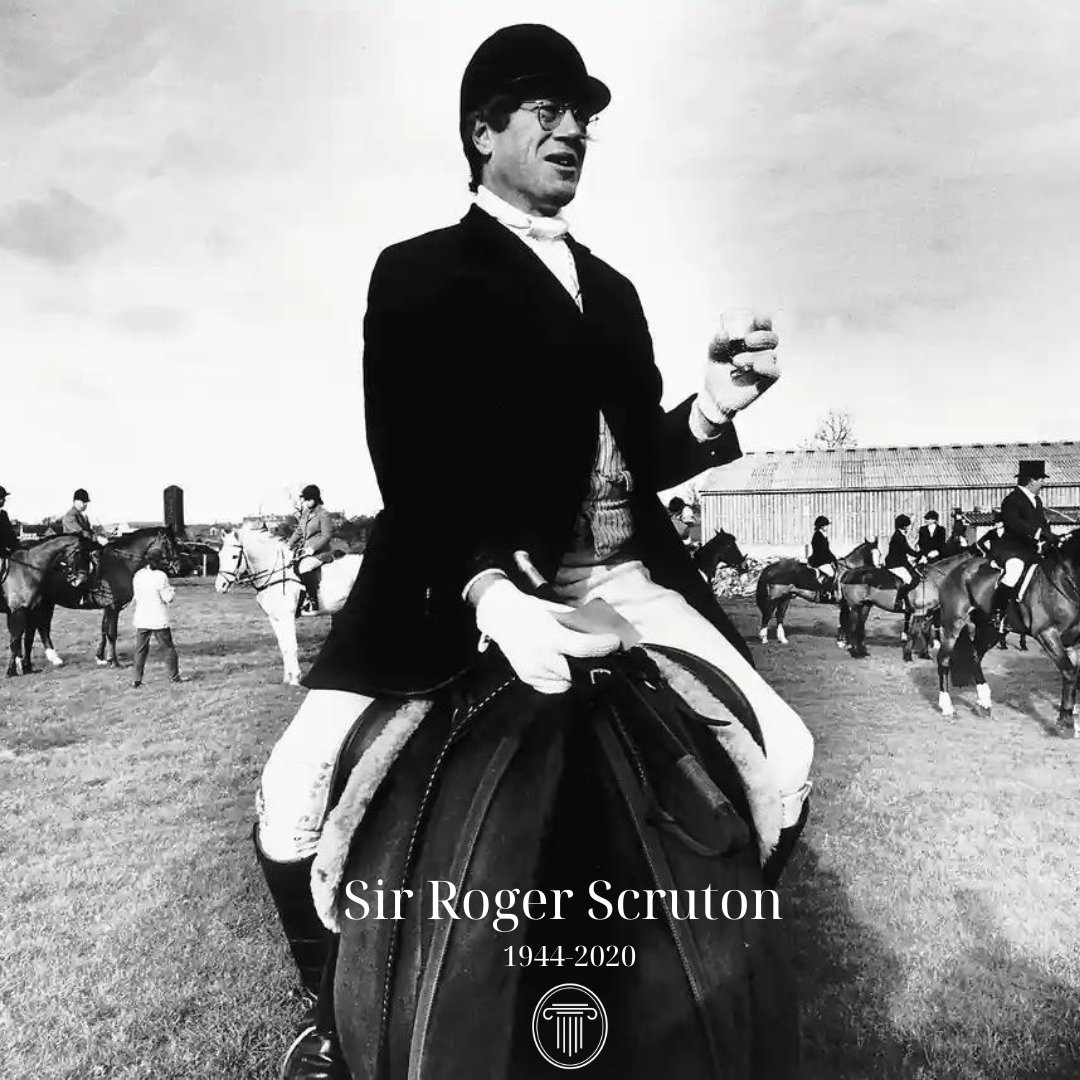
Sir Roger Scruton, from The Soul of the World

31 January 2022

Abecedarian.


"On Writing: An Abecedarian" ...
Spaces. Literature creates spaces—rooms, towns, landscapes, worlds. There are literary spaces a reader can enter and get lost in. A book holds a world, and it is also a means of transportation to past worlds, to places far away. Sven Birkerts, in The Gutenberg Elegies, imagines a painting in which a woman sits on a garden bench with a book in her lap, gazing into the distance. She is “planted in one reality, the garden setting, while adrift in the spell of another.” Books allow us to drift in the space of a reality different from the one we are reading in.

CONNECT 

16 January 2022

Ways.


Adults follow paths. Children explore. Adults are content to walk the same way, hundreds of times, or thousands; perhaps it never occurs to adults to step off the paths, to creep beneath rhododendrons, to find the spaces between fences. I was a child, which meant that I knew a dozen different ways of getting out of our property and into the lane, ways that would not involve walking down our drive.

Neil Gaiman, from The Ocean at the End of the Lane

Thanks to my student, Phoebe, who sent me this quote.  She always finds ways and is really good at patiently reminding me that they're out there.

13 November 2021

Everything.


Now I am traversed by bridle paths, under the seal of sun and shade.  I live in great density.  Shelter lures me. I slump down into the thick foliage.  In the forest, I am my entire self. Everything is possible in my heart just as it is in the hiding places in ravines. Thickly wooded distance separates me from moral codes and cities.

Gaston Bachelard, from The Poetics of Space

02 November 2021

Repose.

Frederick, Attic, 2010


All the spaces of our past moments of solitude, the spaces in which we have suffered from solitude, enjoyed, desired, and compromised solitude, remain indelible within us and precisely because the human being wants them to remain so. He knows instinctively that this space identified with his solitude is creative; that even when it is forever expunged from the present, when, henceforth, it is alien to all the promises of the future, even when we no longer have a garret, when the attic room is lost and gone, there remains the fact that we once loved a garret, once lived in an attic. We return to them in our night dreams. These retreats have the value of a shell. And when we reach the very end of the labyrinths of sleep, when we attain to the regions of deep slumber, we may perhaps experience a type of repose that is pre-human; pre-human, in this case, approaching the immemorial. But in the daydream itself, the recollection of moments of confined, simple, shut-in space are experiences of heartwarming space, of a space that does not seek to become extended, but would like above all still to be possessed. In the past, the attic may have seemed too small, it may have seemed cold in winter and hot in summer. Now, however, in memory recaptured through daydreams, it is hard to say through what syncretism the attic is at once small and large, warm and cool, always comforting.

Gaston Bachelard, from The Poetics of Space