"I am not one who was born in the custody of wisdom. I am one who is fond of olden times and intense in quest of the sacred knowing of the ancients." Gustave Courbet
Showing posts with label Terry. Show all posts

17 August 2025

Nicer.

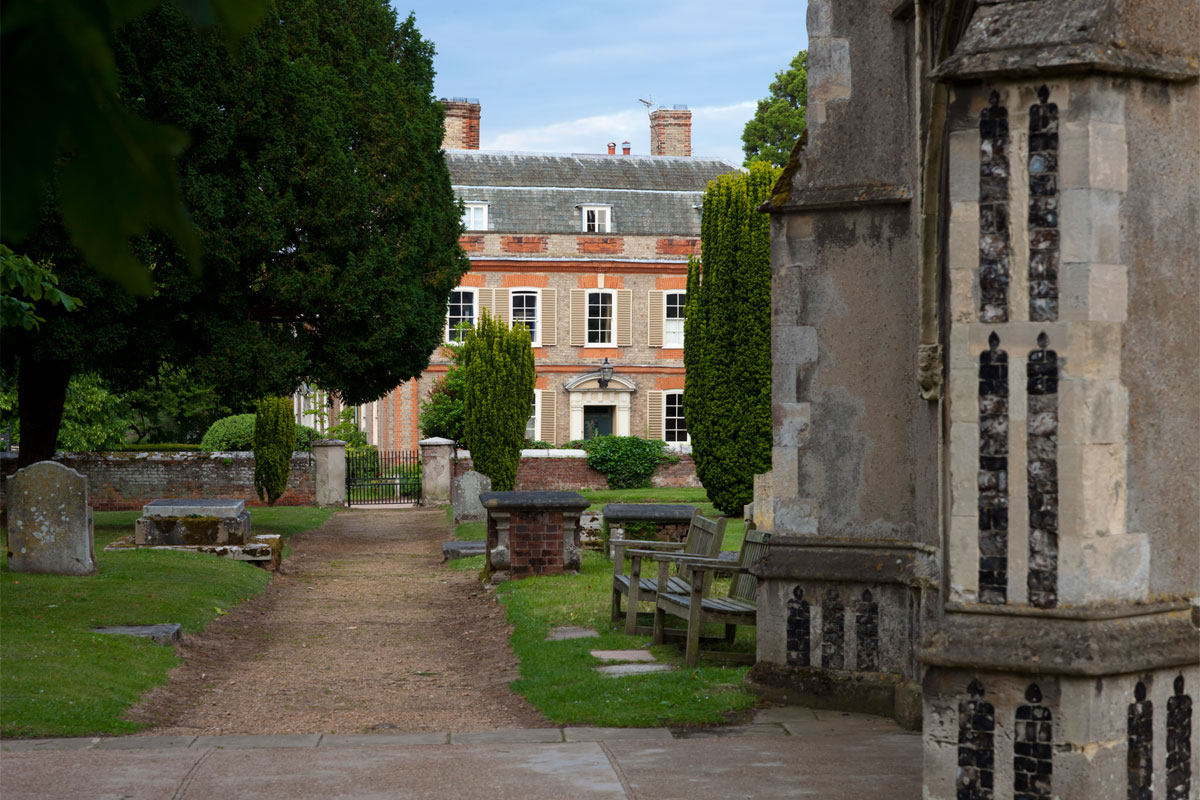
Views of Quinlan Terry's home, Higham Hall ...
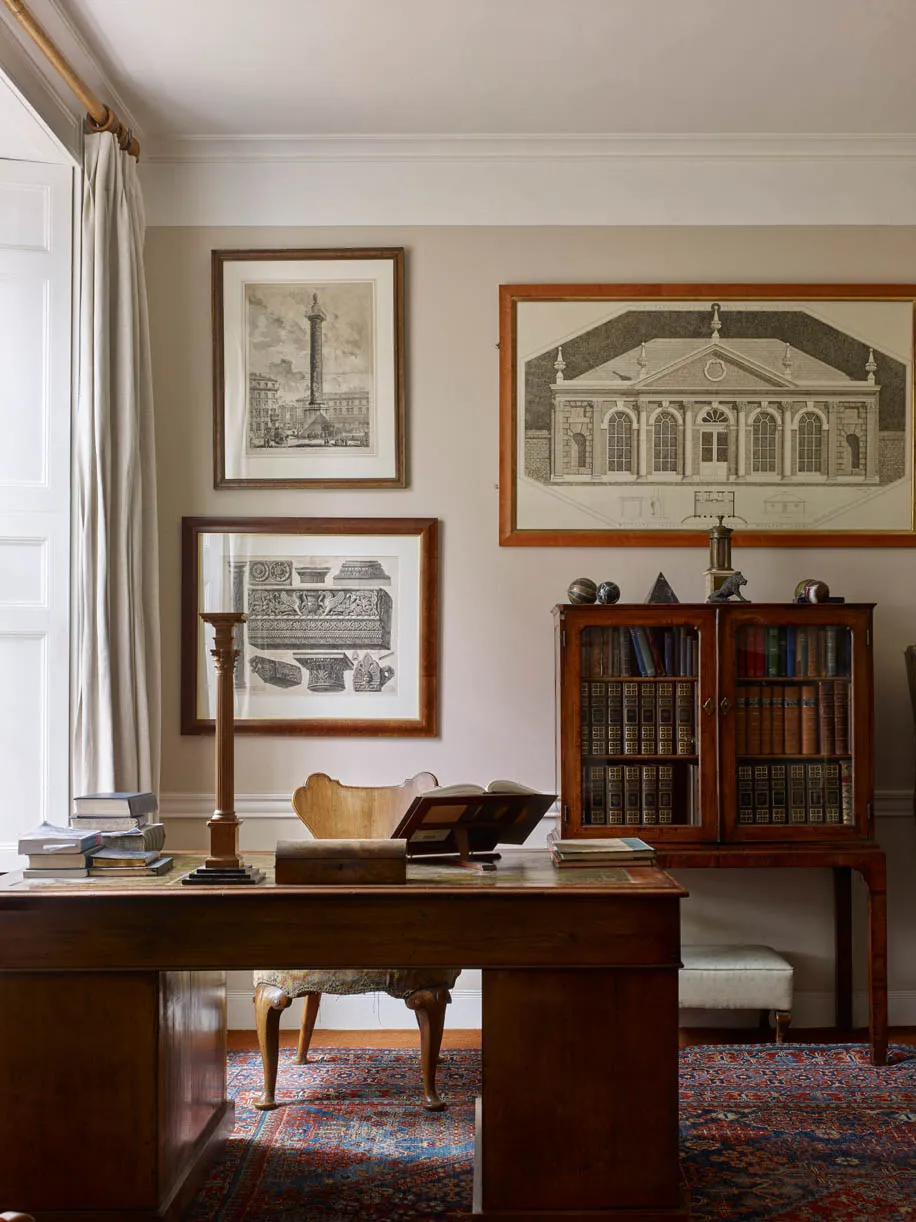

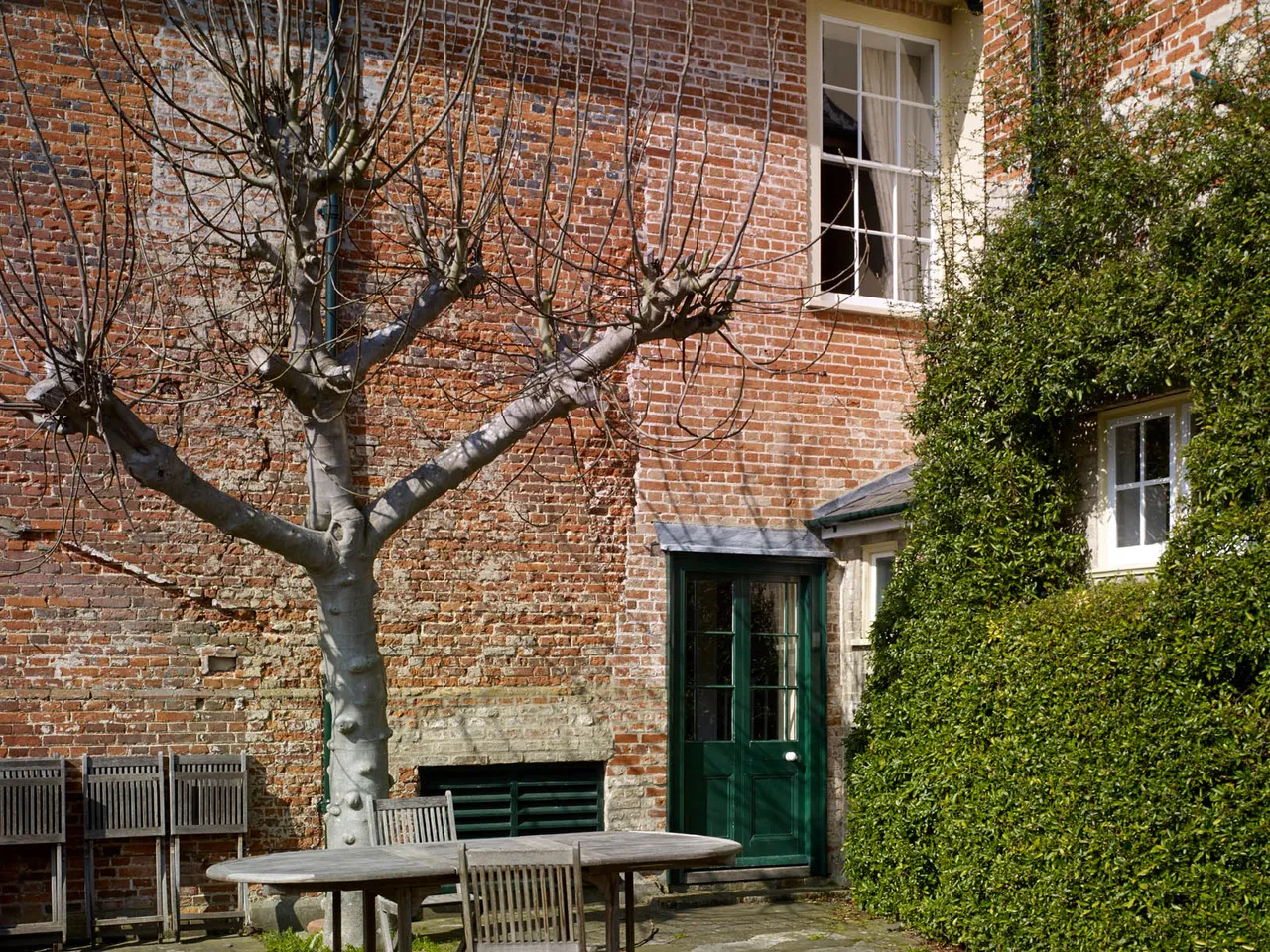
I don't think we can ignore the Modern Movement. But I wouldn't have minded at all if it hadn't happened. I think the world would be a much nicer place.

Quinlan Terry

29 October 2023

Eternity.

In my view the man who wrote most wisely about what good architecture means to culture was Sir Christopher Wren.  Few people know that Wren wrote anything about architecture; but this is what he said, in his Parentalia:
Architecture has its political use.  Public buildings being the ornament of a country, establishes a nation, draws people and commerce; makes people love their native country, which passion is the original of all great actions in a Commonwealth.

The emulation of the cities of Greece was the true cause of their greatness.  The obstinate valour of the Jews, occasioned by the love of their Temple, was a cement that held together that people for many ages and through infinite changes.

Architecture aims at eternity; and therefore the only thing incapable of modes and fashions in its principles is the Orders.

Quinlan Terry continues ...

19 March 2021

Involuntary.

Collins, Bread and Water, 2003


Francis Terry on our ancient love of quality ...
When someone made a beautiful hand axe in prehistoric times or today lays a well-crafted brick wall, though separated by hundreds of thousands of years, these objects both display evidence of the care, intelligence, and judgement of their makers which, in evolutionary terms, are desirable personal qualities and so we respond positively. When we see architecture done well, we react to this quality with an involuntary reaction that goes right back to our distant ancestral past. This is not solely a cultural response but an inherent impulse, similar to our deep, ancient and intense love of well baked bread.

28 February 2021

Enjoy.


I think the working man is misunderstood by everyone, not least himself. There is, after all, no fundamental difference between the tradesman, the architect or his employers. They are all men made in the image of God with needs and aspirations. But I have noticed that we are all far less covetous when we are working on a job we enjoy; at the end of the day we can go home and think about it and return the next day to take the work a little further. I have heard this from so many tradesmen, that it must be true; it is the boredom of repetitive work, work which requires nothing from you, that makes for an empty mind. The empty mind is a dangerous thing because it soon gets filled with a host of other thoughts which no industrial expert can control ... 

Enjoy.Although the spiritual, political, material and temporal influences are crystallised in wood and stone, and expressed in classical forms, the classical grammar remains neutral; like the paint on the artist's palette.

30 August 2018

Notice.


Francis Terry reflects on sketching with his father, Quinlan ...

For me this is the point of sketching. It forces you to go slowly and see things which take time to notice. So my advice to the students of Notre Dame is to buy a hard backed sketch book with good paper and go to some old and obscure European town. You could choose the florid baroque of Southern Germany or perhaps the Moorish work of Andalucia and come home with your sketch books filled with work by unknown architects. Make sure you find time to track down the best restaurants and always remember to buy your ink on arrival.

CONNECT

25 April 2017

Pretty.


When journalists praise new buildings, they often use words like "cutting edge" and "innovative," which are more appropriate for science rather than an art form. This has led to a situation where the word "brutalist" is a compliment, which is crazy -- how can being "brutal" be in any way praiseworthy? I would like to see words like "charming," "delightful," and, dare I say it, "pretty," be applied to architecture.

Francis Terry

Unbendingly.


In the 1980s the architect Quinlan Terry was a bogeyman to much of his profession. Unbendingly traditionalist, he believed that the classical orders were handed down by God. He saw nothing good in modern architecture. He thought that the stainless steel exo-viscera of Richard Rogers’s Lloyds building needed brick walls and a slate roof. His stance also made him a pinup, in his three-piece suit and all, to those who thought that new buildings should like just like old buildings. In the decade when economics were handed down by Margaret Thatcher – for whom, indeed, Terry designed interiors in No 10 Downing Street – and aesthetics by the Prince of Wales, an era when radical finance felt the need to dress itself in the trappings of old England, he was a man of his time.
Well, here we are again, in the reign of another she-Tory and another time of patriotic nostalgia, of the promised return of dark blue passports and a hoped-for relaunch of the royal yacht Britannia. Quinlan Terry is still at it, designing, among other things, country houses in Dorset, Ireland and Kentucky, but now there is also his son Francis, who last year set up his own practice after nearly 20 years working alongside his father. He is carrying out the same type of work as the older Terry – he has country houses on the go in Wiltshire, Norfolk, Hampshire and Ireland, and a mixed-use development in Twickenham – but he has also developed a new line of business, developing counter-proposals, backed by local residents, to overweening developers’ plans in places like Mount Pleasant and West Hampstead, London.