Groucho Marx was born on this day in 1890.
"Whatever It Is, I'm Against It" ...



"Remember when you got thrown out of the sailing club for leaving the race and sailing all the way across the bay?" I only had to think a moment about that major event in my mis-spent youth. It had been the same kind of a day as today.
"You bet I do," I said with a laugh.
"I never told you, but that was about as proud as I ever was of you. I mean, being the first Buffett to get a college degree was good, don't get me wrong, but that time you just decided to light out on your own, that was the moment."

To get what you want, you have to deserve what you want. The world is not yet a crazy enough place to reward a whole bunch of undeserving people.
"Hang care!" exclaimed he. "This is a delicious evening; the wine has a finer relish here than in the house, and the song is more exciting and melodious under the tranquil sky than in the close room, where the sound is stifled. Come, let us have a bacchanalian chant—let us, with old Sir Toby, make the welkin dance and rouse the night-owl with a catch! I am right merry. Pass the bottle, and tune your voices—a catch, a catch! The lights will be here anon."Charles Ollier, from "The Haunted Manor-House of Paddington"
Stack 'em up, Jack ...
UFO, Strangers in the Night (1979)








On the Monday before the event, the college sent a campuswide email promoting the lecture. Shortly after, James Hall, an associate professor of English, emailed a student a link to George’s accountability profile from the Gay and Lesbian Alliance Against Defamation, or Glaad, which features several examples of his anti-LGBTQ remarks.Information about George’s beliefs quickly began circulating across campus. The next day, a group of students distributed fliers promoting a protest.Noelle Punte, a junior at Washington College and president of Encouraging Respect of Sexualities, a student group supporting the LGBTQ community, emailed Sosulski and called for the college to cancel the event.Punte, who did not attend the lecture or protest, said in an interview that regardless of the lecture’s content, inviting George to campus undermines the college’s commitments to diversity, equity, and inclusion — at a time, she added, when anti-LGBTQ laws are on the rise. Engaging with diverse perspectives is important, Punte said, but that can be complicated for queer students, who often feel their identities are attacked in the process.“I’m not saying freedom of speech should be restricted,” Punte said. “But at the same time, in cases like this, there needs to be serious considerations about the ramifications and potential harm that inviting someone like Robert George on campus could cause.”The day before the lecture, Sosulski sent out a campuswide email announcing that although he understood students’ concerns, canceling George’s lecture would contradict the college’s commitment to “liberal learning.”


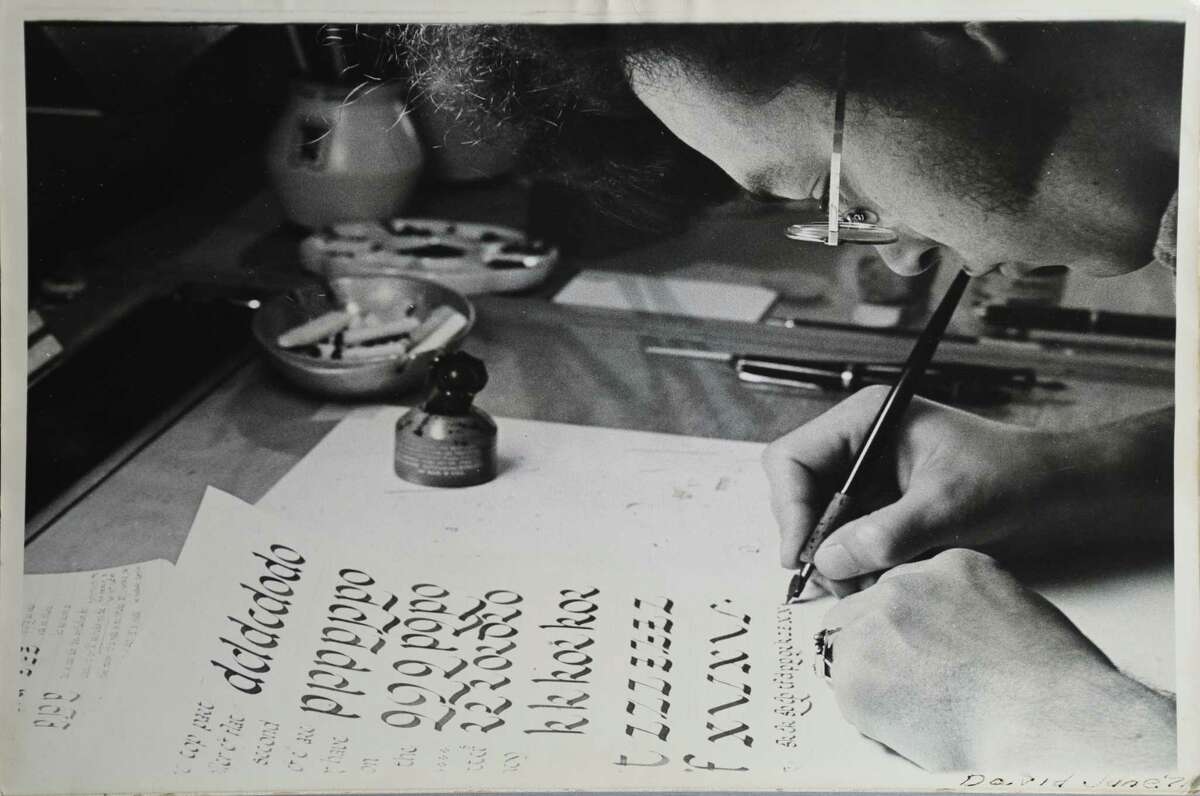
I am of course influenced by everything around me. Everything I see, everything I hear, everything I touch. But there are specific influences, such as Japanese woodblock prints, the German Art Nouveau, the Italian Renaissance.I like a certain look of roughness and irregularity. I do not like clean, sterile perfection. I find a rough line more pleasing, more legible than a clean line. If you were to contrast the typeface Helvetica with Caslon, you would realize that the cleanness and spareness of Helvetica make it harder to read and harder to remember what you have read. With Caslon every letter is different, so you don't have to spend much time deciphering which is which. You read big gulps of words all at once. With Helvetica, they're as much alike as possible, which makes it hard to tell them apart. When you read Helvetica, you slow down because you have to figure out if the letter is a lower case "i" or a lower case "l" and you read almost letter-by-letter. Helvetica looks like it would be easy to read, because it's so simple, but really the more complicated, rough and irregular letters of Caslon win the contest. Things set in Caslon get read; things set in Helvetica get looked at.When you consider a perfect line, or surface and compare it to a rough line or surface, you realize that they bear a different relationship to the real world. A line that's absolutely perfect depends for its appearance on its perfection. If it gets damaged, or dirty, it becomes repulsive. But, a rough line can take the wear and tear of everyday life. A smooth white wall soon becomes disgusting with all the fingerprints and dirt and dings of daily life raining down on it; a brick wall becomes more beautiful with age.


September 18, 1994All summer long I almost never see a clear sky that lasts the whole night through. That's because I live in the fog belt. My natural perversity has drawn me to an interest in astronomy, and I have a small telescope which I set up in the back yard on clear nights. No sooner is it set up than in rolls the fog and I go back indoors and read instead.But when Fall comes, and late Winter, then I get my fill of clear skies. Looking through a telescope, even a small one, is to travel through time. You see light that left its natal star years, thousands of years, millions of years ago. When you look at the stars, you're really looking into the past.If you could get a powerful enough telescope, you could watch lives being led millennia since. For you, it would be in the now, but for those who led those lives, they would have ended so long ago that there remains nothing of them whatever, except in this ancient light that streams across our heavens.Perhaps in the vast future a sky-gazer on another planet far away will watch the light that left us when we were young, and we will live again through our shadows, though our corporeal selves have been dust so long that no memory of us remains but a flickering light that glances through an alien planet's fogless Autumn sky.Celestial navigation, used by ships at sea and aircraft, is based on the apparent and relative positions of celestial bodies.


Always do sober what you said you'd do drunk. It'll teach you to keep your mouth shut.
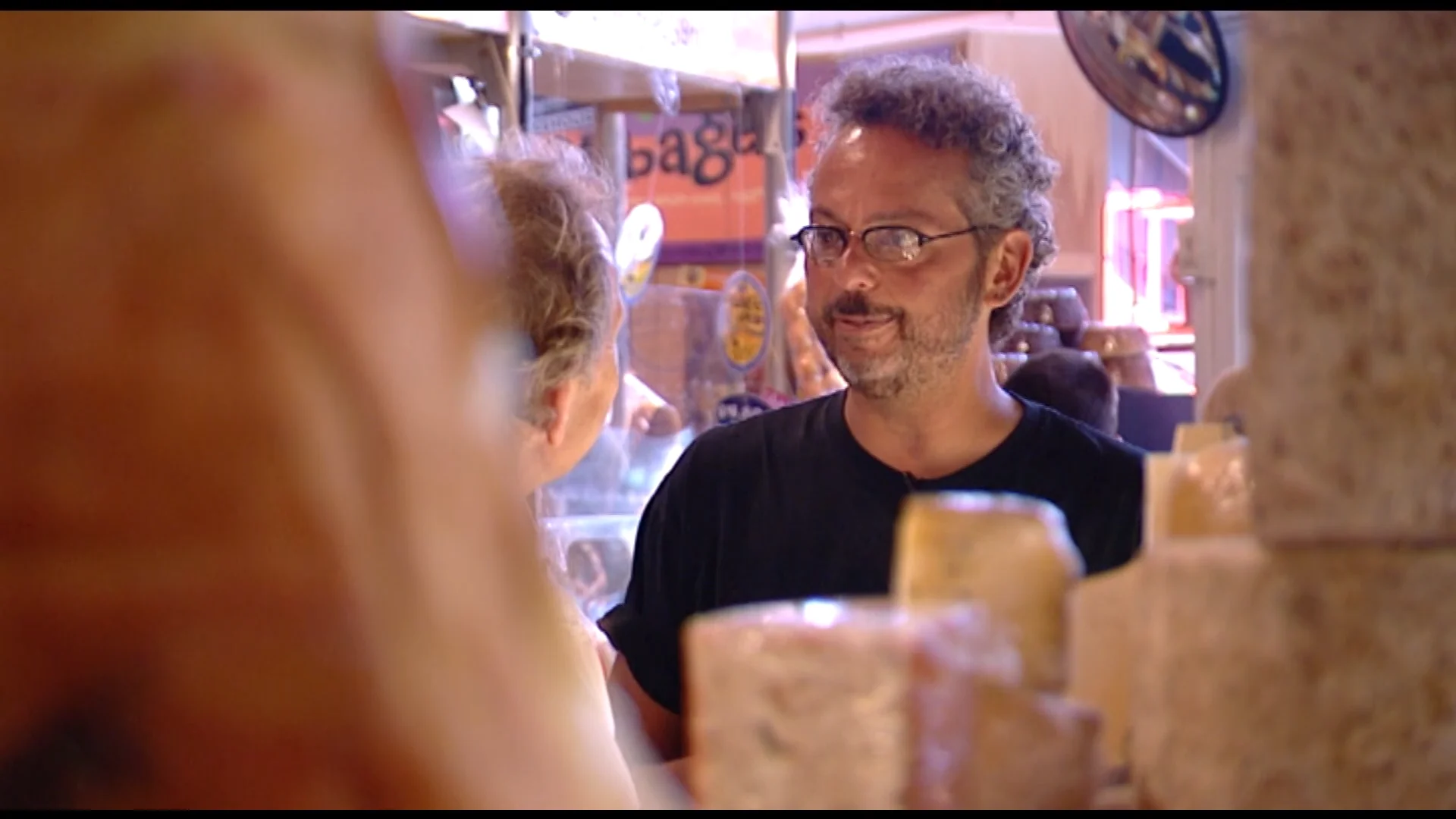
In working to master this fourth step, I’ve tried to teach myself to be patient and to truly allow the flavors to play out—the finish, I’ve found, is a hugely important part of tasting that many people, rushing through their eating, are likely to miss.


The vocation of the artist, the soldier and the statesman are accessible only to those who can honor and hunger after honor, who, drawn backward into the past and forward into posterity, disjoint themselves from our flat present and its imperatives to egalitarian political correctness or “aesthetic” harmlessness. Perhaps we would be better off without such human types. Certainly we may not want to become them ourselves. It may be too that we ought to speak candidly about them and what their fulfillment requires only in private, and in public to let them assume such guises as, for example, the gentlemanly, avuncular Southerner with a gift for stories about old times—entertaining, interesting tales that can go unnoticed as incitations to honor the teller and those about whom they are told.