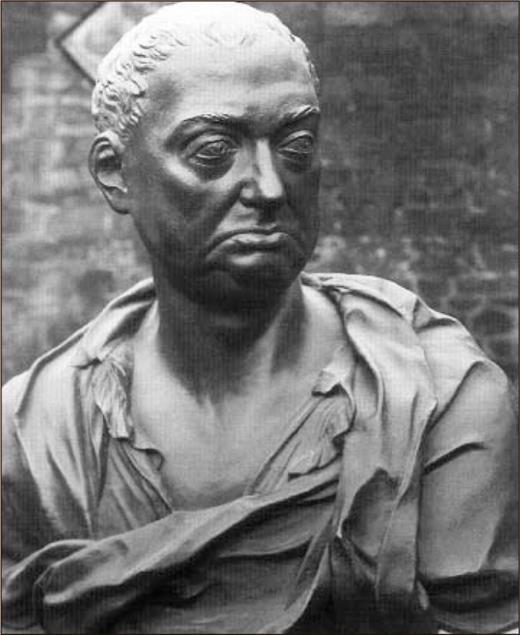
"I am not one who was born in the custody of wisdom. I am one who is fond of olden times and intense in quest of the sacred knowing of the ancients." Gustave Courbet
Showing posts with label Sacred Idleness. Show all posts

12 October 2025

Sacred.


Certainly work is not always required of a man. There is such a thing as a sacred idleness, the cultivation of which is now fearfully neglected. Abraham, seated in his tent door in the heat of the day, would be to the philosophers of the nineteenth century an object for uplifted hands and pointed fingers. They would see in him only the indolent Arab, whom nothing but the foolish fancy that he saw his Maker in the distance, could rouse to run.

George MacDonald

25 September 2023

Happy Birthday, Borromini

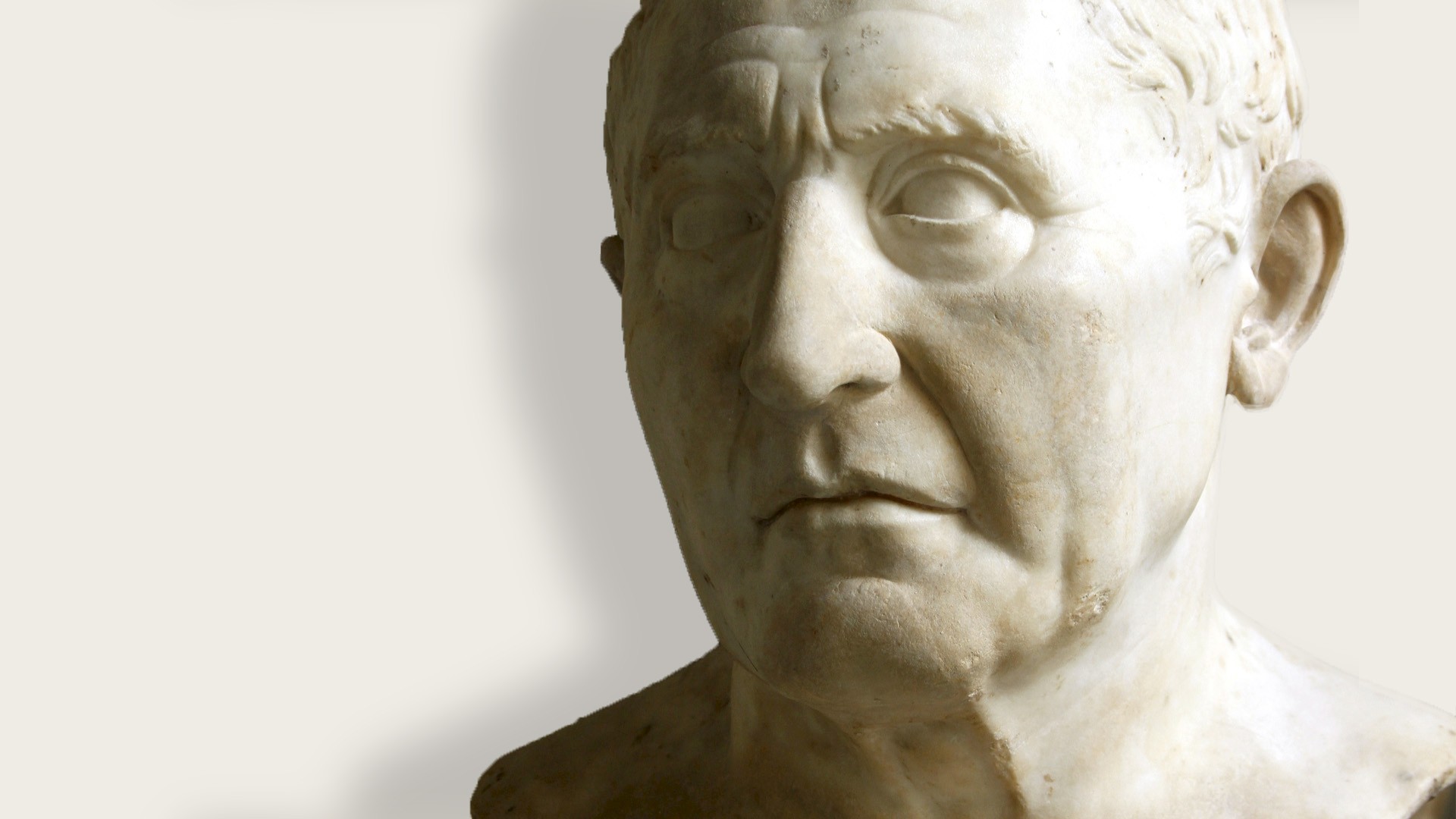
Borromini, Palazzo Spada Gallery, 1652


It has been said that idleness is the parent of mischief, which is very true; but mischief itself is merely an attempt to escape from the dreary vacuum of idleness. 

Francesco Borromini, born on this day in 1599. 

28 November 2020

Better.

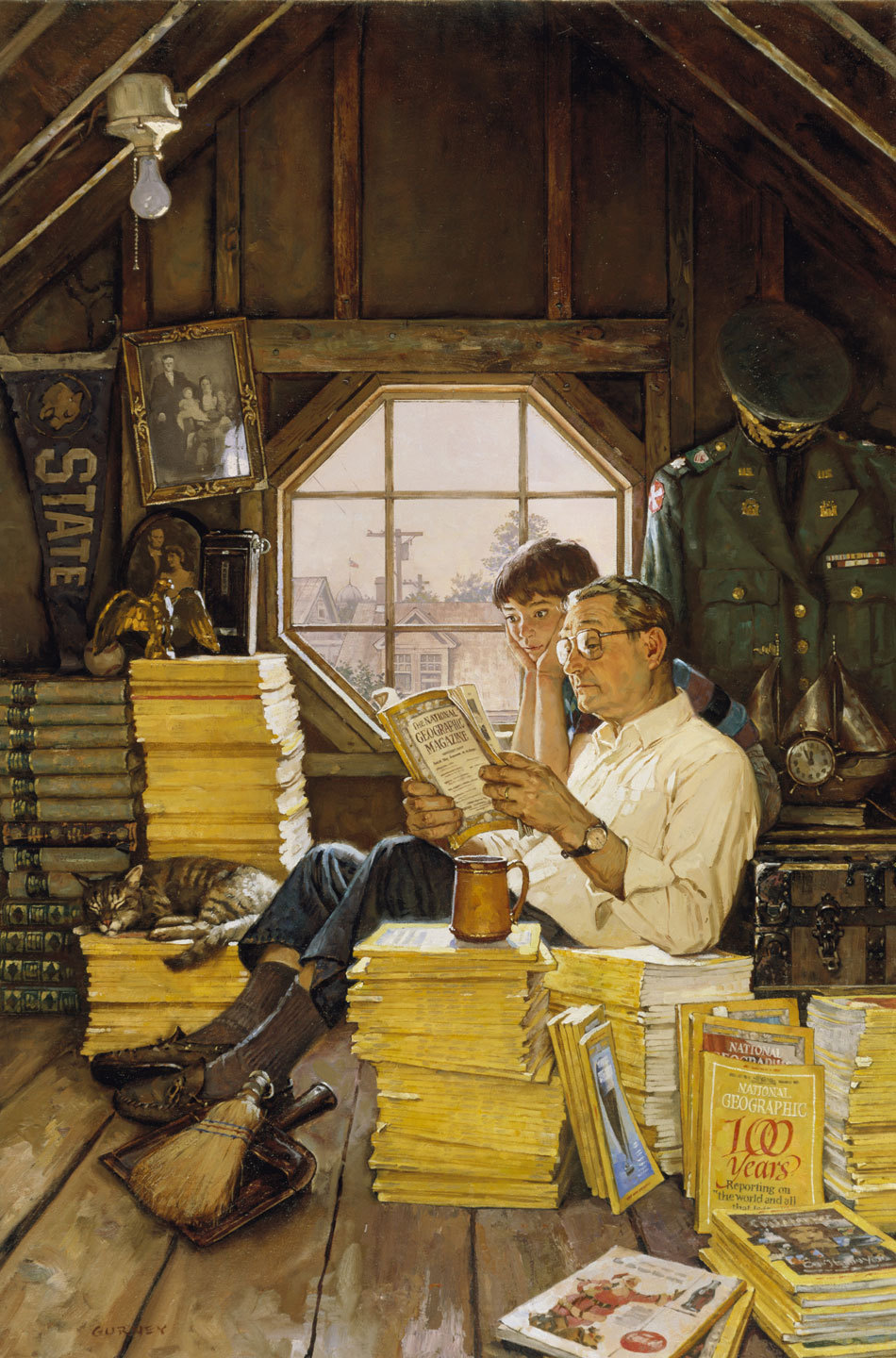
Gurney, Attic Scene, 1988


The mind ought sometimes to be diverted that it may return to better thinking.

Phaedrus

24 March 2020

Amuse.


I have taken so kindly to idleness that I can't tear myself away from it. So either I amuse myself with books, of which I have a good stock at Antium, or I count the waves - the weather is unsuitable for mackerel fishing, so my sole form of political activity is to hate the rascals, and even that I do without anger.

Cicero

It's sandwich time.

13 September 2019

Unbidden.

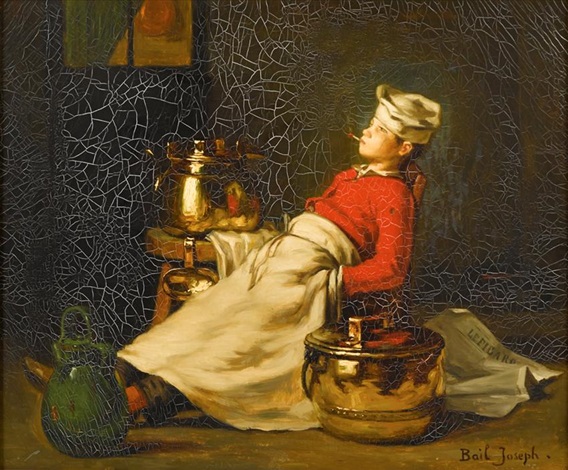
Bail, Kitchen Boy, 1893


Beauty brings us to a halt: it imposes, if only for a flash, the cessation of activity. (On the lawn in front of the library, seeing a runner in red shorts complete the last flailing strides of a sprint before pitching forward, his fingers caressing soft dirt: I let my book fall.) Indolence and aesthetic experience both involve feelings of unbidden influence, involuntariness or absence of will. But where the experience of beauty is often significant and always pleasurable, idleness is more equivocal in its effects and character. Essentially contentless, idleness obtains its phenomenological shape from the objects around us—the pliancy of a chair, the gloss of an advertisement—and the thoughts and desires within us.

CONNECT

24 July 2019

Sacred.


Work is not always required. There is such a thing as sacred idleness, the cultivation of which is now fearfully neglected.

George MacDonald

10 December 2018

Recover.

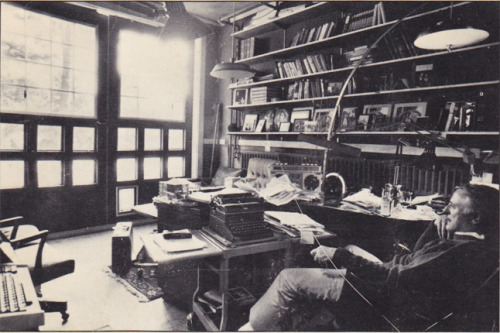
Thomas Merton's study at The Hermitage

We do not live merely to "do something" -- no matter what. Activity is just one of the normal expressions of life, and the life it expresses is all the more perfect when it sustains itself with an ordered economy of action. This order demands a wise alternation of activity and rest. We do not live more fully merely by doing more, seeing more, tasting more, and experiencing more than we ever have before. On the contrary, some of us need to discover that we will not begin to live more fully until we have the courage to do and see and taste and experience much less than usual.


Our being is not to be enriched merely by activity or experience as such. Everything depends on the *quality* of our acts and our experiences. A multitude of badly performed actions and of experiences only half lived exhausts and depletes our being. By doing things badly we make ourselves less real. This growing unreality cannot help but make us unhappy and fill us with a sense of guilt. But the purity of our conscience has a natural proportion with the depth of our being and the quality of our acts: and when our activity is habitually disordered, our malformed conscience can think of nothing better to tell us than to multiply the *quantity* of our acts, without perfecting their quality. And so we go from bad to worse, exhaust ourselves, empty our whole life of all content, and fall into despair.

There are times, then, when in order to keep ourselves in existence at all we simply have to sit back for a while and do nothing. And for a man who has let himself be drawn completely out of himself by his activity, nothing is more difficult than to sit still and rest, doing nothing at all. The very act of resting is the hardest and most courageous act he can perform: and often it is quite beyond his power.

We must first recover the possession of our own being before we can act wisely or taste any experience in its human reality.

Thomas Merton

30 November 2018

Diminution.


I want to say, in all seriousness, that a great deal of harm is being done in the modern world by belief in the virtuousness of work, and that the road to happiness and prosperity lies in an organised diminution of work.

Bertrand Russell

29 November 2018

Exceptionally.

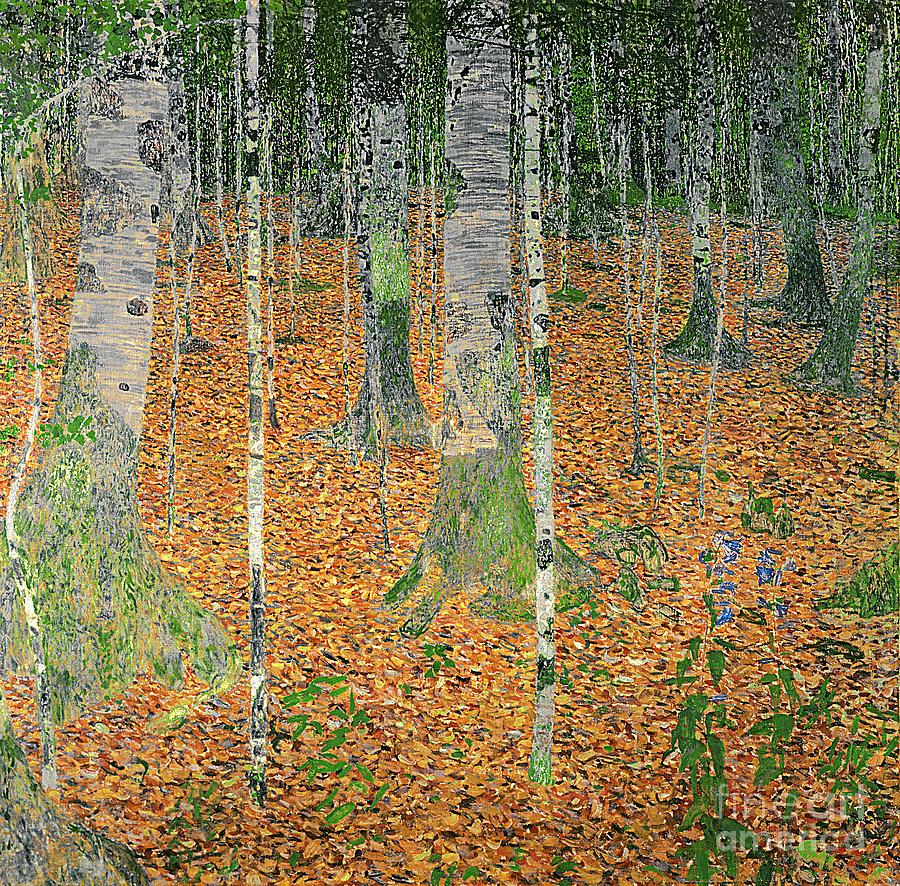
Klimt, Birchenwald, 1903


I have often wondered whether especially those days when we are forced to remain idle are not precisely the days spend in the most profound activity. Whether our actions themselves, even if they do not take place until later, are nothing more than the last reverberations of a vast movement that occurs within us during idle days.

In any case, it is very important to be idle with confidence, with devotion, possibly even with joy. The days when even our hands do not stir are so exceptionally quiet that it is hardly possible to raise them without hearing a whole lot.

Rainer Maria Rilke

18 August 2018

Sacred.

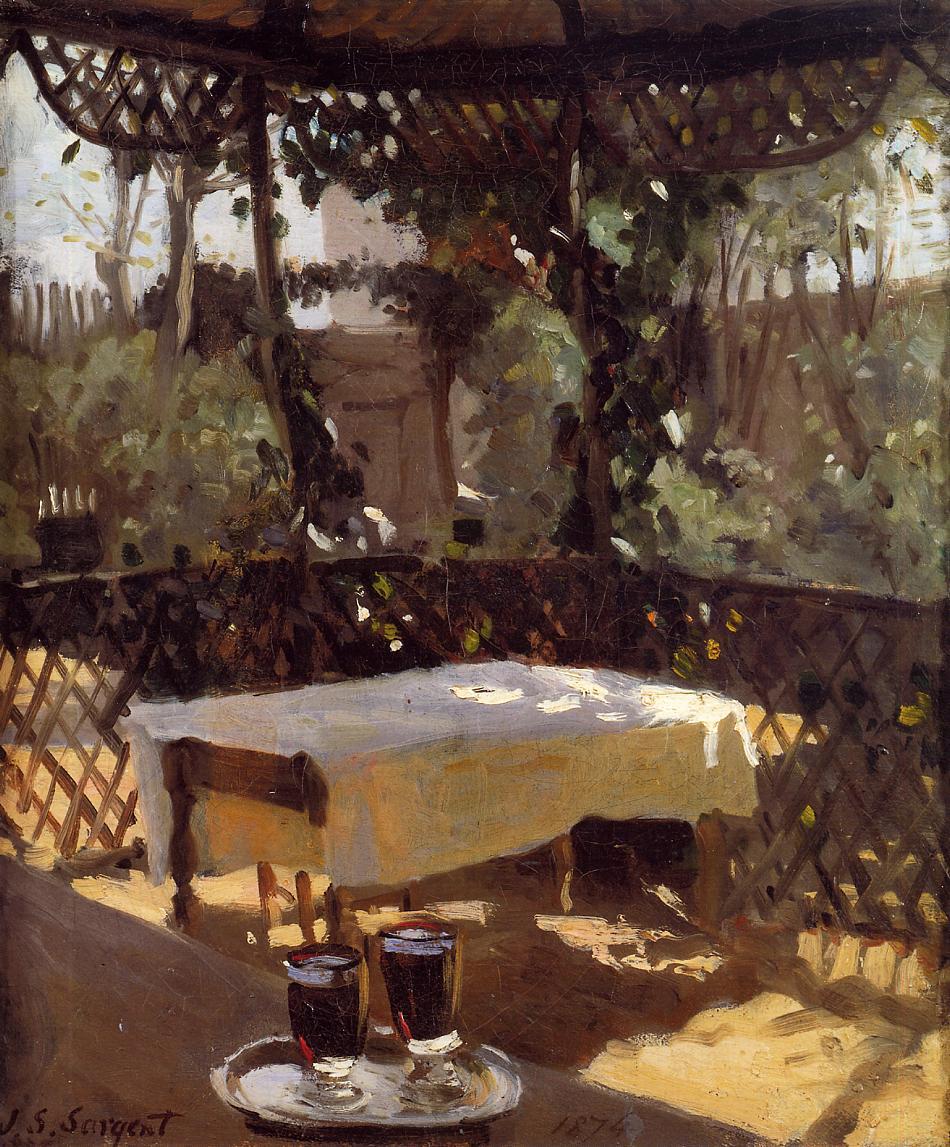
Sargent, Two Wine Glasses, 1874


Certainly work is not always required of a man. There is such a thing as a Sacred Idleness, the cultivation of which is now fearfully neglected.

George MacDonald

11 July 2018

Power.

Parrish, Errant Pan, 1910


I have remarked, from my earliest days, that if, under any circumstances, the attention is energetically braced up to an act of steady observation, or of steady expectation, then, if this intense condition of vigilance should suddenly relax, at that moment any beautiful, any impressive visual object, or collection of objects, falling upon the eye, is carried to the heart with a power not known under other circumstances.

Thomas de Quincey

15 June 2018

Quality.


We do not live merely to "do something" –- no matter what. Activity is just one of the normal expressions of life, and the life it expresses is all the more perfect when it sustains itself with an ordered economy of action. This order demands a wise alternation of activity and rest. We do not live more fully merely by doing more, seeing more, tasting more, and experiencing more than we ever have before. On the contrary, some of us need to discover that we will not begin to live more fully until we have the courage to do and see and taste and experience much less than usual.

Our being is not to be enriched merely by activity or experience as such. Everything depends on the *quality* of our acts and our experiences. A multitude of badly performed actions and of experiences only half lived exhausts and depletes our being. By doing things badly we make ourselves less real. This growing unreality cannot help but make us unhappy and fill us with a sense of guilt. But the purity of our conscience has a natural proportion with the depth of our being and the quality of our acts: and when our activity is habitually disordered, our malformed conscience can think of nothing better to tell us than to multiply the *quantity* of our acts, without perfecting their quality. And so we go from bad to worse, exhaust ourselves, empty our whole life of all content, and fall into despair.

There are times then when in order to keep ourselves in existence at all we simply have to sit back for a while and do nothing. And for a man who has let himself be drawn completely out of himself by his activity, nothing is more difficult than to sit still and rest, doing nothing at all. The very act of resting is the hardest and most courageous act he can perform: and often it is quite beyond his power.

We must first recover the possession of our own being before we can act wisely or taste any experience in its human reality.

Thomas Merton

15 April 2018

Honey'd.

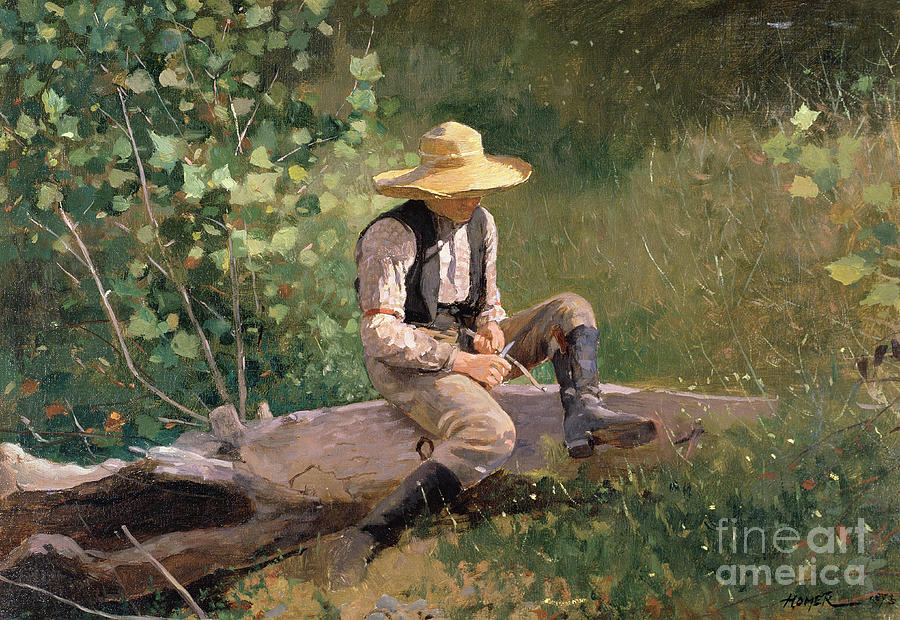
Homer, The Whittling Boy, 1873


ODE to INDOLENCE

"They toil not, neither do they spin."

One morn before me were three figures seen,
With bowèd necks, and joinèd hands, side-faced;
And one behind the other stepp’d serene,
In placid sandals, and in white robes graced;
    They pass’d, like figures on a marble urn,
When shifted round to see the other side;
They came again; as when the urn once more
    Is shifted round, the first seen shades return;
And they were strange to me, as may betide
With vases, to one deep in Phidian lore.

How is it, Shadows! that I knew ye not?
How came ye muffled in so hush a mask?
Was it a silent deep-disguisèd plot
To steal away, and leave without a task
    My idle days? Ripe was the drowsy hour;
The blissful cloud of summer-indolence
Benumb’d my eyes; my pulse grew less and less;
    Pain had no sting, and pleasure’s wreath no flower:
O, why did ye not melt, and leave my sense
Unhaunted quite of all but—nothingness?

A third time pass’d they by, and, passing, turn’d
Each one the face a moment whiles to me;
Then faded, and to follow them I burn’d
And ached for wings, because I knew the three;
    The first was a fair Maid, and Love her name;
The second was Ambition, pale of cheek,
And ever watchful with fatiguèd eye;
    The last, whom I love more, the more of blame
Is heap’d upon her, maiden most unmeek,—
I knew to be my demon Poesy.

They faded, and, forsooth! I wanted wings:
O folly! What is Love? and where is it?
And for that poor Ambition! it springs
From a man’s little heart’s short fever-fit;
    For Poesy!—no,—she has not a joy,—
At least for me,—so sweet as drowsy noons,
And evenings steep’d in honey’d indolence;
    O, for an age so shelter’d from annoy,
That I may never know how change the moons,
Or hear the voice of busy common-sense!

And once more came they by:—alas! wherefore?
My sleep had been embroider’d with dim dreams;
My soul had been a lawn besprinkled o’er
With flowers, and stirring shades, and baffled beams:
    The morn was clouded, but no shower fell,
Tho’ in her lids hung the sweet tears of May;
The open casement press’d a new-leaved vine,
Let in the budding warmth and throstle’s lay;
    O Shadows! ’twas a time to bid farewell!
Upon your skirts had fallen no tears of mine.

So, ye three Ghosts, adieu! Ye cannot raise
My head cool-bedded in the flowery grass;
For I would not be dieted with praise,
A pet-lamb in a sentimental farce!
    Fade softly from my eyes, and be once more
In masque-like figures on the dreamy urn;
Farewell! I yet have visions for the night,
And for the day faint visions there is store;
Vanish, ye Phantoms! from my idle spright,
Into the clouds, and never more return!

John Keats

08 February 2018

Sacred.


Certainly work is not always required of a man. There is such a thing as a sacred idleness, the cultivation of which is now fearfully neglected.

George MacDonald

01 December 2017

Idle.


I have often wondered whether especially those days when we are forced to remain idle are not precisely the days spend in the most profound activity. Whether our actions themselves, even if they do not take place until later, are nothing more than the last reverberations of a vast movement that occurs within us during idle days.

In any case, it is very important to be idle with confidence, with devotion, possibly even with joy. The days when even our hands do not stir are so exceptionally quiet that it is hardly possible to raise them without hearing a whole lot.

Rainer Maria Rilke

29 November 2017

Sacred.

Hopper, Men Sitting at a Cafe Table, 1907


Certainly work is not always required of a man. There is such a thing as a sacred idleness, the cultivation of which is now fearfully neglected.

George MacDonald

It's sandwich time.