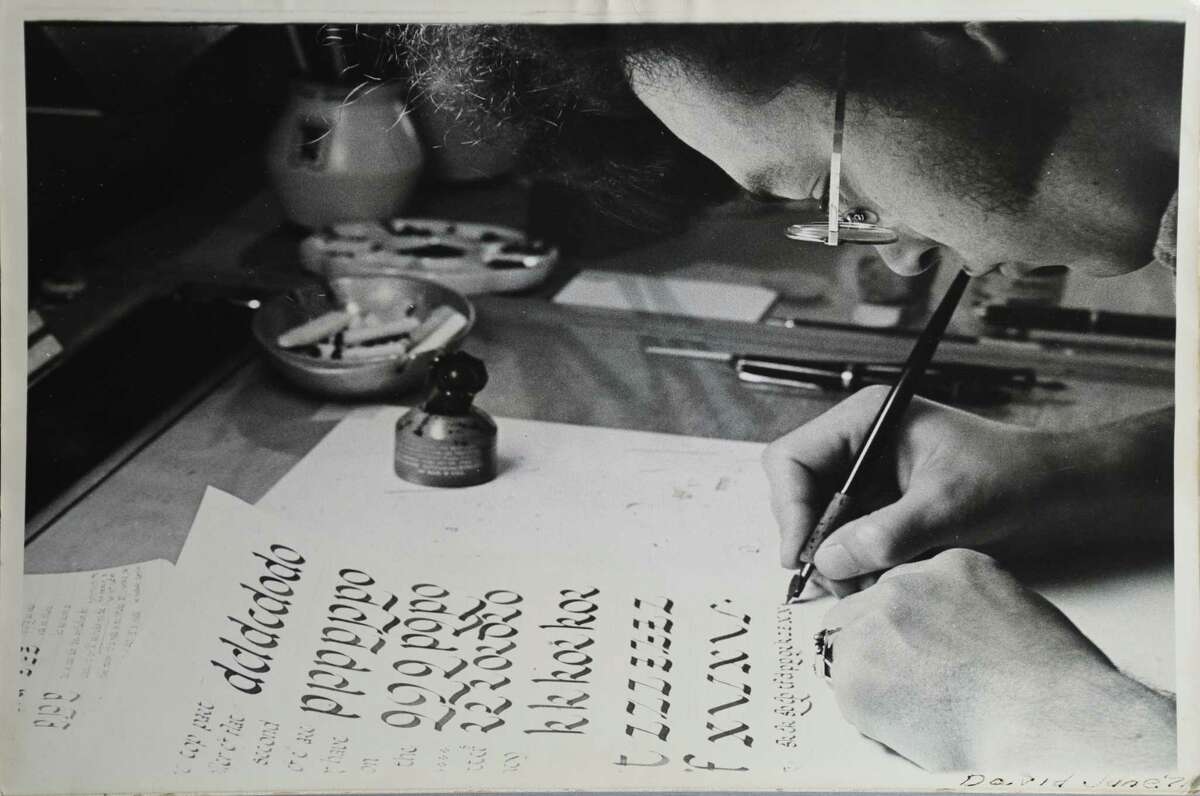
Goines, Garlic, 1977

GARLIC
Anyone who may be alarmed by the quantities of garlic used in some of the recipes in this book, particularly in the Catalan and Provencal dishes, may be interested in the following story of the beautiful mannequin who found out how to indulge her insatiable appetite for garlic and at the same time keep her job. That girl was perfectly right. Eating garlic is a question of habit and digestion. There is also the indisputable fact that garlic changes its character according to the amount used. Half a clove crushed into the salad dressing has a more penetrating aroma than a J lb stewed with a chicken.As a matter of fact, the best way of cooking that Poulet Bearnais of which Ford Madox Ford writes, is to place the peeled cloves of garlic (by all means use 2 lb if you can face peeling so much) underneath the chicken before putting it on to roast. The perfume coming from the kitchen while the roasting is going on is indescribably delicious. The chicken (or, for that matter, a leg of mutton) will be permeated with the flavour, but not unduly so; those who enjoy it may eat the garlic, inv pregnated with the juice from the roast, while those who do not can do without.I came yesterday, also in Fitzroy Street, at a party, upon a young lady who was the type of young lady I did not think one ever could meet. She was one of those ravishing and, like the syrens of the Mediter/ ranean and Ulysses, fabulous beings who display new creations to the sound of harps, shawms and teacups. What made it all the more astounding was that she was introduced to me as being one of the best cooks in London - a real cordon bleu, and then some. She was, as you might expect, divinely tall and appeared to appear through such mists as surrounded Venus saving a warrior. But I found that she really could talk, if awfully, and at last she told me something that I did not know - about garlic. . . .As do - as must - all good cooks, she used quantities of that bulb. It occurred to me at once that this was London and her work was social. Garlic is all very well on the bridge between Beaucaire and Tarascon or in the arena at Nimes amongst sixteen thousand civilized beings. . . . But in an atelier de couture in the neighbourhood of Hanover Square! . . . The lady answered mysteriously: No: there is no objection if only you take enough and train your organs to the assimilation. The perfume of allium officinale attends only on those timorous creatures who have not the courage as it were to wallow in that vegetable. I used to know a London literary lady who had that amount of civilization so that when she ate abroad she carried with her, in a hermetically sealed silver container, a single clove of the principal ingredient of a'ioli. With this she would rub her plate, her knife, her fork and the bread beside her place at the table. This, she claimed, satisfied her yearnings. But it did not enchant her friends or her neighbours at table.My instructress said that that served her right. She herself, at the outset of her professional career, had had the cowardice o adopt exactly that stratagem that, amongst those in London who have seen the light, is not uncommon. But when she went to her studio the outcry amongst her comrades, attendants, employers, clients and the very conductor of the bus that took her to Oxford Circus had been something dreadful to hear. Not St Plothinus nor any martyr of Lyons had been so miscalled by those vulgarians.So she had determined to resign her post and had gone home and cooked for herself a Poulet Beamais, the main garniture of which is a kilo - 2 lb - of garlic per chicken, you eating the stewed cloves as if they were haricots blancs. It had been a Friday before a Bank Holiday, so that the mannequins at that fashionable place would not be re quired for a whole week.Gloomily, but with what rapture internally, she had for that space of time lived on hardly anything else but the usually eschewed bulb. Then she set out gloomily towards the place that she so beautified but that she must leave for ever. Whilst she had been buttoning her gloves she had kissed an old aunt whose protests had usually been as clamant as those of her studio/mates. The old lady had merely complimented her on her looks. At the studio there had been no outcry, and there too she had been congratulated on the improvement, if possible, of her skin, her hair, her carriage. . . .She had solved the great problem; she had schooled her organs to assimilate, not to protest against, the sacred herb. . . .'Provence by Ford Madox Ford (1938)