10 June 2021


Together.

In a word, live together in the forgiveness of your sins, for without it no human fellowship can survive. Don’t insist on your rights, don’t blame each other, don’t judge or condemn each other, don’t find fault with each other, but accept each other as you are, and forgive each other every day from the bottom of your hearts.
Dietrich Bonhoeffer
09 June 2021
Great.

John Ruskin
Cole Porter, "Well, Did You Evah?"
Frank & Bingo
Havin' a nice time?Grab a line ...
Deb & Jim
I've never seen such yuppity ...
Shadow.

BLACKBERRIES
In the early morning an old woman
is picking blackberries in the shade.
It will be too hot later
but right now there’s dew.
Some berries fall: those are for squirrels.
Some are unripe, reserved for bears.
Some go into the metal bowl.
Those are for you, so you may taste them
just for a moment.
That’s good times: one little sweetness
after another, then quickly gone.
Once, this old woman
I’m conjuring up for you
would have been my grandmother.
Today it’s me.
Years from now it might be you,
if you’re quite lucky.
The hands reaching in
among the leaves and spines
were once my mother’s.
I’ve passed them on.
Decades ahead, you’ll study your own
temporary hands, and you’ll remember.
Don’t cry, this is what happens.
Look! The steel bowl
is almost full. Enough for all of us.
The blackberries gleam like glass,
like the glass ornaments
we hang on trees in December
to remind ourselves to be grateful for snow.
Some berries occur in sun,
but they are smaller.
It’s as I always told you:
the best ones grow in shadow.
Margaret Atwood
Awed.

FRAGMENT
Awed by her splendor
stars near the lovely
moon cover their own
bright faces
when she
is roundest and lights
earth with her silver
Sappho
R.E.M., "Hello in There"
You know that old trees just grow stronger
And old rivers grow wilder every day
With Natalie Merchant ...
It's sandwich time.
Seldom.
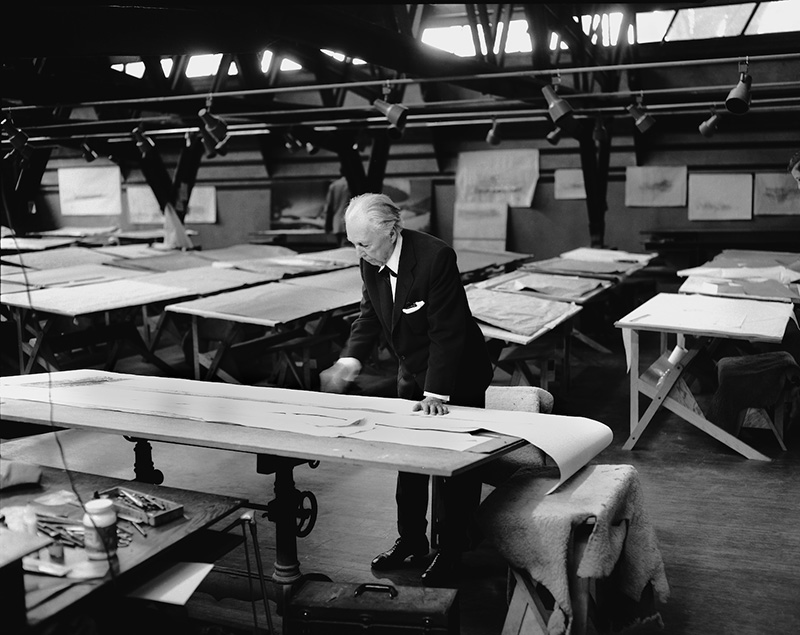
Critics may have minds of their own, but what chance have they to use them when experience in creating the art they write about is rarely theirs? So whatever they may happen to learn, and you learn from them, is very likely to put over on both of you as it was put over on them. Truth is seldom in the critic; and either good or bad, what comes from him is seldom his. Current criticism is something to take always on suspicion, if taken at all.
Frank Lloyd Wright, from A Testament
I don't agree with this, but it's interesting to think about.


Always.

TO YOU
What is more beautiful than night
and someone in your arms
that’s what we love about art
it seems to prefer us and stays
if the moon or a gasping candle
sheds a little light or even dark
you become a landscape in a landscape
with rocks and craggy mountains
and valleys full of sweaty ferns
breathing and lifting into the clouds
which have actually come low
as a blanket of aspirations’ blue
for once not a melancholy color
because it is looking back at us
there’s no need for vistas we are one
in the complicated foreground of space
the architects are most courageous
because it stands for all to see
and for a long time just as
the words “I’ll always love you”
impulsively appear in the dark sky
and we are happy and stick by them
like a couple of painters in neon allowing
the light to glow there over the river
Frank O’Hara
Happy Birthday, Porter

Cole Porter was born on this date in 1891.
Franks sings "I Get a Kick Out of You" ...
Positivity.

Your father will offer the best advice when he tells you it takes an act of will to choose a positive outlook, regardless of evidence to the contrary. As individuals we are weak, but as an interdependent collective we're capable of creating a powerful vision for the future. Quantum physicists will prove what Buddhism has taught all along: out of chaos comes order, out of order—chaos. Long before scientists confirmed it, the ancient Kahuna of Hawaii have known that thought is material and that the material future is borne of our thoughts. Positivity attracts positivity. You will know that no great world solution or, for that matter, great artwork has ever come of negative thinking.
Tina Weymouth, from a letter to her younger self
08 June 2021
Within.
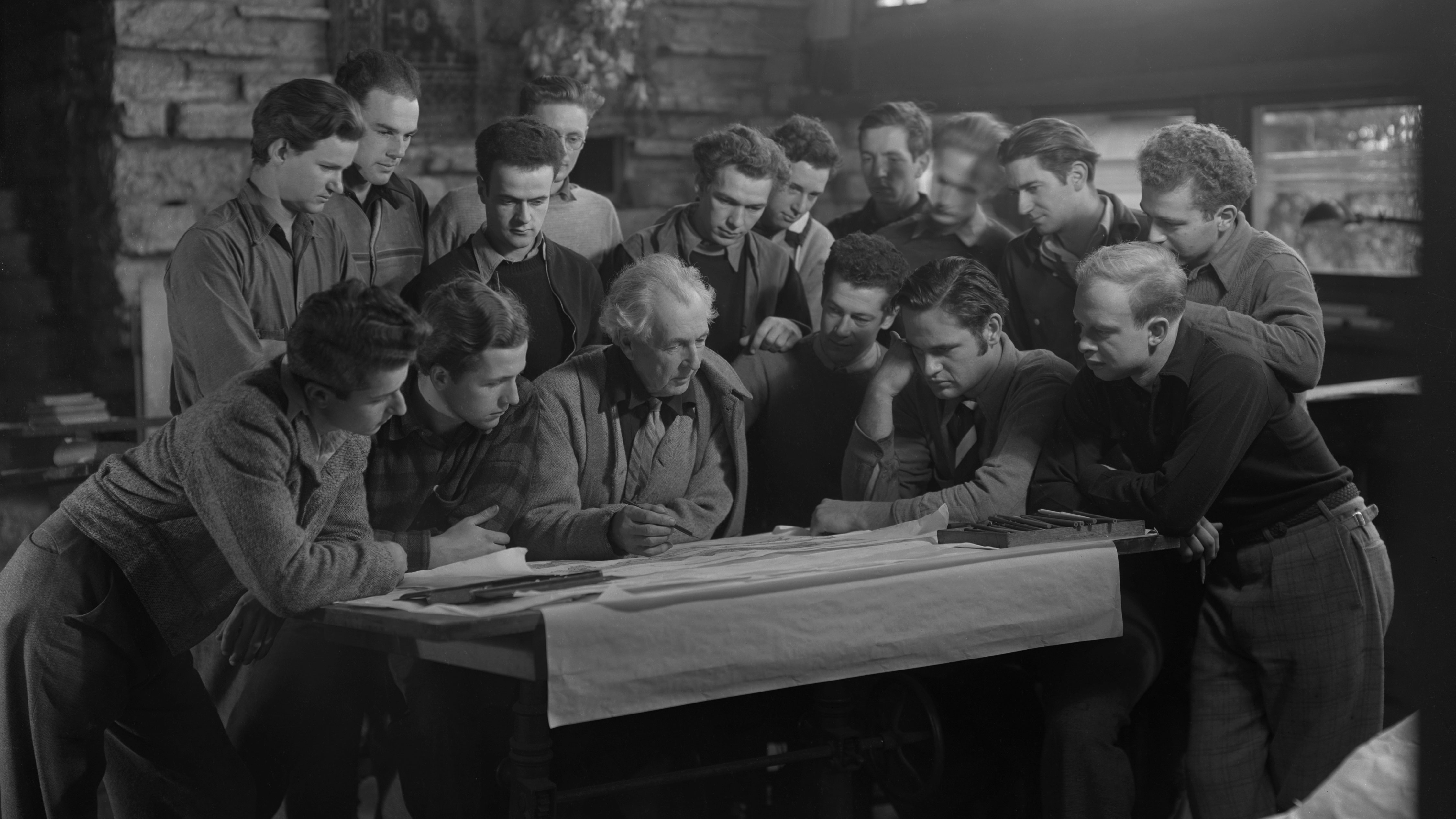
Having no roots, they can only age and decay, so studious, sincere youth retires, defeated. American youth, capable of becoming serious competent artists, under such pressure as this on every side, confused, try not to give up -- or "fall in line." This is the nature of about all that can be called American education in the arts and architecture at this time.
As for religion true to the teaching of the great redeemer who said "The Kingdom of God is within you"--that religion is yet to come: the concept true not only for the new reality of building but for the faith we call democracy.
Frank Lloyd Wright, from A Testament
Outlive.

The objective I propose is quite simple to state: to foster the infrastructure of democracy, the system of a free press, unions, political parties, universities, which allows a people to choose their own way to develop their own culture, to reconcile their own differences through peaceful means.
This is not cultural imperialism; it is providing the means for genuine self-determination and protection for diversity. Democracy already flourishes in countries with very different cultures and historical experiences. It would be cultural condescension, or worse, to say that any people prefer dictatorship to democracy. Who would voluntarily choose not to have the right to vote, decide to purchase government propaganda handouts instead of independent newspapers, prefer government to worker-controlled unions, opt for land to be owned by the state instead of those who till it, want government repression of religious liberty, a single political party instead of a free choice, a rigid cultural orthodoxy instead of democratic tolerance and diversity ...
It is time that we committed ourselves as a nation -- in both the public and private sectors -- to assisting democratic development.
What I am describing now is a plan and a hope for the long term -- the march of freedom and democracy which will leave Marxism-Leninism on the ash heap of history as it has left other tyrannies which stifle the freedom and muzzle the self-expression of the people. And that's why we must continue our efforts to strengthen NATO even as we move forward with our zero-option initiative in the negotiations on intermediate-range forces and our proposal for a one-third reduction in strategic ballistic missile warheads.
Our military strength is a prerequisite to peace, but let it be clear we maintain this strength in the hope it will never be used, for the ultimate determinant in the struggle that's now going on in the world will not be bombs and rockets but a test of wills and ideas, a trial of spiritual resolve, the values we hold, the beliefs we cherish, the ideals to which we are dedicated ...
I've often wondered about the shyness of some of us in the West about standing for these ideals that have done so much to ease the plight of man and the hardships of our imperfect world. This reluctance to use those vast resources at our command reminds me of the elderly lady whose home was bombed in the blitz. As the rescuers moved about, they found a bottle of brandy she'd stored behind the staircase, which was all that was left standing. And since she was barely conscious, one of the workers pulled the cork to give her a taste of it. She came around immediately and said, "Here now -- there now, put it back. That's for emergencies."
Well, the emergency is upon us. Let us be shy no longer. Let us go to our strength. Let us offer hope. Let us tell the world that a new age is not only possible but probable.
During the dark days of the Second World War, when this island was incandescent with courage, Winston Churchill exclaimed about Britain's adversaries, "What kind of people do they think we are?" Well, Britain's adversaries found out what extraordinary people the British are. But all the democracies paid a terrible price for allowing the dictators to underestimate us. We dare not make that mistake again. So, let us ask ourselves, "What kind of people do we think we are?" And let us answer, "Free people, worthy of freedom and determined not only to remain so but to help others gain their freedom as well."
Sir Winston led his people to great victory in war and then lost an election just as the fruits of victory were about to be enjoyed. But he left office honorably and, as it turned out, temporarily, knowing that the liberty of his people was more important than the fate of any single leader. History recalls his greatness in ways no dictator will ever know. And he left us a message of hope for the future, as timely now as when he first uttered it, as opposition leader in the Commons nearly twenty-seven years ago, when he said, "When we look back on all the perils through which we have passed and at the mighty foes that we have laid low and all the dark and deadly designs that we have frustrated, why should we fear for our future? We have," he said, "come safely through the worst."
Well, the task I've set forth will long outlive our own generation. But together, we too have come through the worst. Let us now begin a major effort to secure the best -- a crusade for freedom that will engage the faith and fortitude of the next generation. For the sake of peace and justice, let us move toward a world in which all people are at last free to determine their own destiny.
President Ronald Reagan, from his "Evil Empire" speech, delivered before The House of Commons, June 8, 1982.
Happy Birthday, Wright.
Wright, Wright Home and Studio, Great Room, 1889
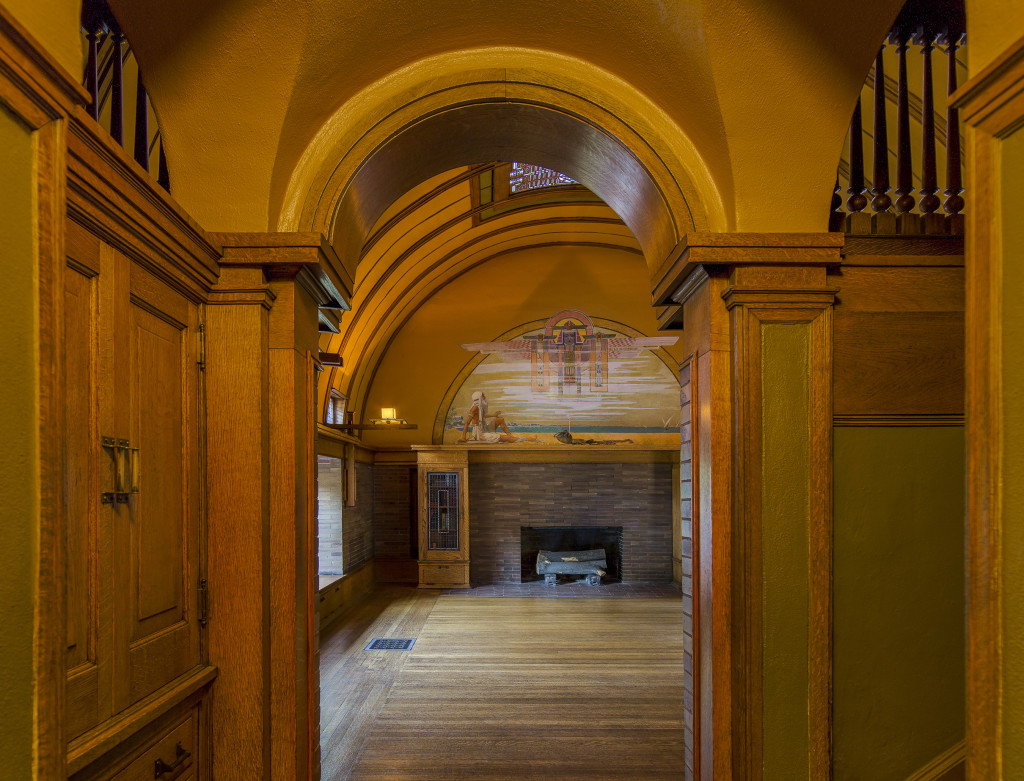
Frank Lloyd Wright was born on this day in 1867.
Our forefathers were not only brave. I believe they were right. I believe that what they meant was that every man born had equal right to grow from scratch by way of his own power unhindered to the highest expression of himself possible to him. This of course not antagonistic by sympathetic to the growth of all men as brothers. Free emulation not imitation of the "bravest and the best" is to be expected of him.
Uncommon he may and will and should become as inspiration to his fellows, not a reflection upon them, not to be resented but accepted--and in this lies the only condition of the common man's survival. So only is he intrinsic to democracy.
Persistently holding quality above quantity only as he attempts to live a superior life of his own, and to whatsoever degree in whatever case he finds it; this is his virtue in a democracy such as ours was designed to be.
Only this sense of proportion affords tranquility of spirit, in itself beauty, in either character of action. Nature is never other than serene even in a thunderstorm. The assumption of the "firm countenance, lips compressed" in denial or resentment is not known to her as it is known to civilization. Such negation by human countenance may be moral (civilization is inclined to morality) but even so not nature. Again exuberance is repose but never excess ...
Can it be that the ultimate chapter of this new era of democratic freedom is going to be deformed by this growing drift toward conformity encouraged by politics and sentimental education? If so then by what name shall our national American character be justly called? Doomed to beget only curiosities or monstrosities in art, architecture and religion by artists predominant chiefly by compliance with commercial expediency?
Machine standardization is apparently growing to mean little that is inspiring to the human spirit. We see the American workman himself becoming the prey of gangsterism made official.
Everything as now professionalized, in time dies spiritually. Must the innate beauty of American life succumb or be destroyed? Can we save truth as beauty and beauty as truth in our country only if truth becomes the chief concern of our serious citizens and their artists, architects and men of religion, independent of established authority?
Frank Lloyd Wright, from A Testament
Smell.
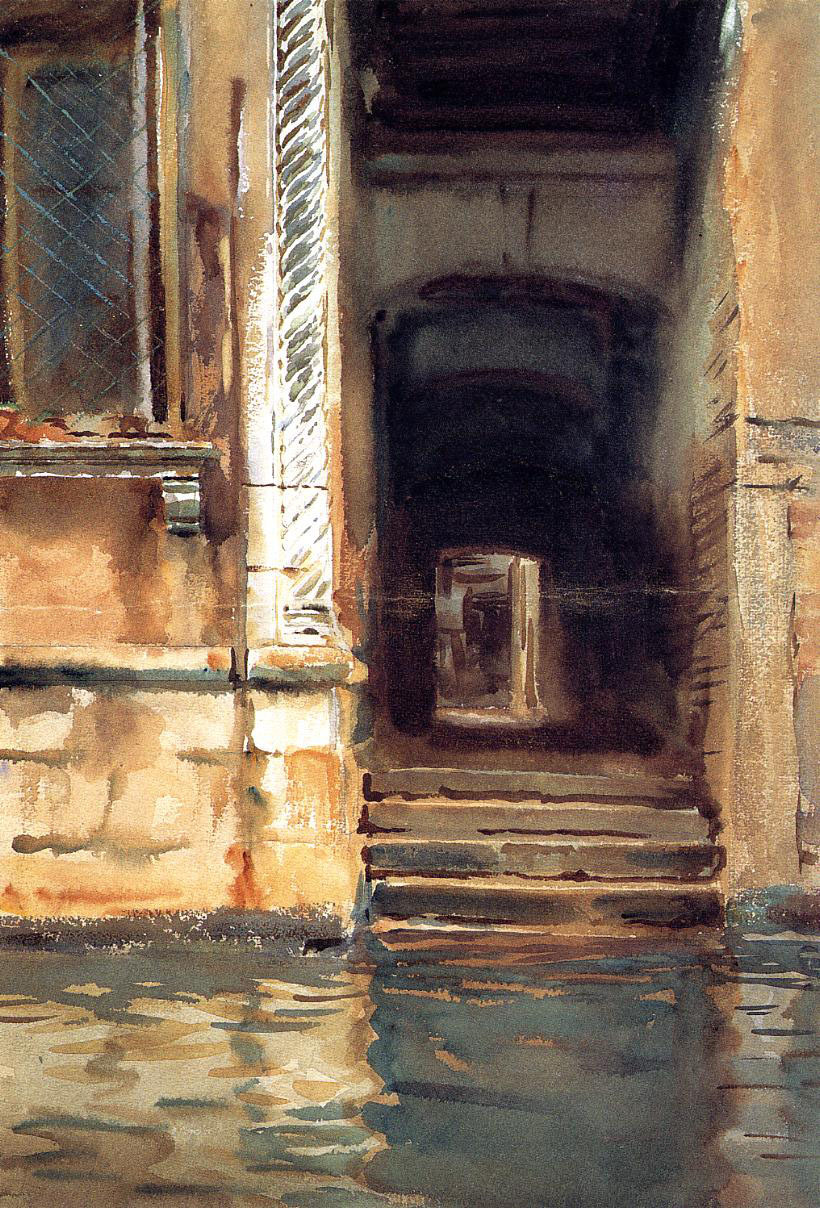
Canaletto, Entrance to the Cannaregio, 1727
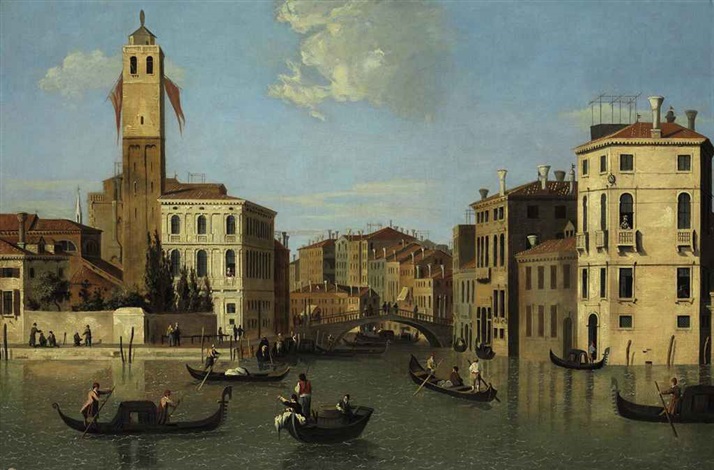
Peter Ackroyd and the smell of the history.
Inspiration.
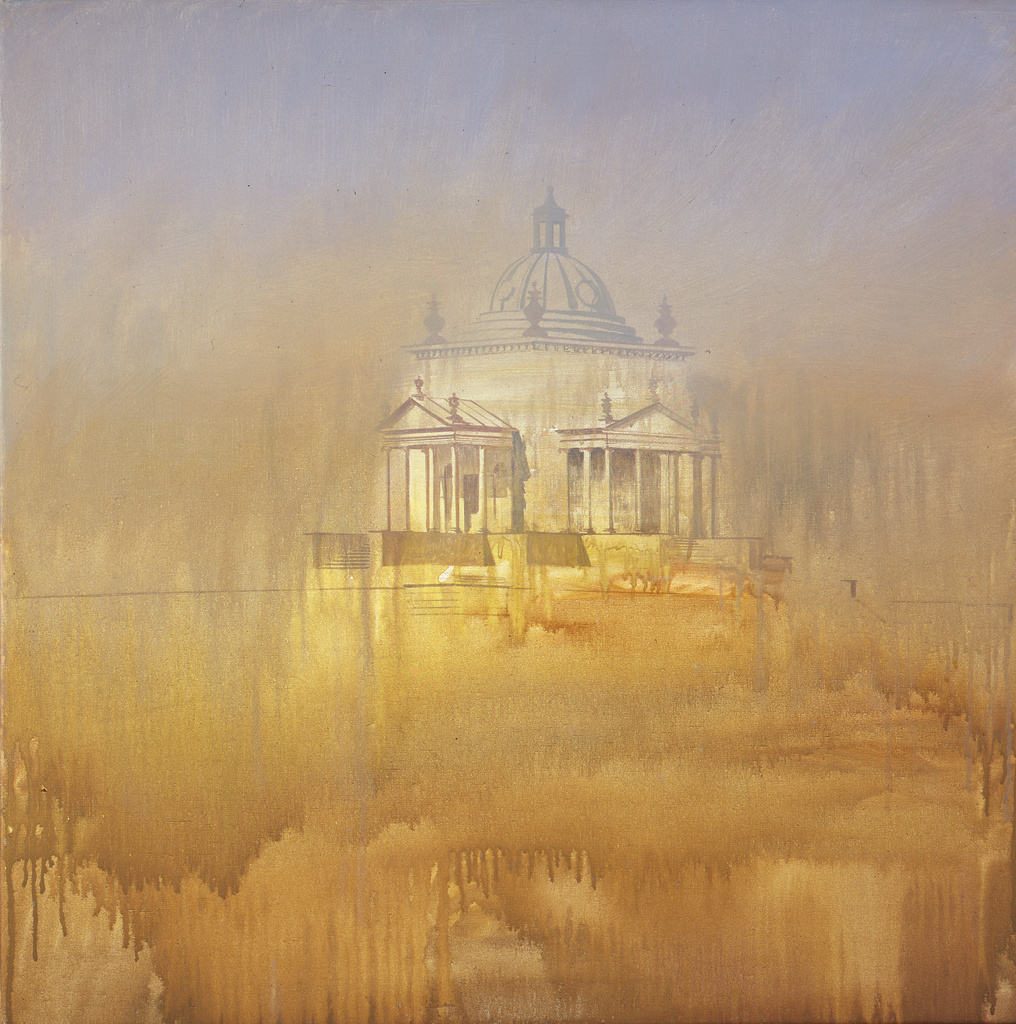
My theme is memory, that winged host that soared about me one grey morning of war-time.
These memories, which are my life--for we possess nothing certainly except the past--were always with me. Like the pigeons of St. Mark's, they were everywhere, under my feet, singly, in pairs, in little honey-voiced congregations, nodding, strutting, winking, rolling the tender feathers of their necks, perching sometimes, if I stood still, on my shoulder or pecking a broken biscuit from between my lips; until, suddenly, the noon gun boomed and in a moment, with a flutter and sweep of wings, the pavement was bare and the whole sky above dark with a tumult of fowl. Thus it was that morning.
These memories are the memorials and pledges of the vital hours of a lifetime. These hours of afflatus in the human spirit, the springs of art, are, in their mystery, akin to the epochs of history, when a race which for centuries has lived content, unknown, behind its own frontiers, digging, eating, sleeping, begetting, doing what was requisite for survival and nothing else, will, for a generation or two, stupefy the world; commit all manner of crimes, perhaps; follow the wildest chimeras, go down in the end in agony, but leave behind a record of new heights scaled and new rewards won for all mankind; the vision fades, the soul sickens, and the routine of survival starts again.
The human soul enjoys these rare, classic periods, but, apart from them, we are seldom single or unique; we keep company in this world with a hoard of abstractions and reflections and counterfeits of ourselves--the sensual man, the economic man, the man of reason, the beast, the machine and the sleep-walker, and heaven knows what besides, all in our own image, indistinguishable from ourselves to the outward eye. We get borne along, out of sight in the press, unresisting, till we get the chance to drop behind unnoticed, or to dodge down a side street, pause, breathe freely and take our bearings, or to push ahead, outdistance, our shadows, lead them a dance, so that when at length they catch up with us, they look at one another askance, knowing we have a secret we shall never share.
For nearly ten years I was thus borne along a road outwardly full of change and incident, but never during that time, except sometimes in my painting--and that at longer and longer intervals--did I come alive as I had been during the time of my friendship with Sebastian. I took it to be youth, not life, that I was losing. My work upheld me, for I had chosen to do what I could do well, did better daily, and liked doing; incidentally it was something which no one else at that time was attempting to do. I became an architectural painter. I have always loved building, holding it to be not only the highest achievement of man but one in which, at the moment of consummation, things were most clearly taken out of his hands and perfected, without his intention, by other means, and I regarded men as something much less than the buildings they made and inhabited, as mere lodgers and short-term sub-lessees of small importance in the long, fruitful life of their homes.
More even than the work of the great architects, I loved buildings that grew silently with the centuries, catching and keeping the best of each generation, while time curbed the artist's pride and the Philistine's vulgarity, and repaired the clumsiness of the dull workman. In such buildings England abounded, and in the last decade of their grandeur, Englishmen seemed for the first time to become conscious of what before was taken for granted, and to salute their achievements at the moment of extinction. Hence my prosperity, far beyond my merits; my work had nothing to recommend it except my growing technical skill, enthusiasm for my subject and independence of popular notions.
The financial slump of the period, which left many painters without employment, served to enhance my success, which was, indeed, itself a symptom of the decline. When the water-holes were dry people sought to drink at the mirage. After my first exhibition I was called to all parts of the country to make portraits of houses that were soon to be deserted or debased; indeed, my arrival seemed often to be only a few paces ahead of the auctioneers, a presage of doom.
I published three splendid folios--Ryder's Country Seats, Ryder's English Homes, and Ryder's Village and Provincial Architecture, which each sold its thousand copies at five guineas apiece. I seldom failed to please, for there was no conflict between myself and my patrons; we both wanted the same thing. But as the years passed I began to mourn the loss of something I had known in the drawing-room of Marchmain House and once or twice since, the intensity and singleness and the belief that it was not all done by hand--in a word, the inspiration.
Evelyn Waugh, from Brideshead Revisited


07 June 2021


Happy Birthday, White

Clarence White was born on this day in 1944.
"Listen to the Mockingbird" ...
Marty Stuart tells the story ...
Thanks for the introduction, John.
Blind Faith, "Sea of Joy"
Blind Faith played their first gig on this day in 1969. I've often said that I was the only good thing to come from the sixties, but this is a close second. Just praise God there's no such thing as smell-a-vision ...
Revered.
Returning to a summer classic ...
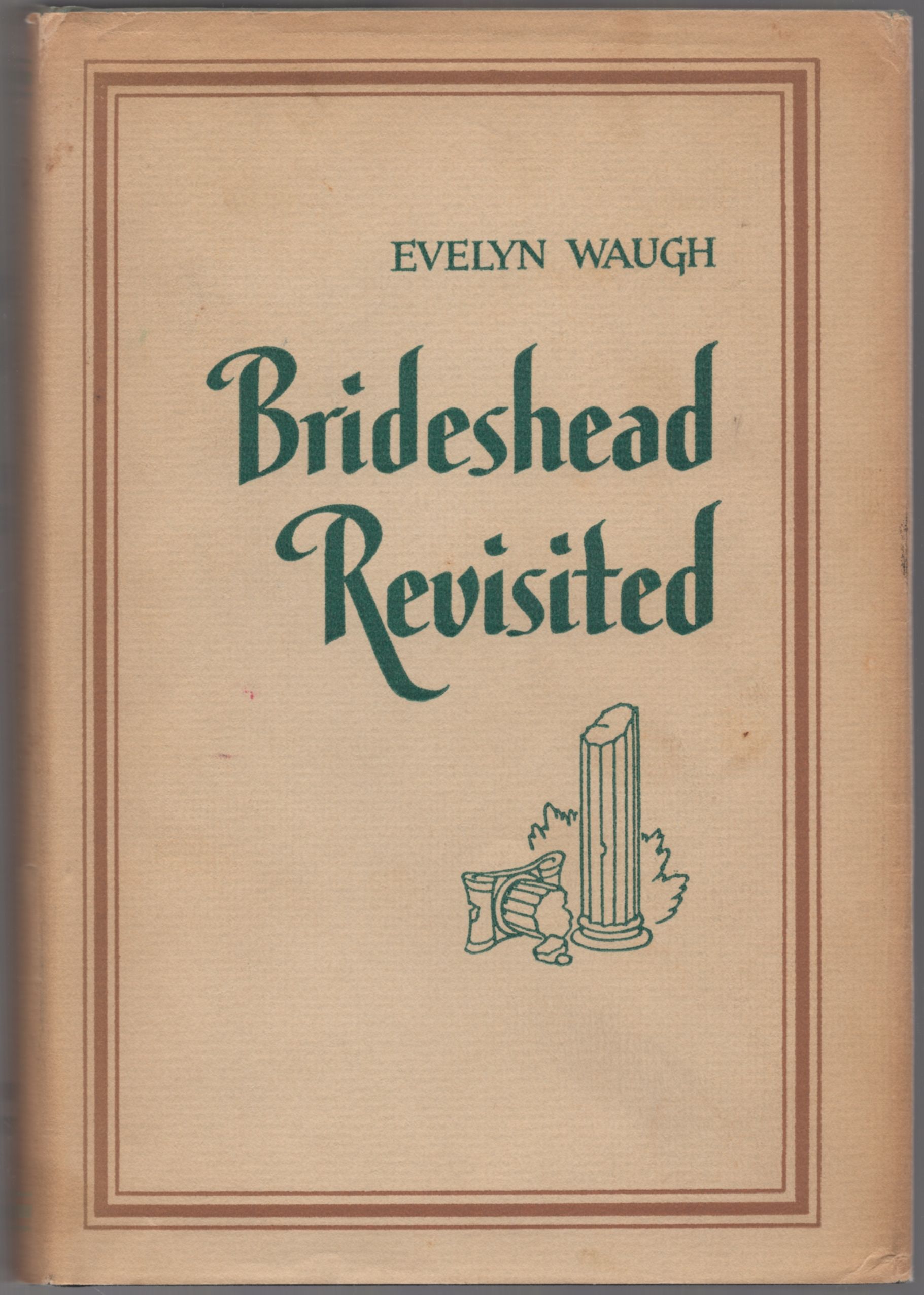
From Book Two: Brideshead Deserted ...
A party was being given that night in Regent's Park for the 'Black Birds' who had newly arrived in England. One of us had been asked and thither we all went.To us, who frequented Bricktop's and the Bal Nègre in the Rue Blomet, there was nothing particularly remarkable in the spectacle; I was scarcely inside the door when I heard an unmistakable voice, an echo from what now seemed a distant past."No," it said, "they are not animals in a zoo, Mulcaster, to be goggled at. They are artists, my dear, very great artists, to be revered."Anthony Blanche and Boy Mulcaster were at the table where the wine stood."Thank God here's someone I know," said Mulcaster, as I joined them. "Girl brought me. Can't see her anywhere.""She's given you the slip, my dear, and do you know why? Because you look ridiculously out of place, Mulcaster. It isn't your kind of party at all; you ought not to be here; you ought to go away, you know, to the Old Hundredth or some lugubrious dance in Belgrave Square.""Just come from one," said Mulcaster. "Too early for the Old Hundredth. I'll stay on a bit. Things may cheer up."Evelyn Waugh, from Brideshead Revisited
Lunch and poetry from Charles Sturridge and Michael Lindsay-Hogg's 1981 adaptation ...
Resolution.
Alone.
Mackintosh, The House for an Art Lover, Ranunculus Window, 1901

You must be independent, independent, independent - don't talk so much but do more - go your own way and let your neighbour go his. Shake off all the props - the props tradition and authority give you - and go alone - crawl - stumble - stagger - but go alone.
Charles Rennie Mackintosh
Handel, Alcina
Nathalie Stutzmann, accompanied by Orfeo 55, sings the aria, "Ah, mio cor, schernito sen" ...
Happy Birthday, Mackintosh

Charles Rennie Mackintosh was born on this day in 1868.
You must offer the flowers of the art that is in you - the symbols of all that is noble - and beautiful - and inspiring - flowers that will often change a colourless leaf - into an established and thoughtful thing. Art is the Flower - Life is the Green Leaf. Let every artist strive to make his flower a beautiful living thing, something that will convince the world that there may be, there are, things more precious more beautiful - more lasting than life itself.
Charles Rennie Mackintosh
The Glasgow School of Art ... (my kingdom for smell-a-vision)
06 June 2021
Butler.

In the softest room you sing
Without a key
The butler is serving tea
Wearing a shirt without any sleeves
Come and spend the day at Alice's house
Have some time away at Alice's house
Write a note saying please don't go
Please don't go ...

Looking.

So I saddled up my seahorse
With a fly-rod in my hand
I was not looking for salvation
Just a salty piece of land
Journey.
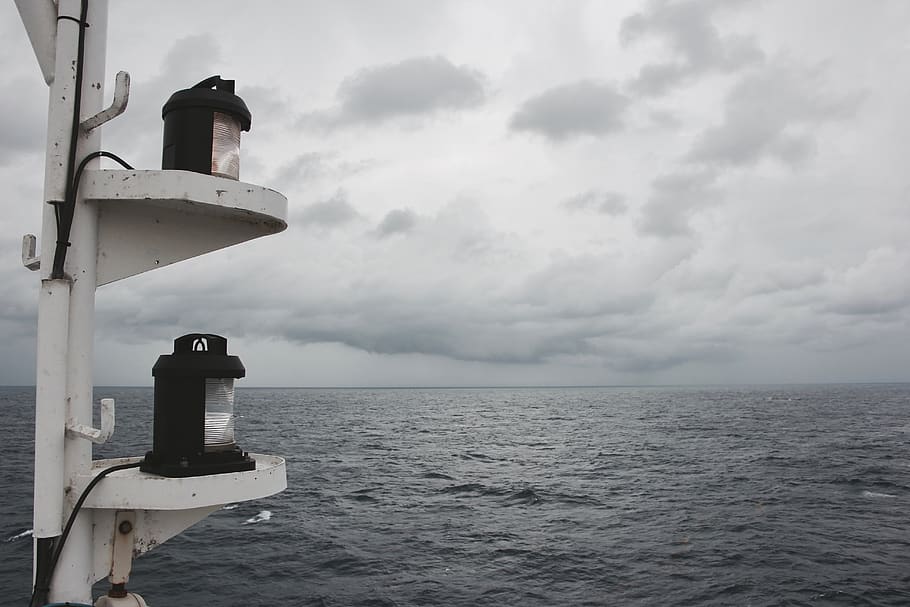
Drink ale by the fire,
but slide on the ice;
buy a steed when 'tis lanky, a sword when 'tis rusty;
feed thy horse neath a roof, and thy hound in the yard.
Wood must be hewn in the wind,
row out to sea in good weather,
talk with maidens in the dark,
for many are the eyes of the day.
A ship must be used for a swift journey
and a shield for protection,
a sword for a blow
and a maiden for kisses.
Norse Proverb
Sharp.
:format(webp)/cdn.vox-cdn.com/uploads/chorus_image/image/69412300/merlin_2870393.0.jpg)
Don Pullan is quick to admit he can’t remember quite as well as he once did.
“I have good days and I have bad days,” he says with that air of what-are-you-going-to-do acceptance men tend to acquire when their next birthday will be their 98th.
But if he can’t always immediately tell you what he had for breakfast, his recall of 77 years ago is as sharp as ever.
On June 10, 1944, Cpl. Pullan, of Salt Lake City, Utah, landed on Utah Beach as part of the D-Day invasion.
Crusade.
/arc-anglerfish-arc2-prod-mco.s3.amazonaws.com/public/TQB7NVBYZVDDRAATBROFUVTHVM.jpg)
SUPREME HEADQUARTERS
ALLIED EXPEDITIONARY FORCE
Soldiers, Sailors, and Airmen of the Allied Expeditionary Force!
You are about to embark upon the Great Crusade, toward which we have striven these many months. The eyes of the world are upon you. The hope and prayers of liberty-loving people everywhere march with you. In company with our brave Allies and brothers-in-arms on other Fronts, you will bring about the destruction of the German war machine, the elimination of Nazi tyranny over the oppressed peoples of Europe, and security for ourselves in a free world.
Your task will not be an easy one. Your enemy is will trained, well equipped and battle-hardened. He will fight savagely.
But this is the year 1944! Much has happened since the Nazi triumphs of 1940-41. The United Nations have inflicted upon the Germans great defeats, in open battle, man-to-man. Our air offensive has seriously reduced their strength in the air and their capacity to wage war on the ground. Our Home Fronts have given us an overwhelming superiority in weapons and munitions of war, and placed at our disposal great reserves of trained fighting men. The tide has turned! The free men of the world are marching together to Victory!
I have full confidence in your courage, devotion to duty and skill in battle. We will accept nothing less than full Victory!
Good luck! And let us beseech the blessing of Almighty God upon this great and noble undertaking.
General Dwight D. Eisenhower, Order of the Day
Decisions.
An excellent cookbook ...

The master replied, "The secret of life is to make wise decisions."
The traveler then asked, "How can I make wise decisions?"
To which the master replied,"You will make wise decisions based on your experience."
"How do I gain experience?" the traveler asked.
"Poor decisions."
A Sufi proverb told by Edward Espe Brown
Available.
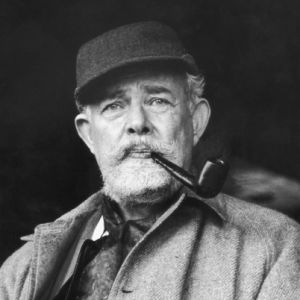
There was just such a man when I was young—an Austrian who invented a new way of life and convinced himself that he was the chap to make it work. He tried to impose his reformation by the sword, and plunged the civilized world into misery and chaos. But the thing which this fellow had overlooked, my friend, was that he had a predecessor in the reformation business, called Jesus Christ. Perhaps we may assume that Jesus knew as much as the Austrian did about saving people. But the odd thing is that Jesus did not turn the disciples into storm troopers, burn down the Temple at Jerusalem, and fix the blame on Pontius Pilate. On the contrary, he made it clear that the business of the philosopher was to make ideas available, and not to impose them on people.
T.H. White, from The Once and Future King
Thank you, Jessica.
Happy Birthday,Velázquez
Velázquez, The Triumph of Bacchus, 1629
_-_WGA24375.jpg)
Diego Velázquez was born on this day in 1599.
Subscribe to:
Posts (Atom)