"I am not one who was born in the custody of wisdom. I am one who is fond of olden times and intense in quest of the sacred knowing of the ancients." Gustave Courbet
Showing posts with label democracy. Show all posts

06 May 2025

Happy Birthday, Robespierre

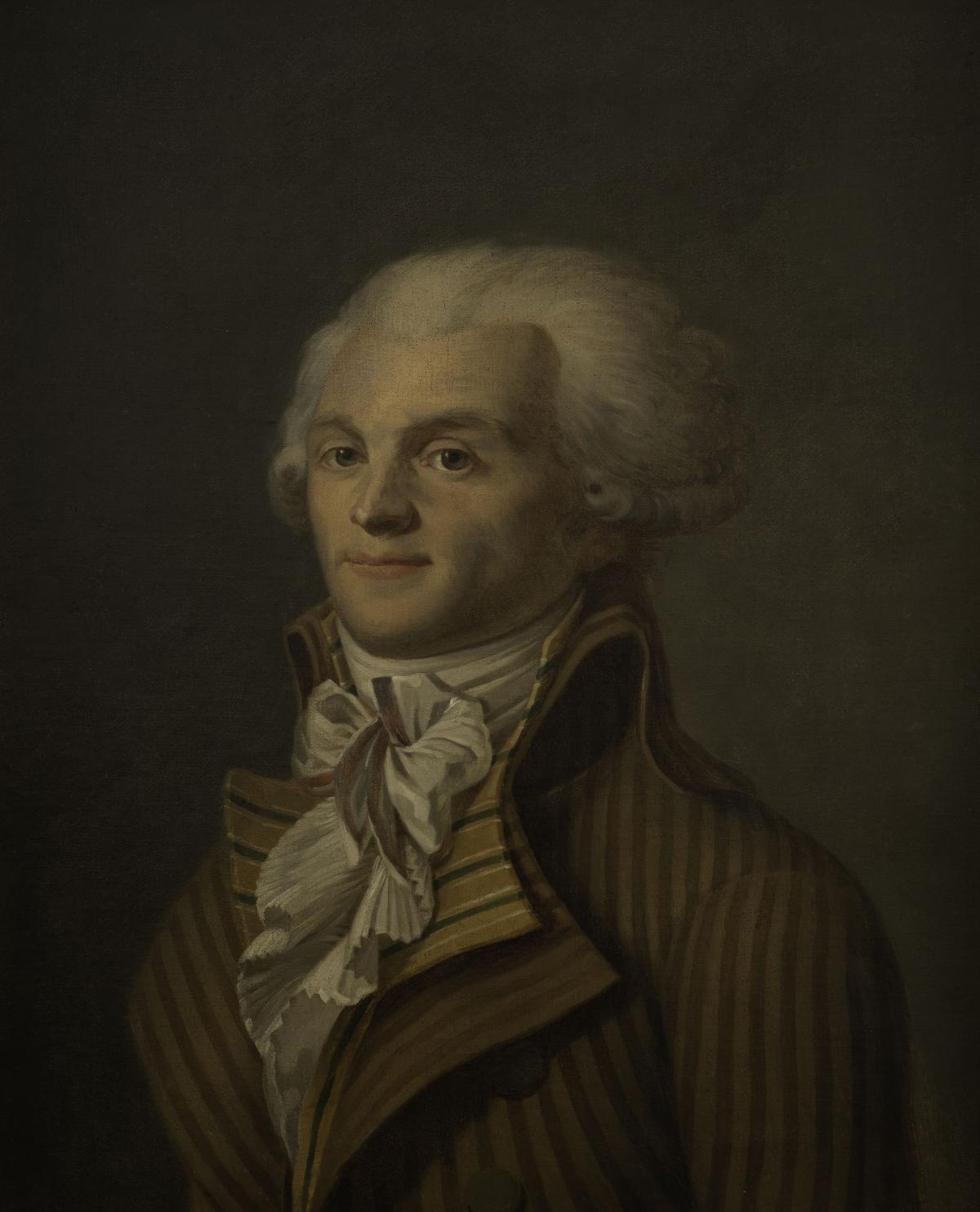
École française, Portrait of Maximilien Robespierre, 1790


Democracy is a state in which the sovereign people, guided by laws which are of their own making, do for themselves all that they can do well, and by their delegates do all that they cannot do for themselves.

It is therefore in the principles of democratic government that you should seek the rules of your political conduct.

But, in order to lay the foundations of democracy among us and to consolidate it, in order to arrive at the peaceful reign of constitutional laws, we must finish the war of liberty against tyranny and safely cross through the storms of the revolution: that is the goal of the revolutionary system which you have put in order. You should therefore still base your conduct upon the stormy circumstances in which the republic finds itself; and the plan of your administration should be the result of the spirit of revolutionary government, combined with the general principles of democracy.

Now, what is the fundamental principle of popular or democratic government, that is to say, the essential mainspring which sustains it and makes it move? It is virtue. 

Maximilien Robespierre, born on this day in 1758, from "On Political Morality"

22 March 2025

Survival.

James Angleton interviewed in 1976 ...
In the West it is almost inconceivable to be able to deceive, when the very people who are your lawmakers are the ones who destroy your secrets.  The very people who profit from living in a Democratic institution are the ones who denigrated the word national security, until it has no meaning.

I believe there are inherent rights in the President of the United States to advance national security, it's inherent in his election ... 

There is always a question whether a democratic country is capable of having an intelligence service of any great merit, simply because of the built-in inhibitions.  It usually takes a national crisis or a Pearl Harbor for people then understand what survival means, but you don't have to be a great, or large, or wealthy country to have a good intelligence service.  As long as you have the norms, as long as you have the disciplines, as long as you have the motivation, singleness of purpose, you can be a small service, have one great penetration, then you can move the world.

18 August 2024

Decide.


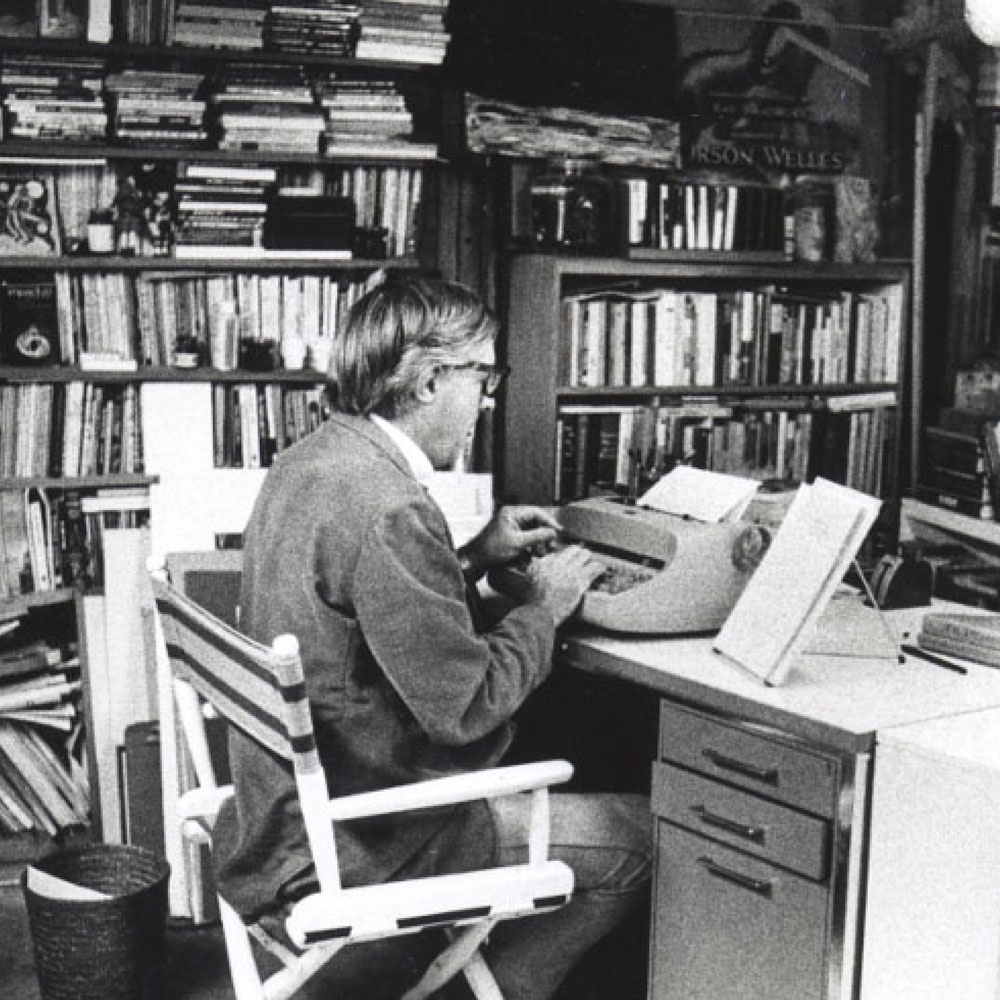
If you know how to read, you have a complete education about life, then you know how to vote within a democracy. But if you don’t know how to read, you don’t know how to decide. That’s the great thing about our country — we’re a democracy of readers, and we should keep it that way.

30 July 2024

Tell.


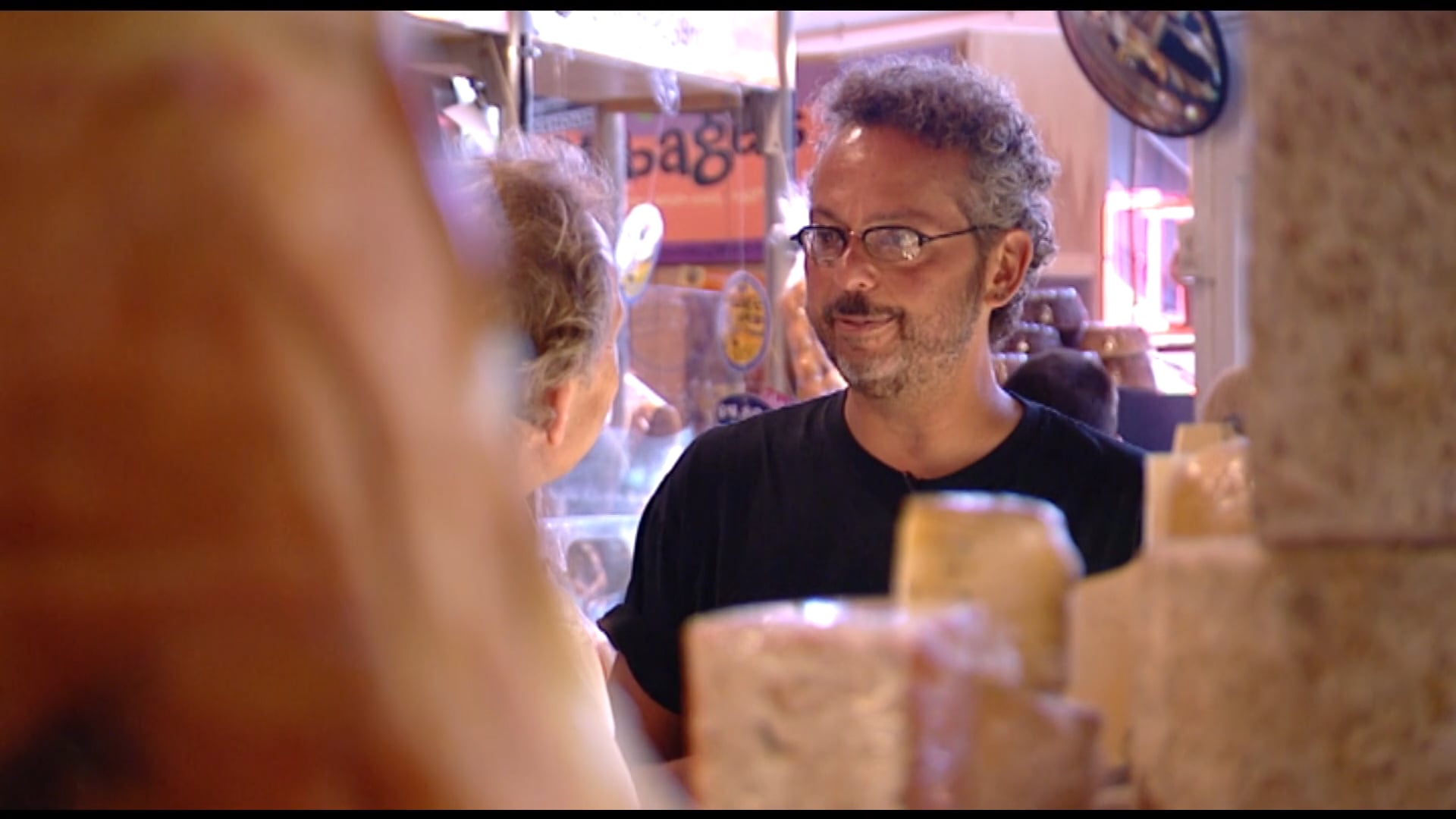
Ari Weinzweig on the importance of democracy ...
What if there is no one to tell an alternative story because they would be perceived as anti-establishment or for fear of being persecuted?

29 July 2024

Monopolizes.


What good does it do me, after all, if an ever-watchful authority keeps an eye out to ensure that my pleasures will be tranquil and races ahead of me to ward off all danger, sparing me the need even to think about such things, if that authority, even as it removes the smallest thorns from my path, is also absolute master of my liberty and my life; if it monopolizes vitality and existence to such a degree that when it languishes, everything around it must also languish; when it sleeps, everything must also sleep; and when it dies, everything must also perish? 

Alexis de Tocqueville, born on this day in 1805

29 July 2023

Animation.


It is undeniable that the want of those uniform regulations which control the conduct of every inhabitant of France is not infrequently felt in the United States. Gross instances of social indifference and neglect are to be met with; and from time to time disgraceful blemishes are seen, in complete contrast with the surrounding civilization. Useful undertakings which cannot succeed without perpetual attention and rigorous exactitude are frequently abandoned; for in America, as well as in other countries, the people proceed by sudden impulses and momentary exertions. The European, accustomed to find a functionary always at hand to interfere with all he undertakes, reconciles himself with difficulty to the complex mechanism of the administration of the townships. In general it may be affirmed that the lesser details of the police, which render life easy and comfortable, are neglected in America, but that the essential guarantees of man in society are as strong there as elsewhere. In America the power that conducts the administration is far less regular, less enlightened, and less skillful, but a hundredfold greater than in Europe. In no country in the world do the citizens make such exertions for the common weal. I know of no people who have established schools so numerous and efficacious, places of public worship better suited to the wants of the inhabitants, or roads kept in better repair. Uniformity or permanence of design, the minute arrangement of details, and the perfection of administrative system must not be sought for in the United States; what we find there is the presence of a power which, if it is somewhat wild, is at least robust, and an existence checkered with accidents, indeed, but full of animation and effort.

Granting, for an instant, that the villages and counties of the United States would be more usefully governed by a central authority which they had never seen than by functionaries taken from among them; admitting, for the sake of argument, that there would be more security in America, and the resources of society would be better employed there, if the whole administration centered in a single arm--still the political advantages which the Americans derive from their decentralized system would induce me to prefer it to the contrary plan. It profits me but little, after all, that a vigilant authority always protects the tranquillity of my pleasures and constantly averts all dangers from my path, without my care or concern, if this same authority is the absolute master of my liberty and my life, and if it so monopolizes movement and life that when it languishes everything languishes around it, that when it sleeps everything must sleep, and that when it dies the state itself must perish.
05 January 2022

Initiative.


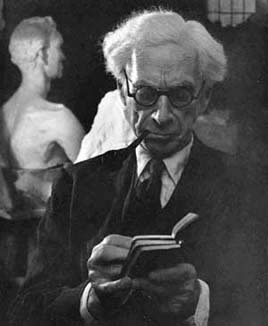
One obvious palliative of the evils of democracy in its present form would be to encourage much more publicity and initiative on the part of civil servants. They ought to have the right, and, on occasion, the duty, to frame bills in their own names, and set forth publicly the arguments in their favor.

Bertrand Russell

08 June 2021

Within.


Having no roots, they can only age and decay, so studious, sincere youth retires, defeated. American youth, capable of becoming serious competent artists, under such pressure as this on every side, confused, try not to give up -- or "fall in line." This is the nature of about all that can be called American education in the arts and architecture at this time. 

As for religion true to the teaching of the great redeemer who said "The Kingdom of God is within you"--that religion is yet to come: the concept true not only for the new reality of building but for the faith we call democracy.

Frank Lloyd Wright, from A Testament

Happy Birthday, Wright.

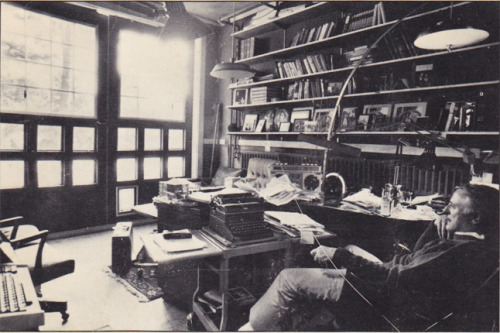
Wright, Wright Home and Studio, Great Room, 1889


Frank Lloyd Wright was born on this day in 1867.

Our forefathers were not only brave. I believe they were right. I believe that what they meant was that every man born had equal right to grow from scratch by way of his own power unhindered to the highest expression of himself possible to him. This of course not antagonistic by sympathetic to the growth of all men as brothers. Free emulation not imitation of the "bravest and the best" is to be expected of him.

Uncommon he may and will and should become as inspiration to his fellows, not a reflection upon them, not to be resented but accepted--and in this lies the only condition of the common man's survival. So only is he intrinsic to democracy.

Persistently holding quality above quantity only as he attempts to live a superior life of his own, and to whatsoever degree in whatever case he finds it; this is his virtue in a democracy such as ours was designed to be.

Only this sense of proportion affords tranquility of spirit, in itself beauty, in either character of action. Nature is never other than serene even in a thunderstorm. The assumption of the "firm countenance, lips compressed" in denial or resentment is not known to her as it is known to civilization. Such negation by human countenance may be moral (civilization is inclined to morality) but even so not nature. Again exuberance is repose but never excess ...

Can it be that the ultimate chapter of this new era of democratic freedom is going to be deformed by this growing drift toward conformity encouraged by politics and sentimental education? If so then by what name shall our national American character be justly called? Doomed to beget only curiosities or monstrosities in art, architecture and religion by artists predominant chiefly by compliance with commercial expediency?
Machine standardization is apparently growing to mean little that is inspiring to the human spirit. We see the American workman himself becoming the prey of gangsterism made official. 

Everything as now professionalized, in time dies spiritually. Must the innate beauty of American life succumb or be destroyed? Can we save truth as beauty and beauty as truth in our country only if truth becomes the chief concern of our serious citizens and their artists, architects and men of religion, independent of established authority?

Frank Lloyd Wright, from A Testament

09 January 2021

Fundamental.


The idea that any kind of free society can be constructed in which people will never be offended or insulted is absurd. So too is the notion that people should have the right to call on the law to defend them against being offended or insulted. A fundamental decision needs to be made: do we want to live in a free society or not? Democracy is not a tea party where people sit around making polite conversation. In democracies people get extremely upset with each other ...

The moment you say that any idea system is sacred, whether it's a religious belief system or a secular ideology, the moment you declare a set of ideas to be immune from criticism, satire, derision, or contempt, freedom of thought becomes impossible.

Salmon Rushdie

02 August 2020

Toleration.


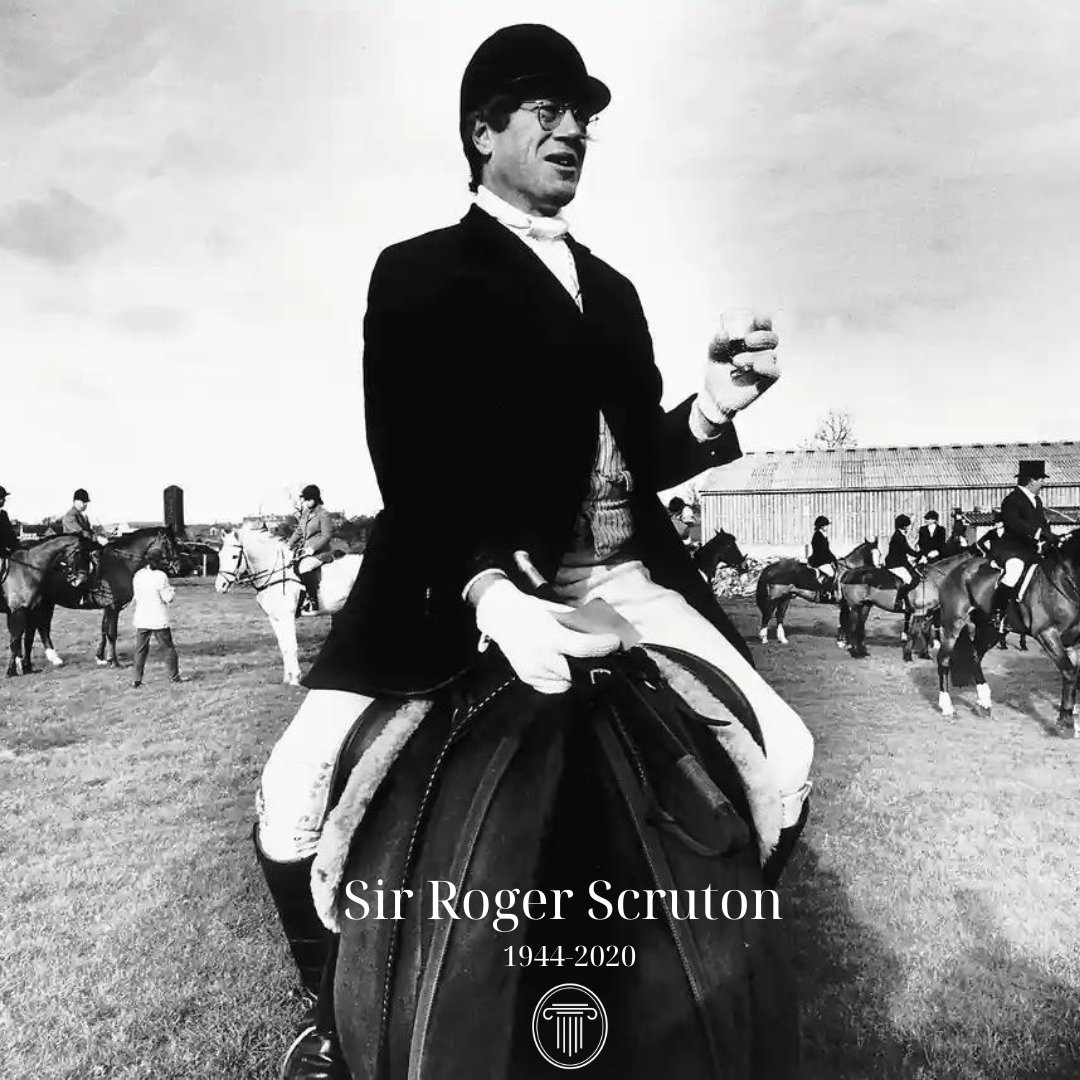
Toleration means being prepared to accept opinions that you intensely dislike. Likewise democracy means consenting to be governed by people whom you intensely dislike.

Sir Roger Scruton

20 June 2020

Duty.

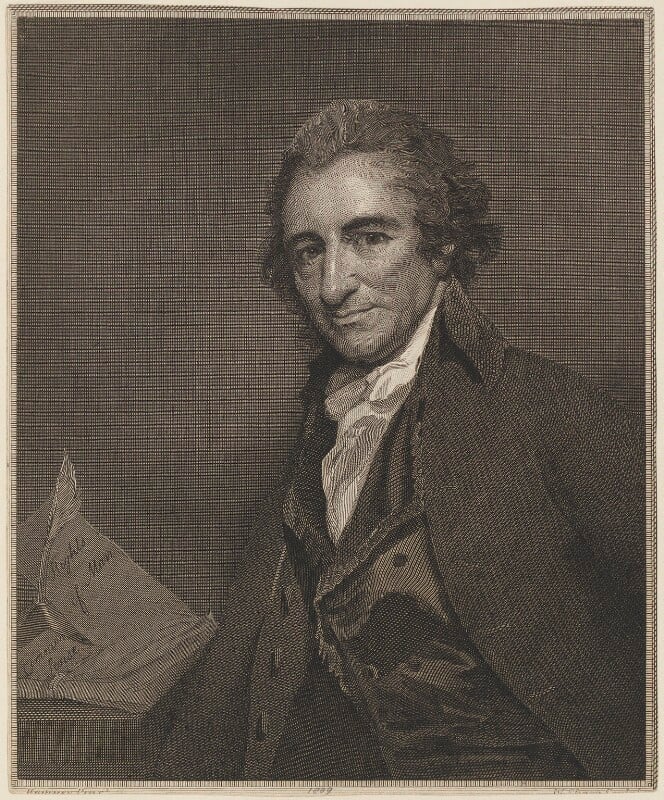
Sharpe, Thomas Paine, 1793


Whatever is my right as a man is also the right of another; and it becomes my duty to guarantee as well as to possess.

Thomas Paine, from Rights of Man

16 June 2020

One.

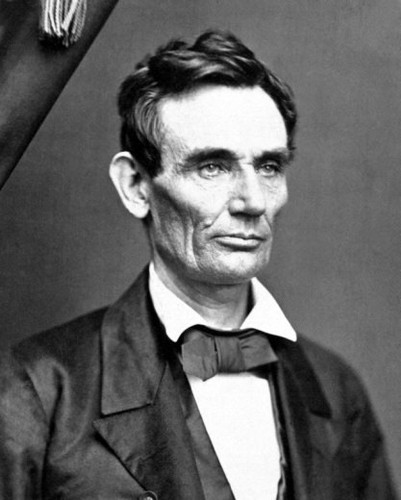
Unknown, Abraham Lincoln, 1858


On this date in 1858, Abraham Licoln gave his acceptance speech as candidate for the U.S. Senate ...

If we could first know where we are, and whither we are tending, we could then better judge what to do, and how to do it.

We are now far into the fifth year, since a policy was initiated, with the avowed object, and confident promise, of putting an end to slavery agitation.

Under the operation of that policy, that agitation has not only, not ceased, but has constantly augmented.

In my opinion, it will not cease, until a crisis shall have been reached, and passed.

"A house divided against itself cannot stand."

I believe this government cannot endure, permanently half slave and half free.

I do not expect the Union to be dissolved -- I do not expect the house to fall -- but I do expect it will cease to be divided.

It will become all one thing or all the other.

CONNECT

15 June 2020

Choice.


When the sovereign is elective, or narrowly watched by a legislature which is really elective and independent, the oppression that he exercises over individuals is sometimes greater, but it is always less degrading; because every man, when he is oppressed and disarmed, may still imagine that, while he yields obedience, it is to himself he yields it, and that it is to one of his own inclinations that all the rest give way. In like manner, I can understand that when the sovereign represents the nation and is dependent upon the people, the rights and the power of which every citizen is deprived serve not only the head of the state, but the state itself; and that private persons derive some return from the sacrifice of their independence which they have made to the public. To create a representation of the people in every centralized country is, therefore, to diminish the evil that extreme centralization may produce, but not to get rid of it.

I admit that, by this means, room is left for the intervention of individuals in the more important affairs; but it is not the less suppressed in the smaller and more privates ones. It must not be forgotten that it is especially dangerous to enslave men in the minor details of life. For my own part, I should be inclined to think freedom less necessary in great things than in little ones, if it were possible to be secure of the one without possessing the other.

Subjection in minor affairs breaks out every day and is felt by the whole community indiscriminately. It does not drive men to resistance, but it crosses them at every turn, till they are led to surrender the exercise of their own will. Thus their spirit is gradually broken and their character enervated; whereas that obedience which is exacted on a few important but rare occasions only exhibits servitude at certain intervals and throws the burden of it upon a small number of men. It is in vain to summon a people who have been rendered so dependent on the central power to choose from time to time the representatives of that power; this rare and brief exercise of their free choice, however important it may be, will not prevent them from gradually losing the faculties of thinking, feeling, and acting for themselves, and thus gradually falling below the level of humanity.

Alexis de Tocqueville, from "What Sort of Despotism Democratic Nations Have to Fear"

Thank you, Kurt.

06 June 2020

Contract.


Some people believe that power grows from the barrel of a gun. So it can. But history shows that it never goes well nor for very long. Force, in the end, is sterile. We have gone a better way. Our societies rest on mutual agreement, on contract and on consensus. A significant part of your social contract is written down in your Constitution. Ours rests on custom and will. The spirit behind both, however, is precisely the same. It is the spirit of democracy.

HRH Queen Elizabeth II

05 June 2020

Assertive.


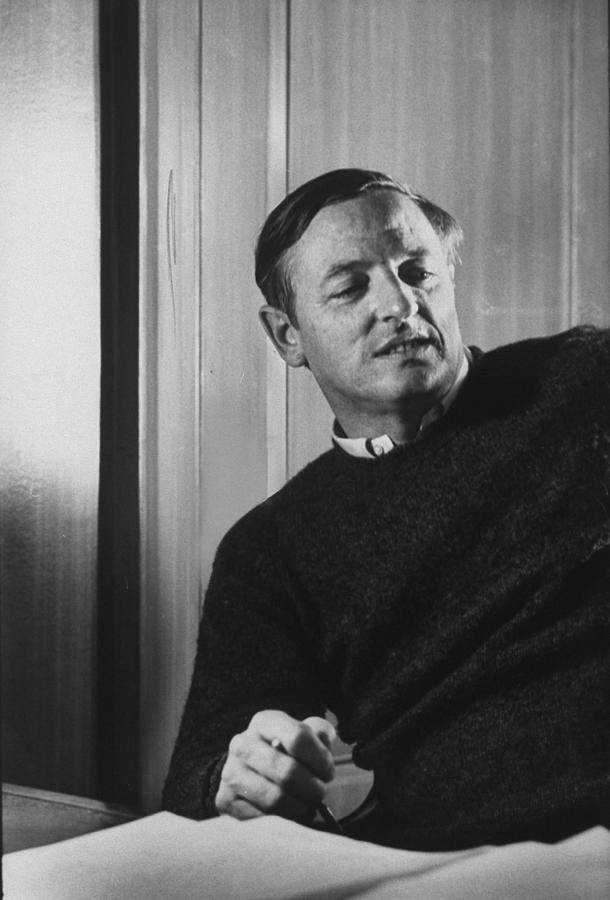
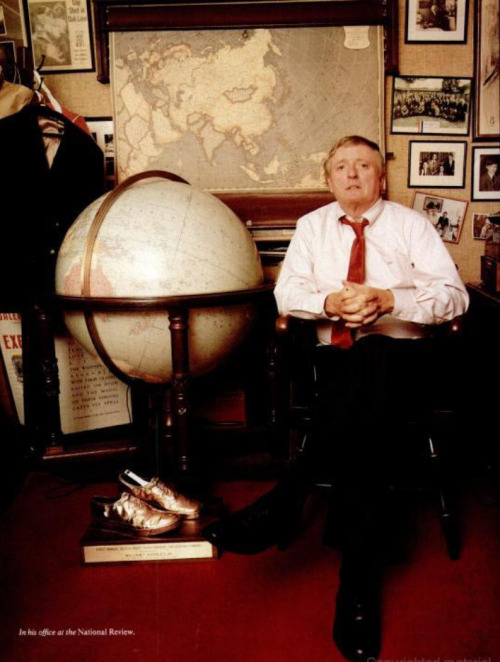
The best defense against a usurpatory government is an assertive citizenry.

William F. Buckley Jr.

04 June 2020

Sustain.


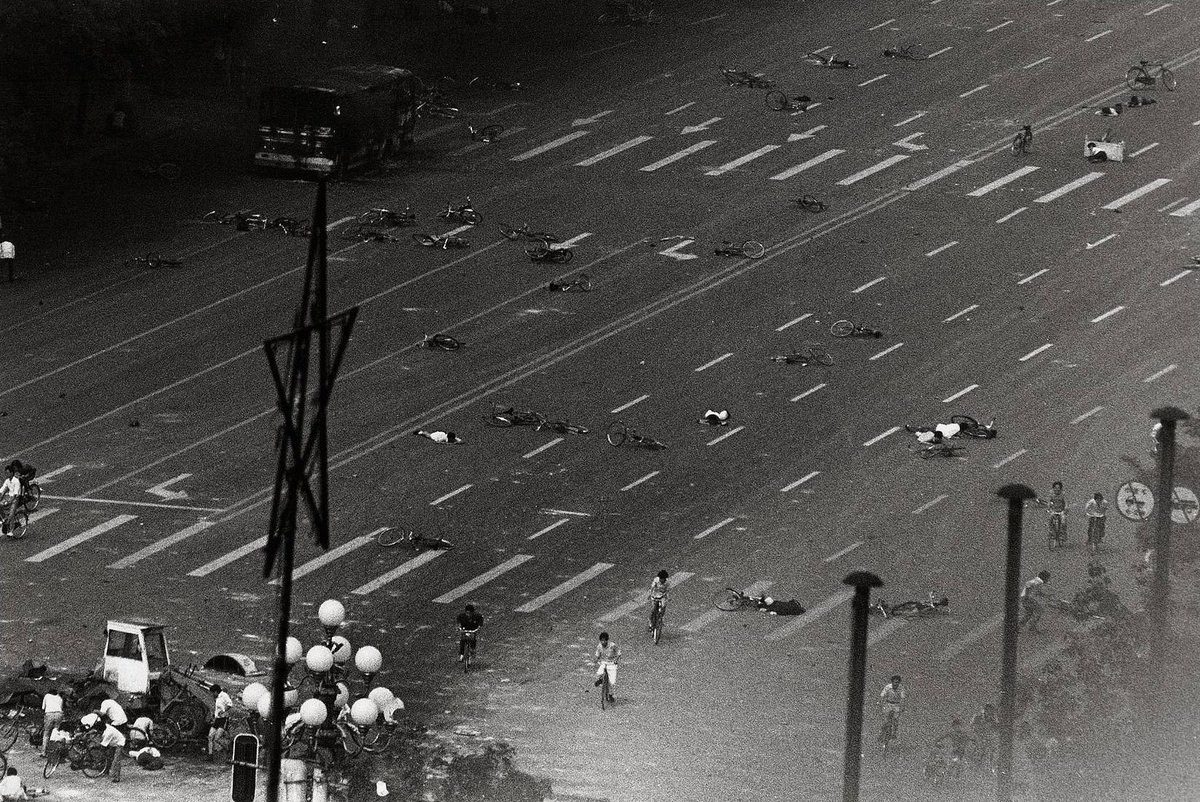
On this date in 1989, Chinese army troops stormed Tiananmen Square in Beijing, attempting to crush the pro-democracy movement.

It’s often said that an impoverished, poorly educated, agrarian country like China cannot sustain democracy. Yet my most powerful memory of that night 15 years ago is of the peasants who had come to Beijing to work as rickshaw drivers. During each lull in the firing, we could see the injured, caught in a no-man’s-land between us and the troops. We wanted to rescue them but didn’t have the guts. While most of us in the crowd cowered and sought cover, it was those uneducated rickshaw drivers who pedaled out directly toward the troops to pick up the bodies of the dead and wounded. Some of the rickshaw drivers were shot, but the rest saved many, many lives that night, rushing the wounded to hospitals as tears streamed down their cheeks. It would be churlish to point out that such people are ill-prepared for democracy, when they risked their lives for it.

27 February 2020

Down.


We are so concerned to flatter the majority that we lose sight of how very often it is necessary, in order to preserve freedom for the minority, let alone for the individual, to face that majority down.

William F. Buckley Jr.