"I am not one who was born in the custody of wisdom. I am one who is fond of olden times and intense in quest of the sacred knowing of the ancients." Gustave Courbet
Showing posts with label window. Show all posts

12 November 2022

More.


HOME

Here is a thing my heart wishes the world had more of:
I heard it in the air of one night when I listened
To a mother singing softly to a child restless and angry
in the darkness.
 
Carl Sandburg

12 December 2021

Wind-eye.


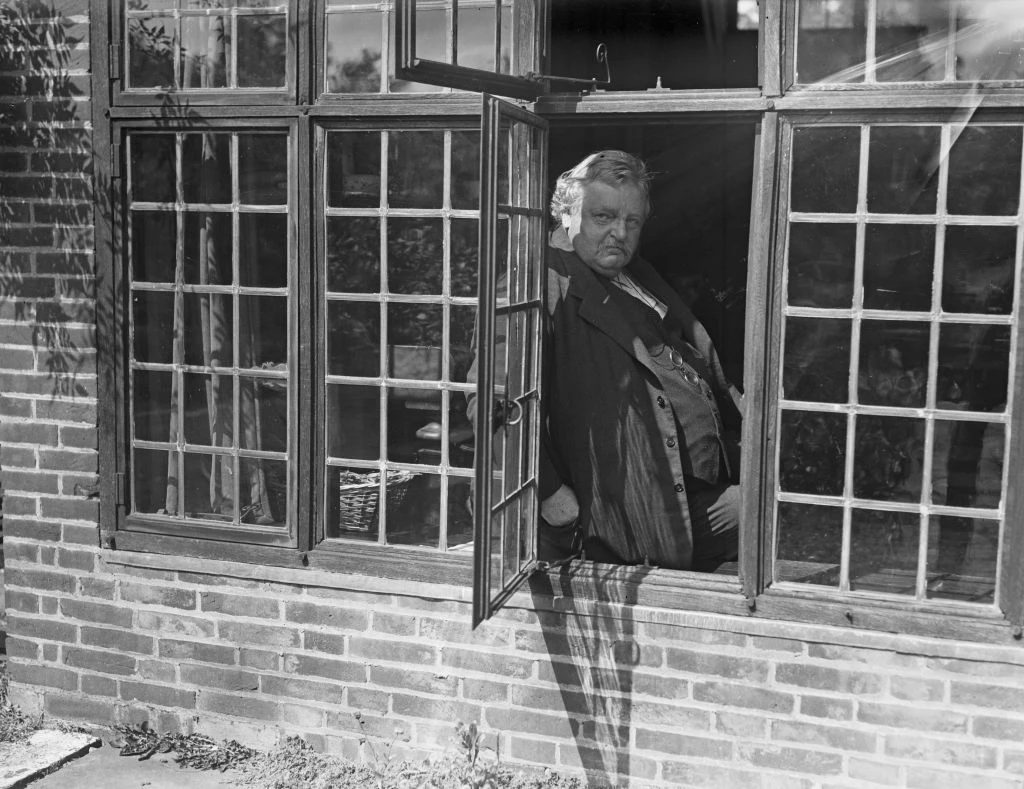
He felt at peace only in the hour before dawn, when the darkness seemed to give way slowly to a mist, and it was at this hour that he would wake and sit by his window.

Peter Ackroyd, from Hawksmoor

From Online Etymology Dictionary ...
window (n.)
c. 1200, literally "wind-eye," from Old Norse vindauga, from vindr "wind" (see wind (n.1)) + auga "eye" (from PIE root *okw- "to see"). Replaced Old English eagþyrl, literally "eye-hole," and eagduru, literally "eye-door." Compare Old Frisian andern "window," literally "breath-door."

Originally an unglazed hole in a roof. Most Germanic languages later adopted a version of Latin fenestra to describe the glass version (such as German Fenster, Swedish fönster), and English used fenester as a parallel word till mid-16c.

07 June 2021

Alone.

Mackintosh, The House for an Art Lover, Ranunculus Window, 1901 


You must be independent, independent, independent - don't talk so much but do more - go your own way and let your neighbour go his.  Shake off all the props - the props tradition and authority give you - and go alone - crawl - stumble - stagger - but go alone. 

Charles Rennie Mackintosh

23 December 2019

Wind-eye.


window (n.)
c. 1200, literally "wind-eye," from Old Norse vindauga, from vindr "wind" (see wind (n.1)) + auga "eye" (from PIE root *okw- "to see"). Replaced Old English eagþyrl, literally "eye-hole," and eagduru, literally "eye-door." Compare Old Frisian andern "window," literally "breath-door."

Originally an unglazed hole in a roof. Most Germanic languages later adopted a version of Latin fenestra to describe the glass version (such as German Fenster, Swedish fönster), and English used fenester as a parallel word till mid-16c.