My theme is memory, that winged host that soared about me one grey morning of war-time.
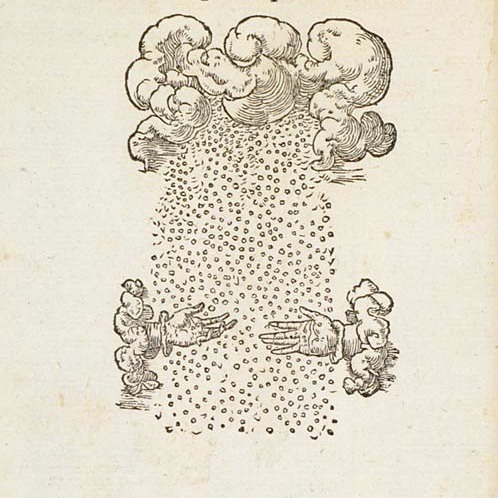
These memories, which are my life--for we possess nothing certainly except the past--were always with me. Like the pigeons of St. Mark's, they were everywhere, under my feet, singly, in pairs, in little honey-voiced congregations, nodding, strutting, winking, rolling the tender feathers of their necks, perching sometimes, if I stood still, on my shoulder or pecking a broken biscuit from between my lips; until, suddenly, the noon gun boomed and in a moment, with a flutter and sweep of wings, the pavement was bare and the whole sky above dark with a tumult of fowl. Thus it was that morning.
These memories are the memorials and pledges of the vital hours of a lifetime. These hours of afflatus in the human spirit, the springs of art, are, in their mystery, akin to the epochs of history, when a race which for centuries has lived content, unknown, behind its own frontiers, digging, eating, sleeping, begetting, doing what was requisite for survival and nothing else, will, for a generation or two, stupefy the world; commit all manner of crimes, perhaps; follow the wildest chimeras, go down in the end in agony, but leave behind a record of new heights scaled and new rewards won for all mankind; the vision fades, the soul sickens, and the routine of survival starts again.
The human soul enjoys these rare, classic periods, but, apart from them, we are seldom single or unique; we keep company in this world with a hoard of abstractions and reflections and counterfeits of ourselves--the sensual man, the economic man, the man of reason, the beast, the machine and the sleep-walker, and heaven knows what besides, all in our own image, indistinguishable from ourselves to the outward eye. We get borne along, out of sight in the press, unresisting, till we get the chance to drop behind unnoticed, or to dodge down a side street, pause, breathe freely and take our bearings, or to push ahead, outdistance, our shadows, lead them a dance, so that when at length they catch up with us, they look at one another askance, knowing we have a secret we shall never share.
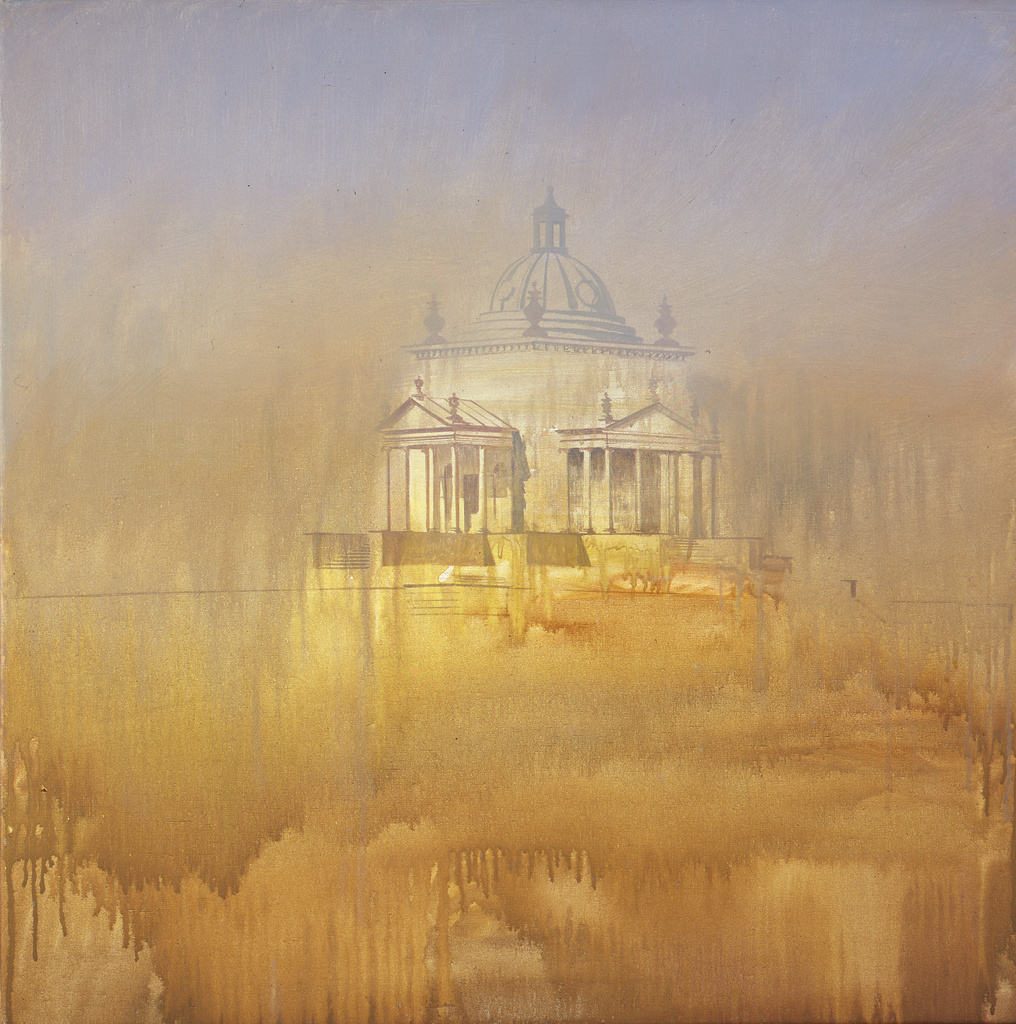
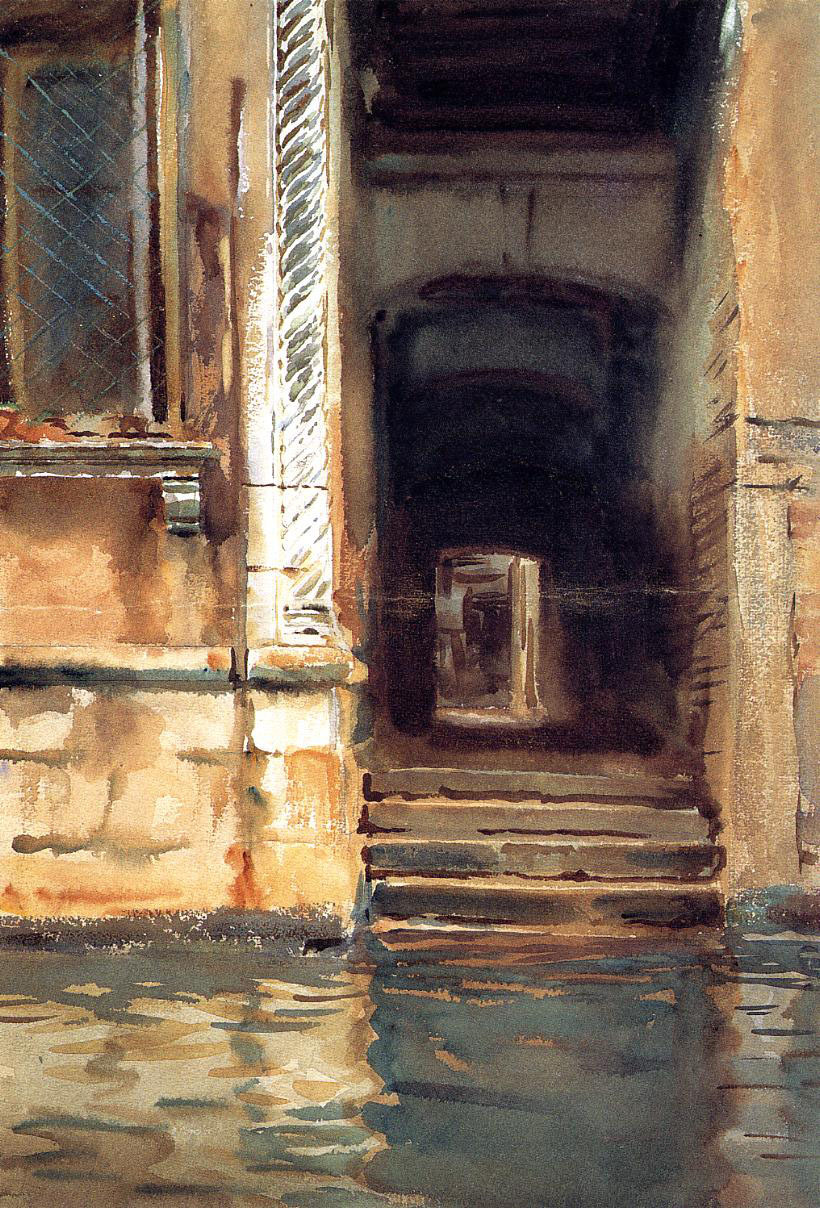
For nearly ten years I was thus borne along a road outwardly full of change and incident, but never during that time, except sometimes in my painting--and that at longer and longer intervals--did I come alive as I had been during the time of my friendship with Sebastian. I took it to be youth, not life, that I was losing. My work upheld me, for I had chosen to do what I could do well, did better daily, and liked doing; incidentally it was something which no one else at that time was attempting to do. I became an architectural painter. I have always loved building, holding it to be not only the highest achievement of man but one in which, at the moment of consummation, things were most clearly taken out of his hands and perfected, without his intention, by other means, and I regarded men as something much less than the buildings they made and inhabited, as mere lodgers and short-term sub-lessees of small importance in the long, fruitful life of their homes.
More even than the work of the great architects, I loved buildings that grew silently with the centuries, catching and keeping the best of each generation, while time curbed the artist's pride and the Philistine's vulgarity, and repaired the clumsiness of the dull workman. In such buildings England abounded, and in the last decade of their grandeur, Englishmen seemed for the first time to become conscious of what before was taken for granted, and to salute their achievements at the moment of extinction. Hence my prosperity, far beyond my merits; my work had nothing to recommend it except my growing technical skill, enthusiasm for my subject and independence of popular notions.
The financial slump of the period, which left many painters without employment, served to enhance my success, which was, indeed, itself a symptom of the decline. When the water-holes were dry people sought to drink at the mirage. After my first exhibition I was called to all parts of the country to make portraits of houses that were soon to be deserted or debased; indeed, my arrival seemed often to be only a few paces ahead of the auctioneers, a presage of doom.
I published three splendid folios--Ryder's Country Seats, Ryder's English Homes, and Ryder's Village and Provincial Architecture, which each sold its thousand copies at five guineas apiece. I seldom failed to please, for there was no conflict between myself and my patrons; we both wanted the same thing. But as the years passed I began to mourn the loss of something I had known in the drawing-room of Marchmain House and once or twice since, the intensity and singleness and the belief that it was not all done by hand--in a word, the inspiration.
Evelyn Waugh, from Brideshead Revisited