Showing posts with label wonder. Show all posts
Showing posts with label wonder. Show all posts
22 July 2026


17 January 2026
Guess.
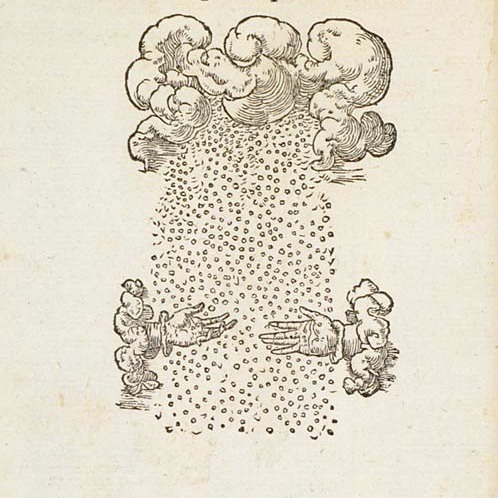
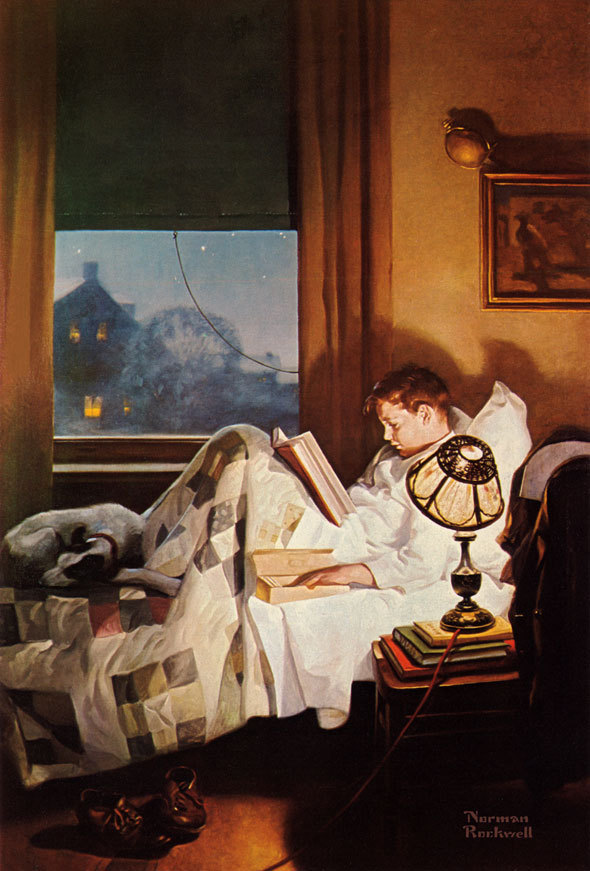
Wyeth, N.C., Imagination, 1921

The alchemists have a saying: Tertium non datur, "The third is not given." That is, the transformation from one element into another, from waste matter into best gold is a mystery, not a formula. No one can predict what will form out of the tensions of opposites and effect a healing change between them. And so it is with the mind that moves from its prison to a free and vast plain without any movement at all. Something new has entered the process. We can only guess.
Jeanette Winterson, from "Orion"
01 January 2026
Amazement.
Ruskin, Trees in a Lane, 1847

No air is sweet that is silent; it is only sweet when full of low currents of under sound—triplets of birds, and murmur and chirp of insects, and deep-toned words of men, and wayward trebles of childhood. As the art of life is learned, it will be found at last that all lovely things are also necessary:—the wild flower by the wayside, as well as the tended corn; and the wild birds and creatures of the forest, as well as the tended cattle; because man doth not live by bread only, but also by the desert manna; by every wondrous word and unknowable work of God. Happy, in that he knew them not, nor did his fathers know; and that round about him reaches yet into the infinite, the amazement of his existence.
Note, finally, that all effectual advancement towards this true felicity of the human race must be by individual, not public effort. Certain general measures may aid, certain revised laws guide, such advancement; but the measure and law which have first to be determined are those of each man's home. We continually hear it recommended by sagacious people to complaining neighbours (usually less well placed in the world than themselves), that they should "remain content in the station in which Providence has placed them." There are perhaps some circumstances of life in which Providence has no intention that people should be content. Nevertheless, the maxim is on the whole a good one; but it is peculiarly for home use. That your neighbour should, or should not, remain content with his position, is not your business; but it is very much your business to remain content with your own.
John Ruskin, from Unto This Last
29 December 2025
Wonder.

We all have a thirst for wonder. It's a deeply human quality. Science and religion are both bound up with it. What I'm saying is, you don't have to make stories up, you don't have to exaggerate. There's wonder and awe enough in the real world. Nature's a lot better at inventing wonders than we are.
Carl Sagan, from Contact
27 December 2025
Happy Birthday, Johannes Kepler
Köhler, Johannes Kepler, n/d

We ought not to ask why the human mind troubles to fathom the secrets of the universe. The diversity of the phenomena of nature is so great, and the treasures hidden in the skies so rich, precisely in order that the human mind shall never be lacking in fresh nourishment.
Johannes Kepler, born on this day in 1571
28 June 2025
Wonder.
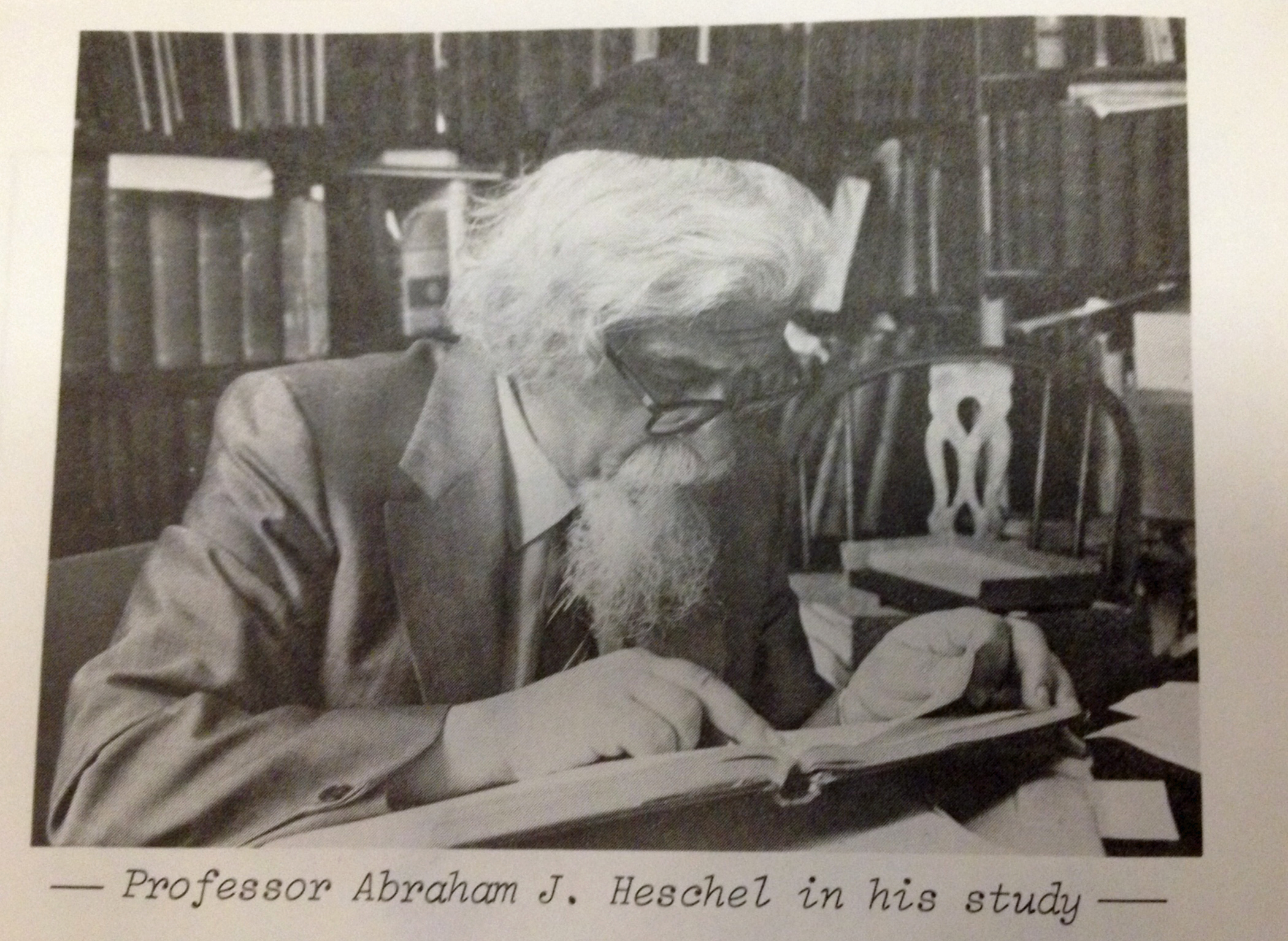
Our goal should be to live life in radical amazement. Get up in the morning and look at the world in a way that takes nothing for granted. Everything is phenomenal; everything is incredible; never treat life casually. To be spiritual is to be amazed. Never once in my life did I ask God for success or wisdom or power or fame. I asked for wonder, and he gave it to me.
Rabbi Abraham Joshua Heschel
24 June 2025
Wonder.
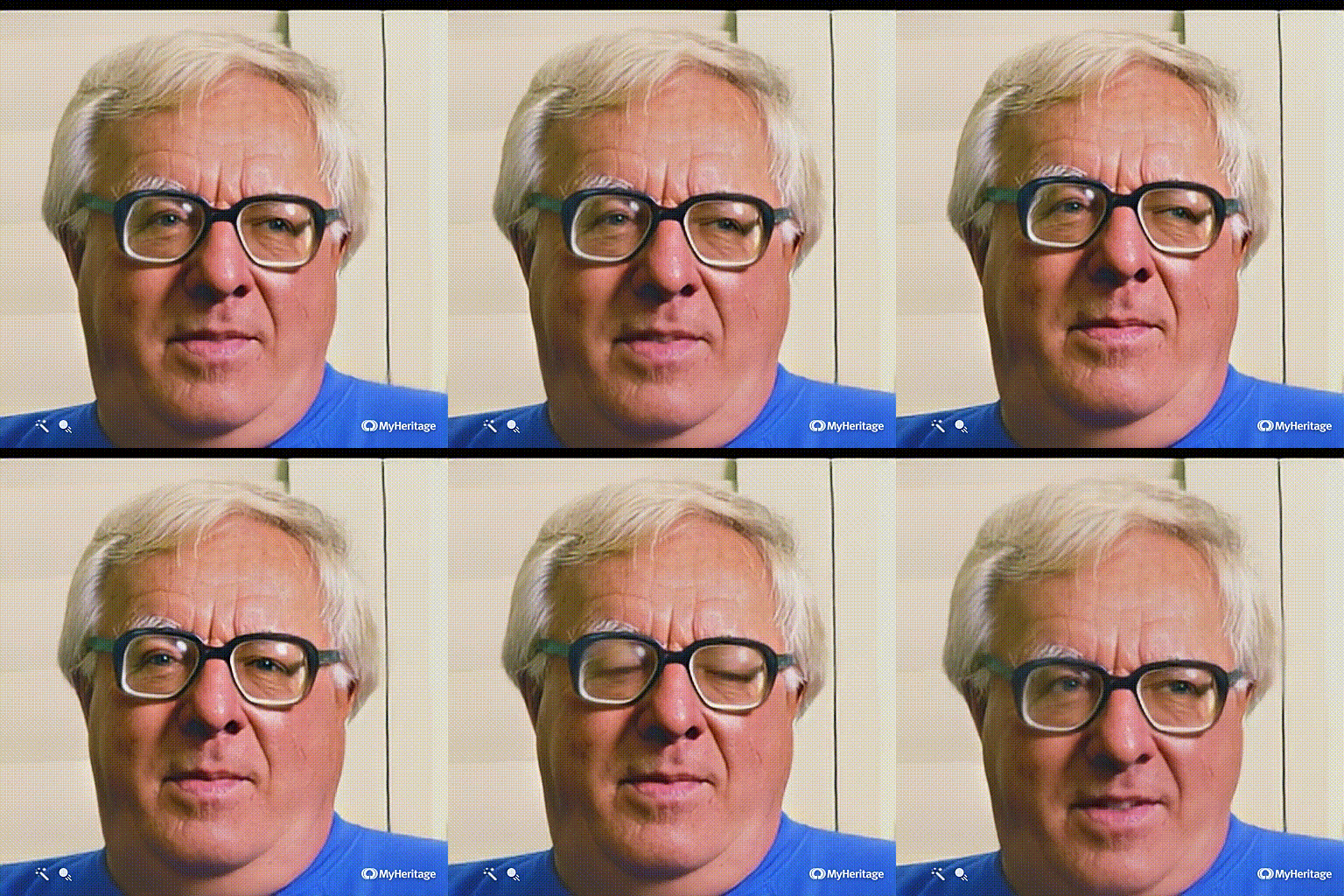
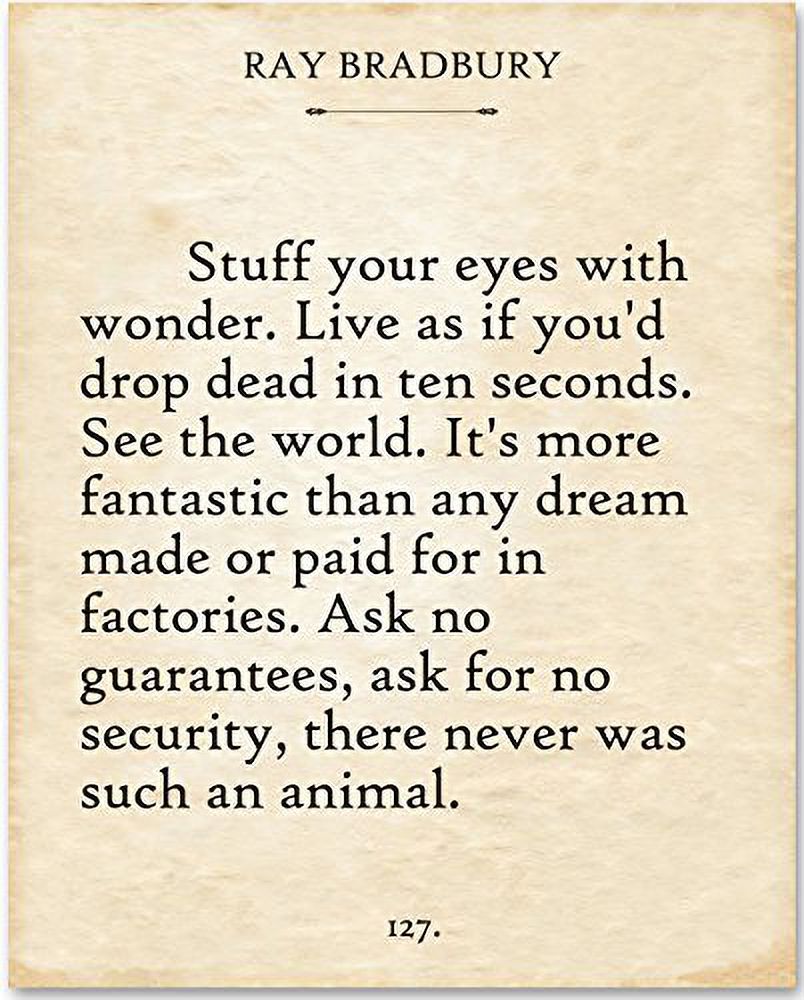
To acquire knowledge, one must study; but to acquire wisdom, one must observe. Stuff your eyes with wonder, he said, live as if you'd drop dead in ten seconds. See the world. It's more fantastic than any dream made or paid for in factories.
Ray Bradbury, from Fahrenheit 451
11 March 2025
Perspective.
The Walrus on A.I.'s theft of wonder ...
It’s a bit of a Catch-22. How can we expect them to make good choices, about their studies or anything else, if they have not yet been given the tools to think critically? How can we expect them to grasp what education means when we, as educators, haven’t begun to undo the years of cognitive and spiritual damage inflicted by a society that treats schooling as a means to a high-paying job, maybe some social status, but nothing more? Or, worse, to see it as bearing no value at all, as if it were a kind of confidence trick, an elaborate sham?My life, like anyone’s, could have gone in a lot of different directions. As it happens, I was lucky enough to end up majoring in a subject—philosophy—that I love, and whose pursuit has allowed me to enjoy the benefits of genuine learning. So I am in a position to know and appreciate what a difference education makes to the quality of your life. The vastness of the world it opens up to you while simultaneously instilling in you the curiosity to explore it. The sense of perspective it offers, enabling you to view the events of your life, and the events of whatever historical moment it is yours to live through, in a much larger context, rather than being resigned to viewing them from a standpoint of uncomprehending ignorance, as if they were all happening for the first time and for no discernible reason.
05 March 2025
Happy Birthday, Tiepolo
Tiepolo, Apollo and the Four Continents, 1753
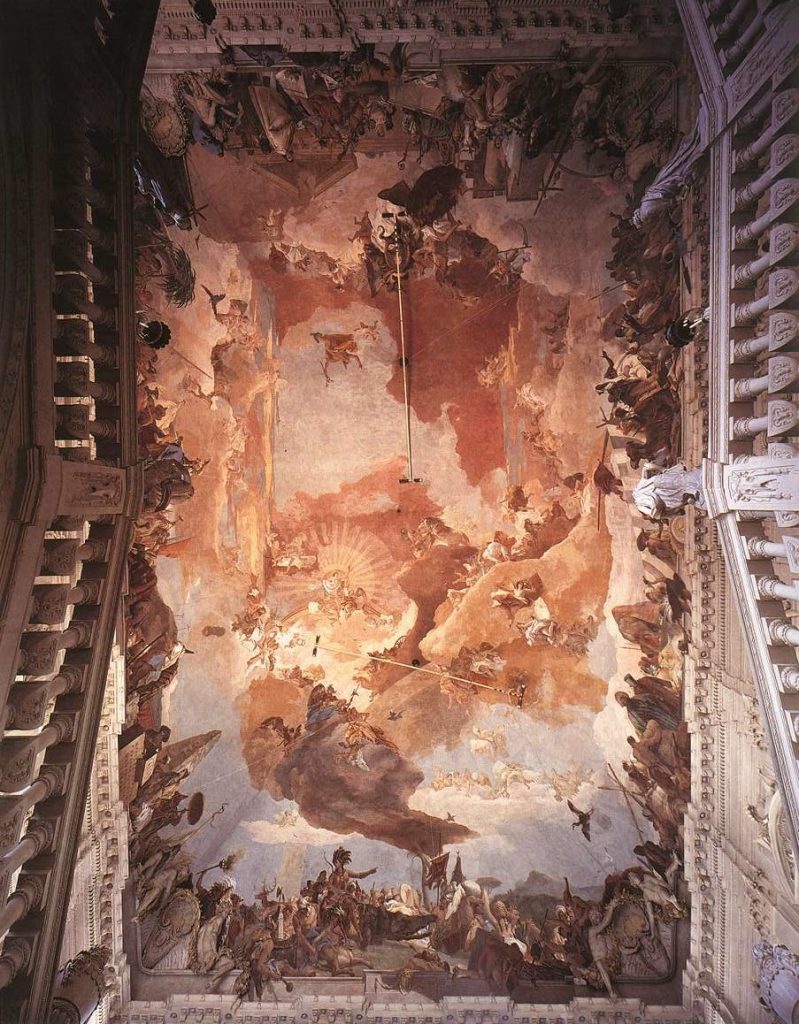
Dreams and fables I fashion, but even while I sketch and elaborate fables and dreams upon paper, I so enter into them that I weep and am offended at ills I invented. But am I wiser when art does not deceive me?
Giovanni Tiepolo was born on this day 1696
30 December 2024
Time.
Where does discontent start? You are warm enough, but you shiver. You are fed, yet hunger gnaws you. You have been loved, but your yearning wanders in new fields. And to prod all these there's time, the Bastard Time.
John Steinbeck
29 December 2024
Benefit.

Whose intellect can have had the audacity to judge who is better, and who worse? A large tree, crooked and full of holes, survives for centuries without being cut down, because nothing could possibly be made out of it. This example should raise the spirits of people like us. Everyone knows the profit to be reaped from the useful, but nobody knows the benefit to be gained from the useless.
Olga Tokarczuk
24 August 2024
Wondrous.

Help kids see the difference.
18 February 2024
Stuff.
Stuff your eyes with wonder. Live as if you'd drop dead in ten seconds. See the world. It's more fantastic than any dream made or paid for in factories. Ask no guarantees, ask for no security, there never was such an animal. And if there were, it would be related to the great sloth which hangs upside down in a tree all day every day, sleeping its life away. To hell with that. Shake the tree and knock the great sloth down on his ass.
Ray Bradbury, from Fahrenheit 451
26 December 2023
Wonder.
Wyeth, N.C., The Skier, 1911
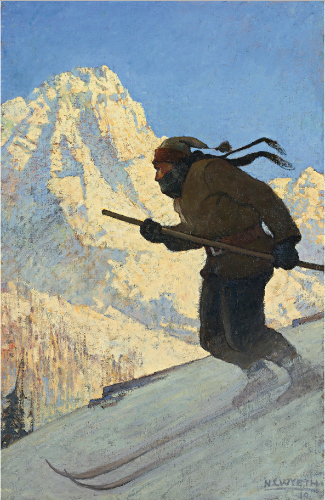
Shakespeare wrote: "There is nothing more confining than the prison we don’t know we are in." In other words, whatever we are not conscious of can have a deep hold on us. In critical moments, we can wind up doing its bidding while believing we are making our own choices in life. We are in just such a prison of our own making when we act as if the common world of fact and figures is not only the "real world," but also the only world.
The prison of the modern mind is partly created by the common belief that "reality" can be limited to logic, statistics, and provable facts. Not that the literal world is "unreal," rather that it is the first level of reality and can never depict all that is truly Real. Restricting all modes of presence to a single plane of being leads to being trapped in a narrow view of life and imprisoned in the linear trap of time. Too much "hard reality" and the world becomes as if flat again; we lose touch with all that makes this earth a place of wonder and beauty and hidden possibilities.
Michael Meade
10 October 2023
If the opportunity to be awed is so readily available why are so many of us missing it? Like many things in life, hardly anyone taught us to pay attention. Heschel was fortunate: He openly credits his upbringing as being “rich in moments of exultation.” Those of us who aren’t raised to take note of awe and amazement though can easily continue to miss out for the rest of our lives. While we watch the headlines, we fail to see the small fantastic bits of awesome beauty and excellence there all around us. Instead of being regularly inspired, we just get by. For Heschel that was a religious failure. Scholar of Sufi mysticism Omid Safi says, “Sin, for Heschel, is ultimately not about eating this or not eating that, praying in this temple or that temple, but a losing of that sublime wonder of being truly alive.” All of which is, I believe, also wholly applicable to the way we approach our work every day.Unfortunately, much of 21st-century society is not living in wonder but is, instead, immersed in quick hits of attention, algorithmic metrics, social media, and the like. Rather than actively engage with wonder, many are taught to see mostly what’s wrong and to worry about why things have gone off course. Biographer Mary McGillicuddy writes about the Irish philosopher John Moriarty. Moriarty, she says, “believed that the modern ‘lust to explain things’ … has taken all sense of wonder and awe and miracle from the world.” The return to the awe and amazement that Heschel advocated would appear to be an antidote. Heschel said, the “opposite of good is not evil, the opposite of good is indifference," and it’s clear to me now that it offers us a cure for the uncaring apathy that has worked its way into so many people’s lives.
17 July 2023
Frank Sinatra, "You are the Sunshine of My Life"
Not you, her ...
I love it when covers are better than originals.
06 February 2023
Marvelous.

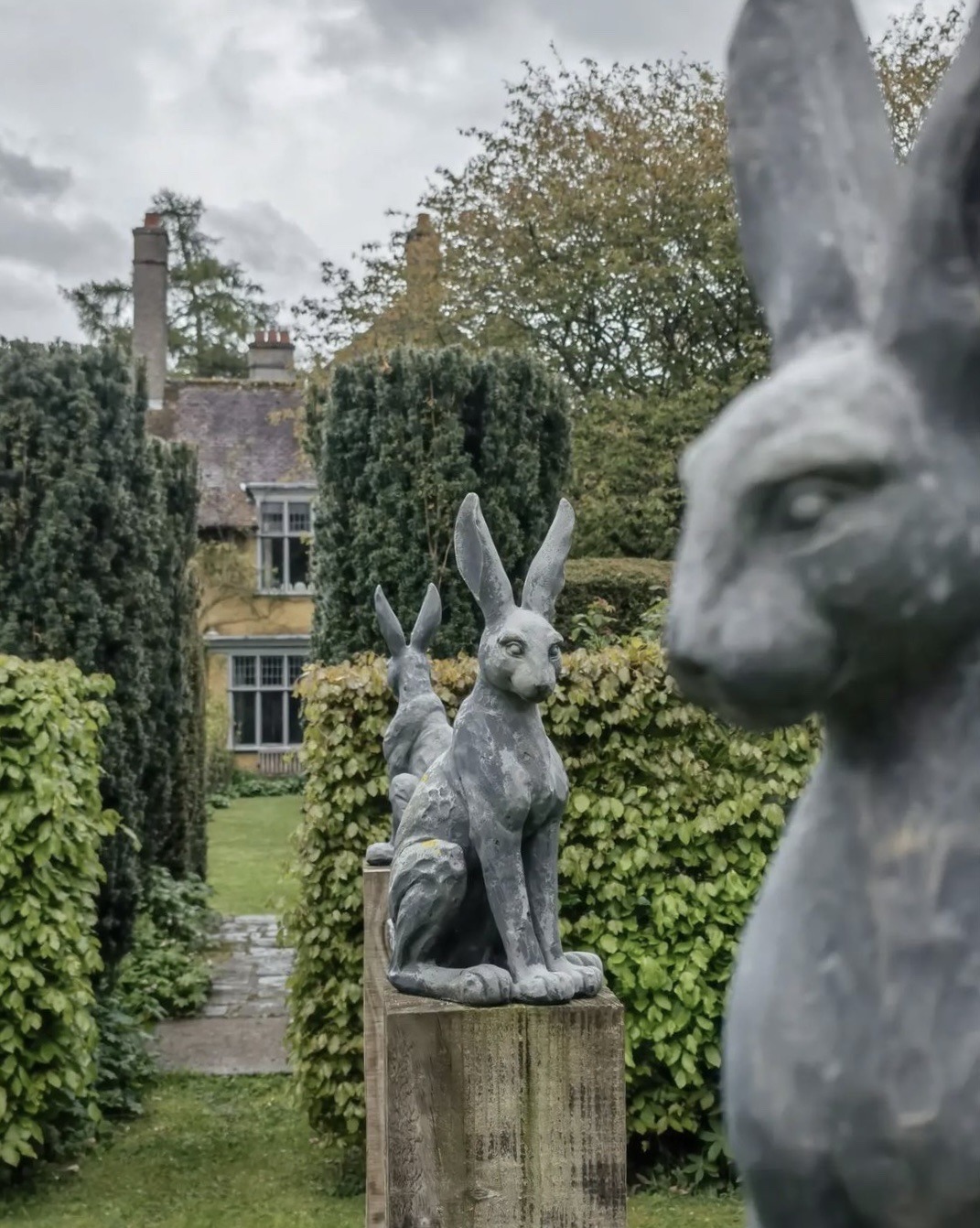
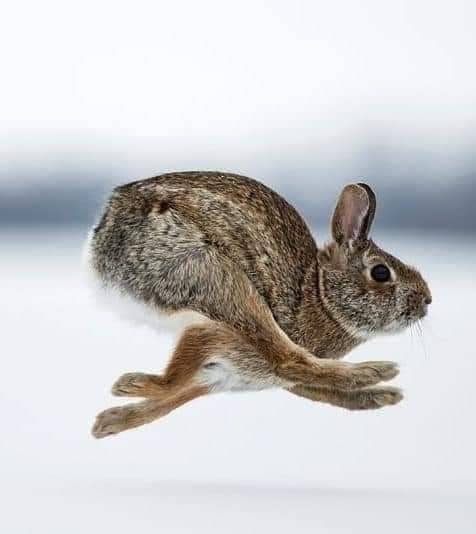
The full moon, well risen in a cloudless eastern sky, covered the high solitude with its light. We are not conscious of daylight as that which displaces darkness. Daylight, even when the sun is clear of clouds, seems to us simply the natural condition of the earth and air. When we think of the downs, we think of the downs in daylight, as with think of a rabbit with its fur on. Stubbs may have envisaged the skeleton inside the horse, but most of us do not: and we do not usually envisage the downs without daylight, even though the light is not a part of the down itself as the hide is part of the horse itself. We take daylight for granted. But moonlight is another matter. It is inconstant. The full moon wanes and returns again. Clouds may obscure it to an extent to which they cannot obscure daylight. Water is necessary to us, but a waterfall is not. Where it is to be found it is something extra, a beautiful ornament. We need daylight and to that extent it us utilitarian, but moonlight we do not need. When it comes, it serves no necessity. It transforms. It falls upon the banks and the grass, separating one long blade from another; turning a drift of brown, frosted leaves from a single heap to innumerable flashing fragments; or glimmering lengthways along wet twigs as though light itself were ductile. Its long beams pour, white and sharp, between the trunks of trees, their clarity fading as they recede into the powdery, misty distance of beech woods at night. In moonlight, two acres of coarse bent grass, undulant and ankle deep, tumbled and rough as a horse's mane, appear like a bay of waves, all shadowy troughs and hollows. The growth is so thick and matted that event the wind does not move it, but it is the moonlight that seems to confer stillness upon it. We do not take moonlight for granted. It is like snow, or like the dew on a July morning. It does not reveal but changes what it covers. And its low intensity---so much lower than that of daylight---makes us conscious that it is something added to the down, to give it, for only a little time, a singular and marvelous quality that we should admire while we can, for soon it will be gone again.
Richard Adams, from Watership Down
marvelous (adj.)
c. 1300, merveillous, "causing wonder, of wonderful appearance or quality," from Old French merveillos "marvelous, wonderful" (Modern French merveilleux), from merveille (see marvel (n.)). Weakened sense of "splendid, very nice" is by 1924. The adverbial sense of "wonderfully, surprisingly" (early 14c.) is archaic or obsolete. Related: Marvelously; marvelousness.
23 January 2022
Wonder.
Our goal should be to live life in radical amazement. Get up in the morning and look at the world in a way that takes nothing for granted. Everything is phenomenal; everything is incredible; never treat life casually. To be spiritual is to be amazed. Never once in my life did I ask God for success or wisdom or power or fame. I asked for wonder, and he gave it to me.
Rabbi Abraham Joshua Heschel
29 July 2021
Wonder.
I've taught nine to twelve year-old kids for seventeen years and I've yet to meet one whose curiosity was the product of teachers, grades, or a parent's overzealous social media posts.

Wonder germinates through experience, trust, and independence; essential ingredients that are sorely lacking in schools. Having had the experience of being left alone to wander, knowing that "it's an endless quest without knowing what the quest is", kids will figure "it" (and themselves) out. As Secondari said, "Once you have tasted flight, you will walk the earth with your eyes turned skyward."
I don't mean to imply that I am an expert. The longer I'm around squibs, the more I understand that I haven't got a clue ("I get older and they stay the same age.") But there are a few things I've noticed that will guide them away from learned helplessness ...
- Don't give them answers. Ask them questions.
- Don't get frustrated and take over. Wink and encourage their unique approaches. Don't give in.
- Trust the wonder of curiosity. It's addictive.
- Love.
"Nobody can decide what you will do except for you" ...
Being given an answer is passive. Asking a question is active. Remember e.e.cummings' advice ...

30 March 2021
Deeply.
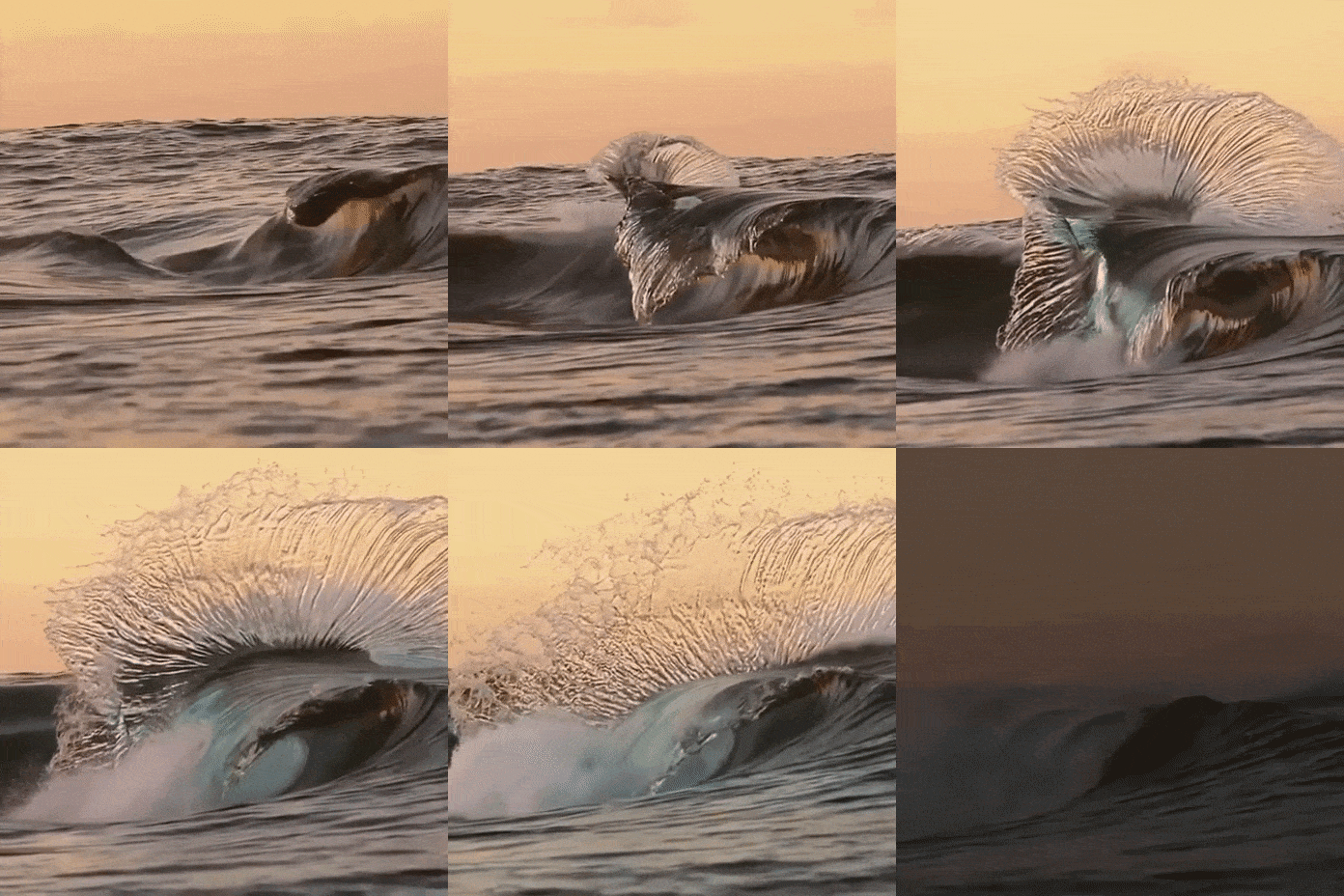
We do not live in the first chapter of Genesis. We live – if one follows the biblical sequence of events – after the Fall. We live in a world of suffering in which evil is rampant, a world whose events do not confirm our Being, a world that has to be resisted. It is in this situation that the aesthetic moment offers hope. That we find a crystal or a poppy beautiful means that we are less alone, that we are more deeply inserted into existence than the course of a single life would lead us to believe.
John Berger
Subscribe to:
Posts (Atom)