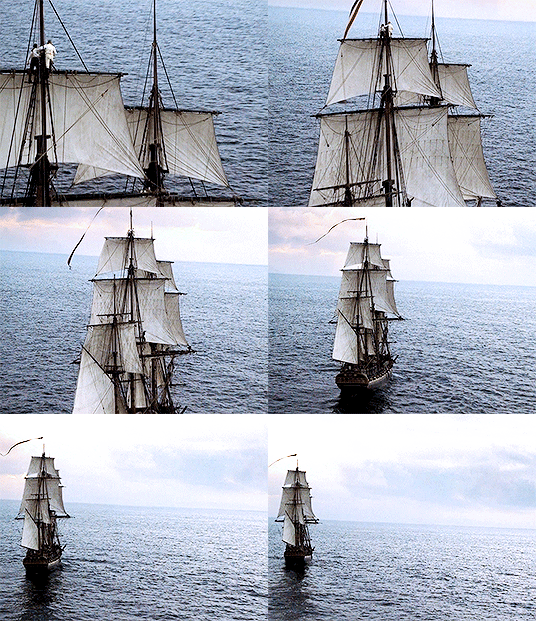
"I am not one who was born in the custody of wisdom. I am one who is fond of olden times and intense in quest of the sacred knowing of the ancients." Gustave Courbet
Showing posts with label Socrates. Show all posts

15 September 2025

Know.


If only it were all so simple! If only there were evil people somewhere insidiously committing evil deeds, and it were necessary only to separate them from the rest of us and destroy them. But the line dividing good and evil cuts through the heart of every human being. And who is willing to destroy a piece of his own heart?

During the life of any heart this line keeps changing place; sometimes it is squeezed one way by exuberant evil and sometimes it shifts to allow enough space for good to flourish. One and the same human being is, at various ages, under various circumstances, a totally different human being. At times he is close to being a devil, at times to sainthood. But his name doesn't change, and to that name we ascribe the whole lot, good and evil.

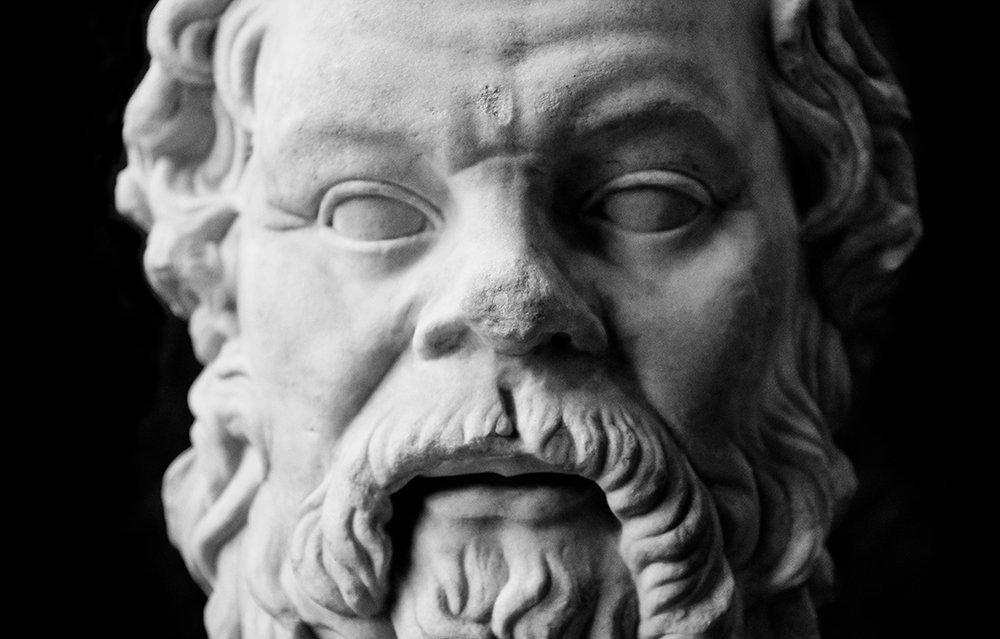
Socrates taught us: Know thyself!

Confronted by the pit into which we are about to toss those who have done us harm, we halt, stricken dumb: it is after all only because of the way things worked out that they were the executioners and we weren't.

Aleksandr Solzhenitsyn, from The Gulag Archipelago

29 July 2021

Wonder.

I've taught nine to twelve year-old kids for seventeen years and I've yet to meet one whose curiosity was the product of teachers, grades, or a parent's overzealous social media posts. 

Wonder germinates through experience, trust, and independence; essential ingredients that are sorely lacking in schools.  Having had the experience of being left alone to wander, knowing that "it's an endless quest without knowing what the quest is", kids will figure "it" (and themselves) out.  As Secondari said, "Once you have tasted flight, you will walk the earth with your eyes turned skyward."

I don't mean to imply that I am an expert.  The longer I'm around squibs, the more I understand that I haven't got a clue ("I get older and they stay the same age.")  But there are a few things I've noticed that will guide them away from learned helplessness ...
  • Don't give them answers.  Ask them questions.
  • Don't get frustrated and take over. Wink and encourage their unique approaches. Don't give in.
  • Trust the wonder of curiosity.  It's addictive.
  • Love.
"Nobody can decide what you will do except for you" ...


Being given an answer is passive.  Asking a question is active.  Remember e.e.cummings' advice ...

05 August 2020

Examined.

The one aim of those who practice philosophy in the proper manner is to practice for dying and death.

Socrates, Phaedo

Dr. Cornel West on the examined life ...

15 January 2020

Know.


I examined the poets, and I look on them as people whose talent overawes both themselves and others, people who present themselves as wise men and are taken as such, when they are nothing of the sort.

From poets, I moved to artists. No one was more ignorant about the arts than I; no one was more convinced that artists possessed really beautiful secrets. However, I noticed that their condition was no better than that of the poets and that both of them have the same misconceptions. Because the most skillful among them excel in their specialty, they look upon themselves as the wisest of men. In my eyes, this presumption completely tarnished their knowledge. As a result, putting myself in the place of the oracle and asking myself what I would prefer to be — what I was or what they were, to know what they have learned or to know that I know nothing — I replied to myself and to the god: I wish to remain who I am.

We do not know — neither the sophists, nor the orators, nor the artists, nor I— what the True, the Good, and the Beautiful are. But there is this difference between us: although these people know nothing, they all believe they know something; whereas, I, if I know nothing, at least have no doubts about it. As a result, all this superiority in wisdom which the oracle has attributed to me reduces itself to the single point that I am strongly convinced that I am ignorant of what I do not know.

Socrates

29 July 2018

Madness.


If a man comes to the door of poetry untouched by the madness of the Muses, believing that technique alone will make him a good poet, he and his sane compositions never reach perfection, but are utterly eclipsed by the performances of the inspired madman.

Socrates

14 May 2018

Sublime.

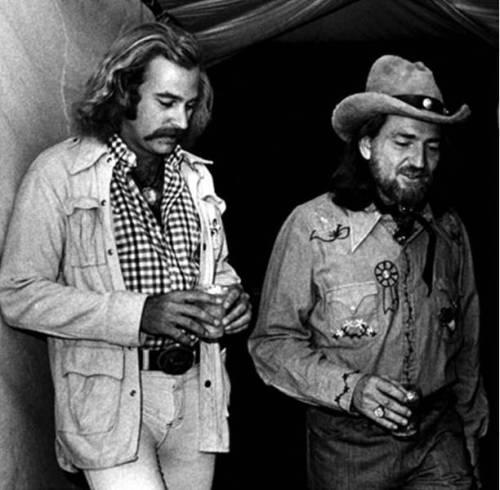
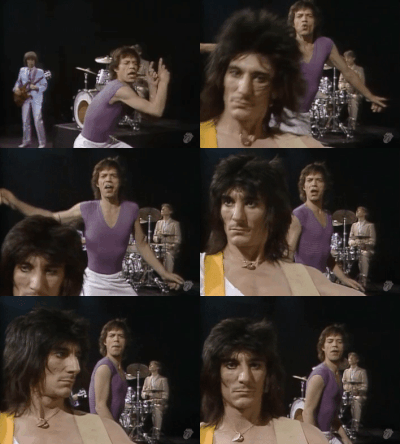
Unknown, Jimmy Buffett and Willie Nelson, 1975


I decided that it was not wisdom that enabled poets to write their poetry, but a kind of instinct or inspiration, such as you find in seers and prophets who deliver all their sublime messages without knowing in the least what they mean.

Socrates

29 November 2017

Divine.

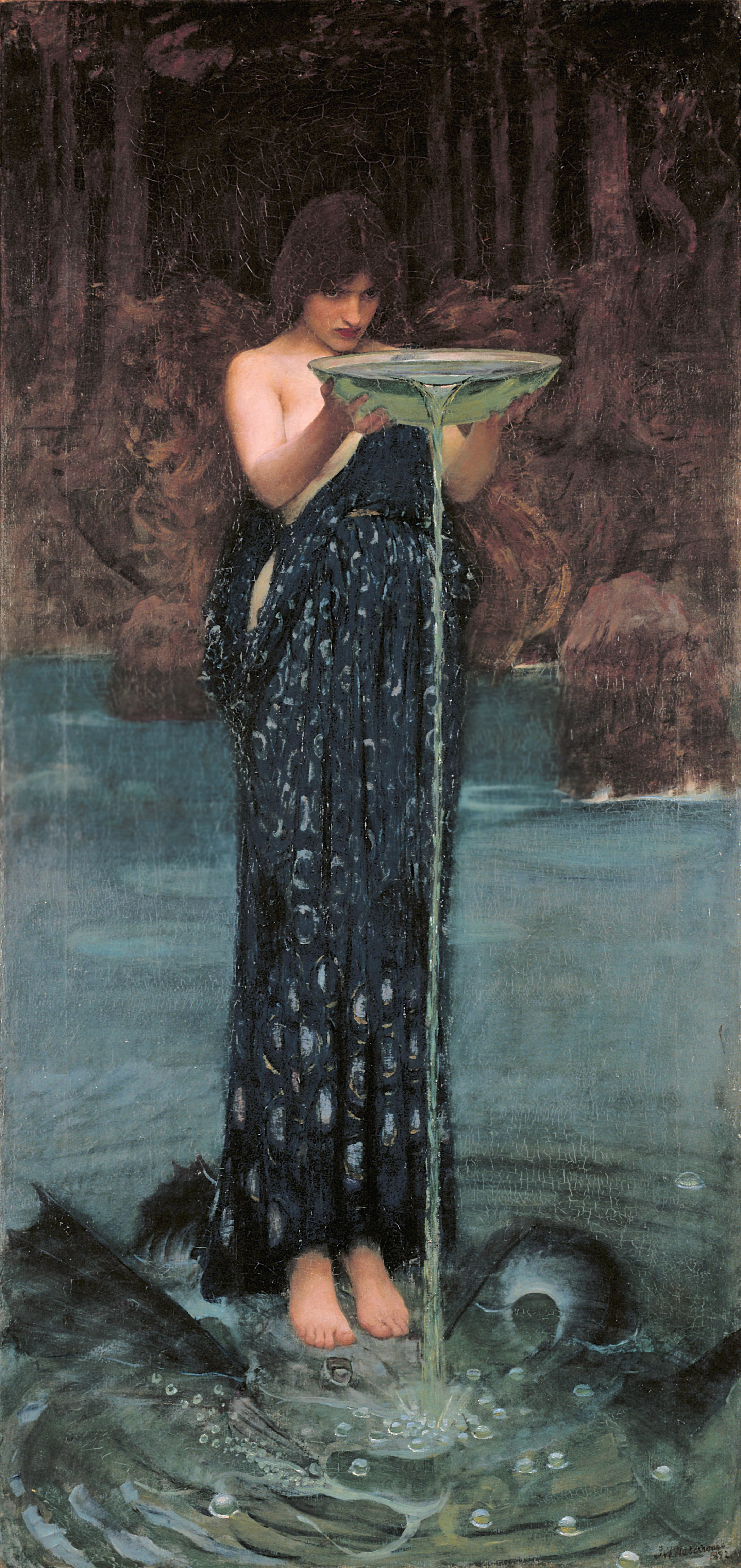
Waterhouse, Circe Invidiosa, 1892


If it were simply the case that insanity is evil, then this would be said truly. But, in truth, the greatest goods come to us from madness when it is given as a divine gift. For the prophet at Delphi and the priestesses at Dodona have completed many fine things for Greece both in public and private, because they were insane. But when they are in their right minds, they have done little or nothing.

And if we speak about the Sibyl and the rest—however many provide prophecy while inspired and by predicting many things for many people have improved their lives—we should clearly be spending a long time describing it all. This is also worthy of acknowledging, that the ancients who gave things names did not belief that madness was shameful or worthy of reproach. For they would not have interwoven this name—mania—with that finest art by which the future is judged.

No, instead, since it is a divine dispensation and because it is noble, they named it according to their belief. These days people call it the mantic art, callously adding a tau. When they name sane people’s investigation of the future through other means like bird omens and similar signs—since they must provide from their own perspective the mind (nous) and inquiry (historia) by means of human thought (oiêsis)—they call it oionoistic thought and make it more reverent by adding an omega as current people do. How much more complete and honorable prophecy is to augury both in name and in its action the ancients assert it is that much superior because madness is divine in origin and sanity is human.

Plato

16 March 2017

Socrates.

From the BBC series, Genius of the Ancient World, Bettany Hughes on the trail of the hugely influential maverick thinker, Socrates ...


Hughes' talk on Socrates and the Good Life ... HERE.

20 September 2016

Richest.


Regard your good name as the richest jewel you can possibly be possessed of -- for credit is like fire; when once you have kindled it you may easily preserve it, but if you once extinguish it, you will find it an arduous task to rekindle it again. The way to a good reputation is to endeavor to be what you desire to appear.

Socrates