"I am not one who was born in the custody of wisdom. I am one who is fond of olden times and intense in quest of the sacred knowing of the ancients." Gustave Courbet
Showing posts with label sauntering. Show all posts

23 August 2026

Solitude.


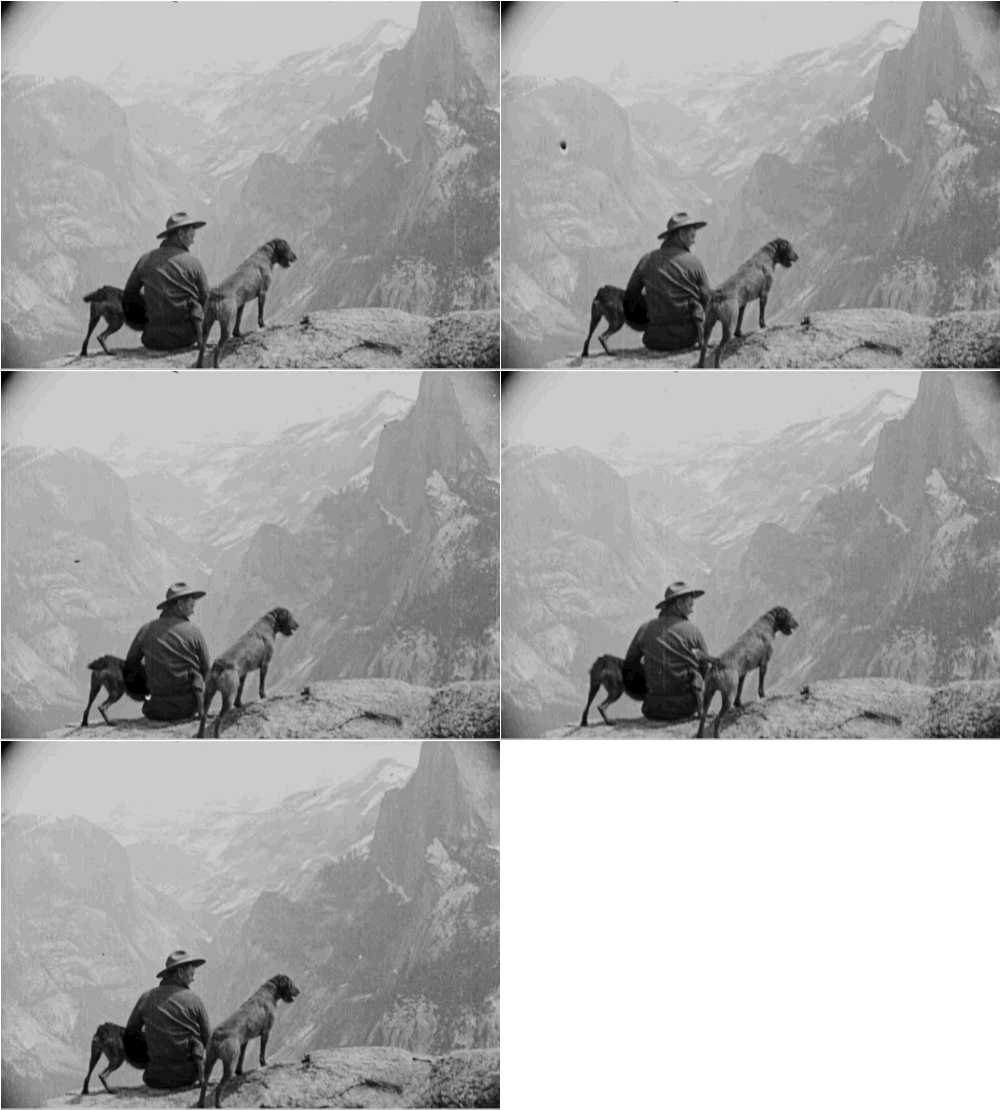
For Nature’s particular gift to the walker, through the semi-mechanical act of walking—a gift no other form of exercise seems to transmit in the same high degree—is to set the mind jogging, to make it garrulous, exalted, a little mad maybe—certainly creative and super-sensitive, until at last it really seems to be outside of you and as it were talking to you, while you are talking back to it. Then everything gradually seems to join in, sun and the wind, the white road and the dusty hedges, the spirit of the season, whichever that may be, the friendly old Earth that is pushing forth life of every sort under your very feet or spellbound in deathlike winter trance, till you walk in the midst of a blessed company, immersed in a dream-talk far transcending any possible human conversation. Time enough, later, for that—across the dinner table, in smoking-room armchairs; here and now, the mind has shaken off its harness, is snorting and kicking up heels like a colt in a meadow. Not a fiftieth part of all your happy imaginings will you ever, later, recapture, note down, reduce to dull inadequate words; but meantime the mind has stretched itself and had its holiday. But this emancipation is only attained in solitude, the solitude which the unseen companions demand before they will come out and talk to you; for, be he who he may, if there is another fellow present, your mind has to trot between shafts.

21 April 2024

Happy Birthday, Muir


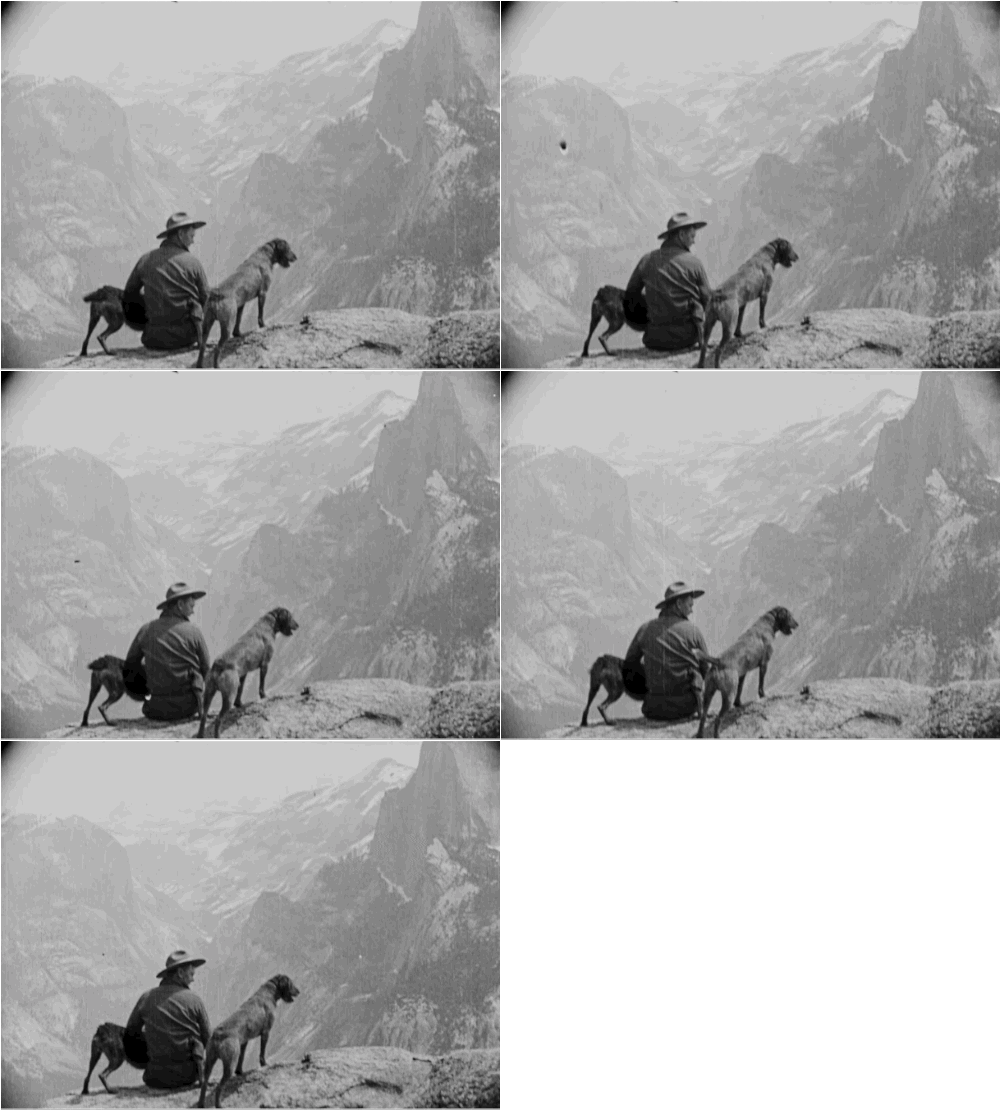
Toward midday, after a long, tingling scramble through copses of hazel and ceanothus, I gained the summit of the highest ridge in the neighborhood; and then it occurred to me that it would be a fine thing to climb one of the trees to obtain a wider outlook and get my ear close to the Æolian music of its topmost needles. But under the circumstances the choice of a tree was a serious matter. One whose instep was not very strong seemed in danger of being blown down, or of being struck by others in case they should fall; another was branchless to a considerable height above the ground, and at the same time too large to be grasped with arms and legs in climbing; while others were not favorably situated for clear views. After cautiously casting about, I made choice of the tallest of a group of Douglas Spruces that were growing close together like a tuft of grass, no one of which seemed likely to fall unless all the rest fell with it. Though comparatively young, they were about 100 feet high, and their lithe, brushy tops were rocking and swirling in wild ecstasy. Being accustomed to climb trees in making botanical studies, I experienced no difficulty in reaching the top of this one, and never before did I enjoy so noble an exhilaration of motion. The slender tops fairly flapped and swished in the passionate torrent, bending and swirling backward and forward, round and round, tracing indescribable combinations of vertical and horizontal curves, while I clung with muscles firm braced, like a bobo-link on a reed.

In its widest sweeps my tree-top described an arc of from twenty to thirty degrees, but I felt sure of its elastic temper, having seen others of the same species still more severely tried--bent almost to the ground indeed, in heavy snows--without breaking a fiber. I was therefore safe, and free to take the wind into my pulses and enjoy the excited forest from my superb outlook. The view from here must be extremely beautiful in any weather. Now my eye roved over the piny hills and dales as over fields of waving grain, and felt the light running in ripples and broad swelling undulations across the valleys from ridge to ridge, as the shining foliage was stirred by corresponding waves of air. Oftentimes these waves of reflected light would break up suddenly into a kind of beaten foam, and again, after chasing one another in regular order, they would seem to bend forward in concentric curves, and disappear on some hillside, like sea-waves on a shelving shore. The quantity of light reflected from the bent needles was so great as to make whole groves appear as if covered with snow, while the black shadows beneath the trees greatly enhanced the effect of the silvery splendor.

Excepting only the shadows there was nothing somber in all this wild sea of pines. On the contrary, notwithstanding this was the winter season, the colors were remarkably beautiful. The shafts of the pine and libocedrus were brown and purple, and most of the foliage was well tinged with yellow; the laurel groves, with the pale undersides of their leaves turned upward, made masses of gray; and then there was many a dash of chocolate color from clumps of manzanita, and jet of vivid crimson from the bark of the madroños, while the ground on the hillsides, appearing here and there through openings between the groves, displayed masses of pale purple and brown.

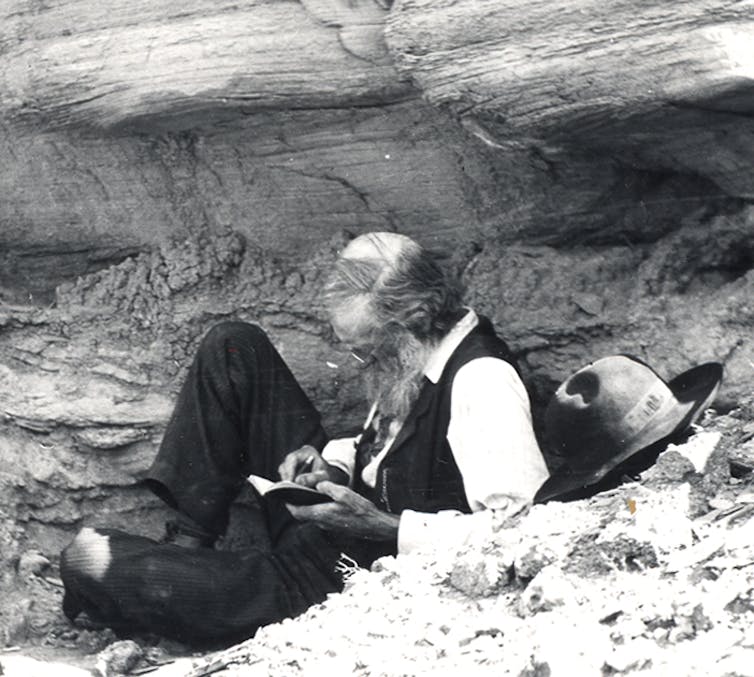
John Muir, born on this day in 1838, from "A Wind-storm in the Forests"