
24 June 2024


Memory.
The one thing about kids is that you never really know exactly what they're thinking or how they're seeing. After writing about kids, which is a little bit like putting the experience under a magnifying glass, you realize you have no idea how you thought as a kid. I've come to the conclusion that most of the things that we remember about our childhood are lies. We all have memories that stand out from when we were kids, but they're really just snapshots. You can't remember how you reacted because your whole head is different when you stand aside.
Stephen King
From Dreamcatcher ...
The whole world's living in a digital dream
It's not really there
It's all on the screen
Makes me forget who I am
I'm an analog man
Joe Walsh
Released.

Jackson Browne released the Chicken Nachos classic, Hold Out, on this day in 1980. First-pressings came with an extra side of ranch.
Here's "Boulevard," where, sadly, Lindley makes his only appearance on a t-shirt ...
Exception.
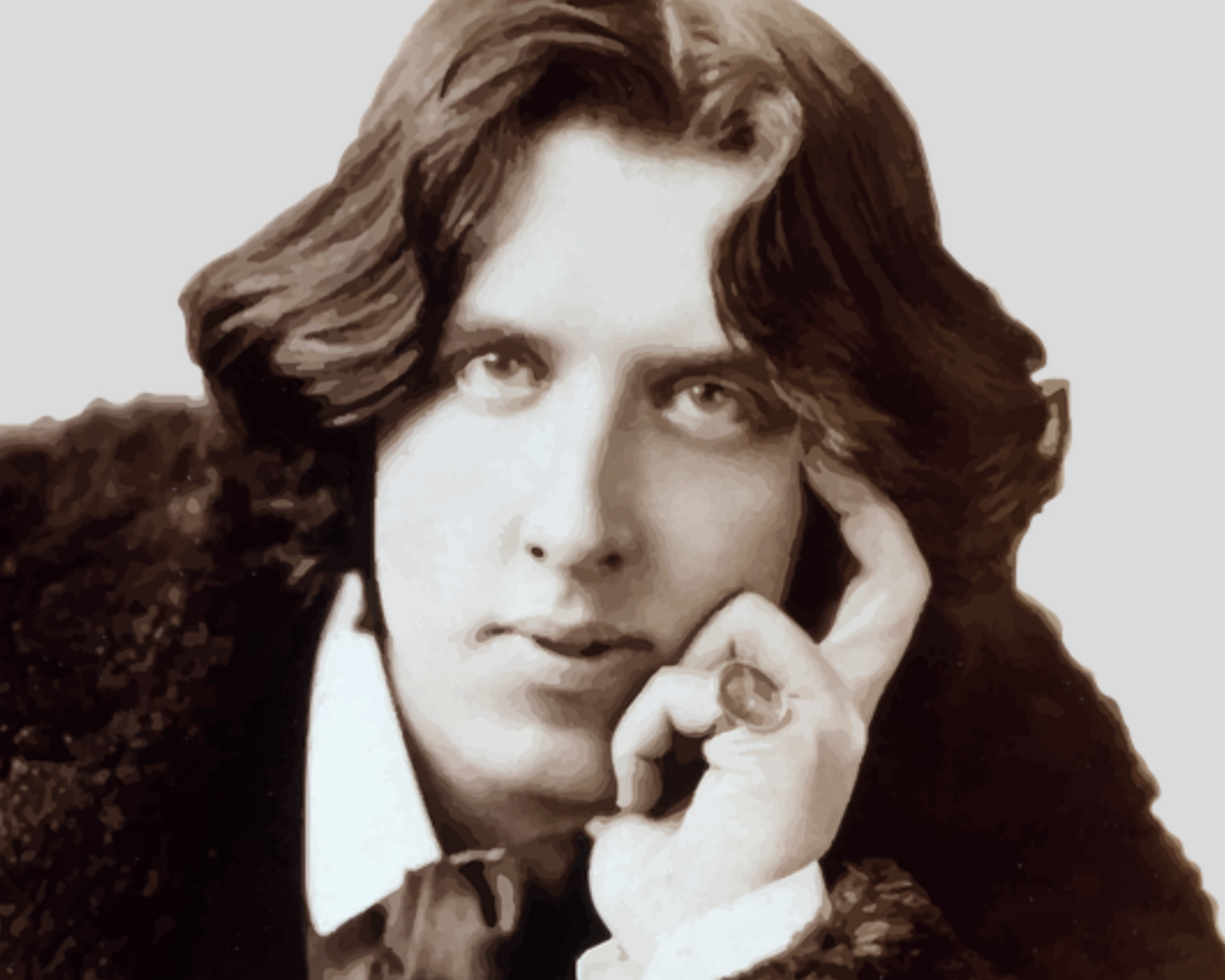
There never has been an artistic age, or an artistic people, since the beginning of the world. The artist has always been, and will always be, an exquisite exception.
Oscar Wilde, from "Lecture to Art Students"
Wonders.

When Marco Polo came at last to Cathay, seven hundred years ago, did he not feel--and did his heart not falter as he realized--that this great and splendid capital of an empire had had its being all the years of his life and far longer, and that he had been ignorant of it? That it was in need of nothing from him, from Venice, from Europe? That it was full of wonders beyond his understanding? That his arrival was a matter of no importance whatever? We know that he felt these things, and so has many a traveler in foreign parts who did not know what he was going to find. There is nothing that cuts you down to size like coming to some strange and marvelous place where no one even stops to notice that you stare about you.
Richard Adams, from Watership Down
Smell.

Smell is important. It reminds a person of all the things he’s been through; it is a sheath of memories and security.
Tove Jansson, from The Summer Book

Strategy.
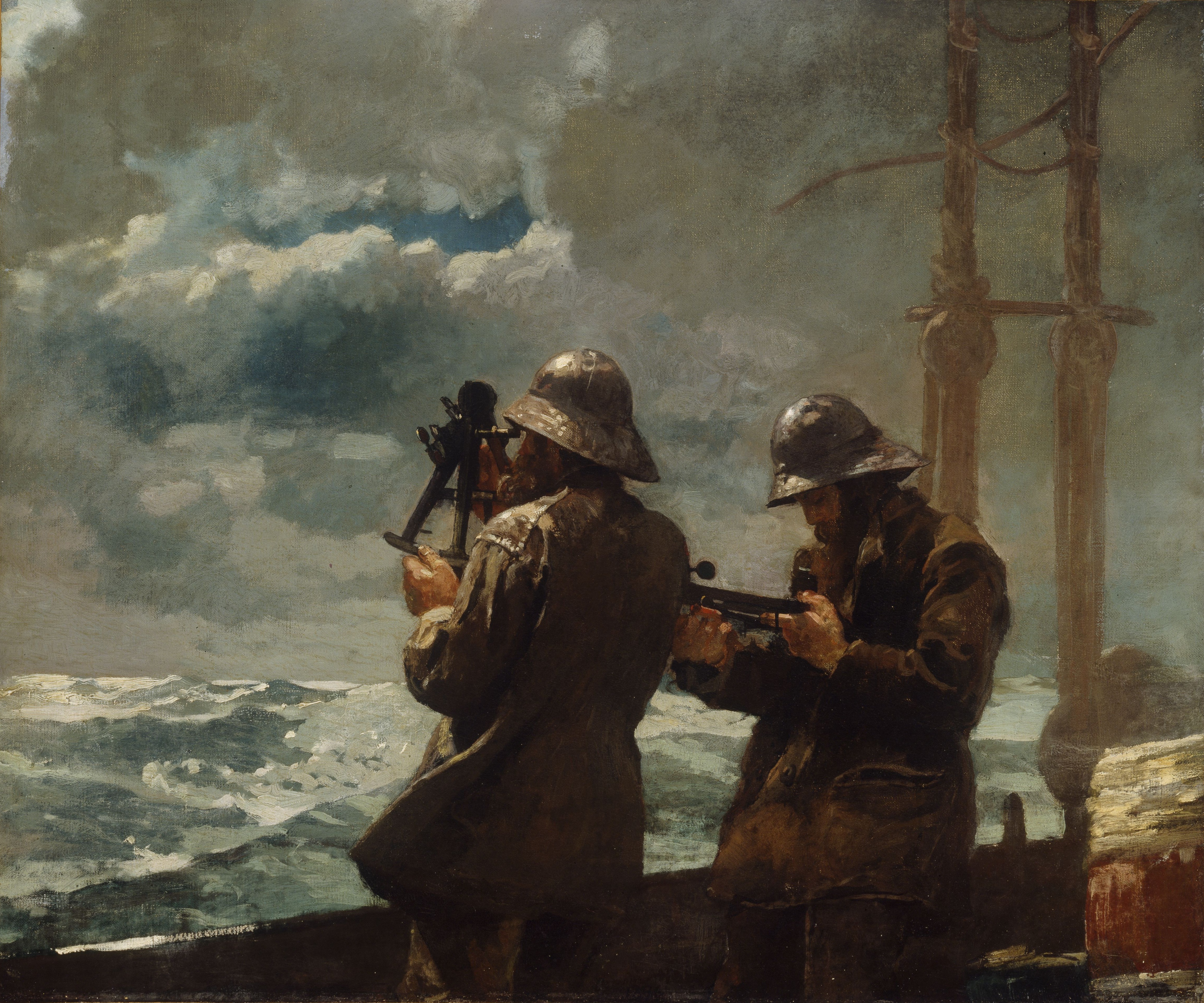
Homer, Eight Bells, 1886
Strategy will compensate the talent. The talent will never compensate the strategy.
Marco Pierre White
Culture eats strategy for breakfast.
Peter F. Drucker
It may be odd that, in such a strategic game, what you know can be truly inconsequential.
Nassim Nicholas Taleb
23 June 2024
Nielsen, Pan & Syrinx
The Danish National Symphony Orchestra performs under the direction of Fabio Luisi ...
Things.
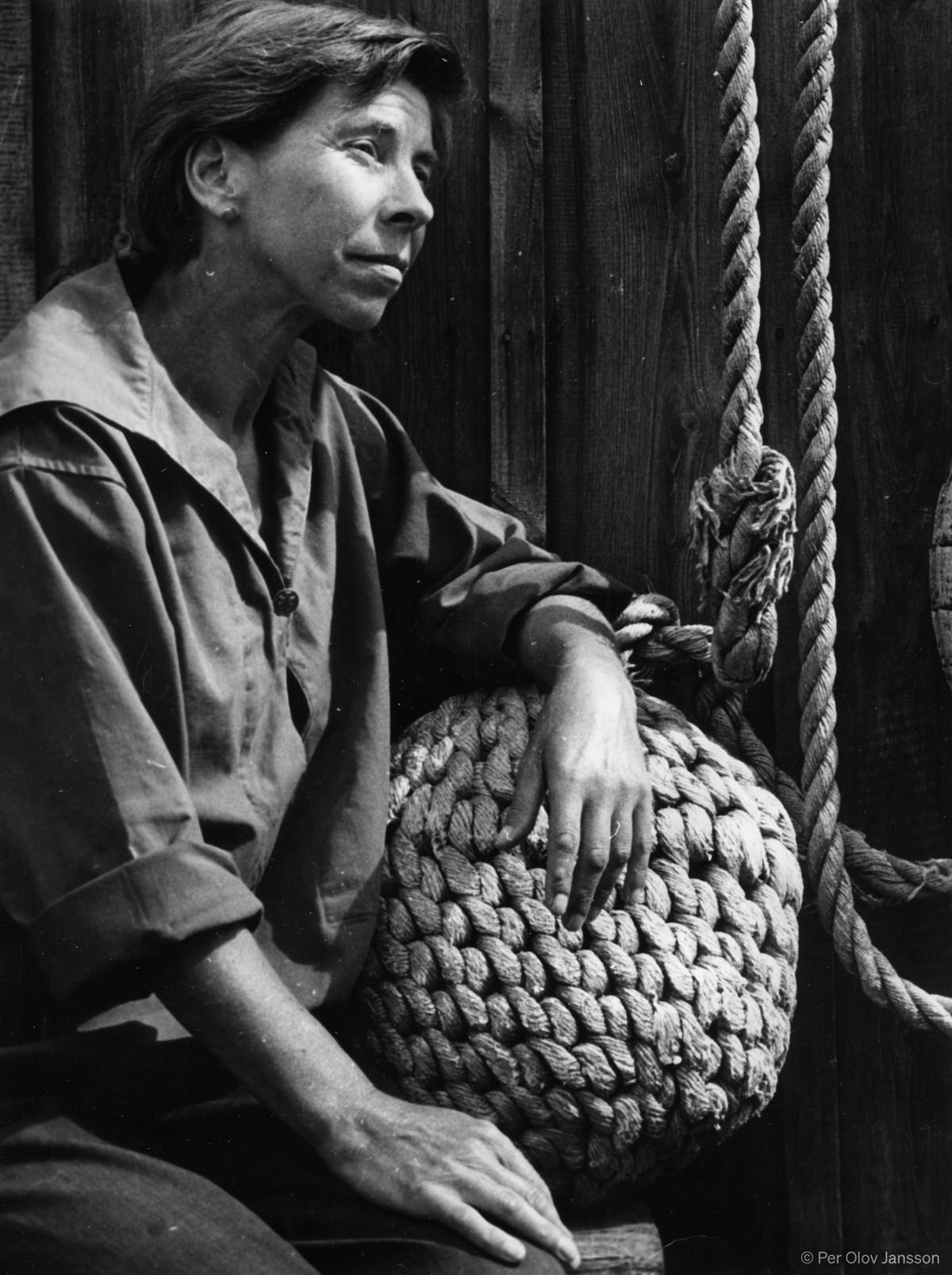
A very long time ago, Grandmother had wanted to tell about all the things they did, but no one had bothered to ask. And now she had lost the urge ...
Sometimes people never saw things clearly until it was too late and they no longer had the strength to start again. Or else they forgot their idea along the way and didn't even realize that they had forgotten.
Tove Jansson, from The Summer Book

Outside.

Wouldn't it be nice, for a change, if there were another way out of our difficulties! A short cut. A method requiring no greater personal effort than recording a vote or ordering some "enemy of society" to be shot. A salvation from outside, like a dose of calomel.
Aldous Huxley, from Eyeless in Gaza
22 June 2024
Necessary.
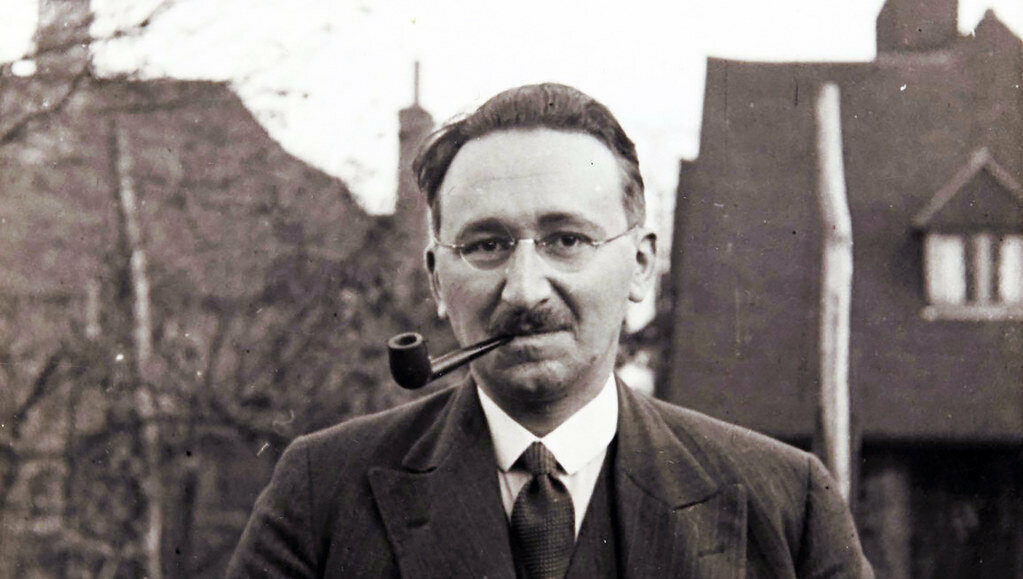
The most dangerous person on earth is the arrogant intellectual who lacks the humility necessary to see that society needs no masters and cannot be planned from the top down.
Friedrich A. Hayek, from The Fatal Conceit: The Errors of Socialism
Traditional.
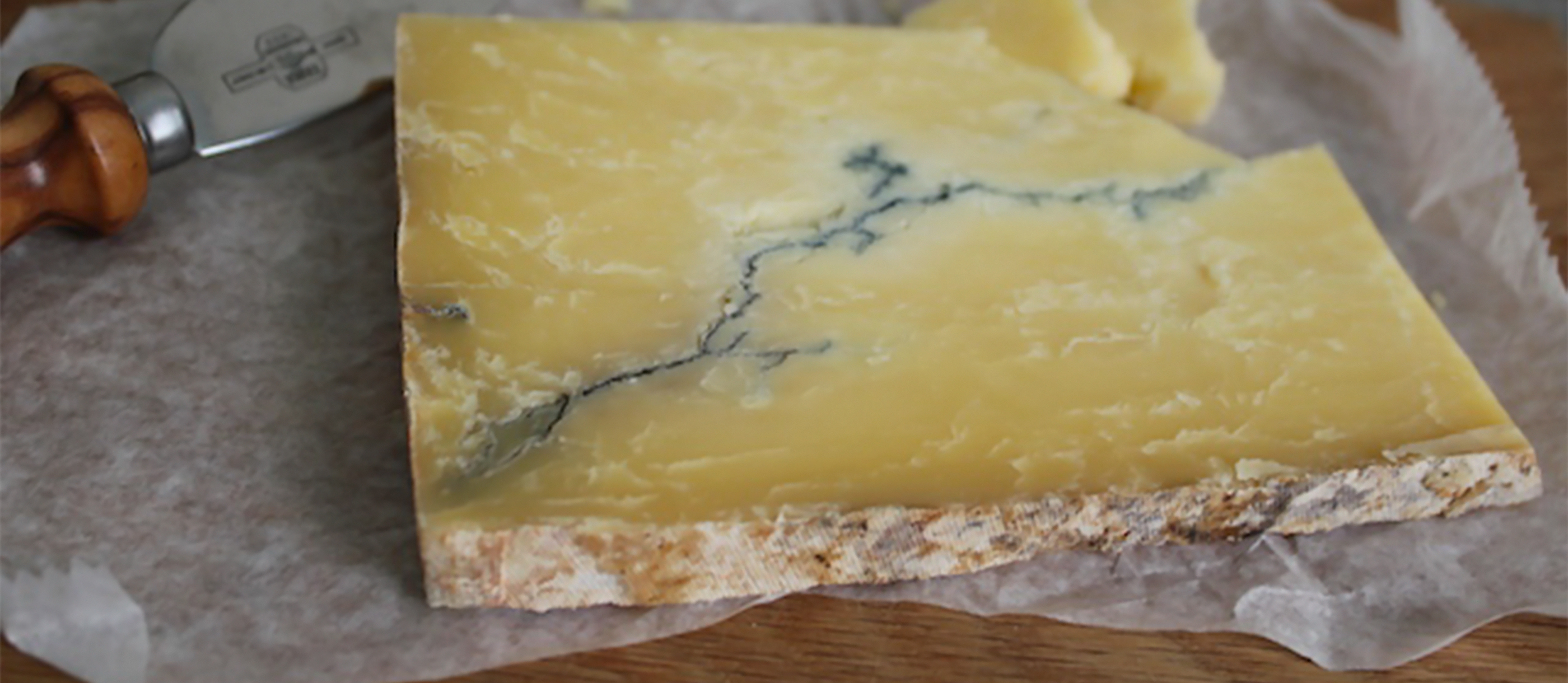
The benefits of a solemn cheesemonger ...
Traditional customs meet modern technology and an obsessive attention to detail with regards to the offering. “We like our Montgomery’s cheddar to have been made on a Tuesday,” says Hirsh of the Somerset maker that uses a different starter culture each day of the week.
Proofs.

I've been quite happy. Look, here are my proofs. Remember that I am indifferent to discomforts which would harass other folk. What do the circumstances of life matter if your dreams make you lord paramount of time and space?
W. Somerset Maugham

All true romance is an attempt to simplify it, to cut it down to plainer and more pictorial proportions. What dullness there is in our life arises mostly from its rapidity; people pass us too quickly to show us their interesting side.
G.K. Chesterton

I ask myself: is every story that has ever been written in this world, a story of suffering and affliction?
Clarice Lispector
Insight.
Karr, Self-Portrait with Emmy-G, 2024

Dogs are mute and obedient, but they have watched us and know us and can smell how pitiful we are. It should astonish us, move us, overwhelm us that our dogs continue, incredibly, to follow us and obey us. Maybe they despise us. Maybe they forgive us. Or maybe they like having no responsibility. We’ll never know. Maybe they see us as some sort of unfortunate race of overgrown, misshapen beings, like huge sluggish beetles. Not gods. Dogs must have seen through us, they must possess a crushing insight that thousands of years of obedience holds in check.
Tove Jansson,
Think.

Just think, never to be glad or disappointed. Never to like anyone and get cross at him and forgive him. Never to sleep or feel cold, never to make a mistake and have a stomach-ache and be cured from it, never to have a birthday party, drink beer, and have a bad conscience ... how terrible.
Tove Jansson
21 June 2024
Should.

When life itself seems lunatic, who knows where madness lies? Perhaps to be too practical is madness. To surrender dreams — this may be madness. Too much sanity may be madness — and maddest of all: to see life as it is, and not as it should be!
Miguel de Cervantes, from Don Quixote
Escape.

If you were trapped in an impossible situation, in an unpleasant place, with people who meant you ill, and someone offered you a temporary escape, why wouldn't you take it? And escapist fiction is just that: fiction that opens a door, shows the sunlight outside, gives you a place to go where you are in control, are with people you want to be with(and books are real places, make no mistake about that); and more importantly, during your escape, books can also give you knowledge about the world and your predicament, give you weapons, give you armour: real things you can take back into your prison. Skills and knowledge and tools you can use to escape for real.
As C.S. Lewis reminded us, the only people who inveigh against escape are jailers.
Neil Gaiman, from The View from the Cheap Seats: Selected Nonfiction
Ashore.
No well-bred person goes ashore on someone else's island when there's no one home. But if they put up a sign, then you do it anyway, because it's a slap in the face.
Tove Jansson, from The Summer Book
Carried.
Dawson, The Clipper Ship Midnight, 1924

SEA DOGS
Over seas and far away
Heave away boys
Sea dogs sail their lives away
Heave away boys
Ghosts of sea dogs at break of day
Crusty beards and coats of grey
Weigh the anchor let’s be away
From this day on we’re carried by the wind
Over seas and far away
Heave away boys
Sea dogs sail their lives away
Heave away boys
Creaky decks and ruthless men
Ruled by the lash where some met their end
The old world was new in all directions then
Conquered by a few at the loss of so many
Over seas and far away
Heave away boys
Sea dogs sail their lives away
Heave away boys
Crusty beards and bloodshot eyes
Squint up at the sun
Horizons hold fast and seduce the sea dogs over
Some live to tell tall tales
And some never returned
Leaving only their dreams
Carried by the sea
Colin Hay
Happy Birthday, Kent
Kent, Frontispiece from the Lakeside Press publication on Moby-Dick, 1930
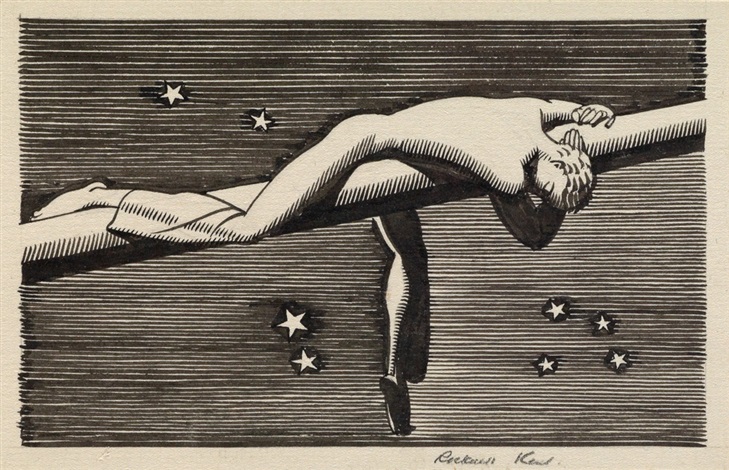
All things look good from far away and it is man's eternally persistent childlike faith in the reality of that illusion that has made him the triumphant restless being he is.
Rockwell Kent, born on this day in 1882, from Voyaging: Southward from the Strait of Magellan
20 June 2024
Hang.
"Hang care!" exclaimed he. "This is a delicious evening; the wine has a finer relish here than in the house, and the song is more exciting and melodious under the tranquil sky than in the close room, where the sound is stifled. Come, let us have a bacchanalian chant—let us, with old Sir Toby, make the welkin dance and rouse the night-owl with a catch! I am right merry. Pass the bottle, and tune your voices—a catch, a catch! The lights will be here anon."
Charles Ollier, from "The Haunted Manor-House of Paddington"
For best results, listen to this ... Rose Tattoo, "Rock & Roll is King"
The euphony transformed me and inundated my soul in a roguish countenance, the likes of which I had know well in younger days. Such impishness soon drove out the complaints of the day.
Umberto Limongiello



Summer.

The introduction to Dandelion Wine, by Ray Bradbury
JUST THIS SIDE OF BYZANTIUM: an introduction
This book, like most of my books and stories, was a surprise. I began to learn the nature of such surprises, thank God, when I was fairly young as a writer. Before that, like every beginner, I thought you could beat, pummel, and thrash an idea into existence. Under such treatment, of course, any decent idea folds up its paws, turns on its back, fixes its eyes on eternity, and dies.
It was with great relief, then, that in my early twenties I floundered into a word-association process in which I simply got out of bed each morning, walked to my desk, and put down any word or series of words that happened along in my head.
I would then take arms against the word, or for it, and bring on an assortment of characters to weigh the word and show me its meaning in my own life. An hour or two hours later, to my amazement, a new story would be finished and done. The surprise was total and lovely. I soon found that I would have to work this way for the rest of my life.
First I rummaged my mind for words that could describe my personal nightmares, fears of night and time from my childhood, and shaped stories from these.
Then I took a long look at the green apple trees and the old house I was born in and the house next door where lived my grandparents, and all the lawns of the summers I grew up in, and I began to try words for all that.
What you have here in this book then is a gathering of dandelions from all those years. The wine metaphor which appears again and again in these pages is wonderfully apt. I was gathering images all of my life, storing them away, and forgetting them. Somehow I had to send myself back, with words as catalysts, to open the memories out and see what they had to offer.
So from the age of twenty-four to thirty-six hardly a day passed when I didn’t stroll myself across a recollection of my grandparents’ northern Illinois grass, hoping to come across some old half-burnt firecracker, a rusted toy, or a fragment of letter written to myself in some young year hoping to contact the older person I became to remind him of his past, his life, his people, his joys, and his drenching sorrows.
It became a game that I took to with immense gusto: to see how much I could remember about dandelions themselves, or picking wild grapes with my father and brother, rediscovering the mosquito-breeding ground rain barrel by the side bay window, or searching out the smell of the gold-fuzzed bees that hung around our back porch grape arbor. Bees do have a smell, you know, and if they don’t they should, for their feet are dusted with spices from a million flowers.
An then I wanted to call back what the ravine was like, especially on those nights when walking home late across town, after seeing Lon Chaney’s delicious fright The Phantom of the Opera, my brother Skip would run ahead and hide under the ravine-creek bridge like the Lonely One and leap out and grab me, shrieking, so I ran, fell, and ran again, gibbering all the way home. That was great stuff.
Along the way I came upon and collided, through word-association, with old and true friendships. I borrowed my friend John Huff from my childhood in Arizona and shipped him East to Green Town so that I could say good-bye to him properly.
Along the way I sat me down to breakfasts, lunches, and dinners with the long dead and much loved. For I was a boy who did indeed love his parents and grandparents and his brother, even when that brother “ditched” him.
Along the way, I found myself in the basement working the wine-press for my father, or on the front porch Independence night helping my Uncle Bion load and fire his home-made brass cannon.
Thus I fell into surprise. No one told me to surprise myself, I might add. I came on the old and best ways of writing through ignorance and experiment and was startled when truths leaped out of bushes like quail before gunshot. I blunwas somehow true.
So I turned myself into a boy running to bring a dipper of clear rainwater out of that barrel by the side of the house. And, of course, the more water you dip out the more flows in. The flow has never ceased. Once I learned to keep going back and back again to those times, I had plenty of memories and sense impressions to play with, not work with, no, play with. Dandelion Wine is nothing if it is not the boy-hid-in-the-man playing in the fields of the Lord on the green grass of other Augusts in the midst of starting to grow up, grow old, and sense darkness waiting under the trees to seed the blood.
I was amused and somewhat astonished at a critic a few years back who wrote an article analyzing Dandelion Wine plus the more realistic work of Sinclair Lewis, wondering how I could have been born and raised in Waukegan, which I renamed Green Town for my novel, and not noticed how ugly the harbor was and how depressing the coal docks and railyards down below the town.
But, of course, I had noticed them and, genetic enchanter that I was, was fascinated by their beauty. Trains and boxcars and the smell of coal and fire are not ugly to children. Ugliness is a concept that we happen on later and become self-conscious about. Counting boxcars is a prime activity of boys. Their elders fret and fume and jeer at the train that holds them up, but boys happily count and cry the names of the cars as they pass from far places.
And again, that supposedly ugly railyard was where carnivals and circuses arrived with elephants who washed the brick pavements with mighty streaming acid waters at five in the dark morning.
As for the coal from the docks, I went down in my basement every autumn to await the arrival of the truck and its metal chute, which clanged down and released a ton of beauteous meteors that fell out of far space into my cellar and threatened to bury me beneath dark treasures.
In other words, if your boy is a poet, horse manure can only mean flowers to him; which is, of course, what horse manure has always been about.
Perhaps a new poem of mine will explain more than this introduction about the germination of all the summers of my life into one book.
Here’s the start of the poem:
Byzantium, I come not from,Waukegan/ Green Town/ Byzantium.
But from another time and place
Whose race was simple, tried and true;
As boy
I dropped me forth in Illinois.
A name with neither love nor grace
Was Waukegan, there I came from
And not, good friends, Byzantium.
The poem continues, describing my lifelong relationship to my birthplace:
And yet in looking back I see
From topmost part of farthest tree
A land as bright, beloved and blue
As any Yeats found to be true.
Waukegan, visited by me often since, is neither homelier nor more beautiful than any other small Midwestern town. Much of it is green. The trees do touch in the middle of streets. The street in front of my old home is still paved with red bricks. In what way then was the town special? Why, I was born there. It was my life. I had to write of it as I saw fit:
So we grew up with mythic dead
To spoon upon midwestern bread
And spread old gods’ bright marmalade
To slake in peanut-butter shade,
Pretending there beneath our sky
That it was Aphrodite’s thigh…
While by the porch-rail calm and bold
His words pure wisdom, stare pure gold
My grandfather, a myth indeed,
Did all of Plato supercede
While Grandmama in rockingchair
Sewed up the raveled sleeve of care
Crocheted cool snowflakes rare and bright
To winter us on summer night.
And uncles, gathered with their smokes
Emitted wisdoms masked as jokes,
And aunts as wise as Delphic maids
Dispensed prophetic lemonades
To boys knelt there as acolytes
To Grecian porch on summer nights;
Then went to bed, there to repent
The evils of the innocent;
The gnat-sins sizzling in their ears
Said, through the nights and through the years
Not Illinois nor Waukegan
But blither sky and blither sun.
Though mediocre all our Fates
And Mayor not as bright as Yeats
Yet still we knew ourselves. The sum?
Byzantium.
Byzantuim.
Green Town did exist, then?
Yes, and again, yes.
Was there a real boy named John Huff? There was. And that was truly his name. But he didn’t go away from me, I went away from him. But, happy ending, he is still alive, forty-two years later, and remembers our love.
Was there a Lonely One? There was, and that was his name. And he moved around at night in my home town when I was six years old and he frightened everyone and was never captured.
Most importantly, did the big house itself, with Grandpa and Grandma and the boarders and uncles and aunts in it exist? I have answered that.
Is the ravine real and deep and dark at night? It was, it is. I took my daughters there a few years back, fearful that the ravine might have gone shallow with time. I am relieved and happy to report that the ravine is deeper, darker, and more mysterious than ever. I would not, even now, go home through there after seeing The Phantom of the Opera.
So there you have it. Waukegan was Green Town was Byzantium, with all the happiness that that means, with all the sadness that these names imply. The people there were gods and midgets and knew themselves mortal and so the midgets walked tall so as not to embarrass the gods and the gods crouched so as to make the small ones feel at home. And, after all, isn’t that what life is all about, the ability to go around back and come up inside other people’s heads to look out at the damned fool miracle and say: oh, so that’s how you see it!? Well, now, I must remember that.
Here is my celebration, then, of death as well as life, dark as well as light, old as well as young, smart and dumb combined, sheer joy as well as complete terror written by a boy who once hung upside down in trees, dressed in his bat costume with candy fangs in his mouth, who finally fell out of the trees when he was twelve and went and found a toy-dial typewriter and wrote his first “novel.”
A final memory.
Fire balloons.
You rarely see them these days, though in some countries, I hear, they are still filled with warm breath from a small straw fire hung beneath.
But in 1925 Illinois, we still had them, and one of the last memories I have of my grandfather is the last hour of a Fourth of July night forty-eight years ago when Grandpa and I walked out on the lawn and lit a small fire and filled the pear-shaped red-white-and-blue-striped paper balloon with hot air, and held the flickering bright-angel presence in our hands a final moment in front of a porch lined with uncles and aunts and cousins and mothers and fathers, and then, very softly, let the thing that was life and light and mystery go out of our fingers up on the summer night air and away over the beginning-to-sleep houses, among the stars, as fragile, as wondrous, as vulnerable, as lovely as life itself.
I see my grandfather there looking up at that strange drifting light, thinking his own still thoughts. I see me, my eyes filled with tears, because it was all over, the night was done, I knew there would never be another night like this.
No one said anything. We all just looked up at the sky and we breathed out and in and we all thought the same things, but nobody said. Someone finally had to say, though, didn’t they? And that one is me.
The wine still waits in the cellars below.
My beloved family still sits on the porch in the dark.
The fire balloon still drifts and burns in the night sky of an as yet unburied summer.
Why and how?
Because I say it is so.
Ray Bradbury
Summer, 1974
Your hymnal is here.
Fire balloons afloft in Thailand.
Basic fire balloon how-to is here.
Nurture.
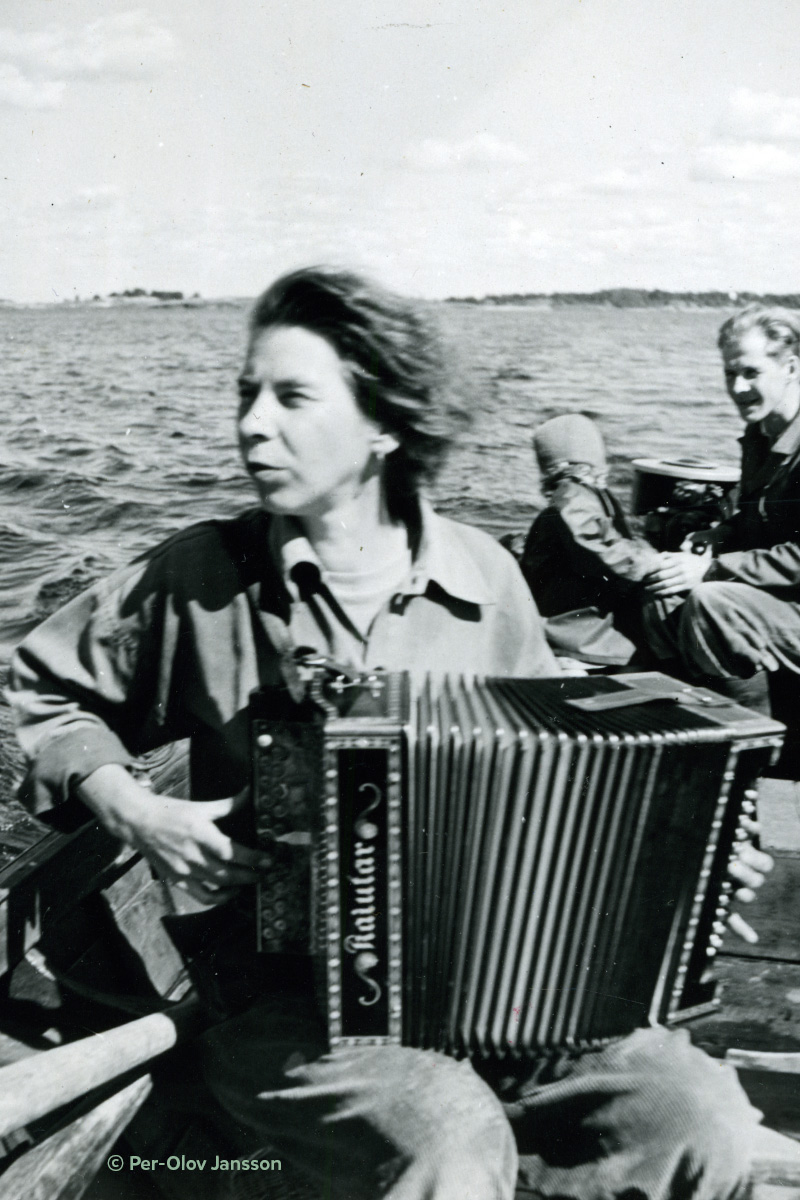
Passion. As you can see, I've lived quite a long time, which is to say I've been working for quite a long time, which is the same thing. And you know what? In the whole silly business, the only thing that really matters is passion. It comes and it goes. At first it just comes to you free of charge, and you don't understand, and you waste it. And then it becomes a thing to nurture.
Tove Jansson, from The Woman Who Borrowed Memories: Selected Stories
Now.
Courbet, Girl in a Hammock, 1844

NOW THAT the SUMMER's HERE
In slow motion, I'm reborn
I need a week to mow the lawn
I eat dinner with my flip-flops on
Now that the summer's here
With my chores, I only flirt
Hung in my hammock reading Kurt
Struggling to remain inert
Now that the summer's here
Now that the summer is here
I laze all day, my work can wait
And I behave like a firefly
And oscillate with my mate
I can spare some wherewithal
Listening to Ahmad Jamal
"Poinciana" says it all
Now that the summer's here
One thing is crystal clear
I won't be going anywhere
Except my Adirondack chair
Now that the summer's here
Michael Franks
19 June 2024
Delightful.

It has always been one of my main endeavours as a teacher to persuade the young that firsthand knowledge is not only more worth acquiring than secondhand knowledge, but is usually much easier and more delightful to acquire.
C.S. Lewis, from The Reading Life: The Joy of Seeing New Worlds Through Others' Eyes
Attach.
Sully, The Student, Rosalie Kemble Sully, 1848
_-_Google_Art_Project.jpg)
We are accustomed to understand art to be only what we hear and see in theaters, concerts, and exhibitions, together with buildings, statues, poems, novels. But all this is but the smallest part of the art by which we communicate with each other in life. All human life is filled with works of art of every kind — from cradlesong, jest, mimicry, the ornamentation of houses, dress, and utensils, up to church services, buildings, monuments, and triumphal processions. It is all artistic activity. So that by art, in the limited sense of the word, we do not mean all human activity transmitting feelings, but only that part which we for some reason select from it and to which we attach special importance.
Leo Tolstoy, from What Is Art?
Rewards.
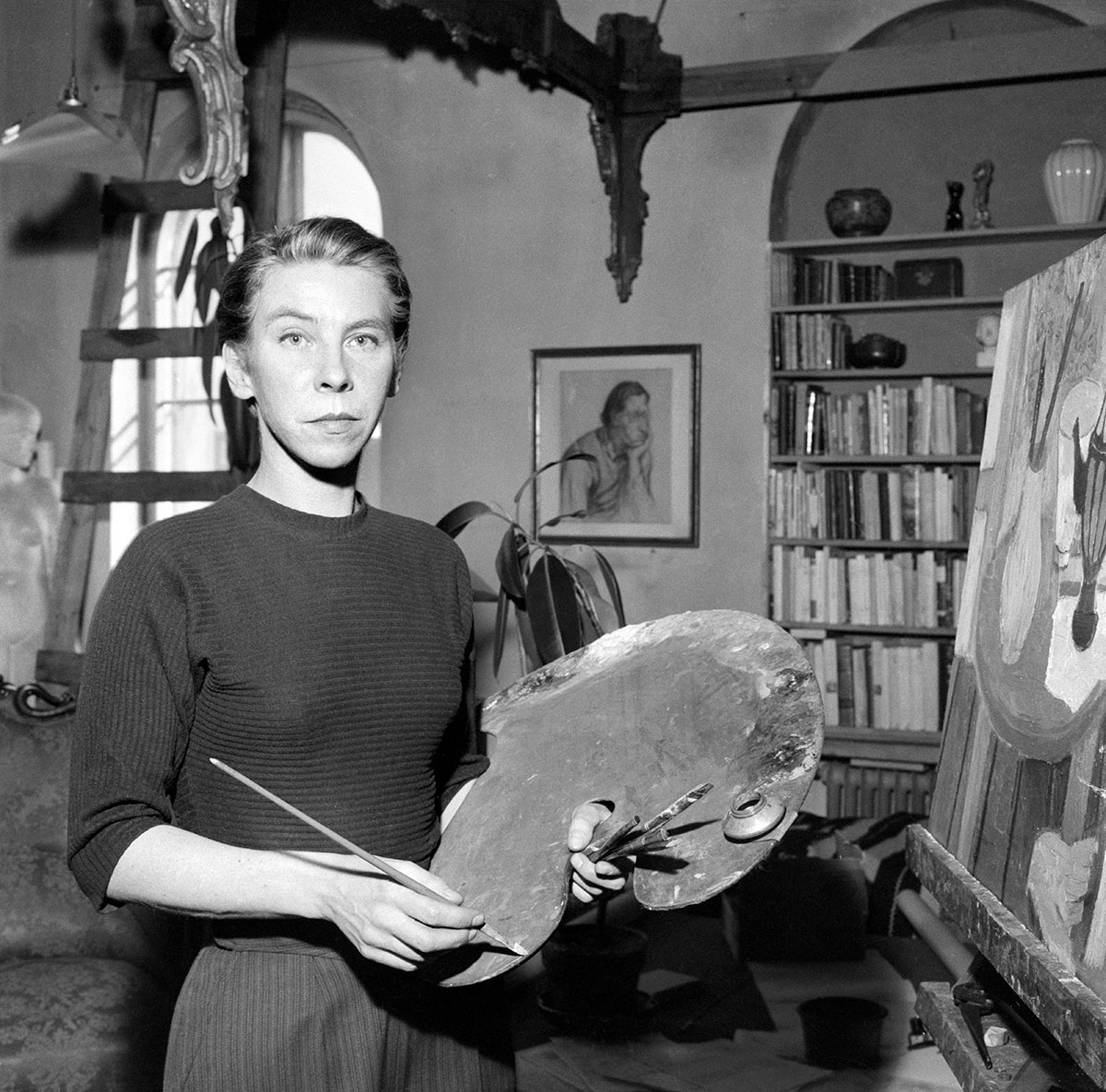
Can you win anything better than the useless rewards of a fantastical imagination?
Tove Jansson, from Moominpappa's Memoirs
.jpg?mode=max)
Handel, An Occasional Oratorio, HWV 62
The Sebastians, under the flailing baton of Patrick Dupré Quigley, perform the Overture ...
Happy Birthday, Pascal
Unknown, Blaise Pascal, c. 1660

Pascal, born on this day in 1623, from Pensées
Surrender.

The first demand any work of any art makes upon us is surrender. Look. Listen. Receive. Get yourself out of the way. (There is no good asking first whether the work before you deserves such a surrender, for until you have surrendered you cannot possibly find out.)
C.S. Lewis, from The Reading Life: The Joy of Seeing New Worlds Through Others’ Eyes
18 June 2024
Become.

Readers aren’t viewers; they recognize their pleasure as different from that of being entertained. Once you’ve pressed the on button, the TV goes on, and on, and on, and all you have to do is sit and stare. But reading is active, an act of attention, of absorbed alertness—not all that different from hunting, in fact, or from gathering. In its silence, a book is a challenge: it can’t lull you with surging music or deafen you with screeching laugh tracks or fire gunshots in your living room; you have to listen to it in your head. A book won’t move your eyes for you the way images on a screen do. It won’t move your mind unless you give it your mind, or your heart unless you put your heart in it. It won’t do the work for you. To read a story well is to follow it, to act it, to feel it, to become it—everything short of writing it, in fact. Reading is not “interactive” with a set of rules or options, as games are; reading is actual collaboration with the writer’s mind. No wonder not everybody is up to it.
Ursula K. Le Guin

Feel.
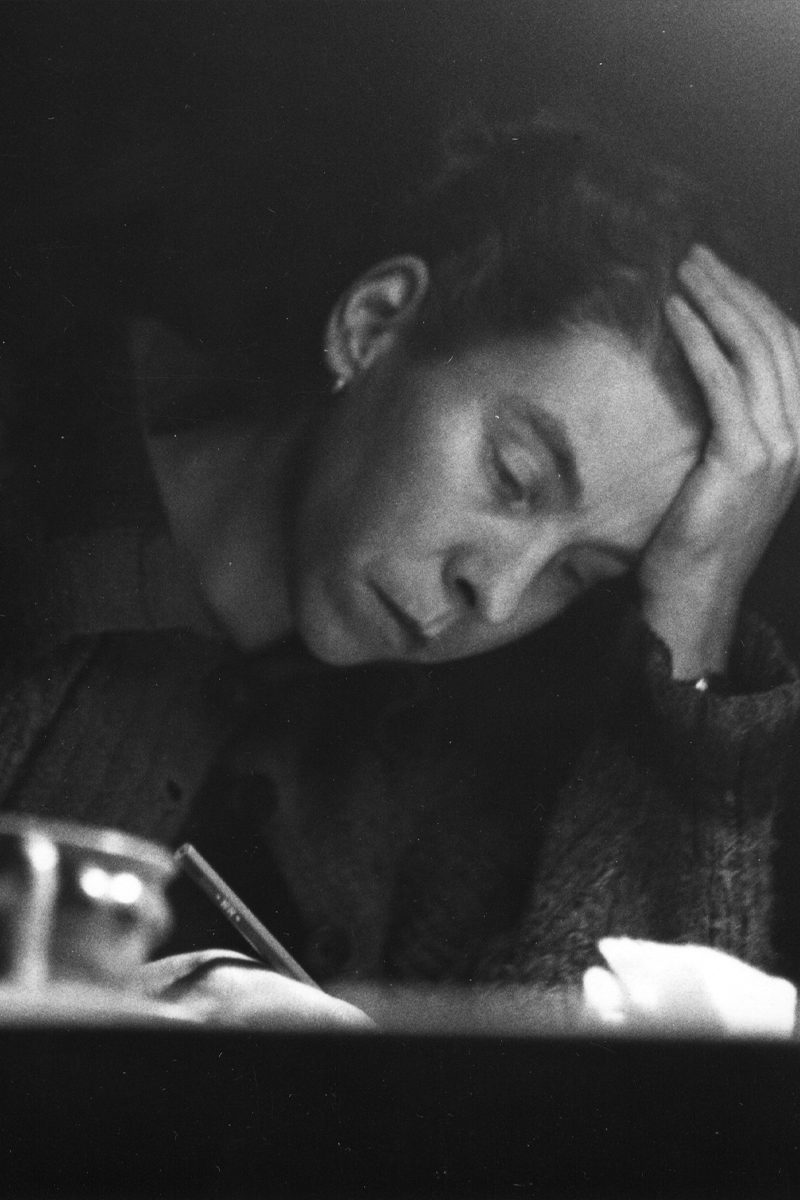
Oh say, where lies true lasting happiness?
In evening rest? In friendly glance? 'Tis more:
In sailing from the mire, the reeds, the mast,
The mighty ocean's vastness to adore.
Oh what is life? 'Tis nothing but a dream,
A vast and enigmatic flowing stream.
Such tender feelings fill my heaving breast
I know not how or where they'll come to rest;
My cares are multitudinous and sore,
I long to feel the friendly rudder in my paw.
Tove Jansson
Structure.
Stewart Copeland discusses reggae's structure at 4:42 ...
The Police, "One World (Not Three)" ...
Sting and Ziggy take a shot ...
Subscribe to:
Posts (Atom)
About Me

- Rob Firchau
- "A man should stir himself with poetry, stand firm in ritual, and complete himself in music." -Gary Snyder
Think ...

GASTON BACHELARD

"The house shelters day-dreaming, the house protects the dreamer, the house allows one to dream in peace.”


CARL R. FIRCHAU (1884-1973)

"The strength of a man’s virtue should not be measured by his special exertions but by his habitual acts.” Blaise Pascal

REMEMBER


SUPPORT OUR TROOPS


C.S. LEWIS


G.K. CHESTERTON
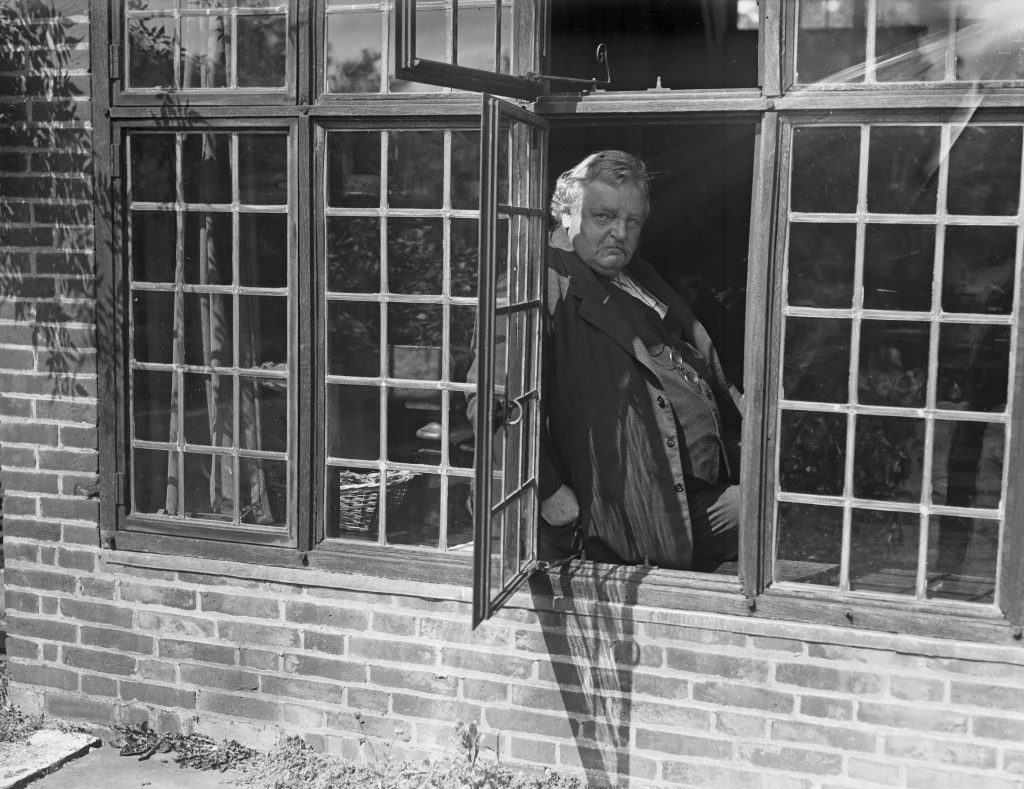
"Tradition refuses to submit to the small and arrogant oligarchy of those who merely happen to be walking about."

KENNETH GRAHAME

"O Mole! the beauty of it! The merry bubble and joy, the thin, clear, happy call of the distant piping!"

BARRY HINES

"That's why it makes me mad when I take her out and I'll hear somebody say, 'Look, there's Billy Casper there wi' his pet hawk. I could shout at 'em; it's not a pet, Sir, hawks are not pets. Or when folks stop me and say, 'Is it tame?' Is it heck tame, it's trained that's all. It's fierce, and it's wild, an' it's not bothered about anybody, not even about me, right. And that's why it's great.Look, there's Billy Casper there wi' his pet hawk.' I could shout at 'em. It's not a pet, Sir. Hawks are not pets. Or when folks stop me and say, 'Is it tame?' Is it heck tame, it's trained, that's all. It's fierce, and it's wild, an' it's not bothered about anybody, not even about me right. And that's why it's great." (A Kestrel for a Knave)

GEORDIE WALKER


FIORENTINO

The Musician Angel


ECHO & THE BUNNYMEN

JIM HARRISON
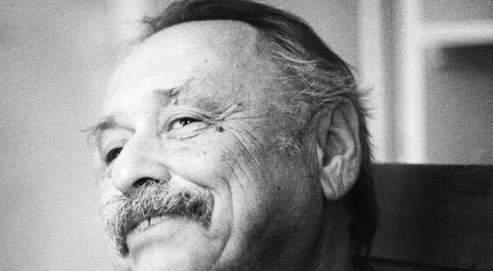
37. Beware, O wanderer, the road is walking too, said Rilke one day to no one in particular as good poets everywhere address the six directions. If you can’t bow, you’re dead meat. You’ll break like uncooked spaghetti. Listen to the gods. They’re shouting in your ear every second.
GIMME FIIIVE!

THE FURS
Suggestions

WOLFGANG AMADEUS MOZART

"When I am, as it were, completely myself, entirely alone and of good cheer – say travelling in a carriage or walking after a good meal, or during the night when I cannot sleep – it is on such occasions that my ideas flow best and most abundantly. Whence, and how, they come I know not ; nor can I force them. Those ideas that please me I retain in memory and am accustomed, as I have been told, to hum them to myself. If I continue in this way, it soon occurs to me how I may turn this dainty morsel to account, so as to make a good dish of it. That is to say, agreeable to the rules of counterpoint, to the peculiarities of various instruments etc. All this fires my soul, and, provided I am not disturbed, my subject enlarges itself, becomes methodised, and defined, and the whole, though it be long, stands almost complete and finished in my mind, so that I can survey it like a fine picture or a beautiful statue at a glance. Nor do I hear in my imagination the parts successively, but I hear them, as it were, all at once. What a delight this is, I cannot tell."

HOOKY


MARY SHELLEY

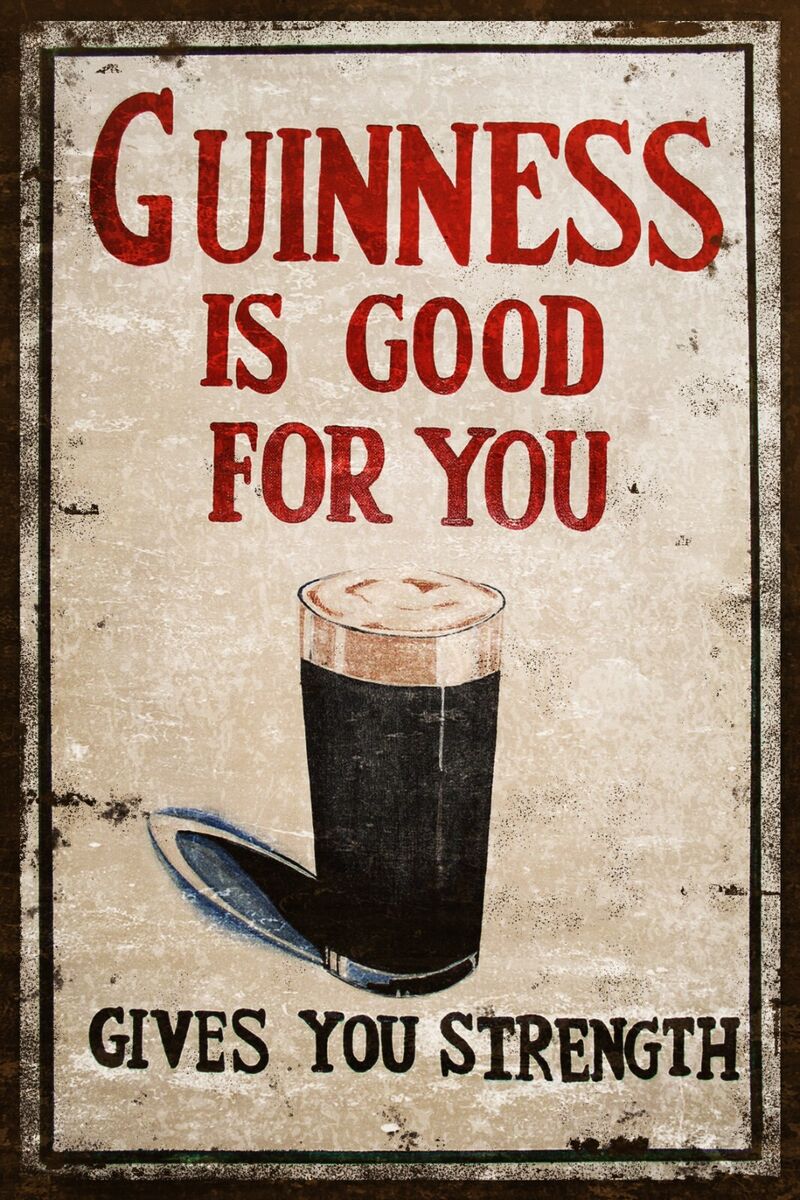
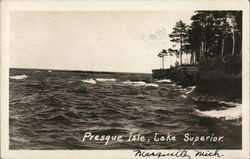
GREEN MAN

"Feel wind stir the greenwood, or turn pages of a book made from his flesh -- lean close, then, and hear, Green Man's voice."
WALLACE STEVENS

"Technique is the proof of your seriousness."

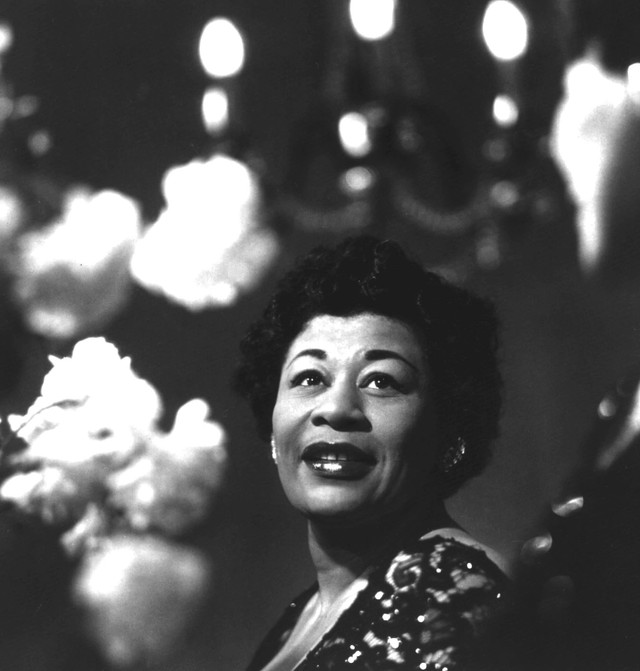




N.C. WYETH

Cold Maker, Winter, 1909


Dick's Pour House, Lake Leelanau, Michigan

Smelt Basket
PanAm "Pacific Clipper" (1941)

JOHN SINGER SARGENT

Elizabeth Winthrop Chanler (detail), 1893
WILLIAM F. BUCKLEY JR.
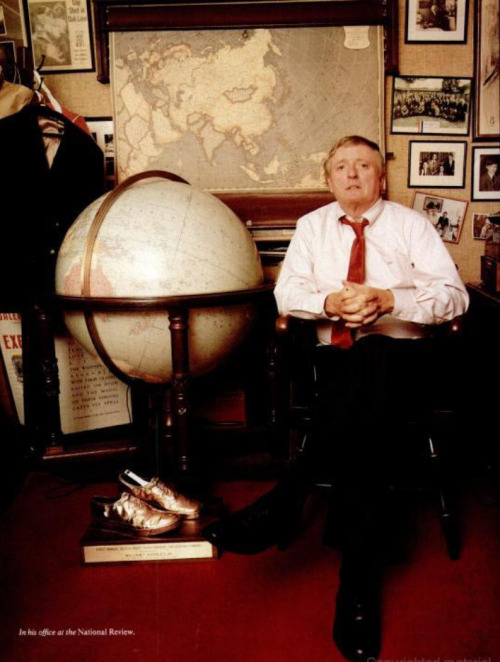
"We are so concerned to flatter the majority that we lose sight of how very often it is necessary, in order to preserve freedom for the minority, let alone for the individual, to face that majority down."
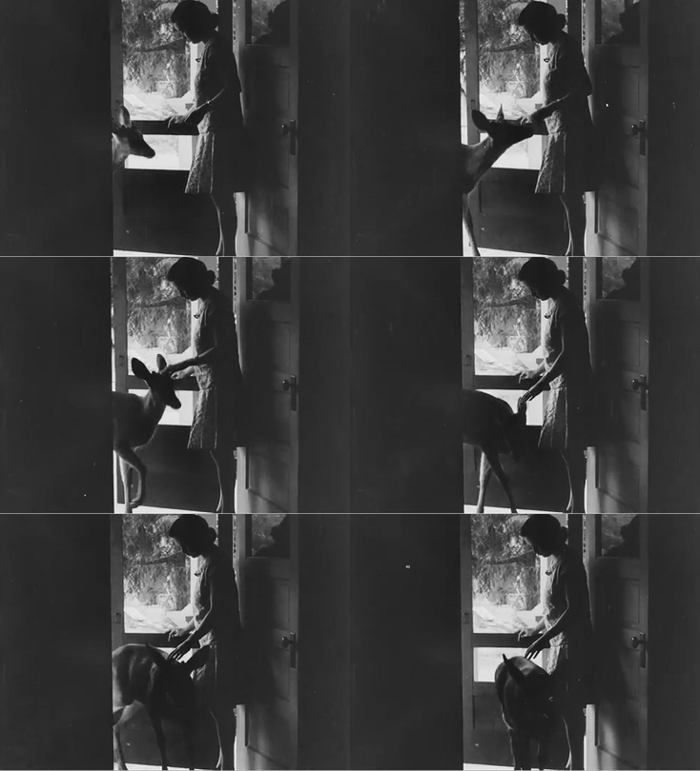

SIR ROGER SCRUTON
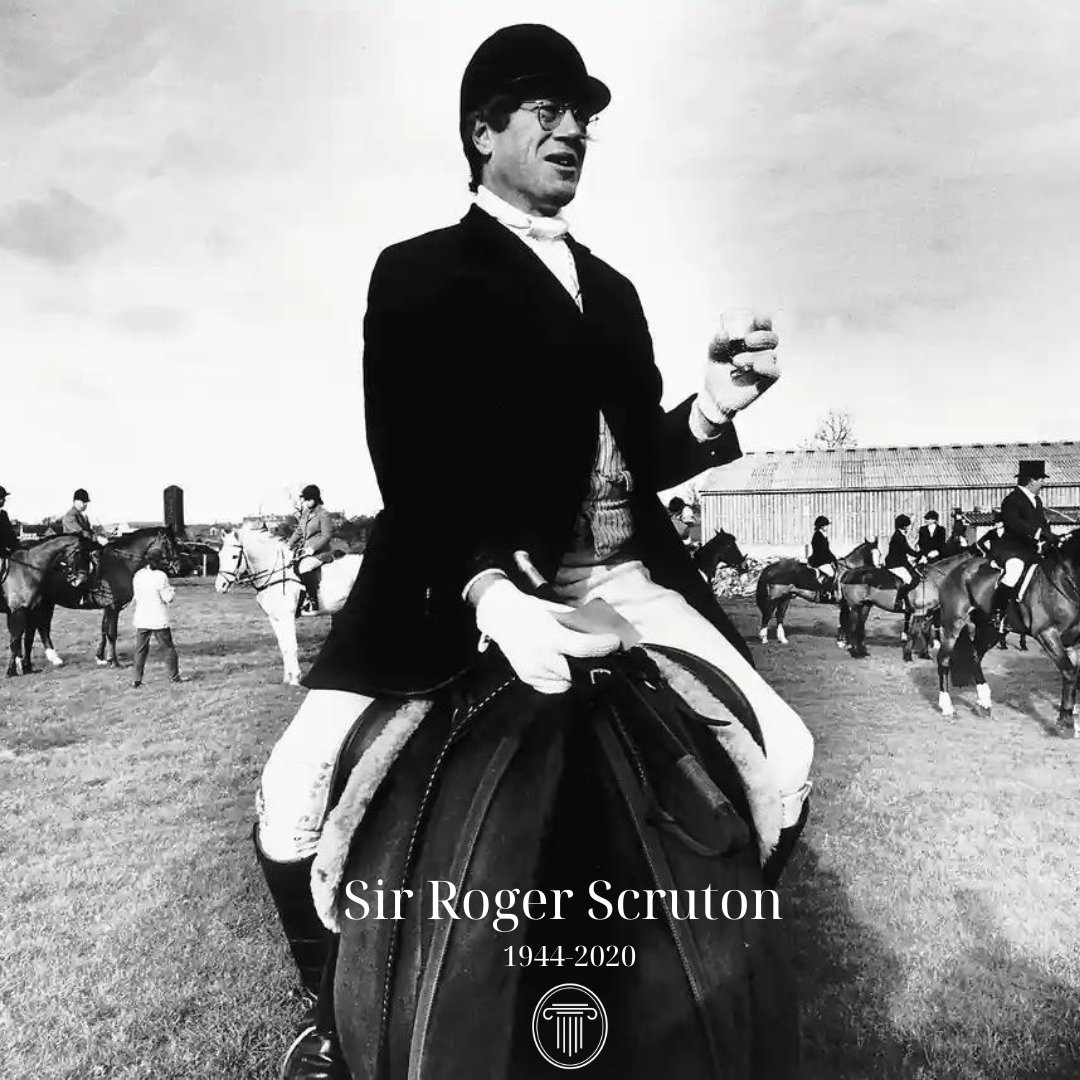
"Beauty is a value, as important as truth and goodness."
SIR WINSTON CHURCHILL
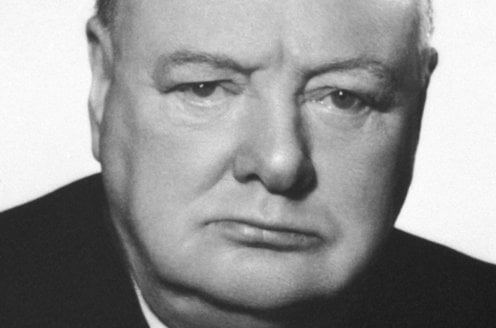
"A gentleman does not have a ham sandwich without mustard."



J.R.R. TOLKIEN
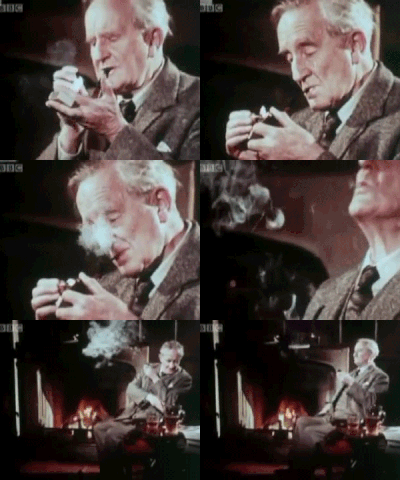
"If more of us valued food and cheer and song above hoarded gold, it would be a merrier world."

JOHN MASEFIELD
"When the midnight strikes in the belfry dark/And the white goose quakes at the fox’s bark/We saddle the horse that is hayless, oatless/Hoofless and pranceless, kickless and coatless/We canter off for a midnight prowl/Whoo-hoo-hoo, says the hook-eared owl."
IKKYU

VIRGINIA WOOLF


OLD MISSION

JOHN QUINCY ADAMS
"However tiresome to others, the most indefatigable orator is never tedious to himself. The sound of his own voice never loses its harmony to his own ear; and among the delusions, which self-love is ever assiduous in attempting to pass upon virtue, he fancies himself to be sounding the sweetest tones."
SIR KENNETH GRAHAME
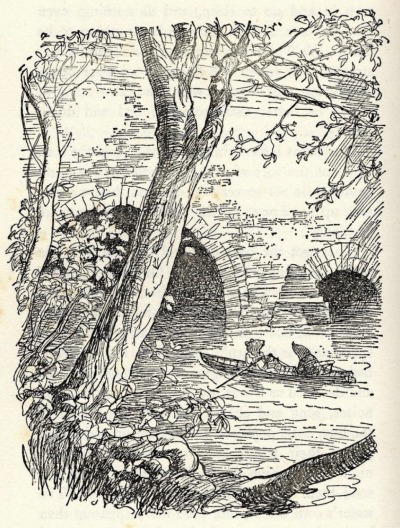
"Take the Adventure, heed the call, now, ere the irrevocable moment passes! ‘Tis but a banging of the door behind you, a blithesome step forward, and you are out of the old life and into the new! Then some day, some day long hence, jog home here if you will, when the cup has been drained and the play has been played, and sit down by your quiet river with a store of goodly memories for company."

JIM HARRISON
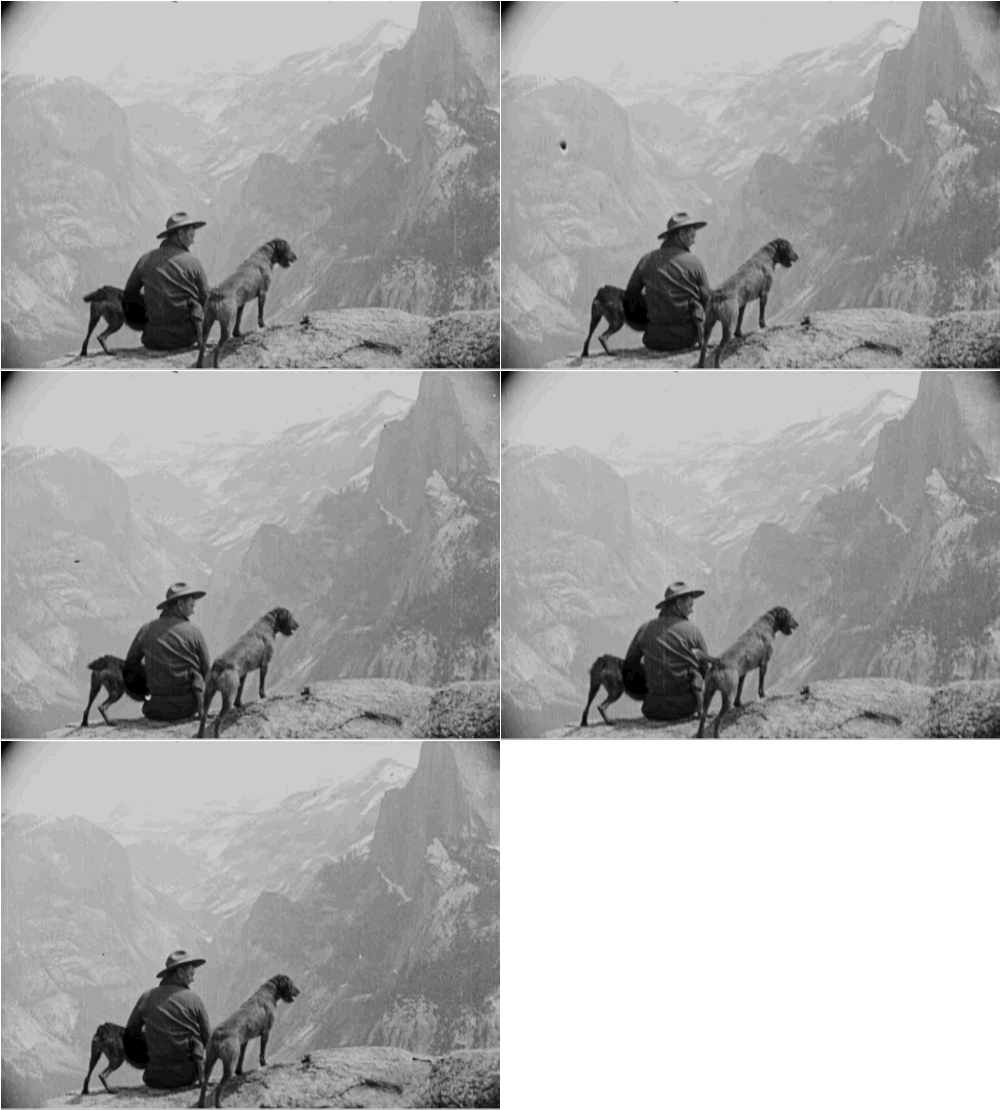
"Barring love I'll take my life in large doses alone--rivers, forests, fish, grouse, mountains. Dogs."
WILLIAM WORDSWORTH

WALT WHITMAN

The spotted hawk swoops by and accuses me, he complains of my gab and my loitering. I too am not a bit tamed, I too am untranslatable, I sound my barbaric yawp over the roofs of the world. The last scud of day holds back for me, It flings my likeness after the rest and true as any on the shadow’d wilds, It coaxes me to the vapor and the dusk. I depart as air, I shake my white locks at the runaway sun, I effuse my flesh in eddies, and drift it in lacy jags. I bequeath myself to the dirt to grow from the grass I love, If you want me again look for me under your boot-soles. You will hardly know who I am or what I mean, But I shall be good health to you nevertheless, And filter and fibre your blood. Failing to fetch me at first keep encouraged, Missing me one place search another, I stop somewhere waiting for you.

SAMUEL ADAMS

"It is a very great mistake to imagine that the object of loyalty is the authority and interest of one individual man, however dignified by the applause or enriched by the success of popular actions."
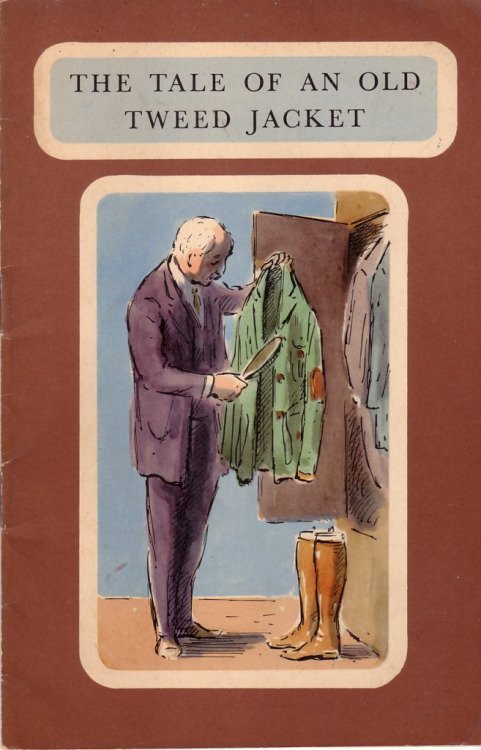
TAO TE CHING, Lao Tzu



MARCUS AURELIUS

"Is your cucumber bitter? Throw it away. Are there briars in your path? Turn aside. That is enough. Do not go on and say, 'Why were things of this sort ever brought into this world?' neither intolerable nor everlasting - if thou bearest in mind that it has its limits, and if thou addest nothing to it in imagination. Pain is either an evil to the body (then let the body say what it thinks of it!)-or to the soul. But it is in the power of the soul to maintain its own serenity and tranquility."

VINCENT van GOGH

"What am I in the eyes of most people? A nonentity or an oddity or a disagreeable person — someone who has and will have no position in society, in short a little lower than the lowest. Very well — assuming that everything is indeed like that, then through my work I’d like to show what there is in the heart of such an oddity, such a nobody. This is my ambition, which is based less on resentment than on love in spite of everything, based more on a feeling of serenity than on passion. Even though I’m often in a mess, inside me there’s still a calm, pure harmony and music. In the poorest little house, in the filthiest corner, I see paintings or drawings. And my mind turns in that direction as if with an irresistible urge. As time passes, other things are increasingly excluded, and the more they are the faster my eyes see the picturesque. Art demands persistent work, work in spite of everything, and unceasing observation."
RICK LEACH (1975-1978)

48 career games started; 2,176 rushing yards, 34 touchdowns; 4,284 passing yards, 48 touchdowns; 7-2 career record versus Michigan State, Notre Dame, and Ohio combined; three-time All-American, All-Big Ten, and Heisman finalist
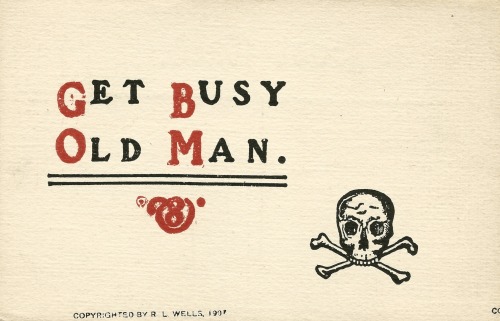


RICHARD ADAMS
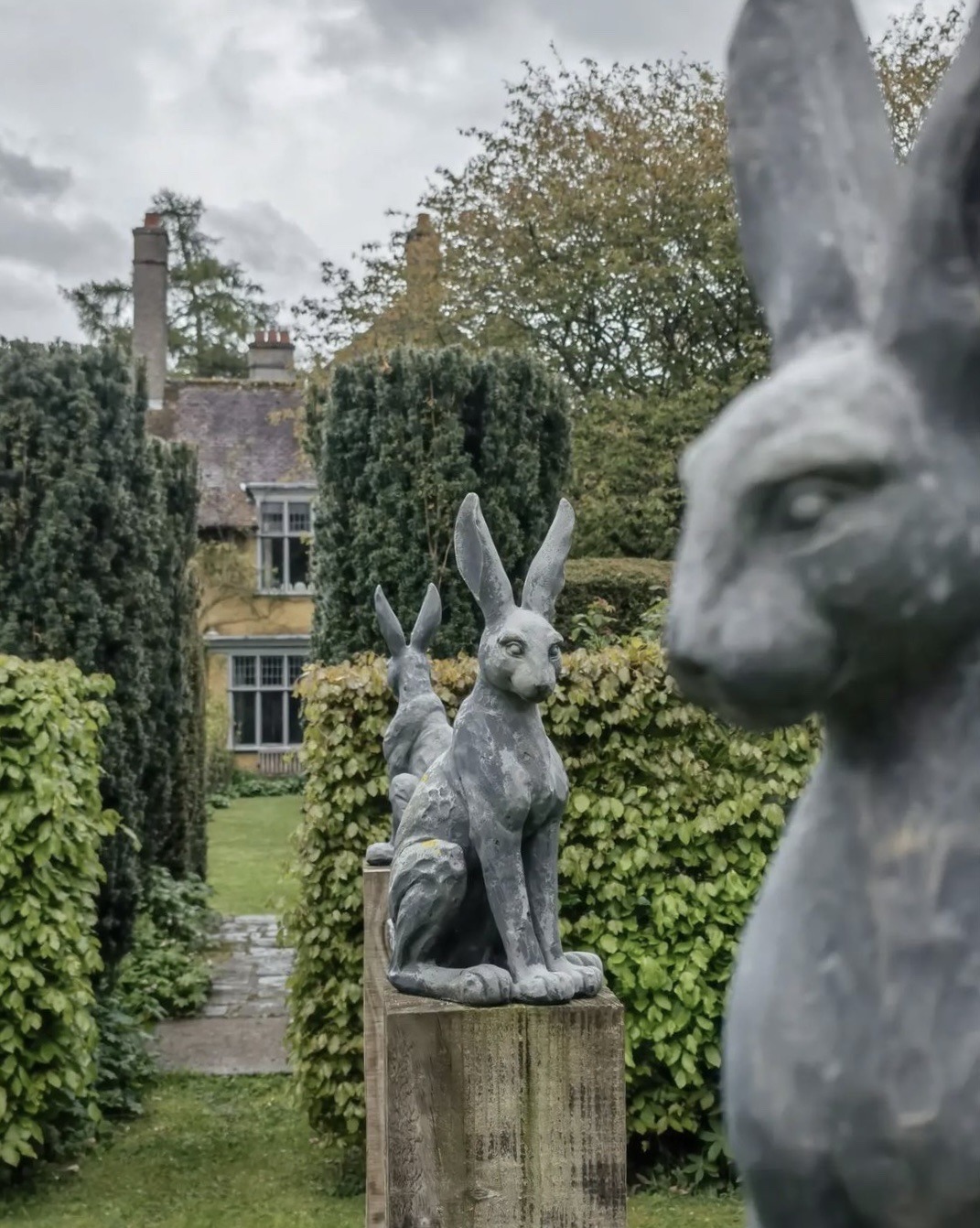
"One cloud feels lonely."
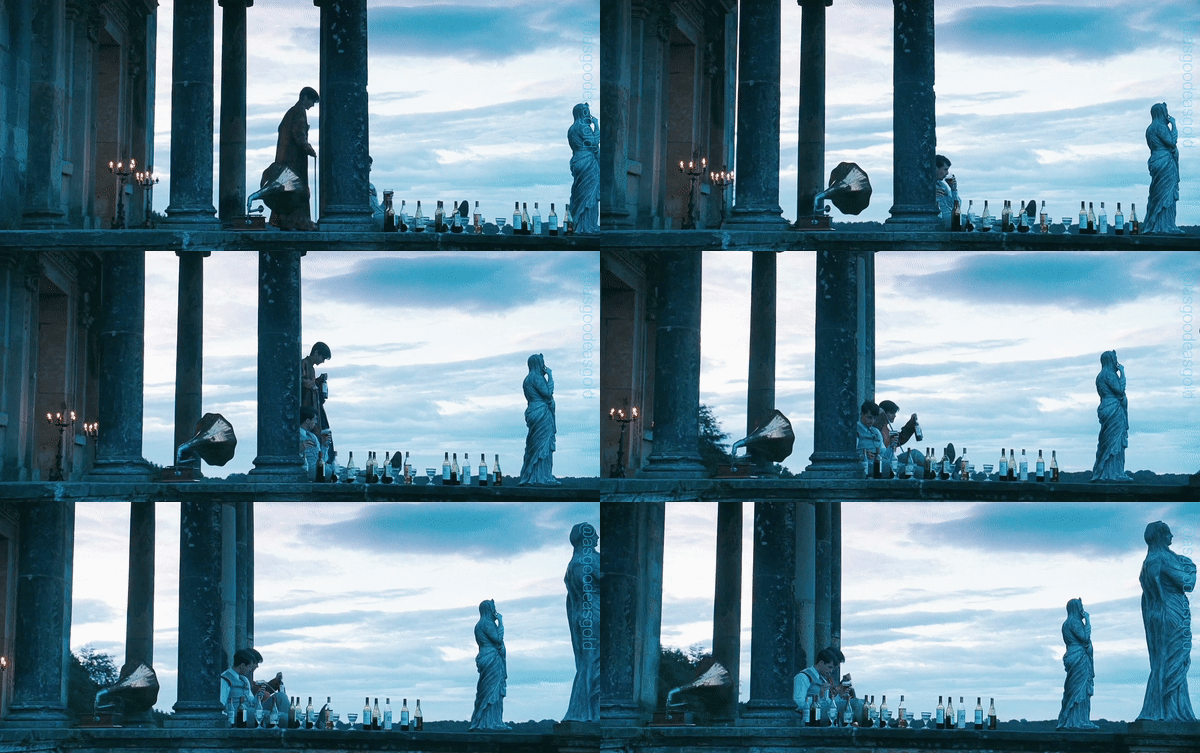
JOHN SINGER SARGENT
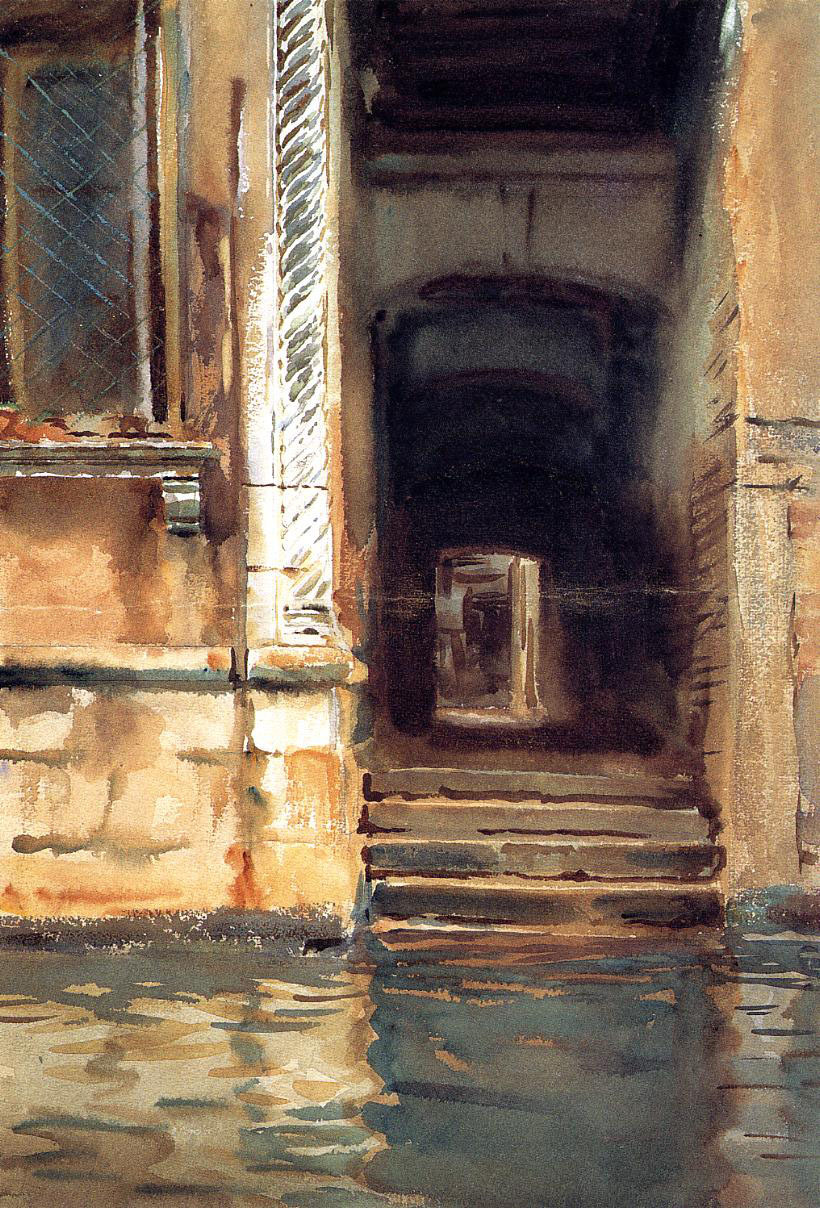
"Cultivate an ever continuous power of observation. Wherever you are, be always ready to make slight notes of postures, groups and incidents. Store up in the mind a continuous stream of observations."
WINSLOW HOMER

The Lone Boat, North Woods Club, Adirondacks, 1892
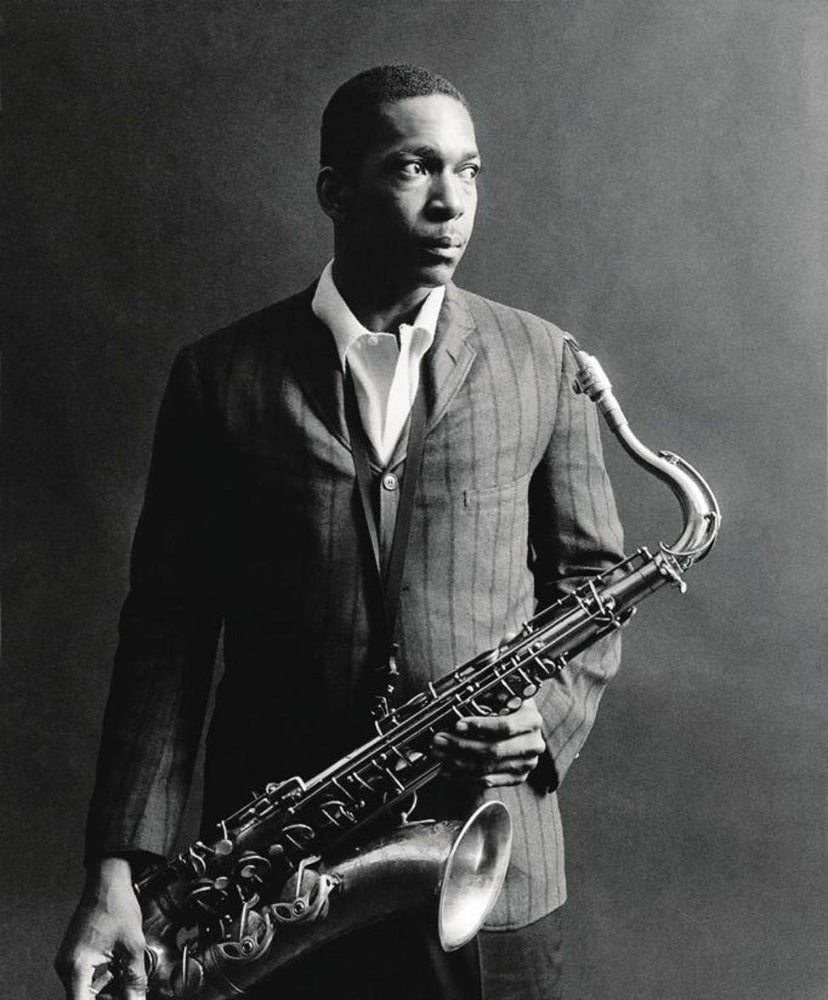

THOMAS BABINGTON MACAULEY

And how can man die better / Than facing fearful odds / For the ashes of his fathers / And the temples of his gods


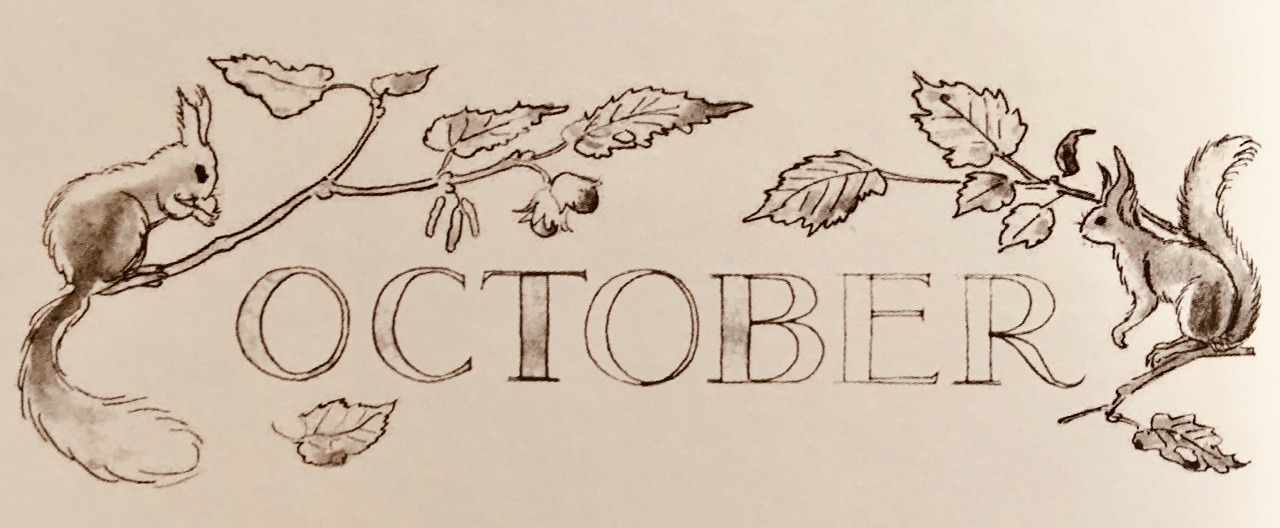
WATERHOUSE, BOREAS, 1903

WHITE HORSES Far out at sea / There are horses to ride, / Little white horses / That race with the tide. / Their tossing manes / Are the white sea-foam, / And the lashing winds / Are driving them home- / To shadowy stables / Fast they must flee, / To the great green caverns / Down under the sea. Irene Pawsey

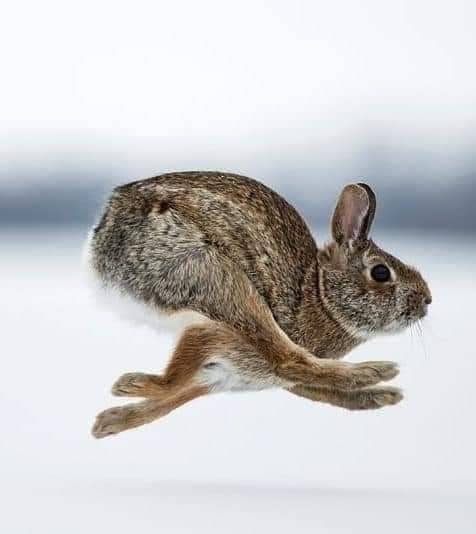
CINDY WILSON

UMBERTO LIMONGIELLO

"The euphony transformed me and inundated my soul in a roguish countenance, the likes of which I had know well in younger days. Such impishness soon drove out the complaints of the day."

F. SCOTT FITZGERALD

"I don't want to repeat my innocence. I want the pleasure of losing it again.” This Side of Paradise
RALPH WALDO EMERSON

"In skating over thin ice, our safety is in our speed."
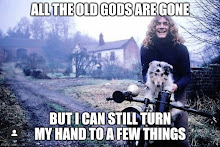
ROBERT PLANT


GARY SNYDER

"There are those who love to get dirty and fix things. They drink coffee at dawn, beer after work. And those who stay clean, just appreciate things. At breakfast they have milk and juice at night. There are those who do both, they drink tea.”

IMMANUEL KANT

"Enlightenment is man's emergence from his self-imposed nonage. Nonage is the inability to use one's own understanding without another's guidance. This nonage is self-imposed if its cause lies not in lack of understanding but in indecision and lack of courage to use one's own mind without another's guidance. Dare to know! Sapere aude. 'Have the courage to use your own understanding,' is therefore the motto of the enlightenment."
DAN CAMPBELL
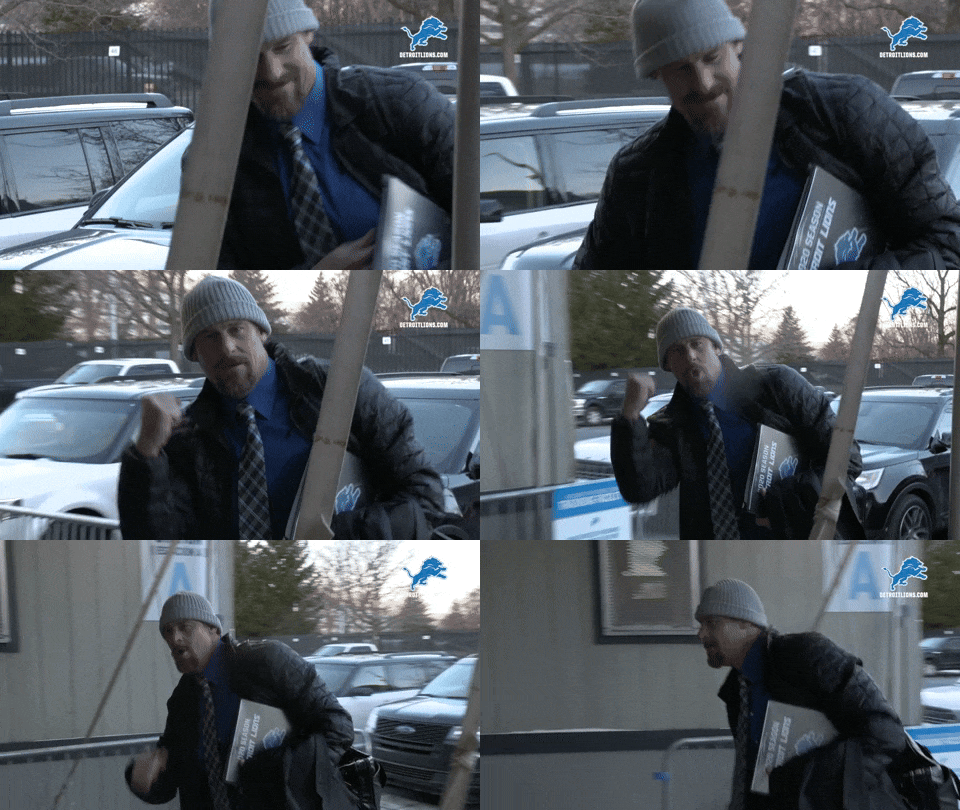
"We’re gonna kick you in the teeth, and when you punch us back we’re gonna smile at you, and when you knock us down we’re going to get up, and on the way, we’re going to bite a kneecap off. We’re going to stand up, and it’s going to take two more shots to knock us down. And on the way up, we’re going to take your other kneecap, and we’re going to get up, and it’s gonna take three shots to get us down. And when we do, we’re gonna take another hunk out of you."
THOMAS HUXLEY

"Sit down before fact as a little child, be prepared to give up every conceived notion, follow humbly wherever and whatever abysses nature leads, or you will learn nothing."
JOHN DRYDEN

"Bold knaves thrive without one grain of sense, but good men starve for want of impudence.”
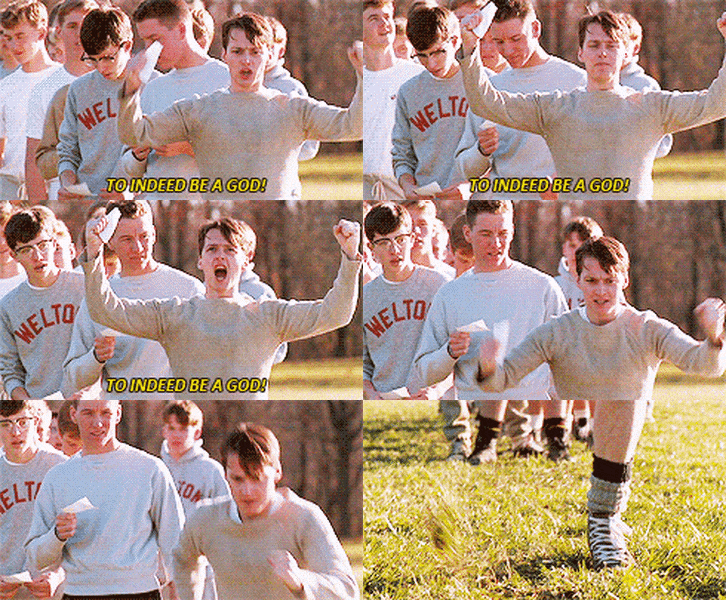
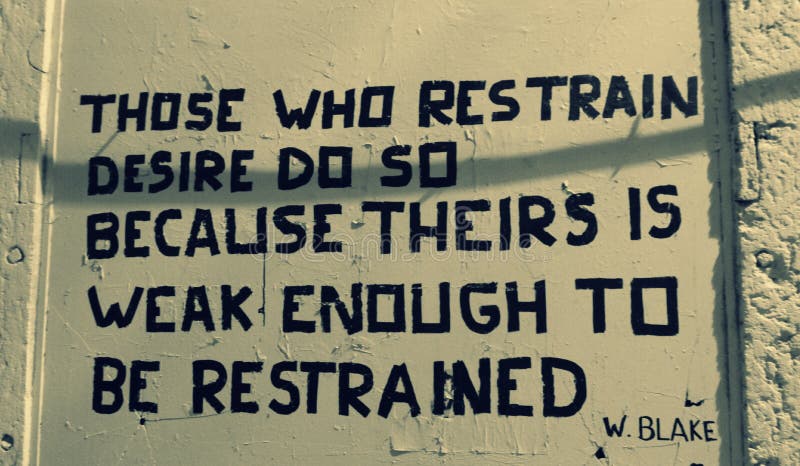
WILLIAM BLAKE
"Those who restrain desire do so because theirs is weak enough to be restrained."
HERMANN HESSE

"Whoever wants music instead of noise, joy instead of pleasure, soul instead of gold, creative work instead of business, passion instead of foolery, finds no home in this trivial world of ours."
GEORGE MACDONALD

"Certainly work is not always required of a man. There is such a thing as a sacred idleness, the cultivation of which is now fearfully neglected."
REV. DR. CORNEL WEST

"You have to have a habitual vision of greatness … you have to believe in fact that you will refuse to settle for mediocrity. You won’t confuse your financial security with your personal integrity, you won’t confuse your success with your greatness or your prosperity with your magnanimity … believe in fact that living is connected to giving.”
IT'S A WONDERFUL LIFE

"You see George, you've really had a wonderful life. Don't you see what a mistake it would be to just throw it away?"
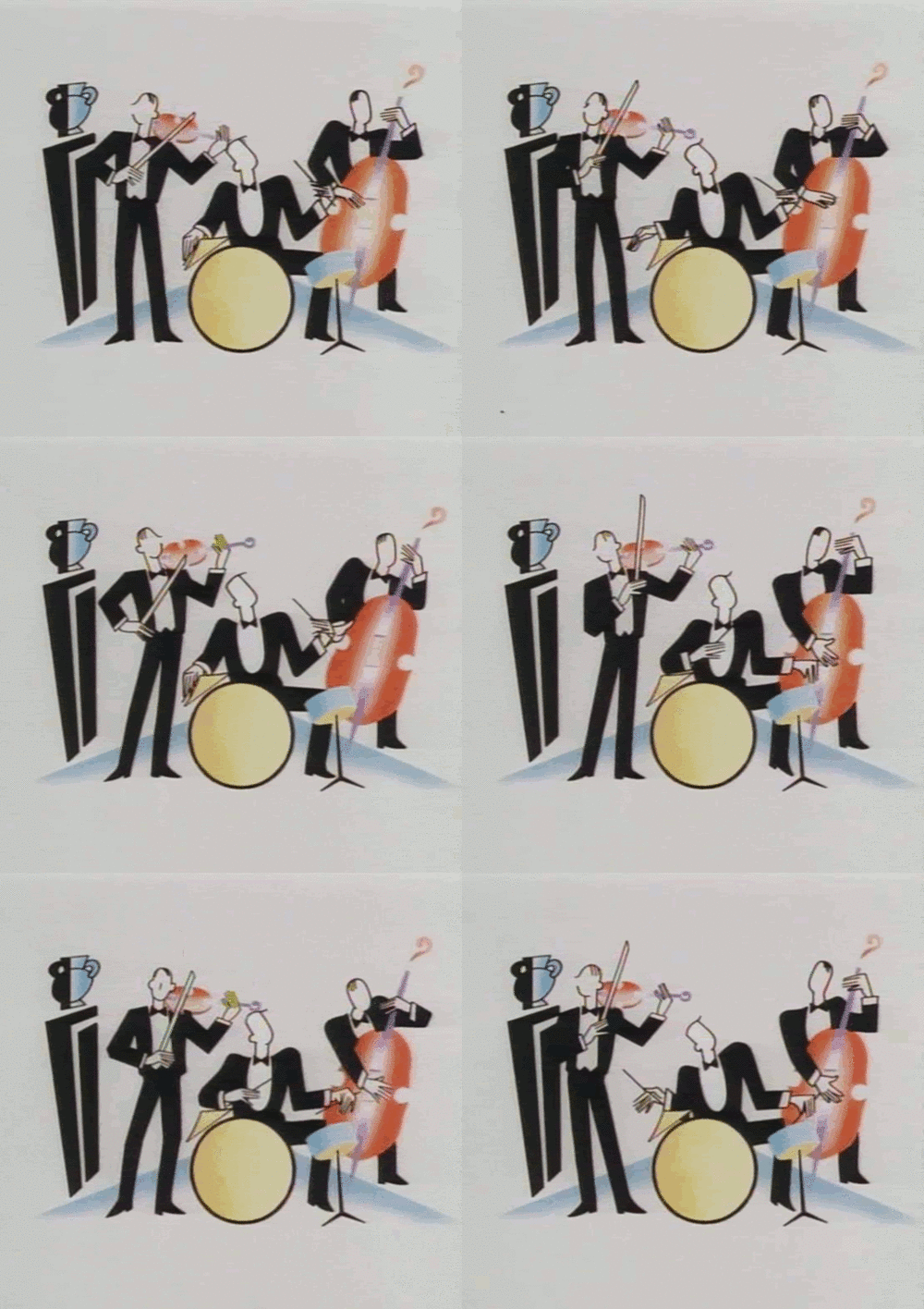
WOODY

"There's a basic rule which runs through all kinds of music, kind of an unwritten rule. I don't know what it is, but I've got it."
MIGGY

"Exuberance is beauty." (William Blake)





Festina Lente

GARAGE SALINGER

JOHN RUSKIN
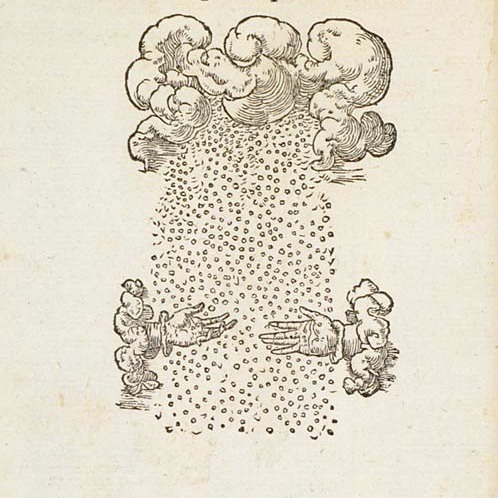
"Sunshine is delicious, rain is refreshing, wind braces us up, snow is exhilarating; there is really no such thing as bad weather, only different kinds of good weather."

Spitzweg, The Bookworm, 1850

"Literature is the most agreeable way of ignoring life.” Fernando Pessoa
WILLIAM F. BUCKLEY JR.
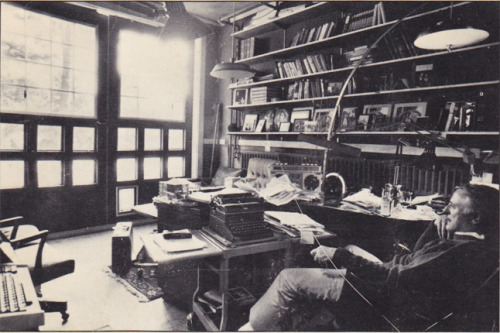
"[I]in the spiky fall season, days like today with the little chill that makes one feel freshly laundered ..."
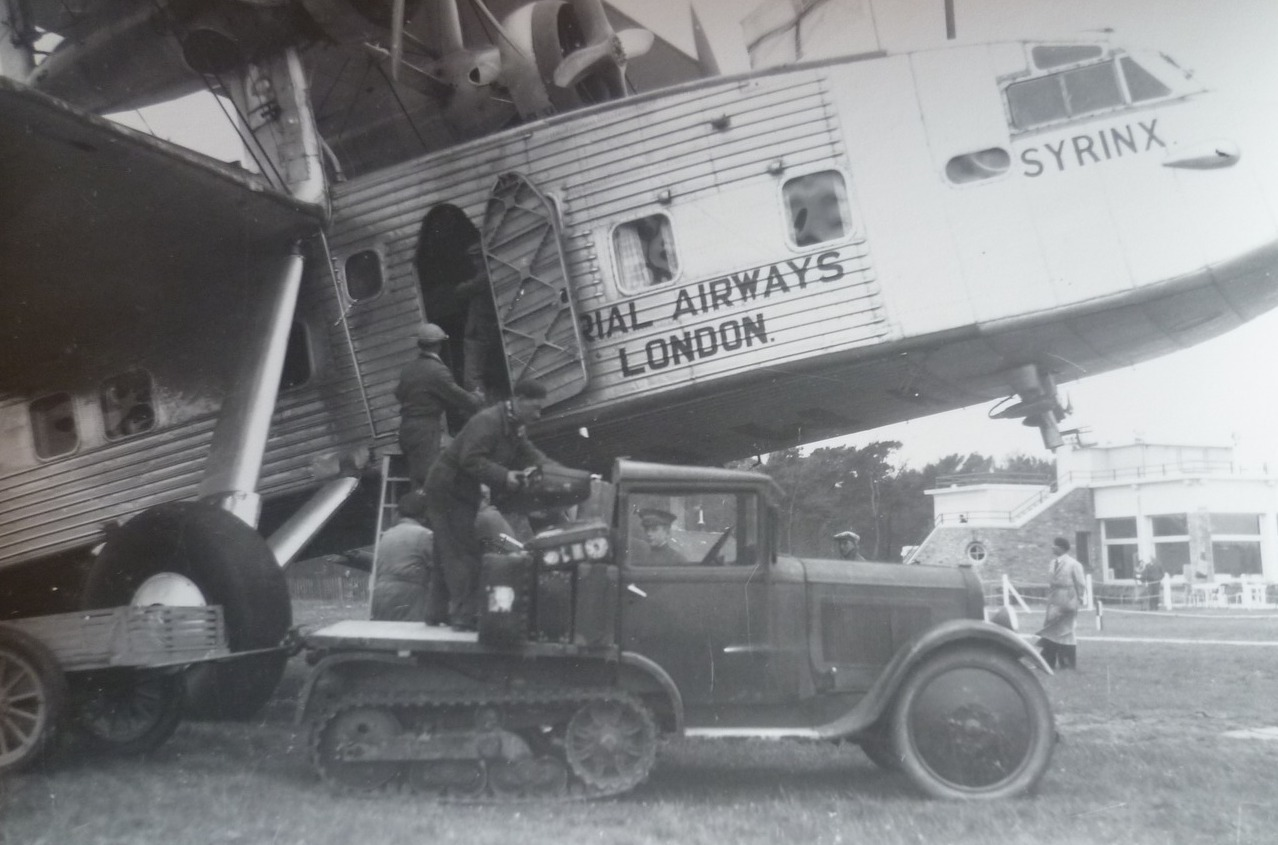
SYRINX
TINA WEYMOUTH

WALT WHITMAN
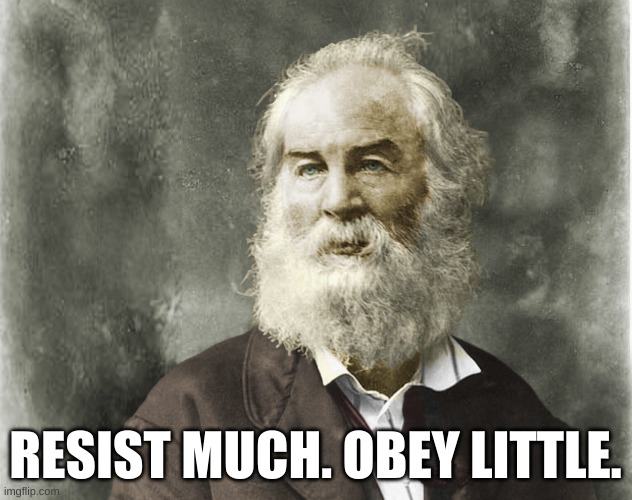
"Do I contradict myself? Very well then I contradict myself, (I am large, I contain multitudes)."


H.L. MENCKEN

"Every normal man must be tempted, at times, to spit on his hands, hoist the black flag, and begin slitting throats. But this business, alas, is fatal to the placid moods and fine other-worldliness of the poet."

FYODOR DOSTOEVSKY

"I say let the world go to hell, but I should always have my tea."
DUDLEY

"We all come from our own little planets. That's why we're all different. That's what makes life interesting."
HERMAN MELVILLE


"We're just dancing in the rain ..."
LEO TOLSTOY

"If, then, I were asked for the most important advice I could give, that which I considered to be the most useful to the men of our century, I should simply say: in the name of God, stop a moment, cease your work, look around you."
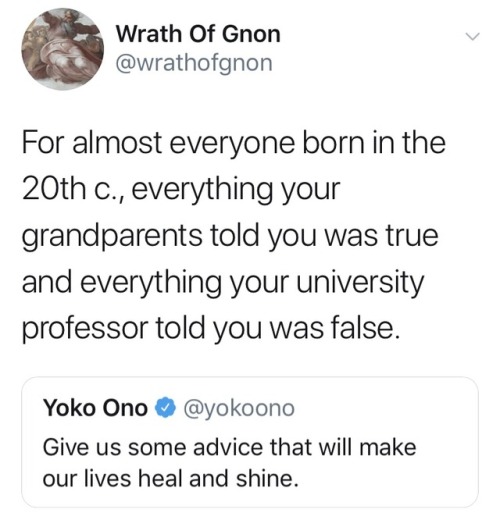

HAROLD BLOOM
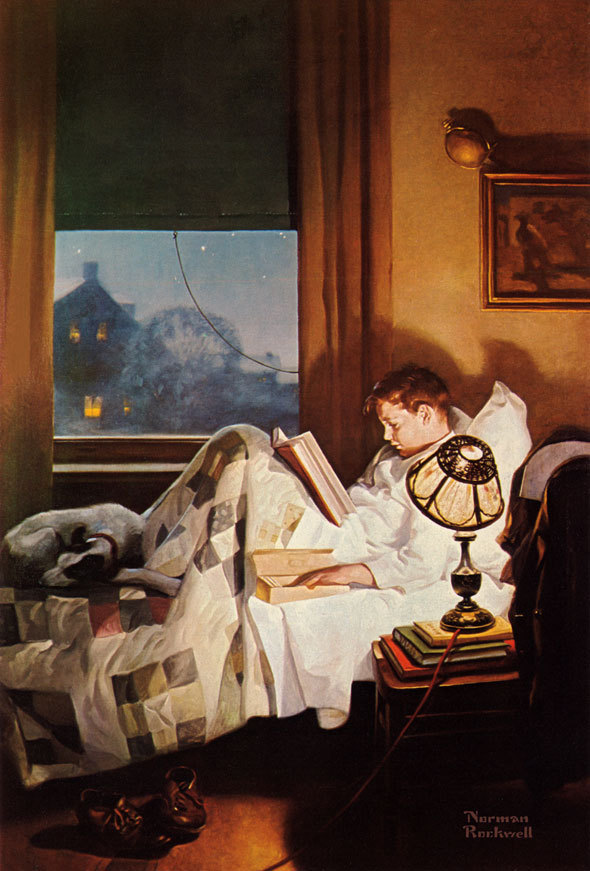
"It is hard to go on living without some hope of encountering the extraordinary."
I'm reading ...

Unlikely General: "Mad" Anthony Wayne and the Battle for America
ARTHUR RIMBAUD

"I have stretched ropes from steeple to steeple; Garlands from window to window; Golden chains from star to star ... And I dance."

RUMI

"When you do things from your soul, you feel a river moving in you, a joy.”
Shunryu Suzuki, "Beginner's Mind"

"In the beginner's mind there are many possibilities, but in the expert's there are few."
JIM HARRISON

¨The danger of civilization, of course, is that you will piss away your life on nonsense.¨
NEW ORDER
van EYCK, PORTRAIT of a MAN in a RED TURBAN, 1433

"The Poet is the Priest of The Invisible." Wallace Stevens
Atget, Notre-Dame de Paris, 1923

Technique.

"Technique is the proof of your seriousness." Wallace Stevens
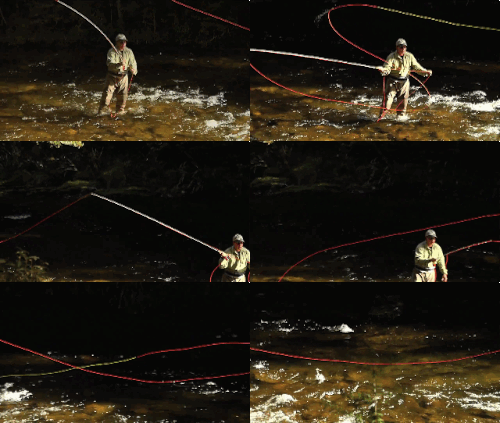
TIGHT LINES!


W.B. Yeats


THE CAPTAIN


NICHOLAS HAWKSMOOR
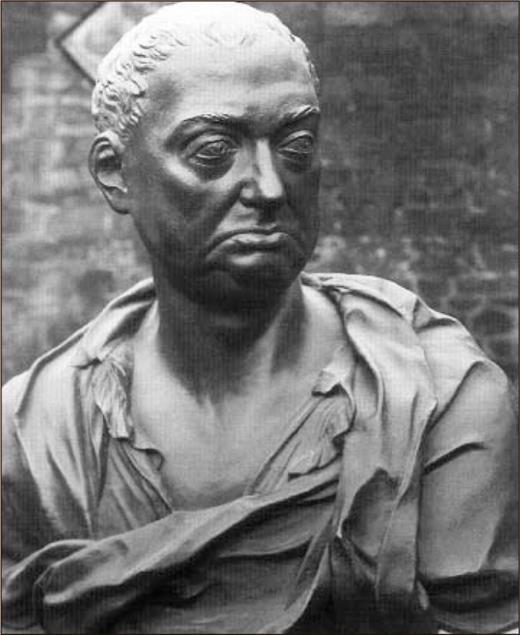
"Whatever is goode in its kinde ought to be preserv'd in respect for antiquity, as well as our present advantage, for destruction can be profitable to none but such as live by it."
THOMAS PAINE

"Whatever is my right as a man is also the right of another; and it becomes my duty to guarantee as well as to possess."
LIBERTY
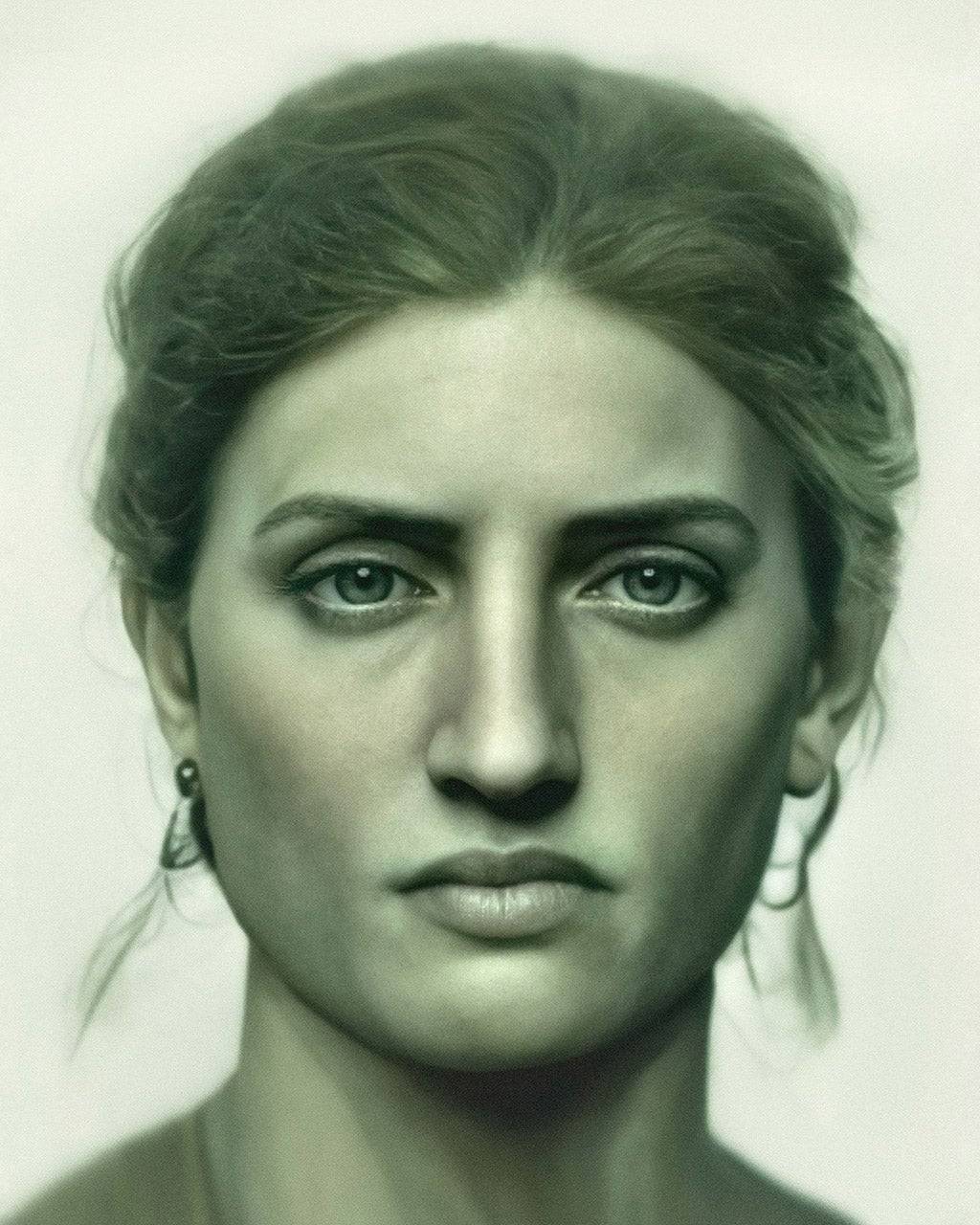
"...the imprisoned lightning"
WILLIAM F. BUCKLEY JR.

"The best defense against a usurpatory government is an assertive citizenry."

SIR PHILIP PULLMAN

"We don’t need a list of rights and wrongs, tables of dos and don’ts: we need books, time, and silence."
TRUE-BORN


THOMAS MERTON

C.S. LEWIS

“We may ignore, but we can nowhere evade, the presence of God. The world is crowded with him. He walks everywhere incognito.” (Thank you, Mr. Wade)

THOMAS PAINE


Readers

