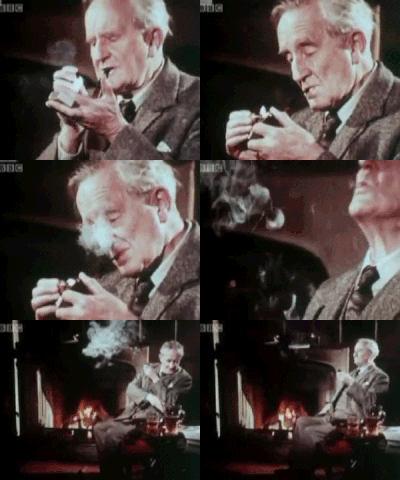
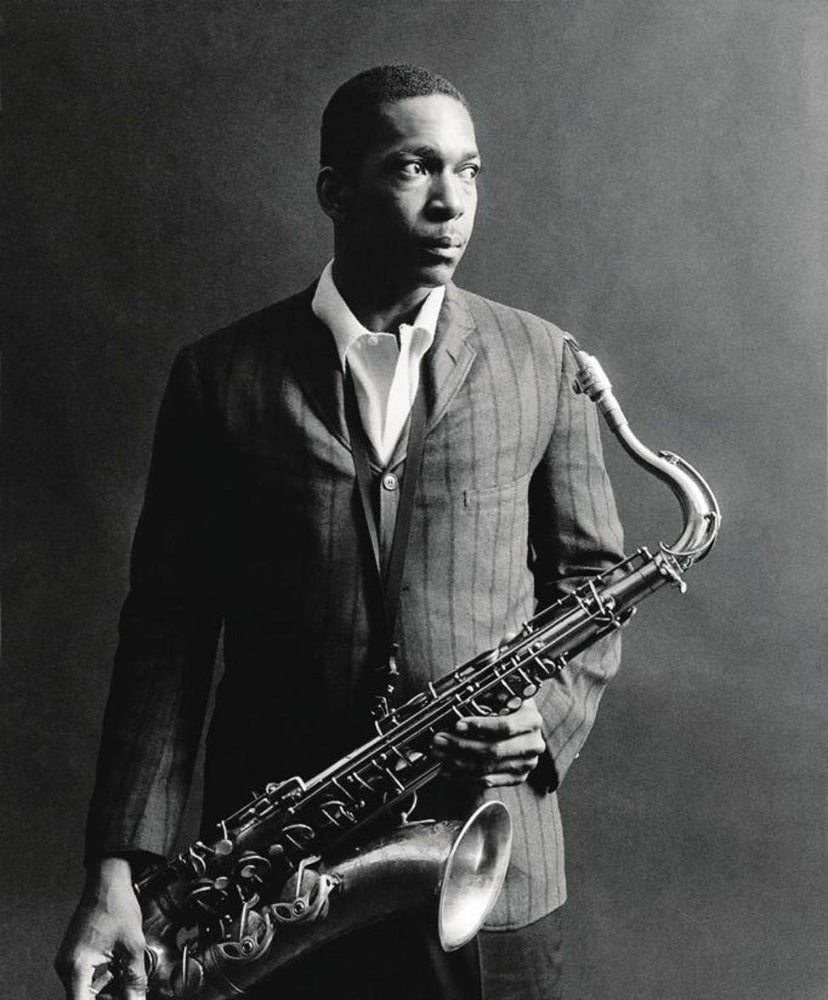
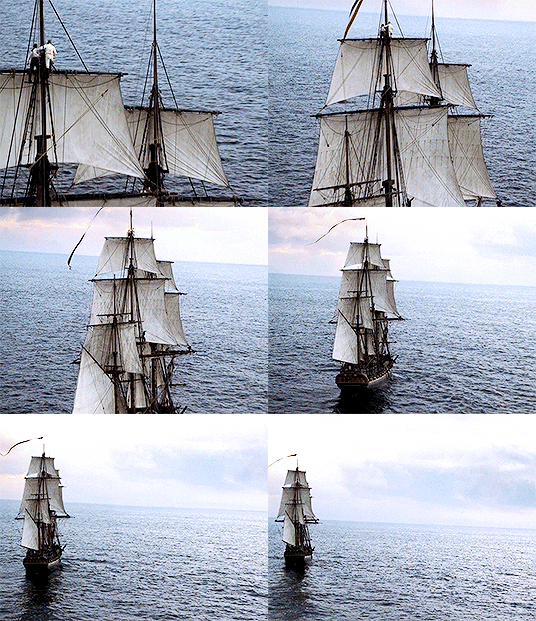
Tom Petty and The Heartbreakers released their best album, Hard Promises, on this day in 1981.
"Kings Road" ...

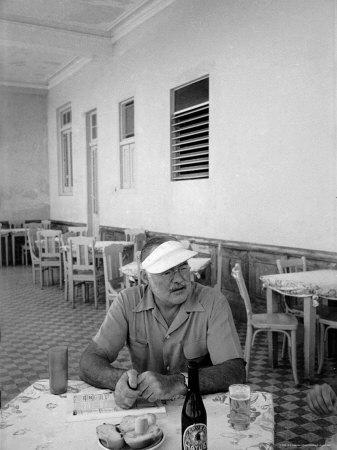



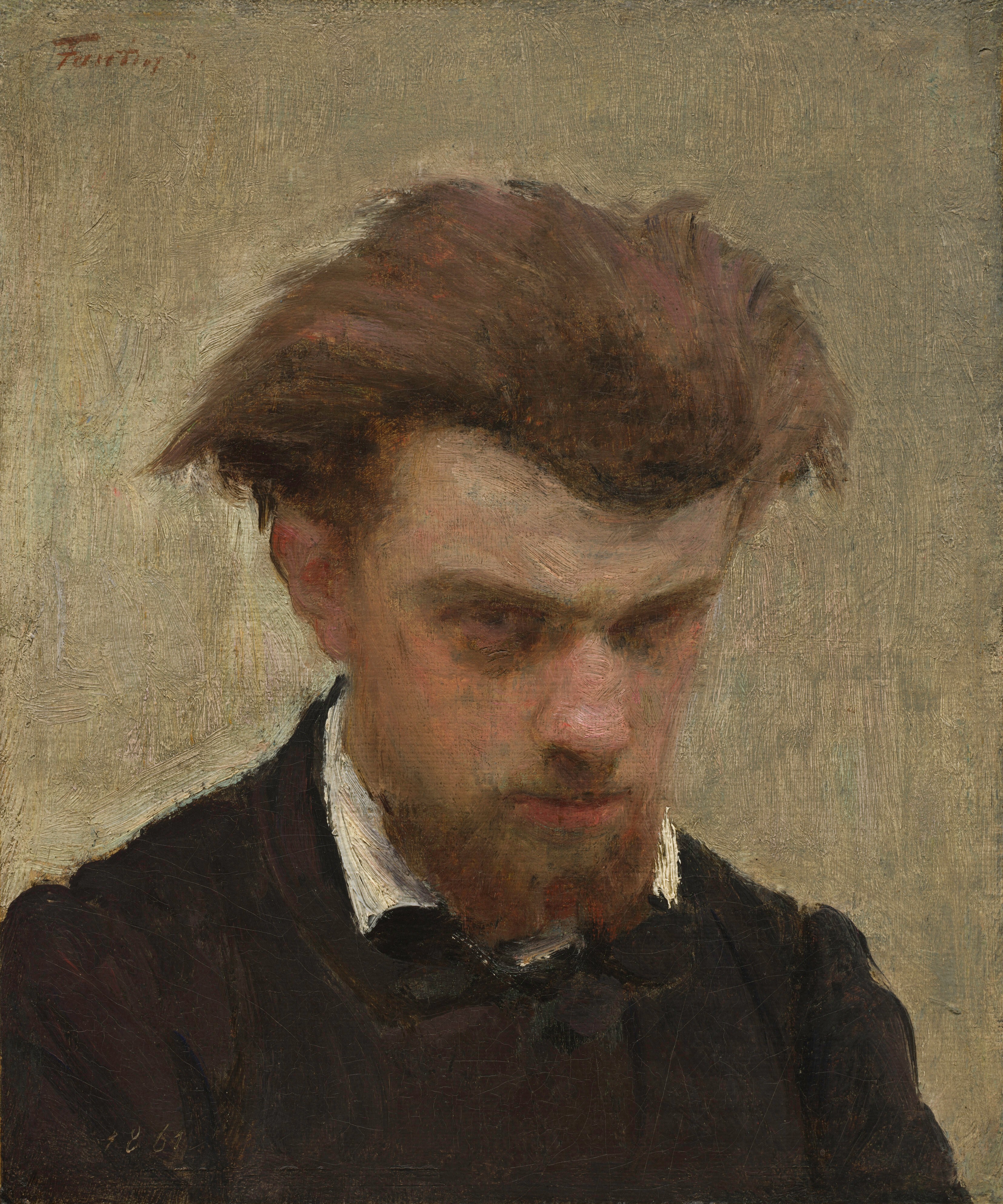

Richard Feynman on asking, "Why?"
Feynman gets stopped by a cop.Cop : why were you speeding ?Feynman : what do you mean why ?Half hour laterCop : please just leave me alone


As the first of everything, in our situation will serve to establish a Precedent, it is devoutly wished on my part, that these precedents may be fixed on true principles.


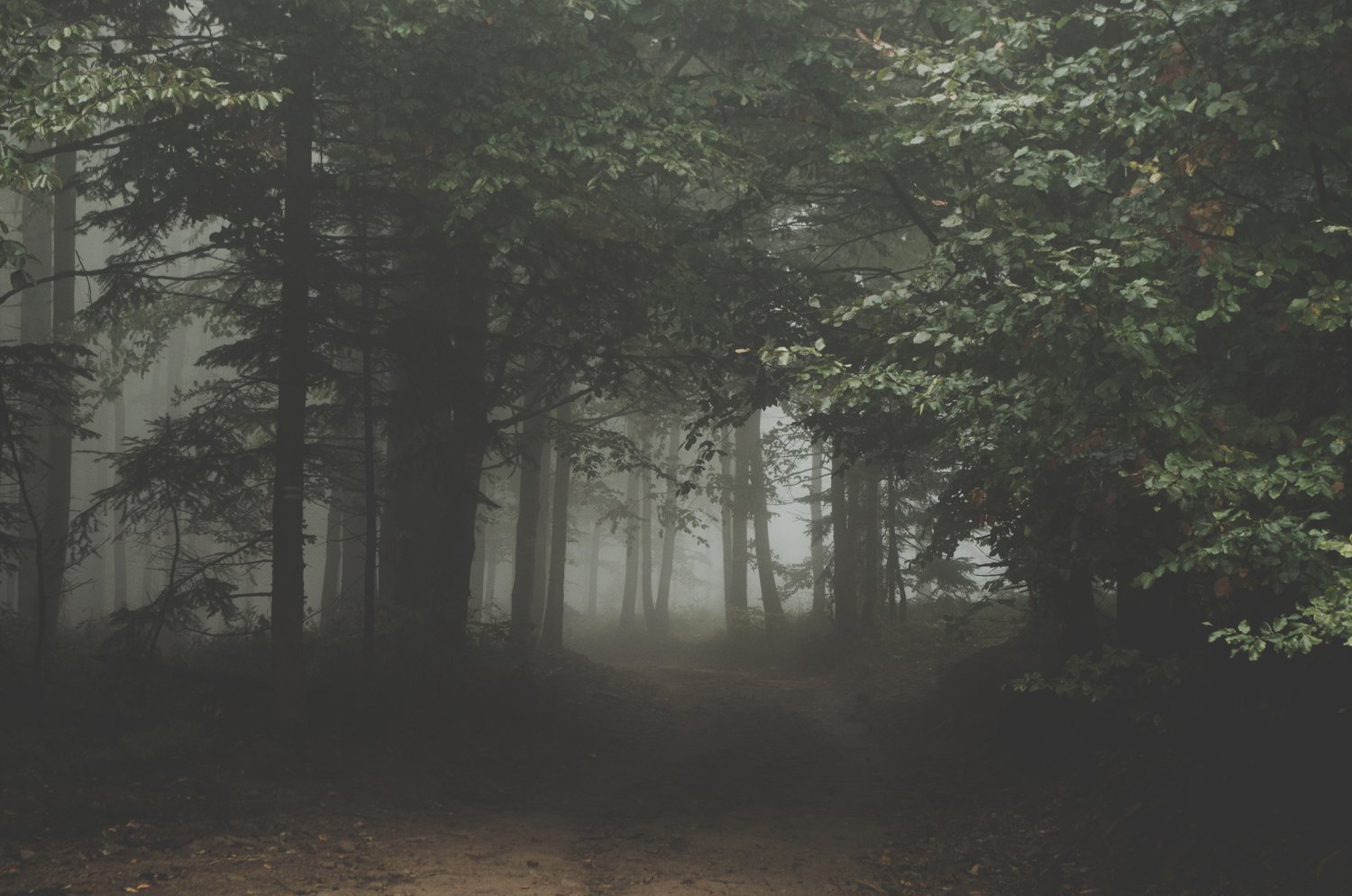
At last the horses began to go more slowly, as if they were climbing up-hill, and presently there seemed to be no more hedges and no more trees. She could see nothing, in fact, but a dense darkness on either side. She leaned forward and pressed her face against the window just as the carriage gave a big jolt.“Eh! We’re on the moor now sure enough,” said Mrs. Medlock.The carriage lamps shed a yellow light on a rough-looking road which seemed to be cut through bushes and low-growing things which ended in the great expanse of dark apparently spread out before and around them. A wind was rising and making a singular, wild, low, rushing sound.“It’s—it’s not the sea, is it?” said Mary, looking round at her companion.“No, not it,” answered Mrs. Medlock. “Nor it isn’t fields nor mountains, it’s just miles and miles and miles of wild land that nothing grows on but heather and gorse and broom, and nothing lives on but wild ponies and sheep.”“I feel as if it might be the sea, if there were water on it,” said Mary. “It sounds like the sea just now.”“That’s the wind blowing through the bushes,” Mrs. Medlock said. “It’s a wild, dreary enough place to my mind, though there’s plenty that likes it—particularly when the heather’s in bloom.”On and on they drove through the darkness, and though the rain stopped, the wind rushed by and whistled and made strange sounds. The road went up and down, and several times the carriage passed over a little bridge beneath which water rushed very fast with a great deal of noise. Mary felt as if the drive would never come to an end and that the wide, bleak moor was a wide expanse of black ocean through which she was passing on a strip of dry land.“I don’t like it,” she said to herself. “I don’t like it,” and she pinched her thin lips more tightly together.The horses were climbing up a hilly piece of road when she first caught sight of a light. Mrs. Medlock saw it as soon as she did and drew a long sigh of relief.“Eh, I am glad to see that bit o’ light twinkling,” she exclaimed. “It’s the light in the lodge window. We shall get a good cup of tea after a bit, at all events.”It was “after a bit,” as she said, for when the carriage passed through the park gates there was still two miles of avenue to drive through and the trees (which nearly met overhead) made it seem as if they were driving through a long dark vault.They drove out of the vault into a clear space and stopped before an immensely long but low-built house which seemed to ramble round a stone court. At first Mary thought that there were no lights at all in the windows, but as she got out of the carriage she saw that one room in a corner upstairs showed a dull glow.The entrance door was a huge one made of massive, curiously shaped panels of oak studded with big iron nails and bound with great iron bars. It opened into an enormous hall, which was so dimly lighted that the faces in the portraits on the walls and the figures in the suits of armor made Mary feel that she did not want to look at them. As she stood on the stone floor she looked a very small, odd little black figure, and she felt as small and lost and odd as she looked.

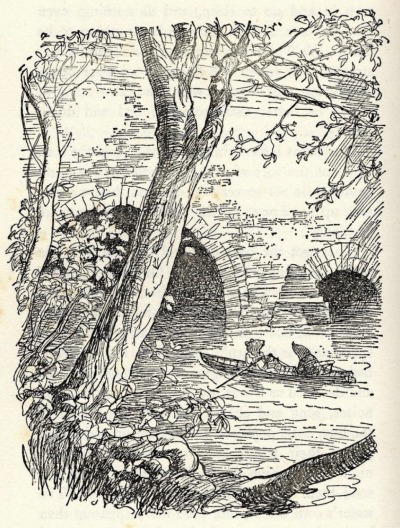
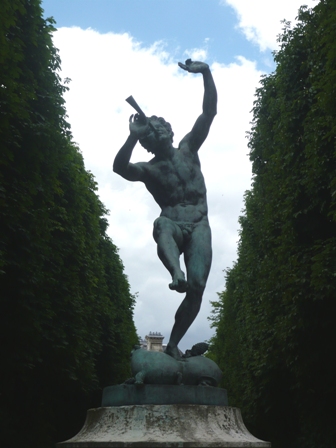
The line of the horizon was clear and hard against the sky, and in one particular quarter it showed black against a silvery climbing phosphorescence that grew and grew. At last, over the rim of the waiting earth the moon lifted with slow majesty till it swung clear of the horizon and rode off, free of moorings; and once more they began to see surfaces—meadows wide-spread, and quiet gardens, and the river itself from bank to bank, all softly disclosed, all washed clean of mystery and terror, all radiant again as by day, but with a difference that was tremendous. Their old haunts greeted them again in other raiment, as if they had slipped away and put on this pure new apparel and come quietly back, smiling as they shyly waited to see if they would be recognised again under it.Fastening their boat to a willow, the friends landed in this silent, silver kingdom, and patiently explored the hedges, the hollow trees, the runnels and their little culverts, the ditches and dry water-ways. Embarking again and crossing over, they worked their way up the stream in this manner, while the moon, serene and detached in a cloudless sky, did what she could, though so far off, to help them in their quest; till her hour came and she sank earthwards reluctantly, and left them, and mystery once more held field and river.Then a change began slowly to declare itself. The horizon became clearer, field and tree came more into sight, and somehow with a different look; the mystery began to drop away from them. A bird piped suddenly, and was still; and a light breeze sprang up and set the reeds and bulrushes rustling. Rat, who was in the stern of the boat, while Mole sculled, sat up suddenly and listened with a passionate intentness. Mole, who with gentle strokes was just keeping the boat moving while he scanned the banks with care, looked at him with curiosity.“It’s gone!” sighed the Rat, sinking back in his seat again. “So beautiful and strange and new. Since it was to end so soon, I almost wish I had never heard it. For it has roused a longing in me that is pain, and nothing seems worth while but just to hear that sound once more and go on listening to it for ever. No! There it is again!” he cried, alert once more. Entranced, he was silent for a long space, spellbound.“Now it passes on and I begin to lose it,” he said presently. “O Mole! the beauty of it! The merry bubble and joy, the thin, clear, happy call of the distant piping! Such music I never dreamed of, and the call in it is stronger even than the music is sweet! Row on, Mole, row! For the music and the call must be for us.”The Mole, greatly wondering, obeyed. “I hear nothing myself,” he said, “but the wind playing in the reeds and rushes and osiers.”The Rat never answered, if indeed he heard. Rapt, transported, trembling, he was possessed in all his senses by this new divine thing that caught up his helpless soul and swung and dandled it, a powerless but happy infant in a strong sustaining grasp.In silence Mole rowed steadily, and soon they came to a point where the river divided, a long backwater branching off to one side. With a slight movement of his head Rat, who had long dropped the rudder-lines, directed the rower to take the backwater. The creeping tide of light gained and gained, and now they could see the colour of the flowers that gemmed the water’s edge.“Clearer and nearer still,” cried the Rat joyously. “Now you must surely hear it! Ah—at last—I see you do!”Breathless and transfixed the Mole stopped rowing as the liquid run of that glad piping broke on him like a wave, caught him up, and possessed him utterly. He saw the tears on his comrade’s cheeks, and bowed his head and understood. For a space they hung there, brushed by the purple loose-strife that fringed the bank; then the clear imperious summons that marched hand-in-hand with the intoxicating melody imposed its will on Mole, and mechanically he bent to his oars again. And the light grew steadily stronger, but no birds sang as they were wont to do at the approach of dawn; and but for the heavenly music all was marvellously still.On either side of them, as they glided onwards, the rich meadow-grass seemed that morning of a freshness and a greenness unsurpassable. Never had they noticed the roses so vivid, the willow-herb so riotous, the meadow-sweet so odorous and pervading. Then the murmur of the approaching weir began to hold the air, and they felt a consciousness that they were nearing the end, whatever it might be, that surely awaited their expedition.A wide half-circle of foam and glinting lights and shining shoulders of green water, the great weir closed the backwater from bank to bank, troubled all the quiet surface with twirling eddies and floating foam-streaks, and deadened all other sounds with its solemn and soothing rumble. In midmost of the stream, embraced in the weir’s shimmering arm-spread, a small island lay anchored, fringed close with willow and silver birch and alder. Reserved, shy, but full of significance, it hid whatever it might hold behind a veil, keeping it till the hour should come, and, with the hour, those who were called and chosen.Slowly, but with no doubt or hesitation whatever, and in something of a solemn expectancy, the two animals passed through the broken tumultuous water and moored their boat at the flowery margin of the island. In silence they landed, and pushed through the blossom and scented herbage and undergrowth that led up to the level ground, till they stood on a little lawn of a marvellous green, set round with Nature’s own orchard-trees—crab-apple, wild cherry, and sloe.“This is the place of my song-dream, the place the music played to me,” whispered the Rat, as if in a trance. “Here, in this holy place, here if anywhere, surely we shall find Him!”Then suddenly the Mole felt a great Awe fall upon him, an awe that turned his muscles to water, bowed his head, and rooted his feet to the ground. It was no panic terror—indeed he felt wonderfully at peace and happy—but it was an awe that smote and held him and, without seeing, he knew it could only mean that some august Presence was very, very near. With difficulty he turned to look for his friend and saw him at his side cowed, stricken, and trembling violently. And still there was utter silence in the populous bird-haunted branches around them; and still the light grew and grew.Perhaps he would never have dared to raise his eyes, but that, though the piping was now hushed, the call and the summons seemed still dominant and imperious. He might not refuse, were Death himself waiting to strike him instantly, once he had looked with mortal eye on things rightly kept hidden. Trembling he obeyed, and raised his humble head; and then, in that utter clearness of the imminent dawn, while Nature, flushed with fullness of incredible colour, seemed to hold her breath for the event, he looked in the very eyes of the Friend and Helper; saw the backward sweep of the curved horns, gleaming in the growing daylight; saw the stern, hooked nose between the kindly eyes that were looking down on them humourously, while the bearded mouth broke into a half-smile at the corners; saw the rippling muscles on the arm that lay across the broad chest, the long supple hand still holding the pan-pipes only just fallen away from the parted lips; saw the splendid curves of the shaggy limbs disposed in majestic ease on the sward; saw, last of all, nestling between his very hooves, sleeping soundly in entire peace and contentment, the little, round, podgy, childish form of the baby otter. All this he saw, for one moment breathless and intense, vivid on the morning sky; and still, as he looked, he lived; and still, as he lived, he wondered.