
31 August 2025


Dream.
Whittredge, The Brook in the Woods, 1886
TOWARD the END of AUGUST
Toward the end of August I begin to dream about fall, how
this place will empty of people, the air will get cold and
leaves begin to turn. Everything will quiet down, everything
will become a skeleton of its summer self. Toward
the end of August I get nostalgic for what’s to come, for
that quiet time, time alone, peace and stillness, calm, all
those things the summer doesn’t have. The woodshed is
already full, the kindling’s in, the last of the garden soon
will be harvested, and then there will be nothing left to do
but watch fall play itself out, the earth freeze, winter come.
David Budbill
Guard.
Dabos, Thomas Paine, 1791

He that would make his own liberty secure, must guard even his enemy from oppression; for if he violates this duty, he establishes a precedent that will reach to himself.
Thomas Paine, from Dissertation on First Principles of Government
Enriched.
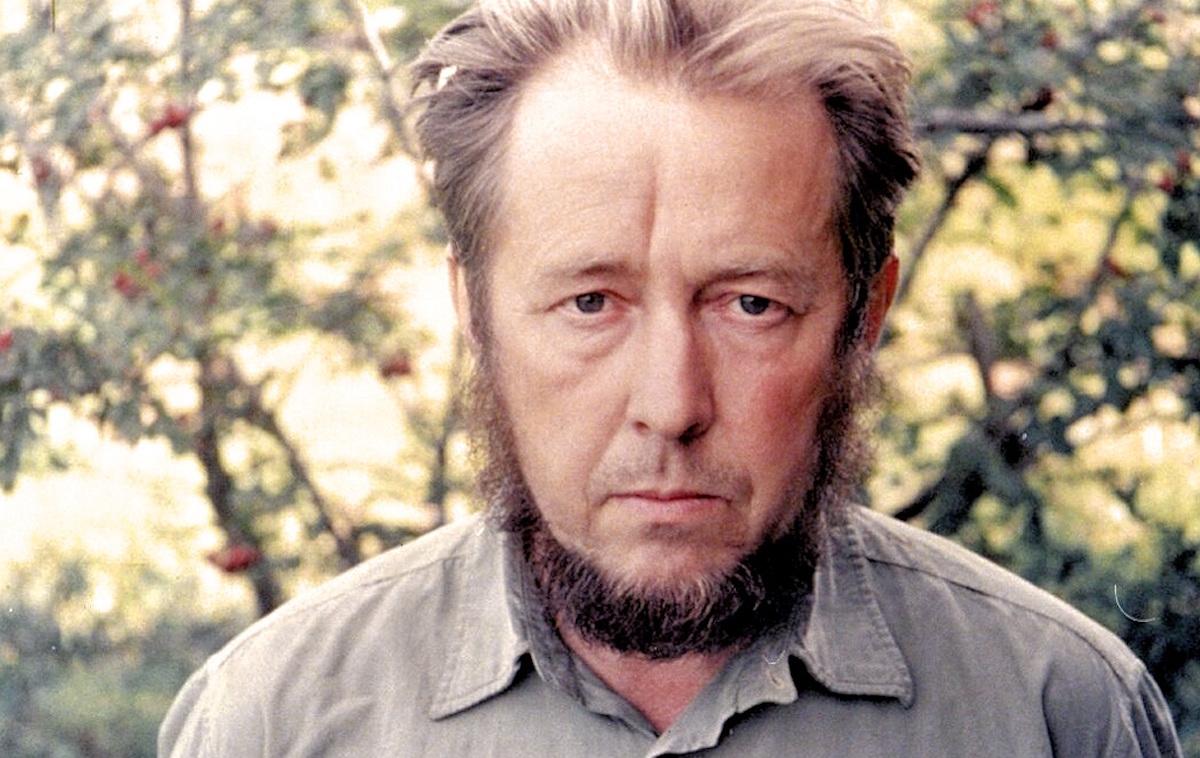
Literature cannot develop between the categories "permitted" -- "not perrnitted" -- "this you can and that you can't." Literature that is not the air of its contemporary society, that dares not pass on to society its pains and fears, that does not warn in time against threatening moral and social dangers, such literature does not deserve the name of literature; it is only a facade. Such literature loses the confidence of its own people, and its published works are used as waste paper instead of being read.
Our literature has lost the leading role it played at the end of the last century and the beginning of the present, and the brilliance of experimentation that distinguished it in the 1920s. To the entire world the literary life of our country now appears as something infinitely poorer, flatter and lower than it actually is, than it would appear if it were not restricted, hemmed in. The losers are both our country, in world public opinion, and world literature itself. If the world had access to all the uninhabited fruits of our literature, if it were enriched by our own spiritual experience, the whole artistic evolution of the world would move along in a different way, acquiring a new stability and attaining even a new artistic threshold. I propose that the congress adopt a resolution that would demand and insure the abolition of all censorship, overt or hidden, of all fictional writing and release publishing houses from the obligation of obtaining authorization for the publication of every printed page.
Aleksandr Solzhenitsyn, from One Day in the Life of Ivan Denisovich

30 August 2025

29 August 2025


Happy Birthday, John Locke
Kneller, John Locke, 1697
.jpg)
Attention and repetition help much to the fixing any ideas in the memory. But those which naturally at first make the deepest and most lasting impressions, are those which are accompanied with pleasure or pain.
John Locke

28 August 2025
Released.

Devo released Q: Are We Not Men? A: We Are Devo! on this day in 1978.
"Uncontrollable Urge" ...
There's still time to edit your Labor Day mix.
Now,

Every day one should at least hear a little song, read a good poem, see a fine picture, and, if it were possible, speak a few sensible words.
Johann Wolfgang von Goethe
The weekend begins now.
Excellent.
An excellent book ...

There are those days which seem a taking in of breath which, held, suspends the whole earth in its waiting. Some summers refuse to end.
So along the road those flowers spread that, when touched, give down a shower of autumn rust. By every path it looks as if a ruined circus had passed and loosed a trail of ancient iron at every turning of a wheel. The rust was laid out everywhere, strewn under trees and by river-banks and near the tracks themselves where once a locomotive had gone but went no more. So flowered flakes and railroad track together turned to moulderings upon the rim of autumn.
Happy Birthday, Johann Wolfgang von Goethe
Tischbein, Goethe in the Roman Campagna, 1787

To-day I have had a scene, which, if literally related, would make the most beautiful idyl in the world. But why should I talk of poetry and scenes and idyls? Can we never take pleasure in nature without having recourse to art?
Johann Wolfgang von Goethe
27 August 2025
Deprived.

Hannah Arendt, from an interview in The New York Review of Books on October 26, 1978 ...
If everybody always lies to you, the consequence is not that you believe the lies, but rather that nobody believes anything any longer. This is because lies, by their very nature, have to be changed, and a lying government has constantly to rewrite its own history. On the receiving end you get not only one lie—a lie which you could go on for the rest of your days—but you get a great number of lies, depending on how the political wind blows. And a people that no longer can believe anything cannot make up its mind. It is deprived not only of its capacity to act but also of its capacity to think and to judge. And with such a people you can then do what you please.


Happy Birthday, George Wilhelm Friedrich Hegel

The familiar, precisely because it is familiar, remains unknown.
Georg Wilhelm Friedrich Hegel, born on this day in 1770
26 August 2025
Contrast.
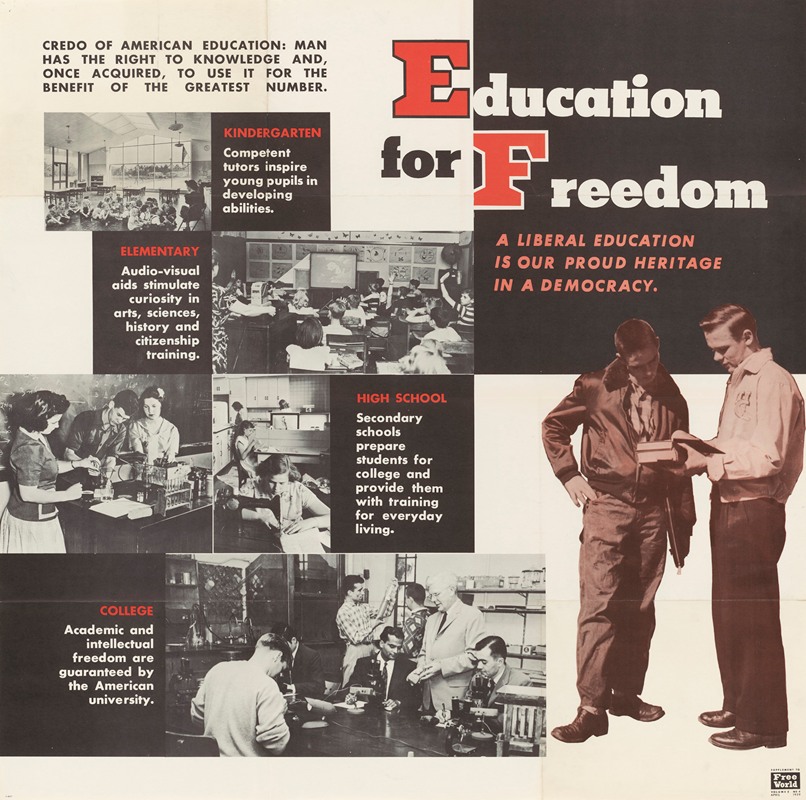
Eric Foner on the education of a historian ...
[F]reedom has been an American preoccupation ever since the Revolution gave birth to a nation that identified itself as a unique embodiment of freedom in a world overrun by oppression. The Declaration of Independence includes liberty among mankind’s unalienable rights; the Constitution announces at the outset the aim of securing the “blessings of liberty.” As the educator and statesman Ralph Bunche wrote in 1940, “every man in the street, white, red, black, or yellow, knows that this is ‘The land of the free…[and] the cradle of liberty.’”Yet freedom is neither a fixed idea nor a story of progress toward a predetermined goal. The history of American freedom is a tale of debates and struggles. Often, battles for control of the idea illustrate the contrast between the “negative” and “positive” meanings of freedom, a dichotomy elaborated by Isaiah Berlin in an influential essay in 1958. Negative liberty defines freedom as the absence of outside restraints on individual action. Positive liberty is a form of empowerment—the ability to establish and achieve one’s goals. While the first sees government as a threat to individual freedom, the second often requires governmental action to remove barriers to its enjoyment.
Hardy.

The air seems to become as accessible to him as the waters. The name of Montgolfier, the names of those hardy navigators of the new element, will live through time; but who among us, on seeing these superb experiments, has not felt his soul elevated, his ideas expanded, his mind enlarged?
Jean-Sylvain Bailly speaking about Joseph-Michel Montgolfier, the inventor on the hot-air balloon who was born on this day in 1740
What a compliment.
25 August 2025

24 August 2025

See.
Soon after their rise to power in 1933, the Nazis purged so-called "degenerate art" from German public institutions. Artworks deemed degenerate by the Nazis included modern French and German artists in the areas of cubism, expressionism, and impressionism. Approximately sixteen thousand pieces were removed, and by 1938 the Nazi Party declared that all German art museums were purified. State-sponsored exhibitions of this art followed the Nazi purges, clarifying to Germans which types of modern art were now unacceptable in the new German Reich. Soon after, an auction of 126 degenerate artworks took place in 1939 at the Fischer Gallerie in Lucerne, Switzerland, in order to increase revenues for the party. The auctioned paintings by modern masters, many previously purged from German public institutions, included works by van Gogh and Matisse.Hitler called for a new art, an art that portrayed the Volk and the Volksgemeinschaft (Volk community) as "a realization not of individual talents or of the inspiration of a lone genius, but of the collective expression of the Volk, channeled through the souls of individual creators."8 Hitler wanted new cultural and artistic creativity to arise in Germany, with the "folk-related" and "race-conscious" arts of Nazi culture replacing what he called the "Jewish decadence" of the Weimar Republic.9 According to the Nazis, acceptable and desirable art included Old Flemish and Dutch masters; medieval and Renaissance German artworks; Italian Renaissance and baroque pieces; eighteenth-century French artworks; and nineteenth-century German realist painters depicting the German Volk culture.
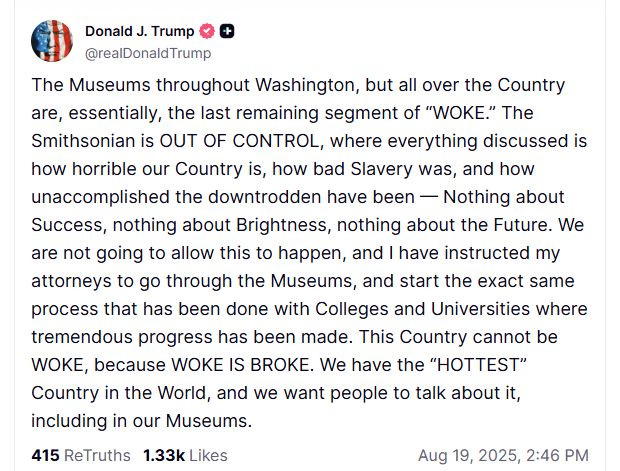
This week in The Hill ...
“The Smithsonian is OUT OF CONTROL, where everything discussed is how horrible our Country is, how bad Slavery was, and how unaccomplished the downtrodden have been — Nothing about Success, nothing about Brightness, nothing about the Future,” the president wrote Tuesday in a Truth Social post.
“We are not going to allow this to happen, and I have instructed my attorneys to go through the Museums, and start the exact same process that has been done with Colleges and Universities where tremendous progress has been made,” he added. “This Country cannot be WOKE, because WOKE IS BROKE.”
During his first term, Trump lauded the opening of the National Museum of African American History and Culture for its portrayal of harsh truths and storied victories for disenfranchised Black citizens.
Trump’s issue with the depiction of slavery in museums has been widely challenged by Black historians and community leaders.
“Just as the Holocaust is remembered in all its brutality, so must America reckon with the truth of chattel slavery, Jim Crow and racial terror,” Toni Draper, publisher of the Afro-American Newspaper — the archives of which were used to help curate the museum — wrote in a recent op-ed for Afro.com. “Anything less is historical erasure, a rewriting of facts to make the nation appear more palatable.”
“But history is not meant to comfort — it is meant to confront. And only in confrontation do we find the lessons that lead us forward,” she added.
Sir Roger Scruton from his essay, "Why I Became a Conservative"...
Real freedom, concrete freedom, the freedom that can actually be defined, claimed, and granted, was not the opposite of obedience but its other side. The abstract, unreal freedom of the liberal intellect was really nothing more than childish disobedience, amplified into anarchy.
Kurt Vonnegut from Mother Night ...
I saw a huge steam roller,
It blotted out the sun.
The people all lay down, lay down;
They did not try to run.
My love and I, we looked amazed
Upon the gory mystery.
"Lie down, lie down!" the people cried.
"The great machine is history!"
My love and I, we ran away,
The engine did not find us.
We ran up to a mountain top,
Left history far behind us.
Perhaps we should have stayed and died,
But somehow we don't think so.
We went to see where history'd been,
And my, the dead did stink so.


Happy Birthday, Charles Follen McKim
McKim, Mead & White, Isaac Bell House, 1889


Charles Follen McKim was born on this day in 1847.
Charles Follen McKim: Creating an Architecture for America ...

Happy Birthday, Jorge Luis Borges
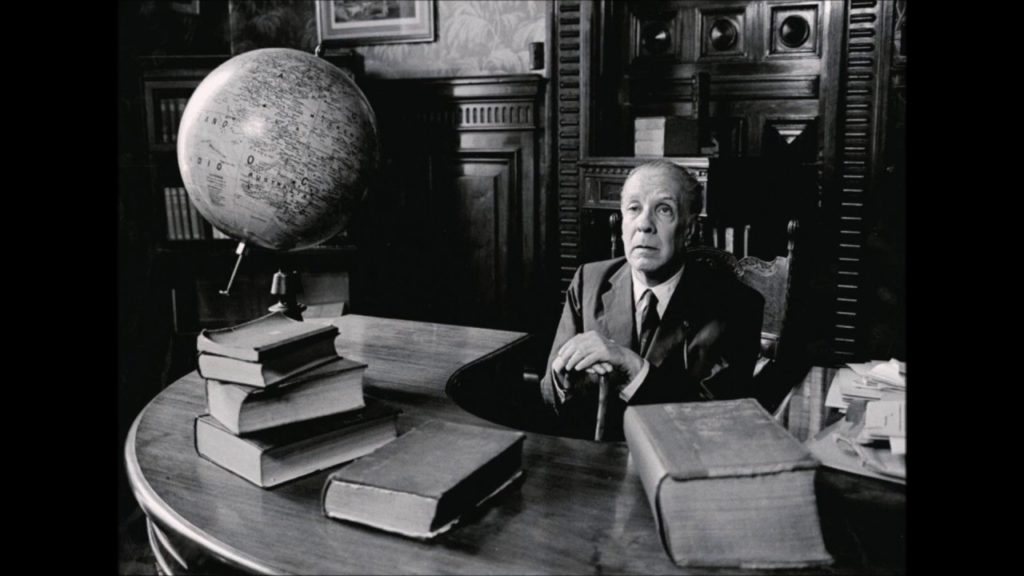
A writer, or any man, must believe that whatever happens to him is an instrument; everything has been given for an end. This is even stronger in the case of the artist. Everything that happens, including humiliations, embarrassments, misfortunes, all has been given like clay, like material for one’s art. One must accept it.
Jorge Luis Borges, born on this day in 1899, from Twenty-Four Conversations with Borges: Including a Selection of Poems
A conversation with Buckley from the February 1, 1977 airing of Firing Line ...
If I say, for example, that "the moon is the mirror of time," that’s a fine metaphor, don’t you think?
23 August 2025


Re-Echoed.
Wyeth, N.C., Elizabethan Galleons, 1924
.jpg)
THE GALLEON
And at the last
They took the timbers next the old ship's heart,
And carved a stately chair, and set it up
By Oxford town, in Bodley's library.
Where some declare her spirit haunts the place
In gentle guise, so that if one should come
To seek for rest and wisdom, he shall find
Such treasure as he'd miss in many books
And going forth, renewed in faith and hope,
Prevail against a world of obstacles
As she prevailed, what time she strove, and set
A girdle round the earth.
She was launched in Merrie England, in a world ablaze with Spring,
And in brave and ancient fashion did they make her "hallowing."
Stretched her aching limbs, rejoicing in the freedom she had won.
And "I pray for happy guidance," cried the little galleon.
Now the lodestone lay and listened, who is old as he is wise.
For he whispers to the rudder where a galleon's pathway lies;
Swung him round, to give her comfort, looking North across the sea,
And "Your Ladyship," he answered," take a birthday gift from me.
"Doubt's a shifty kind of helmsman, and a rogue from truck to keel.
And he'll steer you to disaster ev'ry time he takes the wheel.
Follow fear and find a phantom, but to exorcise the wraith,
Take a fussy fogey's blessing, which the sailor men call Faith."
So she steered her to the South'ard as the lodestone bade her steer,
And behold, there soon beset her both the villains doubt and fear;
For, to wreck the great adventure and to bring her grief and shame,
As, in sooth it might be Judas, so the traitor Doughty came.
But by faith she held her purpose, and I pray such faith be mine,
Till she came to Port San Julian, far away below the Line.
And by faith she bare her sorrow, and by faith she fought despair,
Shadow'd by Magellan's gallows, and — she left the traitor there.
From a wet and weeping sunset to a rude and angry morn
Tramped the South Atlantic rollers, curled and crested by the Horn -
Gave her grey and gloomy greeting as they hove and hurried on ;
And "I pray for strength to conquer," cried the little galleon.
And the "roaring forties" heard her, and they gazed at her agape.
Where they bind the seas together, stretching taut from Cape to Cape;
Well they know the grey-backed rollers, crest to hollow through and through.
And "Your Ladyship," they hailed her, "we've a birthday gift for you.
"Never fear the old grey rollers, meet them boldly as you go,
They be sent to lift a galleon from the dreary troughs below.
For the purchase block is doubled when there's courage on the rope;
O'er the conquered crests of trouble gleam the rainbow rays of Hope.'
One by one each sullen roller passed her, stronger, to his mates
Till they left her, at the portals of the dread Magellan Straits,
To the mercies of the Island where the fire and demons be,
And Tierra del Fuego lit her through to open sea.
Then in faith and hope she struggled, where the Horn, beneath her feet,
Rules the riot in the roadway as the rival oceans meet.
Three and fifty days she battled — such a fight was never known —
Till the lodestone led her Northward and she came into her own.
Followed fast, in new-born wonder, and she got her wealth and fame.
Till the land was filled with laughter and the terror of her name;
All pursuing, left pursuers, mocked their bravest and their best.
And she cried ,"The world encompassed," as the lodestone led her West,
Now a rocky reef lay waiting, he whose falsehoods never cease:
"You have wealth and fame a plenty, come and wait awhile in peace."
And it may be she was weary, or was lulled by perils past,
For his wicked weedy shoulders caught and held the galleon fast.
But the mother sea was watching, who has pity past behef,
And her bosom heaved in sorrow where she marked the sunken reef.
''Faith and hope may sink to slumber when they sail with careless ease.
And I fain would give my daughter what is greater far than these."
So the old sea sang of England, Merrie England in the Spring,
Of the daffodils that garlanded a galleon's hallowing.
Till the voice of England, calling, waked — a galleon on a shoal
Who had held the world to ransom, but was like to lose her soul.
Then she saw what it shall profit, and she cast into the deep
Wealth of silver, silk and spices, "as would make a miser weep."
And the gentle sea, rejoicing, took her daughter to her breast
With a love past understanding, and she found what men call rest.
Knew the joy that's all-abiding, which may come to these alone
Who, in perfect self -surrender, find a strength beyond their own:
Spread her snowy wings in gladness at the secret she had won,
And "His mercy aye endureth," cried the little galleon.
There's a sturdy seaman's statue, and it stands on Plymouth Hoe,
Where the bowling green re-echoed to his message long ago;
And his eyes are lit with laughter, and his hair is crisp and curled,
As he gazes out to seaward with his hand upon the world.
And if fortune find you worthy to be with him, heart and mind.
Safely anchored off his Island, you shall see the Golden Hind.
Admiral Ronald A. Hopwood
Survive.

"The Mountain Song"
Lookin' up a trail for a sign as I travel thereA liquor still, an old deer trail, or the home of a big old bearI wouldn't want to mess with him because it is his homeHe's like me, he's better left alone ...
The best survive without the need for reinvention.
Remember.
And this is where we went, I thought,
Now here, now there, upon the grass
Some forty years ago.
I had returned and walked along the streets
And saw the house where I was born
And grown and had my endless days.
The days being short now, simply I had come
To gaze and look and stare upon
The thought of that once endless maze of afternoons.
But most of all I wished to find the places where I ran
As dogs do run before or after boys,
The paths put down by Indians or brothers wise and swift
Pretending at a tribe.
I came to the ravine.
I half slid down the path
A man with graying hair but seeming supple thoughts
And saw the place was empty.
Fools! I thought. O, boys of this new year,
Why don’t you know the Abyss waits you here?
Ravines are special fine and lovely green
And secretive and wandering with apes and thugs
And bandit bees that steal from flowers to give to trees.
Caves echo here and creeks for wading after loot:
A water-strider, crayfish, precious stone
Or long-lost rubber boot --
It is a natural treasure-house, so why the silent place?
What’s happened to our boys that they no longer race
And stand them still to contemplate Christ’s handiwork:
His clear blood bled in syrups from the lovely wounded trees?
Why only bees and blackbird winds and bending grass?
No matter. Walk. Walk, look, and sweet recall.
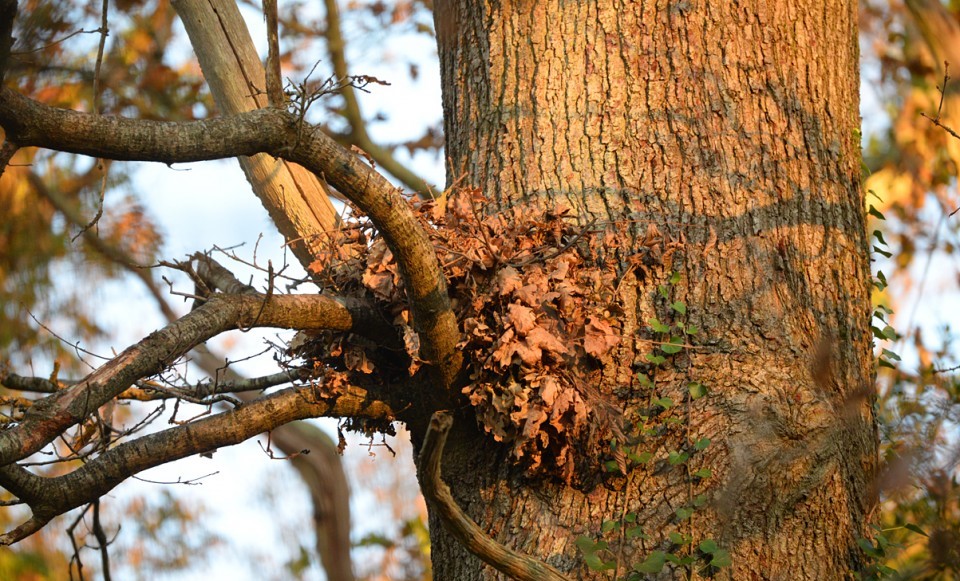
I came upon an oak where once when I was twelve
I had climbed up and screamed for Skip to get me down.
It was a thousand miles to earth. I shut my eyes and yelled.
My brother, richly compelled to mirth, gave shouts of laughter
And scaled up to rescue me.
"What were you doing there?" he said.
I did not tell. Rather drop me dead.
But I was there to place a note within a squirrel nest
On which I’d written some old secret thing now long forgot.
Now in the green ravine of middle years I stood
Beneath that tree. Why, why, I thought, my God,
It’s not so high. Why did I shriek?
It can’t be more than fifteen feet above. I’ll climb it handily.
And did.
And squatted like an aging ape alone and thanking God
That no one saw this ancient man at antics
Clutched grotesquely to the bole.
But then, ah God, what awe.
The squirrel’s hole and long-lost nest were there.
I lay upon the limb a long while, thinking.
I drank in all the leaves and clouds and weathers
Going by as mindless
As the days.
What, what, what if? I thought. But no. Some forty years beyond!
The note I’d put? It’s surely stolen off by now.
A boy or screech-owl’s pilfered, read, and tattered it.
It’s scattered to the lake like pollen, chestnut leaf
Or smoke of dandelion that breaks along the wind of time...
No. No.
I put my hand into the nest. I dug my fingers deep.
Nothing. And still more nothing. Yet digging further
I brought forth:
The note.
Like mothwings neatly powdered on themselves, and folded close
It had survived. No rains had touched, no sunlight bleached
Its stuff. It lay upon my palm. I knew its look:
Ruled paper from an old Sioux Indian Head scribble writing book.
What, what, oh, what had I put there in words
So many years ago?
I opened it. For now I had to know.
I opened it, and wept. I clung then to the tree
And let the tears flow out and down my chin.
Dear boy, strange child, who must have known the years
And reckoned time and smelled sweet death from flowers
In the far churchyard.
It was a message to the future, to myself.
Knowing one day I must arrive, come, seek, return.
From the young one to the old. From the me that was small
And fresh to the me that was large and no longer new.
What did it say that made me weep?
I remember you.
I remember you.
Ray Bradbury
22 August 2025
Happy Birthday, Ray Bradbury
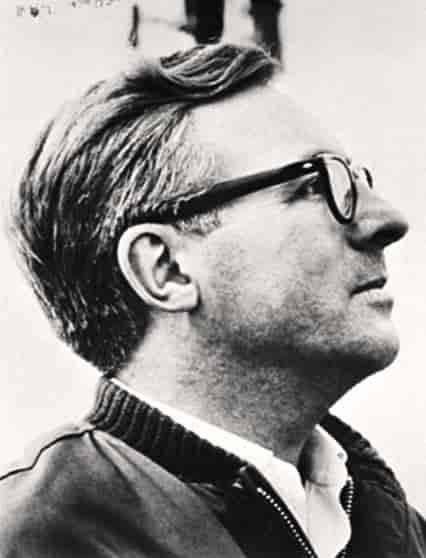
What you’ve got to do from this night forward is stuff your head with more different things from various fields. I’ll give you a program to follow every night, very simple program. For the next thousand nights, before you go to bed every night, read one short story. That’ll take you ten minutes, 15 minutes.
Okay, then read one poem a night from the vast history of poetry. Stay away from most modern poems. It’s crap. It’s not poetry! It’s not poetry. Now if you want to kid yourself and write lines that look like poems, go ahead and do it, but you’ll go nowhere. Read the great poets, go back and read Shakespeare, read Alexander Pope, read Robert Frost.
But one poem a night, one short story a night, one essay a night, for the next 1,000 nights. From various fields: archaeology, zoology, biology, all the great philosophers of time, comparing them. Read the essays of Aldous Huxley, read Lauren Eisley, great anthropologist. I want you to read essays in every field. On politics, analyzing literature, pick your own. But that means that every night then, before you go to bed, you’re stuffing your head with one poem, one short story, one essay—at the end of a thousand nights, Jesus God, you’ll be full of stuff, won’t you?
Ray Bradbury, born on this day in 1920, from “Telling the Truth,” the keynote address of The Sixth Annual Writer’s Symposium by the Sea, 2001
21 August 2025
Beautiful.

We been waiting all night just to hear this song
We been pushing buttons all night long
Just a rolling down the freeway with the boys
When on comes this beautiful noise
Needs.
van Gogh, Cafe Terrace at Night, 1888
_Caf%C3%A9terras_bij_nacht_(place_du_Forum)_Kr%C3%B6ller-M%C3%BCller_Museum_Otterlo_23-8-2016_13-35-40.JPG)
“I am one of those who like to stay late at the cafe," the older waiter said. "With all those who do not want to go to bed. With all those who need a light for the night."
"I want to go home and into bed."
"We are of two different kinds," the older waiter said. He was now dressed to go home. "It is not only a question of youth and confidence although those things are very beautiful. Each night. I am reluctant to close up because there may be someone who needs the cafe.”
Ernest Hemingway, from A Clean Well-Lighted Place
Happy Birthday, Count Basie

William James "Count" Basie was born on this day in 1904.
"Corner Pocket," featuring the subtlety of Sonny Payne's high-hat ...
Thanks, Casey.


Subscribe to:
Comments (Atom)
About Me

- Rob Firchau
- "A man should stir himself with poetry, stand firm in ritual, and complete himself in music." -Gary Snyder
Think ...


GASTON BACHELARD

"The house shelters day-dreaming, the house protects the dreamer, the house allows one to dream in peace.”

CARL R. FIRCHAU (1884-1973)

"The strength of a man’s virtue should not be measured by his special exertions but by his habitual acts.” Blaise Pascal
C.S. LEWIS


REMEMBER


SUPPORT OUR TROOPS


G.K. CHESTERTON
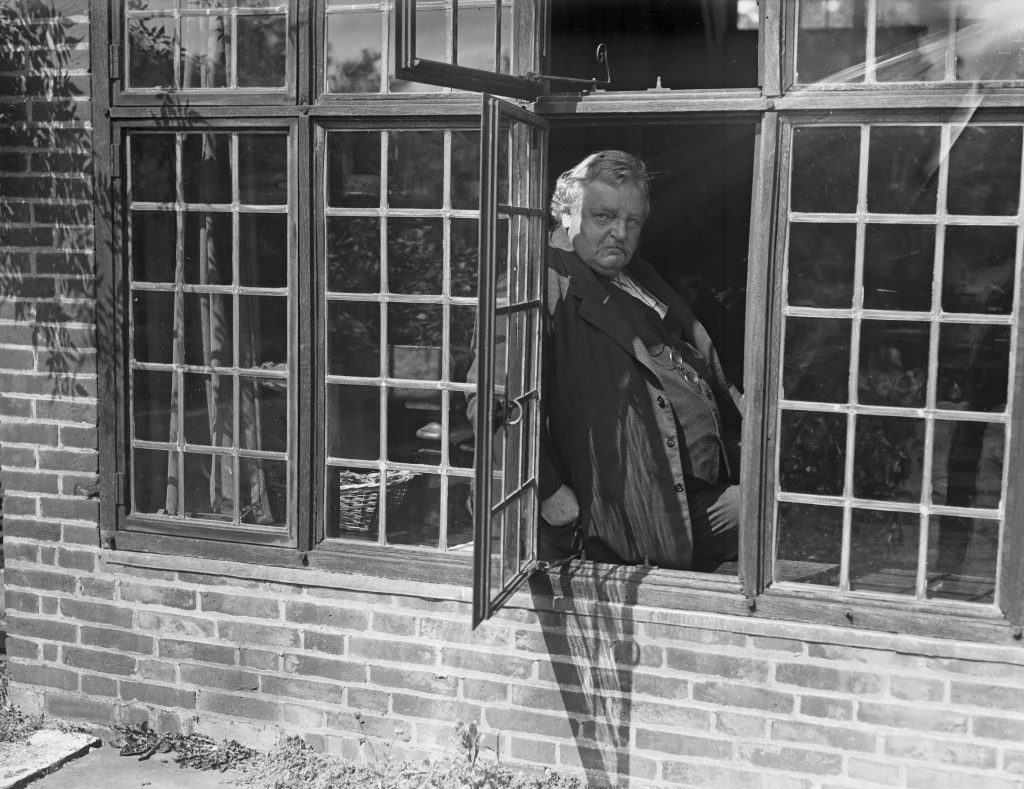
"Tradition refuses to submit to the small and arrogant oligarchy of those who merely happen to be walking about."

KENNETH GRAHAME

"O Mole! the beauty of it! The merry bubble and joy, the thin, clear, happy call of the distant piping!"

GEORDIE WALKER

FIORENTINO

The Musician Angel

ECHO & THE BUNNYMEN
JIM HARRISON
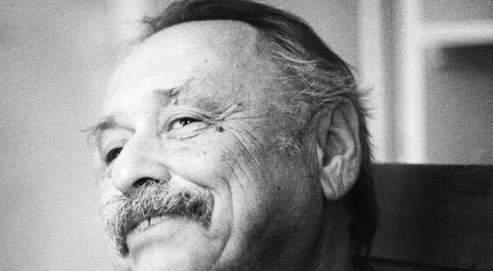
37. Beware, O wanderer, the road is walking too, said Rilke one day to no one in particular as good poets everywhere address the six directions. If you can’t bow, you’re dead meat. You’ll break like uncooked spaghetti. Listen to the gods. They’re shouting in your ear every second.
GIMME FIIIVE!

THE FURS
Suggestions

WOLFGANG AMADEUS MOZART

"When I am, as it were, completely myself, entirely alone and of good cheer – say travelling in a carriage or walking after a good meal, or during the night when I cannot sleep – it is on such occasions that my ideas flow best and most abundantly. Whence, and how, they come I know not ; nor can I force them. Those ideas that please me I retain in memory and am accustomed, as I have been told, to hum them to myself. If I continue in this way, it soon occurs to me how I may turn this dainty morsel to account, so as to make a good dish of it. That is to say, agreeable to the rules of counterpoint, to the peculiarities of various instruments etc. All this fires my soul, and, provided I am not disturbed, my subject enlarges itself, becomes methodised, and defined, and the whole, though it be long, stands almost complete and finished in my mind, so that I can survey it like a fine picture or a beautiful statue at a glance. Nor do I hear in my imagination the parts successively, but I hear them, as it were, all at once. What a delight this is, I cannot tell."
HOOKY


MARY SHELLEY


GREEN MAN

"Feel wind stir the greenwood, or turn pages of a book made from his flesh -- lean close, then, and hear, Green Man's voice."





N.C. WYETH

Cold Maker, Winter, 1909


Dick's Pour House, Lake Leelanau, Michigan

Smelt Basket
PanAm "Pacific Clipper" (1941)

JOHN SINGER SARGENT

Elizabeth Winthrop Chanler (detail), 1893
WILLIAM F. BUCKLEY JR.
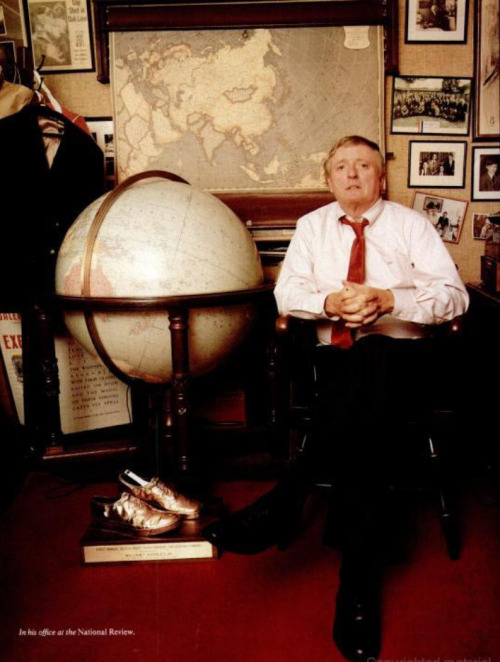
"We are so concerned to flatter the majority that we lose sight of how very often it is necessary, in order to preserve freedom for the minority, let alone for the individual, to face that majority down."

SIR ROGER SCRUTON
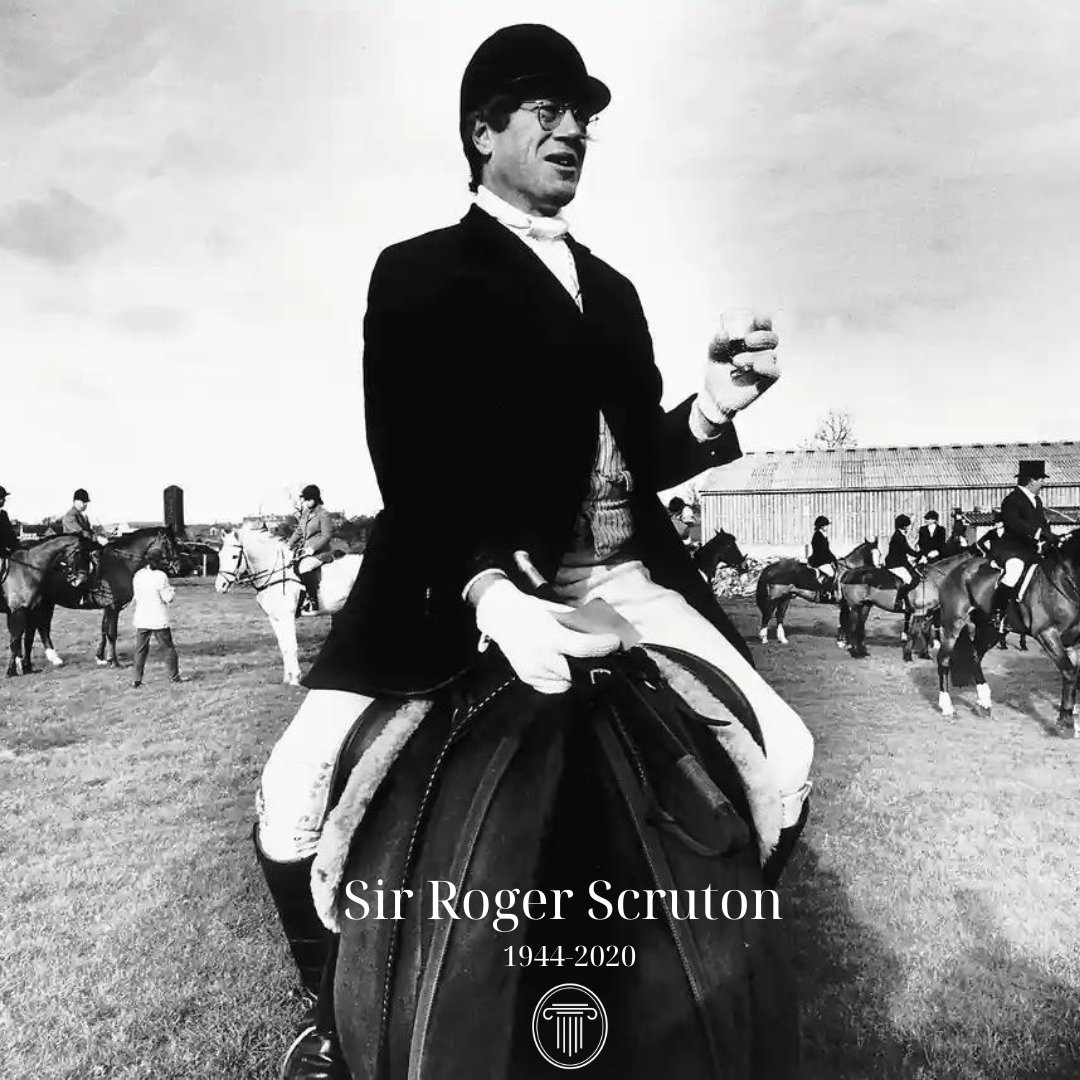
"Beauty is a value, as important as truth and goodness."
SIR WINSTON CHURCHILL
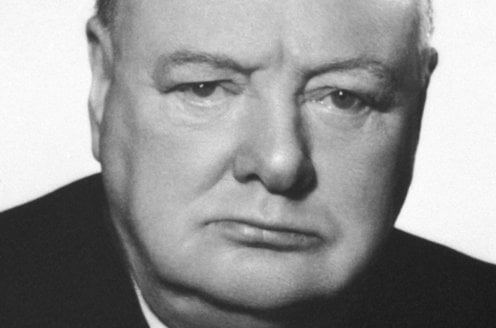
"A gentleman does not have a ham sandwich without mustard."



J.R.R. TOLKIEN
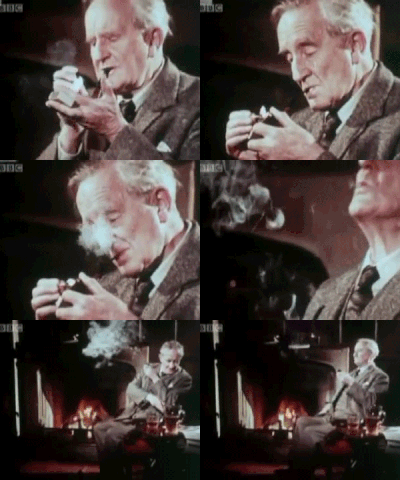
"If more of us valued food and cheer and song above hoarded gold, it would be a merrier world."

JOHN MASEFIELD
"When the midnight strikes in the belfry dark/And the white goose quakes at the fox’s bark/We saddle the horse that is hayless, oatless/Hoofless and pranceless, kickless and coatless/We canter off for a midnight prowl/Whoo-hoo-hoo, says the hook-eared owl."
IKKYU

VIRGINIA WOOLF


OLD MISSION

JOHN QUINCY ADAMS
"However tiresome to others, the most indefatigable orator is never tedious to himself. The sound of his own voice never loses its harmony to his own ear; and among the delusions, which self-love is ever assiduous in attempting to pass upon virtue, he fancies himself to be sounding the sweetest tones."

SIR KENNETH GRAHAME
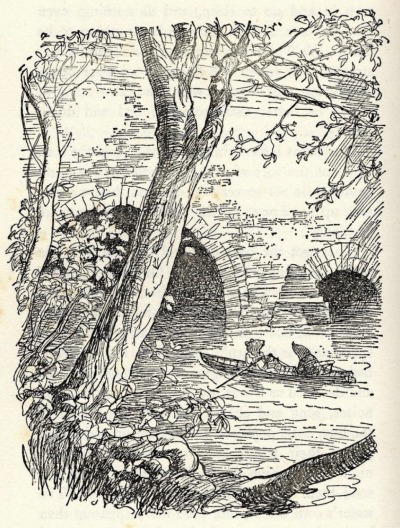
"Take the Adventure, heed the call, now, ere the irrevocable moment passes! ‘Tis but a banging of the door behind you, a blithesome step forward, and you are out of the old life and into the new! Then some day, some day long hence, jog home here if you will, when the cup has been drained and the play has been played, and sit down by your quiet river with a store of goodly memories for company."

JIM HARRISON
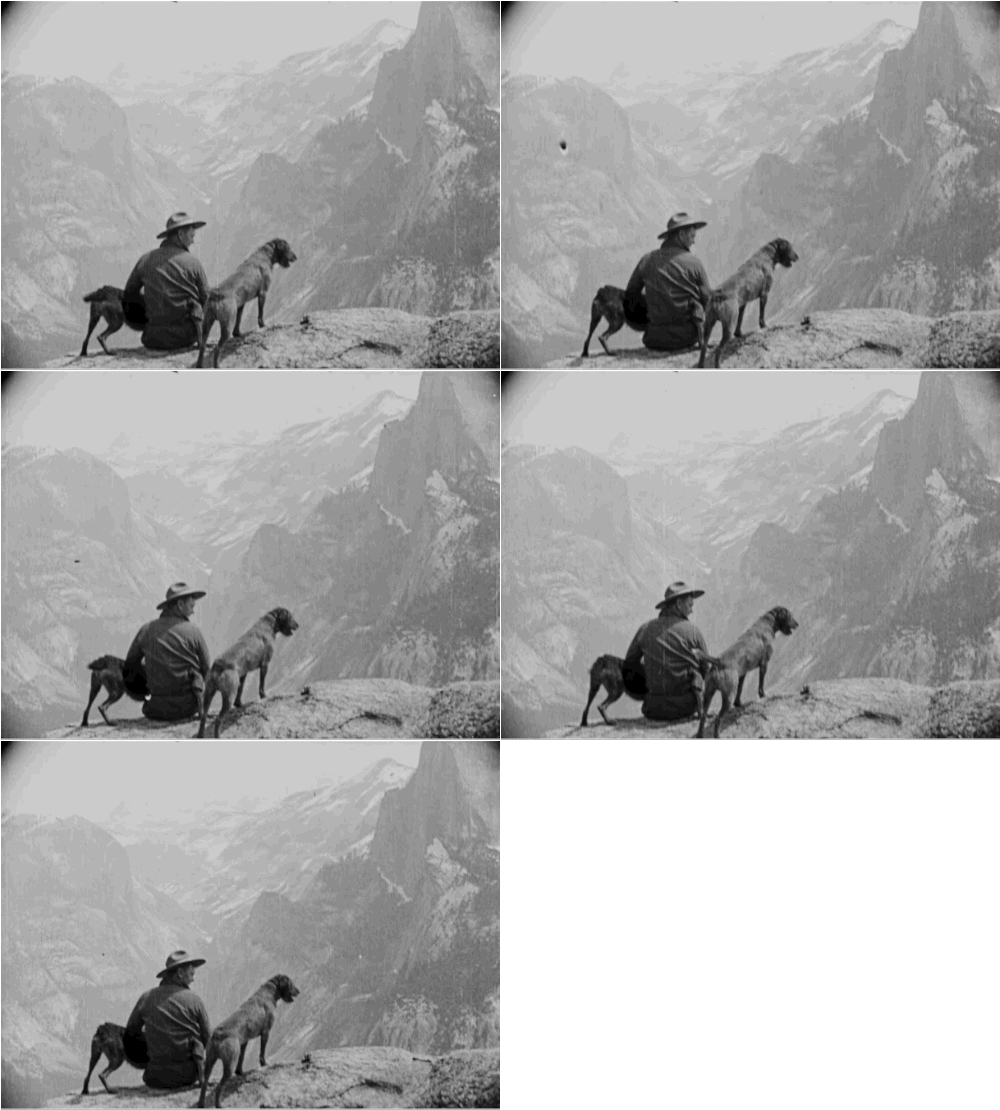
"Barring love I'll take my life in large doses alone--rivers, forests, fish, grouse, mountains. Dogs."
WILLIAM WORDSWORTH


SAMUEL ADAMS

"It is a very great mistake to imagine that the object of loyalty is the authority and interest of one individual man, however dignified by the applause or enriched by the success of popular actions."
TAO TE CHING, Lao Tzu



MARCUS AURELIUS

"Is your cucumber bitter? Throw it away. Are there briars in your path? Turn aside. That is enough. Do not go on and say, 'Why were things of this sort ever brought into this world?' neither intolerable nor everlasting - if thou bearest in mind that it has its limits, and if thou addest nothing to it in imagination. Pain is either an evil to the body (then let the body say what it thinks of it!)-or to the soul. But it is in the power of the soul to maintain its own serenity and tranquility."

VINCENT van GOGH

"What am I in the eyes of most people? A nonentity or an oddity or a disagreeable person — someone who has and will have no position in society, in short a little lower than the lowest. Very well — assuming that everything is indeed like that, then through my work I’d like to show what there is in the heart of such an oddity, such a nobody. This is my ambition, which is based less on resentment than on love in spite of everything, based more on a feeling of serenity than on passion. Even though I’m often in a mess, inside me there’s still a calm, pure harmony and music. In the poorest little house, in the filthiest corner, I see paintings or drawings. And my mind turns in that direction as if with an irresistible urge. As time passes, other things are increasingly excluded, and the more they are the faster my eyes see the picturesque. Art demands persistent work, work in spite of everything, and unceasing observation."
RICK LEACH (1975-1978)

48 career games started; 2,176 rushing yards, 34 touchdowns; 4,284 passing yards, 48 touchdowns; 7-2 career record versus Michigan State, Notre Dame, and Ohio combined; three-time All-American, All-Big Ten, and Heisman finalist


RICHARD ADAMS
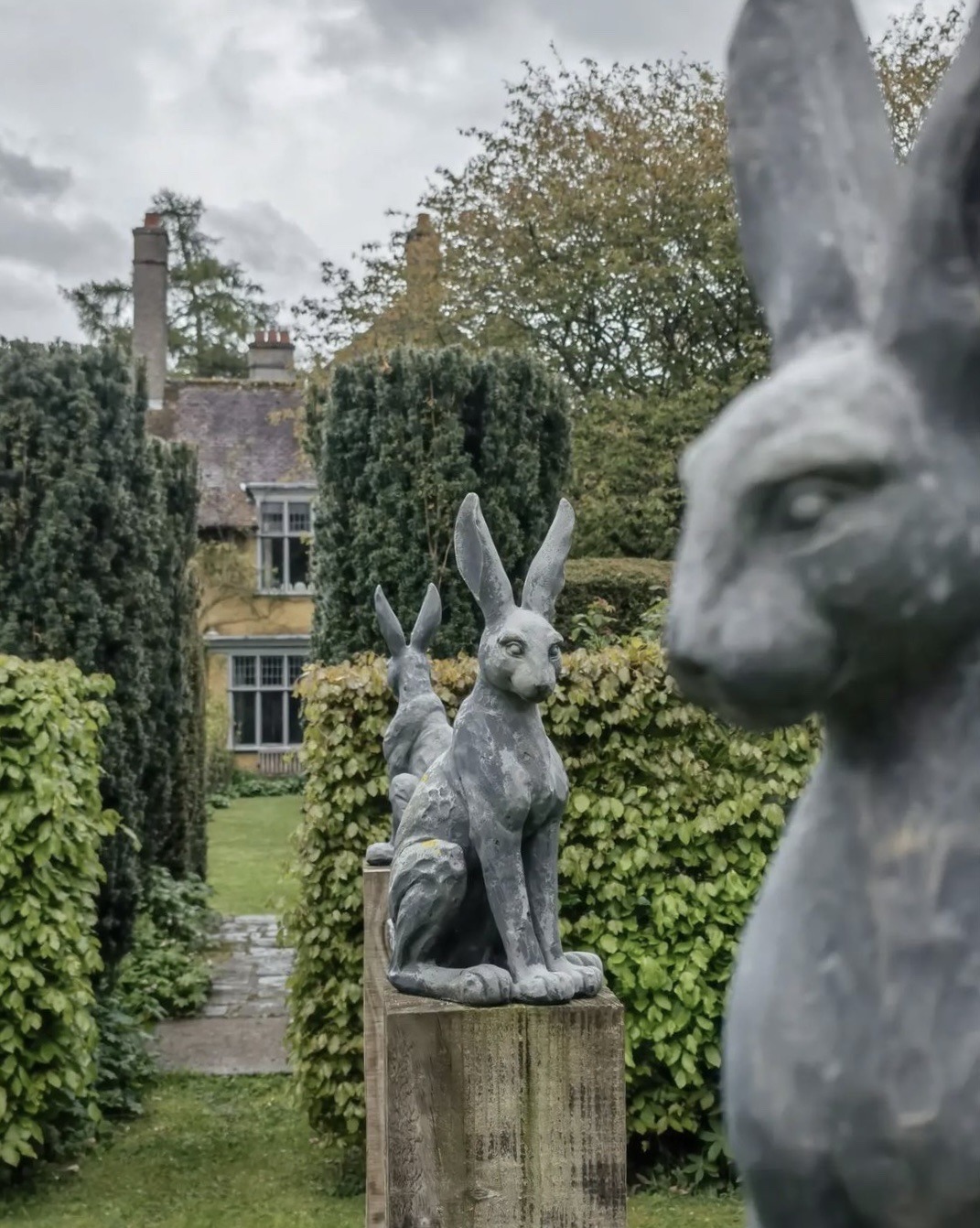
"One cloud feels lonely."
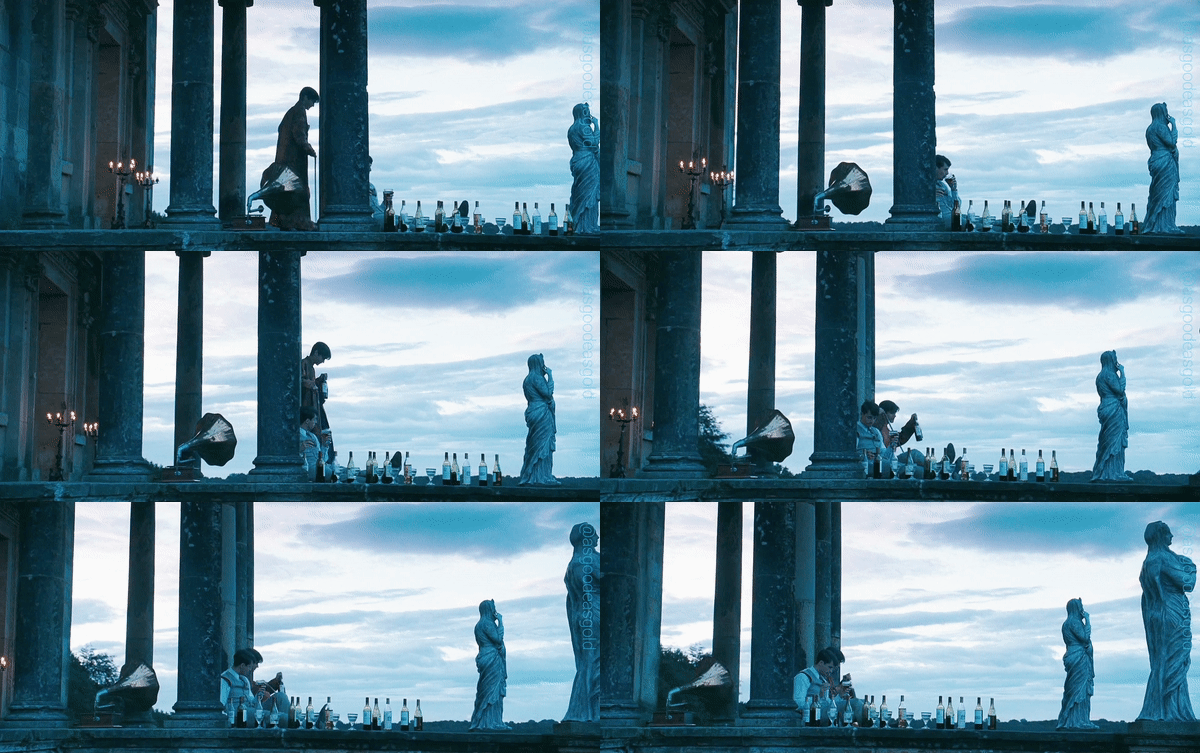
JOHN SINGER SARGENT
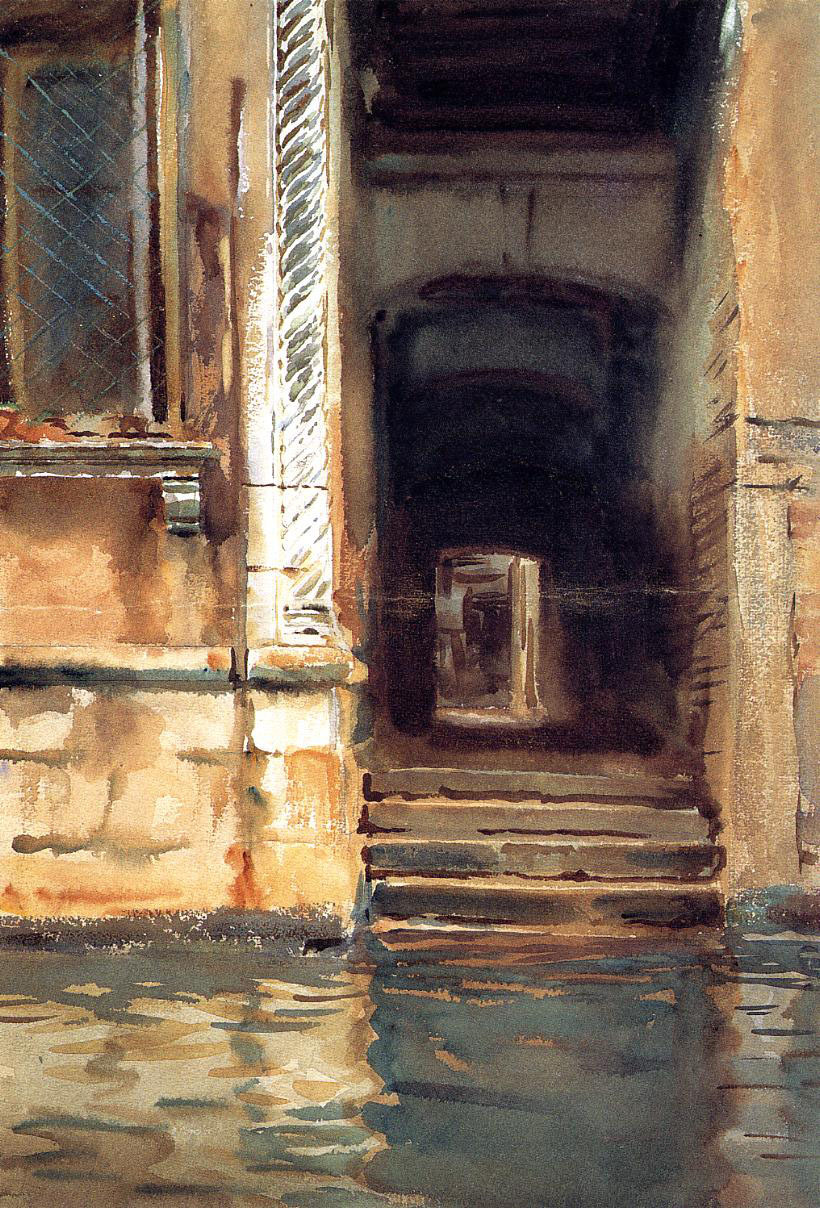
"Cultivate an ever continuous power of observation. Wherever you are, be always ready to make slight notes of postures, groups and incidents. Store up in the mind a continuous stream of observations."
WINSLOW HOMER

The Lone Boat, North Woods Club, Adirondacks, 1892

THOMAS BABINGTON MACAULEY

And how can man die better / Than facing fearful odds / For the ashes of his fathers / And the temples of his gods


WATERHOUSE, BOREAS, 1903

WHITE HORSES Far out at sea / There are horses to ride, / Little white horses / That race with the tide. / Their tossing manes / Are the white sea-foam, / And the lashing winds / Are driving them home- / To shadowy stables / Fast they must flee, / To the great green caverns / Down under the sea. Irene Pawsey

CINDY WILSON

UMBERTO LIMONGIELLO

"The euphony transformed me and inundated my soul in a roguish countenance, the likes of which I had know well in younger days. Such impishness soon drove out the complaints of the day."

F. SCOTT FITZGERALD

"I don't want to repeat my innocence. I want the pleasure of losing it again.” This Side of Paradise
RALPH WALDO EMERSON

"In skating over thin ice, our safety is in our speed."
ROBERT PLANT


GARY SNYDER

"There are those who love to get dirty and fix things. They drink coffee at dawn, beer after work. And those who stay clean, just appreciate things. At breakfast they have milk and juice at night. There are those who do both, they drink tea.”

IMMANUEL KANT

"Enlightenment is man's emergence from his self-imposed nonage. Nonage is the inability to use one's own understanding without another's guidance. This nonage is self-imposed if its cause lies not in lack of understanding but in indecision and lack of courage to use one's own mind without another's guidance. Dare to know! Sapere aude. 'Have the courage to use your own understanding,' is therefore the motto of the enlightenment."
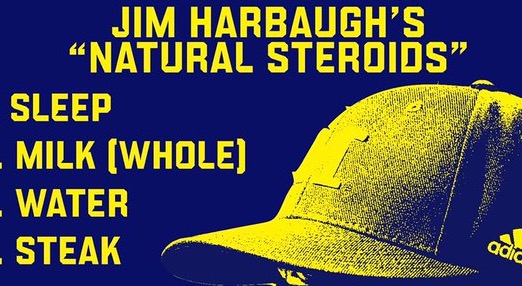
DAN CAMPBELL
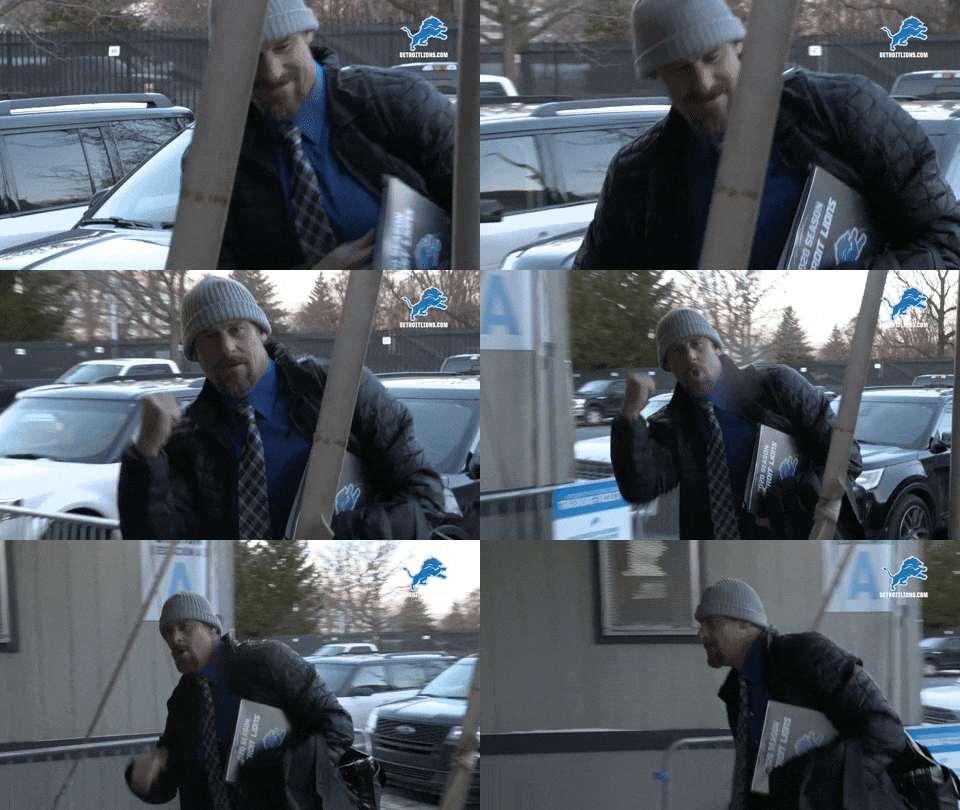
"We’re gonna kick you in the teeth, and when you punch us back we’re gonna smile at you, and when you knock us down we’re going to get up, and on the way, we’re going to bite a kneecap off. We’re going to stand up, and it’s going to take two more shots to knock us down. And on the way up, we’re going to take your other kneecap, and we’re going to get up, and it’s gonna take three shots to get us down. And when we do, we’re gonna take another hunk out of you."
THOMAS HUXLEY

"Sit down before fact as a little child, be prepared to give up every conceived notion, follow humbly wherever and whatever abysses nature leads, or you will learn nothing."
JOHN DRYDEN

"Bold knaves thrive without one grain of sense, but good men starve for want of impudence.”
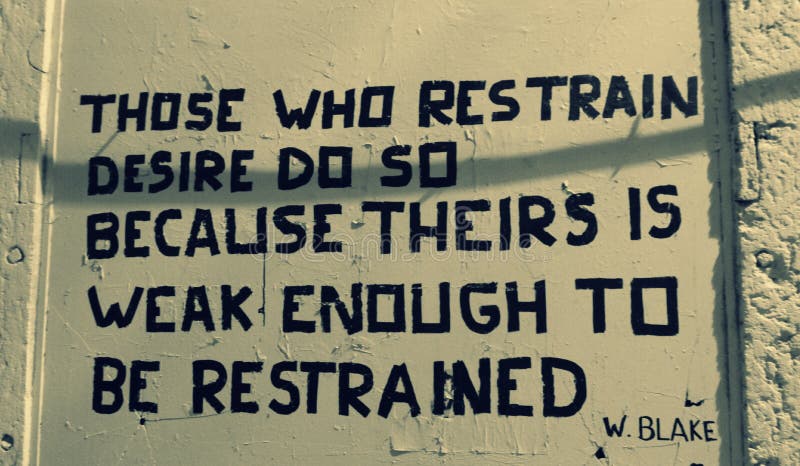
WILLIAM BLAKE
"Those who restrain desire do so because theirs is weak enough to be restrained."
HERMANN HESSE

"Whoever wants music instead of noise, joy instead of pleasure, soul instead of gold, creative work instead of business, passion instead of foolery, finds no home in this trivial world of ours."
GEORGE MACDONALD

"Certainly work is not always required of a man. There is such a thing as a sacred idleness, the cultivation of which is now fearfully neglected."
REV. DR. CORNEL WEST

"You have to have a habitual vision of greatness … you have to believe in fact that you will refuse to settle for mediocrity. You won’t confuse your financial security with your personal integrity, you won’t confuse your success with your greatness or your prosperity with your magnanimity … believe in fact that living is connected to giving.”
IT'S A WONDERFUL LIFE

"You see George, you've really had a wonderful life. Don't you see what a mistake it would be to just throw it away?"
WOODY

"There's a basic rule which runs through all kinds of music, kind of an unwritten rule. I don't know what it is, but I've got it."
MIGGY

"Exuberance is beauty." (William Blake)





Festina Lente

GARAGE SALINGER

JOHN RUSKIN
"Sunshine is delicious, rain is refreshing, wind braces us up, snow is exhilarating; there is really no such thing as bad weather, only different kinds of good weather."

Spitzweg, The Bookworm, 1850

"Literature is the most agreeable way of ignoring life.” Fernando Pessoa
WILLIAM F. BUCKLEY JR.
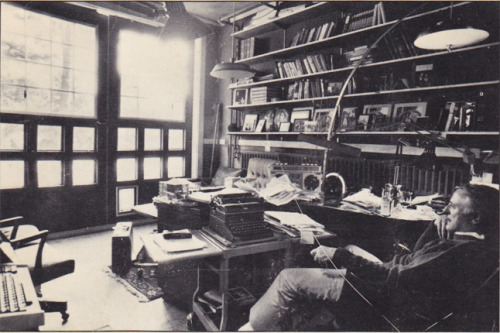
"[I]in the spiky fall season, days like today with the little chill that makes one feel freshly laundered ..."
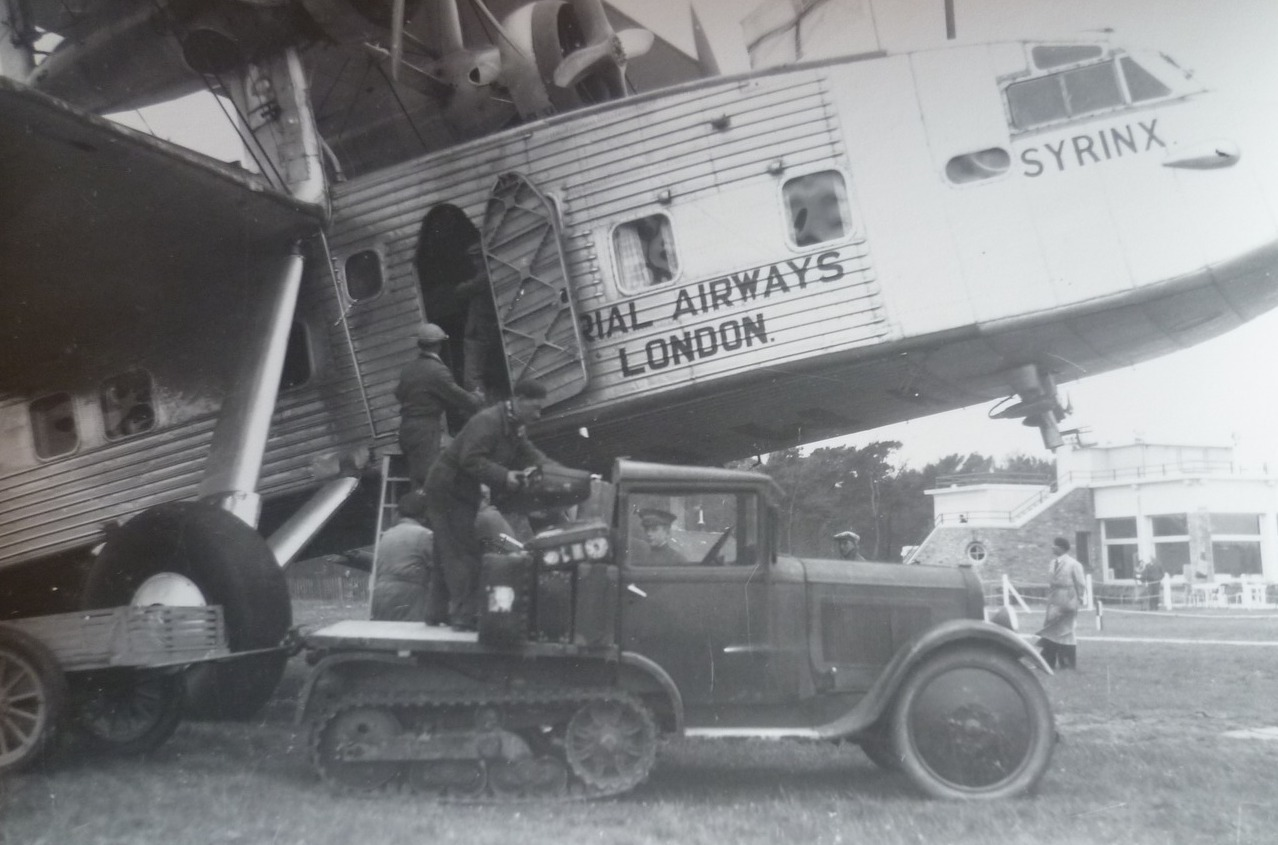
SYRINX
TINA WEYMOUTH

WALT WHITMAN
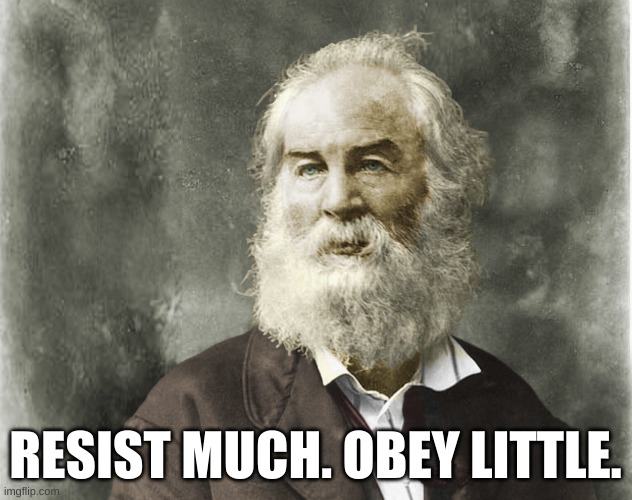
"Do I contradict myself? Very well then I contradict myself, (I am large, I contain multitudes)."


H.L. MENCKEN

"Every normal man must be tempted, at times, to spit on his hands, hoist the black flag, and begin slitting throats. But this business, alas, is fatal to the placid moods and fine other-worldliness of the poet."

FYODOR DOSTOEVSKY

"I say let the world go to hell, but I should always have my tea."
DUDLEY

"We all come from our own little planets. That's why we're all different. That's what makes life interesting."
HERMAN MELVILLE


"We're just dancing in the rain ..."
LEO TOLSTOY

"If, then, I were asked for the most important advice I could give, that which I considered to be the most useful to the men of our century, I should simply say: in the name of God, stop a moment, cease your work, look around you."


HAROLD BLOOM
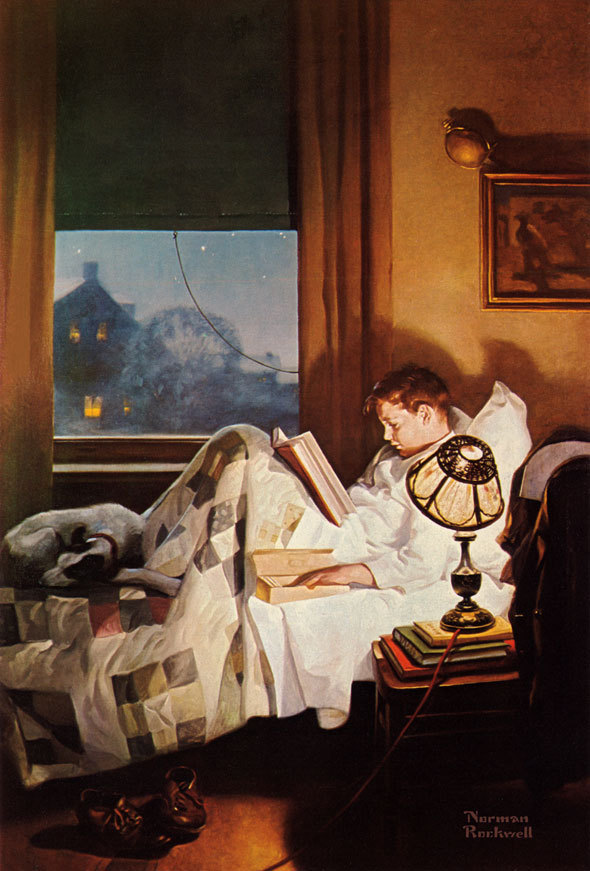
"It is hard to go on living without some hope of encountering the extraordinary."
I'm reading ...

Unlikely General: "Mad" Anthony Wayne and the Battle for America
ARTHUR RIMBAUD

"I have stretched ropes from steeple to steeple; Garlands from window to window; Golden chains from star to star ... And I dance."

RUMI

"When you do things from your soul, you feel a river moving in you, a joy.”
Shunryu Suzuki, "Beginner's Mind"

"In the beginner's mind there are many possibilities, but in the expert's there are few."
JIM HARRISON

¨The danger of civilization, of course, is that you will piss away your life on nonsense.¨
van EYCK, PORTRAIT of a MAN in a RED TURBAN, 1433

"The Poet is the Priest of The Invisible." Wallace Stevens
Atget, Notre-Dame de Paris, 1923

Technique.

"Technique is the proof of your seriousness." Wallace Stevens
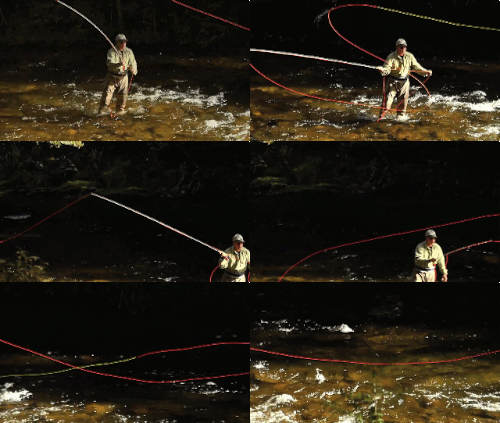
TIGHT LINES!


W.B. Yeats


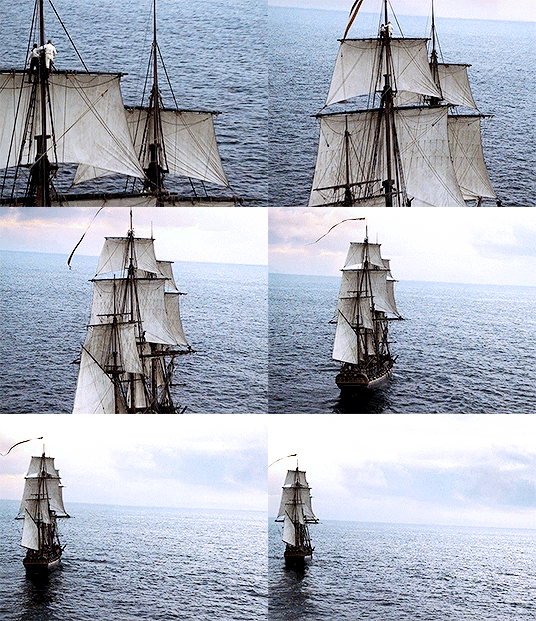
THE CAPTAIN


NICHOLAS HAWKSMOOR
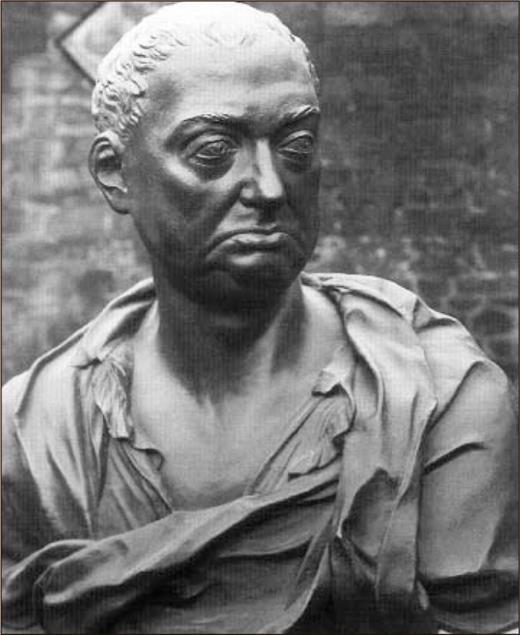
"Whatever is goode in its kinde ought to be preserv'd in respect for antiquity, as well as our present advantage, for destruction can be profitable to none but such as live by it."
THOMAS PAINE

"Whatever is my right as a man is also the right of another; and it becomes my duty to guarantee as well as to possess."
LIBERTY

"...the imprisoned lightning"
WILLIAM F. BUCKLEY JR.

"The best defense against a usurpatory government is an assertive citizenry."

SIR PHILIP PULLMAN

"We don’t need a list of rights and wrongs, tables of dos and don’ts: we need books, time, and silence."
TRUE-BORN


THOMAS MERTON

C.S. LEWIS

“We may ignore, but we can nowhere evade, the presence of God. The world is crowded with him. He walks everywhere incognito.” (Thank you, Mr. Wade)

THOMAS PAINE


Readers

