
26 April 2025


Control.
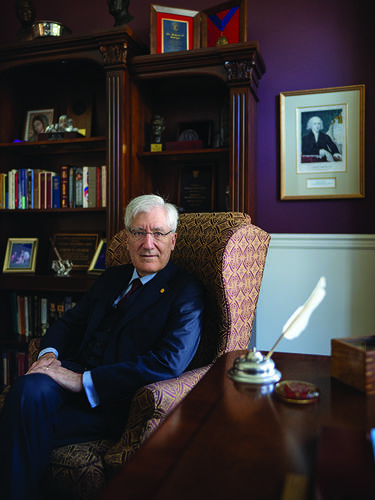
Personal authenticity, in the classical understanding of liberal-arts education, consists in self-mastery—in placing reason in control of desire. According to the classic liberal-arts ideal, learning promises liberation, but it is not liberation from demanding moral ideals and social norms, or liberation to act on our desires—it is, rather, liberation from slavery to those desires, from slavery to self.
Robert P. George
Merrier.

If more of us valued food and cheer and song above hoarded gold, it would be a merrier world.
J.R.R. Tolkien

Bring.

Bring me my Bow of burning gold:
Bring me my arrows of desire:
Bring me my Spear: O clouds unfold!
Bring me my Chariot of fire!
William Blake, from "Jerusalem"
Alert.
Experience should teach us to be most on our guard to protect liberty when the Government’s purposes are beneficent. Men born to freedom are naturally alert to repel invasion of their liberty by evil-minded rulers. The greatest dangers to liberty lurk in insidious encroachment by men of zeal, well-meaning but without understanding.
Supreme Court Justice Louis Brandeis, from Olmstead v. U.S. (1928)
Handel, The Music for the Royal Fireworks (HWV 351)
The Academy of Ancient Music, conducted by Richard Egarr, perform La Rejouissance and Menuets ...
Obeyed.

The alternative to power is law: law freely accepted and freely obeyed. Only by observing the rule of law – law that applies equally to the rich and poor, the powerful and powerless – do we escape the tragic cycle of freedom that begets conflict that leads to chaos, resulting in the use of force that generates tyranny, the freedom of the few and the enslavement of the many. God reveals Himself in the form of law, because law is the constitution of liberty. That is the moral shape of a society of freedom under the sovereignty of God.
Rabbi Lord Jonathan Sacks, from Essays on Ethics
Acknowledge.
We were once a proper country and will be again.
Found flittering through the echo chamber …




No.
We are a nation of laws, not men.

This is the mentality of playground politics, seemingly just at the outset, but passionately metastasizing in demagoguery. Legitimacy is found in the Constitution, not the passions of pantry pundits, and certainly not the leper with the most fingers.
The goal of politics is to promote happiness, and this depends on the structure of government.[T]he divine science of politicks is the science of social happiness, and the blessings of society depend entirely on the constitutions of government, which are generally institutions that last for many generations, there can be no employment more agreeable to a benevolent mind, than a research after the best…Virtue is a key ingredient. If there is a form of government then, whose principle and foundation is virtue, will not every sober man acknowledge it better calculated to promote the general happiness than any other form?
Pastor Martin Niemöller wrote a poem in 1946 ...
First they came for the Communists
And I did not speak out
Because I was not a Communist
Then they came for the Socialists
And I did not speak out
Because I was not a Socialist
Then they came for the trade unionists
And I did not speak out
Because I was not a trade unionist
Then they came for the Jews
And I did not speak out
Because I was not a Jew
Then they came for me
And there was no one left
To speak out for me
What has been will be again, what has been done will be done again; there is nothing new under the sun.
Ecclesiastes 1:9
First.
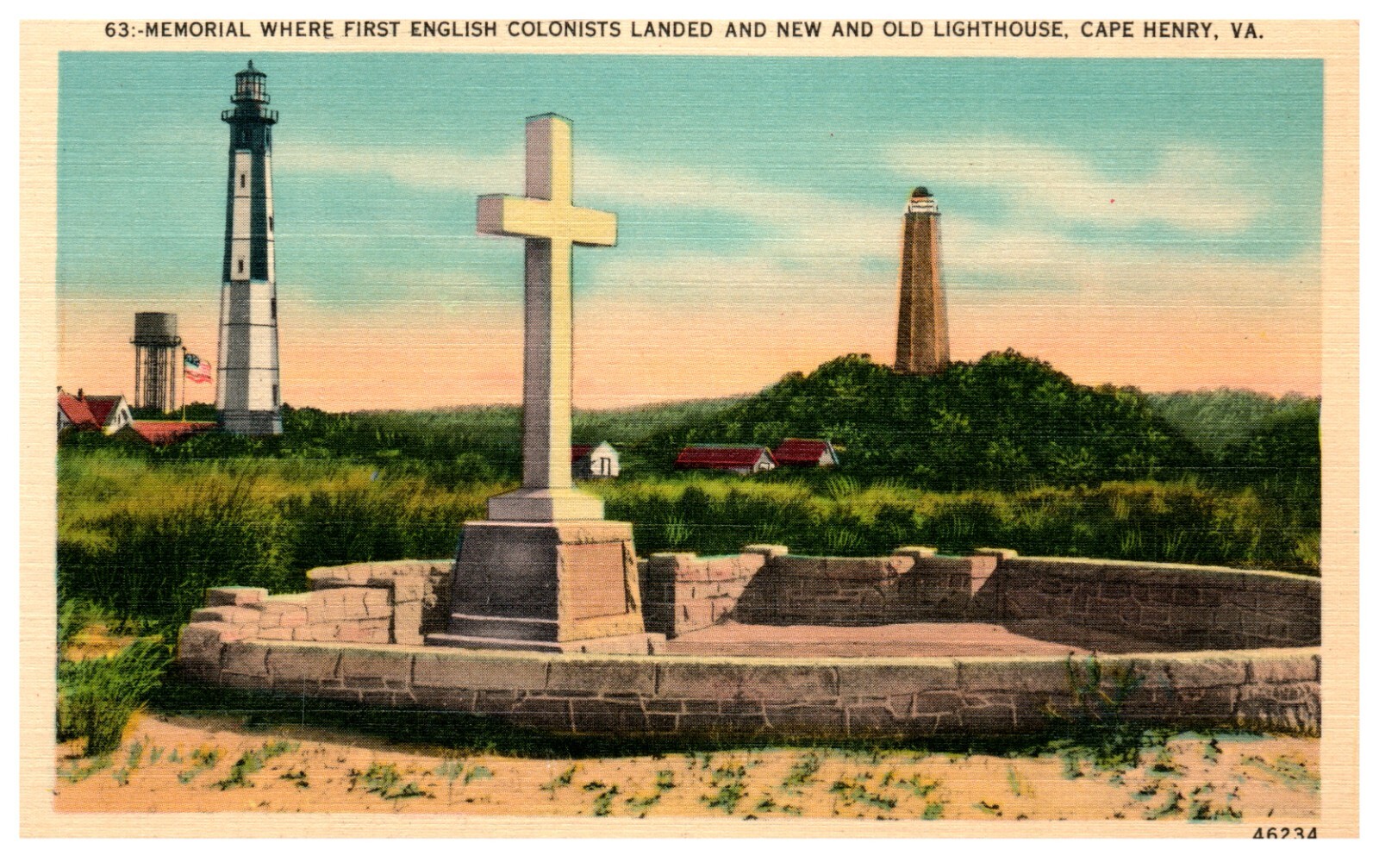
On this day in 1607, an expedition of English colonists went ashore at Cape Henry, Virginia, establishing the first permanent English settlement in the Western Hemisphere ...
The nine and twentieth day we set up a Crosse at Chesupioc Bay, and named the place Cape Henry.
24 April 2025

Now.
'Tis Spring and the weekend begins now ...
"Hang care!" exclaimed he. "This is a delicious evening; the wine has a finer relish here than in the house, and the song is more exciting and melodious under the tranquil sky than in the close room, where the sound is stifled. Come, let us have a bacchanalian chant—let us, with old Sir Toby, make the welkin dance and rouse the night-owl with a catch! I am right merry. Pass the bottle, and tune your voices—a catch, a catch! The lights will be here anon."
Charles Ollier, from "The Haunted Manor-House of Paddington"
For best results, listen to INXS ...
"The One Thing"
"Jan's Song"
"Spy of Love"
The euphony transformed me and inundated my soul in a roguish countenance, the likes of which I had know well in younger days. Such impishness soon drove out the complaints of the day.
Umberto Limongiello
Sytems.
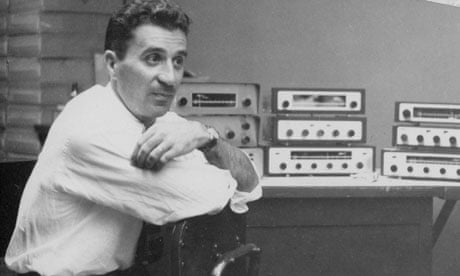
I say, "Get me some poets as managers." Poets are our original systems thinkers. They contemplate the world in which we live and feel obligated to interpret, and give expression to it in a way that makes the reader understand how that world runs. Poets, those unheralded systems thinkers, are our true digital thinkers. It is from their midst that I believe we will draw tomorrow's new business leaders.
Sidney Harman, founder of Harman Kardon
Intense.
Courbet, Self-Portrait with Dog, 1844

I am not one who was born in the custody of wisdom. I am one who is fond of olden times and intense in quest of the sacred knowing of the ancients.
Gustave Courbet
Happy Birthday, Martini
Crescimbeni, Portrait of Giovanni Battista Martini, n/d
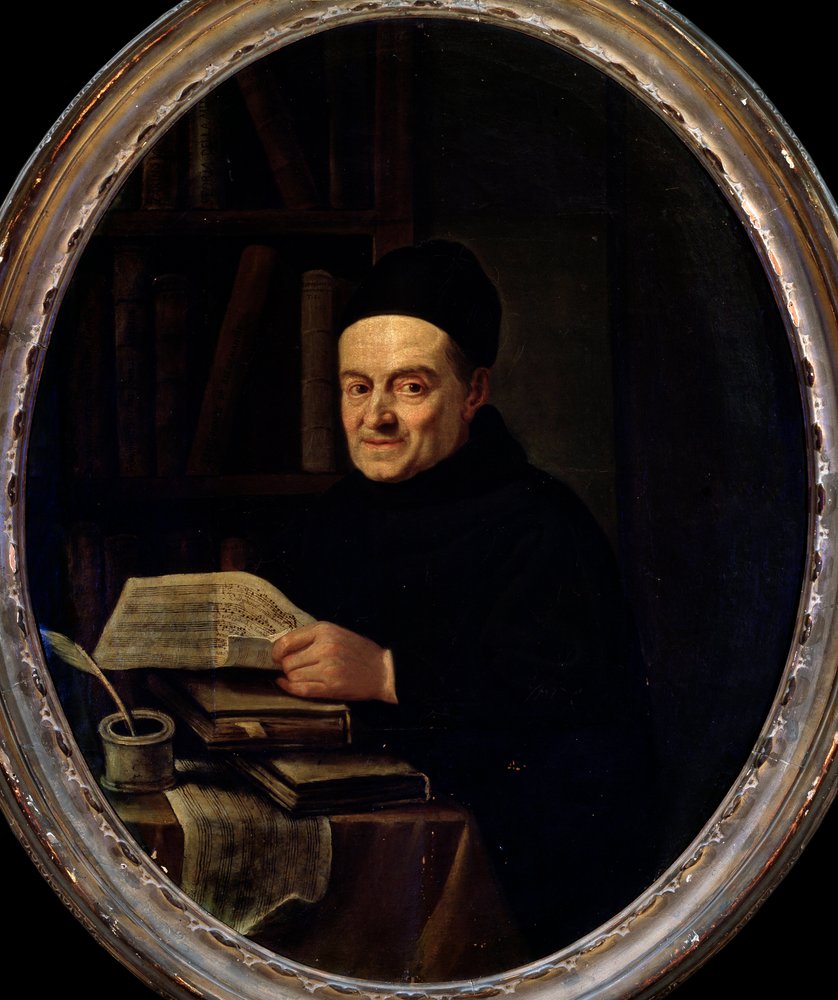
Giovanni Battista Martini was born on this day in 1706.
Leonardo Carrieri plays the Organ Sonata, No. 5, Op. 2 ...
Happy Birthday, Warren

TELL ME a STORY
[ A ]
Long ago, in Kentucky, I, a boy, stood
By a dirt road, in first dark, and heard
The great geese hoot northward.
I could not see them, there being no moon
And the stars sparse. I heard them.
I did not know what was happening in my heart.
It was the season before the elderberry blooms,
Therefore they were going north.
The sound was passing northward.
[ B ]
Tell me a story.
In this century, and moment, of mania,
Tell me a story.
Make it a story of great distances, and starlight.
The name of the story will be Time,
But you must not pronounce its name.
Tell me a story of deep delight.
Robert Penn Warren, born on this day in 1905
23 April 2025

Working.

Sir Philip Pullman
Eat.

Having bowed to the inevitability of the dictum that we must eat to live, we should ignore it and live to eat.
M.F.K. Fisher
Happy Birthday, Turner
Turner, Three Seascapes, 1827
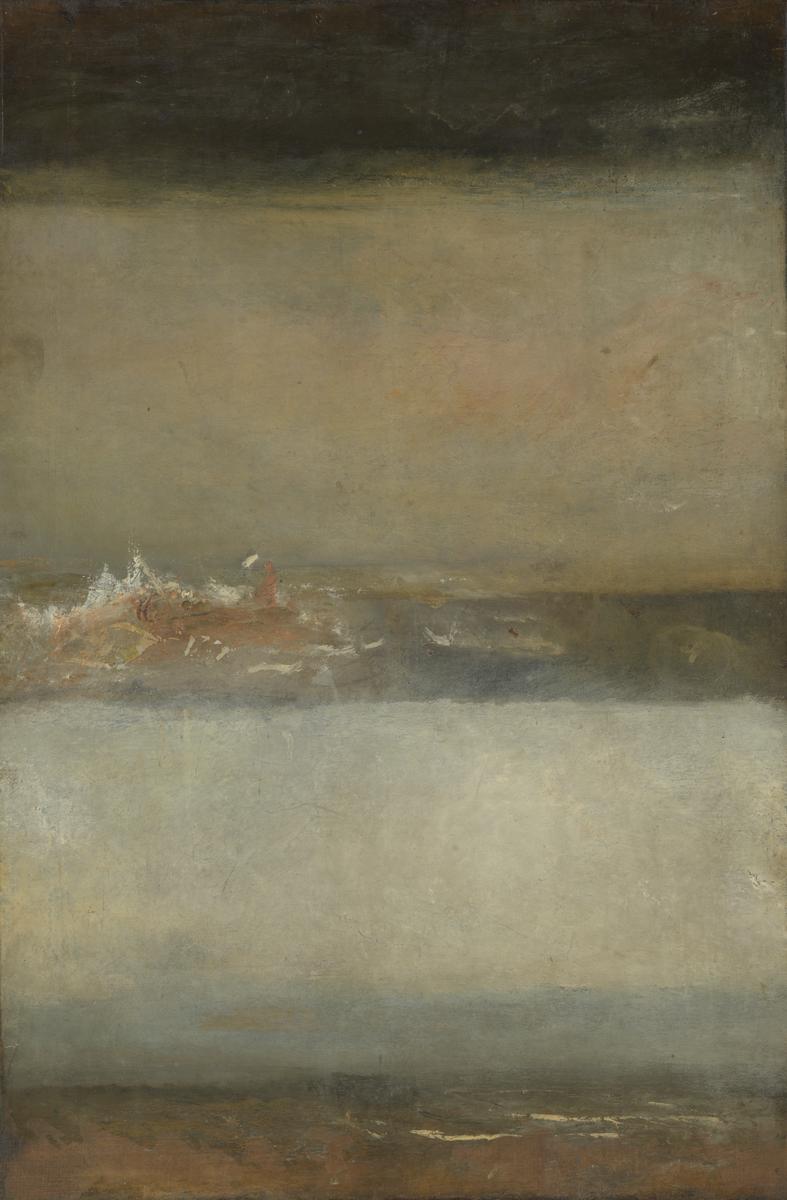
I have no secret but hard work. This is a secret that many never learn, and they don't succeed because they don't learn it. Labor is the genius that changes the world from ugliness to beauty, and the great curse to a great blessing.
J. M. W. Turner, born on this day in 1775
Slights.
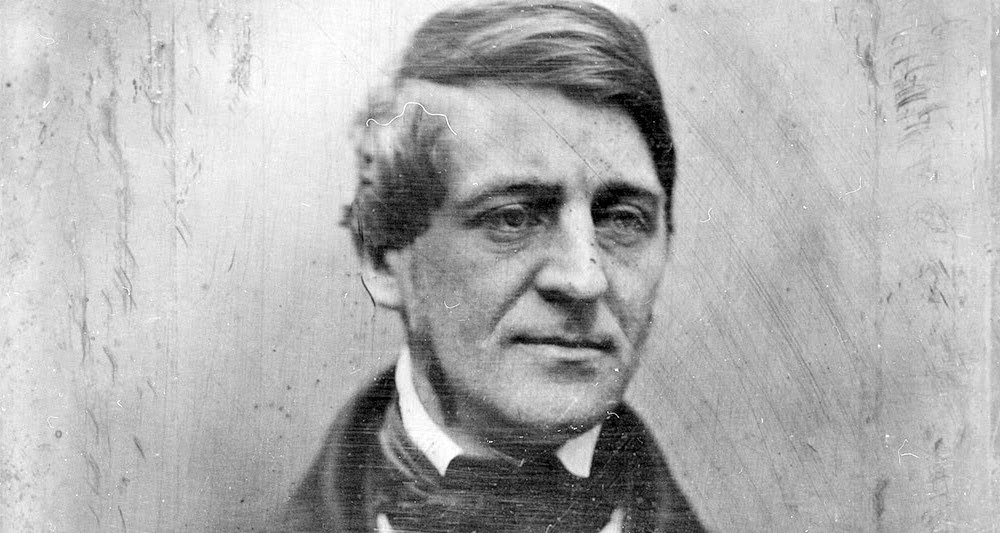
To the poet, to the philosopher, to the saint, all things are friendly and sacred, all events profitable, all days holy, all men divine. For the eye is fastened on the life, and slights the circumstance. Every chemical substance, every plant, every animal in its growth, teaches the unity of cause, the variety of appearance.
Happy Birthday, Shakespeare
Chandler, Wm. Shakespeare, The Chandos Portrait, 1610

The fool doth think he is wise, but the wise man knows himself to be a fool.
William Shakespeare, born on this day in 1564, from Act Five, Scene One of As You Like It
22 April 2025

Risk.
Longacre, after Peale, C.W., John Paul Jones, n/d
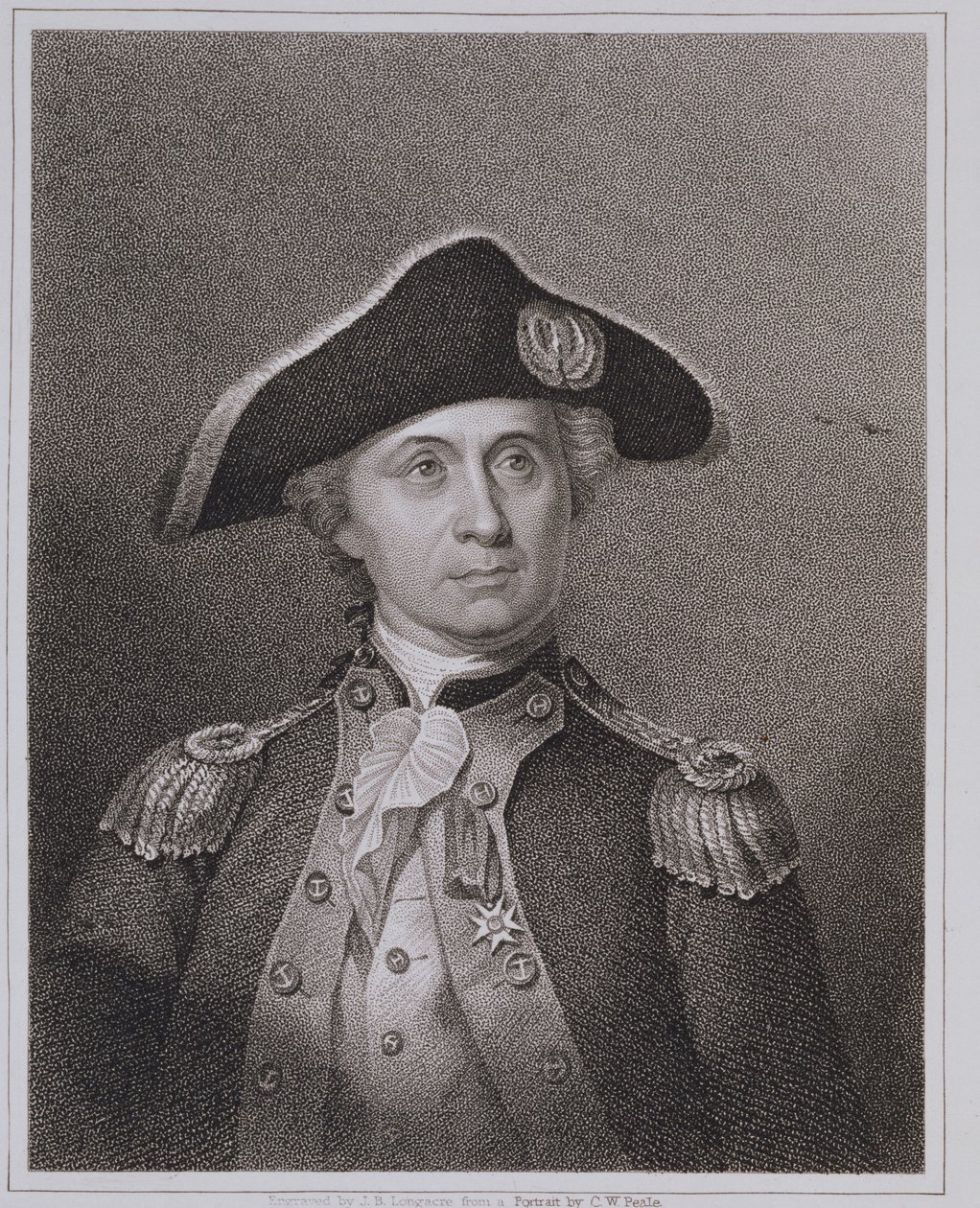
If fear is cultivated it will become stronger, if faith is cultivated it will achieve mastery. It seems to be a law of nature, inflexible and inexorable, that those who will not risk cannot win.
John Paul Jones


God.

On this day in 1864, Congress authorized the use of the phrase "In God We Trust" on U.S. coins.
Happy Birthday, Menuhin
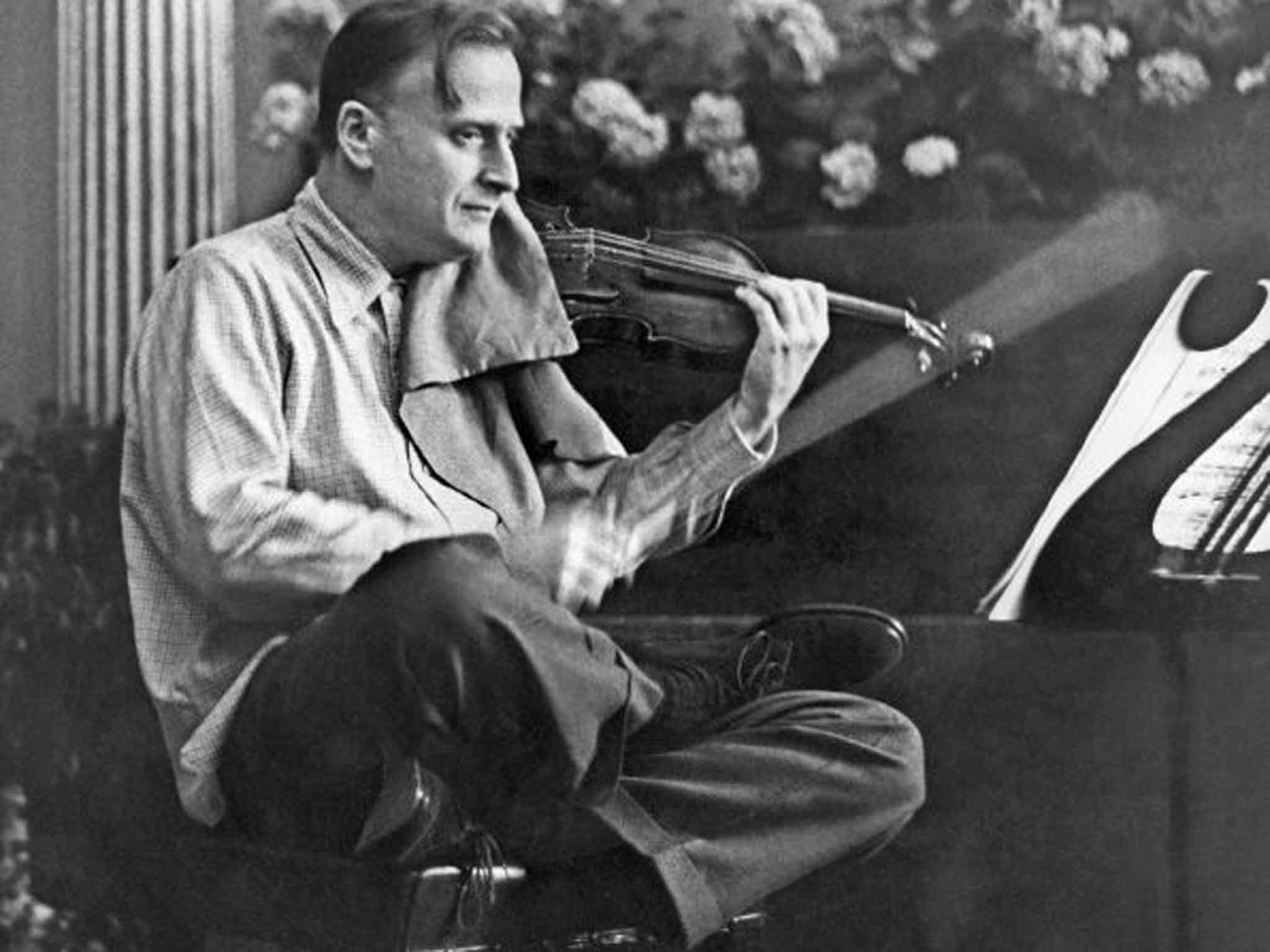
Yehudi Menuhin was born on this day in 1916.
Performing Mozart's Violin Concerto No. 3 in G major, K. 216 with the Office de Radiodiffusion-Télévision Française Chamber Orchestra ...
Happy Birthday, Kant
von Stägemann, Immanuel Kant, 1790

Enlightenment is man's release from his self-incurred tutelage. Tutelage is man's inability to make use of his understanding without direction from another. Self-incurred is this tutelage when its cause lies not in lack of reason but in lack of resolution and courage to use it without direction from another. Sapere aude! Have courage to use your own reason! -- that is the motto of enlightenment.
Immanuel Kant, born on this day in 1724
20 April 2025


Risen.
Francesca, The Resurrection of Christ, 1468

MATTHEW 28:5-8
5 And the angel answered and said unto the women, Fear not ye: for I know that ye seek Jesus, which was crucified.6 He is not here: for he is risen, as he said. Come, see the place where the Lord lay.7 And go quickly, and tell his disciples that he is risen from the dead; and, behold, he goeth before you into Galilee; there shall ye see him: lo, I have told you.8 And they departed quickly from the sepulchre with fear and great joy; and did run to bring his disciples word.
19 April 2025

Inheritance.

The New Statesman on "leisure ethics" and the (gasp) shocking revelation of nihilism's vacuous impact on the soul ...
Have the old Puritan scolds been vindicated? Perhaps, but only because they bequeathed us a self-fulfilling prophecy. A society so thoroughly steeped in the work ethic and committed to the pursuit of individual achievement cannot but fail to prepare its members for any other kinds of lives.Yet solutions to the problem of leisure exist throughout our own wisdom tradition, which stresses the value of friendship (Epicurus), contemplation (Aristotle), and “other-regarding” public service (Cicero). These basic human goods have been severely eroded, producing an age of loneliness, inattention, and ginned-up tribalism; but each could be reclaimed with sufficient free time and a proper command over it. While there will always be demagogues, conspiracists, and cult leaders, they would have no purchase over a people who can find fulfilment in themselves.Developing a healthy relationship with free time does not come naturally; it requires a leisure ethic, and like Aristotelian virtue, this probably needs to be cultivated from a young age. Only through deep, sustained habituation does one begin to distinguish between art and entertainment, lower and higher pleasures, titillation and the sublime. Those who would deny such distinctions cannot be dissuaded, because they belong to the uninitiated. They know not of what they speak.Honing an appreciation for the more sustaining sources of self-fulfilment takes time and self-discipline, yet a vast industry exists to lure us from the primrose path. At some point, the purpose of education was no longer to create well-rounded citizens with rich inner lives, political discernment, and a capacity for spiritual or emotional self-sufficiency – as Dewey hoped. The motivation, instead, has been to sustain the economy’s stock of “human capital” in the face of constant technological change.Just a few short years ago, everyone was advised to “learn to code,” regardless of where their real interests might lie. Yet now, we are told, this is one area where large language models already excel. Will some share of the hundreds of billions of dollars being invested into STEM be reallocated toward rescuing the humanities – the one set of disciplines whose value does not depend entirely on unforeseeable macroeconomic contingencies? We shouldn’t hold our breath.
Whatley continues pondering the obvious ...
American greatness has produced a society whose members know not what to do with the freedom and abundance that earlier generations secured. We are now witnessing the squandering of this inheritance, and it is even more idiotic and vulgar a spectacle than anyone would expect.
As a kid, I remember riding home in the car from my Great-Grandpa and Grandma Firchau's house after Sunday dinner, my Mum telling my sis and me nearly the same thing.
All afternoon I would watch and listen to four men that had secured America's freedom and abundance during their service in both theaters of World War II. These men who regularly hugged me, scrubbed my head after telling me jokes, and gave me sips of their beer, sat next to me at meals, stood beside me in church, and let me steer their cars from their laps. They were my family. I was their family. They never spoke of it, but my Mum had told me the stories of the inheritance they ensured for us.
Somehow I missed it, though. The increased debt I owe for being the first Firchau, going back as many generations as records allow, to not serve in the military, isn't lost on me.
Impelled.

Remember always that you and I especially, are descended from immigrants and revolutionists. We look for a younger generation that is going to be more American than we are. We are doing the best that we can and yet we can do better than that, we can do more than that, by inculcating in the boys and girls of this country today some of the underlying fundamentals, the reasons that brought our immigrant ancestors to this country, the reasons that impelled our Revolutionary ancestors to throw off a fascist yoke.
Frankin Delano Roosevelt, from his April 21, 1938 address to the Daughters of the American Revolution
Remember, kids, even old-timers pointing a smokewagon east from the Sierra Nevada should respect the flag code.
Spirit.
Anchored host Jeremy Tate discusses friendship and fruitful disagreement with Robert George and Cornel West ...
Education is always a battlefield, spiritually, intellectually, politically, and because we're so politicized, we miss out on the movement of spirit. You remember Russell Kirk says in the very last chapter of Conservative Mind that conservatism is the regeneration of spirit and character -- of spirit and character with its morality and spirituality. Once you accept that it's a whole new world with all kinds of different political conflict and ideological conflict, but it's character, it's integrity, it's honesty, it's decency, it's courage at the center and that's a different level of living.
An excellent book ...

Always.

HOW to READ ALL DAY
Always have a book with you.
Read while waiting.
Read while eating.
Read while exercising.
Read before bed.
Read before getting out of bed.
Read instead of updating FB.
Read instead of watching TV.
Read instead of cutting the grass. Read instead of weeding. Read instead of vacuuming.
Read while vacuuming.
Read what you want.
Read a book a friend wants you to read.
Read a book a bookseller swoons over.
Read a book loved by your local librarian.
Read with your cat. Dog. Book group. Friend. Child. Child of Friend. Friend of Child.
And when you need something new to read, no problem. The world is full of great books. You will never run out of books to read. Just time to read them. So make time and read.
Nina Sankovitch, author of American Rebels: How the Hancock, Adams, and Quincy Families Fanned the Flames of Revolution
Rise.
Pyle, The Fight on Lexington Common, April 19, 1775, 1898
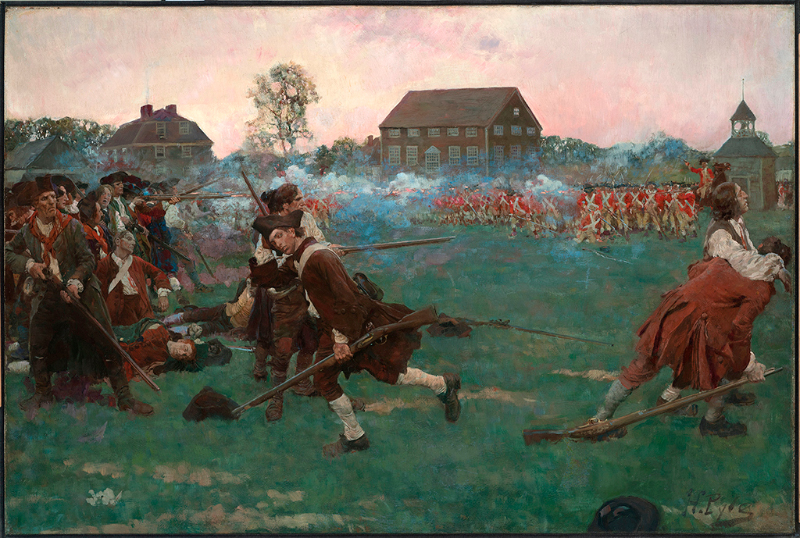
The BATTLE of LEXINGTON
Now haste thee while the way is clear, Paul Revere!
Haste, Dawes! but haste thee not, O Sun!
To Lexington.
Then Devens looked and saw the light:
He got him forth into the night,
And watched alone on the river-shore,
And marked the British ferrying o'er.
John Parker! rub thine eyes and yawn:
But one o'clock and yet 'tis Dawn!
Quick, rub thine eyes and draw thy hose:
The Morning comes ere darkness goes,
Have forth and call the yeomen out,
For somewhere, somewhere close about
Full soon a Thing must come to be
Thine honest eyes shall stare to see
Full soon before thy patriot eyes
Freedom from out of a Wound shall rise.
Then haste ye, Prescott and Revere!
Bring all the men of Lincoln here;
Let Chelmsford, Littleton, Carlisle,
Let Acton, Bedford, hither file —
Oh hither file, and plainly see
Out of a wound leap Liberty.
Say, Woodman April! all in green,
Say, Robin April! hast thou seen
In all thy travel round the earth
Ever a morn of calmer birth?
But Morning's eye alone serene
Can gaze across yon village-green
To where the trooping British run
Through Lexington.
Good men in fustian, stand ye still;
The men in red come o'er the hill.
Lay down your arms, damned Rebels! cry
The men in red full haughtily.
But never a grounding gun is heard;
The men in fustian stand unstirred;
Dead calm, save maybe a wise bluebird
Puts in his little heavenly word.
O men in red! if ye but knew
The half as much as bluebirds do,
Now in this little tender calm
Each hand would out, and every palm
With patriot palm strike brotherhood's stroke
Or ere these lines of battle broke.
O men in red! if ye but knew
The least of the all that bluebirds do,
Now in this little godly calm
Yon voice might sing the Future's Psalm—
The Psalm of Love with the brotherly eyes
Who pardons and is very wise—
Yon voice that shouts, high-hoarse with ire,
Fire!
The redcoats fire, the homespuns fall:
The homespuns' anxious voices call,
Brother, art hurt? and Where hit, John?
And, Wipe this blood, and Men, come on,
And Neighbor, do but lift my head,
And Who is wounded? Who is dead?
Seven are killed. My God! my God!
Seven lie dead on the village sod.
Two Harringtons, Parker, Hadley, Brown,
Munroe and Porter,—these are down.
Nay, look! stout Harrington not yet dead!
He crooks his elbow, lifts his head.
He lies at the step of his own house-door;
He crawls and makes a path of gore.
The wife from the window hath seen, and rushed;
He hath reached the step, but the glood hath gushed;
He hath crawled to the step of his own house-door,
But his head hath dropped: he will crawl no more.
Clasp, Wife, and kiss, and lift the head:
Harrington lies at his door-step dead.
But, O ye Six that round him lay
And bloodied up that April day!
As Harrington fell, ye likewise fell—
At the door of the House wherein ye dwell;
As Harrington came, ye likewise came
And died at the door of your House of Fame.
Sidney Lanier
Burnt.
Wollen, The Battle of Lexington, 1910

The Journal of the American Revolution makes an argument for the first shot fired at Lexington Green ...
I shall observe here that the road before you go into Lexington is level for about 1000 yards. Here we saw shots fired to the right and left of us, but as we heard no whistling of balls, I concluded they were to alarm the body that was there of our approach. On coming within gun shot of the Village of Lexington a fellow from the corner of the road on the right hand cock’d his piece at me, burnt priming. I immediately called to Mr. Adair & party to observe this circumstance which they did. I acquainted Major Pitcairn of it immediately. We still went on further when three shots were fired at us, which we did not return, & this is sacred truth as I hope for mercy these 3 shots were fired from the corner of a large house to the right of the Church when we came up to the main body which appeared to me to exceed 400 in & about the Village who were drawn up in a plane opposite to the Church, several officers called out to throw down your arms & you shall come to no harm, or words to that effect which they refused to do. Instantaneously the [British] gentlemen who were on horseback rode amongst them of which I was one, at which instant I heard Major Pitcairn’s voice call out ‘soldiers don’t fire, keep your ranks, form & surround them’, instantly some of the villains who got over a hedge fired at us which our men for the first time returned…
Laid.
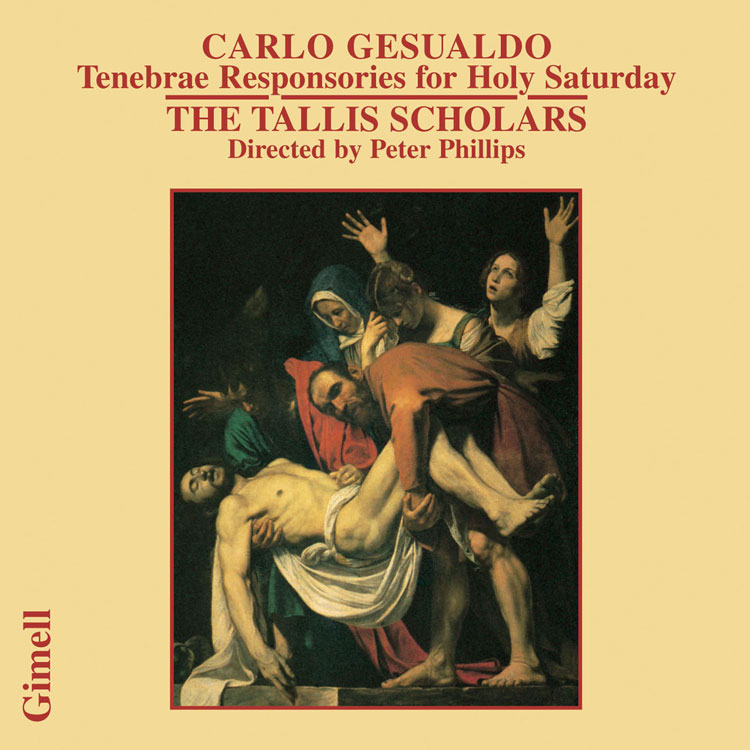
Mantegna, Lamentation Over the Dead Christ, 1490

MATTHEW 27:57-66
57 When the even was come, there came a rich man of Arimathaea, named Joseph, who also himself was Jesus' disciple:58 He went to Pilate, and begged the body of Jesus. Then Pilate commanded the body to be delivered.59 And when Joseph had taken the body, he wrapped it in a clean linen cloth,60 And laid it in his own new tomb, which he had hewn out in the rock: and he rolled a great stone to the door of the sepulchre, and departed.61 And there was Mary Magdalene, and the other Mary, sitting over against the sepulchre.62 Now the next day, that followed the day of the preparation, the chief priests and Pharisees came together unto Pilate,63 Saying, Sir, we remember that that deceiver said, while he was yet alive, After three days I will rise again.64 Command therefore that the sepulchre be made sure until the third day, lest his disciples come by night, and steal him away, and say unto the people, He is risen from the dead: so the last error shall be worse than the first.65 Pilate said unto them, Ye have a watch: go your way, make it as sure as ye can.66 So they went, and made the sepulchre sure, sealing the stone, and setting a watch.
Spirit.
The American Revolution began on this day, at this hour, in 1775.
CONCORD HYMN
By the rude bridge that arched the flood,
Their flag to April’s breeze unfurled,
Here once the embattled farmers stood
And fired the shot heard round the world.
The foe long since in silence slept;
Alike the conqueror silent sleeps;
And Time the ruined bridge has swept
Down the dark stream which seaward creeps.
On this green bank, by this soft stream,
We set today a votive stone;
That memory may their deed redeem,
When, like our sires, our sons are gone.
Spirit, that made those heroes dare
To die, and leave their children free,
Bid Time and Nature gently spare
The shaft
we raise to them and thee.Ralph Waldo Emerson
18 April 2025
Overnight.
Wyeth, N.C., Paul Revere's Ride, 1922

This evening, in 1775, Revere, Dawes, and Prescott were on their way to absolutely, positively getting it there overnight.

Truly.
Tiepolo, Christ on the Cross, 1750
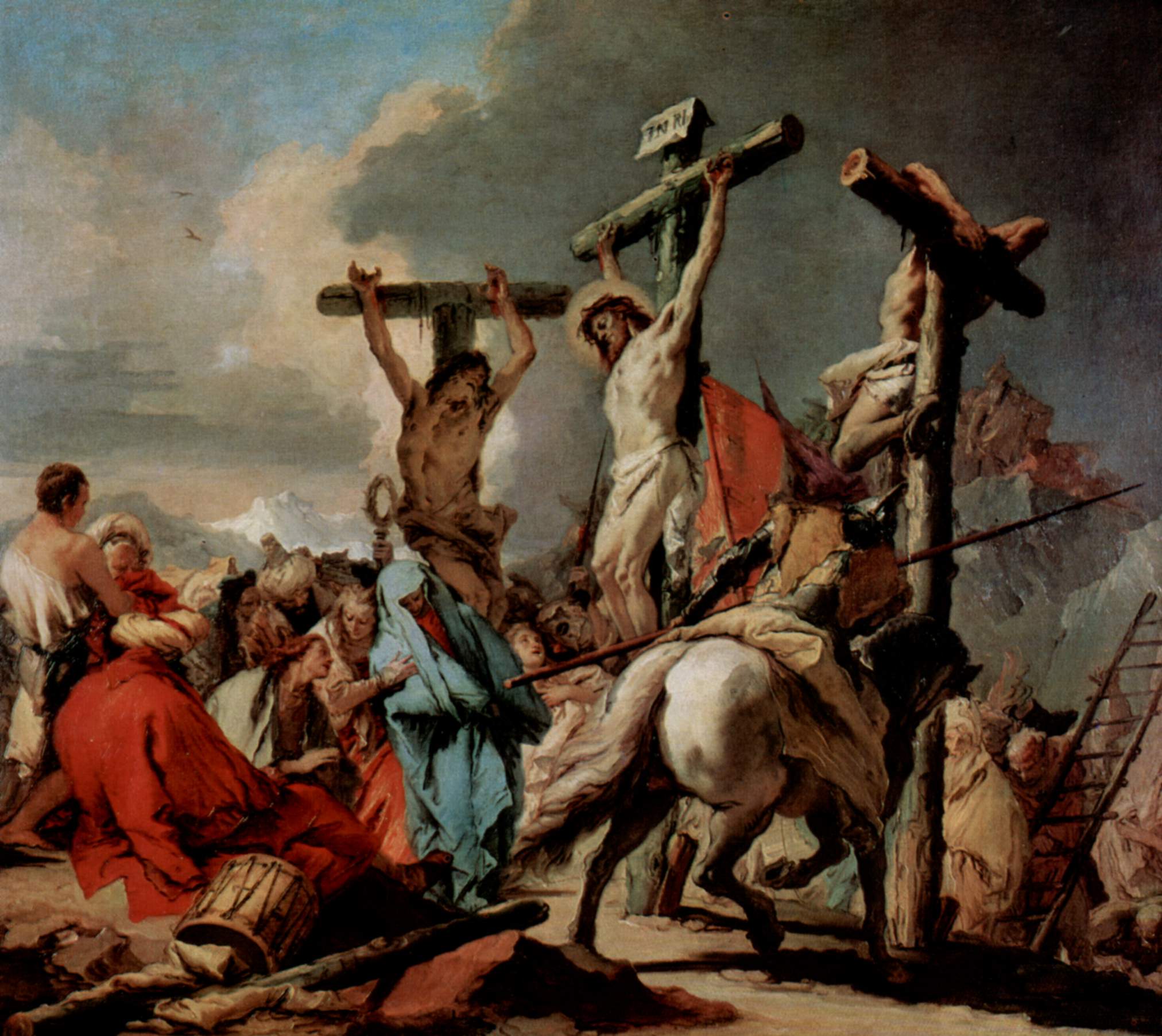
MATTHEW 27:32-56
32 And as they came out, they found a man of Cyrene, Simon by name: him they compelled to bear his cross.33 And when they were come unto a place called Golgotha, that is to say, a place of a skull,34 They gave him vinegar to drink mingled with gall: and when he had tasted thereof, he would not drink.35 And they crucified him, and parted his garments, casting lots: that it might be fulfilled which was spoken by the prophet, They parted my garments among them, and upon my vesture did they cast lots.36 And sitting down they watched him there;37 And set up over his head his accusation written, This Is Jesus The King Of The Jews.38 Then were there two thieves crucified with him, one on the right hand, and another on the left.39 And they that passed by reviled him, wagging their heads,40 And saying, Thou that destroyest the temple, and buildest it in three days, save thyself. If thou be the Son of God, come down from the cross.41 Likewise also the chief priests mocking him, with the scribes and elders, said,42 He saved others; himself he cannot save. If he be the King of Israel, let him now come down from the cross, and we will believe him.43 He trusted in God; let him deliver him now, if he will have him: for he said, I am the Son of God.44 The thieves also, which were crucified with him, cast the same in his teeth.45 Now from the sixth hour there was darkness over all the land unto the ninth hour.46 And about the ninth hour Jesus cried with a loud voice, saying, Eli, Eli, lama sabachthani? that is to say, My God, my God, why hast thou forsaken me?47 Some of them that stood there, when they heard that, said, This man calleth for Elias.48 And straightway one of them ran, and took a spunge, and filled it with vinegar, and put it on a reed, and gave him to drink.49 The rest said, Let be, let us see whether Elias will come to save him.50 Jesus, when he had cried again with a loud voice, yielded up the ghost.51 And, behold, the veil of the temple was rent in twain from the top to the bottom; and the earth did quake, and the rocks rent;52 And the graves were opened; and many bodies of the saints which slept arose,53 And came out of the graves after his resurrection, and went into the holy city, and appeared unto many.54 Now when the centurion, and they that were with him, watching Jesus, saw the earthquake, and those things that were done, they feared greatly, saying, Truly this was the Son of God.55 And many women were there beholding afar off, which followed Jesus from Galilee, ministering unto him:56 Among which was Mary Magdalene, and Mary the mother of James and Joses, and the mother of Zebedees children.
Hoof-Beats.
Wood, The Midnight Ride of Paul Revere (detail)1931


PAUL REVERE'S RIDEl
Listen, my children, and you shall hear
Of the midnight ride of Paul Revere,
On the eighteenth of April, in Seventy-Five:
Hardly a man is now alive
Who remembers that famous day and year.
He said to his friend, “If the British march
By land or sea from the town to-night,
Hang a lantern aloft in the belfry-arch
Of the North-Church-tower, as a signal-light,—
One if by land, and two if by sea;
And I on the opposite shore will be,
Ready to ride and spread the alarm
Through every Middlesex village and farm,
For the country-folk to be up and to arm.”
Then he said “Good night!” and with muffled oar
Silently rowed to the Charlestown shore,
Just as the moon rose over the bay,
Where swinging wide at her moorings lay
The Somerset, British man-of-war:
A phantom ship, with each mast and spar
Across the moon, like a prison-bar,
And a huge black hulk, that was magnified
By its own reflection in the tide.
Meanwhile, his friend, through alley and street
Wanders and watches with eager ears,
Till in the silence around him he hears
The muster of men at the barrack door,
The sound of arms, and the tramp of feet,
And the measured tread of the grenadiers
Marching down to their boats on the shore.
Then he climbed to the tower of the church,
Up the wooden stairs, with stealthy tread,
To the belfry-chamber overhead,
And startled the pigeons from their perch
On the sombre rafters, that round him made
Masses and moving shapes of shade,—
By the trembling ladder, steep and tall,
To the highest window in the wall,
Where he paused to listen and look down
A moment on the roofs of the town,
And the moonlight flowing over all.
Beneath, in the churchyard, lay the dead,
In their night-encampment on the hill,
Wrapped in silence so deep and still
That he could hear, like a sentinel’s tread,
The watchful night-wind, as it went
Creeping along from tent to tent,
And seeming to whisper, “All is well!”
A moment only he feels the spell
Of the place and the hour, and the secret dread
Of the lonely belfry and the dead;
For suddenly all his thoughts are bent
On a shadowy something far away,
Where the river widens to meet the bay,—
A line of black, that bends and floats
On the rising tide, like a bridge of boats.
Meanwhile, impatient to mount and ride,
Booted and spurred, with a heavy stride,
On the opposite shore walked Paul Revere.
Now he patted his horse’s side,
Now gazed on the landscape far and near,
Then impetuous stamped the earth,
And turned and tightened his saddle-girth;
But mostly he watched with eager search
The belfry-tower of the old North Church,
As it rose above the graves on the hill,
Lonely and spectral and sombre and still.
And lo! as he looks, on the belfry’s height,
A glimmer, and then a gleam of light!
He springs to the saddle, the bridle he turns,
But lingers and gazes, till full on his sight
A second lamp in the belfry burns!
A hurry of hoofs in a village-street,
A shape in the moonlight, a bulk in the dark,
And beneath from the pebbles, in passing, a spark
Struck out by a steed that flies fearless and fleet:
That was all! And yet, through the gloom and the light,
The fate of a nation was riding that night;
And the spark struck out by that steed, in his flight,
Kindled the land into flame with its heat.
He has left the village and mounted the steep,
And beneath him, tranquil and broad and deep,
Is the Mystic, meeting the ocean tides;
And under the alders, that skirt its edge,
Now soft on the sand, now loud on the ledge,
Is heard the tramp of his steed as he rides.
It was twelve by the village clock
When he crossed the bridge into Medford town.
He heard the crowing of the cock,
And the barking of the farmer’s dog,
And felt the damp of the river-fog,
That rises when the sun goes down.
It was one by the village clock,
When he galloped into Lexington.
He saw the gilded weathercock
Swim in the moonlight as he passed,
And the meeting-house windows, blank and bare,
Gaze at him with a spectral glare,
As if they already stood aghast
At the bloody work they would look upon.
It was two by the village clock,
When he came to the bridge in Concord town.
He heard the bleating of the flock,
And the twitter of birds among the trees,
And felt the breath of the morning breeze
Blowing over the meadows brown.
And one was safe and asleep in his bed
Who at the bridge would be first to fall,
Who that day would be lying dead,
Pierced by a British musket-ball.
You know the rest. In the books you have read,
How the British Regulars fired and fled,—
How the farmers gave them ball for ball,
From behind each fence and farmyard-wall,
Chasing the red-coats down the lane,
Then crossing the fields to emerge again
Under the trees at the turn of the road,
And only pausing to fire and load.
So through the night rode Paul Revere;
And so through the night went his cry of alarm
To every Middlesex village and farm,—
A cry of defiance, and not of fear,
A voice in the darkness, a knock at the door,
And a word that shall echo forevermore!
For, borne on the night-wind of the Past,
Through all our history, to the last,
In the hour of darkness and peril and need,
The people will waken and listen to hear
The hurrying hoof-beats of that steed,
And the midnight message of Paul Revere.
Henry Wadsworth Longfellow
16 April 2025
Happy Birthday, Wright

I confess that in 1901 I said to my brother Orville that man would not fly for fifty years. Two years later we ourselves made flights. This demonstration of my impotence as a prophet gave me such a shock that ever since I have distrusted myself and avoided all predictions.
Wilbur Wright, born on this day in 1867
Experts are the worst.
Subscribe to:
Posts (Atom)


































































































































