"I am not one who was born in the custody of wisdom. I am one who is fond of olden times and intense in quest of the sacred knowing of the ancients." Gustave Courbet
Showing posts with label liberal arts. Show all posts

26 April 2025

Control.


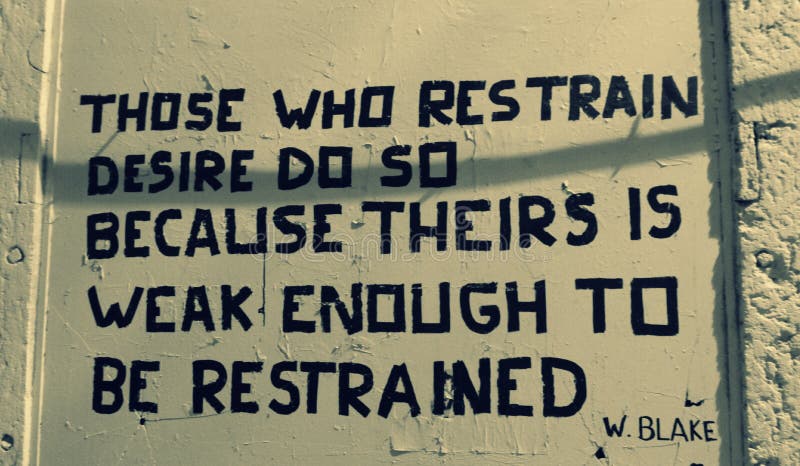
Personal authenticity, in the classical understanding of liberal-arts education, consists in self-mastery—in placing reason in control of desire. According to the classic liberal-arts ideal, learning promises liberation, but it is not liberation from demanding moral ideals and social norms, or liberation to act on our desires—it is, rather, liberation from slavery to those desires, from slavery to self.

Robert P. George

08 July 2023

Uncomfortable.

The Rev. Dr. Cornel West and Dr. Robert George discuss the purpose of a liberal education ...
While college should prepare graduates for careers, the more important purpose is to provide students with an opportunity lead the examined life and be open to new ideas. To lead truly a human life in highest sense, means to be uncomfortable.

Understand the value of truth for its own sake. That is the vaccine to prevent you from falling so deeply in love with our own opinions.  That is the recipe for avoiding dogmatism. Be engaged, but don’t be dogmatic. Demand that ... university challenge you.

A variety of voices need to be heard ... academic freedom belongs to people on the left and the right – everybody, and everybody equally. Challenge is central to education.

Dr. Robert George

25 January 2023

Building.

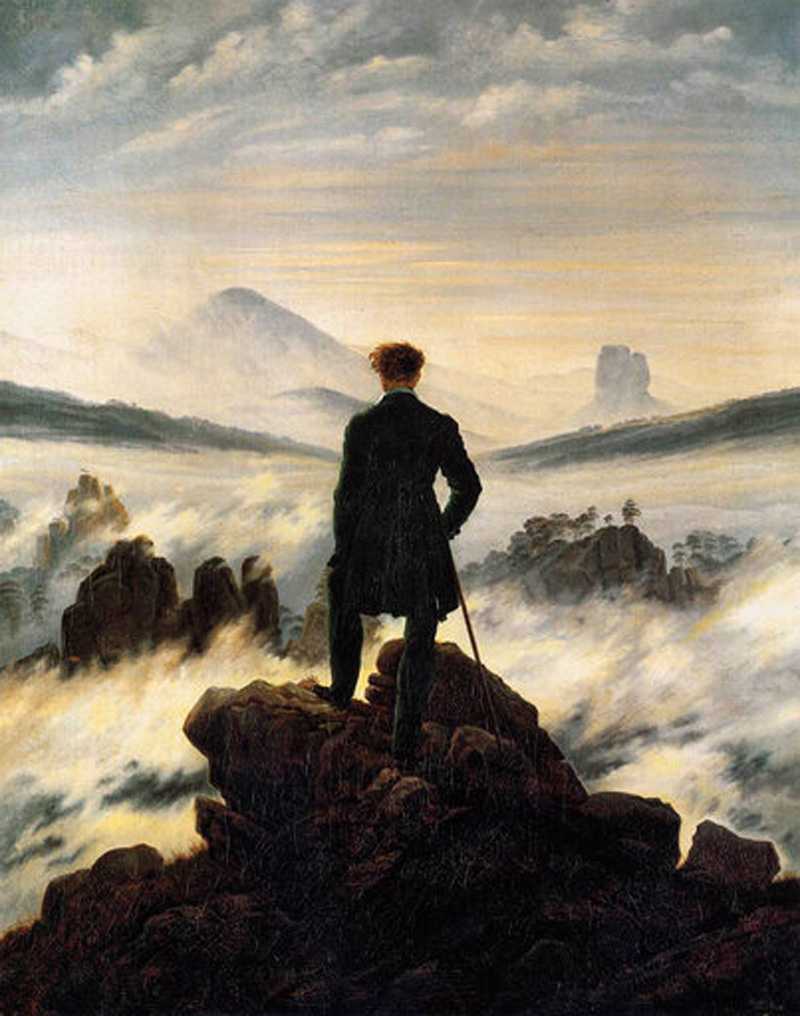
Friedrich, Wanderer Above the Sea of Fog, 1818

Dartmouth Alumni Magazine defines the liberal arts ...
What then, in this context, is the function of the required major if not to learn a specific amount of disciplinarily defined content? It is not—not!—to train in a field that is based on information learned in that major. It is to practice thinking, researching, interpreting, writing, learning and synthesizing within increasingly complex arenas of knowledge. The major is, in a sense, the “thought laboratory.” Working within a defined discipline, with increasingly large and complex data (whether in chemical, historical or philological data), the liberal arts student is challenged to manage, assess and apply increasingly complex ideas and information. Managing and interpreting increasingly complex concepts works the brain, like any muscle, to become stronger and more nimble—that is, smarter. And this is why, if a student in a liberal arts school wants to get the absolute most out of her experience, she is probably better off writing a senior thesis in a discipline rather than double majoring in two closely related disciplines. This is what will push her brain further—make her smarter—and this is the best investment a student can make.

So, as parents send their kids off to college, and those same kids try to figure out what they want to study, and as those of us who teach in liberal arts institutions begin talking to those students about the purpose and meaning of the educations they are about to embark upon, we should all keep in mind what our ultimate aim is. It is not vocation training. It is brain training. We are building the brain trust of the future.
12 August 2015

Marvel.

Leonardo, Vitruvian Man, 1490


When properly conceived and taught, the liberal arts do not by themselves make us “better people” or (God knows) more “human.” They don’t exist to make us more “liberal,” at least in the contemporary political sense. But the liberal arts can do something no less wonderful: They can open our eyes. 

They show us how to look at the world and the works of civilization in serious and important and even delightful ways. They hold out the possibility that we will know better the truth about many of the most important things. They are the vehicle that carries the amazing things that mankind has made—and the memory of the horrors that mankind has perpetrated—from one age to the next. They teach us how to marvel.
CONNECT

Thanks, Kurt.