Showing posts with label Peterson. Show all posts
27 March 2026
02 January 2026
31 October 2025
Behold.
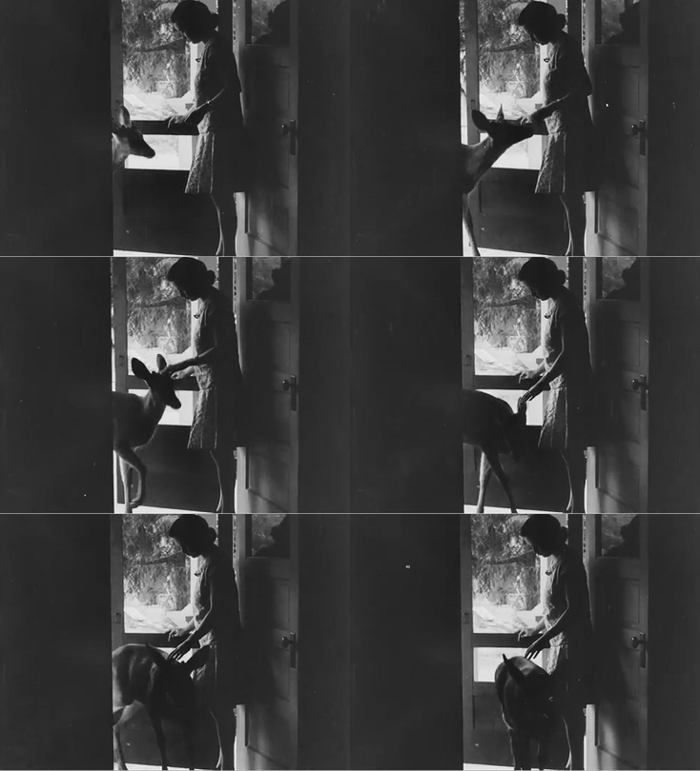
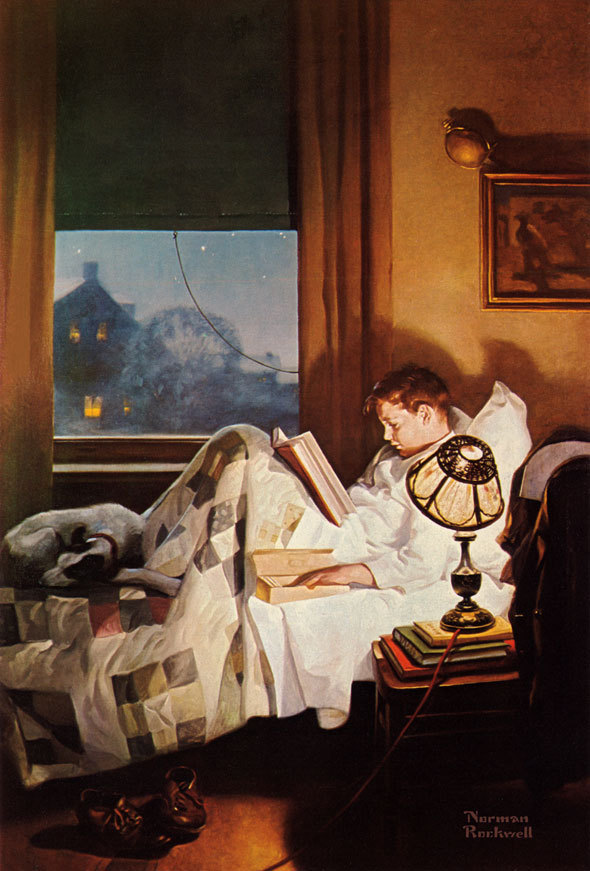
Wyeth, Witch Country, Cushing, 1973
Out I went into the meadow,
Where the moon was shining brightly,
And the oak-tree’s lengthening shadows
On the sloping sward did lean;
For I longed to see the goblins,
And the dainty-footed fairies,
And the gnomes, who dwell in caverns,
But come forth on Halloween.
“All the spirits, good and evil,
Fay and pixie, witch and wizard,
On this night will sure be stirring,"
Thought I, as I walked along;
“And if Puck, the merry wanderer,
Or her majesty, Titania,
Or that Mab who teases housewives
If their housewifery be wrong,
Should but condescend to meet me”—
But my thoughts took sudden parting,
For I saw, a few feet from me,
Standing in the moonlight there,
A quaint, roguish little figure,
And I knew ‘twas Puck, the trickster,
By the twinkle of his bright eyes
Underneath his shaggy hair.
Yet I felt no fear of Robin,
Salutation brief he uttered,
Laughed and touched me on the shoulder,
And we lightly walked away;
And I found that I was smaller,
For the grasses brushed my elbows,
And the asters seemed like oak-trees,
With their trunks so tall and gray.
Swiftly as the wind we traveled,
Till we came unto a garden,
Bright within a gloomy forest,
Like a gem within the mine;
And I saw, as we grew nearer,
That the flowers so blue and golden
Were but little men and women,
Who amongst the green did shine.
But ‘twas marvelous the resemblance
Their bright figures bore to blossoms,
As they smiled, and danced, and courtesied,
Clad in yellow, pink and blue;
That fair dame, my eyes were certain,
Who among them moved so proudly,
Was my moss-rose, while her ear-rings
Sparkled like the morning dew.
Here, too, danced my pinks and pansies,
Smiling, gayly, as they used to
When, like beaux bedecked and merry,
They disported in the sun;
There, with meek eyes, walked a lily,
While the violets and snow-drops
Tripped it with the lordly tulips:
Truant blossoms, every one.
Then spoke Robin to me, wondering:
“These blithe fairies are the spirits
Of the flowers which all the summer
Bloom beneath its tender sky;
When they feel the frosty fingers
Of the autumn closing round them,
They forsake their earthborn dwellings,
Which to earth return and die,
“As befits things which are mortal.
But these spirits, who are deathless,
Care not for the frosty autumn,
Nor the winter long and keen;
But, from field, and wood, and garden,
When their summer’s tasks are finished,
Gather here for dance and music,
As of old, on Halloween.”
Long, with Puck, I watched the revels,
Till the gray light of the morning
Dimmed the luster of Orion,
Starry sentry overhead;
And the fairies, at that warning,
Ceased their riot, and the brightness
Faded from the lonely forest,
And I knew that they had fled.
Ah, it ne’er can be forgotten,
This strange night I learned the secret—
That within each flower a busy
Fairy lives and works unseen
Seldom is ‘t to mortals granted
To behold the elves and pixies,
To behold the merry spirits,
Who come forth on Halloween.
Arthur Peterson
10 September 2023
Accountability.
Dr. Peterson talks with Jocko Willink about the influence of compulsion and autonomy on accountability ...
19 June 2023
09 January 2022
30 October 2021
Behold.
Out I went into the meadow,
Where the moon was shining brightly,
And the oak-tree’s lengthening shadows
On the sloping sward did lean;
For I longed to see the goblins,
And the dainty-footed fairies,
And the gnomes, who dwell in caverns,
But come forth on Halloween.
“All the spirits, good and evil,
Fay and pixie, witch and wizard,
On this night will sure be stirring,"
Thought I, as I walked along;
“And if Puck, the merry wanderer,
Or her majesty, Titania,
Or that Mab who teases housewives
If their housewifery be wrong,
Should but condescend to meet me”—
But my thoughts took sudden parting,
For I saw, a few feet from me,
Standing in the moonlight there,
A quaint, roguish little figure,
And I knew ‘twas Puck, the trickster,
By the twinkle of his bright eyes
Underneath his shaggy hair.
Yet I felt no fear of Robin,
Salutation brief he uttered,
Laughed and touched me on the shoulder,
And we lightly walked away;
And I found that I was smaller,
For the grasses brushed my elbows,
And the asters seemed like oak-trees,
With their trunks so tall and gray.
Swiftly as the wind we traveled,
Till we came unto a garden,
Bright within a gloomy forest,
Like a gem within the mine;
And I saw, as we grew nearer,
That the flowers so blue and golden
Were but little men and women,
Who amongst the green did shine.
But ‘twas marvelous the resemblance
Their bright figures bore to blossoms,
As they smiled, and danced, and courtesied,
Clad in yellow, pink and blue;
That fair dame, my eyes were certain,
Who among them moved so proudly,
Was my moss-rose, while her ear-rings
Sparkled like the morning dew.
Here, too, danced my pinks and pansies,
Smiling, gayly, as they used to
When, like beaux bedecked and merry,
They disported in the sun;
There, with meek eyes, walked a lily,
While the violets and snow-drops
Tripped it with the lordly tulips:
Truant blossoms, every one.
Then spoke Robin to me, wondering:
“These blithe fairies are the spirits
Of the flowers which all the summer
Bloom beneath its tender sky;
When they feel the frosty fingers
Of the autumn closing round them,
They forsake their earthborn dwellings,
Which to earth return and die,
“As befits things which are mortal.
But these spirits, who are deathless,
Care not for the frosty autumn,
Nor the winter long and keen;
But, from field, and wood, and garden,
When their summer’s tasks are finished,
Gather here for dance and music,
As of old, on Halloween.”
Long, with Puck, I watched the revels,
Till the gray light of the morning
Dimmed the luster of Orion,
Starry sentry overhead;
And the fairies, at that warning,
Ceased their riot, and the brightness
Faded from the lonely forest,
And I knew that they had fled.
Ah, it ne’er can be forgotten,
This strange night I learned the secret—
That within each flower a busy
Fairy lives and works unseen
Seldom is ‘t to mortals granted
To behold the elves and pixies,
To behold the merry spirits,
Who come forth on Halloween.
Arthur Peterson
28 December 2020
31 October 2020
Secret.
Where the moon was shining brightly,
And the oak-tree’s lengthening shadows
On the sloping sward did lean;
For I longed to see the goblins,
And the dainty-footed fairies,
And the gnomes, who dwell in caverns,
But come forth on Halloween.
“All the spirits, good and evil,
Fay and pixie, witch and wizard,
On this night will sure be stirring,"
Thought I, as I walked along;
“And if Puck, the merry wanderer,
Or her majesty, Titania,
Or that Mab who teases housewives
If their housewifery be wrong,
Should but condescend to meet me”—
But my thoughts took sudden parting,
For I saw, a few feet from me,
Standing in the moonlight there,
A quaint, roguish little figure,
And I knew ‘twas Puck, the trickster,
By the twinkle of his bright eyes
Underneath his shaggy hair.
Yet I felt no fear of Robin,
Salutation brief he uttered,
Laughed and touched me on the shoulder,
And we lightly walked away;
And I found that I was smaller,
For the grasses brushed my elbows,
And the asters seemed like oak-trees,
With their trunks so tall and gray.
Swiftly as the wind we traveled,
Till we came unto a garden,
Bright within a gloomy forest,
Like a gem within the mine;
And I saw, as we grew nearer,
That the flowers so blue and golden
Were but little men and women,
Who amongst the green did shine.
But ‘twas marvelous the resemblance
Their bright figures bore to blossoms,
As they smiled, and danced, and courtesied,
Clad in yellow, pink and blue;
That fair dame, my eyes were certain,
Who among them moved so proudly,
Was my moss-rose, while her ear-rings
Sparkled like the morning dew.
Here, too, danced my pinks and pansies,
Smiling, gayly, as they used to
When, like beaux bedecked and merry,
They disported in the sun;
There, with meek eyes, walked a lily,
While the violets and snow-drops
Tripped it with the lordly tulips:
Truant blossoms, every one.
Then spoke Robin to me, wondering:
“These blithe fairies are the spirits
Of the flowers which all the summer
Bloom beneath its tender sky;
When they feel the frosty fingers
Of the autumn closing round them,
They forsake their earthborn dwellings,
Which to earth return and die,
“As befits things which are mortal.
But these spirits, who are deathless,
Care not for the frosty autumn,
Nor the winter long and keen;
But, from field, and wood, and garden,
When their summer’s tasks are finished,
Gather here for dance and music,
As of old, on Halloween.”
Long, with Puck, I watched the revels,
Till the gray light of the morning
Dimmed the luster of Orion,
Starry sentry overhead;
And the fairies, at that warning,
Ceased their riot, and the brightness
Faded from the lonely forest,
And I knew that they had fled.
Ah, it ne’er can be forgotten,
This strange night I learned the secret—
That within each flower a busy
Fairy lives and works unseen
Seldom is ‘t to mortals granted
To behold the elves and pixies,
To behold the merry spirits,
Who come forth on Halloween.
Arthur Peterson
01 August 2020
13 July 2020
Service.
Rabbi Lord Jonathan Sacks talks with former Austrailian Deputy Prime Minister John Anderson ...
To see yourself as a victim essentially means to see yourself as powerless. You’ve placed yourself at the hands of the victimizer, the oppressor. Now, you can’t do that. You’re giving away your life.
Freedom means accepting responsibility, and that’s a big leap.
Democracy means abiding by the rules even if you lose. And we’re forgetting that.
When bad things happen to a country or a culture, they can ask one of two questions, and the whole fate of that culture will depend on which of the two they ask. They can ask what did we do wrong, or they can ask who did this to us. If they ask what did we do wrong, then they go through the necessary business of repentance, remorse, whatever it is, putting things right again, and then they go on and they recover.
But when they ask who did this to us, they define themselves as a victim, and any victim must have a victimizer, an oppressor. And when any culture has suffered some kind of major confusion or humiliation, and they say, who did this to us, they are looking for a scapegoat to blame.
abide (v.)
Old English abidan, gebidan "remain, wait, wait for, delay, remain behind," from ge- completive prefix (denoting onward motion; see a- (1)) + bidan "bide, remain, wait, dwell" (see bide).
Originally intransitive (with genitive of the object: we abidon his "we waited for him"); transitive sense "endure, sustain, stay firm under," also "tolerate, bear, put up with" (now usually with a negative) is from c. 1200. Related: Abided; abiding. The historical conjugation was abide, abode, abidden, but in Modern English the formation generally is weak. Abide with "stay with (someone); live with; remain in the service of" is from c. 1300.
(From the Online Etymology Dictionary)
Thank you, Rachel.
To see yourself as a victim essentially means to see yourself as powerless. You’ve placed yourself at the hands of the victimizer, the oppressor. Now, you can’t do that. You’re giving away your life.
Freedom means accepting responsibility, and that’s a big leap.
Democracy means abiding by the rules even if you lose. And we’re forgetting that.
When bad things happen to a country or a culture, they can ask one of two questions, and the whole fate of that culture will depend on which of the two they ask. They can ask what did we do wrong, or they can ask who did this to us. If they ask what did we do wrong, then they go through the necessary business of repentance, remorse, whatever it is, putting things right again, and then they go on and they recover.
But when they ask who did this to us, they define themselves as a victim, and any victim must have a victimizer, an oppressor. And when any culture has suffered some kind of major confusion or humiliation, and they say, who did this to us, they are looking for a scapegoat to blame.
abide (v.)
Old English abidan, gebidan "remain, wait, wait for, delay, remain behind," from ge- completive prefix (denoting onward motion; see a- (1)) + bidan "bide, remain, wait, dwell" (see bide).
Originally intransitive (with genitive of the object: we abidon his "we waited for him"); transitive sense "endure, sustain, stay firm under," also "tolerate, bear, put up with" (now usually with a negative) is from c. 1200. Related: Abided; abiding. The historical conjugation was abide, abode, abidden, but in Modern English the formation generally is weak. Abide with "stay with (someone); live with; remain in the service of" is from c. 1300.
(From the Online Etymology Dictionary)
Thank you, Rachel.
05 July 2020
24 May 2020
26 February 2019
14 January 2019
15 December 2018
Transcendent.
It must be the case, that when describing the our cultural inheritance, we're not just describing something that's gone. We must be describing something of which we are still a part, and which has to change as we are changing, to accommodate us.
All this was said by Eliot, that the artist must be constantly trying to say that new thing that he came into the world to say. But he can only say it if he adapts his style to the inheritance of the tradition, thereby transforming the tradition and transforming himself. There is no formula for doing this, because the formula is precisely what destroy the creative act. We have to assume that new things will come and they will come through us as they always did in the past, through fasting and prayer ... and an occasional glass of wine.
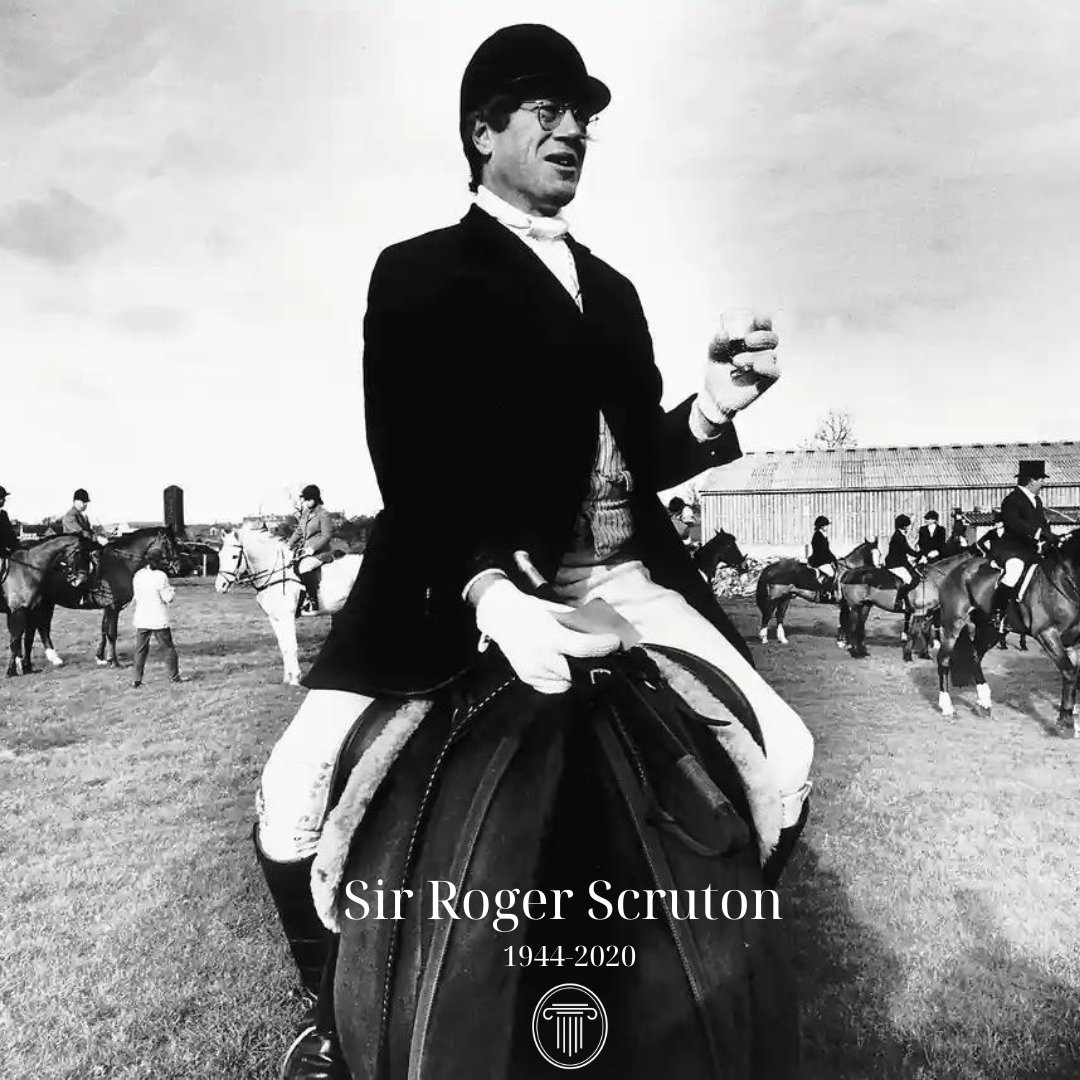
Apprehending the Transcendent, a discussion between Roger Scruton and Jordan Peterson ...
All this was said by Eliot, that the artist must be constantly trying to say that new thing that he came into the world to say. But he can only say it if he adapts his style to the inheritance of the tradition, thereby transforming the tradition and transforming himself. There is no formula for doing this, because the formula is precisely what destroy the creative act. We have to assume that new things will come and they will come through us as they always did in the past, through fasting and prayer ... and an occasional glass of wine.
Apprehending the Transcendent, a discussion between Roger Scruton and Jordan Peterson ...
28 November 2018
26 October 2018
21 June 2018
23 January 2018
Individual.
Your group identity is not your cardinal feature. That’s the great discovery of the west. That’s why the west is right. And I mean that unconditionally. The west is the only place in the world that has ever figured out that the individual is sovereign. And that’s an impossible thing to figure out. It’s amazing that we managed it. And it’s the key to everything that we’ve ever done right.
Jordan Peterson
Cultural Offering points to a recent exchange between two individuals ... HERE.
Subscribe to:
Posts (Atom)