"I am not one who was born in the custody of wisdom. I am one who is fond of olden times and intense in quest of the sacred knowing of the ancients." Gustave Courbet

10 September 2022

Whisky.


CRANACHEN

Ingredients
570ml/1 pint double cream
85g/3oz porridge oats
7 tbsp whisky
3 tbsp honey
450g/1lb raspberries
fresh mint, to garnish

Method
  1. Toast the oats in a frying pan, being careful not to burn them.
  2. Lightly whip the cream until it reaches the soft peak stage, then fold in the whisky, honey, oatmeal and raspberries.
  3. Serve in dessert glasses garnished with a few raspberries and mint.

Excellent.

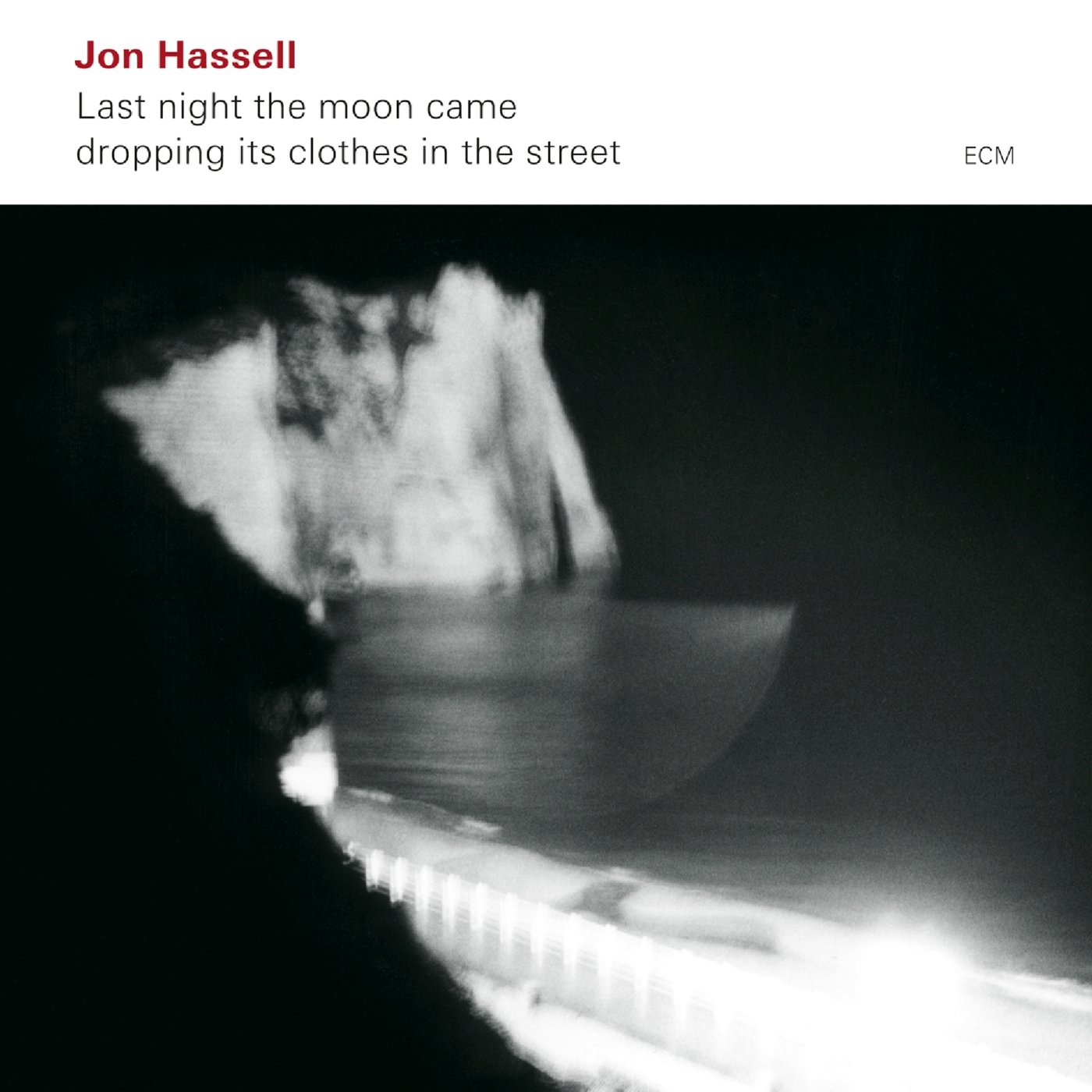
An excellent album ...

09 September 2022

Scorpions, "Gas in the Tank"

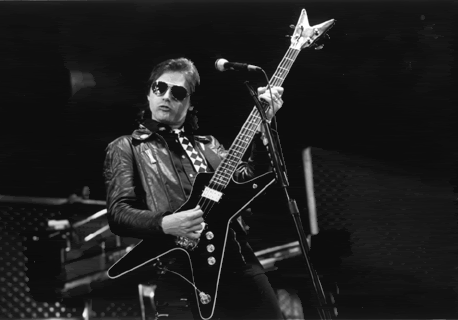
Michael Schenker Group, "Armed and Ready"

Lionheart.

Aboard J/H1 Lionheart ...

Gladly.

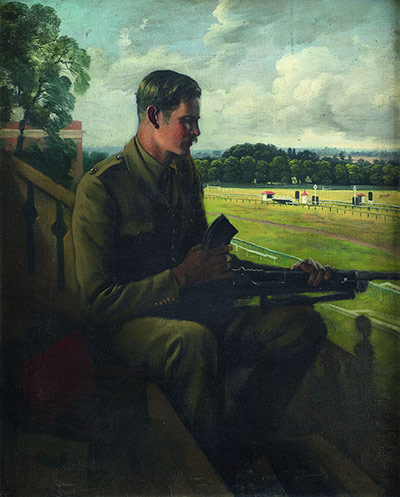
Whistler, Lieutenant Jock Lewes, co-founder of the SAS, 1940


We acquire more merit on this earth in doing gladly those tasks set us which are less attractive than by any amount of enjoyment labour.

John Steele "Jock" Lewes

Excellent.

An excellent album ...

Beyond.


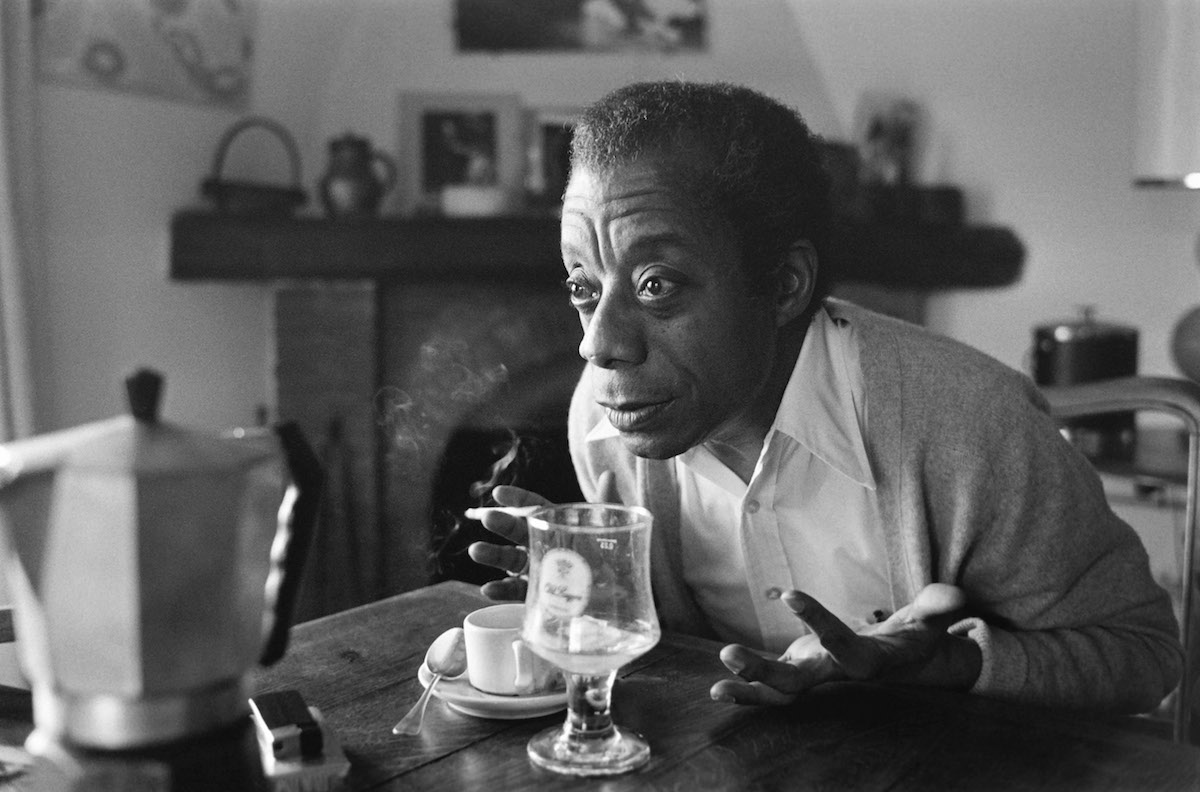
Talent is insignificant. I know a lot of talented ruins. Beyond talent lie all the usual words: discipline, love, luck, but most of all, endurance.

James Baldwin

Sure.

Handel, Oboe Concerto No 3 in G minor, HWV 287

Leo Duarte performs the Allegro with the Academy of Ancient Music, under the direction of Richard Egarr ...

Big.

 Big Byrd: The Music of William Byrd ...

Learn.


Released.


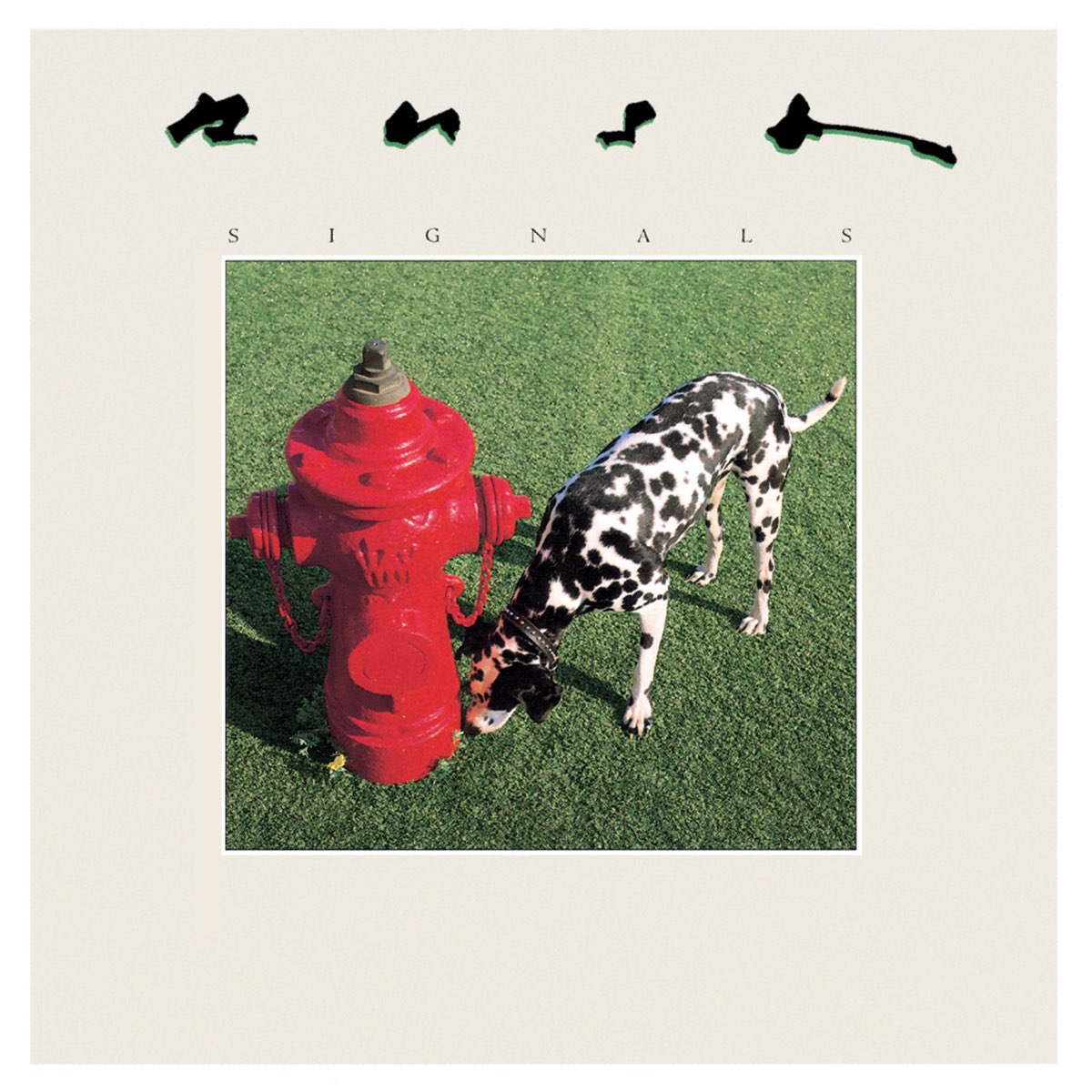
Rush released Signals on this day in 1982.

"Digital Man" ...

08 September 2022

Silently.

Chatham, Dusk, 2007


The DAY is DONE

The day is done, and the darkness
      Falls from the wings of Night,
As a feather is wafted downward
      From an eagle in his flight.

I see the lights of the village
      Gleam through the rain and the mist,
And a feeling of sadness comes o'er me
      That my soul cannot resist:

A feeling of sadness and longing,
      That is not akin to pain,
And resembles sorrow only
      As the mist resembles the rain.

Come, read to me some poem,
      Some simple and heartfelt lay,
That shall soothe this restless feeling,
      And banish the thoughts of day.

Not from the grand old masters,
      Not from the bards sublime,
Whose distant footsteps echo
      Through the corridors of Time.

For, like strains of martial music,
      Their mighty thoughts suggest
Life's endless toil and endeavor;
      And to-night I long for rest.

Read from some humbler poet,
      Whose songs gushed from his heart,
As showers from the clouds of summer,
      Or tears from the eyelids start;

Who, through long days of labor,
      And nights devoid of ease,
Still heard in his soul the music
      Of wonderful melodies.

Such songs have power to quiet
      The restless pulse of care,
And come like the benediction
      That follows after prayer.

Then read from the treasured volume
      The poem of thy choice,
And lend to the rhyme of the poet
      The beauty of thy voice.

And the night shall be filled with music,
      And the cares, that infest the day,
Shall fold their tents, like the Arabs,
      And as silently steal away.

Henry Wadsworth Longfellow

Hang.

"Hang care!" exclaimed he. "This is a delicious evening; the wine has a finer relish here than in the house, and the song is more exciting and melodious under the tranquil sky than in the close room, where the sound is stifled. Come, let us have a bacchanalian chant—let us, with old Sir Toby, make the welkin dance and rouse the night-owl with a catch! I am right merry. Pass the bottle, and tune your voices—a catch, a catch! The lights will be here anon."

Charles Ollier, from "The Haunted Manor-House of Paddington" 

For best results, listen to this ... RUSH, "Analog Kid" ...


The euphony transformed me and inundated my soul in a roguish countenance, the likes of which I had know well in younger days. Such impishness soon drove out the complaints of the day. 

Umberto Limongiello

Winner.


Official Styx tour jackets.

Greatest.


"Pack It Up" is one of the greatest songs ever.

Queen Elizabeth, Rest in Peace


Elizabeth Alexandra Mary Windsor has passed.

Released.


Styx released Pieces of Eight on this day in 1978.

"Great White Hope," when Olivia Newton John was in the band ...

Happy Birthday, Orr


Benjamin Orr was born on this day in 1947.

"Candy-O"...

Membership.


Just fill out the coupon below, and send it with the sales receipt for your Nerf football.  We'll send you your membership card, plus an official NFL full-color patch for your jacket.

Lifetime.


Chris La Tray in worship of the "complete beauty" of Jim Harrison's complete poetic works ...
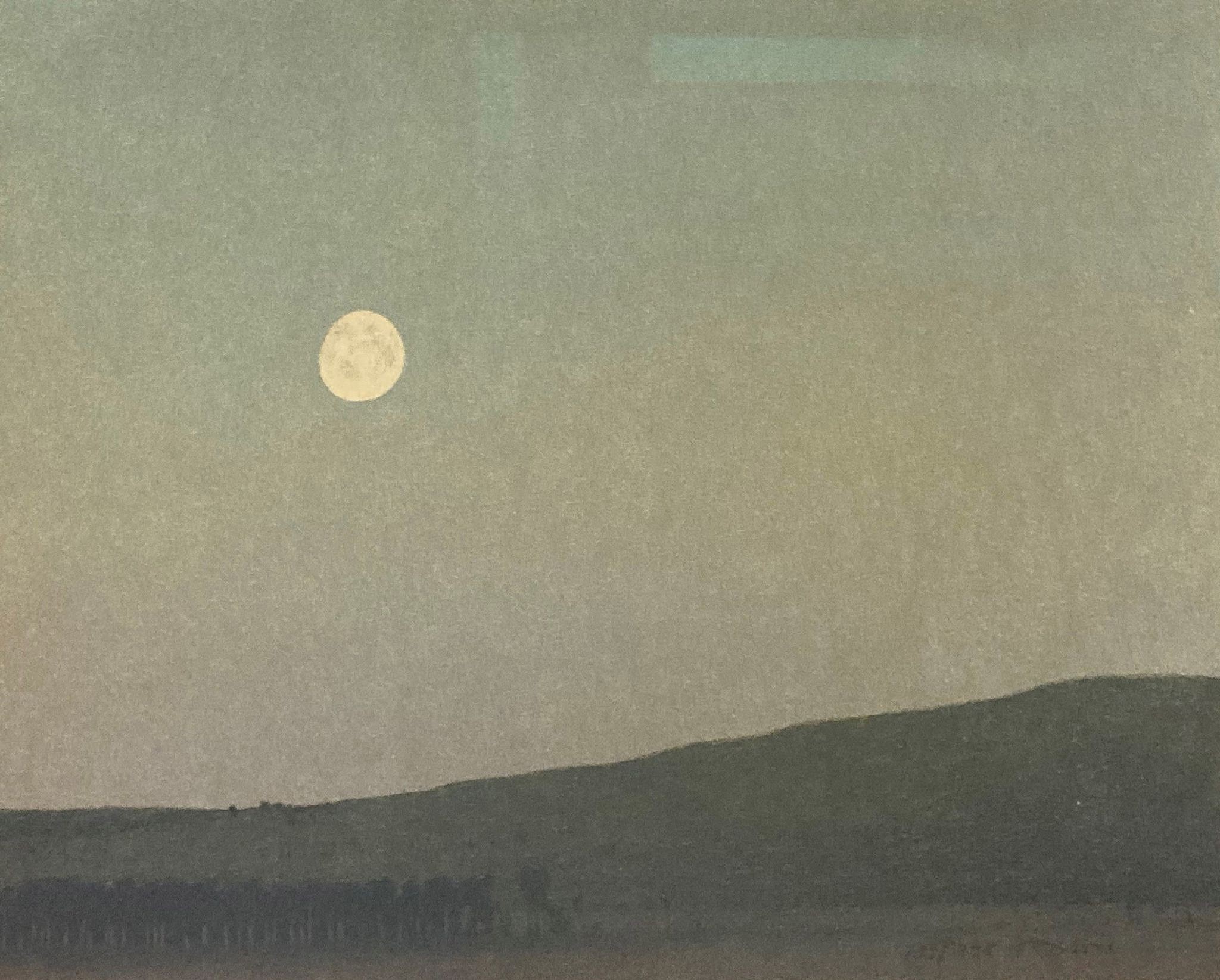
When the book arrives in the mail I stare at it for a time a little dumbfounded. It is gorgeous and it is massive. By the warm light of my desk lamp, the Russell Chatham painting used for the cover image — titled “Spring Moon Over the Marshall Ridge” — reflects, as in the golden light of sunset at the closing of one of those first, most beautiful days, a perfect, dream-like mood for what the book contains.

Painted in 2018, the landscape was certainly one of the great painter’s last works. Fitting, as Chatham’s work graced the covers of Jim Harrison’s books for decades and contribute in no small fashion to each one’s overall brilliance.

This is “Complete Poems” by Harrison. Assembled by his longtime poetry publisher, Copper Canyon Press, the tome collects all 14 of Harrison’s published books of poetry. It weighs over 3 pounds. Not counting end notes and index, etc., it comes in at 899 pages. It is not the kind of book one holds in a single hand, no matter how paw-like, while resting on one’s side on the bed or, as likely in my case, prone on the floor of my office.

The next day I carried it north with me to the Flathead Indian Reservation. I am teaching poetry to fourth- and fifth-graders there. At the beginning of each of four classes I held the book up for everyone to see. We passed it around so everyone could feel its heft, see the photo on the back cover of the grizzled poet, his eyes turned down, drawing on the ubiquitous cigarette. I described it as a physical representation of a life devoted to poetry and how wonderful that is. I was asked how long it will take me to read the whole thing. “A lifetime,” I answer.

I use examples from the book too. We are writing poems about place, and I open to a poem called “Portal, Arizona.” It is from “Saving Daylight” (2006). The opening line — “I’ve been apart too long / from this life we have” — sets me up, and as the poem closes: “What beauty / can I imagine beyond these vast rock walls / with caves sculpted by wind where perhaps / Geronimo slept quite innocent of television / and when his three-year-old son died | made a war these ravens still talk about,” I am rubble.

Harrison looms larger than life in my universe. I wouldn’t be here at this desk, writing these words, without the influence of his work. I picked up 2009’s “In Search of Small Gods” about the time it was published. I was already familiar with Harrison’s fiction and I wanted to try his poetry after reading that he identified as a poet over everything else. Sadly, like so many of us, until then poetry for me had been something I never gave much of a chance. I’d only seen it as an example of a high school torment in which I’d been forced to read only the most obtuse of poets writing in a language that seemed nothing akin to anything I’d ever understand. Why would I care?

CONNECT 

Heartless Bastards, "Simple Feeling"

Things.

Gordon Lightfoot, "If You Could Read My Mind"

Michigan.

Sunfish.

Know.

It is better to have your head in the clouds, and know where you are, than to breathe the clearer atmosphere below them, and think that you are in paradise.

Henry David Thoreau

Drift.

Chatham, Sweetgrass Spring Evening, 1991


Of late I feel a cold blue wind through my life and need to go backwards myself to the outback I once knew so well where there were too many mosquitoes, blackflies, curious bears, flowering berry trees of sugar plum and chokeberry, and where sodden and hot with salty sweat I'd slide into a cold river and drift along until I floated against a warm sandbar, thinking of driving again the gravel backroads of America at thirty-five miles per hour in order to see the ditches and gulleys, the birds in the fields, the mountains and rivers, the skies that hold our 10,000 generations of mothers in the clouds waiting for us to fall back into their arms again.

Jim Harrison, from "Cold Wind"

Excellent.

An excellent album ...

07 September 2022

Bow.


NOTES on the SACRED ART of LOG SITTING

Approach the log cautiously with proper reverence as if you were entering a French cathedral or the bedroom of your lover.

If it’s over 60 degrees, inspect the lower sides of the log for Mohave rattlesnakes.

Now examine the log closely for the most comfortable place to sit, usually away from the sun.

Sit down.

Empty your mind of everything except what is in front of you—the natural landscape of the canyon.

Dismiss or allow to slide away any aspect of your grand or pathetic life.

Breathe softly. Avoid a doze.

Internalize what you see in the canyon: the oaks and mesquites, the rumpled and grassy earth, hawks flying by, a few songbirds.

Stay put for forty-five minutes to an hour. When you get up bow nine times to the log. Three logs a day is generally my maximum.

Jim Harrison

Art Tatum, "Yesterdays"

Happy Birthday, Hynde.


Chrissie Hynde was born on this day in 1951.

Pretenders, "Love's a Mystery" ...


It takes balls to wear a TAX MEAT shirt onstage at a Farm Aid show.  

Ladies and gentlemen, Chrissie Hynde.

Far.


The GOLDEN WINDOW

By accident my heart lifted with a rush.
Gone for weeks, finally home on a darkish day
of blustery wind, napped, waking in a few minutes
and the sun had come clean and crept around the house,
this light from one of trillions of stars
falling through the window skeined
by the willow’s greenish bright yellow leaves
so that my half-asleep head opened wide
for the first time in many months, a cold sunstroke,
so yellow-gold, so gold-yellow, yellow-gold,
this eye beyond age bathed in yellow light.

* * *

Seventy days on the river with a confusion between
river turbulence and human tribulation. We are here
to be curious not consoled. The gift of the gods
is consciousness not my forlorn bleating prayers
for equilibrium, the self dog-paddling in circles
on its own alga-lidded pond. Emily Walter wrote:
“We are given rivers so we know our hearts
can break, but still keep us breathing.”

* * *

When you run through the woods blindfolded
you’re liable to collide with trees, I thought
one hot afternoon on the river. You can’t drown yourself
if you swim well. We saw some plovers
and then a few yellow legs with their peculiar cries,
and I remembered a very cold, windy September day
with Matthiessen and Danny when the birds lifted
me far out of myself. It was so cold and blustery the avian
world descended into the river valley and while fishing
we saw a golden eagle, two immature and two adult
bald eagles, two prairie falcons, two peregrines, Cooper’s
hawks, two Swainson’s, a sharp-shinned,
a rough-legged, a harrier, five turkey vultures,
three ospreys, and also saw buffleheads, widgeon,
teal, mallards, morning doves, kingfishers,
ring-billed gulls, killdeer, spotted plovers,
sandpipers and sandhill cranes.
They also saw us. If a peregrine sees fifty times better
than we, what do we look like to them?
 Unanswerable.

* * *

Nearing seventy there is a tinge of the usually
unseen miraculous when you wake up alive
from a night’s sleep or a nap. We always rise in the terrifying
posture of the living. Some days the river is incomprehensible.
No, not the posture, but that a terrifying beauty
is born within us. I think of the 20-acre thicket
my mother planted after the deaths 40 years ago,
the thicket now nearly impenetrable as its own beauty.
Across the small pond the green heron looked at me quizzically—
who is this? I said I wasn’t sure at that moment
wondering if the green heron could be Mother.

* * *

Now back in the Absarokas I’m awake
to these diffuse corridors of light. The grizzlies
have buried themselves below that light cast down
across the mountain meadow, following a canyon
to the valley floor where the rattlesnakes will also sleep
until mid-April. Meanwhile we’ll travel toward the border
with the birds. The moon is swollen tonight
and the mountain this summer I saw bathed
in a thunderstorm now bathes itself in a mist of snow.

* * *

Rushing, turbulent water and light, convinced by animals
and rivers that nature only leads us to herself,
so openly female through the window of my single eye.
For half a year my alphabet blinded me to beauty,
forgetting my nature which came from the boy lost
comfortably in the woods, how and why he suspected home,
this overmade world where old paths are submerged
in metal and cement.

* * *

This morning in the first clear sunlight making its way
over the mountains, the earth covered with crunchy frost,
I walked the dogs past Weber’s sheep pasture
where a ram was covering a ewe who continued eating,
a wise and experienced woman. I headed due west
up the slope toward Antelope Butte in the delicious
cold still air, turning at the irrigation ditch hearing
the staccato howl of sandhill cranes behind me,
a couple of hundred rising a mile away from Cargill’s
alfalfa, floating up into the white mist rising
from the frost, and moving north in what I judge
is the wrong direction for this weather. Birds make mistakes,
so many dying against windows and phone wires.
I continued west toward the snake den to try to catch
the spirit of the place when it’s asleep, the sheer otherness
of hundreds of rattlesnakes sleeping in a big ball
deep in the rocky earth beneath my feet. The dogs,
having been snake trained, are frightened of this place.
So am I. So much protective malevolence. I fled.
Back home in the studio, a man-made wonder. We planted
a chokecherry tree near the window and now through cream-
colored blinds the precise silhouette of the bare branches,
gently but firmly lifting my head, a Chinese screen
that no one made which I accept from the nature of light.

* * *

I think of Mother’s thicket as her bird garden.
How obsessed she was with these creatures. When I told
her a schizophrenic in Kentucky wrote, “Birds are holes
in heaven through which a man must pass,” her eyes teared.
She lost husband and daughter to the violence of the road
and I see their spirits in the bird garden. On our last night
a few years ago she asked me, “Are we the same species as God?”
At eighty-five she was angry that the New Testament wasn’t fair
to women and then she said, “During the Great Depression
we had plenty to eat,” meaning at the farmhouse,
barn and chicken coop a hundred yards to the north
that are no longer there, disappeared with the inhabitants.
The child is also the mother of the man.

* * *

In the U.P. in the vast place southeast of the river
I found my way home by following the path
where my shadow was the tallest
which led to the trail which led
to another trail which led to the road home
to the cabin where I wrote to her:
“Found two dead redtail hawks, missing
their breasts, doubtless a goshawk took them
as one nests just north of here a half mile
in a tall hemlock on the bend of the river.”

* * *

With only one eye I’ve learned
to celebrate vision, the eye a painter,
the eye a monstrous fleshy camera
which can’t stop itself in the dark
where it sees its private imagination.
The tiny eye that sees the cosmos overhead.

* * *

Last winter I lost heart between each of seven cities.
Planes never land with the same people who boarded.

* * *

Walking Mary and Zilpha every morning I wonder
how many dogs are bound by regret
because they are captured by our imaginations
and affixed there by our need to have them do
as we wish when their hearts are quite otherwise.

* * *

I hope to define my life, whatever is left,
by migrations, south and north with the birds
and far from the metallic fever of clocks,
the self staring at the clock saying, “I must do this.”
I can’t tell the time on the tongue of the river
in the cool morning air, the smell of the ferment
of greenery, the dust off the canyon’s rock walls,
the swallows swooping above the scent of raw water.

* * *

Maybe we’re not meant to wake up completely.
I’m trying to think of what I can’t remember.
Last week in France I read that the Ainu in Japan
receive messages from the gods through willow trees
so I’m not the only one. I looked down into the garden
of Matignon and wondered at the car trip the week before
where at twilight in Narbonne 27,000 blackbirds swirled
and that night from the window
it was eerie with a slip of the waning moon
off the right shoulder of the Romanesque cathedral
with Venus sparkling shamelessly above the moon,
Venus over whom the church never had any power.
Who sees? Whose eye is this? A day later in Collioure
from the Hermitage among vineyards in the mountains
I could look down steep canyons still slightly green
from the oaks in November to the startling blue of the Mediterranean,
storm-wracked from the mistral’s seventy knot winds,
huge lumpy white caps, their crests looking toward Africa.

* * *

I always feared losing my remaining eye,
my singular window to the world. When closed it sees
the thousands of conscious photos I’ve taken with it,
impressionist rather than crystalline, from a lion’s mouth
in the Serengeti in 1972 to a whale’s eye in the Humboldt current,
the mountain sun gorged with the color of forest
fires followed by a moon orange as a simple orange,
a thousand girls and women I’ve seen but never met,
the countless birds I adopted since losing the eye in 1945
including an albino grouse creamy as that goshawk’s breast
that came within feet of Mother in our back pasture,
the female trogon that appeared when Dalva
decided to die, and the thousands of books out of whose print
vision is created in the mind’s eye, as real as any garden at dawn.

* * *

No rhapsodies today. Home from France
and the cold wind and a foot of snow have destroyed
my golden window, but then the memory
has always been more vivid than the life. The memory
is the not-quite-living museum of our lives.
Sometimes its doors are insufferably wide open
with black stars in a grey sky, and horses
clattering in and out, our dead animals resting here
and there but often willing to come to life again
to greet us, parents and brothers and sisters sit
at the August table laughing while they eat twelve
fresh vegetables from the garden. Rivers, creeks, lakes
over which birds funnel like massive schools of minnows.
In memory the clocks have drowned themselves, leaving
time to the life spans of trees. The world of our lives
comes unbidden as night.

Jim Harrison

06 September 2022

Running.


Arrested.


Know.


WHY I AM HAPPY

Now has come, an easy time. I let it
roll. There is a lake somewhere
so blue and far nobody owns it.
A wind comes by and a willow listens
gracefully.

I hear all this, every summer. I laugh
and cry for every turn of the world,
its terribly cold, innocent spin.
That lake stays blue and free; it goes
on and on.

And I know where it is.

William Stafford

Pilar.

04 September 2022

Annie Lennox, "September in the Rain"


Marvelous.


Poets say science takes away from the beauty of the stars—mere globs of gas atoms. Nothing is “mere.” I too can see the stars on a desert night, and feel them. But do I see less or more? The vastness of the heavens stretches my imagination—stuck on this carousel my little eye can catch one-million-year-old light. A vast pattern—of which I am a part.  What is the pattern, or the meaning, or the “why?” It does not do harm to the mystery to know a little about it. For far more marvelous is the truth than any artists of the past imagined it. Why do the poets of the present not speak of it? What men are poets who can speak of Jupiter if he were a man, but if he is an immense spinning sphere of methane and ammonia must be silent?

Dr. Richard P. Feynman, from the lecture, "Astronomy," 1961

Don't miss THIS.

Excellent.

An excellent album ...

Moment.


In theory momentos serve to bring back the moment. In fact they serve only to make clear how inadequately I appreciated the moment when it was here. How inadequately I appreciated the moment when it was here as something else I could never afford to see.

Joan Didion

03 September 2022

Excellent.

An excellent album ...

Permanent.


I wonder if any of you have ever noticed that it is sometimes those who find most pleasure and amusement in their fellow man, and have most hope in his goodness, who get the reputation of being his most carping critics.  If there are no permanent standards, there is no criticism possible.  Maybe it is that the satirist is so full of the possibilities of humankind in general, that he tends to draw a dark and garish picture when he tries to depict people as they are at any particular moment. The satirist is usually a pretty unpopular fellow. The only time he attains even fleeting popularity is when his works can be used by some political faction as a stick to beat out the brains of their opponents. Satirical writing is by definition unpopular writing. Its aim is to prod people into thinking. Thinking hurts.

John Dos Passos

02 September 2022

01 September 2022

Punto, Horn Concerto No. 7 in E-Flat Major

Adéla Turek performs with the Pribram Philharmonic Orchestra, under the direction of Veronika Kopecká ...

Awakes.

Spenser, The Shepheardes Calender, 1579


The SHEPHERD'S CALENDER: SEPTEMBER

Harvest awakes the morning still
And toils rude groups the valleys fill
Deserted is each cottage hearth
To all life save the crickets mirth
Each burring wheel their sabbath meets
Nor walks a gossip in the streets
The bench beneath its eldern bough
Lined oer with grass is empty now
Where blackbirds caged from out the sun
Could whistle while their mistress spun.
All haunt the thronged fields still to share
The harvests lingering bounty there
As yet no meddling boys resort
About the streets in idle sport
The butterflye enjoys his hour
And flirts unchaced from flower to flower
And humming bees that morning calls
From out the low huts mortar walls
Which passing boy no more controuls
Flye undisturbed about their holes
And sparrows in glad chirpings meet
Unpelted in the quiet street

None but imprison'd childern now
Are seen where dames with angry brow
Threaten each younker to his seat
That thro' the school door eyes the street
Or from his horn book turns away
To mourn for liberty and play
Loud are the mornings early sounds
That farm and cottage yard surrounds
The creaking noise of opening gate
And clanking pumps where boys await
With idle motion to supply
The thirst of cattle crowding bye
The low of cows and bark of dogs
And cackling hens and wineing hogs
Swell high-while at the noise awoke
Old goody seeks her milking cloak
And hastens out to milk the cow
And fill the troughs to feed the sow
Or seeking old hens laid astray
Or from young chickens drives away
The circling kite that round them flyes
Waiting the chance to seize the prize
Hogs trye thro gates the street to gain
And steal into the fields of grain
From nights dull prison comes the duck

Waddling eager thro the muck
Squeezing thro the orchard pales
Where mornings bounty rarely fails
Eager gobbling as they pass
Dew worms thro the padded grass
Where blushing apples round and red
Load down the boughs and pat the head
Of longing maid that hither goes
To hang on lines the drying cloaths
Who views them oft with tempted eye
And steals one as she passes bye
Where the holly oak so tall
Far oer tops the garden wall
That latest blooms for bees provide
Hived on stone benches close beside
The bees their teazing music hum
And threaten war to all that come
Save the old dame whose jealous care
Places a trapping bottle there
Filled with mock sweets in whose disguise
The honey loving hornet dies

Upon the dovecoats mossy slates
The piegons coo around their mates
Where morns sunbeams early fall
By the barn or stable wall
Basking hens in playfull rout
Flap the smoaking dust about
In the barn hole sits the cat
Watching within the thirsty rat
Who oft at morn its dwelling leaves
To drink the moisture from the eves
The redbreast with his nimble eye
Dare scarcely stop to catch the flye
That tangled in the spiders snare
Mourns in vain for freedom there
The dog beside the threshold lyes
Mocking sleep with half shut eyes
With head crouched down upon his feet
Till strangers pass his sunny seat
Then quick he pricks his ears to hark
And bustles up to growl and bark
While boys in fear stop short their song
And sneak on hurrys fears along
And beggar creeping like a snail
To make his hungry hopes prevail
Oer the warm heart of charity
Leaves his lame halt and hastens bye

The maid afield now leaves the farm
With brimming bottles on her arm
Loitering unseen in narrow lane
To be oertook by following swain
Who happy thus her truth to prove
Carrys the load and talks of love
Full soon the harvest waggons sound
Rumbling like thunder all around
In ceasless speed the corn to load
Hurrying down the dusty road
While driving boy with eager eye
Watches the church clock passing bye
Whose gilt hands glitter in the sun
To see how far the hours have run
Right happly in the breathless day
To see it wearing fast away
Yet now and then a sudden shower
Will bring to toil a resting hour
When under sheltering shocks a crowd
Of merry voices mingle loud
Wearing the short lived boon along
With vulgar tale and merry song
Draining with leisures laughing eye
Each welcome bubbling bottle drye
Till peeping suns dry up the rain
Then off they start to toil again

Anon the fields are wearing clear
And glad sounds hum in labours ear
When childern halo 'here they come
And run to meet the harvest home
Stuck thick with boughs and thronged with boys
Who mingle loud a merry noise
Glad that the harvests end is nigh
And weary labour nearly bye
Where when they meet the stack thronged yard
Cross bunns or pence their shouts reward

Then comes the harvest supper night
Which rustics welcome with delight
When merry game and tiresome tale
And songs increasing with the ale
Their mingled uproar interpose
To crown the harvests happy close
While rural mirth that there abides
Laughs till she almost cracks her sides

Now harvests busy hum declines
And labour half its help resigns
Boys glad at heart to play return
The shepherds to their peace sojourn
Rush-bosomed solitudes among
Which busy toil disturbed so long
The gossip happy all is oer
Visits again her neighbours door
For scandals idle tales to dwell
Which harvest had no time to tell
And on each bench at even tide
Which trailing vine leaves nearly hide
And free from all its sultry strife
Enjoy once more their idle life
A few whom waning toil reprieves
Thread the forests sea of leaves
Where the pheasant loves to hide
And the darkest glooms abide
Beneath the old oaks mossd and grey
Whose shadows seem as old as they
Where time hath many seasons won
Since aught beneath them saw the sun.
Within these brambly solitudes
The ragged noisy boy intrudes
To gather nuts that ripe and brown
As soon as shook will patter down
Thus harvest ends its busy reign
And leaves the fields their peace again
Where autumns shadows idly muse
And tinge the trees with many hues
Amid whose scenes I'm feign to dwell
And sing of what I love so well
But hollow winds and tumbling floods
And humming showers and moaning woods
All startle into sudden strife
And wake a mighty lay to life
Making amid their strains divine
All songs in vain so mean as mine

John Clare

'Tis.