"I am not one who was born in the custody of wisdom. I am one who is fond of olden times and intense in quest of the sacred knowing of the ancients." Gustave Courbet
Showing posts with label eat. Show all posts

22 May 2020

Picklier.


The longer they sit in their pickle liquid, the picklier they get.

A summer tradition (add thinly slivered jalapenos and their seeds) ... HERE.

12 August 2016

Heavenly.


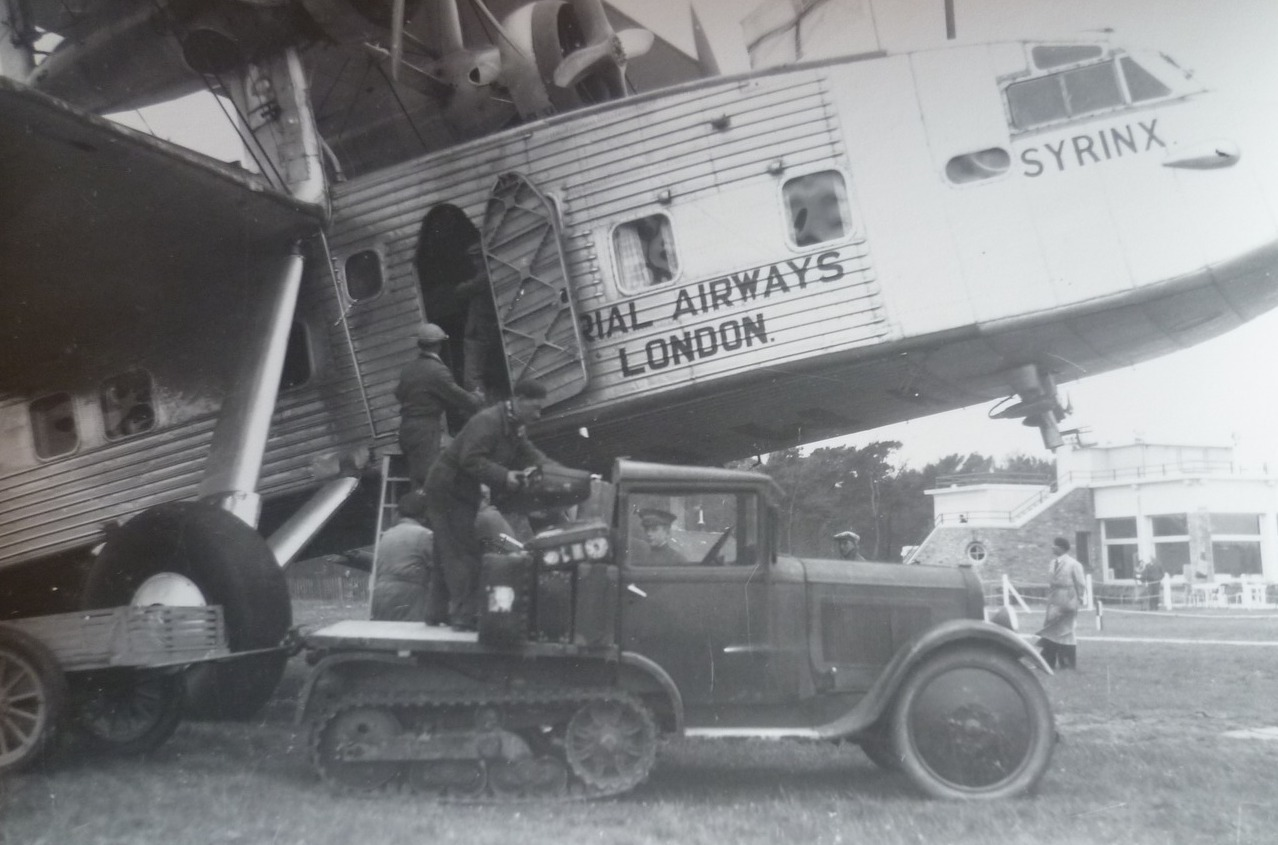
When I dream of afterlife in heaven, the action always takes place in the Paris Ritz. It’s a fine summer night. I knock back a couple of martinis in the bar — Rue Cambon side. Then there’s a wonderful dinner under a flowering chestnut tree in what’s called Le Petit Jardin. That’s the little garden that faces the Grill. After a few brandies, I wander up to my room and slip into one of those huge Ritz beds. They are all made of brass. There’s a bolster for my head the size of the Graf Zeppelin and four square pillows filled with real goose feathers — two for me and two for my quite heavenly companion.

Ernest Hemingway

31 July 2016

Grinned.


‘Brunch?’ He shuddered again. ‘Brunch is the terrible work of the — ‘ he did not quite say devil. ‘It’s neither one thing nor another thing.’ ‘But elevenses?’ I replied. ‘Ah yes, elevenses,’ he grinned. ‘That’s what keeps you going until lunch.’ Mid morning, he usually partakes of a slice of seed cake and Madeira. He ordered some for us now. The caraway seed cake was pound cake, not too dry, with a crunchy crust. ‘A little dour,’ said Fergus, ‘but good.’ A sip of the amber Madeira, sweet and thick, wetted the tongue and warmed the palate.

22 March 2016

Purgatory.


Eggs in Purgatory

Ingredients
1/4 cup extra-virgin olive oil
1 red onion, thinly sliced
1/2 cup Gaeta olives, pitted but left whole
1 (28-ounce) can peeled tomatoes, juices drained and set aside for another use, tomatoes cut into 1/2-inch strips
Salt
10 eggs
1 bunch basil, cut into chiffonade
1/4 cup caciotta, freshly grated

Directions
In a 12 to 14-inch non-stick saute pan, heat the oil over medium heat until just smoking. Add the onion and cook 7 to 9 minutes, until softened and light brown. Add the olives and tomatoes, season lightly with salt, and cook slowly for 18 to 20 minutes, until the tomatoes start to break down.

Carefully crack the eggs into the pan, keeping them whole and separated. Cover with a lid or foil and cook 3 to 4 minutes, until the whites have set but the yolk is still runny. Sprinkle basil and grated cheese over and serve from the pan on the table.


Mario Batali

31 October 2015

Lunch.


The History of every major Galactic Civilization tends to pass through three distinct and recognizable phases, those of Survival, Inquiry and Sophistication, otherwise known as the How, Why, and Where phases. For instance, the first phase is characterized by the question 'How can we eat?' the second by the question 'Why do we eat?' and the third by the question 'Where shall we have lunch?'

Douglas Adams

I love lunch.

07 January 2015

Celebrated.


I found a patch of bare, sandy ground, unlikely cover for rattlesnakes, and smoothed out a spot for my bedroll. I wanted a campfire, but I was already trespassing and feared a grass fire like those used to drive the buffalo hither and yon. I was cold and damp all night and got up several times to exercise my way back into warmth. There was a lovely half-moon that was strong enough to make the landscape glow. That and the sound of the running Platte were enough to allay my discomfort. The moon buried itself in the river as it does in Chinese poems.

I was fine as long as I didn’t think about the future and my unrealistic ambition to become a poet and novelist. When the moon set in the predawn hours, it became truly dark and I was at first frightened by the sound of heavy breathing. But then, as an ex-farm boy, I recognized the odor of cattle. It was O.K. as long as it wasn’t an unruly bull, who would have been snorting immediately. In the first dim light from the east I could see a circle of curious calves surrounding me. I muttered good morning and several ran for it.

That was the night I fell in love with the Sand Hills. I celebrated by carving the mold off a piece of Cheddar and opened a can of 19-cent Boothbay sardines, a standby in my youthful hikes. There were severe thundershowers early but that helped get me a long day’s ride all the way to Brainerd, Minn., where I spent the night trying to sleep on a picnic table in a park while a number of stray dogs growled at me. Finally, a spaniel with a good heart jumped up on the table and cuddled with me, helping to raise the frigid temperature. I had been accepted and the growling dogs departed.

18 September 2014

Appreciative.

At 6 a.m. workers are inspecting shipments of gleaming ice-packed fish at IMP Foods, a company in San Mateo, California, that supplies sushi-grade specimens to Japanese restaurants and a coterie of some of the most famous—and famously picky—American chefs. Harold McGee is in his element. “Look at that, with that schnoz, and a whip coming out of its tail,” he says, stooping over what turns out to be acornet fish, a long, bony creature with a fluted tube for a snout, a strange rear end, and an altogether alarming red color. “In Japan we call it aka-yagara, which means ‘red arrow,’” says Glenn Sakata, IMP’s general manager. “It makes wonderful broth.”
A golden threadfin bream, itoyoriin Japanese, also catches McGee’s eye. Favored for sashimi, it’s quite lovely, with silver skin, luminous yellow stripes, a tail that blushes deep pink. Sakata mentions in passing that both fish are bought by the French Laundry, Thomas Keller’s four-star temple to cuisine in Napa Valley. The sea bream shimmers with freshness in its box of shaved ice. McGee, who is wearing a regulation-issue hairnet, bows over it and draws a deep, appreciative breath.
More here.