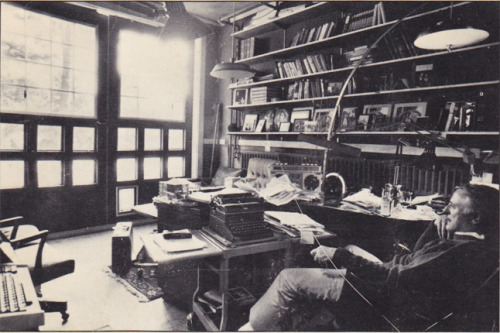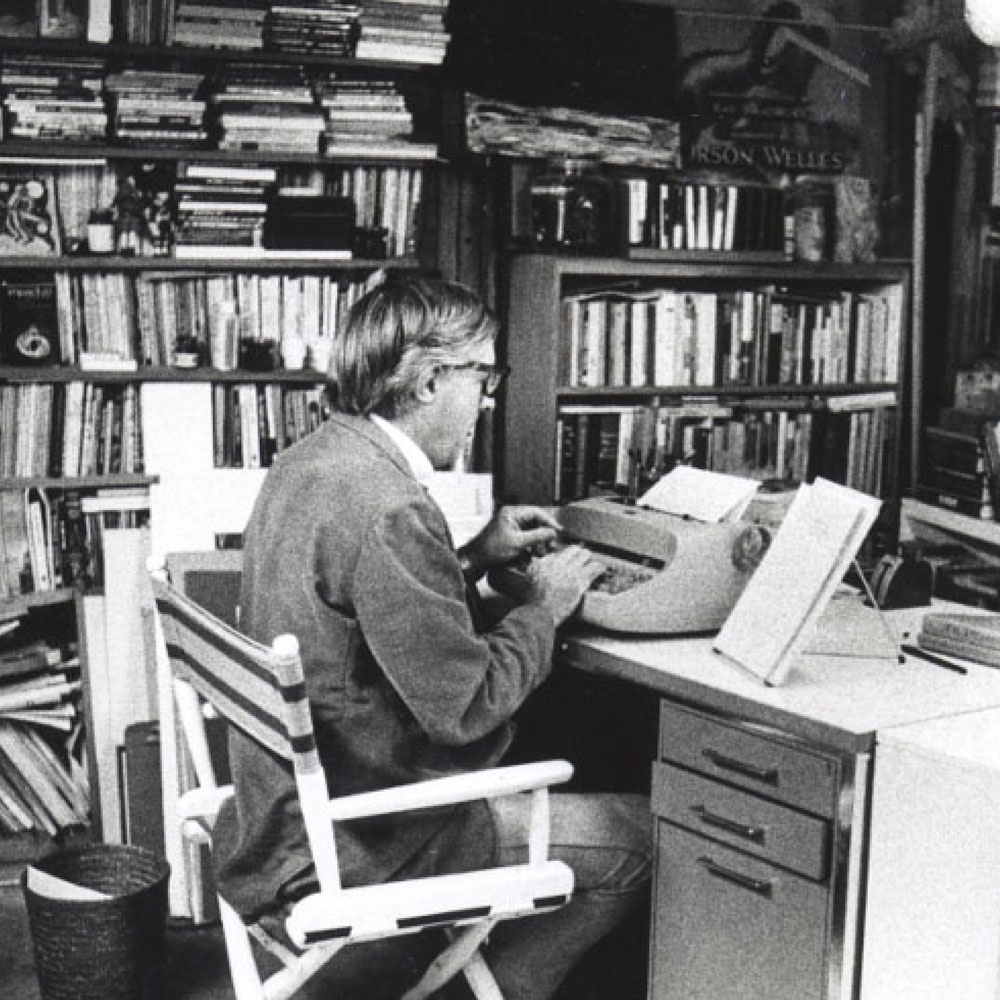
I have three rules to live by. One, get your work done. If that doesn’t work, shut up and drink your gin. And when all else fails, run like hell!
Ray Bradbury, from an interview with Sam Weller in the The Paris Review, 2010

ABSTRACTWinston Churchill statement promoting Gin and Tonic as a life saver during British Empire extension hides many truths. As a matter of fact, the modern cocktail is thought to be born in India where it was widely distributed by Royal Navy for its anti-malarial properties. The aim of the present work is to review and unveil the history of Gin and Tonic through the centuries. As a matter of facts, primitive Gin and Tonic protective effects were well understood by physicians far before the advent of the “germ theory” and its fortunate invention is one of the most fascinating approaches in the history of preventive medicine. Indeed, quinine, a compound with protective effects on the replicative cycle of Plasmodium spp was discovered in 18th Century and since 19th it become the main compound of tonic beverages such as Schweppe’s ones. Interestingly, it was administered to British expatriates’ seamen and soldiers in order to prevent febrile paroxysms. Soon after, British military doctors demonstrated that the addition of lime or lemon peels to tonics was effective in preventing scurvy. While, addition of alcoholic beverages and gin contributed to make more enjoyable the bitter and unpleasant taste of this beverages.RESULTSThe spectacular voyage of Gin and Tonic teaches us that a popular recreational drink of our Century was a powerful prophylaxis which certainly helped British colonial expansion.


Stevens said it -- technique is the proof of your seriousness ...
Maybe what I'm trying to say is: I don't want to believe it. I don't want to lump Auden in with the cocktail consumers I've seen belly up to bars at innumerable happy hours, lean their elbows on the polished wood or marble or zinc, and, with an air of sophisticated authority, order an extra-dry vodka martini with extra olives. I want to pry away their drinks and replace them with real martinis—made with gin and considerably more than a rumor of vermouth, and garnished, if garnished they must be, with clean, curly twists of lemon peel. It's much the way I feel when, riding the subway some evenings, I catch sight of someone reading Atlas Shrugged, and want to tear the book from his or her hands and replace it with Paradise Lost or The Prelude. Life is too short for Ayn Rand, when one's time could be spent with Milton or Wordsworth—that is, with something beautiful and humanizing and good. And life is too short for a 10-ounce glass of chilled vodka masquerading as a cocktail, too short to forgo the pleasure of the real martini, a drink that at its best, too, is beautiful, and humanizing, and very, very good.
Casey, Gin and Tonic, 2016
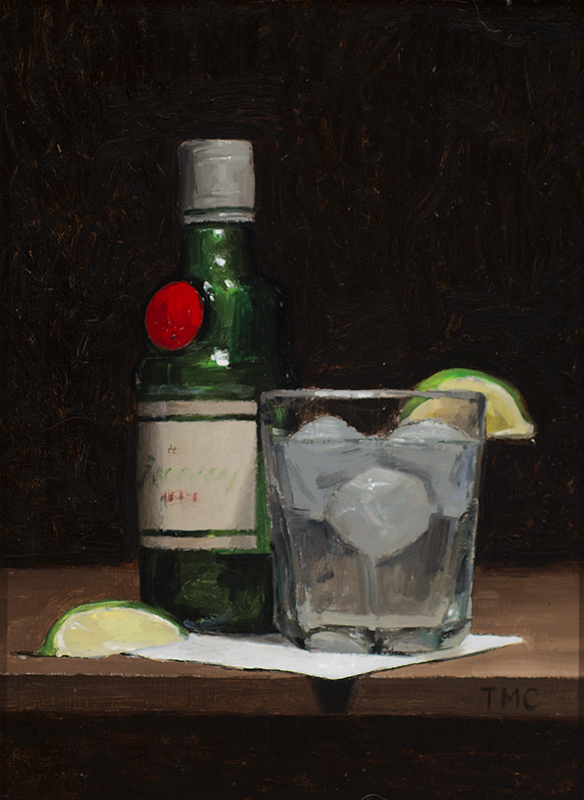
Bond ordered a double gin and tonic and one whole green lime. When the drink came he cut the lime in half, dropped the two squeezed halves into the long glass, almost filled the glass with ice cubes and then poured in the tonic. He took the drink out on to the balcony, and sat and looked out across the spectacular view.
Ian Fleming