Showing posts with label fire pit. Show all posts
Showing posts with label fire pit. Show all posts
09 January 2026


02 January 2026
Remember.

LEARNING a DEAD LANGUAGE
There is nothing for you to say. You must
Learn first to listen. Because it is dead
It will not come to you of itself, nor would you
Of yourself master it. You must therefore
Learn to be still when it is imparted,
And, though you may not yet understand, to remember.
What you remember is saved. To understand
The least thing fully you would have to perceive
The whole grammar in all its accidence
And all its system, in the perfect singleness
Of intention it has because it is dead.
You can only learn a part at a time.
What you are given to remember
Has been saved from death’s dullness by
Remembering. The unique intention
Of a language whose speech has died is order
Incomplete only where someone has forgotten.
You will find that that order helps you to remember.
What you come to remember becomes yourself.
Learning will be to cultivate the awareness
Of that governing order, now pure of the passions
It composed; till, seeking it in itself,
You may find at last the passion that composed it,
Hear it both in its speech and in yourself.
What you remember saves you. To remember
Is not to rehearse, but to hear what never
Has fallen silent. So your learning is,
From the dead, order, and what sense of yourself
Is memorable, what passion may be heard
When there is nothing for you to say.
W.S. Merwin
19 November 2025

17 November 2025
Bone-Fires.
Kasamatsu, Bonfire, 1959

To the early Anglo-Saxons, November was “wint-monath”, or wind month, the start of the storm season. It was sacred to the weather god Thunor, the Anglo-Saxon name for Thor, whose hammering made the thunder – Thunor is Old English for thunder. His popularity was reflected in the widespread presence of hammer-shaped ornaments in Anglo-Saxon graves.Thunor was honoured in November with huge fires to drive away evil spirits. These bone-fires or bonfires also had a practical function: animals had been slaughtered to provide food for winter, and the fires turned the bones into fertiliser. German pagans sometimes put a straw effigy of Thor on top of their bonfires, and Anglo-Saxons may have done the same with Thunor.
15 October 2025
Further.

I have come home at last! This is my real country! I belong here. This is the land I have been looking for all my life, though I never knew it till now. Come further up, come further in!
C.S. Lewis, from The Last Battle
Thanks for the transportation, Kurt.
02 February 2024
Live.
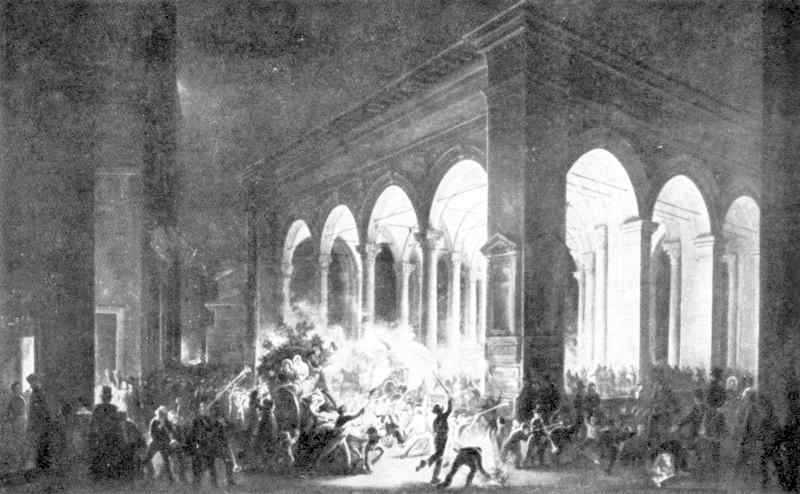
Beewise we gather our wax all year
From bramble sorrow and thistle tear,
Briar sadness and spine of pain:
Bitter flowers that bloom again!
But deadest winter brings a day
When thorns have lovelier bloom than May;
When candles are fashioned and lit by One
Who fashioned her wax to be lit by the Sun,
Then watched her Candle burn: the price
Of sin-consuming sacrifice.
Today she shares the Flame anew
To make us priest-and-victim too.
And Mary-mothered flames and Flame
Live their sacrificial Name.
John D. Boyd
04 November 2023
Sounded.

Moreover to light a fire is the instinctive and resistant act of man when, at the winter ingress, the curfew is sounded throughout Nature. It indicates a spontaneous, Promethean rebelliousness against the fiat that this recurrent season shall bring foul times, cold darkness, misery and death. Black chaos comes, and the fettered gods of the earth say, Let there be light.
Thomas Hardy
10 April 2023
05 February 2022
Again.
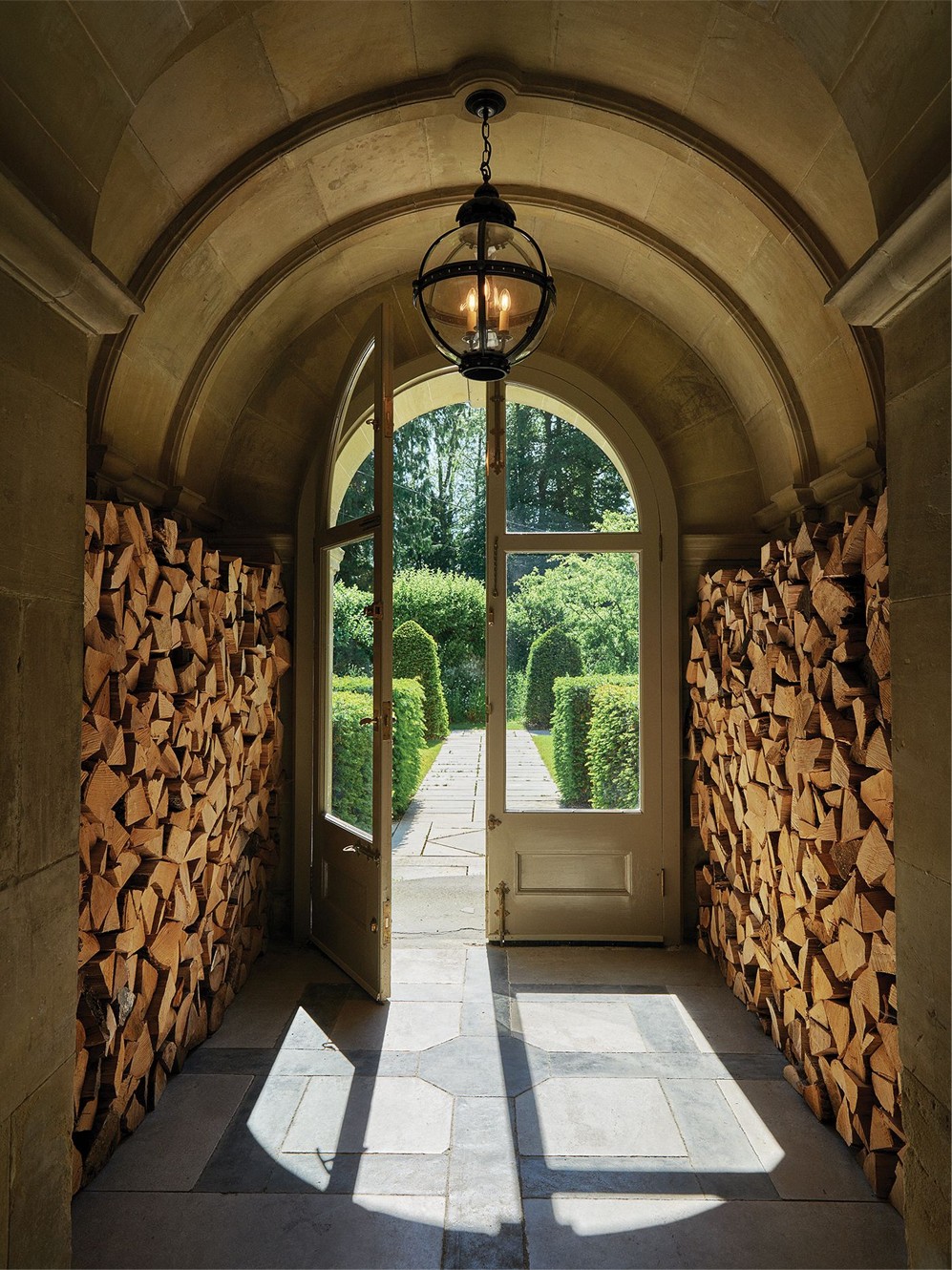
Rackham, “Appear, flickering fire, / Encircle the rock with thy flame! / Loge! Loge! Appear!”, 1910

Once more to assemble about the paternal hearth, that rallying-place of the affections, there to grow young and loving again among the endearing mementoes of childhood.
Washington Irving
06 November 2021
Firepit-Listening.
Four hours of firepit-listening.
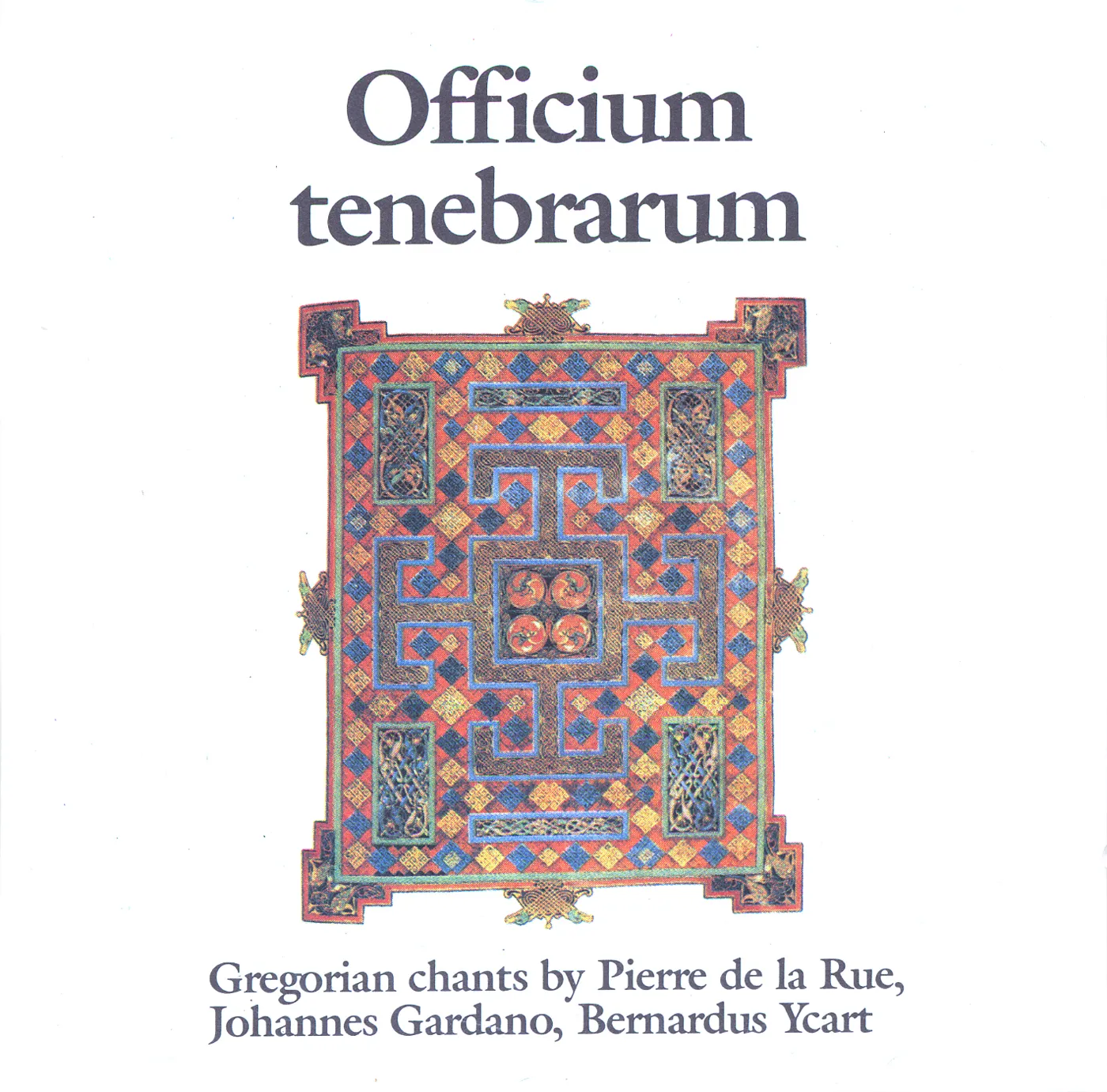
:format(webp):mode_rgb():quality(90)/discogs-images/R-3829135-1346036541-3604.jpeg.jpg)
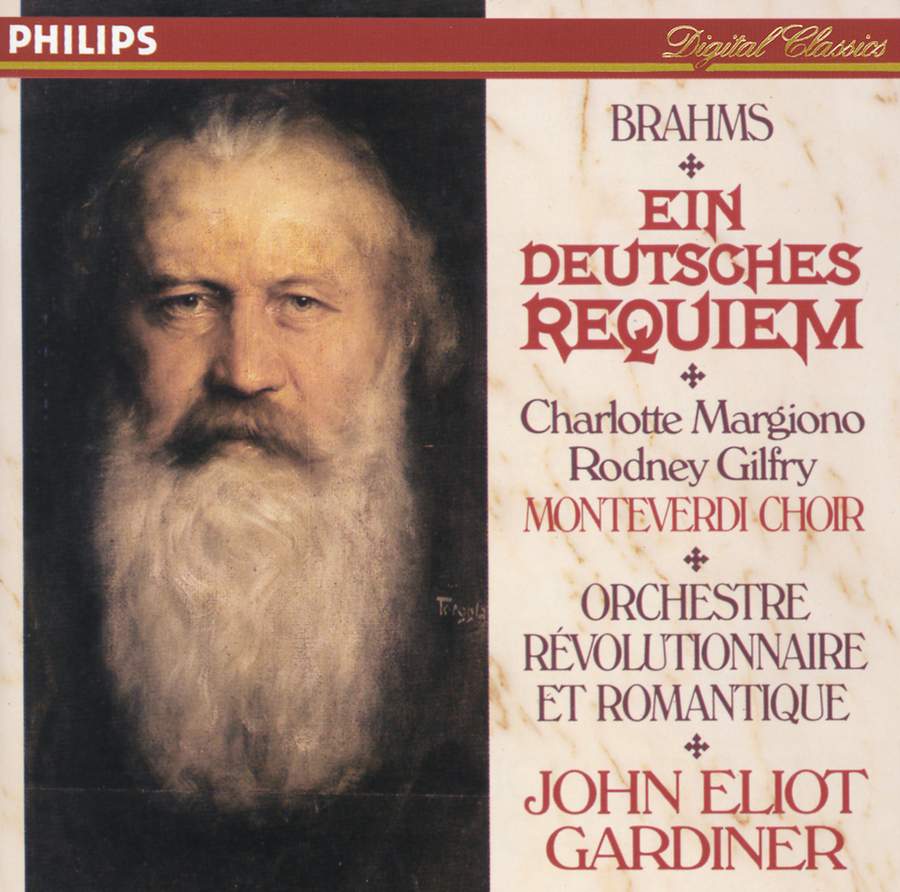
Johannes Brahms' Ein Deutsches Requiem, Op. 45, performd by the Monteverdi Choir, the Orchestre Révolutionnaire et Romantique, and conducted by Sir John Eliot Gardiner ...
Pyotr Tchaikovsky's Liturgy of St. John Chrysostrom, Op. 41 in C major, performed by the USSR Ministry Of Culture Chamber Choir, directed by Valery Polyansky ...
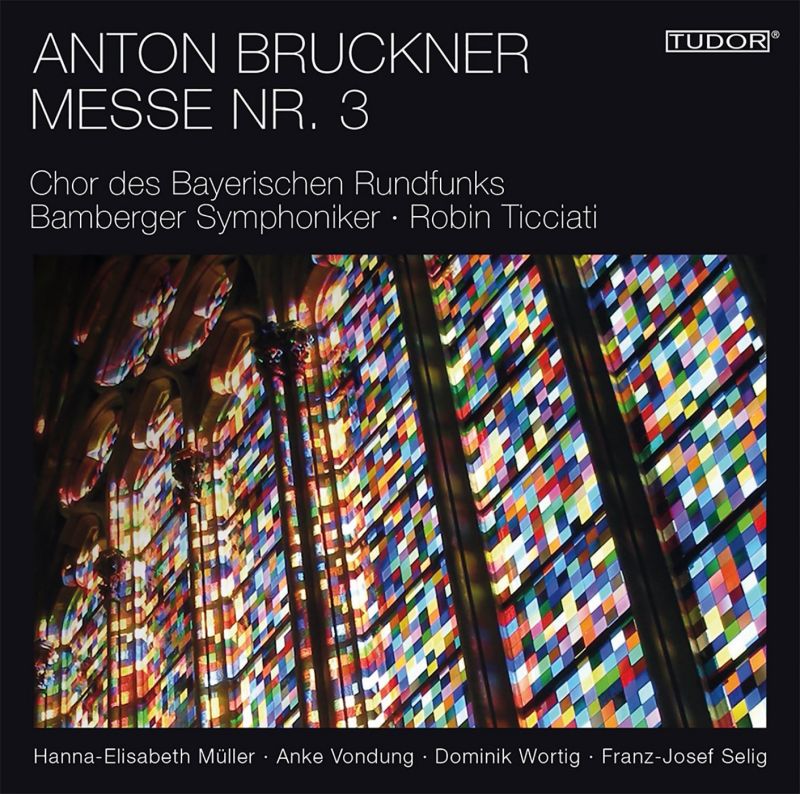
Anton Bruckner's Mass No. 3 in F minor, WAB 28, performed by the Bamberger Symphoniker and Chor des Bayerischen Rundfunks, Robin Ticciati, conductor ...
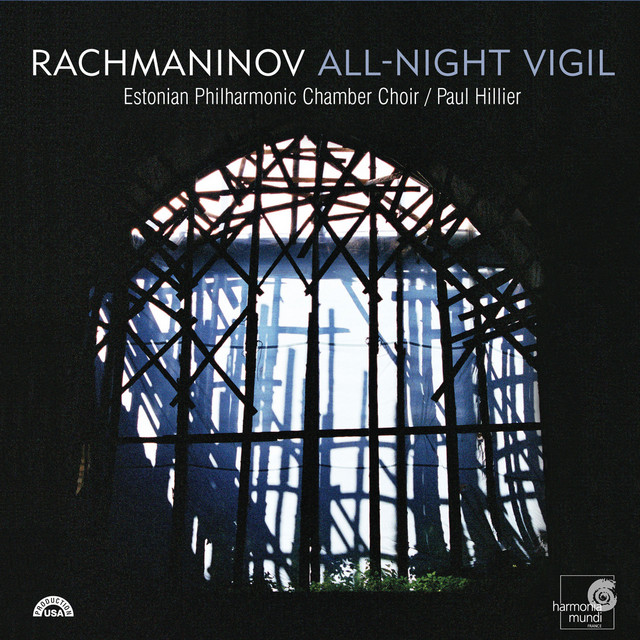
Sergei Rachmaninov's All-Night Vigil, Op. 37, performed by the Estonian Philharmonic Chamber Choir, Paul Hillier, conducting ...
03 October 2021
Sing.
Wyeth, Bonfire, 1993

AUTUMN FIRES
In the other gardens
And all up in the vale,
From the autumn bonfires
See the smoke trail!
Pleasant summer over,
And all the summer flowers,
The red fire blazes,
The grey smoke towers.
Sing a song of seasons!
Something bright in all!
Flowers in the summer,
Fires in the fall!
Robert Louis Stevenson
Subscribe to:
Posts (Atom)