"I am not one who was born in the custody of wisdom. I am one who is fond of olden times and intense in quest of the sacred knowing of the ancients." Gustave Courbet
Showing posts with label Wiesel. Show all posts

27 January 2026

Faith.


There's a long road of suffering ahead of you. But don't lose courage. You've already escaped the gravest danger: selection. So now, muster your strength, and don't lose heart. We shall all see the day of liberation. Have faith in life. Above all else, have faith. Drive out despair, and you will keep death away from yourselves. Hell is not for eternity. And now, a prayer - or rather, a piece of advice: let there be comradeship among you. We are all brothers, and we are all suffering the same fate. The same smoke floats over all our heads. Help one another. It is the only way to survive.

Elie Wiesel, from Night

28 January 2025

Interfere.


If we forget, we are guilty, we are accomplices. And then I explain to him how naive we were, that the world did know and remained silent. And that is why I swore never to be silent whenever and wherever human beings endure suffering and humiliation. We must take sides. Neutrality helps the oppressor, never the victim. Silence encourages the tormentor, never the tormented. Sometimes we must interfere. When human lives are endangered, when human dignity is in jeopardy, wherever men and women are persecuted because of their race, religion, or political views, that place must—at that moment—become the center of the universe.

10 December 2024

Prayer.


One day the Gestapo hanged a child. Even the SS were disturbed by the prospect of hanging a young boy in front of thousands of spectators. The child who, [Elie] Wiesel recalled, had the face of a “sad-eyed angel,” was silent, lividly pale and almost calm as he ascended the gallows. Behind Wiesel, one of the other prisoners asked: “Where is God? Where is He?” It took the child half an hour to die, while the prisoners were forced to look him in the face. The same man asked again: “Where is God now?” And Wiesel heard a voice within him make this answer: “Where is He? Here He is—He is hanging here on this gallows.”

Dostoyevsky had said that the death of a single child could make God unacceptable, but even he, no stranger to inhumanity, had not imagined the death of a child under such circumstances. The horror of Auschwitz is a stark challenge to many of the more conventional ideas of God. The remote God of the philosophers, lost in a transcendent apatheia [a Stoical “freedom from emotion”], becomes intolerable. Many Jews can no longer subscribe to the biblical idea of God who manifests himself in history, who, they say with Wiesel, died in Auschwitz. The idea of a personal God, like one of us writ large, is fraught with difficulty. If this God is omnipotent, he could have prevented the Holocaust. If he was unable to stop it, he is impotent and useless; if he could have stopped it and chose not to, he is a monster. Jews are not the only people who believe that the Holocaust put an end to conventional theology.

Yet it is also true that even in Auschwitz some Jews continued to study the Talmud and observe the traditional festivals, not because they hoped that God would rescue them but because it made sense. There is a story that one day in Auschwitz, a group of Jews put God on trial. They charged him with cruelty and betrayal. Like Job, they found no consolation in the usual answers to the problem of evil and suffering in the midst of this current obscenity. They could find no excuse for God, no extenuating circumstances, so they found him guilty and, presumably, worthy of death. The Rabbi pronounced the verdict. Then he looked up and said that the trial was over: it was time for the evening prayer.
Remember.


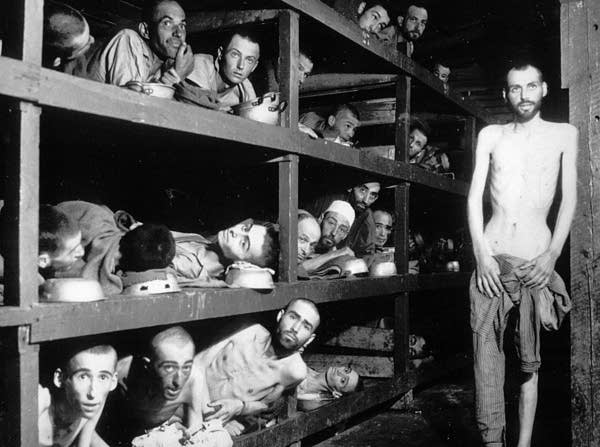
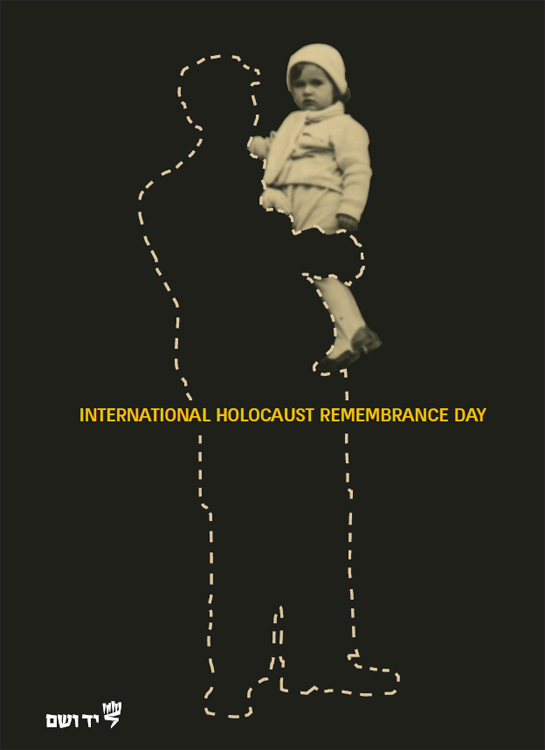
I remember: it happened yesterday or eternities ago. A young Jewish boy discovered the kingdom of night. I remember his bewilderment, I remember his anguish. It all happened so fast. The ghetto. The deportation. The sealed cattle car. The fiery altar upon which the history of our people and the future of mankind were meant to be sacrificed.

I remember: he asked his father: “Can this be true?” This is the twentieth century, not the Middle Ages. Who would allow such crimes to be committed? How could the world remain silent?

And now the boy is turning to me: “Tell me,” he asks. “What have you done with my future? What have you done with your life?”

And I tell him that I have tried. That I have tried to keep memory alive, that I have tried to fight those who would forget. Because if we forget, we are guilty, we are accomplices. We could not prevent their deaths the first time, but if we forget them they will be killed a second time. And this time, it will be our responsibility.

And then I explained to him how naive we were, that the world did know and remain silent. And that is why I swore never to be silent whenever and wherever human beings endure suffering and humiliation. We must always take sides. Neutrality helps the oppressor, never the victim. Silence encourages the tormentor, never the tormented. Sometimes we must interfere. When human lives are endangered, when human dignity is in jeopardy, national borders and sensitivities become irrelevant. Wherever men or women are persecuted because of their race, religion, or political views, that place must – at that moment – become the center of the universe.

Elie Wiesel, from his Nobel Prize acceptance speech, given on this day in 1986

16 June 2024

Footsteps.

His hand would cover my head like a stocking cap and guide my travel through the congregation after church.  

My Great-Grandpa Karl, born eighty years to the day before me ...


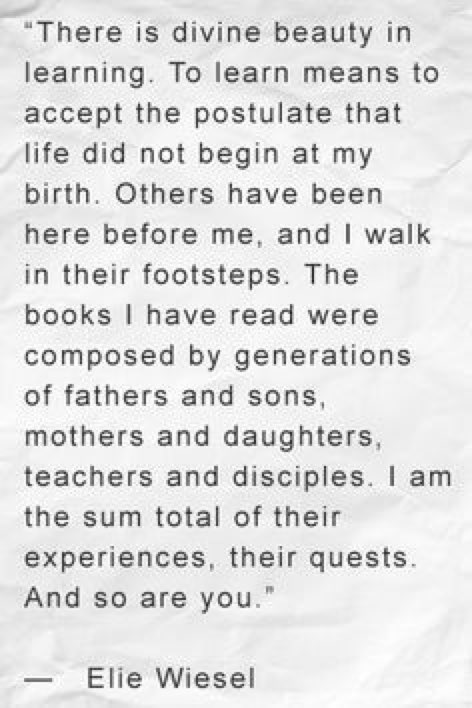
There is divine beauty in learning.  To learn means to accept the postulate that life did not begin at my birth. Others have been here before me, and I walk in their footsteps. The books I have read were composed by generations of fathers and sons, mothers and daughters, teachers and disciples. I am the sum total of their experiences, their quests. And so are you.

Elie Wiesel

27 January 2024

Must.


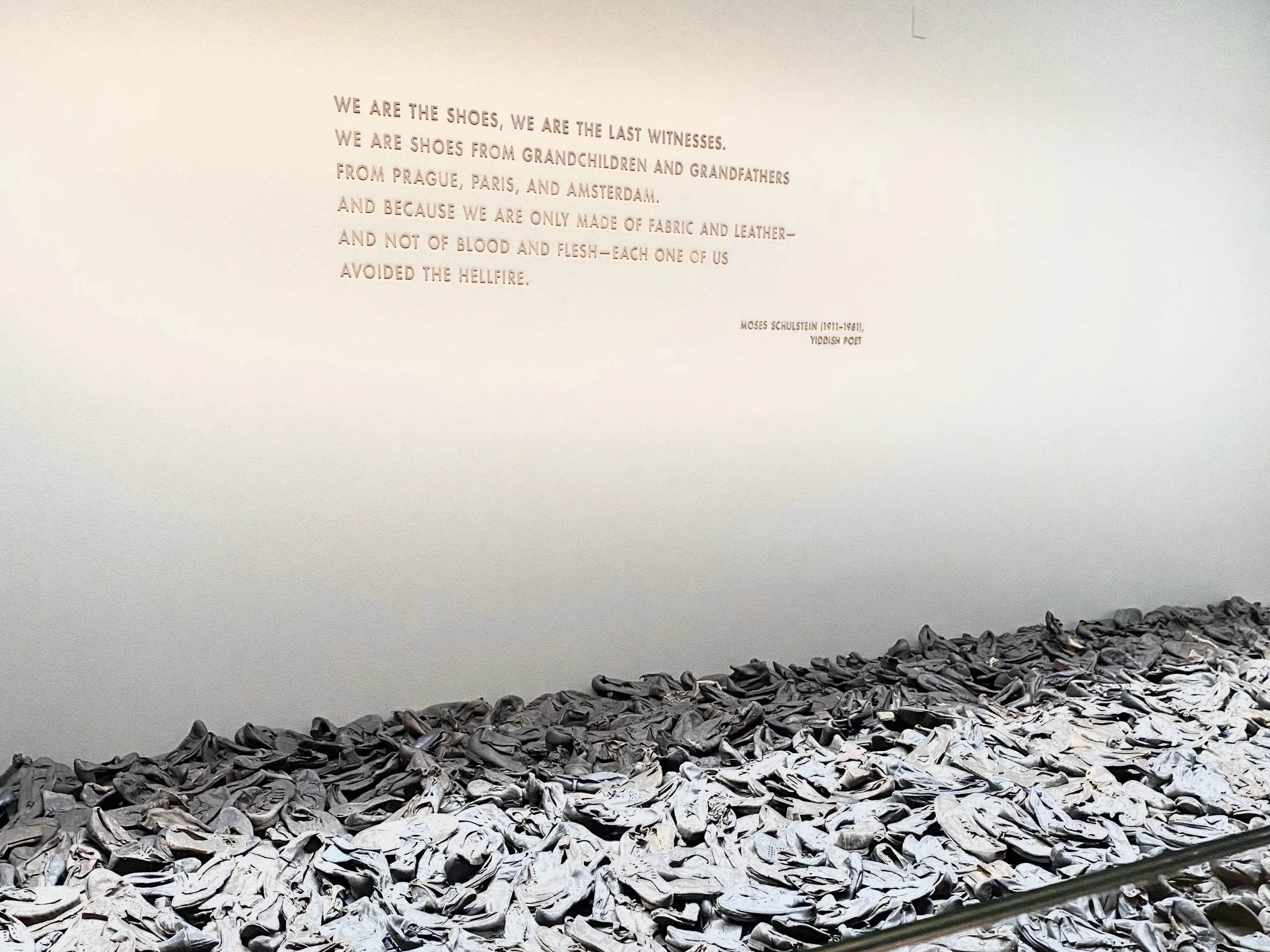
In remembrance ...
I swore never to be silent whenever and wherever human beings endure suffering and humiliation. We must always take sides. Neutrality helps the oppressor, never the victim. Silence encourages the tormentor, never the tormented. Sometimes we must interfere. When human lives are endangered, when human dignity is in jeopardy, national borders and sensitivities become irrelevant. Wherever men or women are persecuted because of their race, religion, or political views, that place must—at that moment—become the center of the universe.

Elie Wiesel, from his 1986 Nobel Peace Prize acceptance speech

27 January 2023

Faith.


There's a long road of suffering ahead of you. But don't lose courage. You've already escaped the gravest danger: selection. So now, muster your strength, and don't lose heart. We shall all see the day of liberation. Have faith in life. Above all else, have faith. Drive out despair, and you will keep death away from yourselves. Hell is not for eternity. And now, a prayer - or rather, a piece of advice: let there be comradeship among you. We are all brothers, and we are all suffering the same fate. The same smoke floats over all our heads. Help one another. It is the only way to survive.

Elie Wiesel, from Night

31 May 2021

Memory.

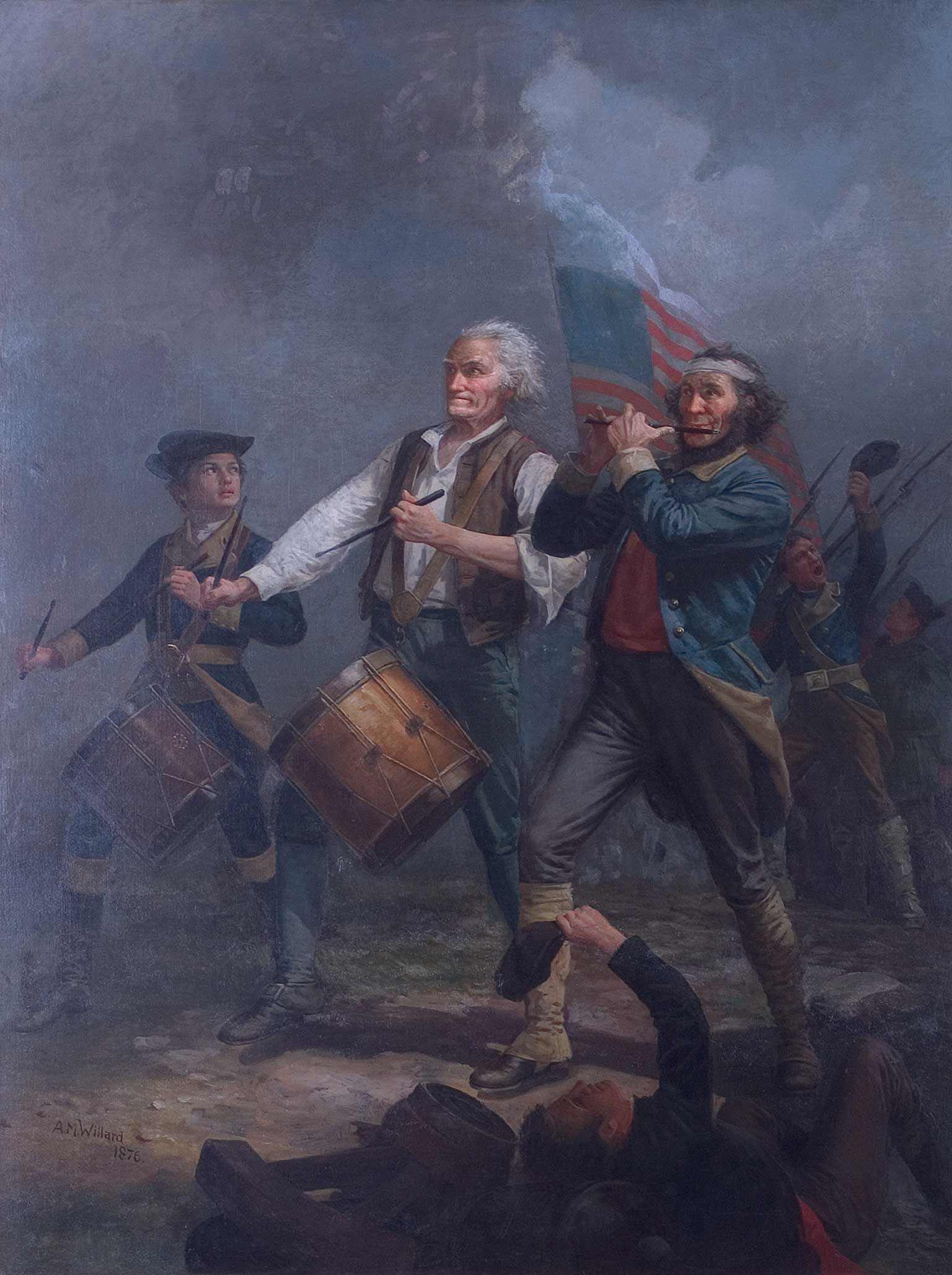
Willard, Spirit of '76, 1876


Without memory, there is no culture. Without memory, there would be no civilization, no society, no future.

Elie Wiesel

27 December 2020

Experiences.


There is divine beauty in learning.  To learn means to accept the postulate that life did not begin at my birth. Others have been here before me, and I walk in their footsteps. The books I have read were composed by generations of fathers and sons, mothers and daughters, teachers and disciples. I am the sum total of their experiences, their quests. And so are you.

Elie Wiesel

09 November 2019

Tragedy.


Everything was on fire. You could hear the smashing. Every store in the section of Frankfurt we lived in was Jewish. The next morning, there was broken glass all over and the synagogues were burnt.

I remember seven men in uniform came into our apartment and said, “Any male person has to report right away to the police station.” My father went and didn’t come back. Nobody knew what was going on. It turned out that they were transported to Buchenwald. My father was there for three months.

When I came to school the next morning, only half my class was there because anybody who wasn’t born in Germany – even if one of your parents wasn’t born in Germany – was shipped out of the country overnight.

Ruth Greenwald

CONNECT

Elie Wiesel: Kristallnacht, The Beginning of the Tragedy ...

22 August 2019

Wait.


I dragged myself to my corner. I was aching all over. I felt a cool hand wiping the blood from my forehead. It was the French girl. She was smiling  her mournful smile as she slipped me a crust of bread. She looked straight into my eyes. I knew she wanted to talk to me but that she was paralyzed with fear. She remained like that for some time, and then her face lit up and she said, in almost perfect German: "Bite your lips, little brother.  Don't cry.  Keep your anger, your hate, for another day, for later.  The day will come but not now.  Wait. Clench your teeth and wait.

Elie Wiesel, from Night

14 January 2019

Sum.


There is divine beauty in learning.  To learn means to accept the postulate that life did not begin at my birth. Others have been here before me, and I walk in their footsteps. The books I have read were composed by generations of fathers and sons, mothers and daughters, teachers and disciples. I am the sum total of their experiences, their quests. And so are you.

Elie Wiesel

12 April 2018

Always.

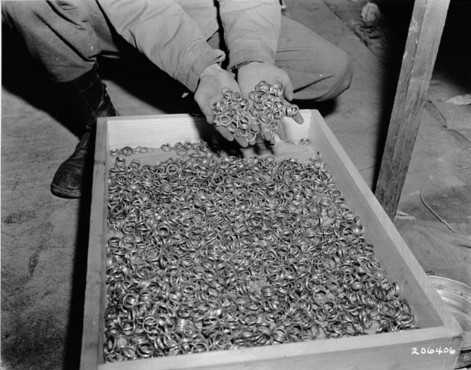
Wedding rings found by US army soldiers near the Buchenwald concentration camp ...


We must always take sides. Neutrality helps the oppressor, never the victim. Silence encourages the tormentor, never the tormented. Sometimes we must interfere. When human lives are endangered, when human dignity is in jeopardy, national borders and sensitivities become irrelevant. Wherever men or women are persecuted because of their race, religion, or political views, that place must—at that moment—become the center of the universe.

Elie Wiesel

27 January 2017

Must.


There may be times when we are powerless to prevent injustice, but there must never be a time when we fail to protest.  We must take sides.  Neutrality helps the oppressor, never the victim. Silence encourages the tormentor, never the tormented. Sometimes we must interfere. When human lives are endangered, when human dignity is in jeopardy, national borders and sensitivities become irrelevant. Wherever men and women are persecuted because of their race, religion, or political views, that place must - at that moment - become the center of the universe.

Elie Wiesel